Our verdict
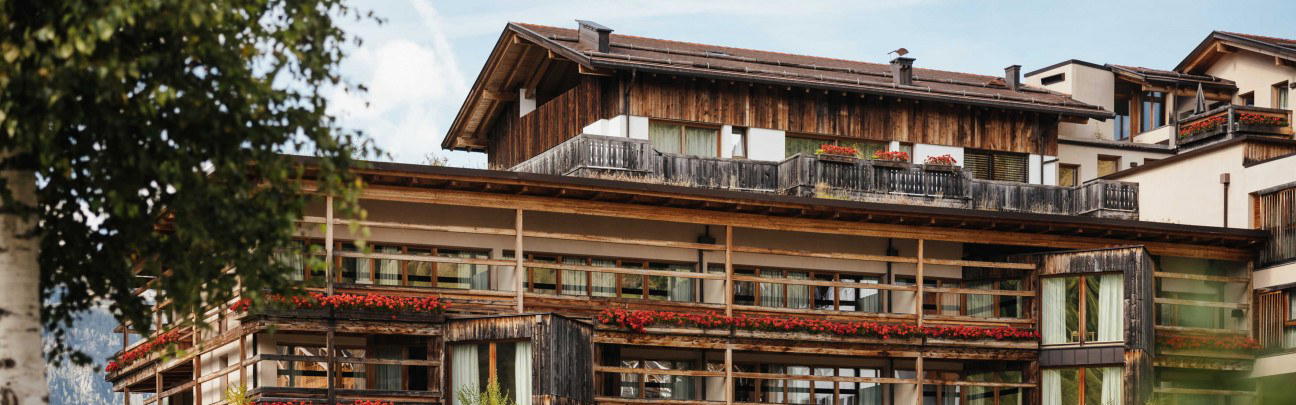
Set in the Dolomite village of Marebbe, Garsun occupies a corner of South Tyrol's mountain dining tradition where altitude shapes both the larder and the cooking sensibility. The restaurant sits on Strada Mantëna in a valley that produces distinctive Alpine ingredients, placing it within a regional culinary conversation that reaches well beyond its remote postcode. For visitors making the drive into Alta Badia, it represents a grounded entry point into Ladin mountain cooking.

Pearl is the En Primeur Club membership app, where members save venues, book tables and use the concierge.

The menu
What to order
- Barley soup
- Schlutzkrapfen
Where the Dolomites Set the Table
South Tyrol's dining reputation is built on a paradox: some of Italy's most demanding high-altitude terrain produces a kitchen culture that is simultaneously austere and generous. The villages of the Alta Badia and Marebbe valleys sit at elevations where the growing season is short, livestock graze on steep meadows, and the larder is shaped by what survives winter rather than what can be imported cheaply. Garsun, on Strada Mantëna in the village of Marebbe (locally spelled Mareo in the Ladin dialect), operates inside that constraint. The Dolomites are not a backdrop here; they are the supply chain.
This matters because the ingredient logic of Alpine South Tyrol differs structurally from the seafood-forward creativity at Uliassi in Senigallia, the truffle-anchored tasting menus at Piazza Duomo in Alba, or the Adriatic-Mediterranean register of Quattro Passi in Marina del Cantone. Mountain cooking in this part of Italy draws on smoked and cured meats, rye bread traditions, aged cheeses from small dairies, wild herbs gathered from high pastures, and freshwater fish from glacier-fed streams. The discipline is preservation and concentration, not abundance.
The Alta Badia Ingredient Geography
The Marebbe valley is Ladin-speaking territory, one of the last pockets of the ancient Rhaeto-Romance language that predates both Italian and German in the Alps. That cultural specificity extends into the food: Ladin cuisine has its own grammar, distinct from the Germanic Tyrolean cooking of Bolzano and the Italian-inflected menus of the Trentino lowlands. Dishes built on sciatt (buckwheat fritters filled with local cheese), tirtlen (fried dough pockets with sauerkraut or spinach), and hand-rolled canederli (bread dumplings) represent a culinary vocabulary that exists almost nowhere else in Italy's restaurant system.
For kitchens rooted in this tradition, sourcing is not a marketing decision; it is a structural one. The dairy farms supplying aged graukäse (grey cheese, low-fat and sharp, a signature of the valley) are within a short radius. Wild mushrooms from the surrounding forests arrive in season, not via a distribution network. This proximity collapses the distance between field and plate in ways that the urban Italian fine-dining circuit, represented by venues like Enoteca Pinchiorri in Florence or Enrico Bartolini in Milan, achieves through curation rather than geography.
The regional benchmark for this intersection of Alpine identity and fine-dining ambition is Atelier Moessmer Norbert Niederkofler in Brunico, whose Cook the Mountain philosophy set the terms for how South Tyrolean cuisine talks about itself internationally. That conversation has filtered into the broader Alta Badia dining scene, raising expectations around seasonality, local sourcing, and the translation of mountain ingredients into more composed, restaurant-ready formats. Garsun sits within that regional current.
Arriving in Marebbe
The physical approach to Marebbe is itself a form of context. The village lies in the Plan de Corones ski area, accessible from Brunico to the north or via the Passo delle Erbe from the Val di Funes. In winter, the valley operates on ski-resort rhythm: early lunches, hearty portions, mulled wine at altitude. In summer, the same roads carry hikers and cyclists between the Fanes-Senes-Braies nature reserve and the Puez-Odle plateau. The seasonality of the visitor profile shapes when and how mountain restaurants like Garsun read to their audience. A summer dinner in this context is a different proposition from the same address in January, and the kitchen's relationship with seasonal ingredients from the surrounding landscape shifts accordingly.
For those planning a visit, Marebbe is approximately 30 kilometres from Brunico, which has the nearest train connections on the Pusteria valley line. The village itself is small, and Strada Mantëna is a central reference point. Booking ahead is advisable in both high winter and peak summer periods, when the valley's accommodation fills and restaurant demand from hotel guests competes with walk-in trade. Our full Mareo restaurants guide covers the wider dining options in the area, including Plazores, which represents another angle on the village's table.
Garsun in the Wider Italian Dining Picture
South Tyrol as a region punches considerably above its population size in the Italian fine-dining rankings. The concentration of Michelin stars per capita in the province of Bolzano is among the highest in Europe, a fact that reflects both the local hospitality investment culture and the pull of the region's tourism economy. That concentration means a village restaurant in Marebbe is not operating in isolation; it competes, at least in aspiration, with some of Italy's most decorated tables.
The Italian fine-dining circuit that includes Osteria Francescana in Modena, Le Calandre in Rubano, Reale in Castel di Sangro, Dal Pescatore in Runate, Da Vittorio in Brusaporto, Villa Crespi in Orta San Giulio, La Pergola in Rome, and Casa Perbellini 12 Apostoli in Verona represents a tier defined by formal tasting menus, long wine lists, and international critical attention. Garsun, as a Marebbe village address, positions itself differently: closer to the tradition-rooted, ingredient-driven format that the South Tyrolean mountain context produces naturally, rather than the progressive-contemporary mode associated with those larger-city flagships. The comparison point from outside Italy would be something like the community-anchored, producer-first dining that Lazy Bear in San Francisco represents, or the technical rigour applied to local sourcing that distinguishes Le Bernardin in New York City in its own category. The thread connecting them is that the ingredient is the argument.
Planning Your Visit
Marebbe is a year-round destination, but the character of a meal here shifts with the seasons. Winter visitors arrive in ski gear and want the warming register of Alpine cooking at its most direct. Summer opens the valley to a more contemplative pace, with longer evenings and the produce of mountain meadows in season. Either window is valid; neither is wrong. What the address on Strada Mantëna offers, within the Ladin cultural pocket of the Marebbe valley, is a grounded connection to the ingredients that define this specific corner of the Italian Alps.
Frequently asked questions
Does Garsun work for a family meal?
Marebbe is a year-round resort village in the Plan de Corones ski area, and restaurants here generally accommodate families moving between outdoor activities and the table. Garsun's address on Strada Mantëna places it within the village centre, making it accessible rather than destination-remote.
Is Garsun formal or casual?
South Tyrol's Alta Badia dining culture sits between Alpine informality and the precision that comes with a region holding an unusually high concentration of Michelin-recognised restaurants relative to its population. Garsun is in Marebbe, a working Ladin-speaking valley community rather than a resort showcase, which typically tilts the register toward the grounded end of that spectrum.
What makes dining in Marebbe's Alta Badia valley different from other South Tyrol restaurant destinations?
Marebbe sits in Ladin-speaking territory, one of the few remaining enclaves of Rhaeto-Romance language and culture in the Alps, which shapes its food traditions in ways distinct from the more Germanophone valleys to the north or the Italian-inflected towns toward Bolzano. The Plan de Corones setting means the local ingredient base and seasonal rhythms are tied to high-altitude agriculture rather than lake or lowland produce. Garsun, located on Strada Mantëna in the village, operates within that specific cultural and geographical frame rather than the broader South Tyrolean fine-dining circuit centred on towns like Bressanone or Merano.
What do regulars order at Garsun?
What is consistent across Alta Badia's Marebbe valley is a kitchen geography shaped by Ladin tradition, high-altitude produce, and the intersection of Italian and German culinary influence that defines South Tyrol broadly. For current menu information, reaching out to the venue at its Strada Mantëna, Marebbe address is the most reliable route.
Comparable Spots, Quickly
Comparable venues nearby, for context on price, style, and recognition.
| Venue | Cuisine | Price | Notes |
|---|---|---|---|
| GarsunThis venue (the venue you are viewing) | Ladin Trattoria | Not listed | Not listed |
| Plazores | Rustic Ladin-Italian | Not listed | San Vigilio |
| Pacher | South Tyrolean Italian | Not listed | Vahrn |
| FIVE | Contemporary Italian Mediterranean | $30–50 | Porta Venezia |
| Binderstube | Upscale South Tyrolean Italian | Not listed | Fiè allo Sciliar |
| Caravan Park Sexten | Alpine-Mediterranean Gourmet | $50–100 | Sesto |
Continue exploring
More in Mareo
Restaurants in Mareo
All restaurants in Mareo →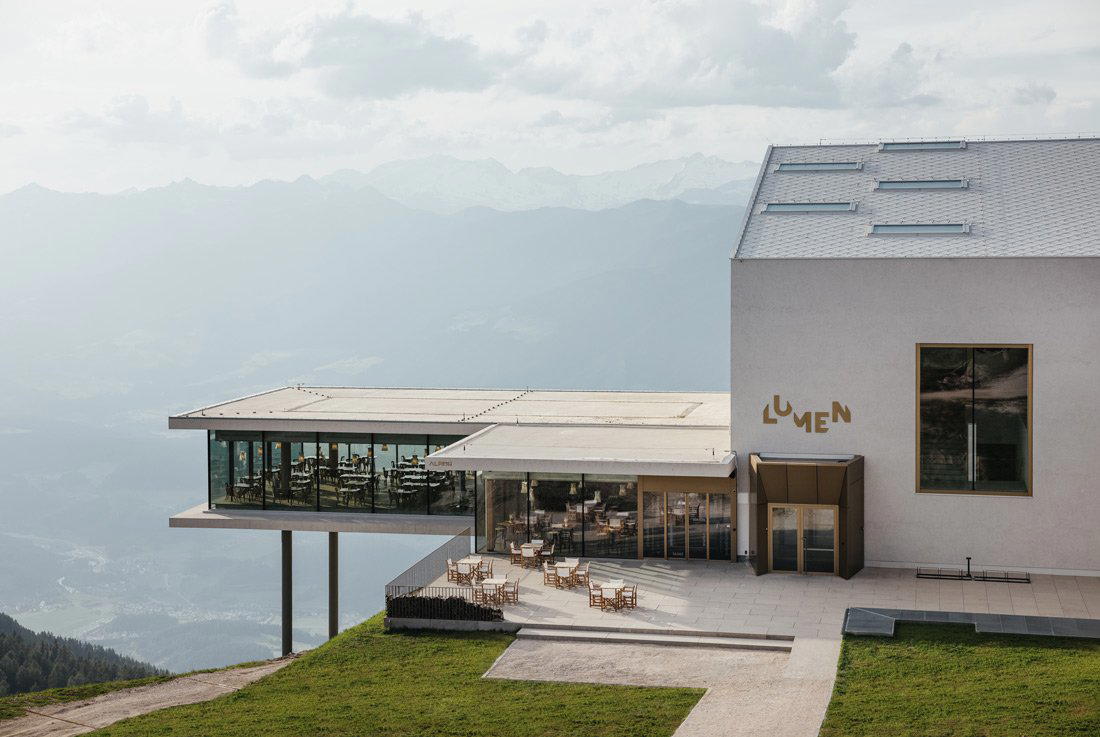
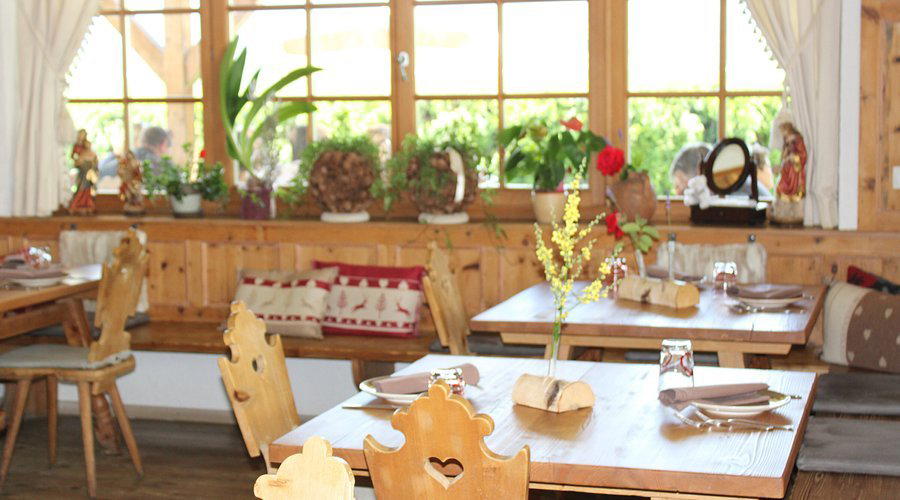
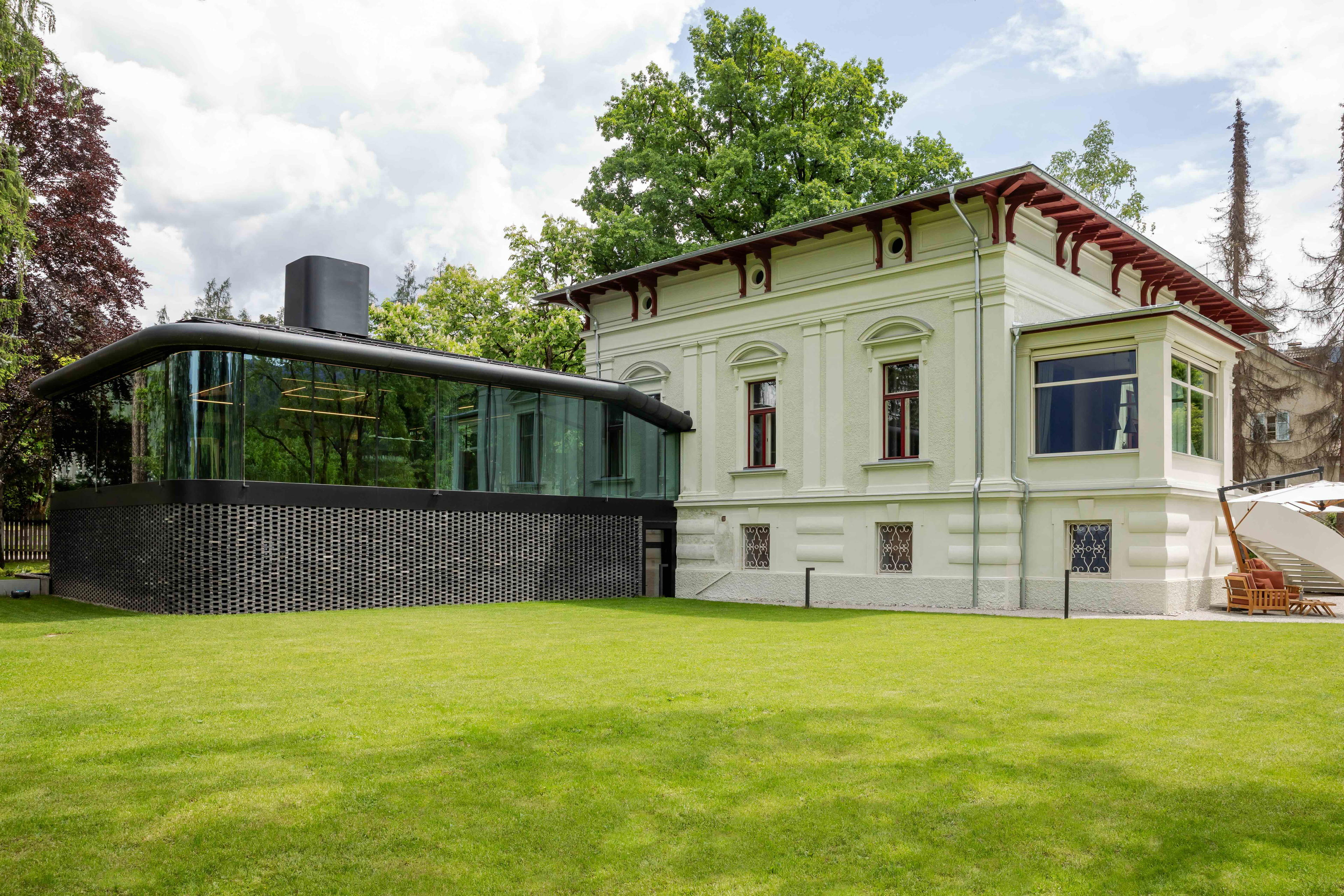
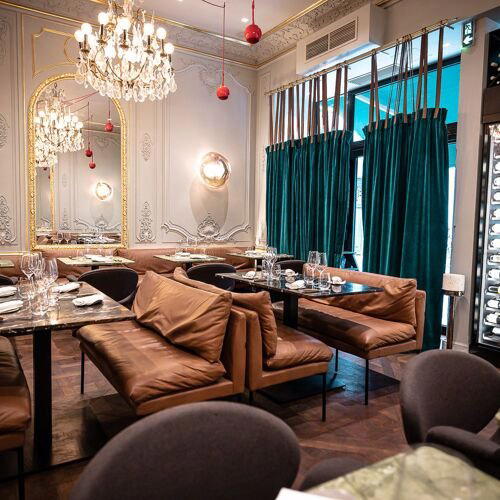
Bars in Mareo
Browse all →


Details
- Rustic
- Cozy
- Special Occasion
- Historic Building
- Mountain
- Set Menu
Current opening hours
- Monday
- Closed
- Tuesday
- 7–11 PM
- Wednesday
- 7–11 PM
- Thursday
- 7–11 PM
- Friday
- 7–11 PM
- Saturday
- 7–11 PM
- Sunday
- 7–11 PM
Hours can change for holidays and private events. Hours as of .