Lagació Hotel Mountain Residence


1 Michelin Key · Mr & Mrs Smith Seal of Approval
A Michelin Key-recognised mountain residence in San Cassiano's Alta Badia, Lagació offers 24 apartment-style rooms where knotty pine panelling and clean modernist lines hold the Alpine character firmly in place. The Dolomite peaks frame every window, a recovery-focused spa attends to post-ski fatigue, and a partner restaurant handles evening meals without requiring guests to leave the property.

Pearl is the En Primeur Club membership app — saves, bookings, and concierge access live there. Same editors, same standards.
- Address
- Strada Micurà de Rü, 48, 39036 Badia BZ
- Phone
- +39 0471 849503
- Website
- lagacio.com
- Directions
- Get directions
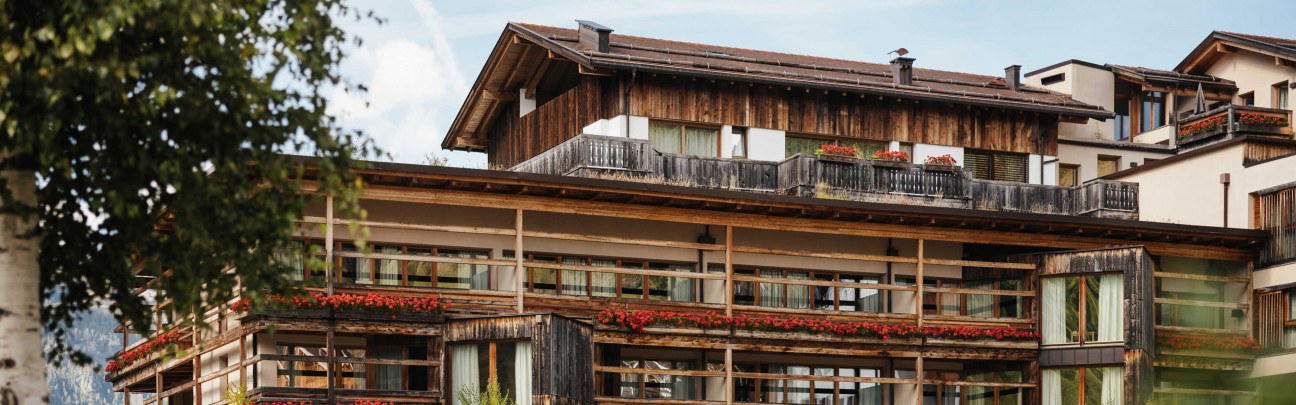
Where Alpine Architecture Learns to Edit Itself
The modernist ski lodge has become one of European hospitality's more contested forms. Get the balance wrong in either direction and you have either a museum piece frozen in 1975 or a high-altitude nightclub where the mountain is merely backdrop. San Cassiano, tucked into the Alta Badia valley of South Tyrol, sits at the heart of this tension: it is a village defined by serious skiing and Dolomite scenery, where the built environment has to earn its position against one of Italy's most arresting natural settings.
Lagació Hotel Mountain Residence, which holds a Michelin 1 Key recognition for 2024, represents one of the more considered responses to that challenge. The property's 24 units, described by the hotel as apartments rather than rooms, are designed around a deliberate restraint: knotty pine panelling, abstract rugs with a cowhide register, and clean geometric lines that avoid the sterility of minimalism without reaching for folk-kitsch excess. The Dolomite peaks are framed by expansive windows, functioning as the dominant visual element in every space rather than a backdrop to interior decoration. It is a design philosophy that places architecture in service of geography rather than in competition with it.
That balance is rarer than it sounds. Across the Alps, a significant tranche of ski hotels have chased the high-end residential aesthetic so aggressively that they have lost the material warmth that makes mountain accommodation distinct from a city apartment with a view. Lagació avoids that trap by keeping the rustic texture present in its material choices while allowing the spatial organisation to remain contemporary. The result reads as urbane without crossing into urban, a distinction that matters considerably when the surrounding landscape is the Dolomites.
The Residential Format in Alta Badia Context
The decision to call the 24 units apartments rather than rooms is an editorial choice with real spatial consequences. Alta Badia draws skiers who stay for a week rather than a weekend: the Dolomiti Superski circuit, one of the largest linked ski areas in the world, rewards multi-day exploration, and the valley's dining infrastructure, which includes Rosa Alpina with its long-standing culinary reputation, encourages guests to build a rhythm rather than rush. An apartment format aligns with that tempo. Guests have kitchens available if they want to eat in, and the hotel's breakfast and light daytime snacks cover the mornings without requiring a dining-room commitment.
For evenings, Lagació has structured a partnership with a nearby restaurant that offers delivery functioning as a room service equivalent. This arrangement keeps the property from requiring a full-service restaurant on site, which in turn keeps the scale at 24 units rather than expanding to support a larger food and beverage operation. It is a constraint that works editorially in the hotel's favour: the property remains residential in atmosphere precisely because it has not been engineered to accommodate conference groups or large dining parties.
San Cassiano itself is a small village, and the Alta Badia designation refers to a broader collection of connected settlements rather than a dense resort town. For visitors accustomed to the compressed luxury infrastructure of larger Alpine destinations, the village's quieter pace requires adjustment. Those who read it correctly find that the compactness works in their favour: the skiing is accessible, the dining options are concentrated, and the social scene is organised around the mountain rather than around the village's après-ski programming. You can find our broader coverage of the area, including restaurant and dining recommendations, in our full San Cassiano restaurants guide.
Recovery Architecture: The Spa as Design Extension
In ski hotels across the price spectrum, the spa has become a standard amenity, often treated as a checklist item rather than a considered space. The more thoughtful properties have begun to distinguish between relaxation spas, which are primarily social and sensory environments, and recovery spas, which are oriented around physical function after skiing. Lagació positions its spa in the recovery category, with an emphasis on muscle and skin attention after time on the mountain. This distinction is not merely marketing language: it reflects a different allocation of space, treatment programming, and the types of equipment and therapies prioritised.
For a property of 24 units, the presence of a recovery-focused spa represents a meaningful investment in the guest's post-ski experience. It also aligns with a broader shift in how premium ski accommodation frames the non-skiing hours. The mountain is the primary draw, but the hours between last run and dinner are increasingly understood as a recoverable resource rather than dead time. Properties that take that seriously tend to retain guests who ski seriously.
Placing Lagació in the Italian Mountain Hotel Market
Italy's premium mountain hotel market has developed a distinct character compared to its Swiss or French counterparts. South Tyrol in particular has produced a cluster of properties that combine local craft traditions with contemporary architecture, often drawing on the region's strong design culture and its position at the intersection of Italian and Austrian influences. Lagació sits within that South Tyrolean modernist vernacular, sharing a design sensibility with other thoughtful mountain properties across the region without replicating their specific aesthetic choices.
It is a credential that signals positioning but does not resolve every reader's question about where Lagació sits relative to, say, Forestis Dolomites in Plose or Castel Fragsburg in Merano, both of which operate in the same South Tyrolean design-conscious tier. The honest answer is that each property resolves the Alpine modernism question differently, and the choice between them is as much about preferred valley and skiing access as about interior aesthetics.
For those building a broader Italian itinerary that includes a Dolomites leg, Lagació represents the mountain counterpart to properties like Aman Venice in Venice, Casa Maria Luigia in Modena, or Castello di Reschio in Lisciano Niccone: properties where design specificity and a defined sense of place replace the generic luxury hotel formula. The comparison set also extends internationally for travellers who benchmark mountain properties across regions: Amangiri in Canyon Point uses a similar logic of architecture-as-landscape-response, though in a radically different geographic and cultural register.
Other Italian properties worth considering as counterpoints in different landscapes include Borgo Santandrea on the Amalfi Coast, Il Pellicano in Porto Ercole, Passalacqua in Moltrasio, Rosewood Castiglion Del Bosco in Montalcino, and Bulgari Hotel Roma in Rome, each resolving the question of Italian luxury in its own landscape context. For city-anchored Italian luxury the range is equally considered: Four Seasons Hotel Firenze in Florence, Portrait Milano in Milan, and Borgo Egnazia in Savelletri di Fasano round out a picture of how the country's premium hospitality varies by region and setting.
Planning a Stay
Lagació's 24-apartment scale means availability moves quickly during peak ski season, which in Alta Badia runs from December through March, with February half-term weeks booking out earliest. The summer hiking season represents a quieter alternative: the Dolomites are a UNESCO World Heritage landscape, and the walking and cycling infrastructure through Alta Badia in July and August draws a different visitor profile than the ski crowd. The property's address is Strada Micurà de Rü 48, Badia BZ, in the municipality that governs San Cassiano. The nearest major airport is Innsbruck, approximately two hours by road, with Bolzano and Venice as alternative entry points depending on where the broader Italian itinerary begins.
Room availability data at time of writing shows no current openings listed, suggesting either a sold-out position or a seasonal closure window. Checking directly with the property for the relevant travel window is the appropriate approach given the small unit count.
In Context: Similar Options
Comparable venues nearby, for context on price, style, and recognition.
| Venue | Cuisine | Price | Awards | Notes |
|---|---|---|---|---|
| Lagació Hotel Mountain ResidenceThis venue — the venue you are viewing | Contemporary Alpine chic chalet-style apartments | Not listed | 1 Michelin Key · Mr & Mrs Smith Seal of Approval | Not listed |
| Hotel Tofana | family-run boutique hotel with modern Alpine redesign | $300–500 | Michelin Selected | San Cassiano |
| Hotel Ciasa Salares | Family-run wooden chalet blending traditional Ladin heritage with luxury comfort. | Not listed | Michelin Selected | San Cassiano |
| Rosa Alpina | Contemporary Alpine chalet with modernist luxury | $1,500–2,500 | 2 Michelin Keys · La Liste Top Hotels | San Cassiano |
| Corte di Gabriela | 19th-century pale pink building with exposed beams, terrazzo floors, and original frescoes juxtaposed against modern design elements. | $200–300 | 1 Michelin Key | San Marco |
| Hotel Metropole Venice | Family-run historic boutique hotel with eclectic antique decor | Not listed | 1 Michelin Key · Forbes Recommended | Castello |
Recognition history
Dated appearances from independent guides and award organizations, with the underlying list record or original source where available.
Michelin 1 Key
Michelin
Mr & Mrs Smith Seal of Approval
Mr & Mrs Smith
Full recognition history (4 entries)
Michelin 1 Key
Michelin
Michelin 1 Key
Michelin
Continue exploring
More in San Cassiano
Hotels in San Cassiano
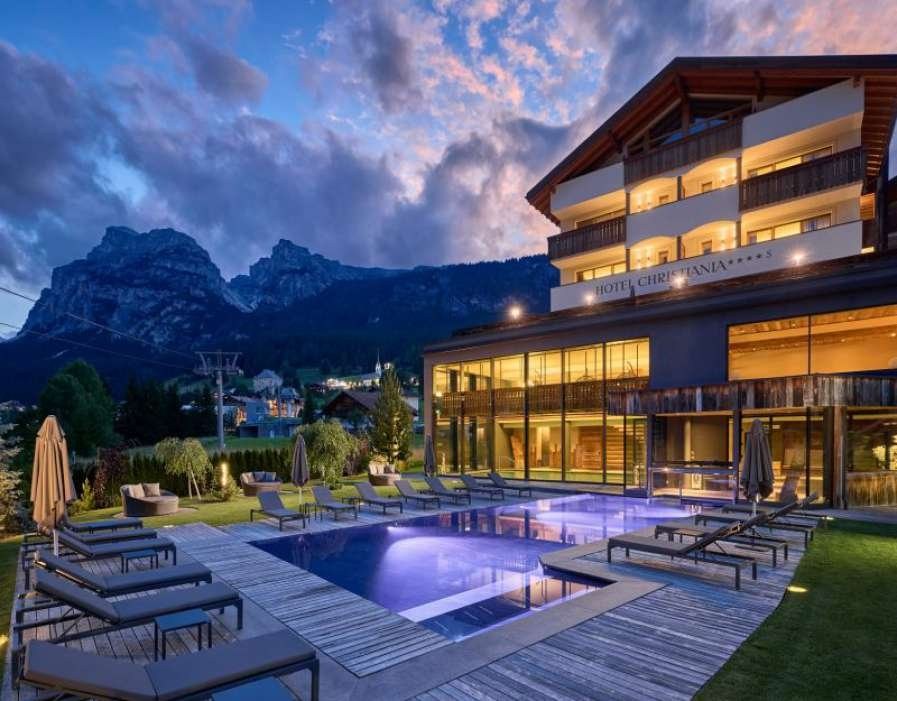
Browse all →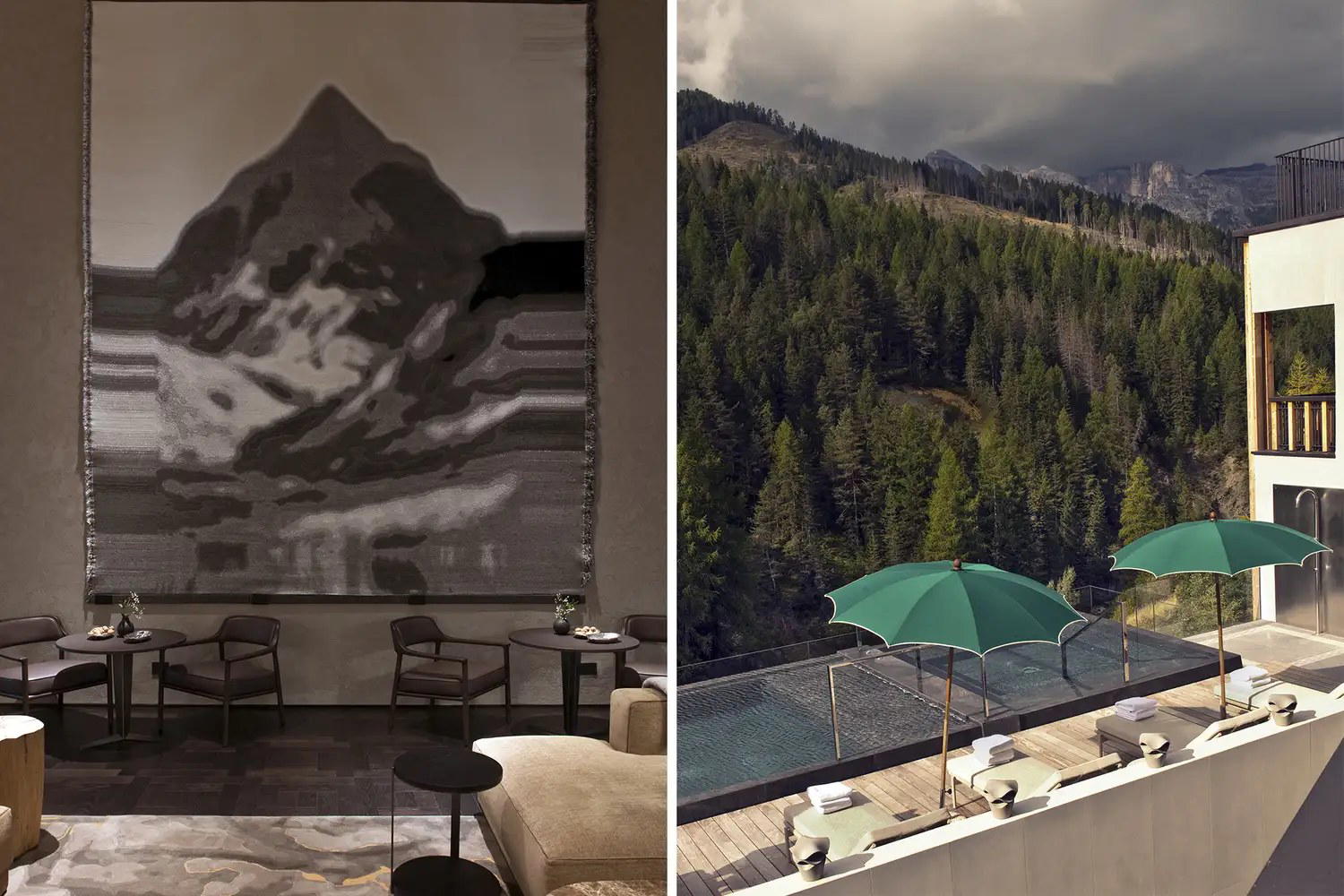
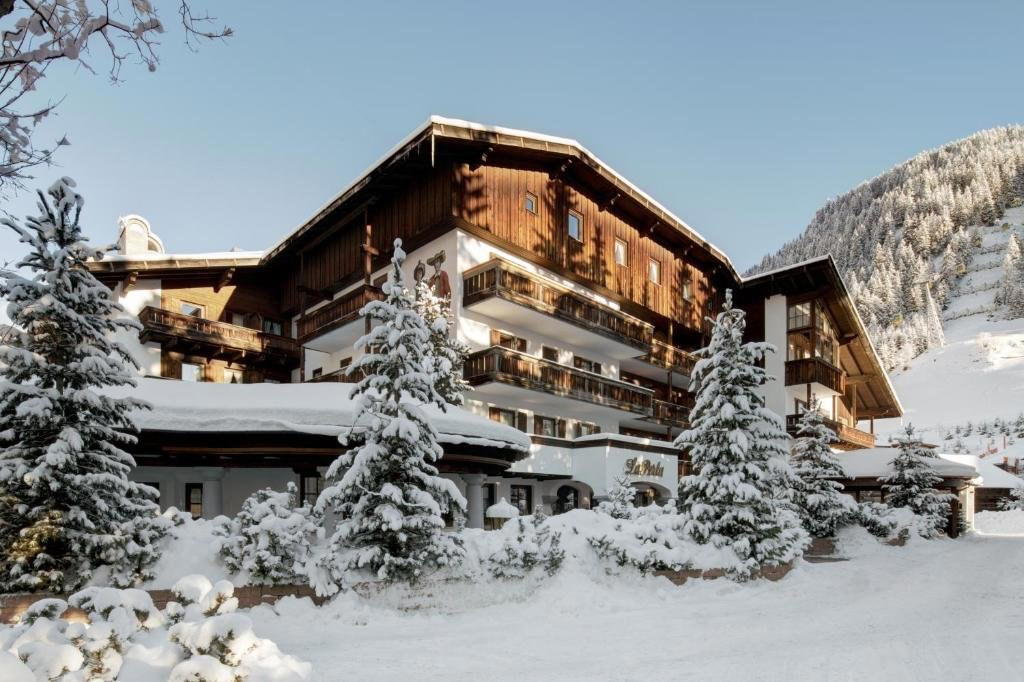
Bars in San Cassiano
Browse all →
Restaurants in San Cassiano
Browse all →

Details
- Cozy
- Elegant
- Rustic
- Scenic
- Sophisticated
- Romantic Getaway
- Family Vacation
- Wellness Retreat
- Weekend Escape
- Ski In Ski Out
- Panoramic View
- Terrace
- Spa
- Sauna
- Fitness Center
- Wi Fi
- Concierge
- Room Service
- Free Parking
- Mountain
- Step Free Entrance
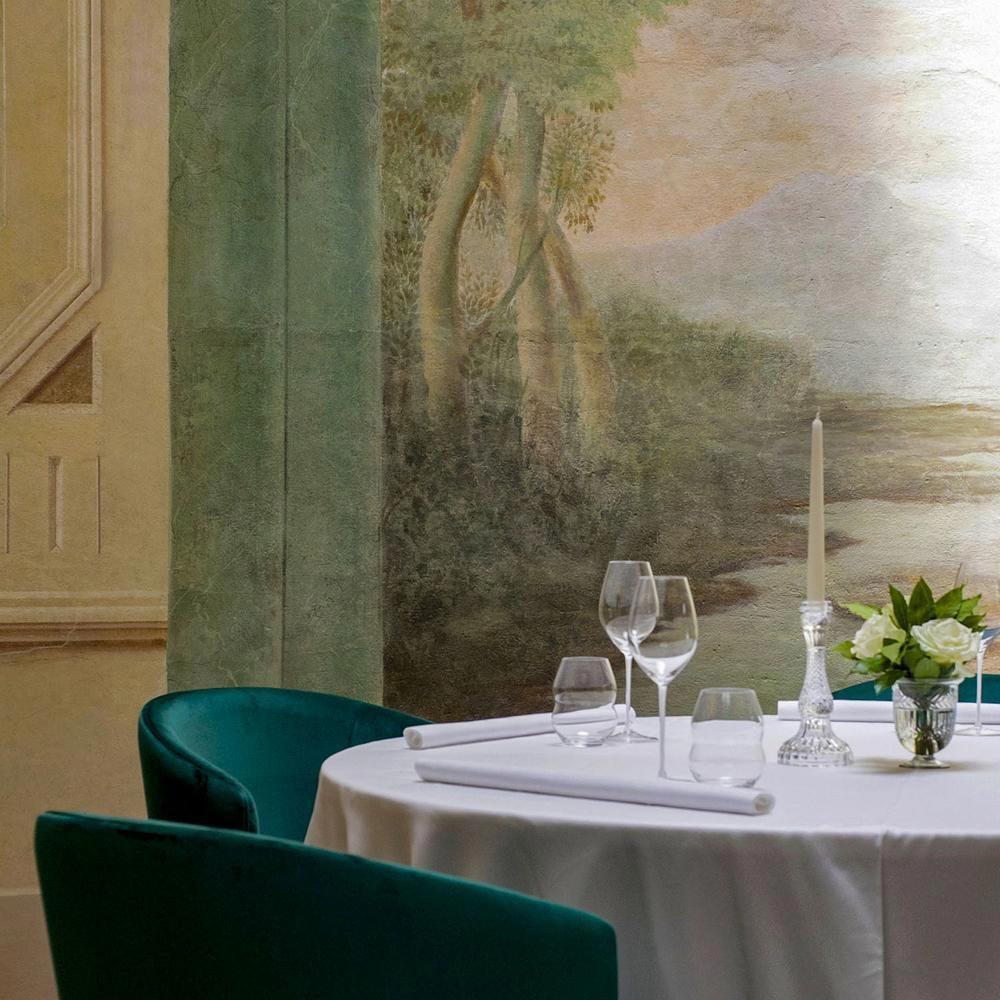
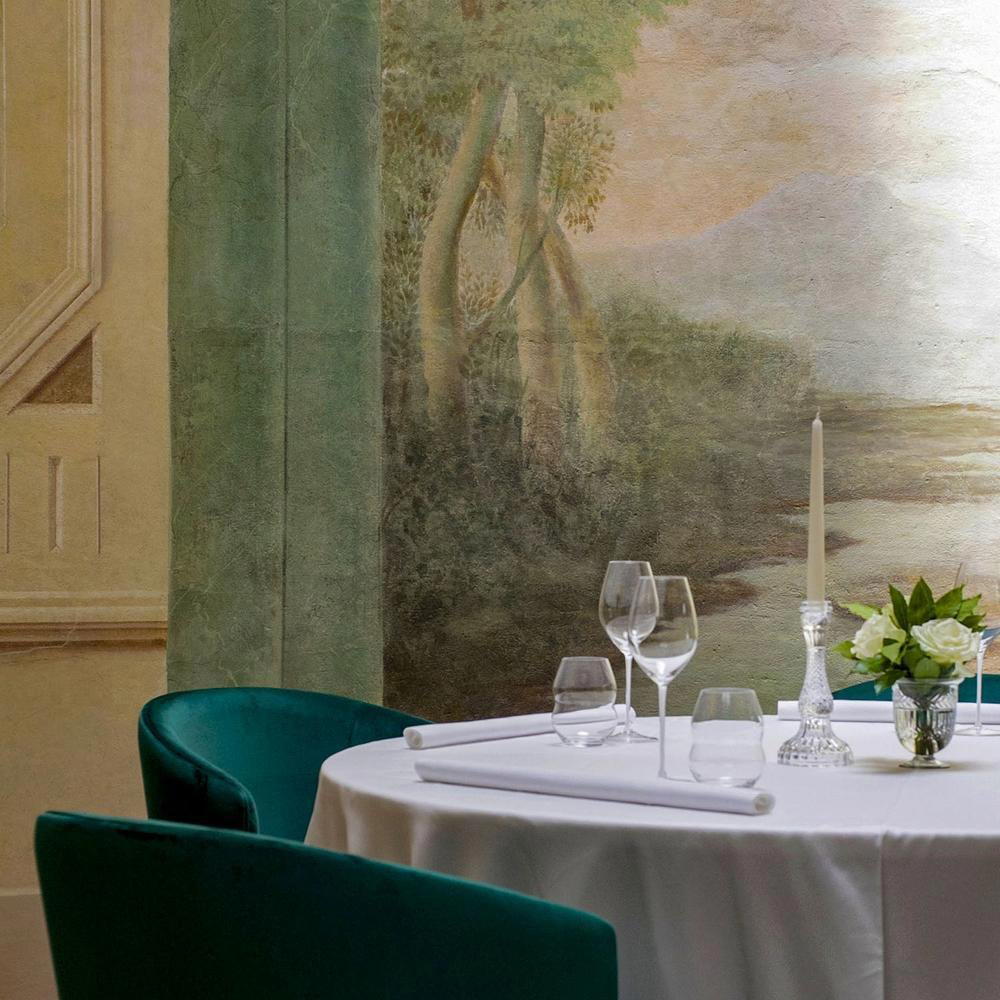
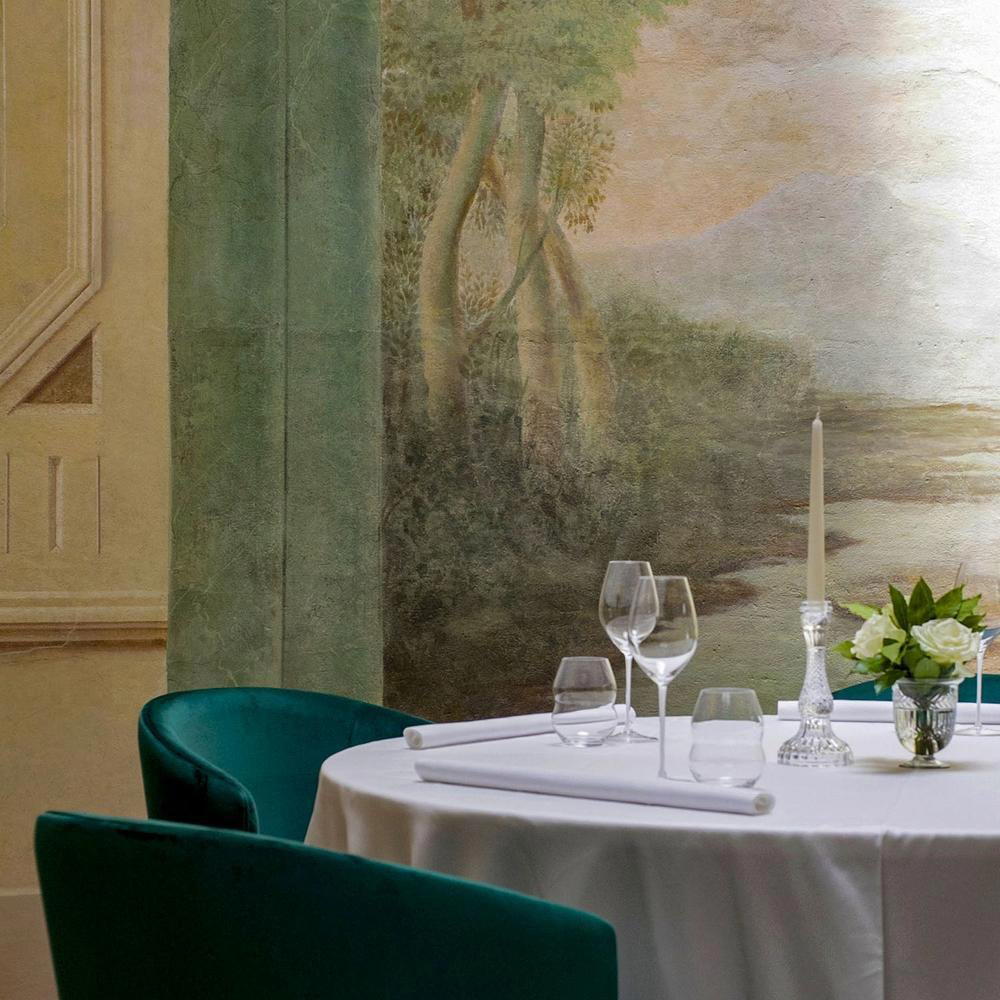
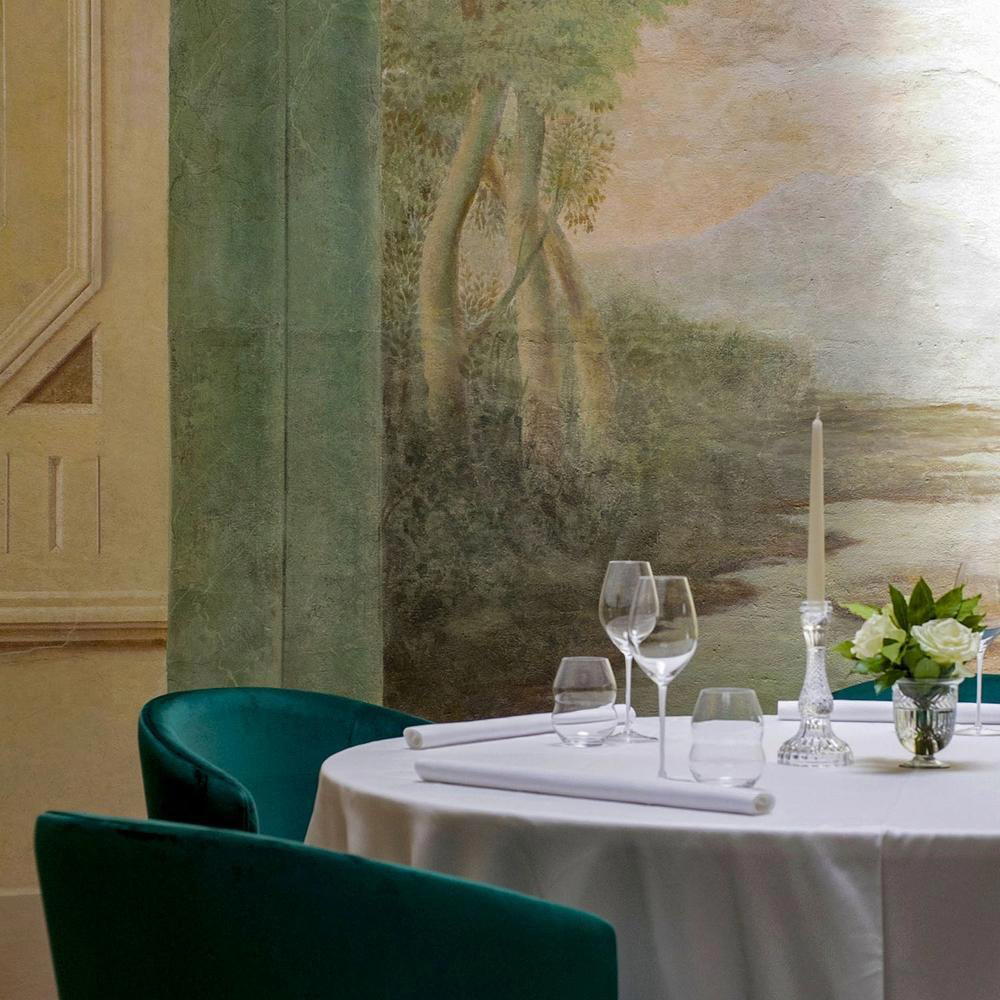
Calming ambience with warm natural materials, knotty pine wood, and rustic textures enhanced by abundant natural light from vast windows.