Rosapetra SPA Resort



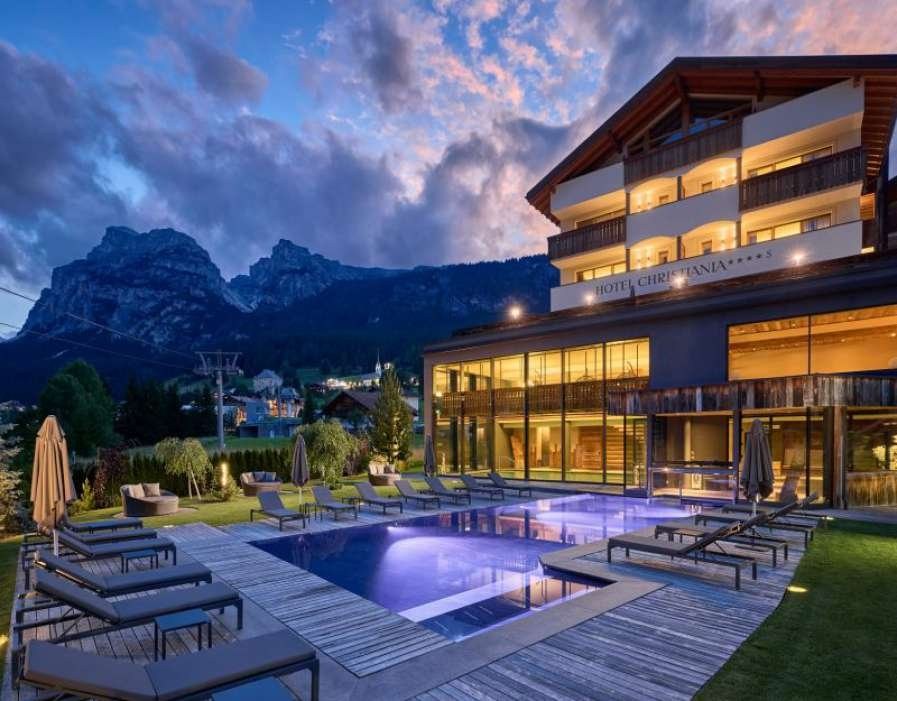
A 34-room alpine retreat in Cortina d'Ampezzo, Rosapetra SPA Resort sits just minutes from the town centre with direct views across the Ampezzo Dolomites. Fir wood, stone, and refined fabrics define the interiors, while a full spa facility with pool, saunas, Turkish bath, and massage zone anchors the wellness offer. For travellers who prioritise landscape access and considered comfort over resort scale, it occupies a distinct position in the Cortina market.
Pearl is the En Primeur Club membership app — saves, bookings, and concierge access live there. Same editors, same standards.
- Address
- Località Zuel di Sopra, 1, 32043 Cortina d'Ampezzo BL
- Phone
- +39 0436 869062
- Website
- rosapetracortina.it
- Directions
- Get directions
 Saves & bookings on Pearl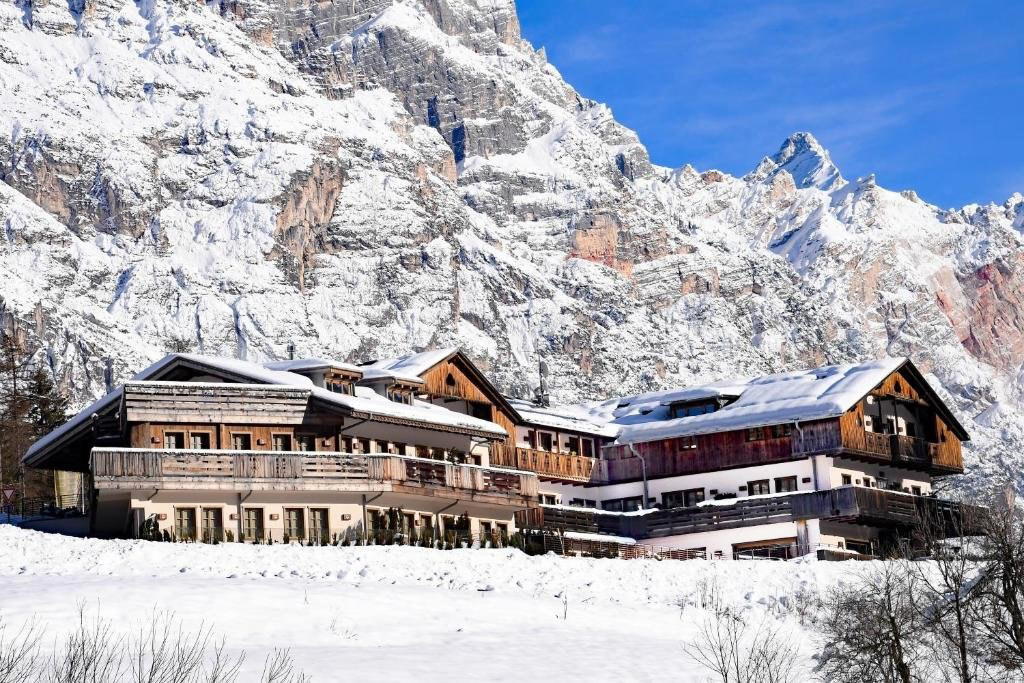
Where the Dolomites Set the Programme
Rosapetra SPA Resort is a 5-star hotel in Cortina d'Ampezzo, with rooms from $234 per night. It is simultaneously Italy's most glamorous ski address and one of the Alpine arc's most geologically dramatic destinations, a town where the Dolomite rock faces shift from bone-white to deep ochre as the afternoon light moves west. Hotels here have to resolve a tension that properties in Val Gardena or Verbier rarely face: how to hold a guest's attention when the view outside the window is doing most of the work. The answer, at the smaller end of the market, has generally been to focus on material quality, spa depth, and room count discipline rather than compete on spectacle or F&B programming.
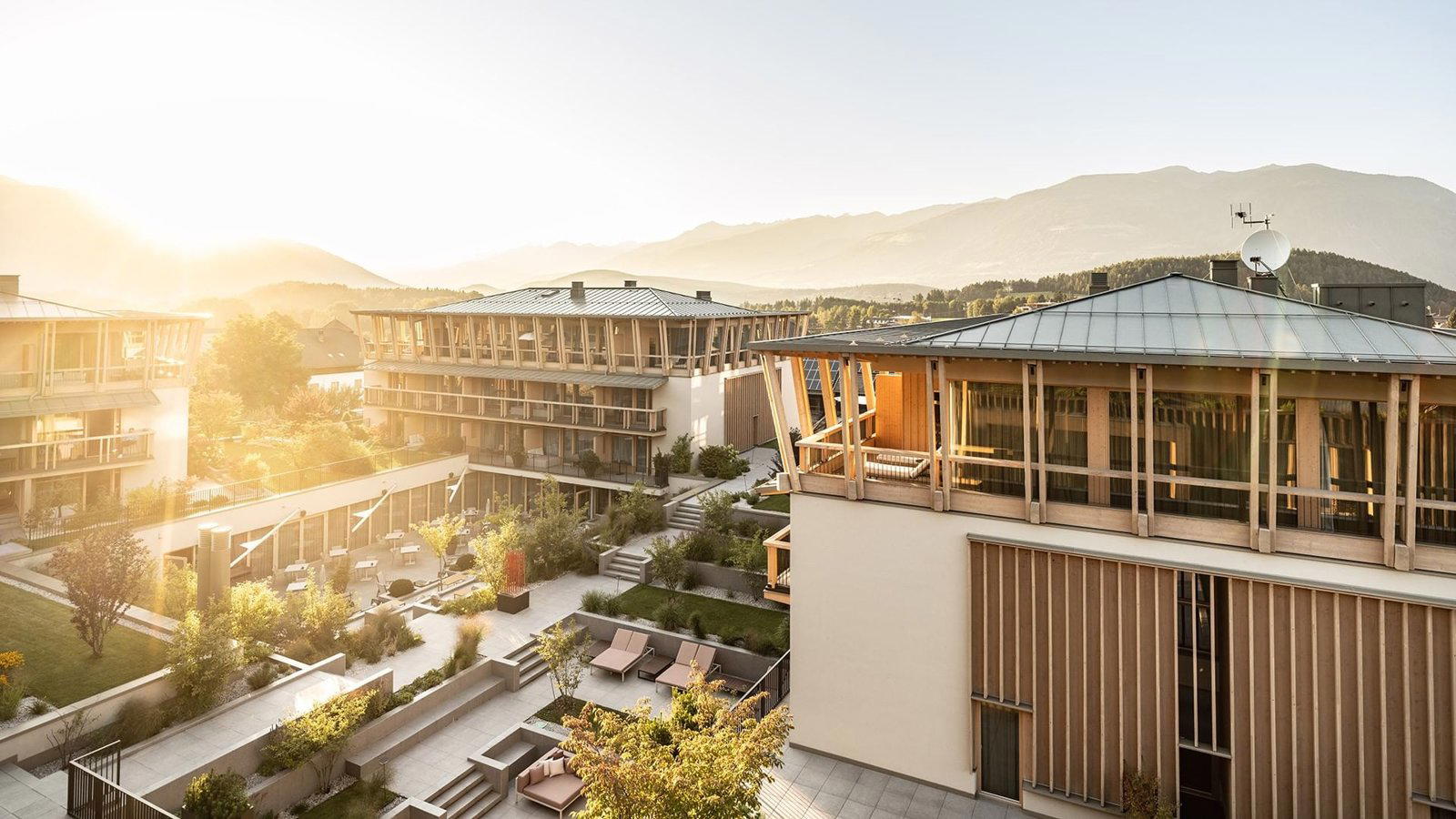
Rosapetra SPA Resort sits squarely in that approach. With 34 rooms spread across a position in the Zuel di Sopra locality, the property is close enough to the town centre to walk into Corso Italia but far enough from the main drag to guarantee quiet. The Ampezzo Dolomites frame the view from the rooms directly, which in this valley means looking at formations that earned UNESCO World Heritage status in 2009, a credential that matters to guests who are choosing between mountain destinations rather than simply hotels within one.
The Room Matrix in a 34-Key Property
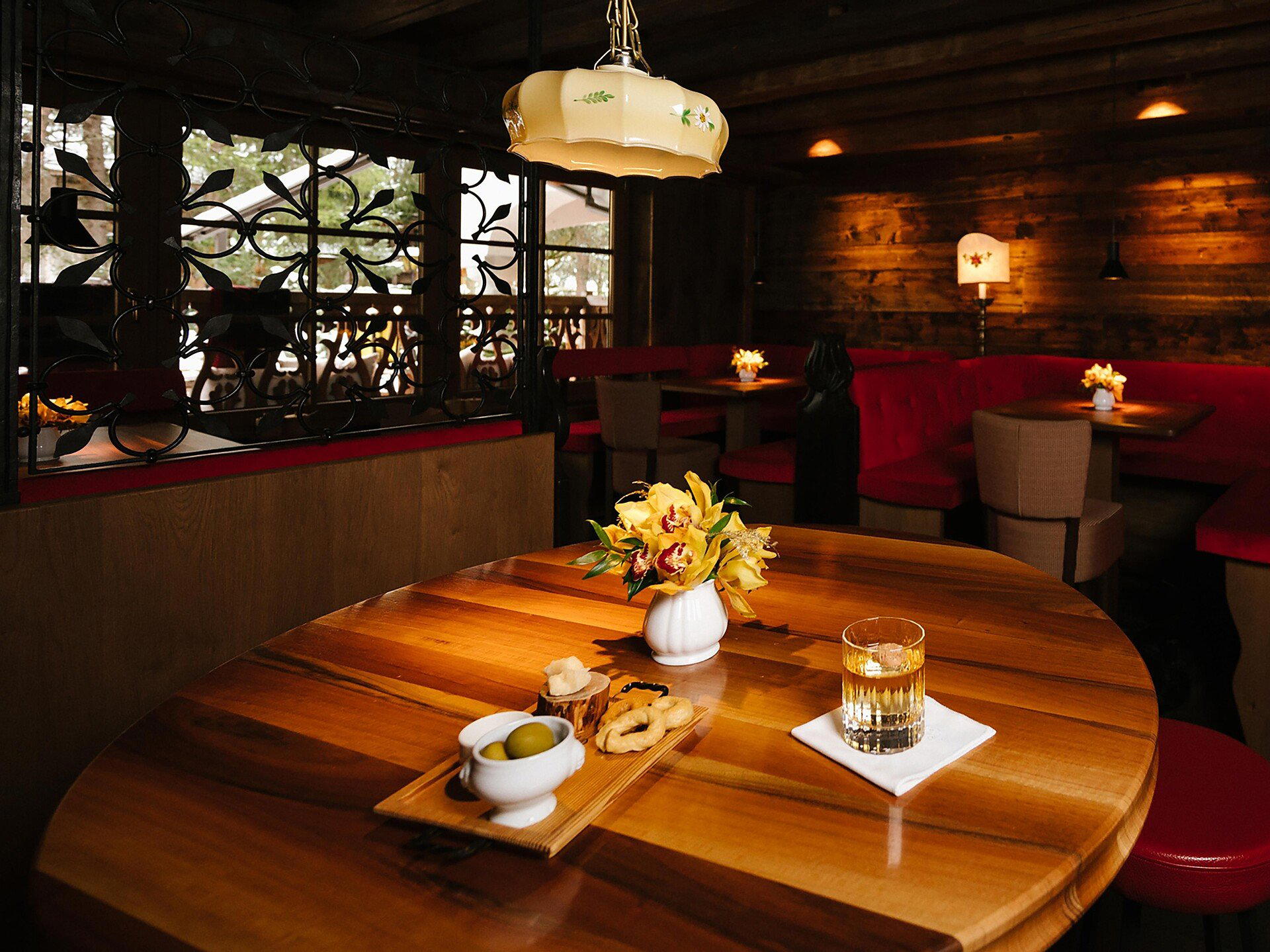
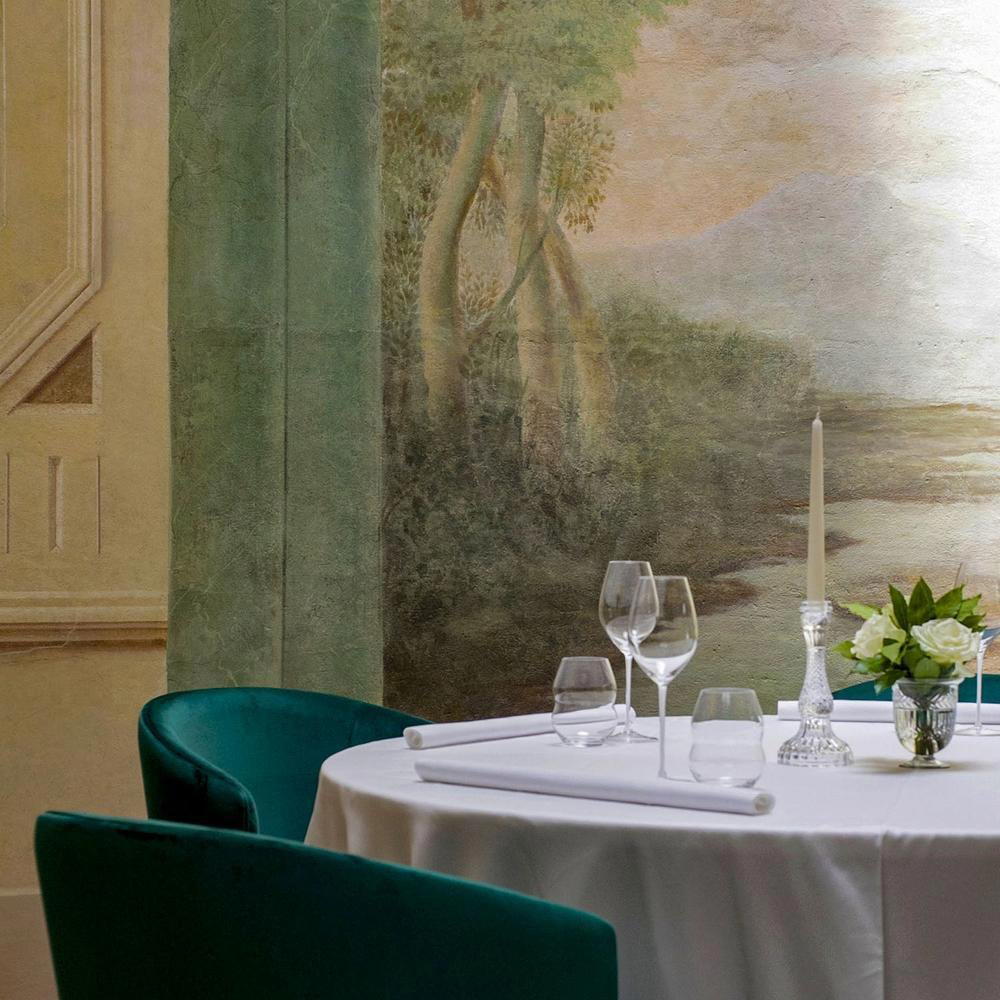
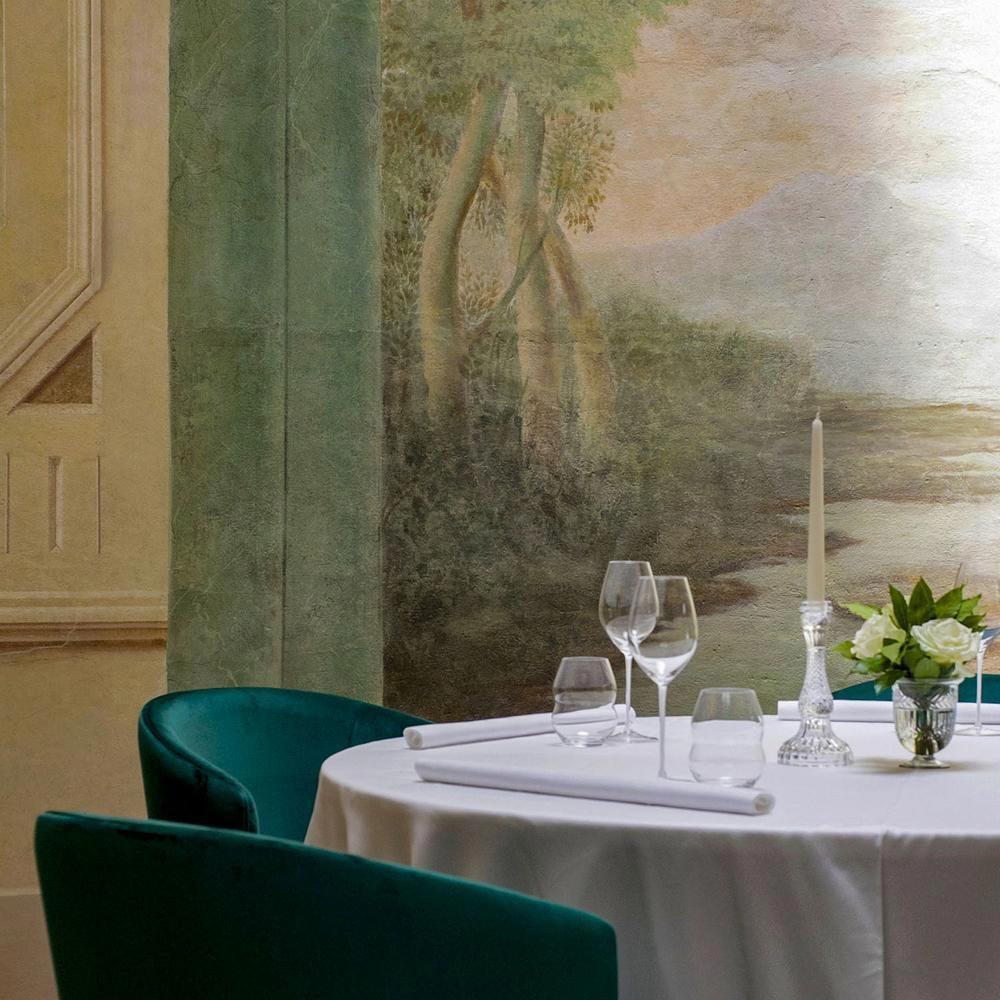
At 34 rooms, Rosapetra operates at the threshold between boutique and small resort, a count that allows for a degree of personalisation that larger Cortina competitors cannot easily replicate. The interiors draw from a material vocabulary common to the better end of Alpine lodging: fir wood and stone as structural elements, layered with fabrics and furnishings positioned to read as refined rather than rustic. This distinction matters in the Dolomite market, where the difference between a well-designed mountain room and a theme-park approximation of one is immediately legible to the guests most likely to be booking here.
In a 34-key property with unobstructed Dolomite exposures, higher floors and corner positions command particularly direct sightlines, and room selection deserves attention at the booking stage. Travellers who have stayed at comparable small-count Alpine properties, such as Forestis Dolomites in Plose or Castel Fragsburg in Merano, will recognise the format: tight room numbers, materially coherent design, and a spa programme that anchors longer stays.
The Spa as Structural Argument
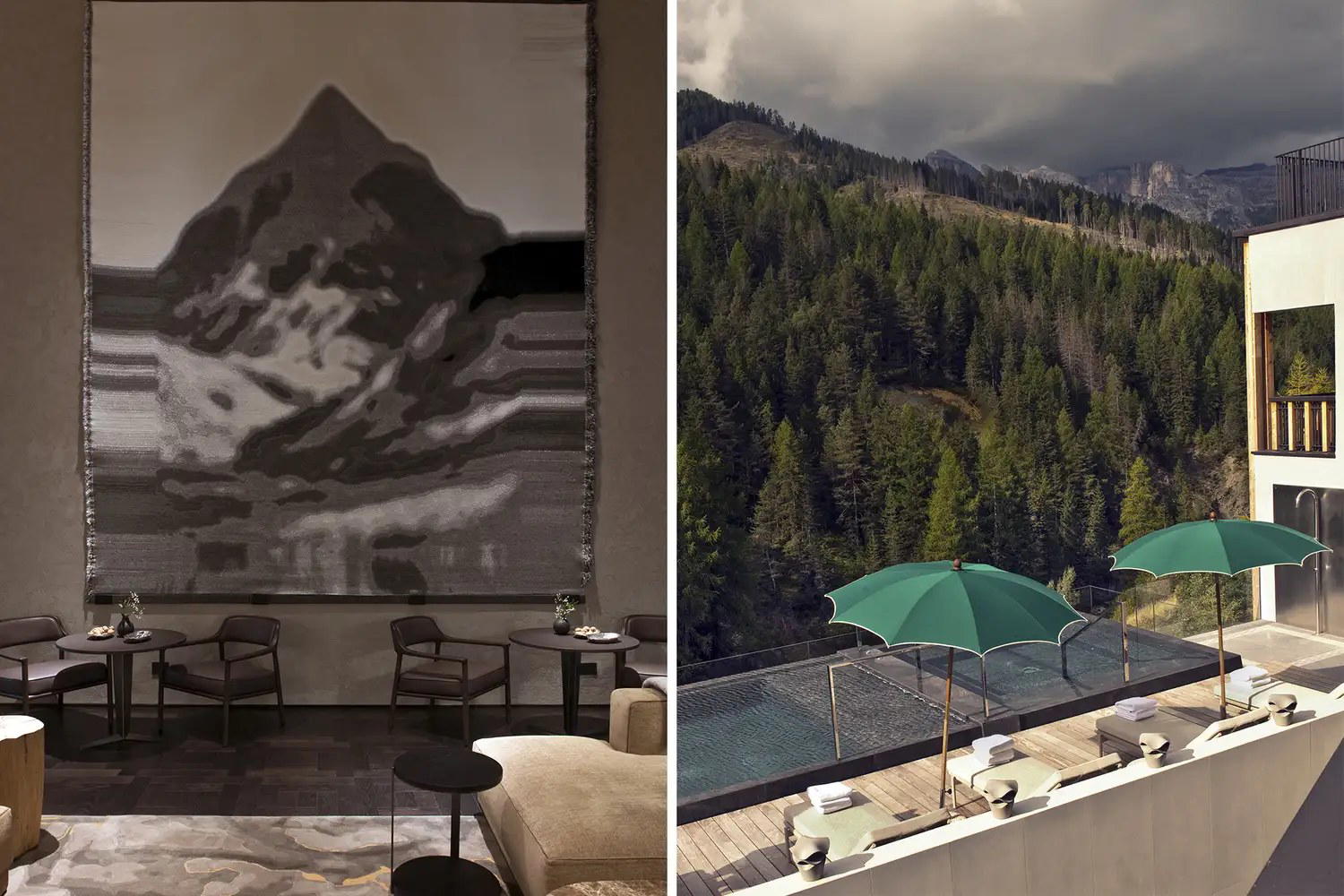
In Alpine hospitality at this scale, the spa is rarely a secondary amenity. It is often the reason a guest chooses a 34-room property over a larger hotel with a broader activity roster. Rosapetra's spa facility includes a pool, saunas, a Turkish bath, a massage zone, and a fitness room, a configuration that covers the full range of passive and active recovery that the post-ski or post-hike demographic requires. The inclusion of a Turkish bath alongside standard sauna provision signals an attention to thermal programming.
Italy's smaller luxury mountain properties have, over the past decade, increasingly framed their spa offers in the language of wellness rather than leisure, a shift that aligns with broader demand patterns across Alpine Europe. At a property positioned around wellbeing as a core value, the spa is not a listed amenity but the operating logic of the stay. Guests who come through Cortina for skiing between December and March, or for hiking and cycling in the July-September high season, are arriving with recovery as part of the programme from day one. A spa with this breadth of thermal and treatment infrastructure is matched to that expectation.
For context within Italy's broader design-led small hotel tier, the spa-and-seclusion formula is well established. Properties like Borgo Santandrea on the Amalfi Coast and Il Pellicano in Porto Ercole have built their identities around a similar premise: limited keys, considered materials, and a wellness or leisure anchor that justifies the room rate without requiring a celebrity chef or a full-service restaurant programme to carry the positioning.
Cortina's Competitive Frame
Cortina d'Ampezzo's hotel market stratifies along lines of size, brand affiliation, and town proximity. At the summit of the market by volume and brand recognition sit properties with international affiliations and full F&B; programmes. Below that, and increasingly sought after by a guest profile that prioritises quiet over lobby theatre, are the independent and small-group properties that can offer genuine intimacy at mountain scale. Rosapetra operates in this second tier, and the Zuel di Sopra address places it outside the central hotel cluster while remaining accessible enough to use the town's restaurant scene without a car for every meal.
That matters because Cortina's dining offer is substantially external to its hotels for most guests. The town's restaurants, bars, and rifugi (mountain huts accessible by lift or trail) are part of why people return year after year. A hotel positioned a few minutes from the centre, rather than deep in the valley or high on a slope, allows guests to use both the in-house spa and the town's broader food and social infrastructure without friction.
Within the Cortina hotel market specifically, Ancora Cortina represents a different positioning: more central, with a stronger F&B; identity, and historically embedded in the town's social calendar. The two properties appeal to overlapping but not identical guest profiles. Rosapetra's emphasis on the spa and on material calm places it closer to the retreat end of the spectrum; Ancora's town-centre position makes it better suited to guests who want to move through Cortina's social scene as part of the stay.
Italy's Small Luxury Mountain Tier in Wider Context
Across Italy's mountain, lake, and coastal markets, the past several years have seen increasing differentiation between large-format international luxury and smaller properties with strong local material and cultural identities. The latter category has attracted significant attention: Passalacqua in Moltrasio won the leading position in the World's 50 Best Hotels list in 2023, a credential that shifted international attention toward Italy's small-count, design-led properties. Borgo Egnazia in Savelletri di Fasano and Castello di Reschio in Lisciano Niccone operate in the same broad category, each with a distinct regional identity that resists easy substitution.
For guests calibrating Italy's mountain options against the country's broader luxury offer, properties like Four Seasons Hotel Firenze in Florence, Bulgari Hotel Roma in Rome, or Aman Venice represent a different register entirely: urban, brand-heavy, full-service. The Rosapetra proposition is the opposite of that. It offers specificity of place, restraint of scale, and access to one of Europe's most geologically distinctive mountain environments, attributes that are not transferable to a city hotel regardless of brand or budget.
Planning a Stay
Rosapetra SPA Resort sits at Località Zuel di Sopra, 1, in Cortina d'Ampezzo, placing it a short distance from the town centre with direct Dolomite aspect. Cortina operates two clear high seasons: winter (December through March, with peak pressure around Christmas, New Year, and February half-terms) and summer (July through early September, when hiking, cycling, and climbing replace skiing as the primary draws). Both seasons see competitive availability across the town's smaller properties, and a 34-room hotel with a strong spa reputation should be considered in advance of either window. Specific pricing, booking channels, and room-type availability are best confirmed directly with the property.
Cost Snapshot
Comparable venues nearby, for context on price, style, and recognition.
| Venue | Price | Awards | Notes |
|---|---|---|---|
| Rosapetra SPA ResortThis venue — the venue you are viewing | $$$$ | 5-Star | Not listed |
| Ancora Cortina | $$$$ | 5-Star | Cortina d'Ampezzo Historic Centre, Historic boutique hotel blending Ampezzana tradition with contemporary design |
| De LEN | $$$$ | 4-Star | center, Sustainable alpine boutique with sleep-centric design |
| Faloria Mountain Spa Resort | $$$$ | 5-Star | Zuel di Sopra, Contemporary alpine luxury blending local tradition with modern innovation |
| Casa Guargnè | $$$$ | 3-Star | Ampezzo basin, Refined boutique retreat reinterpreting 1980s Cortina elegance with contemporary mountain hospitality. |
| Grand Hotel Savoia & Spa | $$$$ | 5-Star | Cortina d'Ampezzo, Timeless Alpine heritage with modern luxury renovations |
Recognition history
Dated appearances from independent guides and award organizations, with the underlying list record or original source where available.
Virtuoso Luxury Hotel Partner
Virtuoso
Michelin Selected
Michelin
Small Luxury Hotels of the World Member
Small Luxury Hotels of the World
Continue exploring
More in Cortina d'Ampezzo
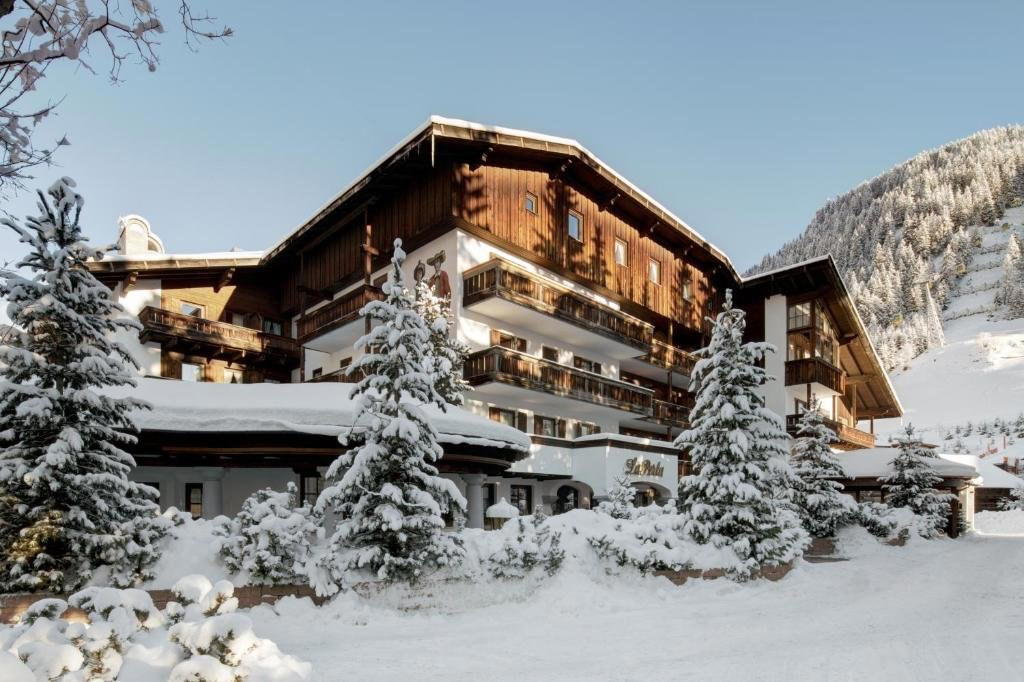
Hotels in Cortina d'Ampezzo
Browse all →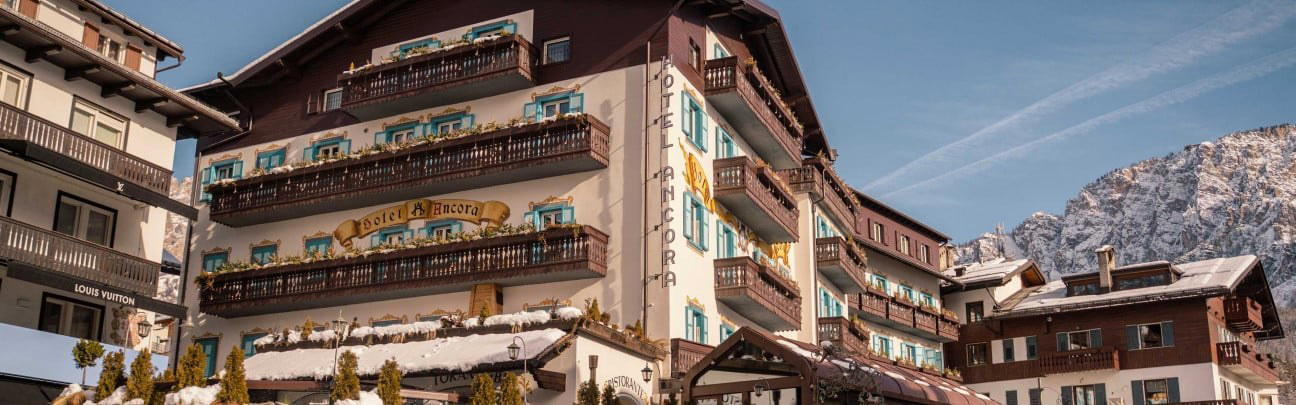
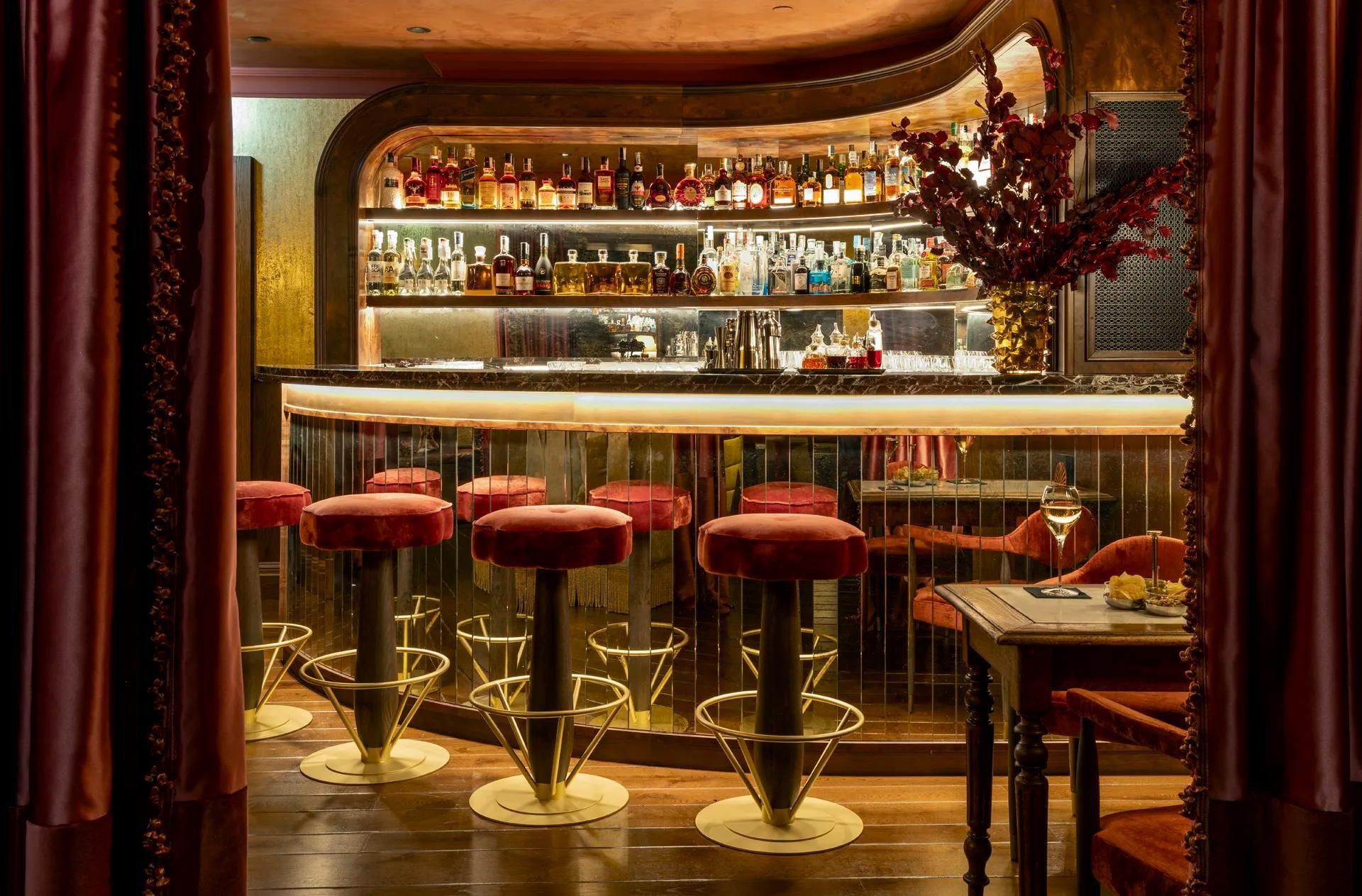
Bars in Cortina d'Ampezzo
Browse all →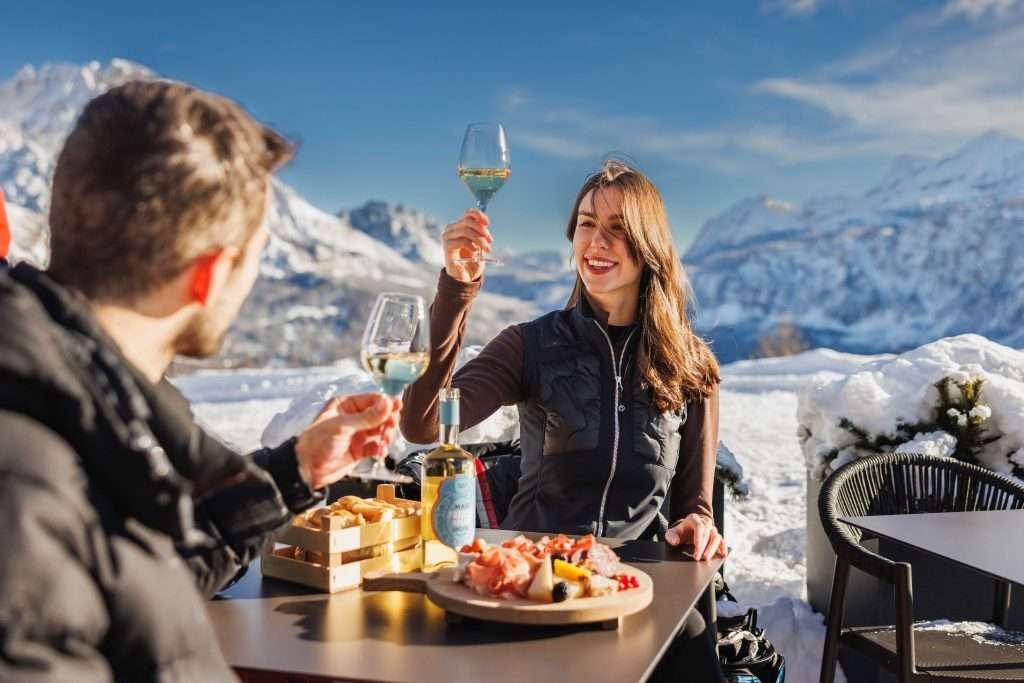
Restaurants in Cortina d'Ampezzo
Browse all →
Wineries in Cortina d'Ampezzo
Browse all →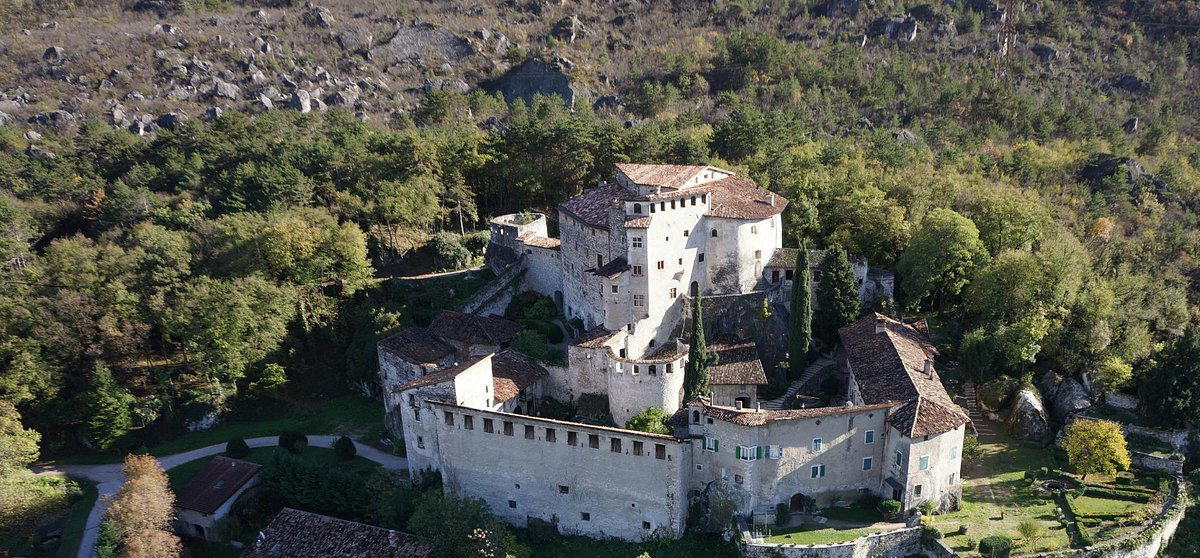

At a Glance
- Romantic
- Elegant
- Scenic
- Sophisticated
- Cozy
- Ornate
- Honeymoon
- Romantic Getaway
- Wellness Retreat
- Weekend Escape
- Ski In Ski Out
- Panoramic View
- Destination Spa
- Spa
- Pool
- Fitness Center
- Room Service
- Concierge
- Wi Fi
- Garden
- Mountain
- Garden
- Spa
- Pool
- Fitness Center
- Room Service
- Concierge
- Wi Fi
- Garden
Warm fir wood and stone interiors create a refined, intimate refuge with dramatic lighting and far-reaching mountain vistas, praised for immaculate spa facilities and relaxing atmosphere.