Riccardo Trattoria
On North Clark Street in Lincoln Park, Riccardo Trattoria occupies a tier of Chicago Italian dining where neighborhood loyalty and cooking discipline tend to outlast trends. Compared to the city's high-concept tasting-menu circuit, it represents a different kind of commitment: to the rhythms of a trattoria format, executed with consistency in one of Chicago's most food-literate residential corridors.
Pearl is the En Primeur Club membership app — saves, bookings, and concierge access live there. Same editors, same standards.
- Address
- 2119 N Clark St, Chicago, IL 60614
- Phone
- +1 773 549 0038
- Website
- riccardotrattoria.com
- Directions
- Get directions
 Saves & bookings on Pearl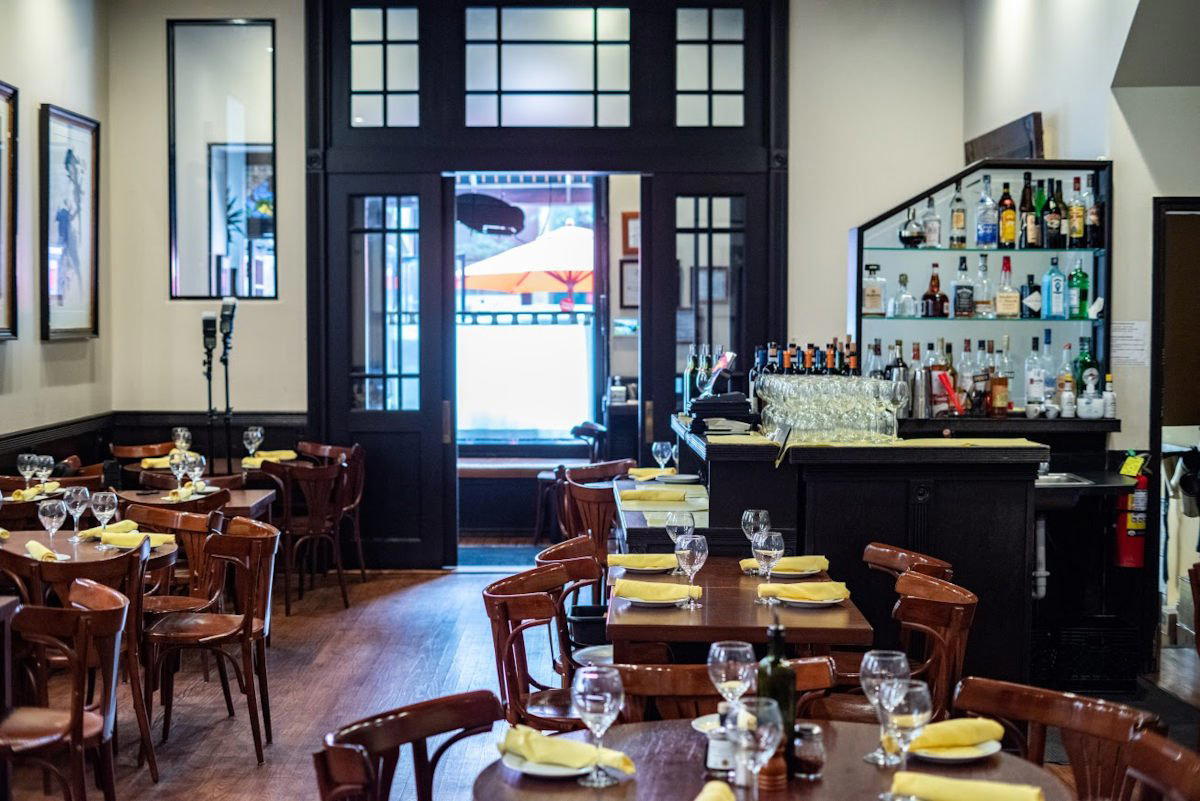
Lincoln Park's Italian Counter-Argument
Chicago's premium dining conversation tends to pivot toward the tasting-menu circuit, where venues like Alinea, Smyth, and Oriole set the reference points for what ambitious cooking looks like. Riccardo Trattoria, at 2119 N Clark St in Lincoln Park, operates on a different register entirely. The trattoria format has its own internal logic: lower theatrical overhead, higher repetition across seasons, and a dining room that earns its reputation through accumulated visits rather than a single occasion. In a city where Kasama and Next Restaurant have made spectacle a structural element of the experience, Riccardo's format is a deliberate counterpoint.
North Clark Street through Lincoln Park is one of Chicago's most food-literate corridors, lined with residents who eat out frequently and have calibrated expectations. That demographic pressure does something useful: it filters out restaurants that coast. The trattoria that survives here over the long term does so because its regulars keep returning, and regulars return when the kitchen is consistent across the full arc of a meal, not just on the dishes that photograph well.
The Architecture of a Trattoria Meal
The Italian trattoria format has a built-in narrative structure that a tasting menu cannot easily replicate. Where tasting menus build drama through sequencing and contrast, a trattoria meal builds through accumulation and familiarity. A diner arrives knowing, roughly, the shape of what is coming: something from the antipasti section to orient the palate, a pasta course that carries the weight of the kitchen's technical identity, a secondo that anchors the meal in protein and season, and a close that resets without fanfare.
This structure, when executed with discipline, asks more of a kitchen than it might appear. The pasta course is where Italian trattorias are most legible: dough hydration, thickness, sauce reduction, and the ratio of starch to fat are not forgiving of inattention. Across the American trattoria tier, the pasta course is where the gap between ambition and execution shows most clearly. Restaurants that get this right, the way Frasca Food and Wine in Boulder has built its Italian-American identity around northern Italian grain and dairy discipline, tend to hold their dining room for years. Those that treat it as a transition course lose their regulars to the next block.
At Riccardo Trattoria, the logic of the meal follows that same Italian-American trattoria sequence. The kitchen's position within that structure is what differentiates it from the neighborhood-casual end of the category and aligns it more closely with the lower end of the serious-Italian tier, where cooking is expected to hold its own against the Italian restaurants of larger-budget cities. Compare the category at scale: Le Bernardin in New York and Providence in Los Angeles both demonstrate what sustained technical commitment looks like in a format that is not built on novelty. The trattoria equivalent of that commitment is quieter, but the test is the same.
Situating Riccardo in Chicago's Italian Tier
Chicago has several layers of Italian dining. At the leading, tasting-menu restaurants occasionally incorporate Italian-adjacent technique or sourcing. Below that sits a tier of white-tablecloth Italian restaurants with wine programs weighted toward Barolo and Brunello and prix-fixe options that push into four-figure territory for two. The trattoria tier sits beneath that, and within it there is still meaningful variation: some trattorias operate as casual pasta-and-red-sauce houses; others run kitchens with real depth in regional Italian cooking, where the distinction between a Sicilian preparation and a Venetian one matters and shapes the menu.
Riccardo Trattoria's position on North Clark places it in Lincoln Park's residential dining ecosystem rather than the River North tourism circuit, which is a significant locational signal. Restaurants in residential Lincoln Park draw from a base of repeat visitors rather than one-time tourists, and their menus tend to reflect that. The cooking has to hold up across dozens of visits, not just produce a strong first impression.
For a point of comparison at the other end of the ambition scale, places like The French Laundry in Napa, Blue Hill at Stone Barns in Tarrytown, and The Inn at Little Washington have built multi-decade reputations through format consistency and sourcing depth. The trattoria analog to that longevity is less spectacular but follows the same principle: a kitchen that knows what it is and does not drift.
Reading the Meal from Start to Finish
The antipasti section in a serious Italian-American trattoria functions as a declaration of intent. Cured meats, marinated vegetables, and small composed plates establish the kitchen's relationship to Italian pantry ingredients before any heat is applied. A confident antipasti spread signals that the kitchen is working from an understanding of Italian preservation and seasonality, not just assembling plates from commercial suppliers.
The pasta course, as noted, is where the meal's identity is set. Fresh pasta operations require daily production and consistent dough work; dried pasta preparations require sauce discipline and timing precision. The choice of pasta format, whether the kitchen leads with filled pasta, hand-cut shapes, or extruded formats, tells you something about regional orientation. Northern Italian cooking leans toward filled pasta and egg-enriched doughs; southern traditions favor dried pasta and tomato-forward sauces. A trattoria that blurs these regional lines without coherent reasoning tends to read as generic; one that commits to a regional perspective reads as serious.
Secondo tier in a trattoria typically anchors around braised or roasted proteins, reflecting Italian cooking's preference for low-heat transformation over high-heat precision. A well-executed braise, properly seasoned and finished, is one of the more durable signals of kitchen competence. It cannot be rushed, and it does not benefit from theater.
Dessert in the trattoria format tends to be short and unambiguous: panna cotta, tiramisu, semifreddo, or a small cheese selection. The logic is that the meal has already done its work; the close should confirm without overclaiming.
Planning a Visit
Riccardo Trattoria is located at 2119 N Clark Street, in the heart of Lincoln Park, within walking distance of the neighborhood's main transit connections and easily reachable from the Near North Side. As with most established Lincoln Park trattorias that draw a loyal regular base, reservations are advisable, particularly on weekend evenings when the residential dining crowd fills rooms early. Visitors coming from the broader Chicago itinerary can use the restaurant as a grounding point between the high-investment tasting-menu experiences the city is known for and the more casual end of the dining spectrum. It occupies the middle register of that range, where the cooking is taken seriously but the format remains accessible. For a fuller picture of where Riccardo sits within Chicago's dining geography, the EP Club Chicago restaurants guide maps the city's key tiers and neighborhoods in detail.
Travelers who have been tracking Italian-format precision at places like Single Thread Farm in Healdsburg, Lazy Bear in San Francisco, or Addison in San Diego will find the trattoria format a useful recalibration. The ambition is different, but the underlying question is the same: does the kitchen know what it is trying to do, and does it do it consistently? For context on what that question looks like in European fine-dining terms, Atelier Moessmer Norbert Niederkofler in Brunico represents the Alpine Italian end of the regional-discipline spectrum. Atomix in New York City and Emeril's in New Orleans round out the American picture of what format loyalty produces over time. The restaurant's answer to that question is written in its continued presence on North Clark, in a neighborhood that does not keep restaurants it does not need.
- Osso Buco
- Gnocchi
- Spaghetti alla Vongole
- Carbonara
- Branzino
- Fried Zucchini Blossoms
The Short List
Comparable venues nearby, for context on price, style, and recognition.
| Venue | Cuisine | Price | Notes |
|---|---|---|---|
| Riccardo TrattoriaThis venue — the venue you are viewing | Not listed | $$$ | Not listed |
| the Albert | Streeterville, Modern Italian | $$$ | Not listed |
| Locanda | Not listed | $$$ | Gold Coast, Contemporary Italian Trattoria |
| Deliz | Not listed | $$$ | Bucktown / Wicker Park, Italian Steakhouse |
| Osteria del Pastaio | Not listed | $$$ | Magnificent Mile, Traditional Italian Trattoria |
| Barra Rossa | Not listed | $$ | .null, Italian Pizza & Pasta with Strong Gluten-Free Options |
Continue exploring
More in Chicago
Restaurants in Chicago
Browse all →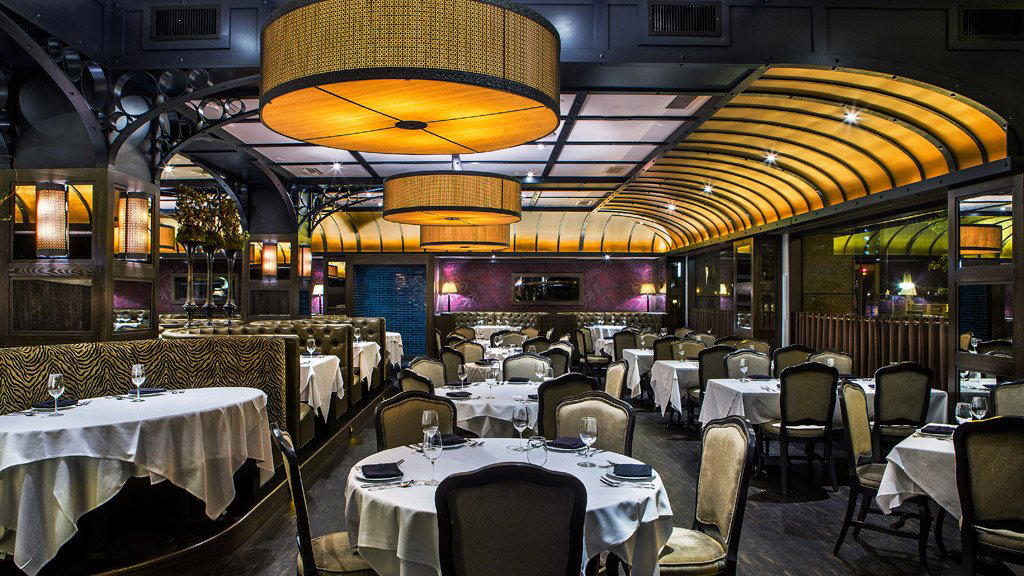
At a Glance
- Cozy
- Classic
- Romantic
- Intimate
- Date Night
- Group Dining
- Casual Hangout
- Special Occasion
- Standalone
- Local Sourcing
Current opening hours
- Monday
- 4–10 PM
- Tuesday
- 4–10 PM
- Wednesday
- 4–10 PM
- Thursday
- 4–10 PM
- Friday
- 4–11 PM
- Saturday
- 4–11 PM
- Sunday
- 4–9 PM
Hours can change for holidays and private events. Last verified .
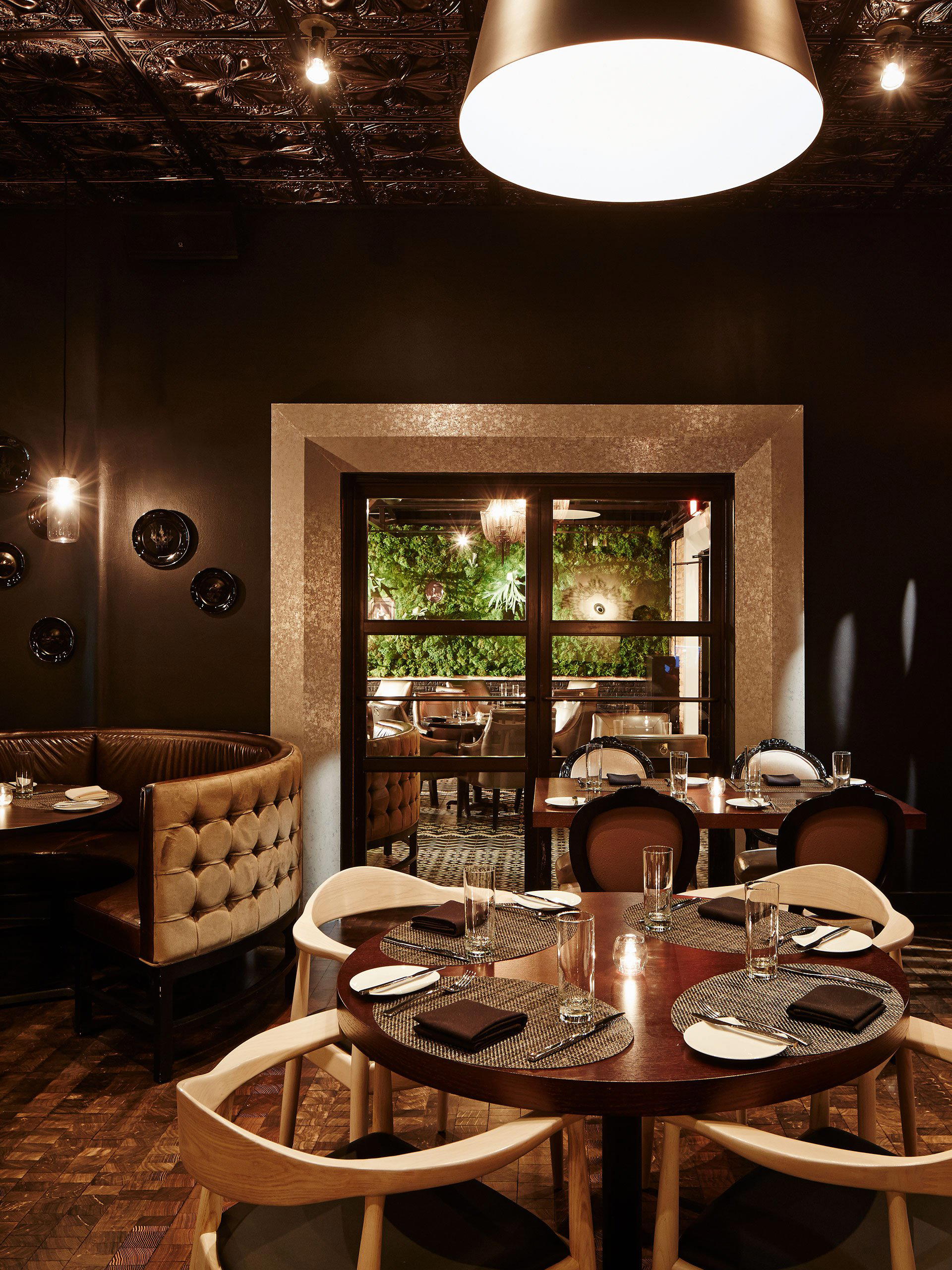
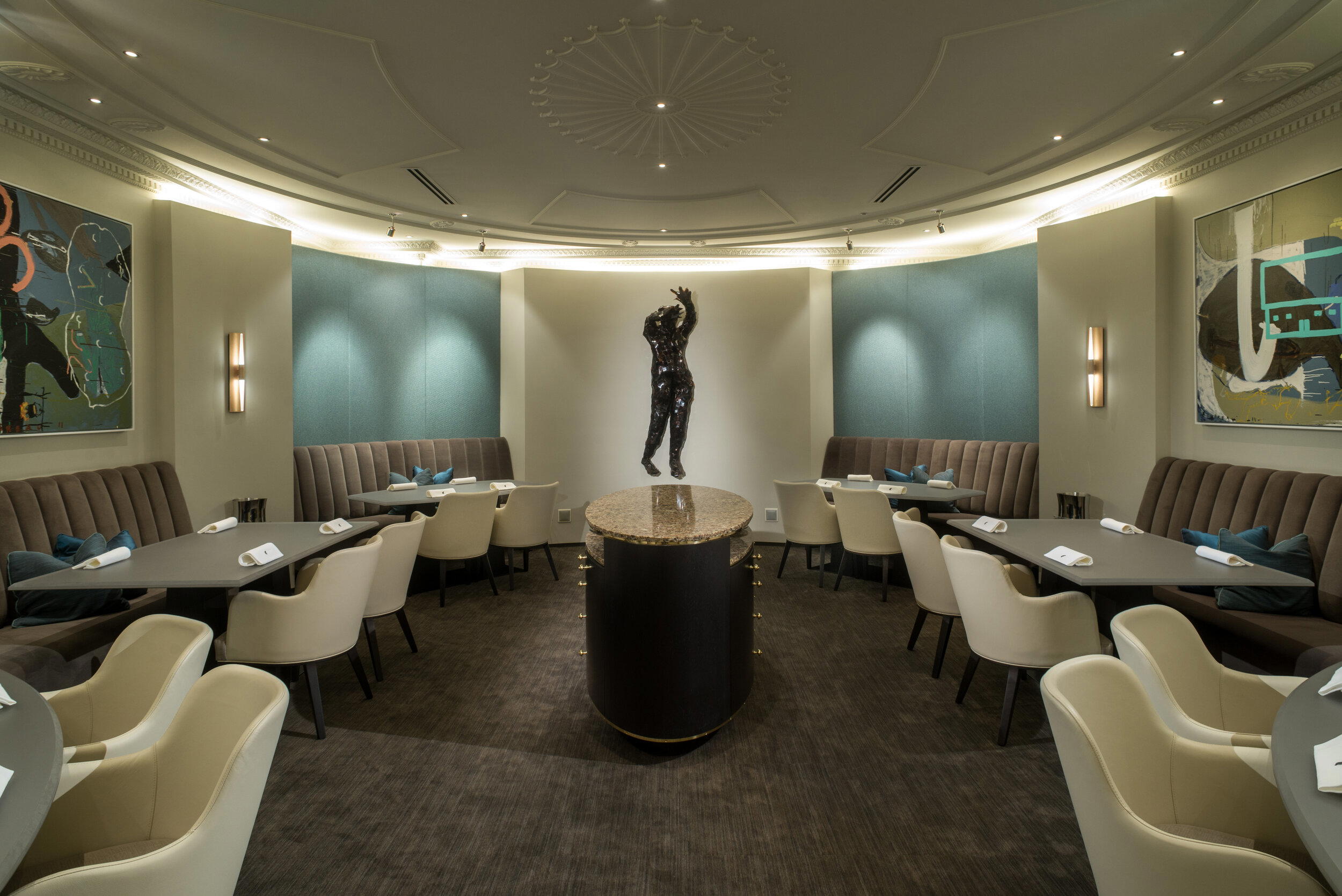
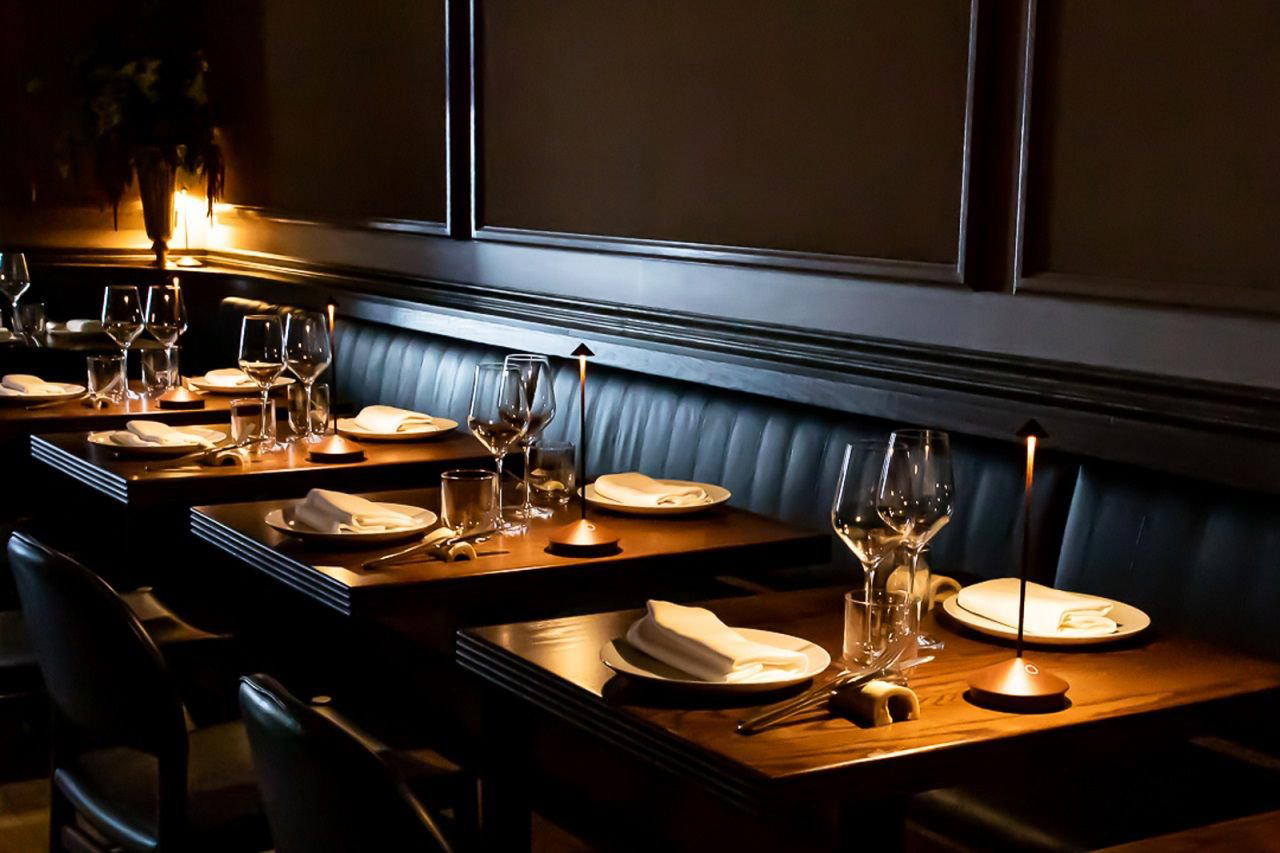
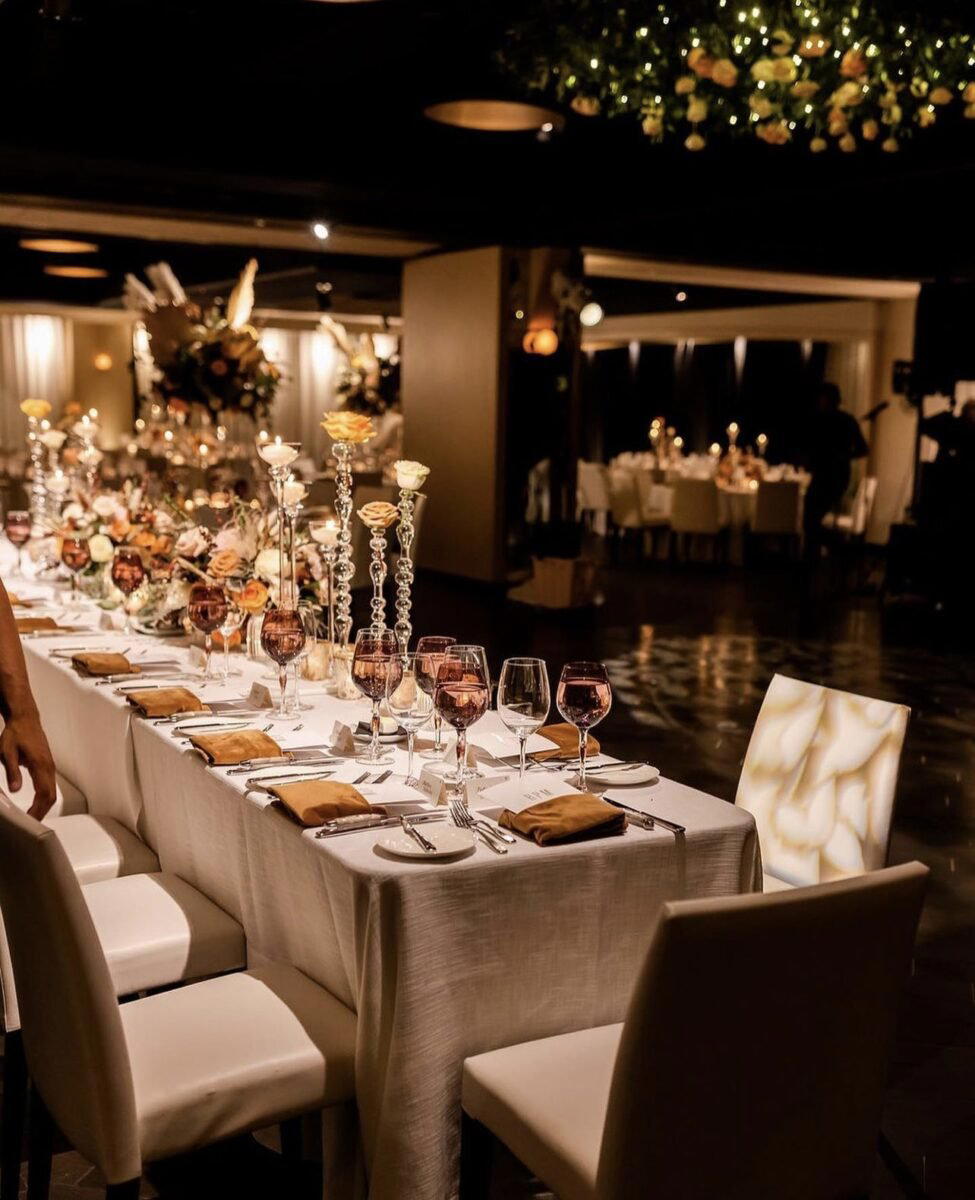
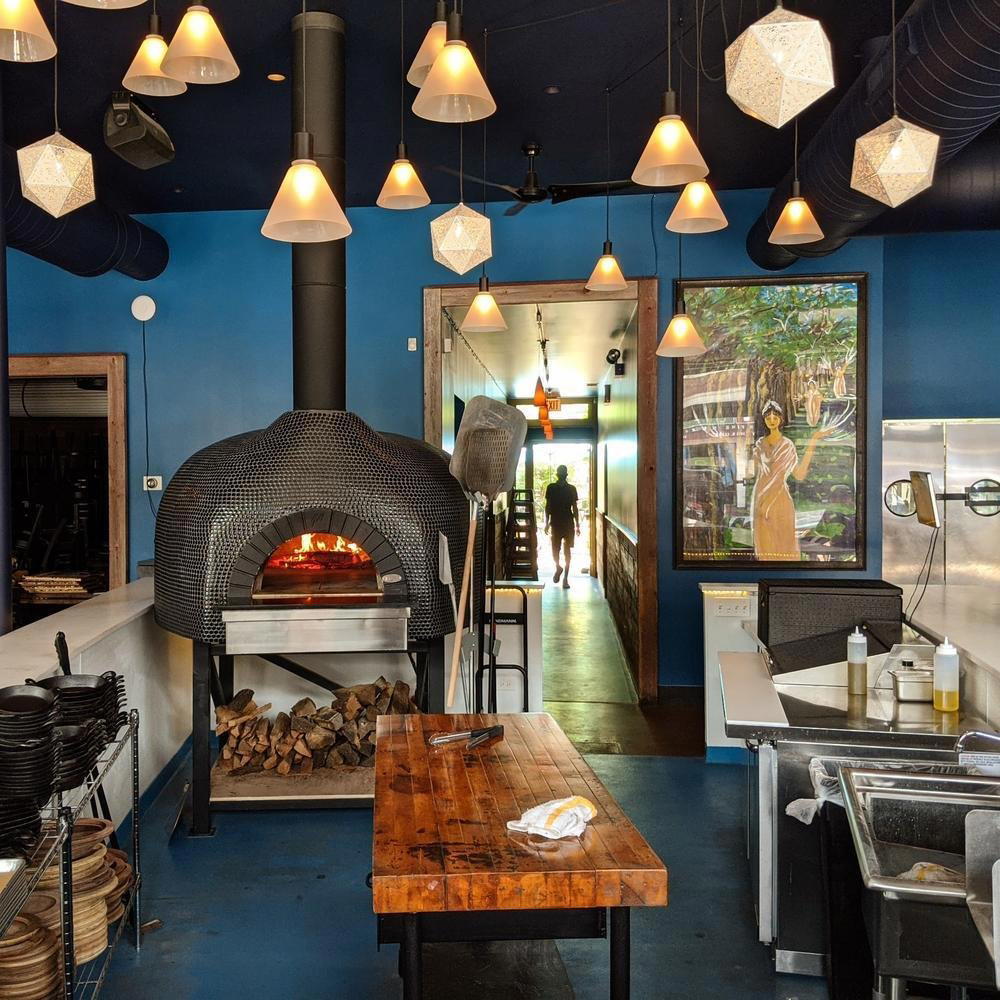
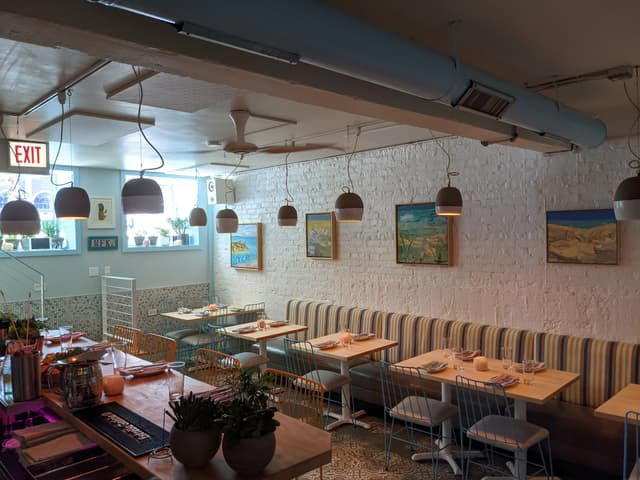
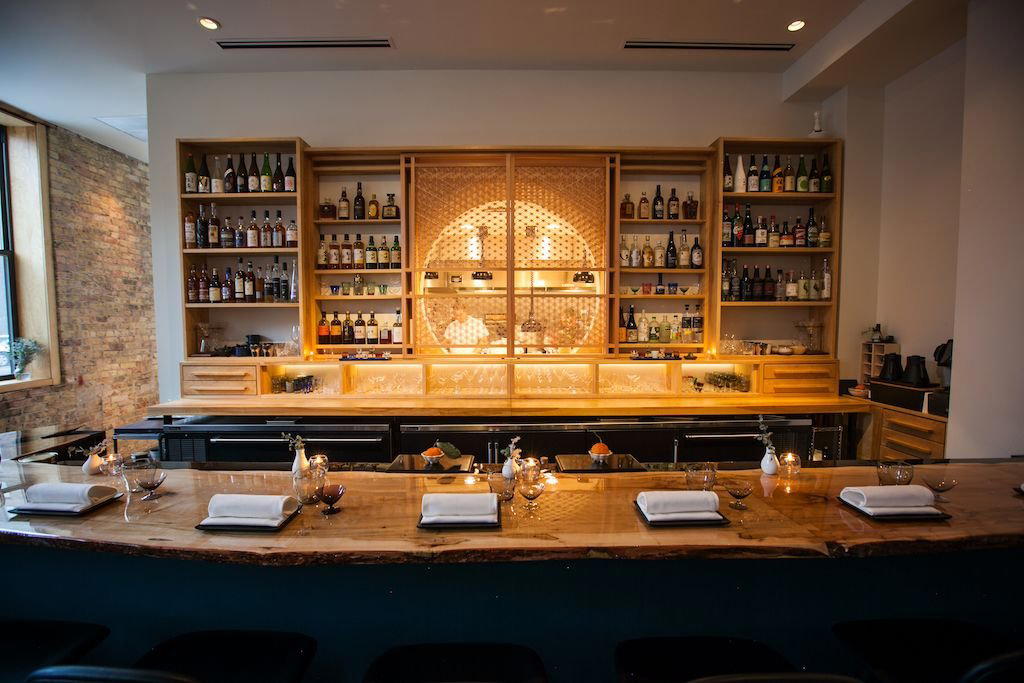
Warm and inviting atmosphere that feels like home, with comfortable surroundings and polished service creating a welcoming local gathering place.