Barra Rossa
Barra Rossa sits in Chicago’s Italian dining conversation as a name to read through the city’s long appetite for red-sauce comfort, pasta rituals, and family-table cooking. With public details sparse, the useful lens is category rather than hype: Italian food in Chicago works when it understands inheritance, generosity, and the difference between nostalgia and routine.
Pearl is the En Primeur Club membership app — saves, bookings, and concierge access live there. Same editors, same standards.
- Address
- Chicago, United States
- Directions
- Get directions
 Saves & bookings on Pearl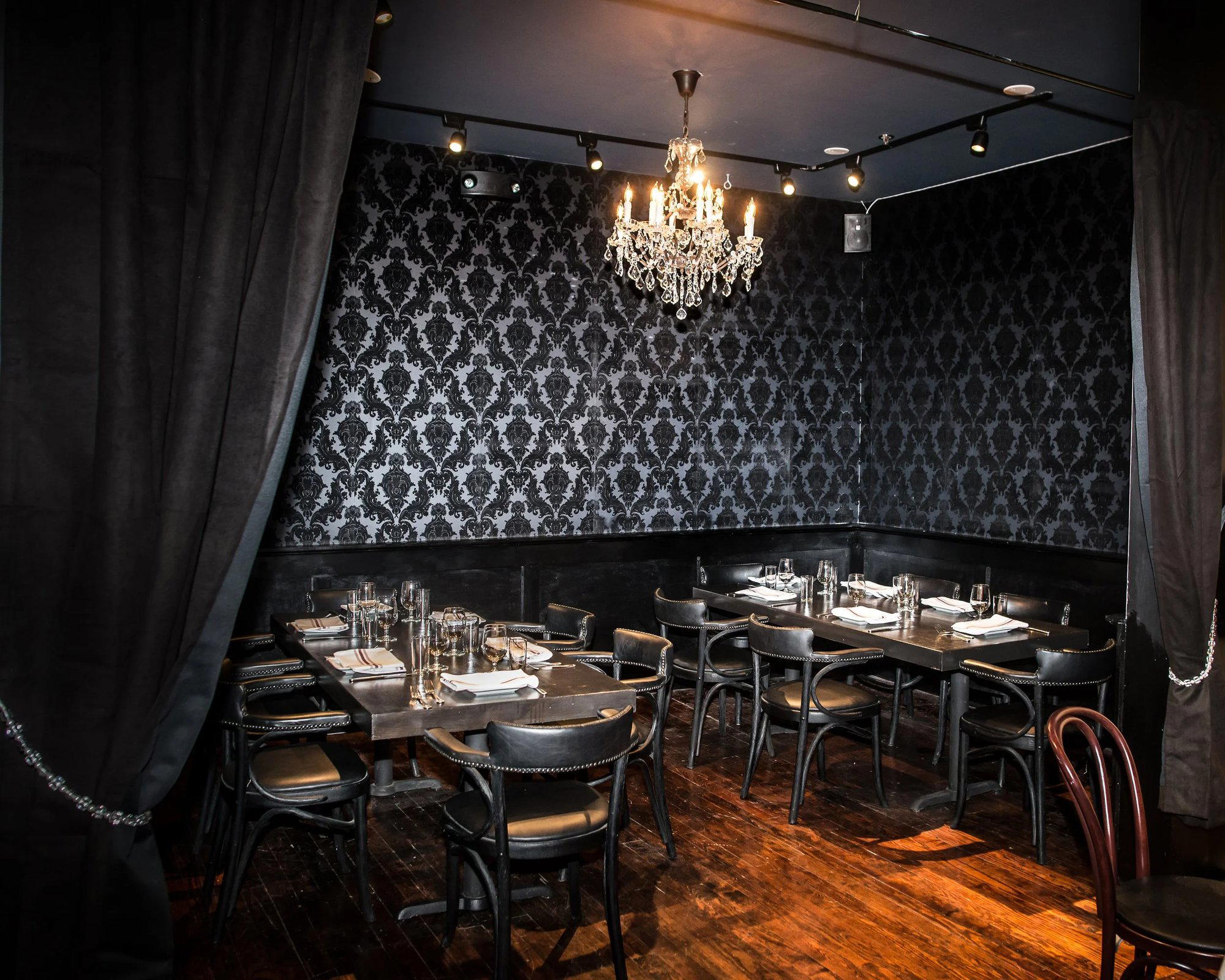
The first cue for a Chicago Italian room is rarely a chef’s manifesto. It is the room’s promise: plates built for passing, sauces that suggest repetition rather than novelty, and a style of hospitality that treats dinner as a table-wide negotiation. Barra Rossa belongs in that tradition, where Italian cooking in Chicago is judged less by theatrics than by whether it can carry the weight of family habits, weekday cravings, and celebratory tables without losing its shape.
Chicago Italian dining is built on inheritance, not reinvention
Italian restaurants in Chicago have always had two tracks. One is the polished downtown mode, where pasta, seafood, and wine service are folded into a sharper dining-room rhythm. The other is the generational kitchen, where recipes read as inheritance: tomato sauces, baked pastas, cutlets, salads, and desserts that feel designed for repeat ordering rather than single-visit spectacle. Barra Rossa is most useful to understand through that second lens. The name signals Italian cooking, but the broader point is how Chicago receives the category: as food tied to family memory, neighborhood loyalty, and a preference for substance over performance.
That matters because the city can be unforgiving with Italian restaurants that confuse sentiment with craft. A red-sauce vocabulary only works when it has discipline. Pasta needs timing, acidity needs control, and comfort food still has to be cooked with precision. Without published awards, chef details, or a listed format to anchor a tighter critical claim, Barra Rossa should be read as part of Chicago’s wider Italian appetite rather than as an awards-led destination. The draw is the category itself: familiar Italian cooking in a city that has spent generations deciding which versions deserve repeat business.
The family-table format still has a place in Chicago
Generational Italian cooking is not conservative by default. In Chicago, it has survived because it adapts quietly: smaller parties sit beside family groups, pasta shares space with lighter plates, and the wine decision often matters as much as the main course. The successful version does not ask diners to decode a concept. It gives them a grammar they already know, then depends on execution. The restaurant’s Italian identity places it inside that expectation, where the room, pacing, and plate structure matter more than novelty.
For readers mapping the city’s Italian range, the wider Chicago list is the better planning tool. Alla Vita, Ciccio Mio, Coco Pazzo, Monteverde, and Nico Osteria show how broad the city’s Italian register has become, from glossy dining rooms to pasta-focused kitchens and seafood-leaning formats. The restaurant sits in the same civic conversation, but the useful decision is not whether it chases those names. It is whether the night calls for an Italian table that favors recognition, comfort, and shared ordering over a heavily choreographed meal.
How to place Barra Rossa in a Chicago itinerary
Chicago rewards diners who plan by neighborhood mood as much as by cuisine. Italian can be the anchor for a family dinner, a low-risk group meal, or a calmer counterpoint to a bar-led evening. The restaurant fits that planning role better than a trophy-hunting one. With no public awards or tasting-menu structure attached here, expectations should be practical: look for an Italian meal framed around approachability rather than ceremony, and let the occasion determine whether it belongs at the center of the night or as part of a broader city plan.
For that broader plan, start with our full Chicago restaurants guide, then build around the rest of the city: our full Chicago hotels guide, our full Chicago bars guide, our full Chicago wineries guide, and our full Chicago experiences guide. Readers comparing how regional food traditions travel across American cities can also look beyond Chicago to Jōdo Saké Bar in Los Angeles, Onigiri Time in Pasadena, ¿Por Qué No? in Portland, 'Ai Love Nalo in Waimanalo Beach, 'āina in San Francisco, 'Ama 'Ama in Kapolei, 112 Eatery, Italian in Minneapolis, and 8 1/2 Otto e Mezzo Bombana (Hong Kong), Italian in Hong Kong. The through-line is not sameness; it is how each city turns inherited food into a local habit.
Comparable venues nearby, for context on price, style, and recognition.
| Venue | Cuisine | Price | Notes |
|---|---|---|---|
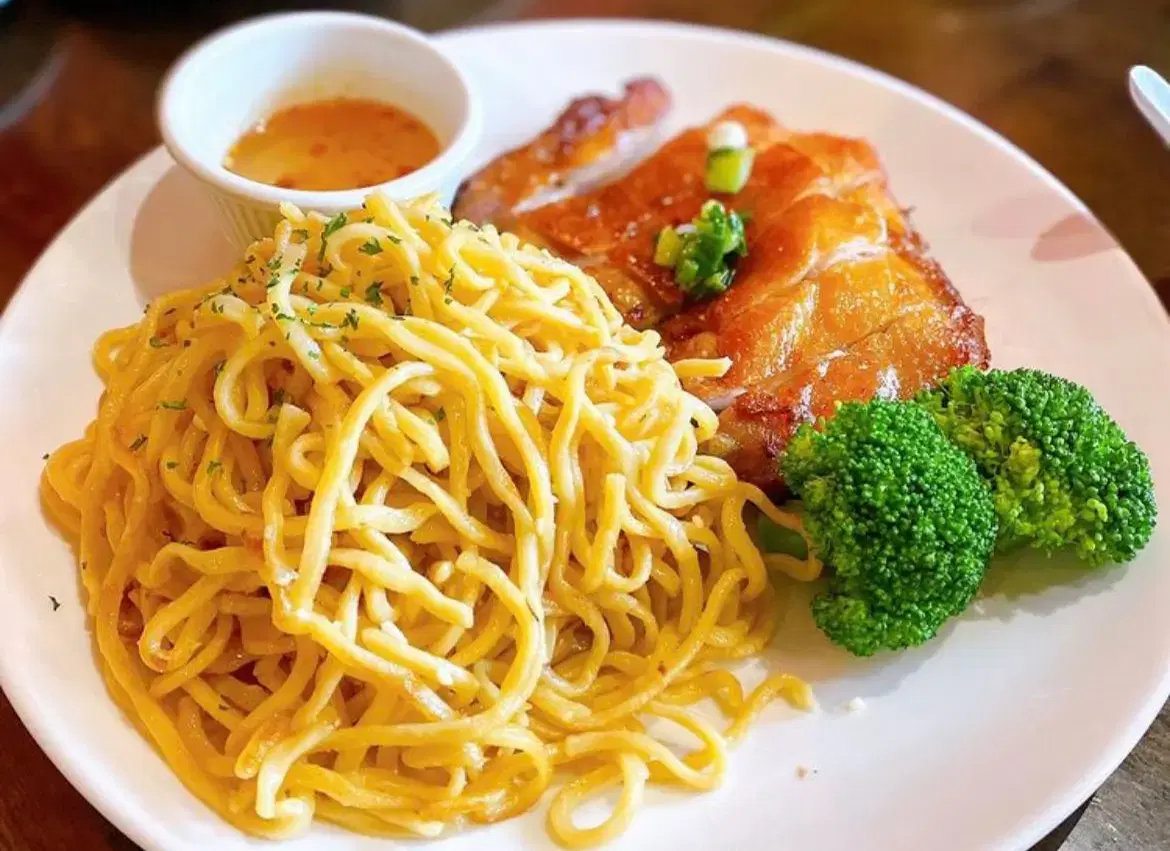
| Barra RossaThis venue — the venue you are viewing | Italian Pizza & Pasta with Strong Gluten-Free Options | $$ | Not listed |
| Anteprima | Rustic Italian Trattoria | $$ | Andersonville |
| La Scarola | Classic Italian Trattoria | $$ | West Town |
| Forno Mauri | Northern Italian Pizzeria | $$ | Printer's Row |
| Pizzeria Portofino | Italian Pizza and Pasta | $$ | River North |
| Nonnina | Homemade Italian Trattoria | $$ | River North |

At a Glance
- Lively
- Cozy
- Classic
- Family
- Group Dining
- Casual Hangout
- After Work
- Date Night
- Standalone
- Craft Cocktails
- Extensive Wine List
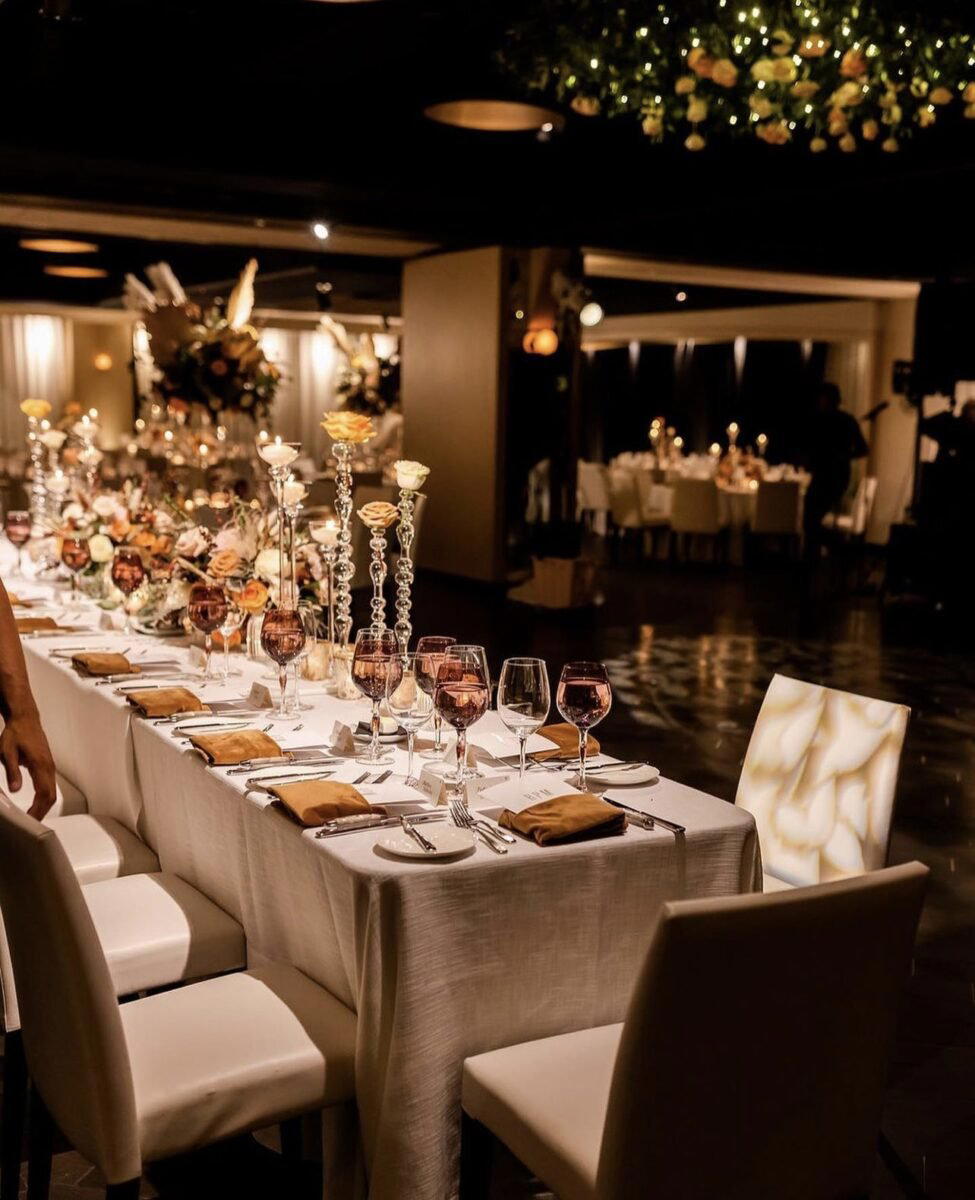
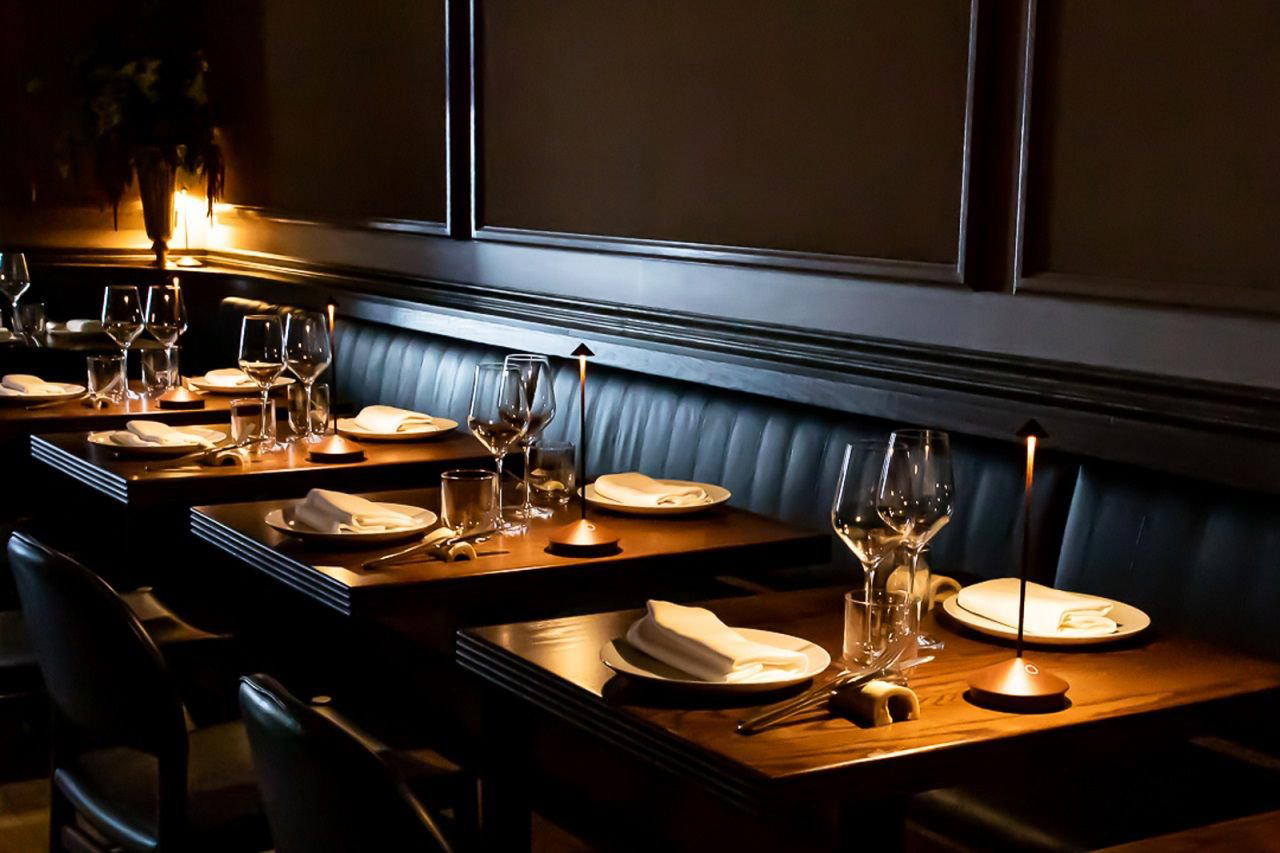
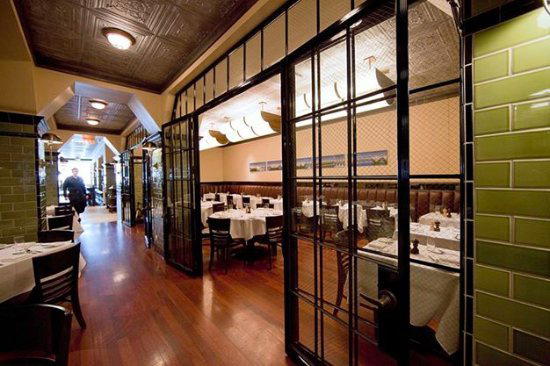
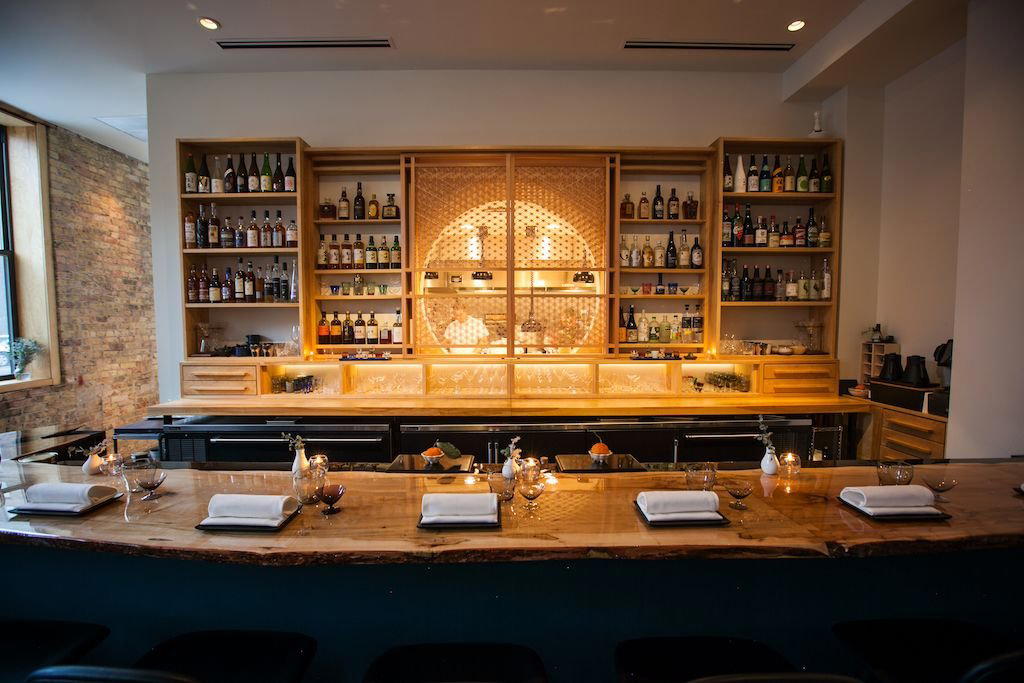
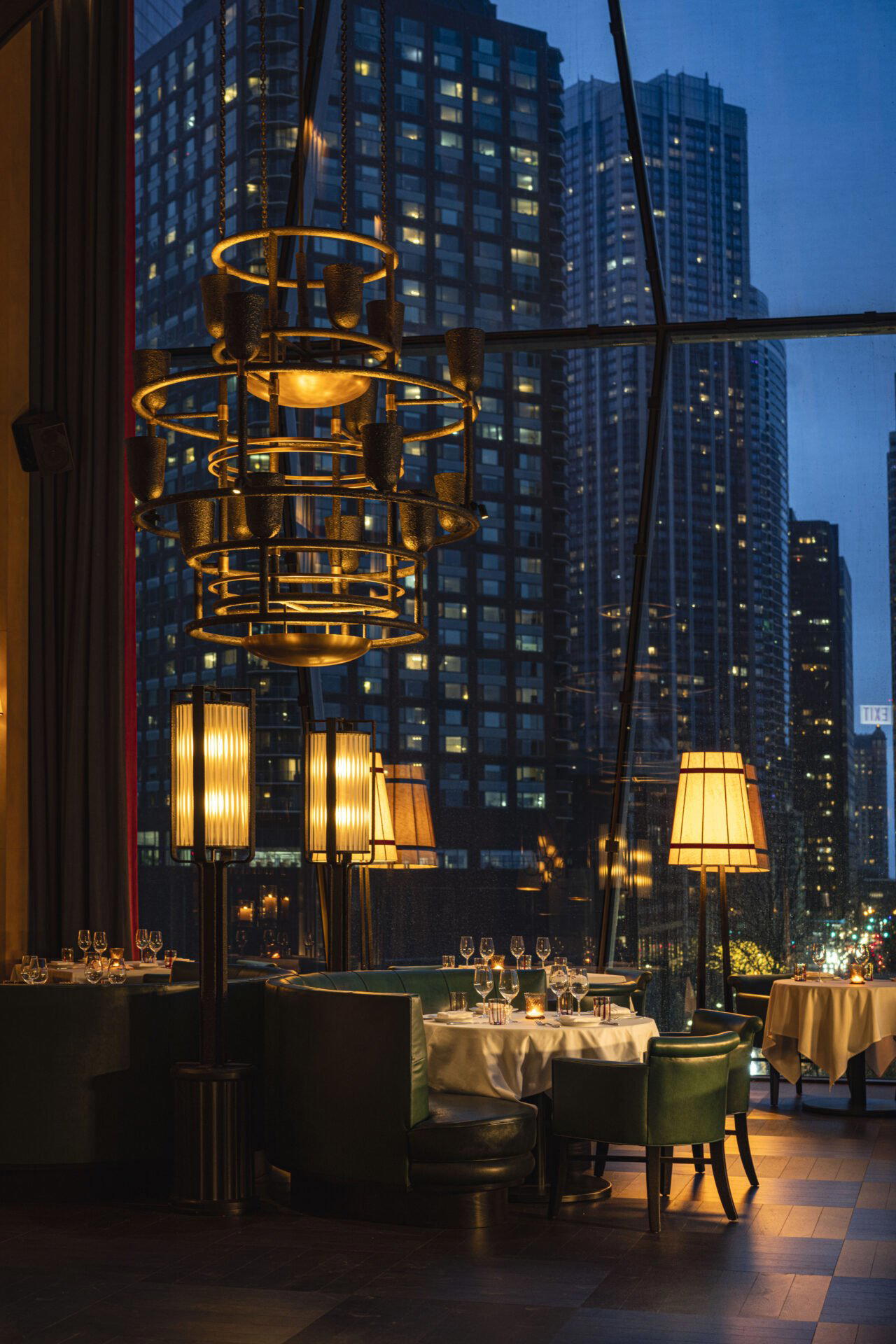
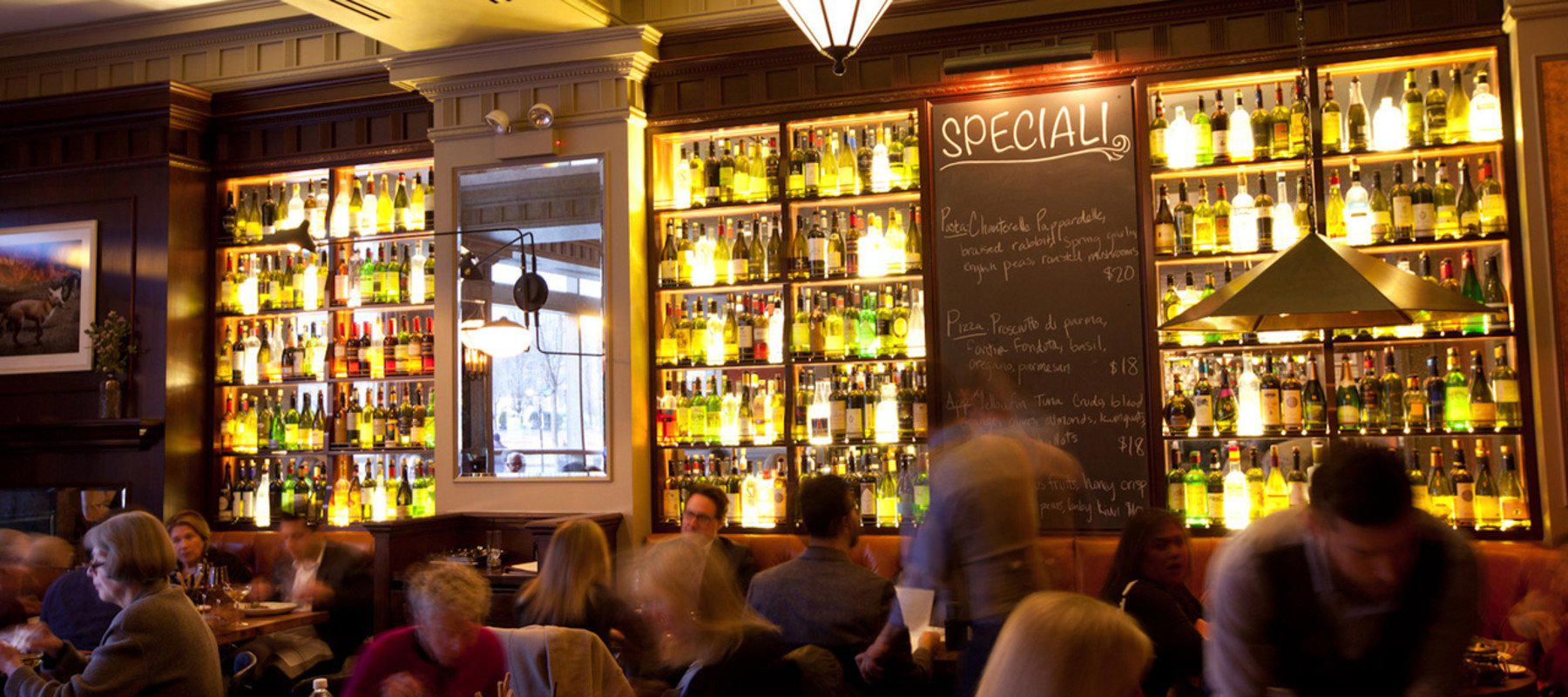
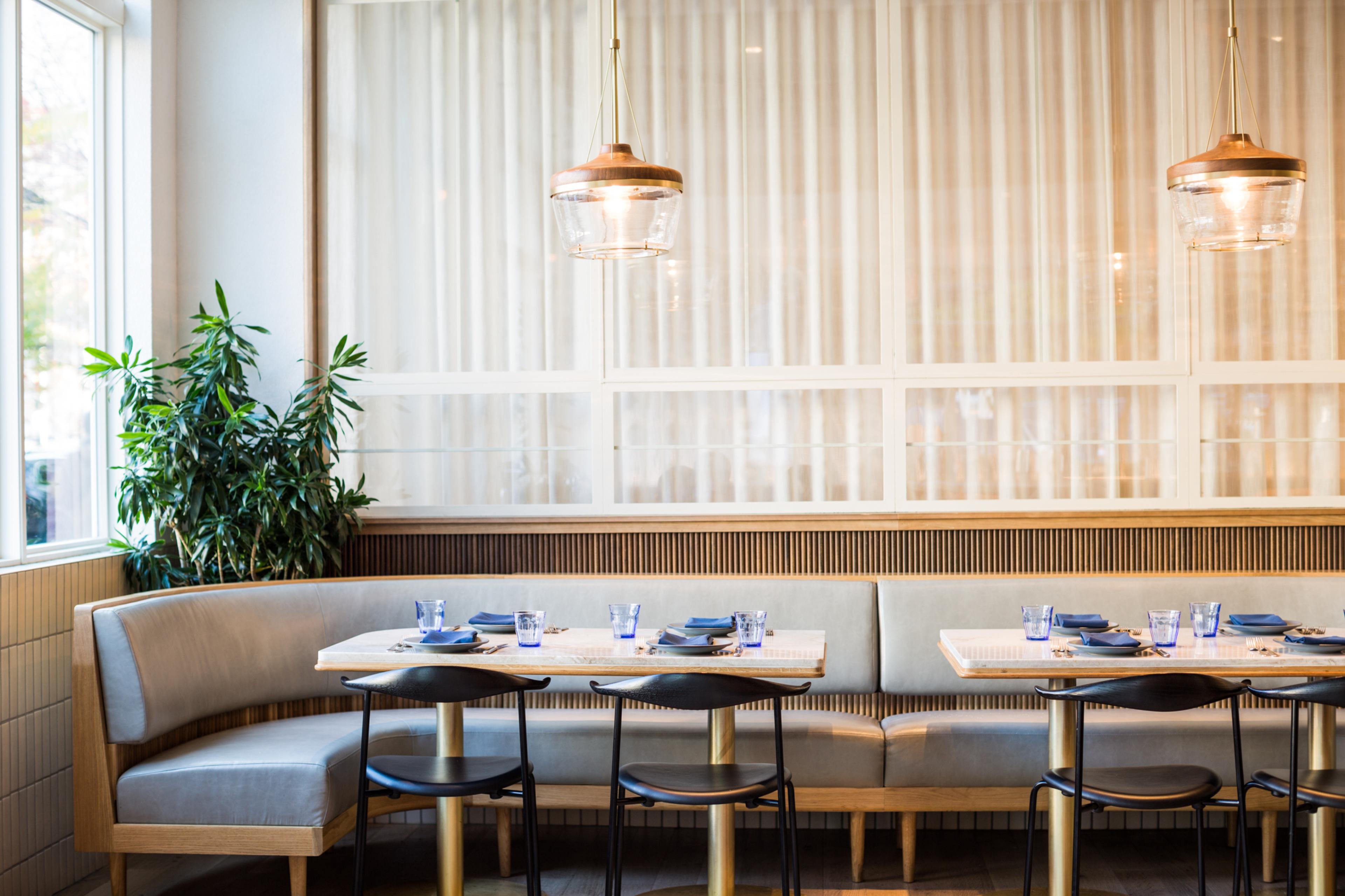
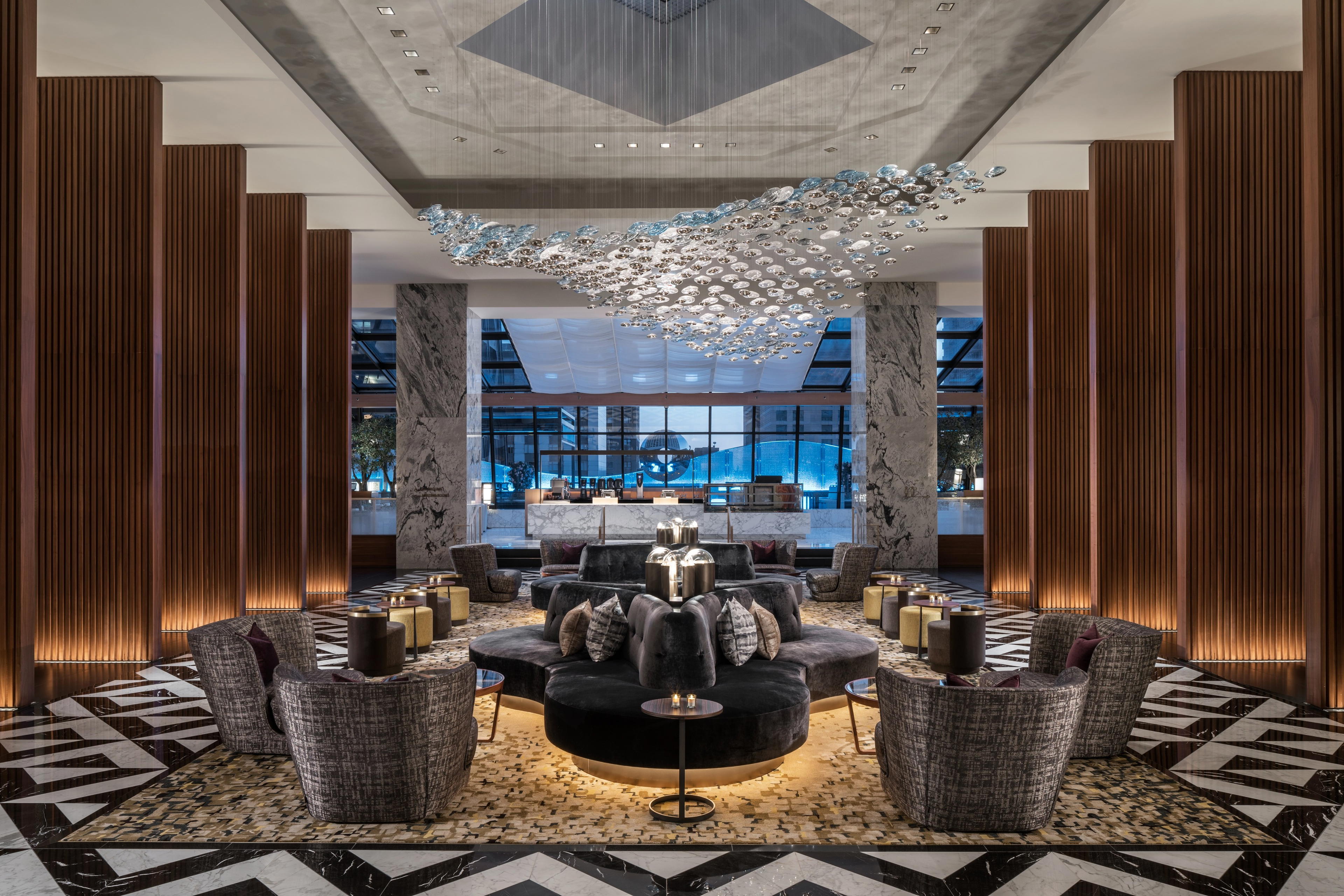
Bustling and lively Italian ristorante atmosphere, with a spacious dining room suited to families and groups, attentive staff, and a warm, casual feel that works well for dinners and happy hour.