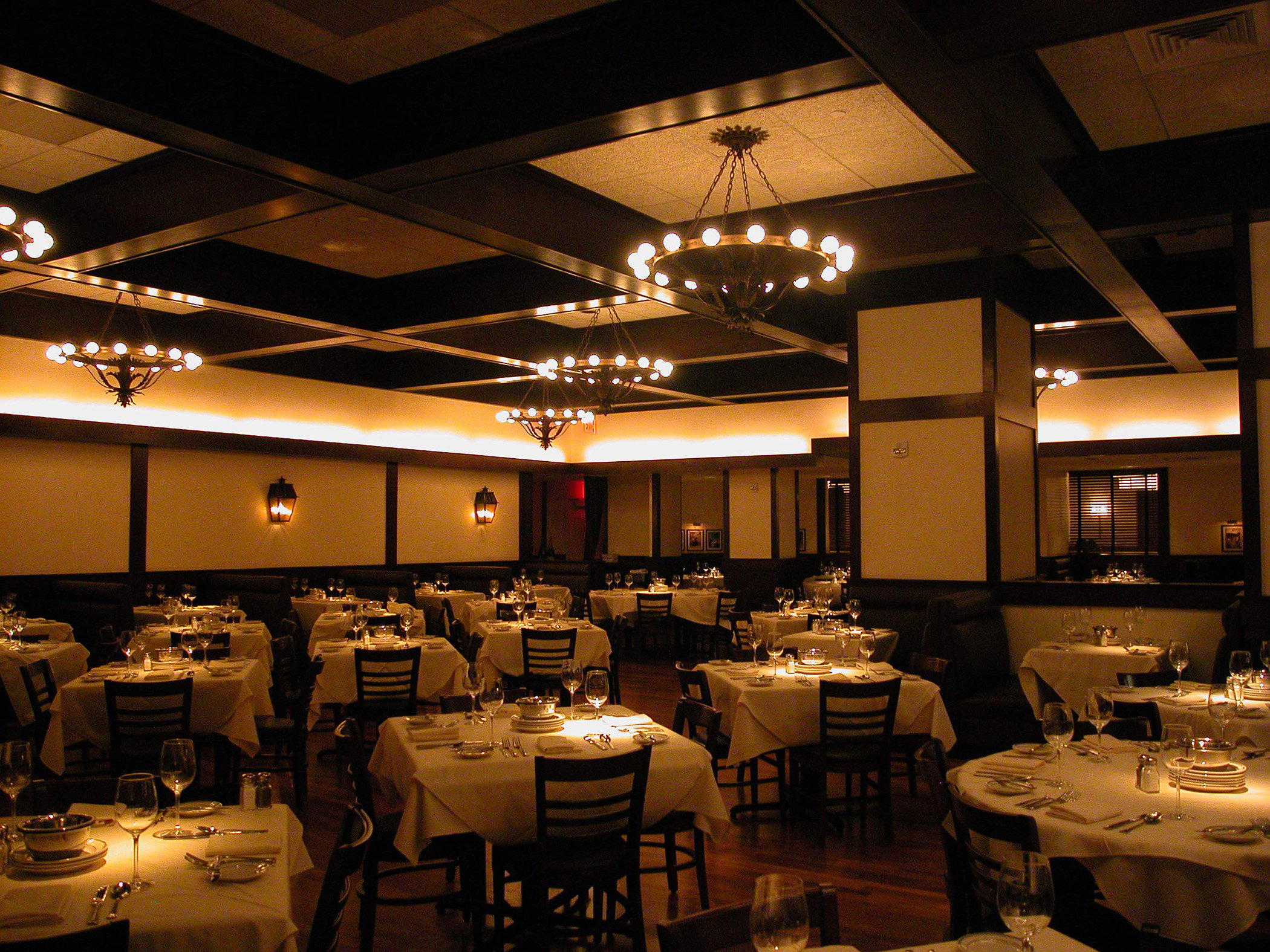
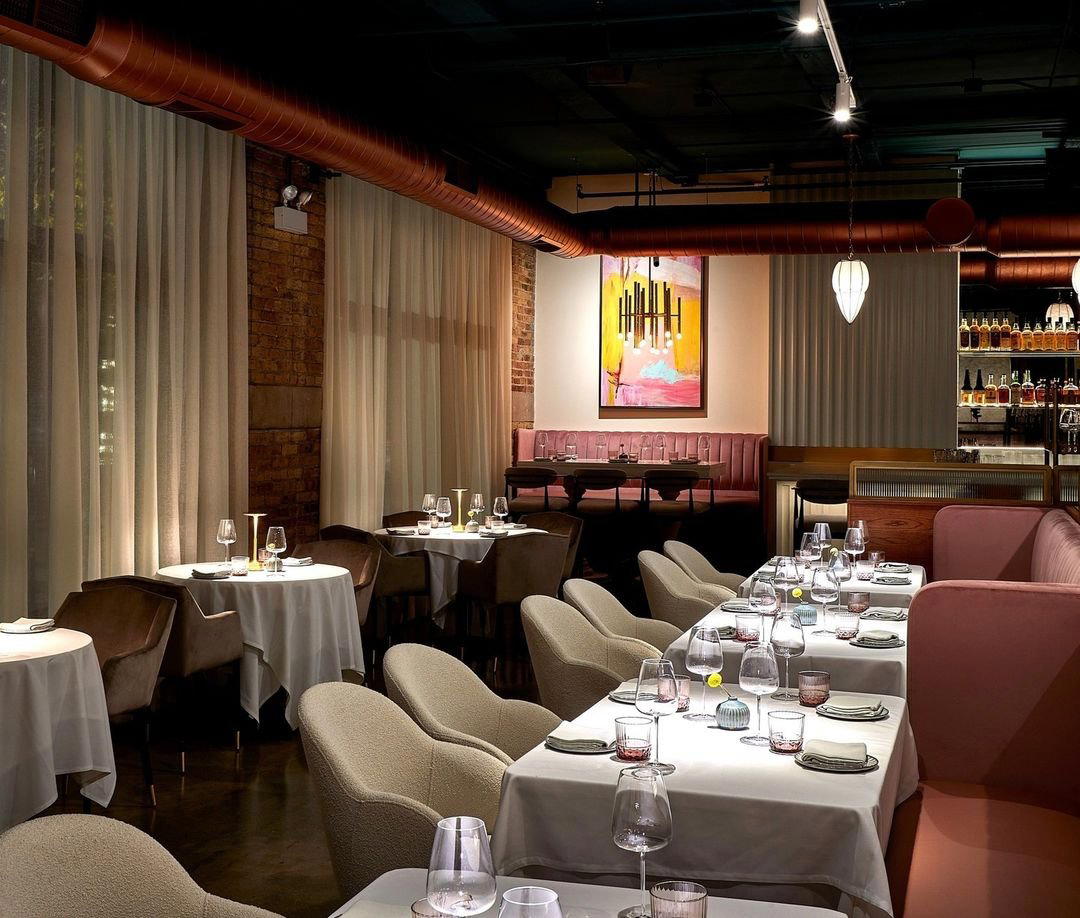
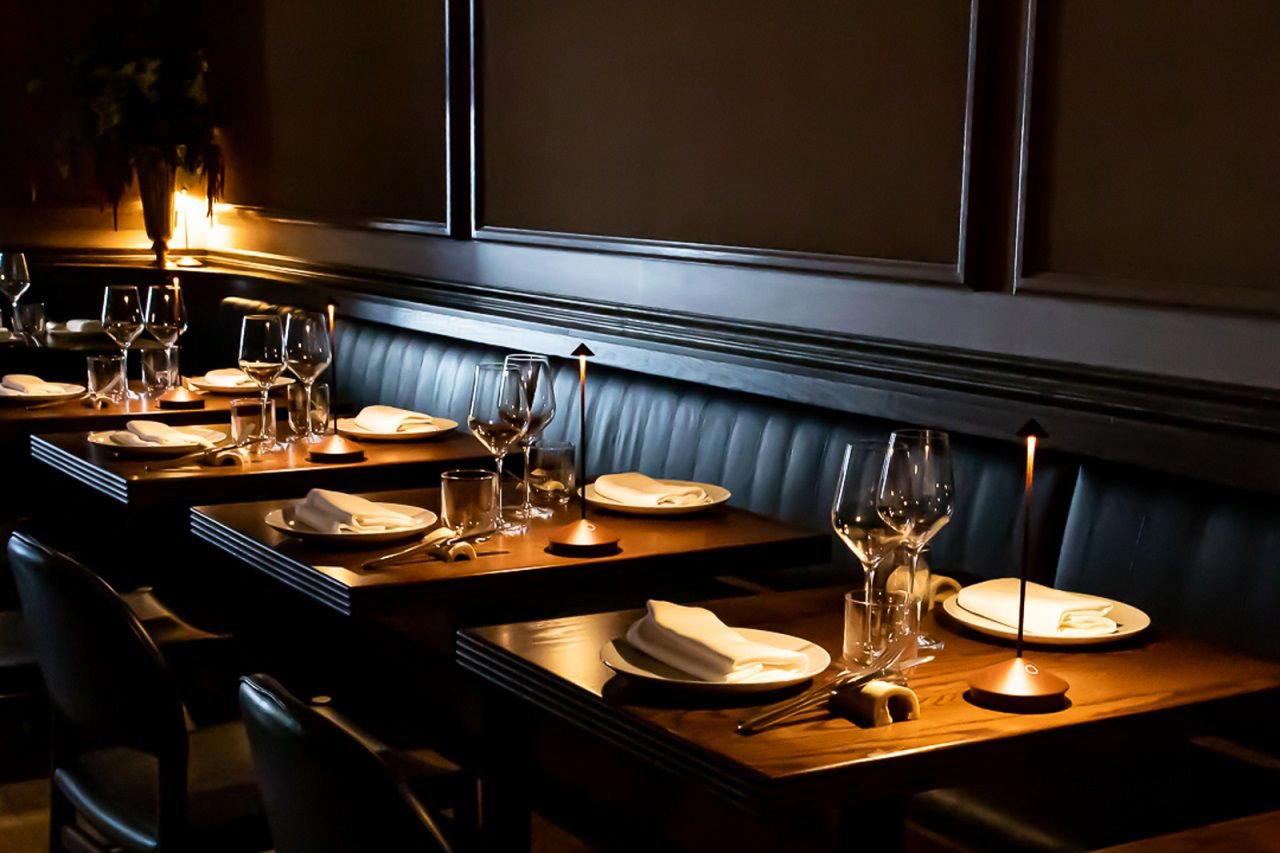
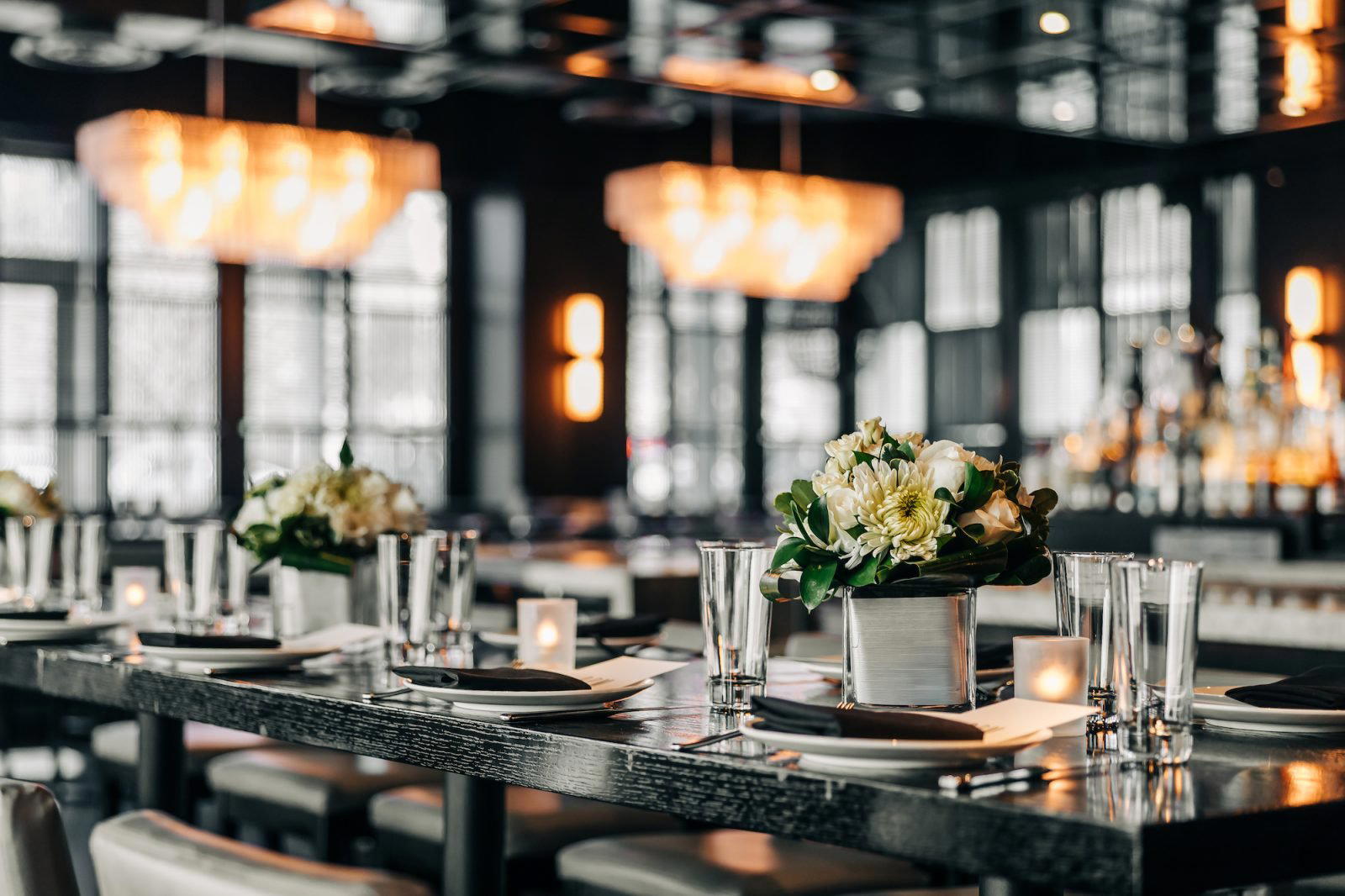
Osteria del Pastaio
Our verdict
On East Chestnut Street in Chicago's Gold Coast, Osteria del Pastaio occupies a neighbourhood where Italian-American dining traditions run deep alongside the city's broader fine-dining ambitions. The address places it within walking distance of the Magnificent Mile's concentrated dining corridor, setting a particular kind of expectation before a guest even sits down. For readers planning a Chicago table, it represents a specific moment in the city's ongoing Italian restaurant conversation.

Pearl is the En Primeur Club membership app, where members save venues, book tables and use the concierge.

The menu
What to order
- Tortellini with Butternut Squash
- Gnocchi
- Cacio e Pepe
- Truffle Pasta in Cheese Wheel
- Lobster Linguini
- Orecchiette with Wild Mushrooms
East Chestnut Street and the Gold Coast Dining Context
Chicago's Gold Coast has long operated as a kind of gravitational centre for the city's more conventional fine-dining expectations. The neighbourhood sits north of the Magnificent Mile, east of the Rush Street corridor, and a short walk from the lakefront, which means it draws a crowd that ranges from hotel guests to long-established North Side residents who prefer a room that feels settled rather than experimental. Italian restaurants in this part of the city tend toward the reassuring end of the spectrum: properly made pasta, a wine list weighted toward the peninsula, and a room that doesn't demand that the guest do intellectual work before ordering. Osteria del Pastaio, at 111 East Chestnut Street, operates inside that tradition.
That address matters more than it might seem. East Chestnut connects the densely built residential blocks of the Gold Coast to the commercial pressure of Michigan Avenue without quite belonging to either. Restaurants here aren't typically chasing the same avant-garde recognition that drives tables at Alinea or the farm-sourcing credentials of Smyth. They're answering a different question: what does a well-executed, neighbourhood-rooted Italian room look like when the neighbourhood happens to be one of Chicago's wealthiest?
Italian Dining in Chicago: Where the Category Sits Now
Italian cooking occupies a specific and occasionally contradictory position in American fine dining. On one hand, it's the cuisine most Americans feel they already understand, which creates a low threshold for entry and a high threshold for impressing anyone paying attention. On the other hand, the regional specificity of Italian food, the difference between a Roman carbonara made with guanciale and one improvised with pancetta, or between a proper hand-rolled pici and dried pasta dressed up with butter, gives kitchens that take the craft seriously a genuine way to differentiate. Chicago has seen both ends of that range. The city's Italian-American heritage runs through the Near West Side and the old Taylor Street corridor, while a newer generation of pasta-focused rooms has brought more technical rigour to the format.
The osteria label itself carries meaning. In Italy, an osteria traditionally sits below the ristorante in formality while still maintaining serious food. The category implies hospitality over spectacle, a shorter menu, and pasta as a genuine structural element rather than an afterthought between a crudo and a protein course. American restaurants adopting the term are, whether consciously or not, making an argument about what kind of experience they intend to deliver. In Chicago's current Italian dining conversation, that positioning sits somewhere between the white-tablecloth formality of older Gold Coast institutions and the louder, more casual pasta bars that have proliferated across the city's hipper neighbourhoods in recent years.
The Gold Coast as a Dining Address
For out-of-town visitors, the Gold Coast's dining geography requires a brief orientation. The neighbourhood's hotel density, anchored by properties along Michigan Avenue and Delaware Place, means that a significant portion of any restaurant's clientele on a given evening may be on a single-visit schedule. That shapes what restaurants in the area tend to prioritise: consistency over experimentation, a wine list that can be read quickly, and service that handles guests who may not know the room. It's a different operating environment from the one facing Oriole in the West Loop or Kasama on the North Side, both of which operate with a more resident-and-destination-diner clientele.
That's not a criticism. Some of the most precise and rewarding dining experiences in American cities happen in exactly this kind of neighbourhood, where the pressure to perform for a repeat-visit local crowd is replaced by the pressure to deliver a complete, self-explanatory experience to someone who may only be in town for two nights. Comparable situations play out at Le Bernardin in New York City, where a similarly dense hotel and business district creates a clientele that spans regulars and first-timers in roughly equal measure, or at Emeril's in New Orleans, where the address carries tourist weight alongside genuine local loyalty.
Across the country, the Italian osteria format has found traction in cities where fine dining has matured past its French-technique phase and is looking for something warmer and more produce-forward. In San Francisco, Lazy Bear and the broader Bay Area scene have absorbed Italian influence through sourcing and technique without committing to the format. In Napa, The French Laundry sits at the formal European end of the spectrum, while producers like Single Thread Farm in Healdsburg push toward Japanese-inflected kaiseki. The Italian osteria, by contrast, argues for restraint in a different register: fewer courses, better ingredients, pasta as the centrepiece rather than the bridge between more photogenic dishes.
In that context, Chicago's East Chestnut address positions Osteria del Pastaio against a specific set of expectations. The comparable pressure exists at Next Restaurant, which has always had to manage the gap between concept-driven ambition and the practical demands of a large-capacity room. An osteria in the Gold Coast faces a simpler but equally exacting version of that challenge: be good enough that the guest who walked over from the InterContinental leaves feeling they found something genuinely worth the price, and be consistent enough that the local who comes in on a Tuesday in February feels the same way.
For readers building a Chicago itinerary that spans the city's full range, our full Chicago restaurants guide maps the competitive landscape across neighbourhoods and price tiers. Other US benchmarks for the Italian fine-dining tradition include Providence in Los Angeles, Addison in San Diego, The Inn at Little Washington, Bacchanalia in Atlanta, Atomix in New York City, Blue Hill at Stone Barns in Tarrytown, and internationally, 8 1/2 Otto e Mezzo Bombana in Hong Kong, where Italian fine dining has been successfully transplanted into a very different urban context.
Planning a Visit: Logistics in Context
| Venue | Neighbourhood | Price Tier | Format | Booking Lead Time |
|---|---|---|---|---|
| Osteria del Pastaio | Gold Coast | Not confirmed | Osteria / Italian | Check directly |
| Alinea | Lincoln Park | $$$$ | Tasting menu | Several weeks to months |
| Smyth | West Loop | $$$$ | Tasting menu | Several weeks |
| Next Restaurant | West Loop | $$$$ | Rotating concept | Several weeks |
| Kasama | Ukrainian Village | $$$$ | Tasting menu | Several weeks |
The Gold Coast address means parking is available in nearby garages along Chestnut and Delaware, and the venue is a short walk from the Chicago Red and Brown Line stops at Chicago Avenue. Visitors staying along the Magnificent Mile can reach East Chestnut on foot in under ten minutes.
Frequently asked questions
What part of town is Osteria del Pastaio in?
Osteria del Pastaio is located at 111 E Chestnut St, Chicago, IL 60611, Chicago.
How does Osteria del Pastaio fit into Chicago's current Italian dining scene?
Chicago's Italian restaurant category has split noticeably in recent years between red-sauce institutions on the one side and Italian-influenced fine dining on the other. An osteria format at a Gold Coast address like 111 E Chestnut St occupies the middle ground: pasta-forward and ingredient-focused, without the ceremony of a multi-course tasting menu or the informality of a neighbourhood trattoria.
What's the signature dish at Osteria del Pastaio?
Osteria del Pastaio's name centres the format on pasta, which in the Italian osteria tradition means house-made, regionally grounded preparations rather than a single fixed showpiece dish. At 111 E Chestnut St in Chicago's Gold Coast, the kitchen operates within a category where handmade pasta is the organising principle across the menu rather than one signature plate.
How far ahead should I plan for Osteria del Pastaio?
The Gold Coast is one of Chicago's denser dining corridors, with hotel traffic from nearby properties adding consistent walk-in demand on weekends. Reserving several days in advance is a reasonable baseline for dinner; weekend tables at comparable Gold Coast Italian addresses tend to move faster than the neighbourhood's broader restaurant stock.
What's the defining dish or idea at Osteria del Pastaio?
The defining idea at Osteria del Pastaio is the osteria format itself: a Italian dining model built around pasta as the central craft rather than as a category within a broader menu. That positioning places it in a specific tier of Chicago Italian dining, distinct from trattorias that treat pasta as a mid-course and from steakhouse-adjacent Italian concepts that dominate parts of the Gold Coast.
Category Peers
Comparable venues nearby, for context on price, style, and recognition.
| Venue | Cuisine | Price | Awards | Notes |
|---|---|---|---|---|
| Osteria del PastaioThis venue (the venue you are viewing) | Traditional Italian Trattoria | $50–100 | Not listed | Not listed |
| Vivere | Modern Regional Italian | $50–100 | Not listed | Loop |
| Coco Pazzo | Tuscan Italian | $50–100 | Wine Spectator Award of Excellence | River North |
| Piccolo Sogno | Rustic Italian | $50–100 | Not listed | River West |
| Viaggio Restaurant Chicago | Authentic Italian Pasta | $50–100 | Not listed | West Loop |
| Rosebud on Rush | Classic Italian Steakhouse | $50–100 | Not listed | Near North Side |