Locanda
On East Walton Place in Chicago's Gold Coast, Locanda sits within a neighbourhood that rewards restaurants willing to source with intention. The kitchen draws from Italian trattoria tradition while engaging the kind of farm-to-table sourcing ethic that now defines the more considered end of Chicago dining. For visitors weighing the city's premium options, Locanda offers a European-accented counterpoint to the progressive American tasting-menu circuit.
- Address
- 201 E Walton Pl, Chicago, IL 60611
- Phone
- +13123978800
- Website
- mymenuweb.com
- Directions
- Get directions
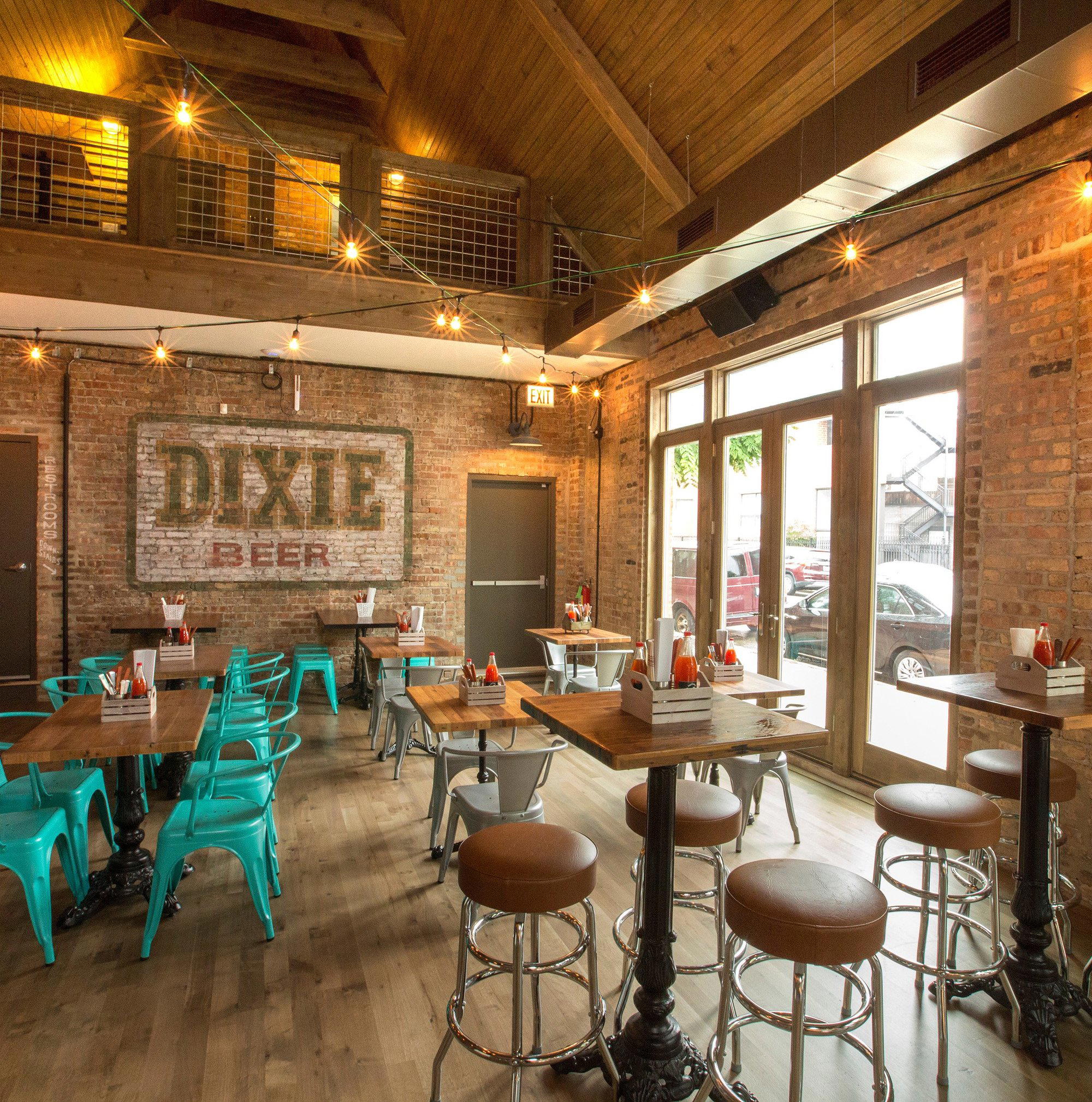
Gold Coast, Italian Roots, and the Sourcing Question
East Walton Place runs quietly between Michigan Avenue and the lake, a block that signals residential money rather than tourist volume. Restaurants that survive here do so on repeat local custom, which means they answer to a more demanding audience than the one that fills downtown hotel dining rooms once and moves on. Locanda occupies that position: an Italian-accented address in a neighbourhood where the clientele knows what a properly made risotto should taste like and will notice if the sourcing story doesn't hold up to scrutiny.
The broader context matters here. Chicago's fine-dining conversation has been dominated for years by progressive American tasting menus, the format represented at its most ambitious by venues like Alinea, Smyth, and Oriole, all of which operate at the $$$$ tier and pull from a shared pool of Midwestern farms and Great Lakes producers. Italian trattorias have occupied a different lane, one historically defined by generosity of portion and the kind of cooking that doesn't require a glossary. What's shifted in recent years is the sourcing expectation: diners at the upper end of the Italian-restaurant market now bring the same questions about provenance that they'd ask at a farm-driven American table.
The Sustainability Frame in Italian Cooking
Italian cuisine has a structural advantage in the sustainability conversation that sometimes goes underacknowledged. Its building blocks, dried pasta, preserved anchovies, cured pork fat, aged cheeses, are already low-waste formats developed over centuries as practical responses to seasonality and scarcity. A kitchen that takes Italian tradition seriously is, almost by definition, engaging with preservation and whole-use thinking. The question for any contemporary Italian restaurant is whether that tradition gets treated as a living practice or a decorative one.
Across the American restaurant scene, particularly credible sustainability claims now tend to cluster around verifiable supplier relationships rather than vague seasonal language. Venues like Blue Hill at Stone Barns in Tarrytown and Single Thread Farm in Healdsburg have set a high bar for what documented farm-to-table actually means, with their own agricultural operations feeding the menu. Italian restaurants operating in that spirit tend to center the work around seasonal produce cycles, named cheesemakers, and cuts of meat that reflect whole-animal purchasing rather than cherry-picking particularly commercially convenient portions.
In Chicago specifically, the Midwest's agricultural calendar creates a hard constraint that can function as a creative asset. A kitchen willing to work with what the region actually produces in each month, kohlrabi and dried beans in winter, ramps and morels in early spring, stone fruit and sweet corn through summer, ends up with a menu that documents the season rather than paper over it. For Italian cooking, that constraint aligns naturally with the regional Italian tradition of cooking what's available rather than importing what's fashionable.
Where Locanda Sits in the Chicago Picture
Chicago's dining geography has always been more distributed than New York's, with serious cooking spread across neighbourhoods rather than concentrated in a few postal codes. The Gold Coast, where Locanda sits at 201 E Walton Pl, has traditionally skewed toward the kind of restaurant that rewards sustained attention rather than social-media visibility. It's a different competitive register than the one facing Kasama in Ukrainian Village or Next Restaurant in the West Loop, where the audience tilts younger and more trend-conscious.
That neighbourhood positioning shapes what a restaurant like Locanda needs to be. Staying power in the Gold Coast comes from consistency and from a value argument that holds up over multiple visits, not from novelty. An Italian trattoria format built around honest sourcing and disciplined execution has structural longevity on its side; it's a format with centuries of proof of concept behind it. The comparison set here is less about Michelin-starred American tasting menus and more about how the restaurant sits against Italian addresses in other American cities, the way Le Bernardin in New York has maintained a clear identity within French technique, or how Providence in Los Angeles has built a sustainable seafood program into its core identity rather than treating it as a marketing footnote.
For visitors already familiar with the progressive American tasting-menu format, Locanda offers a different kind of evening, one defined by Italian hospitality rhythm rather than choreographed progression. The pacing of an Italian meal, antipasti through to dolci, with bread and wine as structural elements rather than optional extras, is a different argument about what a dinner should accomplish. That argument has its own integrity.
Planning Your Visit
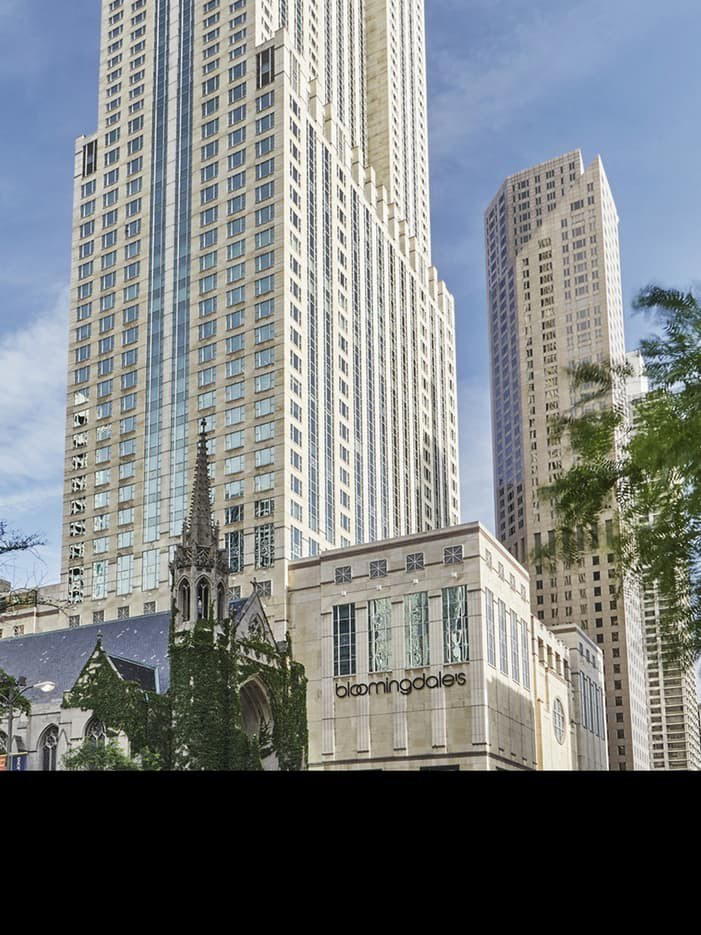
Locanda's address at 201 E Walton Pl puts it within easy reach of the Magnificent Mile and the northern end of the Loop, making it a practical choice before or after evening programming at nearby cultural venues. The Gold Coast is walkable from both the Red Line and several bus routes along Michigan Avenue. For visitors staying in the area, the restaurant represents a neighborhood option rather than a destination that requires cross-city logistics.
Contact and booking details are best confirmed directly through current listings, as hours and reservation policies at Gold Coast restaurants can shift seasonally. For the broader Chicago dining picture, including tasting-menu options across multiple price tiers and neighbourhoods, the EP Club Chicago guide covers the full range. Visitors planning multi-city itineraries can benchmark the Chicago Italian scene against what's available in comparable American markets, including Emeril's in New Orleans, Lazy Bear in San Francisco, Addison in San Diego, The Inn at Little Washington, Bacchanalia in Atlanta, Atomix in New York City, and 8½ Otto e Mezzo Bombana in Hong Kong, each of which anchors a distinct culinary tradition in its own city context.
Cuisine and Awards Snapshot
Comparable venues nearby, for context on price, style, and recognition.
| Venue | Cuisine | Price | Notes |
|---|---|---|---|
| LocandaThis venue — the venue you are viewing | Contemporary Italian Trattoria | $$$ | Not listed |
| Gene & Georgetti | Classic Tuscan Steakhouse | $$$ | River North |
| Erie Cafe | Classic Italian Steakhouse | $$$ | River North |
| Piccolo Sogno | Rustic Italian | $$$ | River West |
| Unico Restaurante | Italian-Latin Fusion | $$$ | Pilsen |
| Coco Pazzo | Tuscan Italian | $$$ | River North |
At a Glance
- Elegant
- Casual
- Intimate
- Date Night
- Business Dinner
- Casual Hangout
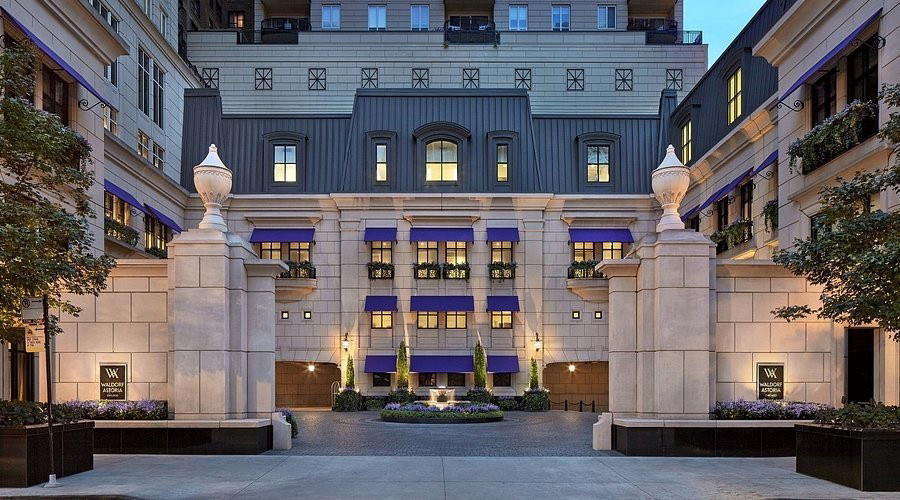
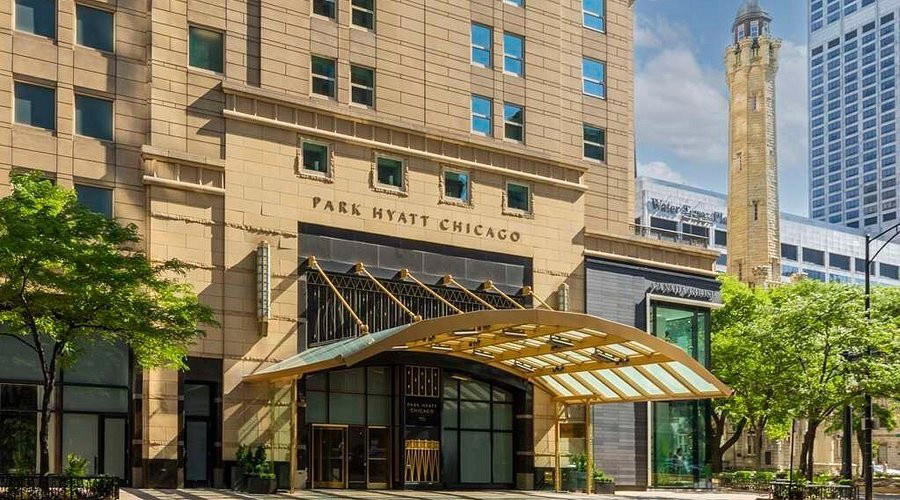
- Hotel Restaurant
- Farm To Table
- Local Sourcing
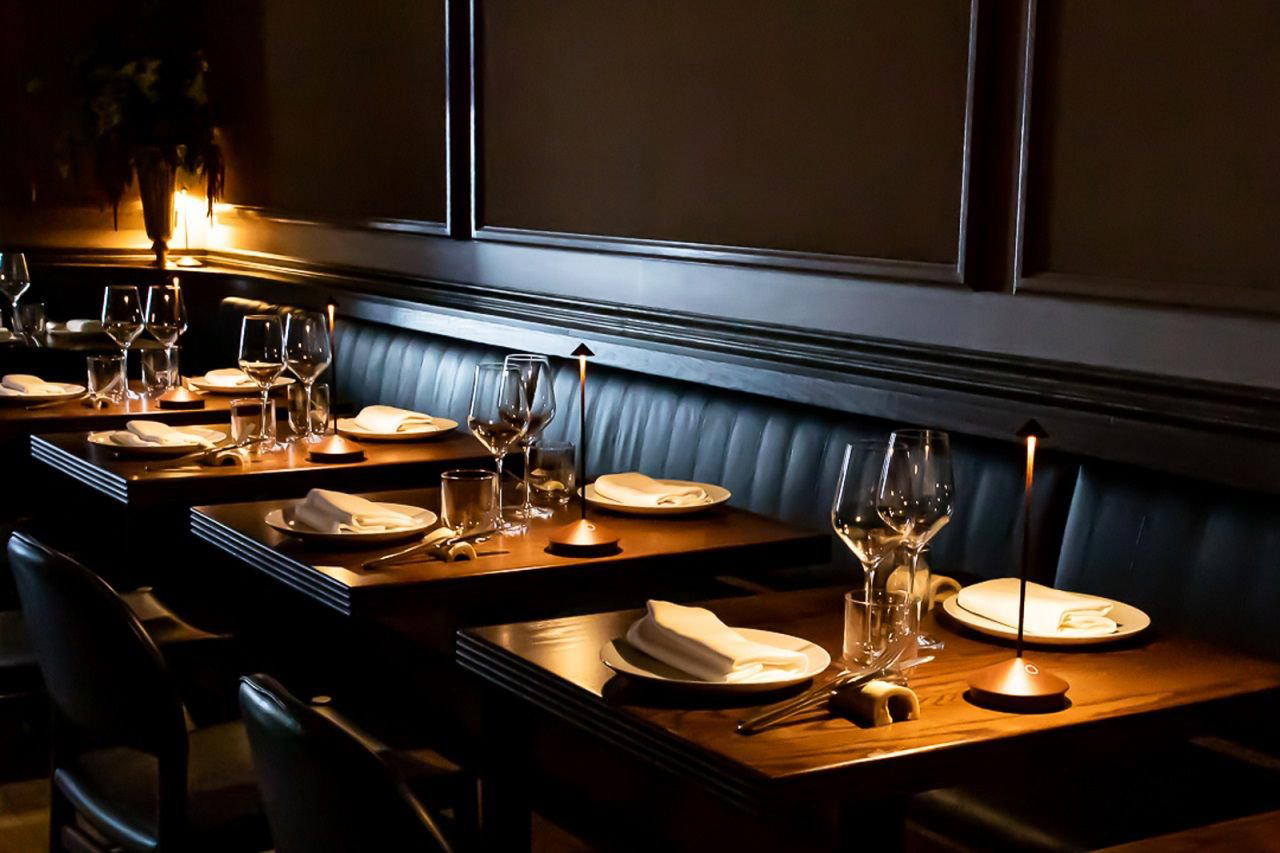
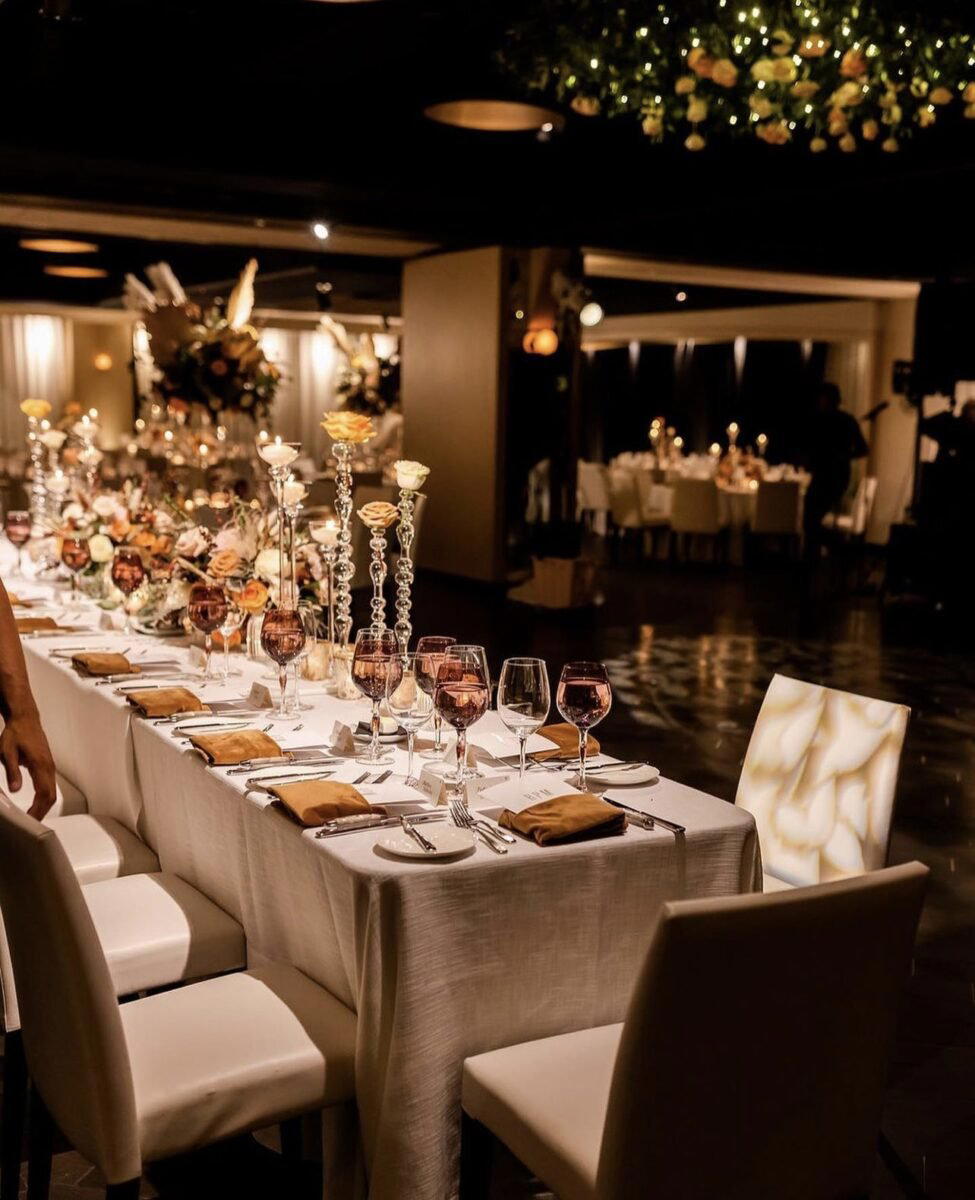
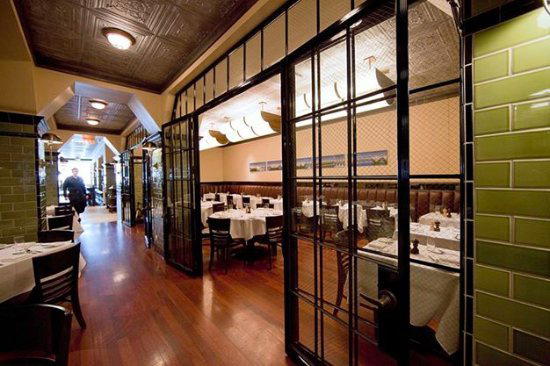
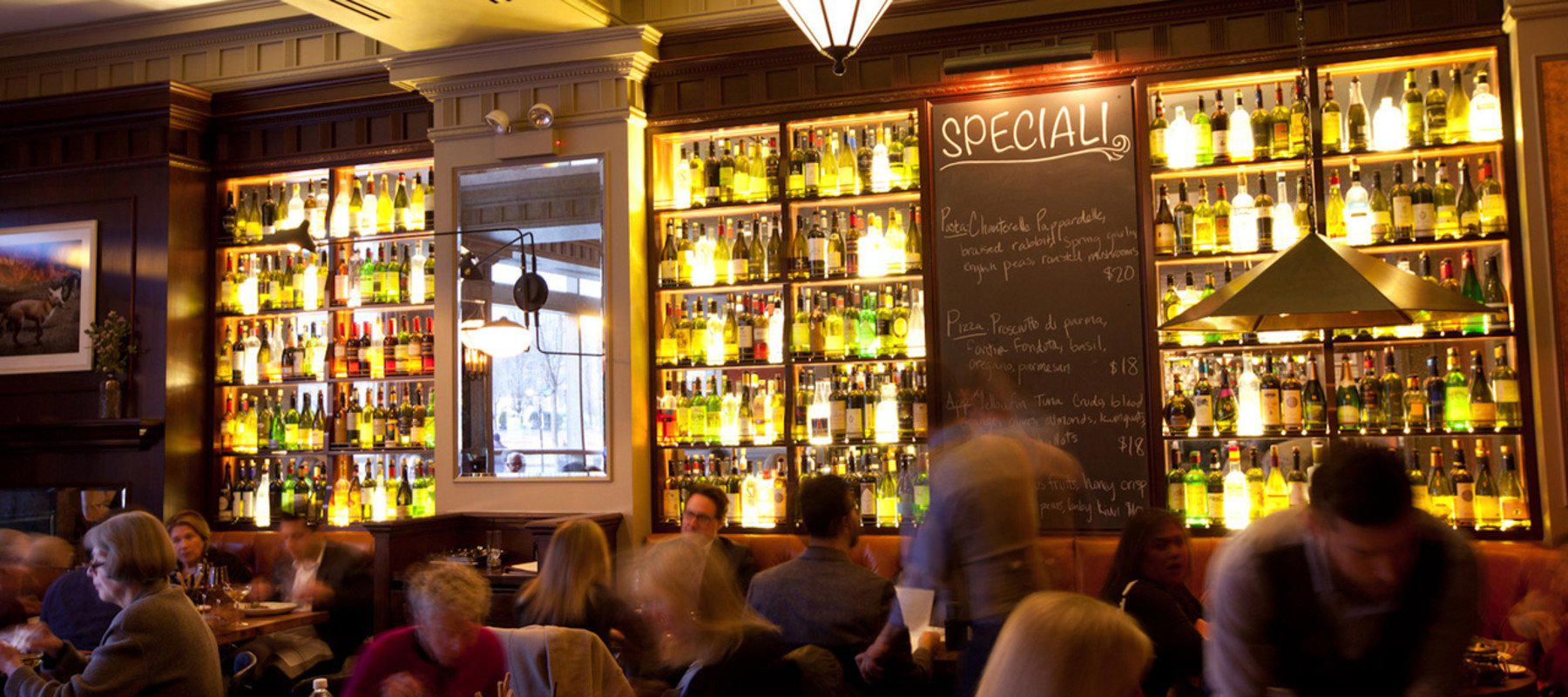
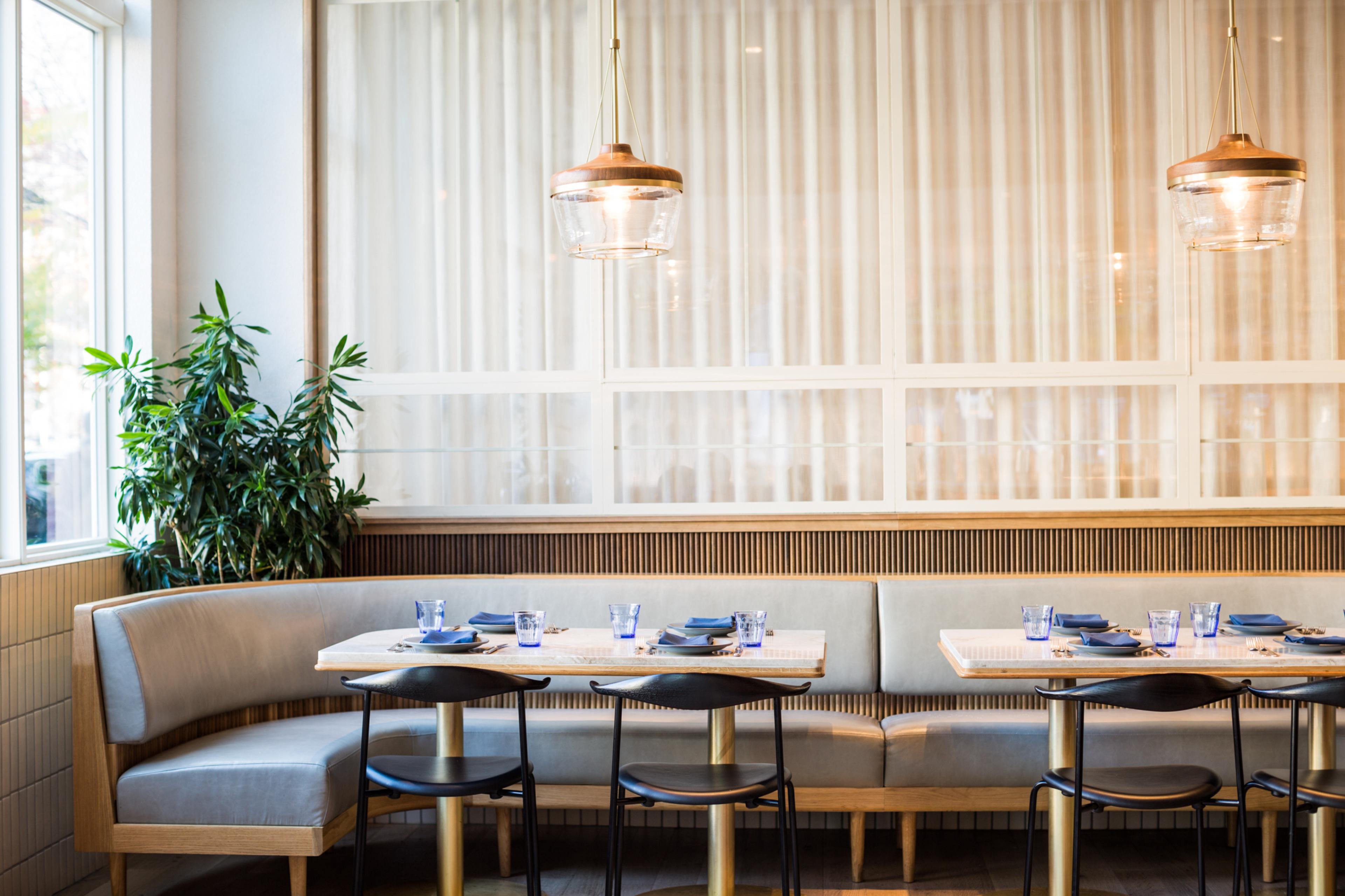
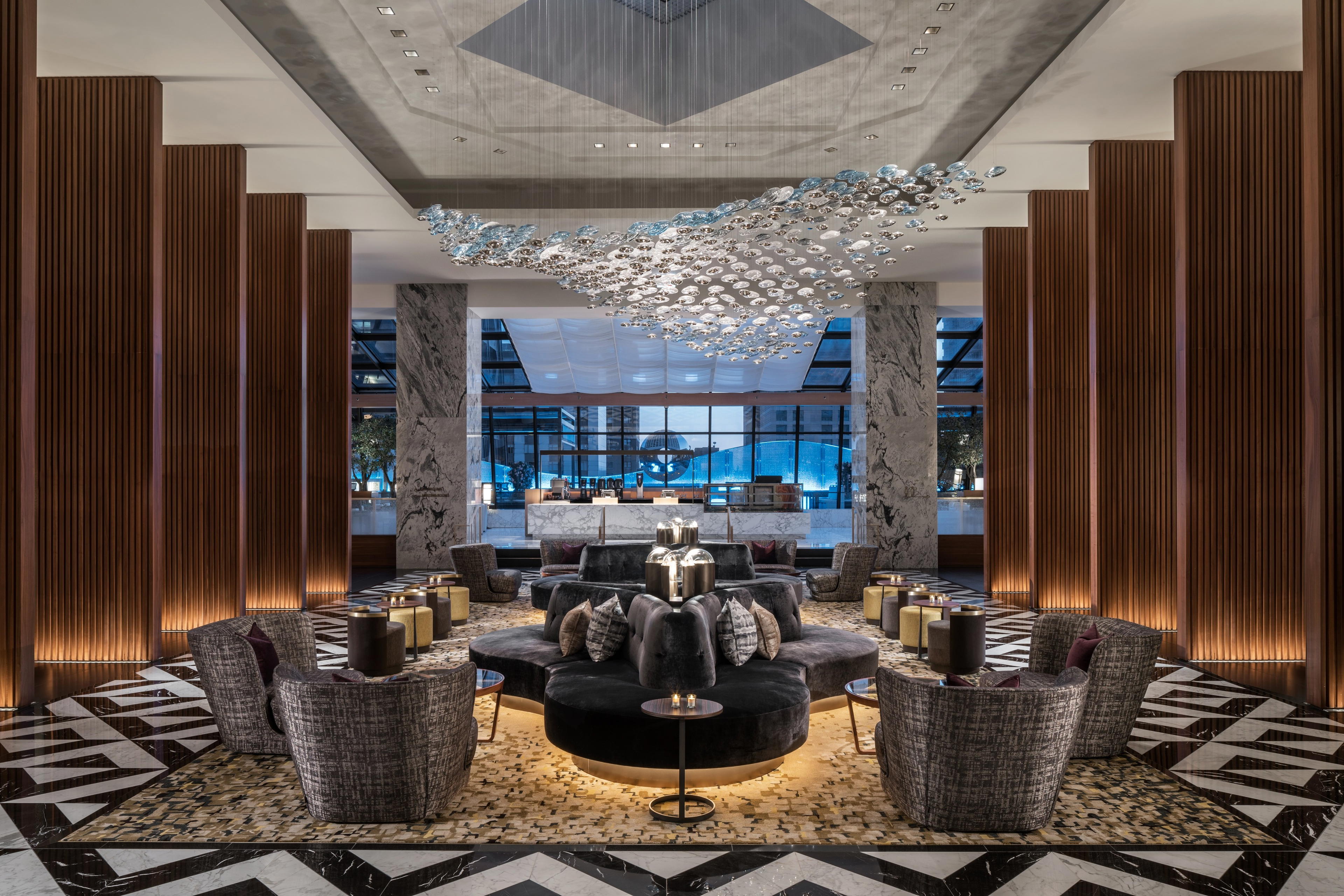
Laid-back casually elegant with understated sophistication; intimate setting that feels like a neighborhood gem despite its hotel location.