the Albert
On East Ontario Street in the Streeterville corridor, the Albert occupies a neighbourhood where Chicago's Magnificent Mile tourism economy and its serious dining scene press against each other. The address places it inside one of the city's highest-traffic zones, raising questions about sourcing discipline and kitchen identity that the leading American tables in this price tier answer through supply chain transparency and a legible menu logic.
Pearl is the En Primeur Club membership app — saves, bookings, and concierge access live there. Same editors, same standards.
- Address
- 228 E Ontario St Floor 1, Chicago, IL 60611
- Phone
- +13124713883
- Website
- thealbertchicago.com
- Directions
- Get directions
 Saves & bookings on Pearl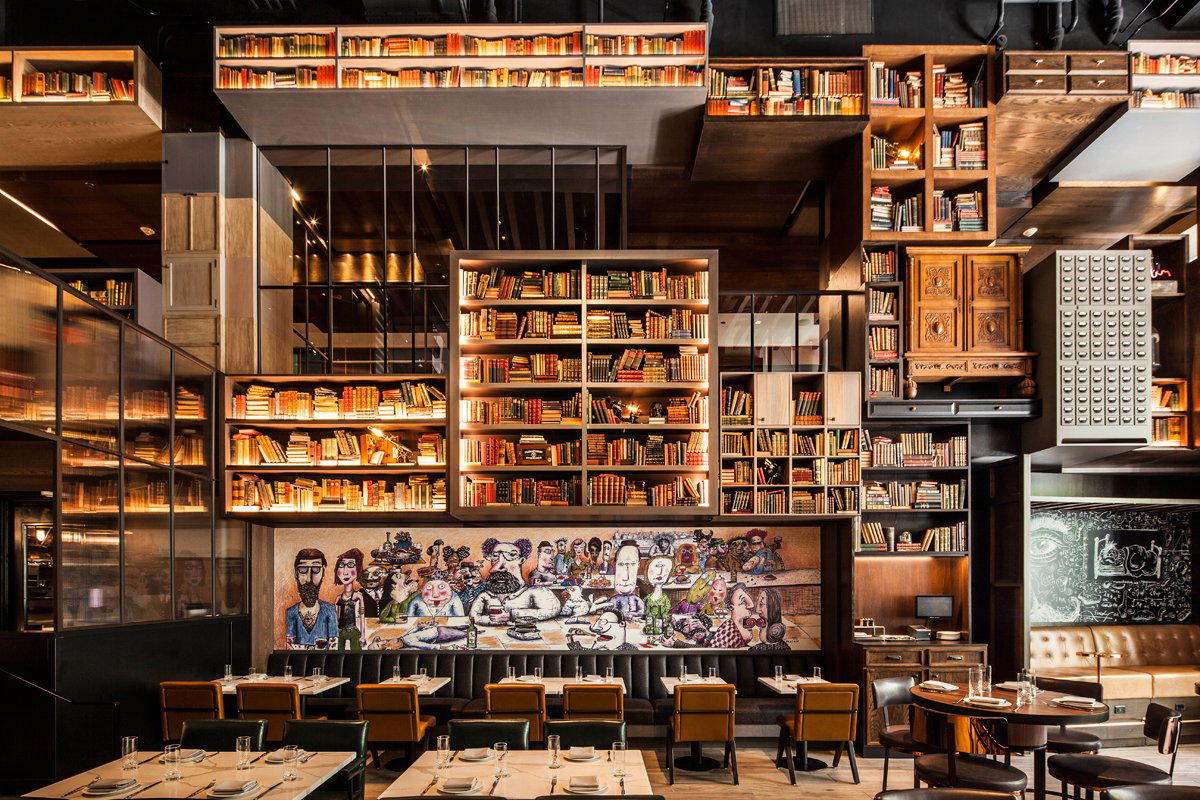
Streeterville and the Provenance Question
East Ontario Street sits at the seam where Chicago's hotel district bleeds into the Magnificent Mile, a corridor that generates enormous foot traffic and, historically, an equally enormous amount of undifferentiated hotel dining. The restaurants that hold their ground in this zone tend to do so by anchoring their identity to something the tourist-facing competition cannot easily replicate: a specific sourcing geography, a defined culinary tradition, or a kitchen culture with enough discipline to produce consistent food at volume without defaulting to lowest-common-denominator menus. The Albert, at 228 E Ontario, operates in that context.
For any American table in Streeterville, the provenance question is the first one worth asking. Chicago sits inside one of the continent's most productive agricultural belts. The farms of northern Illinois, Wisconsin's dairy counties, and Michigan's fruit-growing shore are all within a half-day's drive. Tables that take ingredient sourcing seriously in this city have genuine access to that supply, and strong examples among them build their menus around seasonal availability rather than around a fixed concept that ingredients are then made to serve. That distinction, menu follows ingredient, not the other way around, is what separates kitchens with genuine sourcing programs from those that use the language of farm-to-table as shorthand for a marketing posture.
The broader Chicago dining scene offers useful comparison points. Smyth in the West Loop has made sourcing transparency central to its identity, with a kitchen garden program that feeds directly into the tasting menu. Alinea in Lincoln Park operates at the far end of creative transformation, where the origin of an ingredient matters less than what the kitchen does to it. Kasama in Ukrainian Village demonstrates that ingredient sourcing can be culturally specific without being locally restrictive. Each represents a different answer to what a serious Chicago table looks like in the current decade. A venue in Streeterville positions itself against those peers by the choices it makes about where its food comes from and how visibly it communicates that to the room.
The Case for Sourcing Discipline in a High-Traffic Zone
There is a structural tension in high-tourism corridors that the leading American restaurants have learned to manage carefully. High covers and rapid table turns generate revenue but compress the kitchen's ability to work with the kind of delicate, perishable, often imperfectly sized product that serious sourcing relationships produce. A farm that grows heirloom tomatoes to flavour rather than to specification does not produce uniform product; a kitchen that wants that farm's output has to build menus that can absorb variability. That is a harder operating model than one built around commodity supply chains, but it produces food that tastes like it belongs to a specific place and season.
This is the challenge and the opportunity for a table like the Albert. Streeterville diners include a significant proportion of visitors who are not tracking Chicago's dining scene closely, which can create pressure to produce legible, internationally recognisable food. But the neighbourhood also draws visitors who are in Chicago specifically to eat well, cross-referencing the city's better-known addresses before arriving. For that second group, evidence of sourcing intention matters: where does the protein come from, which farms supply the vegetables, is the bread made in-house or sourced from one of the city's serious bakeries?
Across American fine dining, the restaurants that have built particularly durable reputations in the sourcing tier share a few common characteristics. Blue Hill at Stone Barns in Tarrytown has made the farm itself part of the dining experience. SingleThread Farm in Healdsburg integrates a working farm, an inn, and a restaurant into a single supply system. The French Laundry in Napa maintains a kitchen garden directly across the street. These are the benchmark cases, and they clarify what genuine sourcing commitment looks like at the summit of the American table hierarchy. A Chicago address does not need to replicate that scale, but the underlying logic of menu-follows-ingredient is transferable to any serious kitchen.
Chicago's Wider Dining Context
Chicago's restaurant scene in the 2020s is more layered than it was a decade ago. The city's progressive American tier, anchored by Oriole and Next Restaurant alongside Alinea and Smyth, operates at a price point and creative ambition that competes with the leading American tables in any city. Below that, a dense middle tier of serious neighbourhood restaurants has developed, particularly on the North Side and in the West Loop, where price-to-quality ratios reward visitors willing to move beyond the hotel district. Streeterville sits to the east of that action, geographically closer to the lake and the tourist infrastructure than to the dining neighbourhoods where the city's food culture is most legible.
That geography is not a disadvantage for every kind of restaurant. A table with a coherent sourcing identity and enough kitchen discipline to execute consistently can draw diners from across the city, regardless of postcode. Le Bernardin in New York operates in Midtown, a zone with comparable tourist concentration, and has never suffered for it. Providence in Los Angeles holds two Michelin stars in a city where serious dining is spread across dozens of neighbourhoods. Addison in San Diego, The Inn at Little Washington, and Bacchanalia in Atlanta all demonstrate that address is a secondary signal; kitchen identity and sourcing coherence are primary.
For visitors building a Chicago dining itinerary, the city's full restaurant guide maps the range from the progressive American tier down through the neighbourhoods where the city's food culture is densest. A stop in Streeterville can anchor a broader day that includes the lakefront and the museum campus without requiring a compromise on what ends up on the plate, provided the kitchen has done the sourcing work to back up its positioning.
What to Know Before You Go
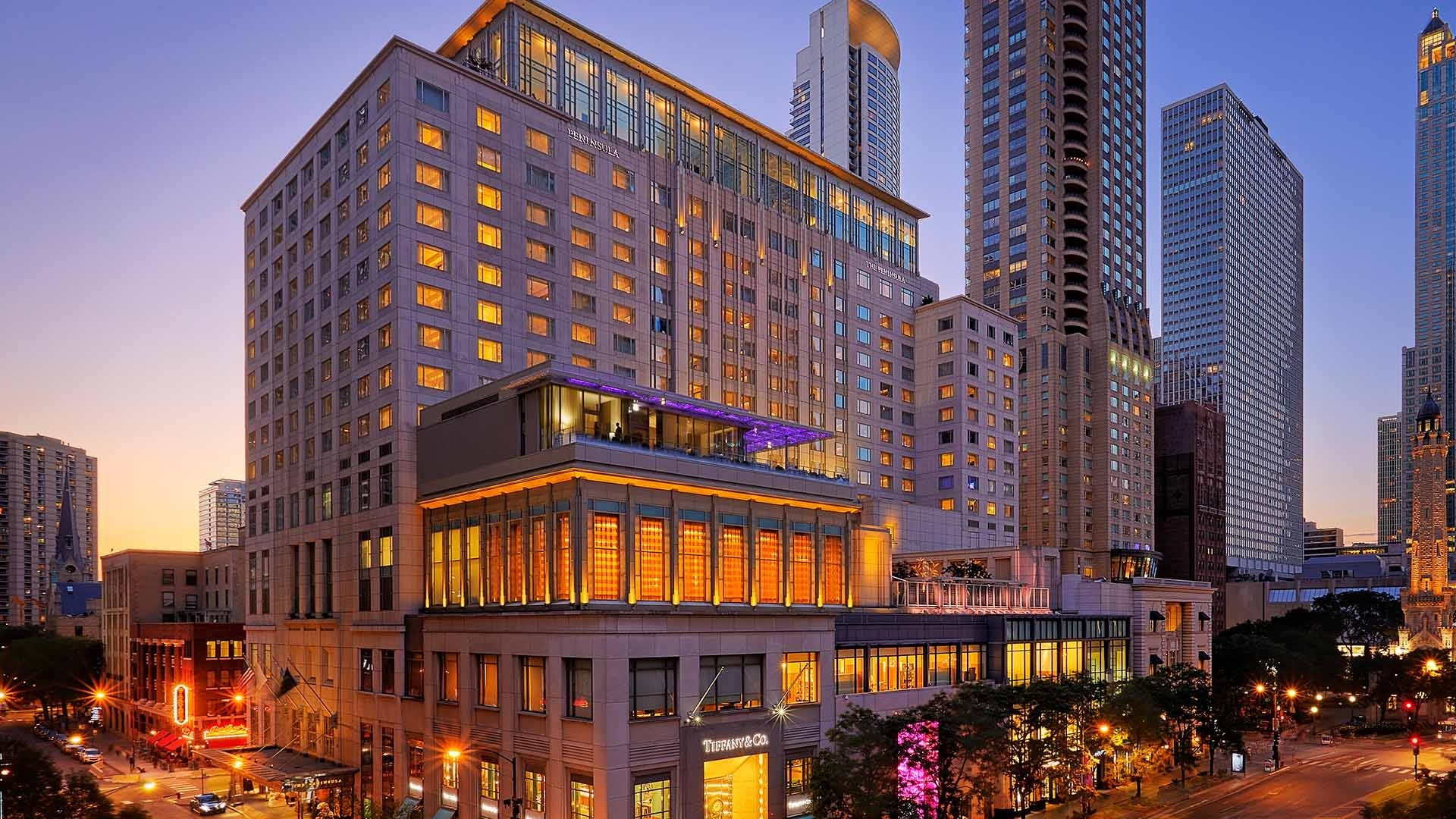
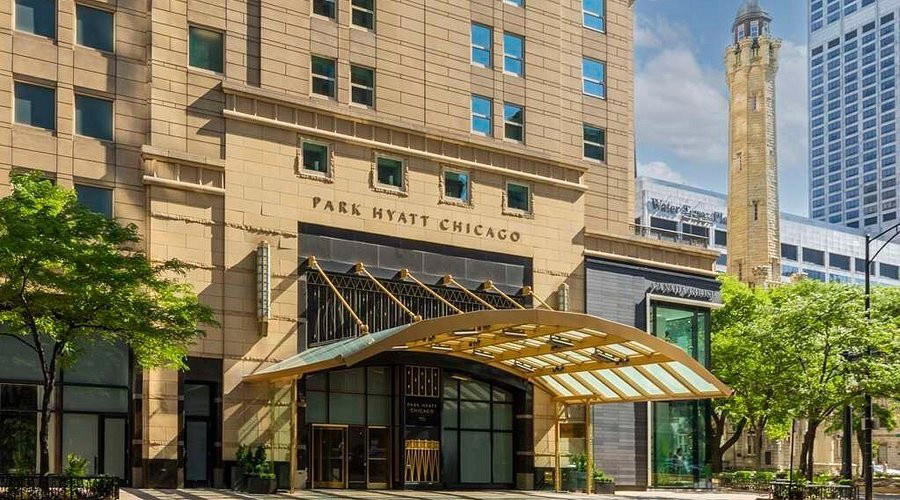
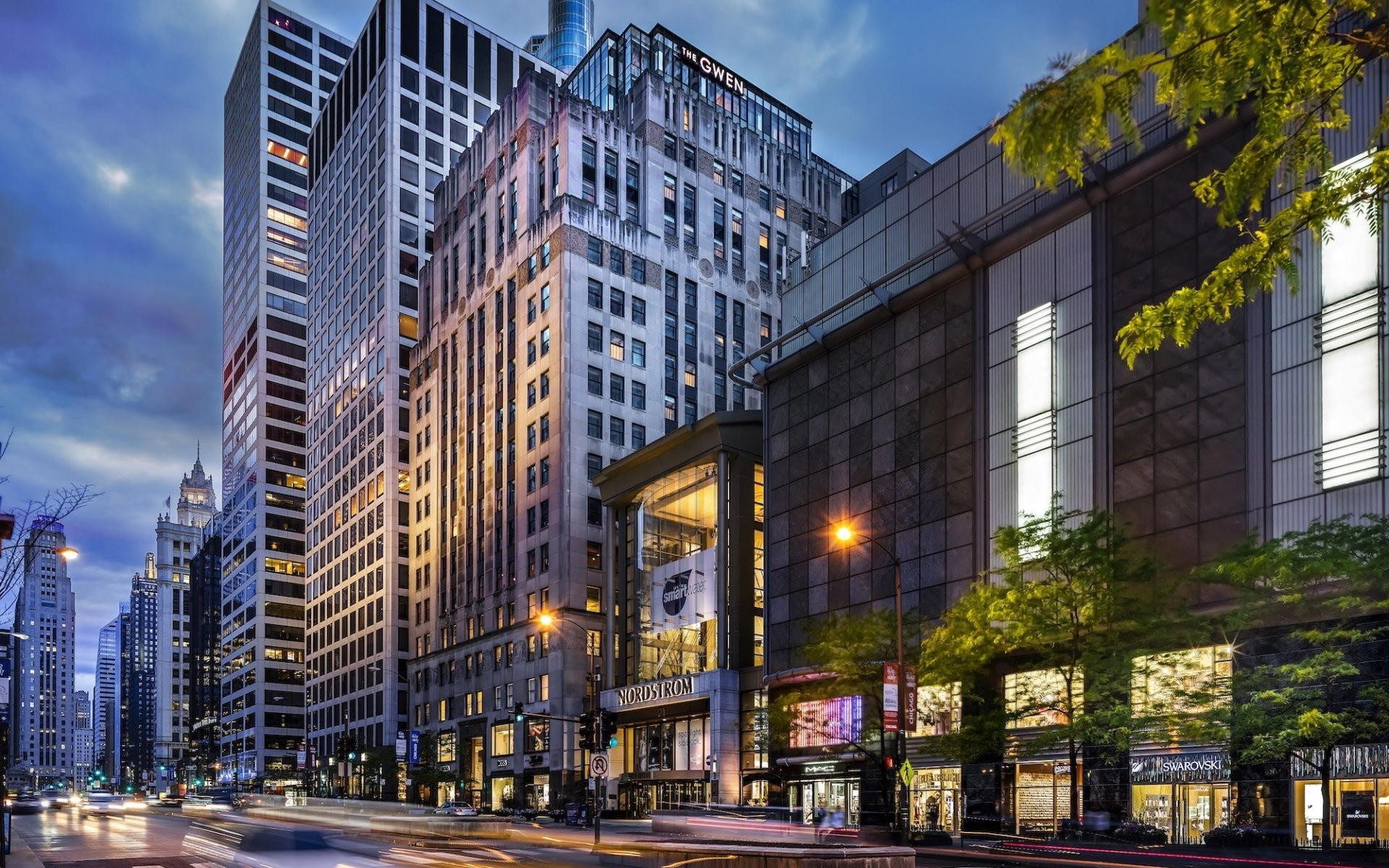
The Albert is located at 228 E Ontario Street, Floor 1, Chicago, IL 60611, in the Streeterville neighbourhood on the city's Near North Side. The address is walkable from the Magnificent Mile and a short distance from the Museum of Contemporary Art.
Reputation First
Comparable venues nearby, for context on price, style, and recognition.
| Venue | Cuisine | Price | Notes |
|---|---|---|---|
| the AlbertThis venue — the venue you are viewing | Modern Italian | $$$ | Not listed |
| Rosebud on Rush | Classic Italian Steakhouse | $$$ | Near North Side |
| UMMO | Contemporary Italian | $$$ | River North |
| Sofi Restaurant | Northern Italian | $$$ | Printer's Row |
| Macello | Pugliese Italian | $$$ | West Loop |
| Coda di Volpe | Modern Southern Italian with Neapolitan Pizza | $$$ | Lakeview |
At a Glance
- Elegant
- Modern
- Sophisticated
- Date Night
- Special Occasion
- Business Dinner
- Open Kitchen
- Private Dining
- Hotel Restaurant
- Extensive Wine List
Current opening hours
- Monday
- 7–11 AM, 4–11 PM
- Tuesday
- 7–11 AM, 4–11 PM
- Wednesday
- 7–11 AM, 4–11 PM
- Thursday
- 7–11 AM, 4–11 PM
- Friday
- 7–11 AM, 4 PM–12 AM
- Saturday
- 7 AM–1:30 PM, 4 PM–12 AM
- Sunday
- 7 AM–1:30 PM, 4–11 PM
Hours can change for holidays and private events. Last verified .
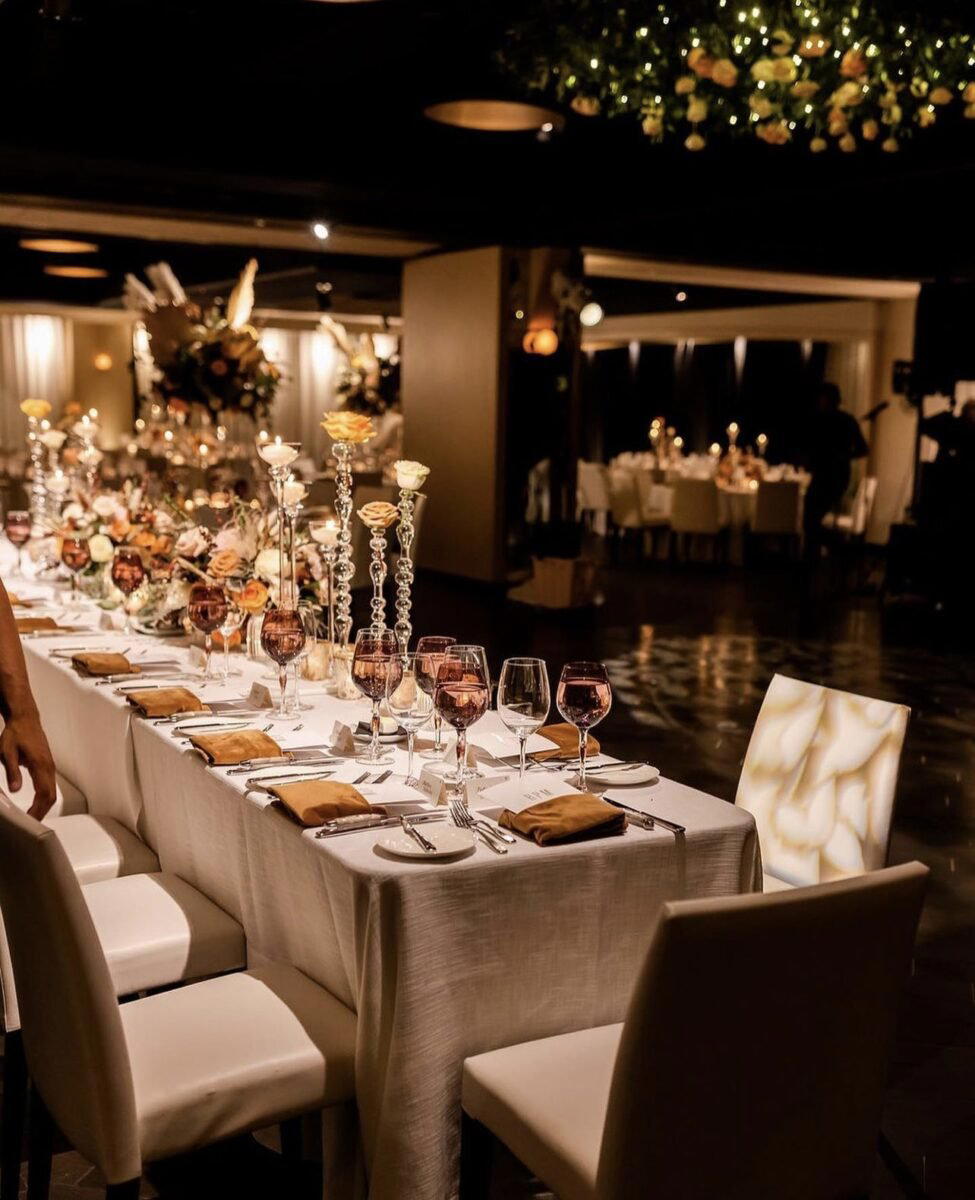
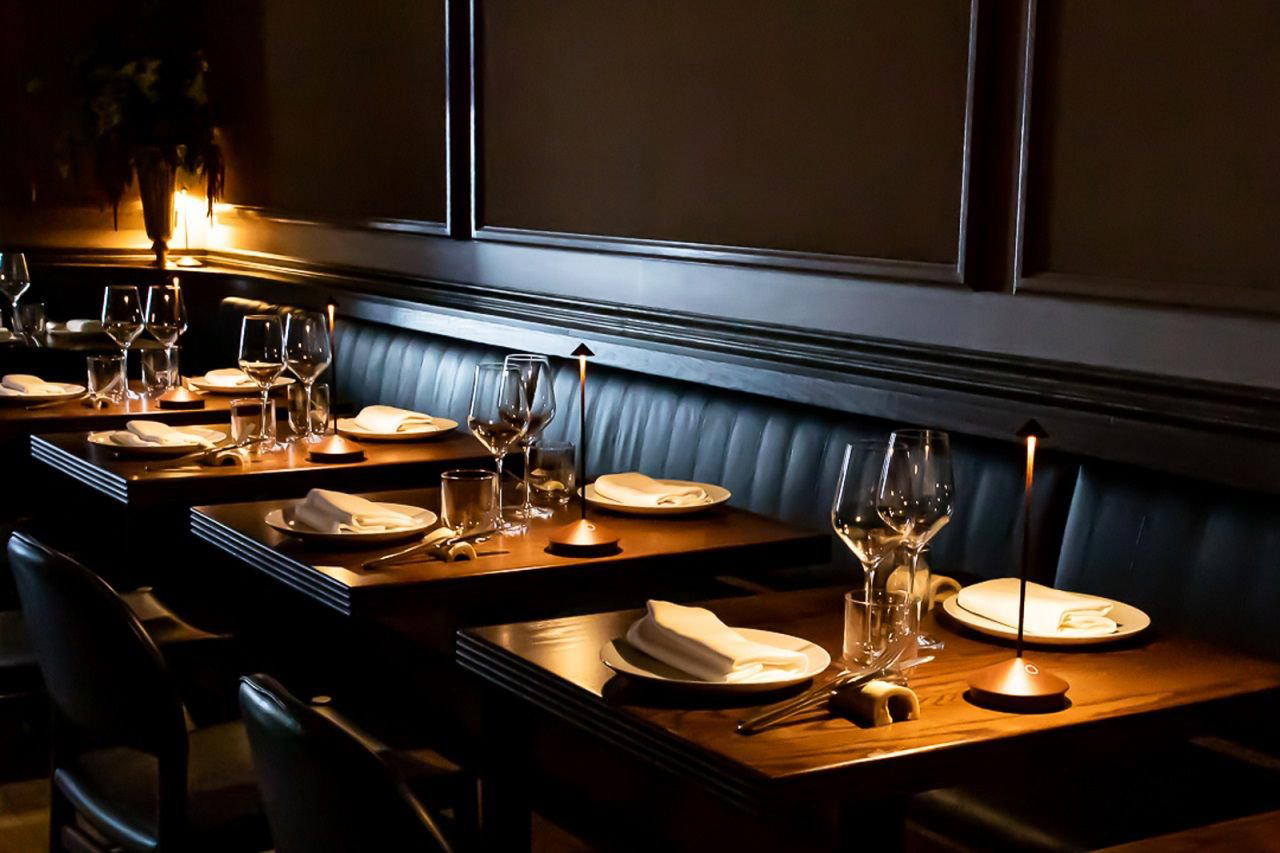
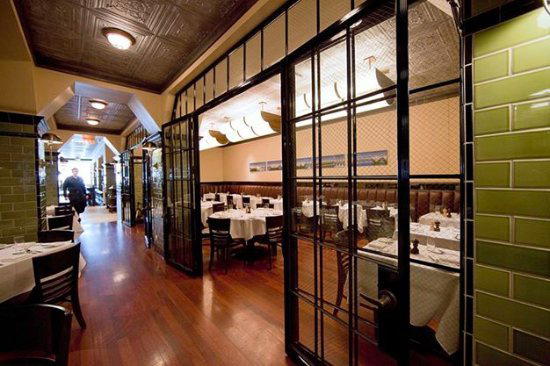
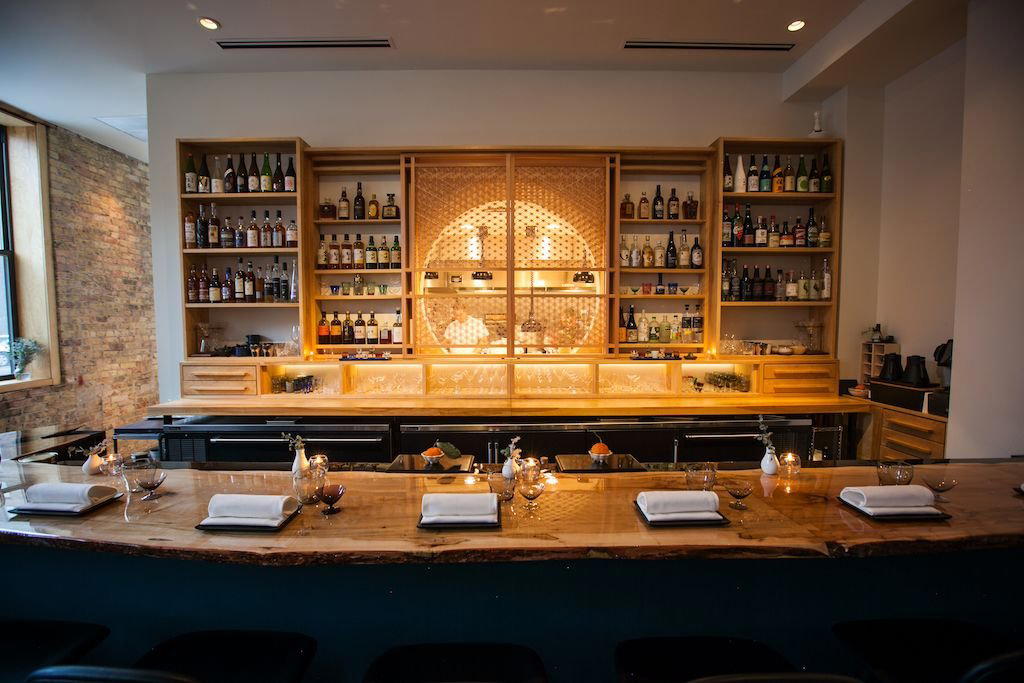
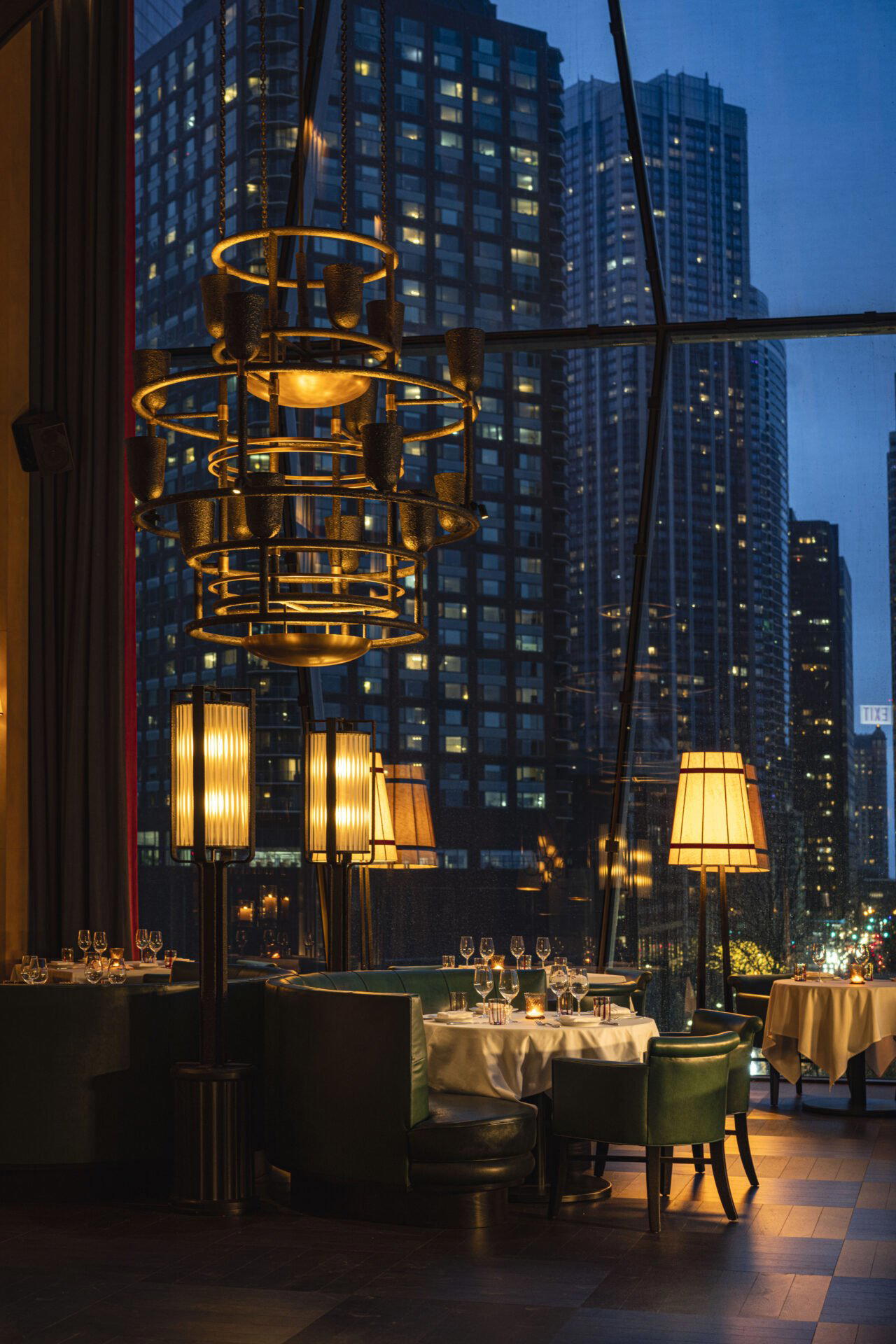
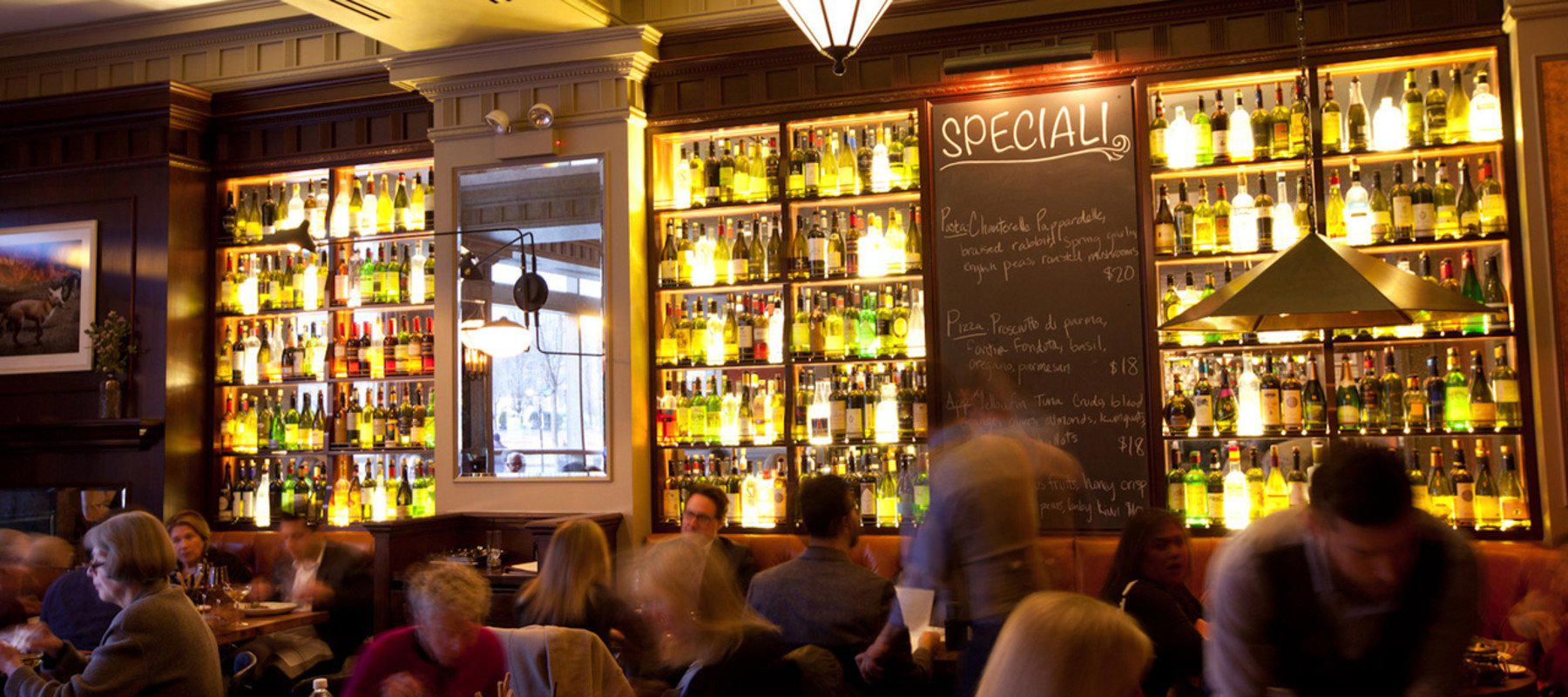
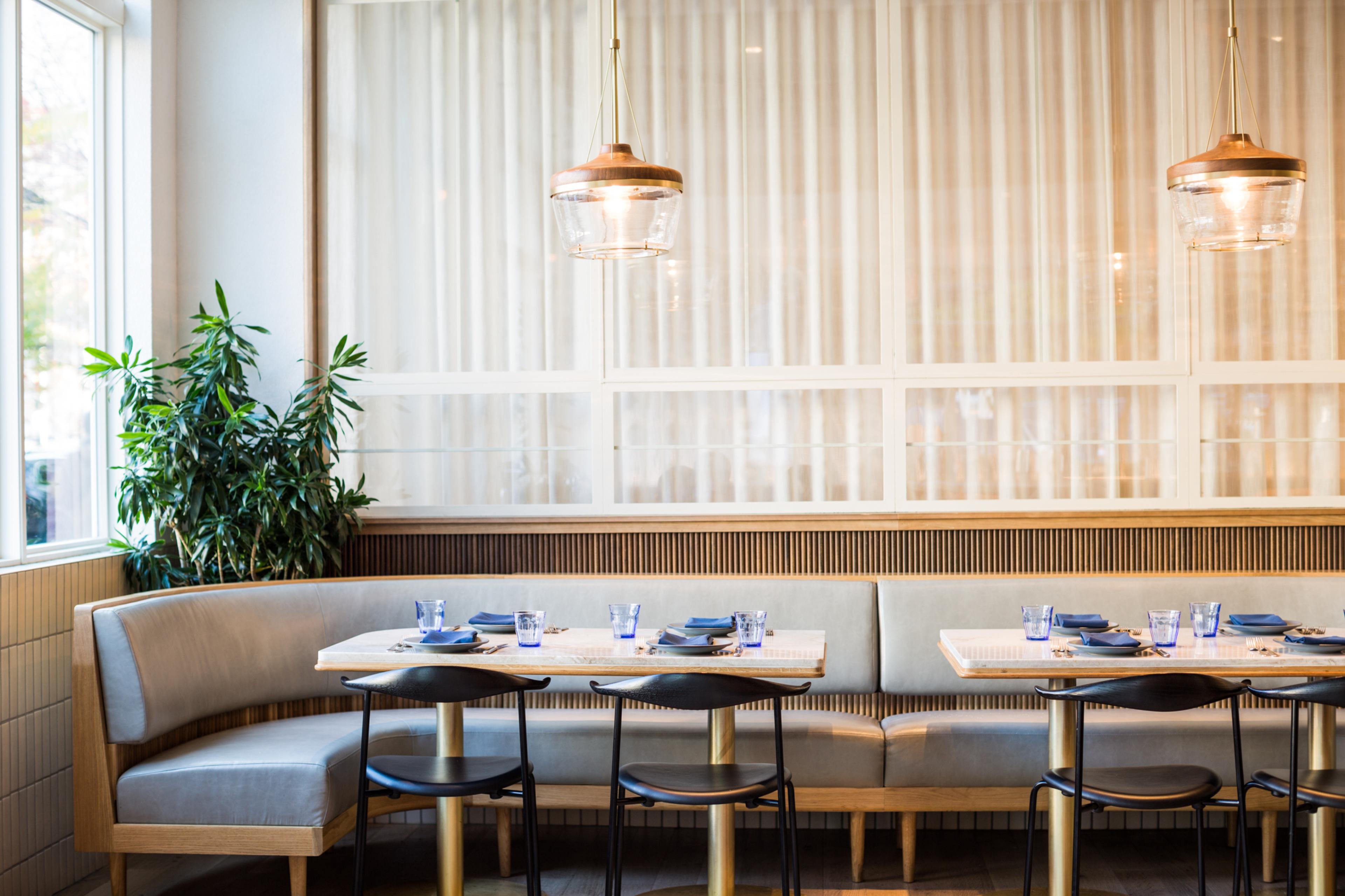
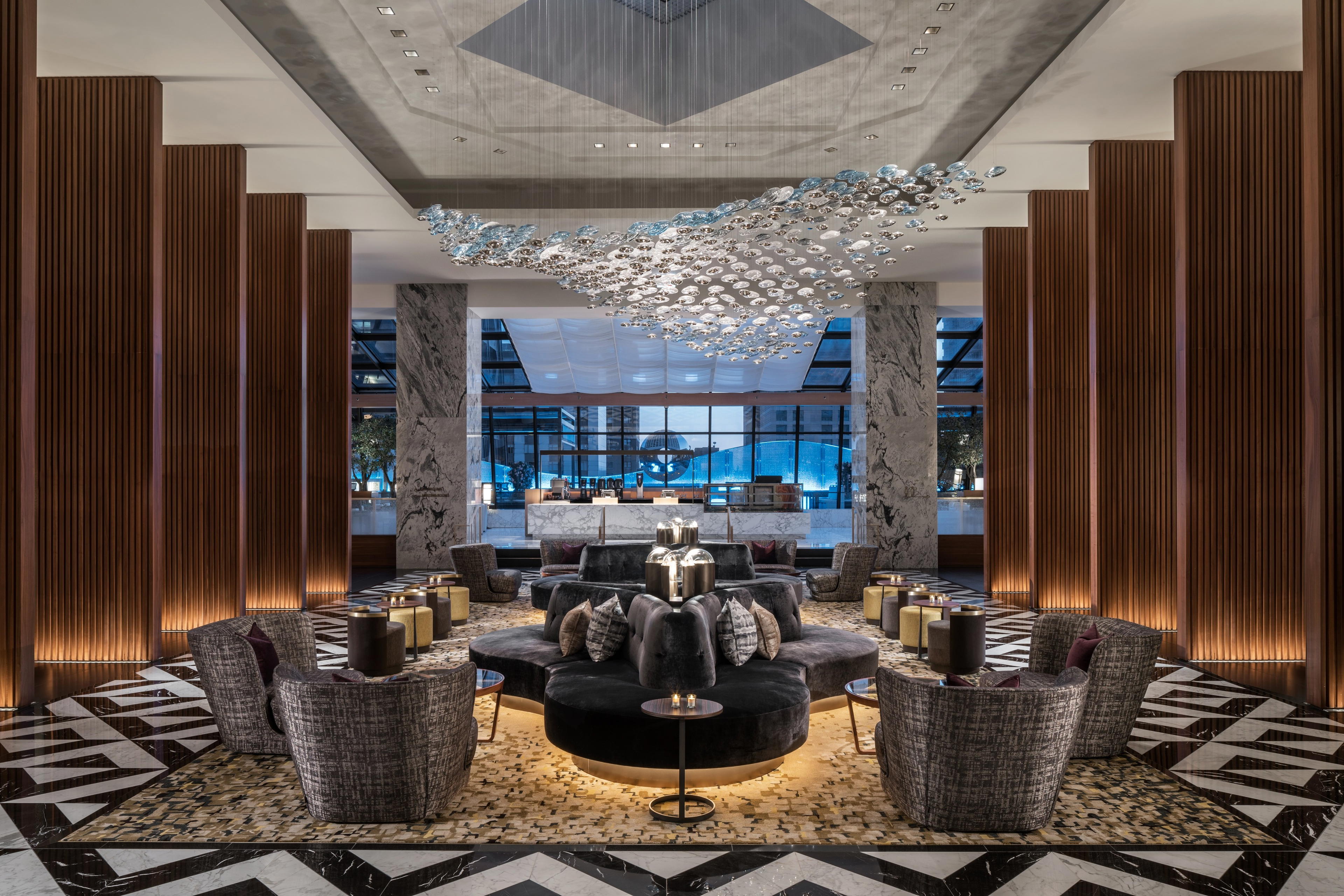
Warm and inviting atmosphere with dramatic surreal art, lively open kitchen, and elegant simplicity.