On Split's seafront promenade, Zona occupies a position shared by few restaurants in Dalmatia: a formal address on Šetalište Ivana Meštrovića where the Adriatic sets the visual register and the menu is expected to answer for it. In a city where the dining tier splits sharply between tourist-facing konobas and a small cohort of serious modern kitchens, Zona places itself in the latter category, a reservation worth planning around rather than stumbling upon.
Pearl is the En Primeur Club membership app — saves, bookings, and concierge access live there. Same editors, same standards.
- Address
- Šetalište Ivana Meštrovića 3, 21000, Split, Croatia
- Phone
- +385915226685
- Website
- facebook.com
- Directions
- Get directions
 Saves & bookings on Pearl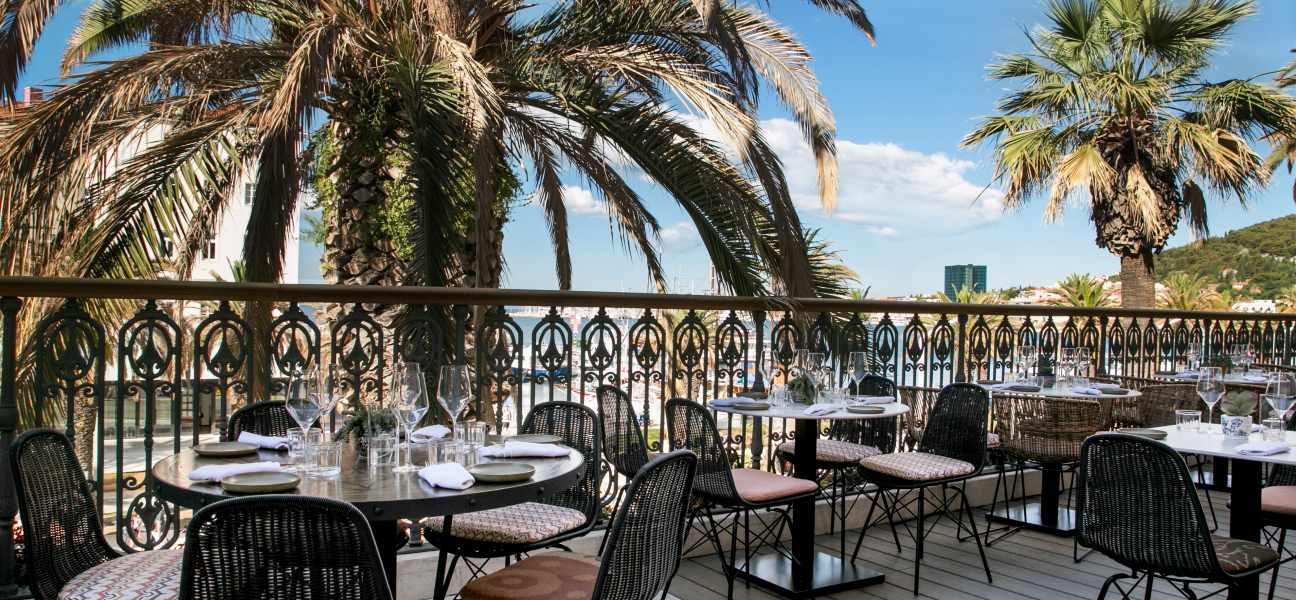
Where the Promenade Sets the Standard
Zona is a restaurant in Split, Croatia, serving Mediterranean & Croatian cuisine at around $30 per person. Split's Riva waterfront is one public dining address in Dalmatia. The strip draws comparison with seafront promenades across the eastern Adriatic, but Šetalište Ivana Meštrovića, which runs south from the old city toward the Meštrović Gallery, carries a different register: quieter, less carnival, and disproportionately home to restaurants that take their kitchens seriously. Zona sits at number 3 on that stretch, and the address alone signals something about the tier it operates in. Restaurants here are priced and positioned against a narrow comparable set, not against the volume konobas inside Diocletian's Palace.
Split's fine-dining cohort is smaller than its tourism numbers would suggest. The city draws millions of visitors each season, but the restaurants that operate with any structural ambition, composed menus, sourcing transparency, wine lists built around Croatian producers, number fewer than a dozen. Zona belongs to that group, alongside addresses like Krug, which also works the Mediterranean register at the higher price tier, and Adriatic, which anchors a different part of the city's serious dining geography. The distinction matters because the city's mid-tier is crowded and often undifferentiated; understanding which restaurants sit above it shapes how a visitor allocates their evenings.
Reading the Menu as a Document
The way a restaurant structures its menu reveals more about its intentions than any press description. In Dalmatia, the inherited format is direct: starters built around cured fish, octopus, and sheep's cheese, followed by grilled catch or slow-braised lamb, with the kitchen's main variable being sourcing quality and execution discipline. The better restaurants on the coast work within that tradition while introducing compositional thinking, how a plate is built, what accompanies a protein, how acidity and fat are managed across a progression of courses.
Zona's address on the Meštrović promenade places it in a category where that compositional approach is expected rather than notable. The restaurants that have earned sustained recognition along Croatia's coast, Pelegrini in Sibenik, LD Restaurant in Korčula, Agli Amici Rovinj in Rovinj, share a common characteristic: the menu reads as a sequence with internal logic, not as a catalogue of independent dishes. Whether Zona achieves that same structural coherence is the question worth asking at this address and price position.
Croatia's better kitchens have also moved toward a tighter dialogue with local producers: olive oil from Brač, wine from Plavac Mali growers on the Pelješac peninsula, seafood landed within a short distance of the restaurant. This sourcing discipline, when it functions properly, means the menu changes with the season and the catch rather than running on frozen imports. For a restaurant on a seafront promenade in Split, proximity to Dalmatian produce is an advantage that the menu should be exploiting, the Adriatic, for all its pressures, still delivers bream, dentex, and grouper of high quality through licensed local fishermen.
Split's Dining Tier in Context
Understanding where Zona sits requires a brief map of Split's restaurant hierarchy. At the accessible end, the city has a dense cluster of konobas and casual seafood spots, Bistro Noir and Bokamorra represent the informal, neighbourhood-facing end of the market. Bajamonti POP occupies a livelier, more casual register on the Prokurative square. Above that sits a thinner tier of restaurants where the kitchen is the main event and the bill reflects it. Zona's promenade location places it in conversation with that upper bracket.
Across Croatia more broadly, the restaurants drawing sustained critical attention have tended to cluster in Istria and Dubrovnik, with the Dalmatian coast, Split included, producing fewer destinations that travel internationally as culinary references. Restaurant 360 in Dubrovnik, Nebo by Deni Srdoč in Rijeka, and Boskinac in Novalja all carry the kind of credentials, awards, press recognition, allocation-driven wine programs, that position them within a European fine-dining conversation. Split's restaurants, including Zona, are working to close that gap, and the promenade address is one signal that the ambition is present. The comparison set also extends inland: Dubravkin Put in Zagreb and Korak in Jastrebarsko demonstrate what Croatian cooking looks like when it fully commits to a fine-dining format.
For visitors arriving from cities with denser fine-dining ecosystems, New York, for instance, where Le Bernardin and Atomix represent what sustained investment in kitchen technique and tasting menu architecture produces, the Dalmatian context is different. The advantage here is ingredient quality and setting; the gap, historically, has been in kitchen discipline and menu coherence. The restaurants that have closed that gap along the coast are the ones worth tracking. A simpler excursion from Split worth considering: BioMania Bistro Bol in Bol shows what a focused, produce-led approach looks like at a more casual register on Brač. And for a broader sense of what the island's neighbour offers: Alfred Keller in Mali Lošinj operates in a similar coastal-luxury register further north.
Planning a Visit
Zona's address on Šetalište Ivana Meštrovića places it a short walk south of the old city, away from the concentrated tourist traffic of the Palace district. In peak summer, July and August, Split's better restaurants fill quickly, and the seafront addresses in particular draw a mixed crowd of well-travelled visitors and local regulars who treat the promenade as their dining room. Arriving with a reservation rather than on speculation is the sensible approach during that window. Shoulder season, from May through June and September into October, gives the same setting with less pressure and, in most cases, better value on fish.
At a Glance
Comparable venues nearby, for context on price, style, and recognition.
| Venue | Cuisine | Price | Notes |
|---|---|---|---|
| ZonaThis venue — the venue you are viewing | Bačvice, Mediterranean & Croatian | $$ | Not listed |
| OliveTree by boiler™ | Riva, Mediterranean Pizza & Croatian | $$ | Not listed |
| Matoni | Bacvice, Modern Dalmatian Mediterranean | $$ | Not listed |
| Pimpinella | Firule, Croatian Mediterranean Seafood | $$ | Not listed |
| Konoba Matejuska | Varoš, Authentic Dalmatian Seafood | $$ | Not listed |
| Restoran PERIVOJ | Not listed | $$$ | near Diocletian Palace, Modern Mediterranean |
Continue exploring
More in Split
Restaurants in Split
Browse all →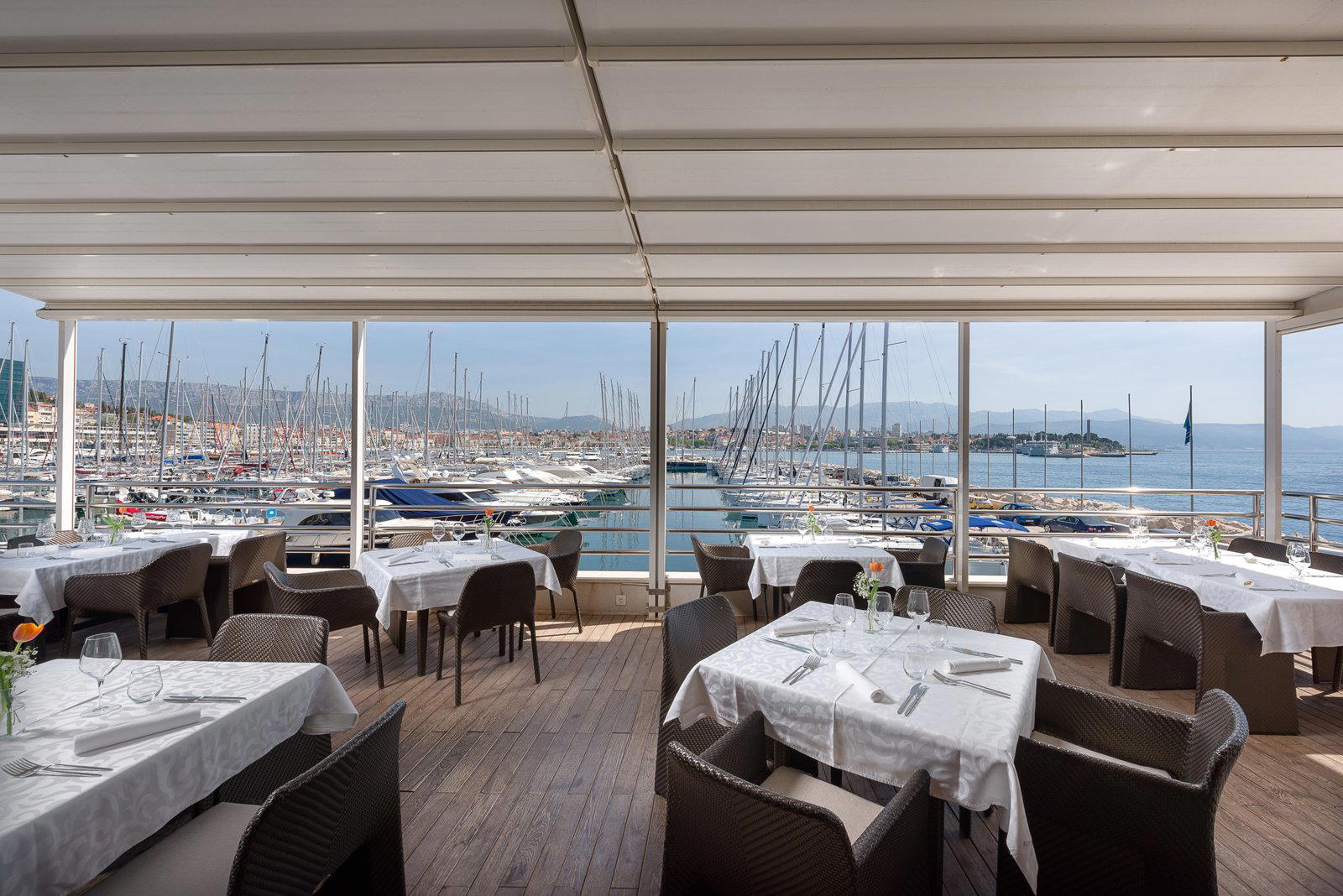
Bars in Split
Browse all →
Hotels in Split
Browse all →

At a Glance
- Modern
- Scenic
- Cozy
- Date Night
- Casual Hangout
- Terrace
- Waterfront
- Extensive Wine List
- Waterfront
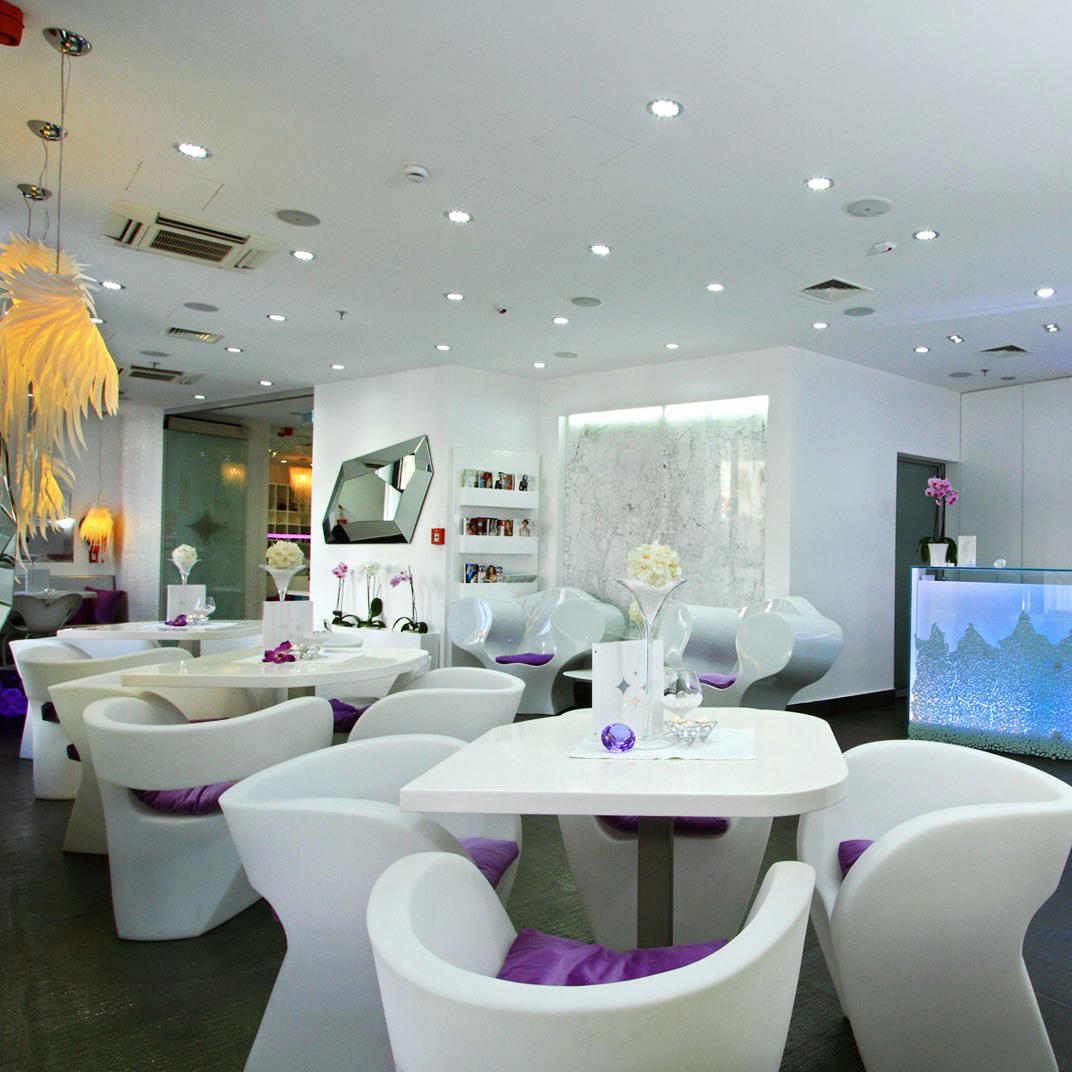
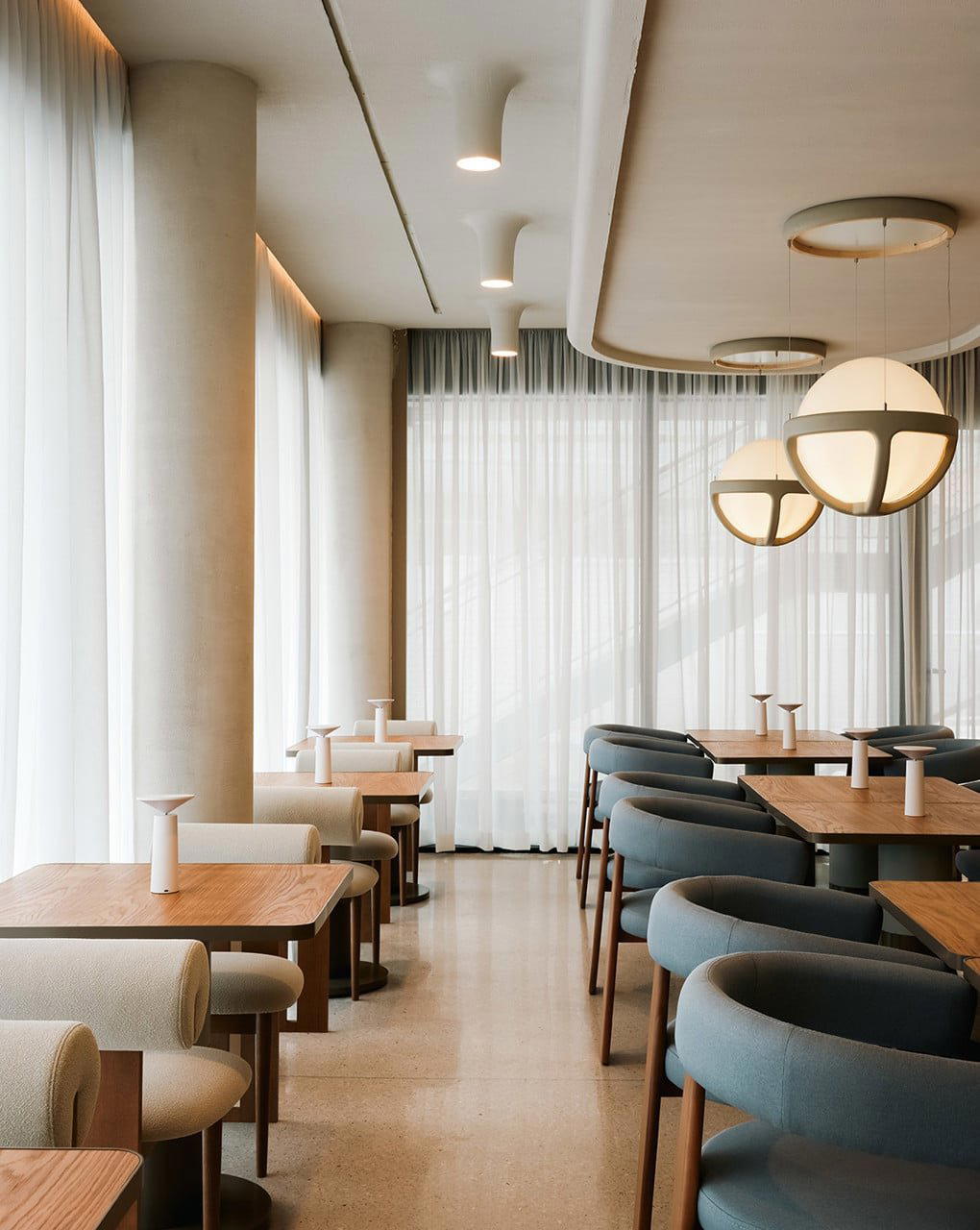
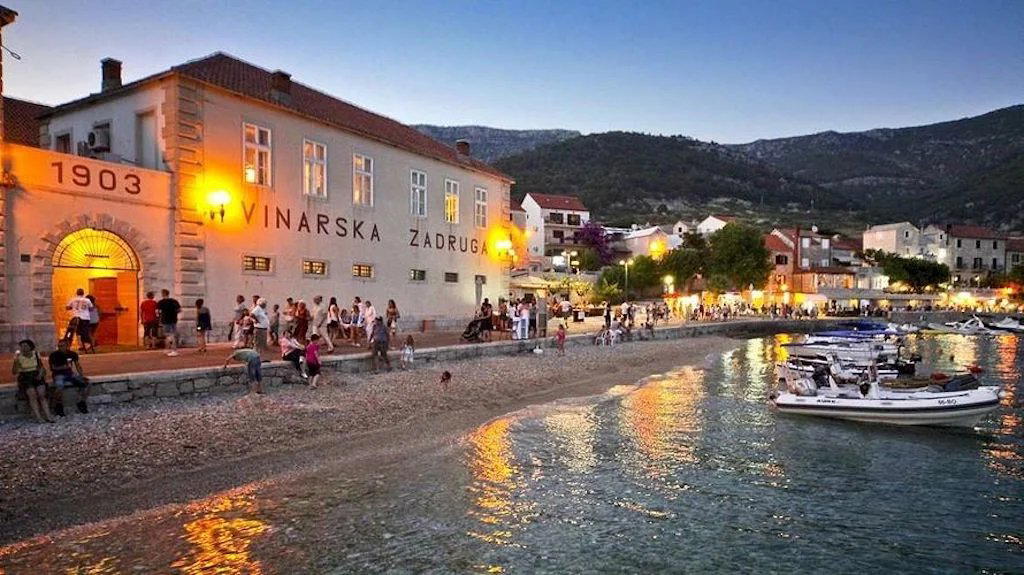
Modern and pleasant ambience with white tablecloths, terrace overlooking a beautiful bay and marina, ideal for sunset dining.