
Falstaff Winery - Listed
Antonio Bragato is a Berlin-linked Friulian négociant project built around still white wines from partner vineyards in Colli Orientali del Friuli DOC. The draw is not estate theatre but terroir translation: Sauvignon Blanc, Chardonnay, Friulano and Pinot Bianco handled with close-to-nature farming signals, small-production focus and critic recognition from James Suckling, Falstaff and Weinwisser.

Pearl is the En Primeur Club membership app, where members save venues, book tables and use the concierge.
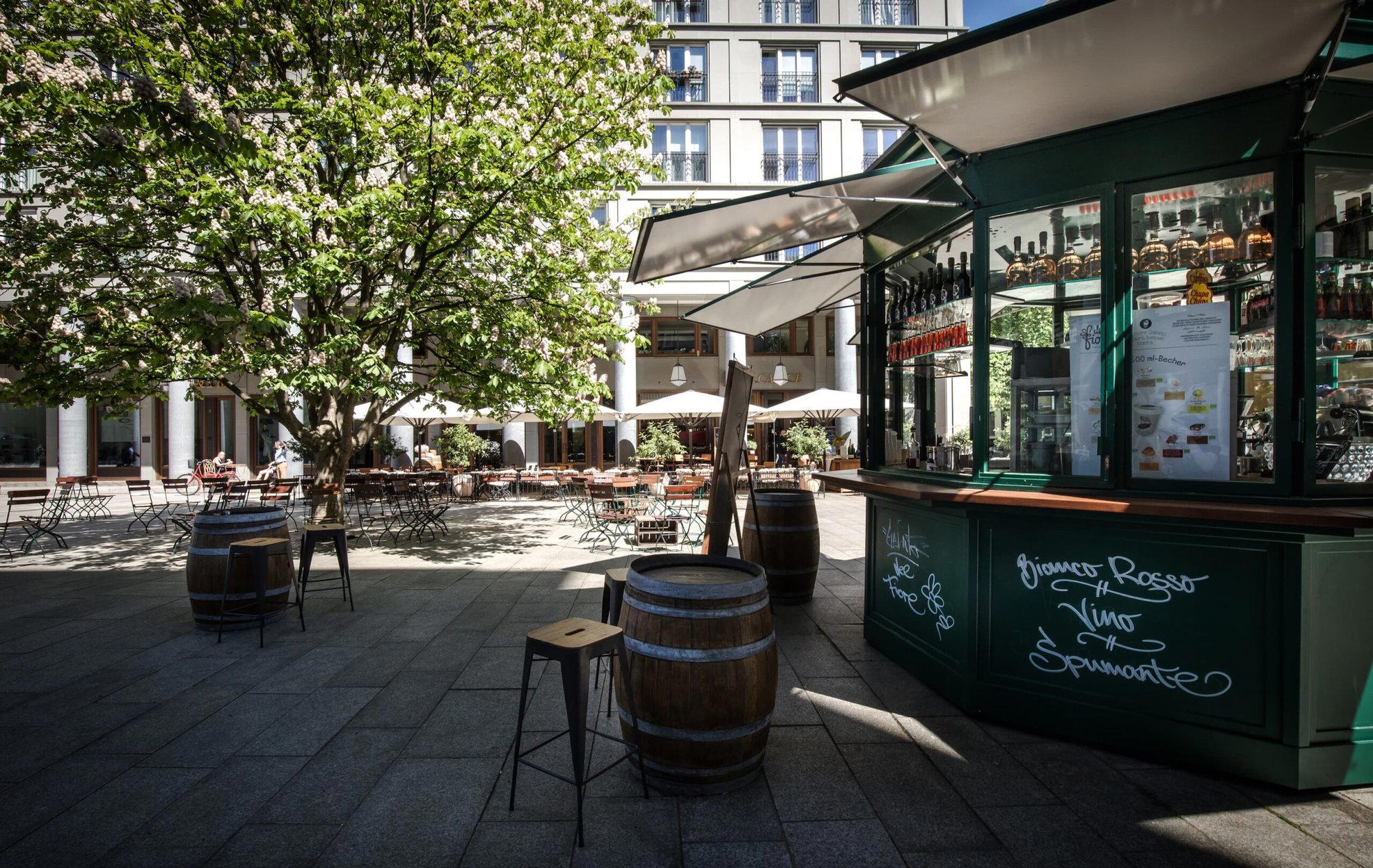
Antonio Bragato is tied to Berlin and framed around Friuli. The profile is narrow but distinctive: a négociant-driven Friulian project conceived by a Berlin restaurateur, focused on precise, terroir-expressive white wines made with close-to-nature practices and a balance of freshness, minerality and complexity. Rather than reading like a general restaurant or bar listing, it reads as a deliberately focused wine identity, one where place, sourcing and style matter more than a long inventory of public-facing details.
Friuli seen through a Berlin négociant lens
The most reliable way to understand Antonio Bragato is as a Berlin-linked Friulian wine project rather than as a conventional venue profile with a long list of public service details. Its emphasis is on white wines that aim for clarity, freshness and mineral definition, with complexity coming from a close reading of terroir rather than from spectacle. That makes the project feel specific from the outset: it is not trying to cover every category, nor to present itself as a broad lifestyle proposition. The focus sits firmly on Friulian white wine and on the kind of precision that can make a restrained bottle feel layered without becoming showy.
The négociant model is central to the identity. Rather than presenting a broad estate narrative, Antonio Bragato is described through sourcing, selection and a restaurateur’s sense of how wine should behave at the table. That makes the project especially relevant for drinkers interested in Friulian whites with precision and restraint. The Berlin connection gives the project another frame: not as a claim of origin for the wine itself, but as a way of understanding the hospitality perspective behind it. A restaurateur’s eye tends to value balance, drinkability and the way a wine holds itself in conversation with food, and those ideas sit naturally beside the stated interest in freshness, minerality and complexity.
What can be stated is the broader editorial character: a Friulian white-wine project connected to Berlin, shaped around terroir expression, freshness, minerality and complexity. That character is modest in scope but clear in outline. It suggests a project where the details of origin and approach do the work, rather than a profile built on volume, variety or public fanfare. For EP Club readers, the useful takeaway is that Antonio Bragato belongs in the category of focused, point-of-view wine projects: narrow enough to be legible, and distinctive enough to stand apart from a generic Italian wine reference.
What the scores say, and what they do not
There is no need to force the project into a score-led narrative when the available profile is more about style, origin and intention. A lack of listed recognition should be read simply as an absence of confirmed public detail, not as an invitation to speculate. The more accurate editorial approach is to stay with what is known and to describe the project on its own terms.
The identity is stylistic rather than award-led: precise white wines, close-to-nature practices and a Friulian frame interpreted through a Berlin restaurateur’s perspective. In that sense, Antonio Bragato is easier to understand through vocabulary than through trophies. Words such as freshness, minerality, restraint and complexity carry more weight here than any unsupported ranking would. They point toward wines that are intended to be articulate rather than loud, shaped by a sense of place and by a preference for clarity.
For readers mapping Berlin’s broader dining and drinking culture, Antonio Bragato can be understood as part of the city’s wider interest in focused wine projects and Italian-influenced hospitality, without needing to attach comparisons, awards or service claims. The Berlin context matters because it provides the cultural lens, but it does not turn the profile into a standard venue entry. Instead, it places the project among the kinds of carefully edited wine ideas that appeal to drinkers who value a clear point of view. The absence of extra claims also keeps the profile clean: what remains is a compact but coherent picture of a Friulian white-wine project with a Berlin-facing sensibility.
How to read the bottle before the label
The useful way into Antonio Bragato is through its stated priorities: terroir expression, freshness, minerality and complexity. Those terms are not decorative here; they are the main structure of the profile. Terroir expression suggests that the wines are meant to communicate origin rather than simply grape variety or brand. Freshness gives the wines lift and focus. Minerality points to texture and definition, the kind of edge that can make a white wine feel precise. Complexity, in this context, is best understood as depth built from balance and detail rather than from excess.
The editorial stance is simple: Antonio Bragato is best described as a sophisticated Berlin-linked Friulian négociant project for drinkers interested in precise white wines. Pricing is listed as $$$, and the style is better framed through focus and restraint than through invented service details. That means the strongest reading is also the most disciplined one: stay with the Friulian frame, the Berlin connection, the négociant identity and the close-to-nature approach. Together, those elements create a profile that is concise but not vague, and one that should appeal most to people who prefer wines with definition, balance and a clearly articulated sense of place.
Recognition history
Dated appearances from independent guides and award organizations, with the underlying list record or original source where available.
Falstaff Winery - Listed
Falstaff
Continue exploring
More in Berlin
Wineries in Berlin
All wineries in Berlin →

Bars in Berlin
All bars in Berlin →
Restaurants in Berlin
All restaurants in Berlin →

Details
- Sophisticated
- Well Known
- Modern
- Wine Education
- Solo Exploration
- Special Occasion
- Sustainable
- Sauvignon Blanc
- Chardonnay
- Friulano
- Pinot Bianco
- Still White
A négociant-driven Friulian project conceived by a Berlin restaurateur, focused on precise, terroir-expressive white wines vinified with close-to-nature practices and a balance of freshness, minerality, and complexity.