Positioned along the historic Rosenthaler Straße in Berlin's Mitte district, Restaurant Hackescher Hof occupies a stretch of the city where courtyard culture and contemporary dining intersect. The address places it within walking distance of the Hackescher Markt's layered restaurant scene, where the spectrum runs from casual Berliner Küche to Michelin-tracked tasting menus. For visitors assessing Berlin's mid-to-upper dining tier, it warrants consideration alongside the neighbourhood's broader offer.
Pearl is the En Primeur Club membership app — saves, bookings, and concierge access live there. Same editors, same standards.
- Address
- Rosenthaler Str. 40-41, 10178 Berlin, Germany
- Phone
- +4949302835293
- Website
- hackescher-hof.de
- Directions
- Get directions
 Saves & bookings on Pearl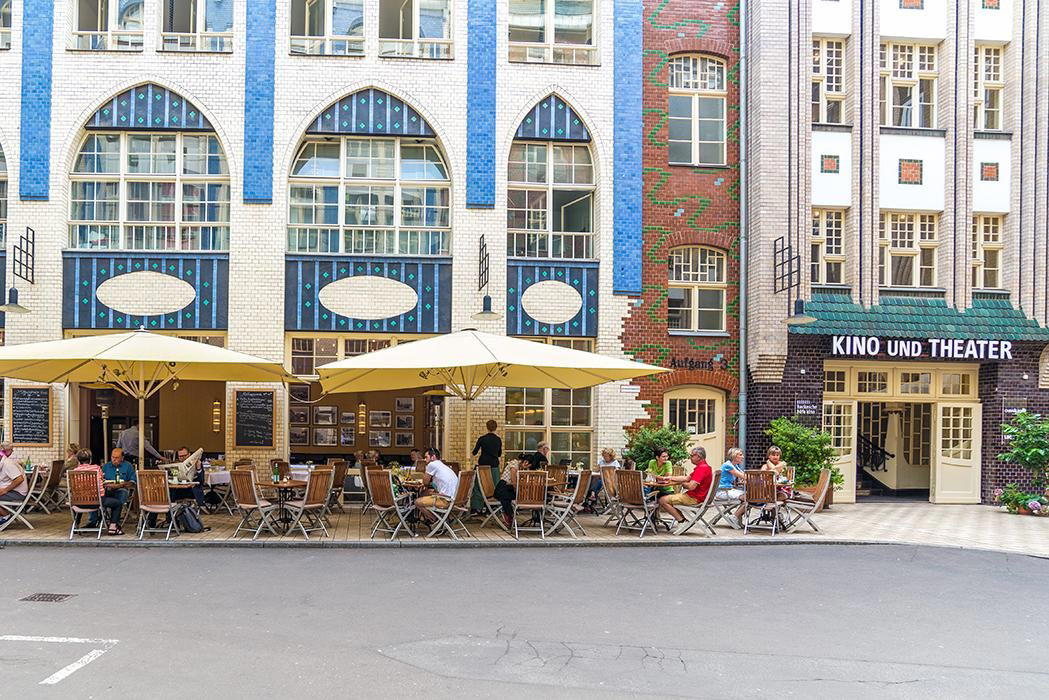
Rosenthaler Straße and the Mitte Dining Context
Berlin's Mitte district has spent the better part of two decades sorting itself into tiers. Restaurant Hackescher Hof is a modern German regional restaurant in Berlin. The streets around Hackescher Markt now hold one of the city's densest concentrations of restaurants, running from affordable neighbourhood staples to addresses that compete directly with Rutz and FACIL for the attention of guests willing to plan a meal weeks in advance. Rosenthaler Straße 40-41 is in the middle of that corridor, and the address alone signals something about the type of guest the restaurant draws: foot traffic is high here, the neighbourhood is well-connected, and there is genuine competition on every block. That competition matters, because it shapes what any restaurant at this address needs to do to hold its position.
The Hackescher Höfe themselves, the interconnected courtyards that give this stretch of Mitte its architectural identity, have been a reference point for Berlin's post-reunification cultural life since the 1990s. Restaurants attached to or adjacent to those courtyards benefit from that context, inheriting a sense of place that pre-dates any individual kitchen's ambitions. Whether a restaurant deepens that context or simply benefits from it is the question worth asking.
What the Menu Structure Reveals
Across Berlin's upper dining tier, the menu has become a kind of argument. At Nobelhart and Schmutzig, the format is a fixed sequence built around radical regionalism, with no choices offered and a sourcing list that functions as a philosophical statement. At CODA Dessert Dining, the architecture inverts convention entirely, treating the dessert course as the structuring logic for the whole meal. In each case, what the menu offers, and how it offers it, tells you more about the kitchen's position than any single dish could.
For a restaurant on Rosenthaler Straße, the menu architecture question runs in a different direction. Mitte's dining public is broad: it includes international visitors staying in the neighbourhood's hotels, Berlin regulars who know the Michelin addresses but want something less formal on a given evening, and the kind of guest who plans around a specific neighbourhood rather than a specific reservation. A menu that reads well across those groups, without sacrificing coherence, is harder to build than it looks. The restaurants in this part of the city that have sustained reputations across more than a decade have generally done so by finding a structure that travels, one that gives the regular a reason to return and the first-time visitor a clear point of entry.
What can be said is that the address and neighbourhood context place it in a competitive bracket where menu legibility, sourcing signals, and format discipline are the differentiating variables that serious diners in Berlin are trained to read.
Where This Address Sits in the Berlin comparable set
Berlin's fine dining tier is smaller and more geographically dispersed than comparable cities. The Michelin-tracked addresses, including Rutz, FACIL, Nobelhart and Schmutzig, and CODA, are spread across different neighbourhoods, and each has built a distinct identity that reflects its location as much as its kitchen. Mitte tends to draw restaurants with a broader, more internationally legible offer, while Kreuzberg and Charlottenburg attract different guest profiles with different tolerance for experimentation and formality.
For context beyond Berlin, the German restaurant scene beyond the capital includes addresses like Aqua in Wolfsburg, JAN in Munich, and Schwarzwaldstube in Baiersbronn, each of which has accumulated the kind of award history that places it in a national conversation. Berlin's contribution to that conversation has grown steadily, with addresses like Restaurant Tim Raue earning international recognition. The city's dining identity is no longer defined purely by its affordability or its anti-establishment positioning; there is now a genuine upper tier competing on terms recognisable to guests who also book at Le Bernardin in New York or Atomix.
Restaurant Hackescher Hof sits in a mid-to-upper bracket within that context, defined as much by its address and neighbourhood as by any documented award history. The Rosenthaler Straße location means it competes for bookings with a wide range of alternatives within a short walk, which imposes a discipline on positioning that more isolated addresses do not face in the same way.
Visiting: Practical Notes
Hackescher Markt S-Bahn station is one direct approach, a few minutes' walk along Rosenthaler Straße. The neighbourhood is among the more walkable in central Berlin, and the surrounding streets hold enough pre- and post-dinner options, from wine bars to cocktail rooms, to structure a full evening in the area without moving far. The restaurant is recommended for reservations and is open daily from 9 AM to 11 PM.
Guests planning around a longer Germany itinerary might also consider pairing a Berlin visit with addresses outside the city: Restaurant Haerlin in Hamburg, Vendôme in Bergisch Gladbach, Schanz in Piesport, Bagatelle in Trier, ES:SENZ in Grassau, Victor's Fine Dining by Christian Bau in Perl, and Waldhotel Sonnora in Dreis.
A Lean Comparison
Comparable venues nearby, for context on price, style, and recognition.
| Venue | Cuisine | Price | Notes |
|---|---|---|---|
| Restaurant Hackescher HofThis venue — the venue you are viewing | Mitte, Modern German Regional | $$ | Not listed |
| Paulaner | Not listed | $$ | Moabit, Traditional Bavarian Beer Hall Cuisine |
| Neue Zukunft | Friedrichshain, German Beer Garden Pub | $$ | Not listed |
| qnorke | Hakenfelde, Modern German Steakhouse | $$ | Not listed |
| Hopfingerbräu am Brandenburger Tor | Mitte, Bavarian Brauhaus | $$ | Not listed |
| 3 Sisters | Kreuzberg, German Regional Seasonal | $$ | Not listed |
Continue exploring
More in Berlin
Restaurants in Berlin
Browse all →
Bars in Berlin
Browse all →
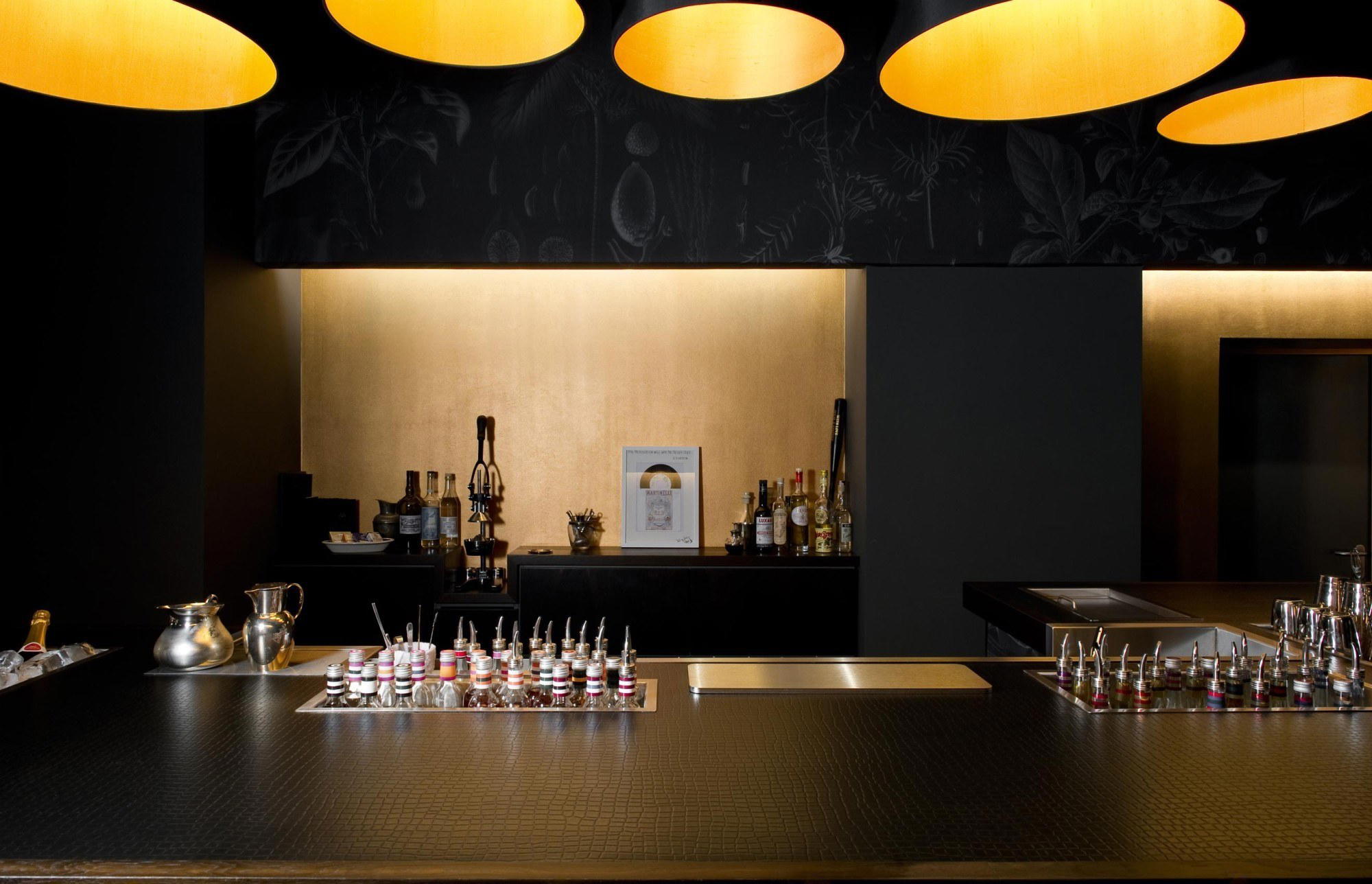
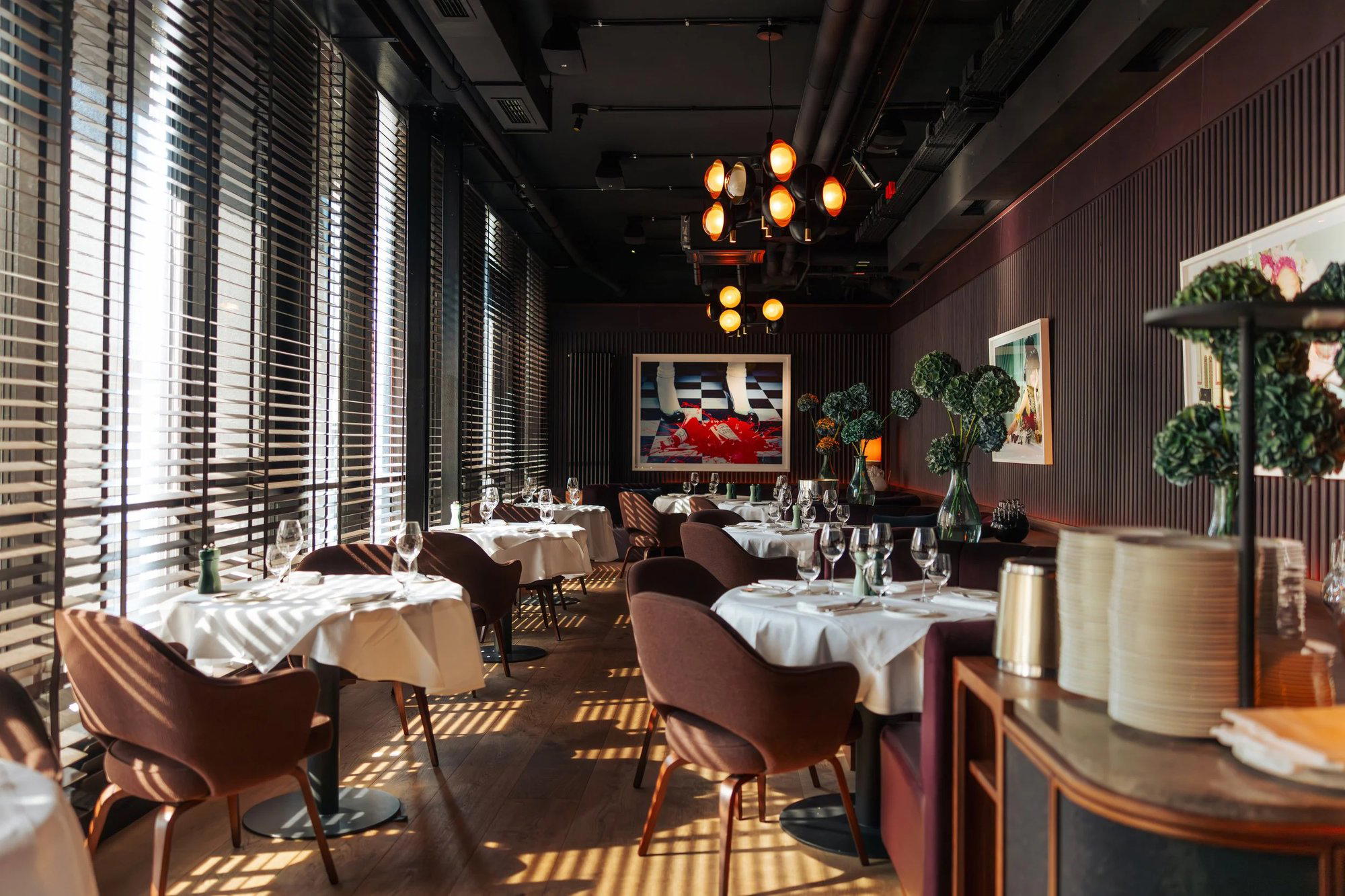
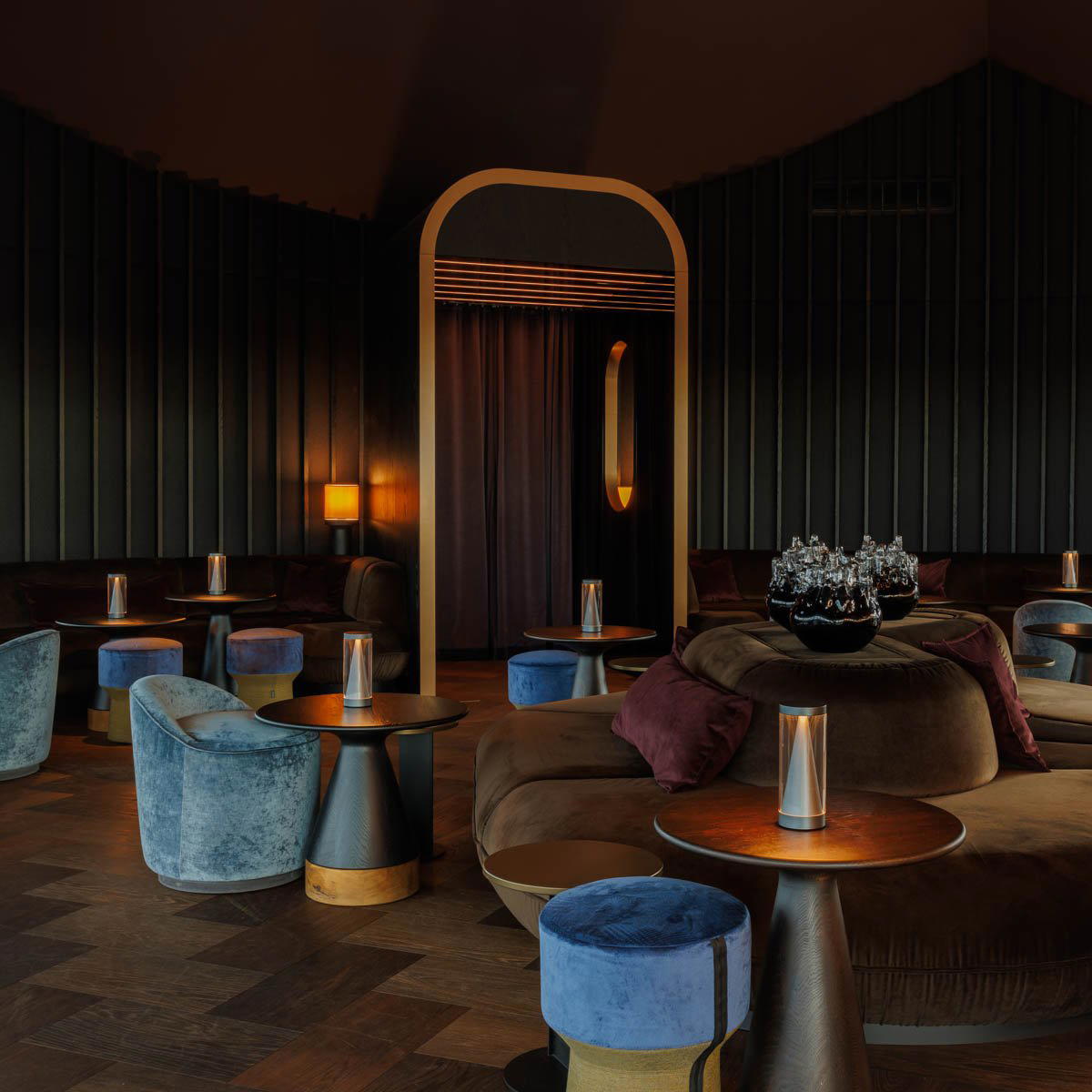
Hotels in Berlin
Browse all →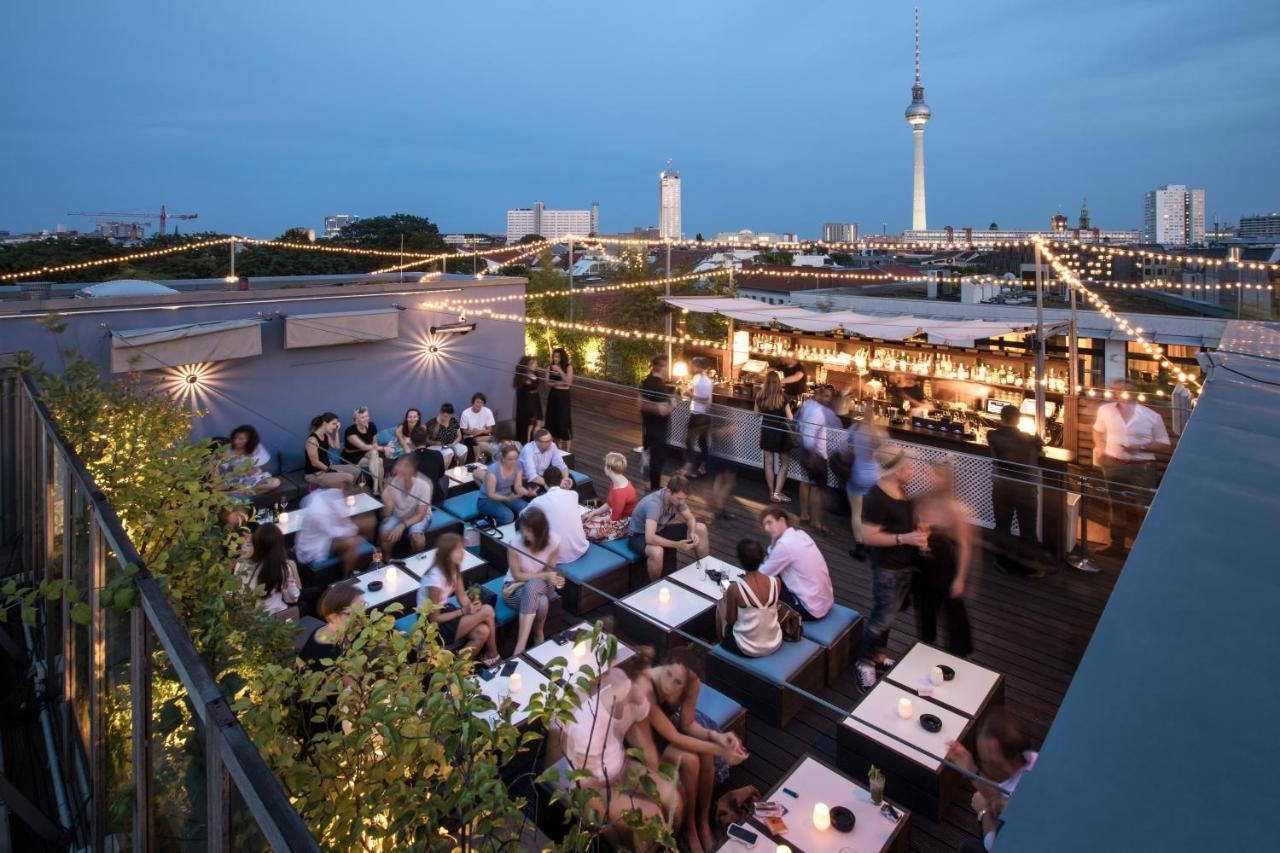
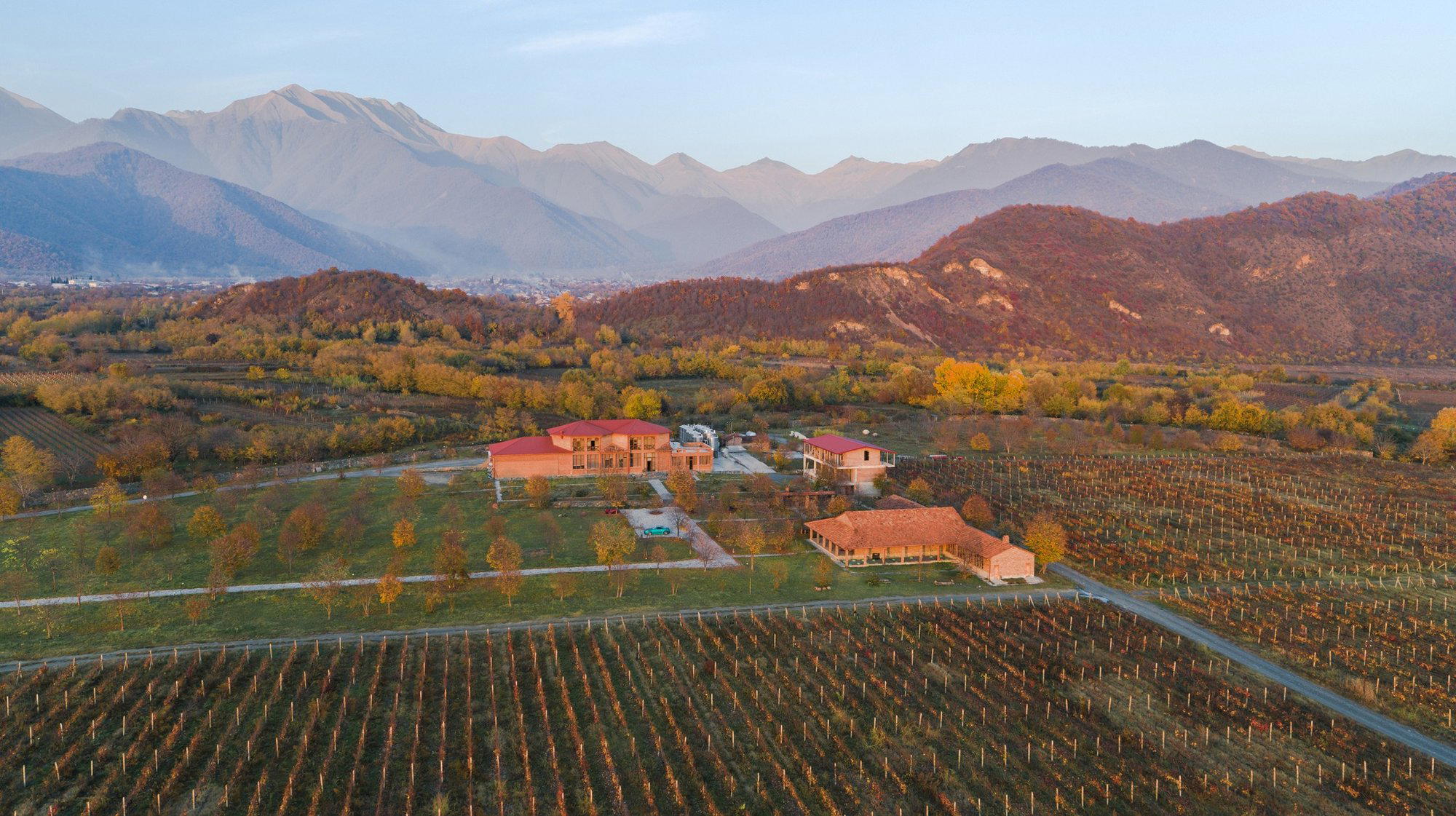
Wineries in Berlin
Browse all →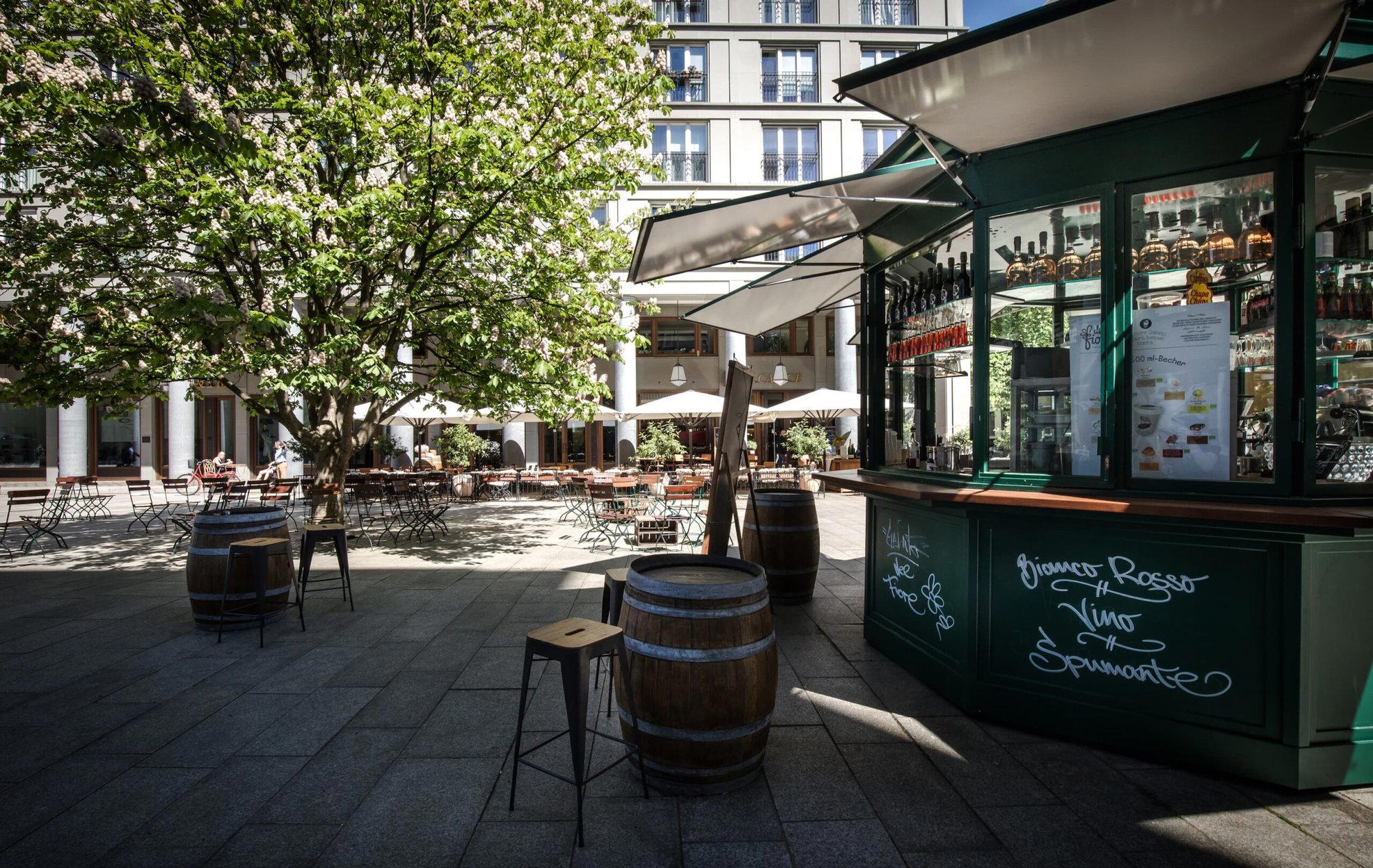
At a Glance
- Classic
- Cozy
- Elegant
- Historic
- Business Dinner
- Special Occasion
- Brunch
- Historic Building
- Extensive Wine List
- Local Sourcing
- Organic
- Street Scene
Current opening hours
- Monday
- 9 AM–11 PM
- Tuesday
- 9 AM–11 PM
- Wednesday
- 9 AM–11 PM
- Thursday
- 9 AM–11 PM
- Friday
- 9 AM–11 PM
- Saturday
- 9 AM–11 PM
- Sunday
- 9 AM–11 PM
Hours can change for holidays and private events. Last verified .
Warm, cozy Art Deco hall with stylish contemporary setting blending historical details and comfortable booths offering views of Hackescher Markt.