All in serves German schnitzel diner fare on Schönhauser Allee in Berlin, with schnitzel as the signature and casual dinner service.
Pearl is the En Primeur Club membership app — saves, bookings, and concierge access live there. Same editors, same standards.
- Address
- Schönhauser Allee 173, 10119 Berlin, Germany
- Website
- letsgo-allin.com
- Directions
- Get directions
 Saves & bookings on Pearl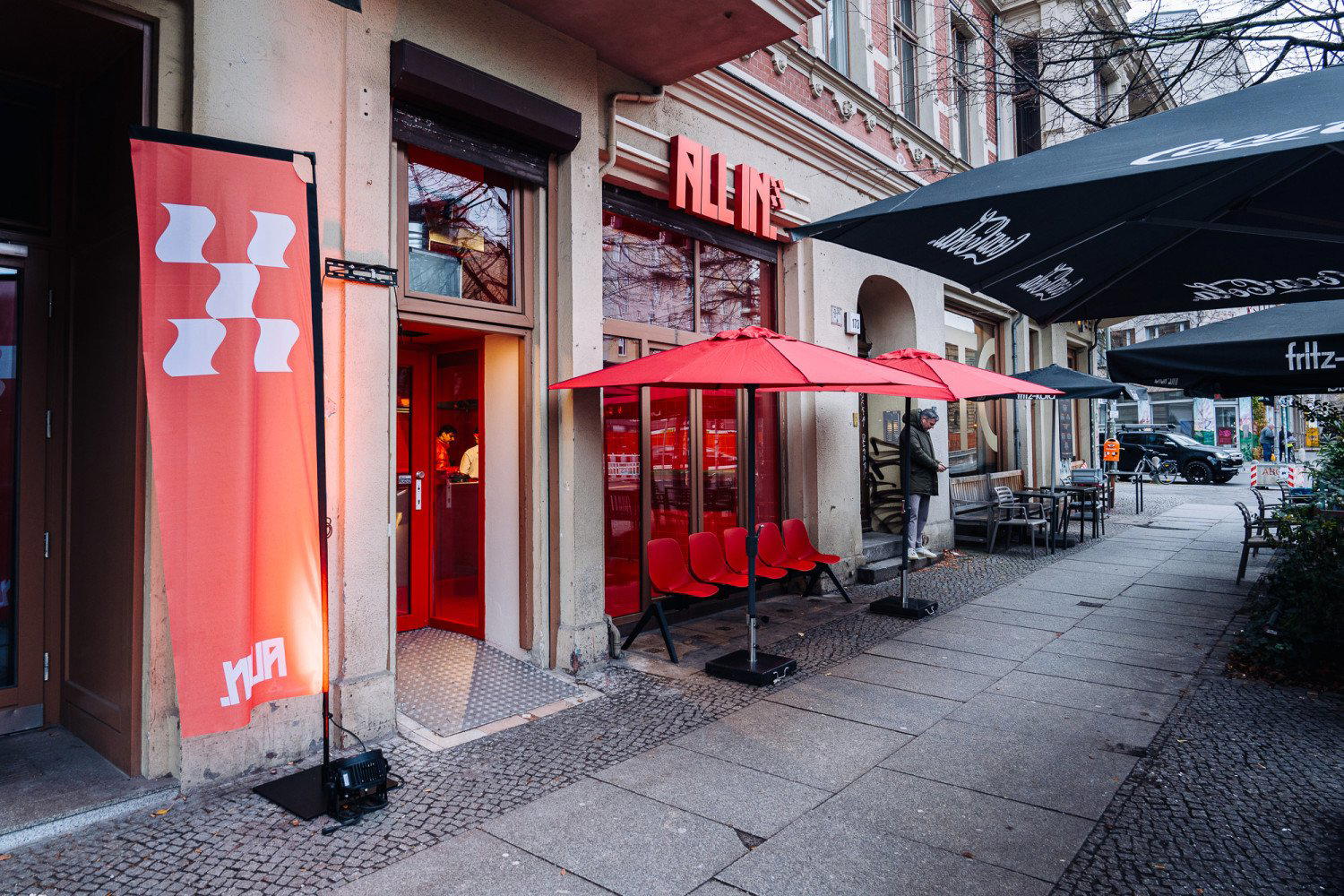
Prenzlauer Berg and the Quiet Side of Berlin Dining
Schönhauser Allee runs through the spine of Prenzlauer Berg like a transit artery that also happens to double as a dining corridor. The neighbourhood has shifted considerably over the past two decades: what was once a concentration of cheap post-reunification bars and late-night spots has gradually accumulated a more considered restaurant scene, one that sits at some distance from the Michelin-tracked addresses of Mitte or the Kreuzberg natural wine circuit. All in, at number 173, is a restaurant serving German Schnitzel Diner food in Berlin, a part of the city where venues tend to build reputation through repeat local trade.
That positioning matters for how you approach the address. Berlin's higher-profile dining tier, venues like Rutz, Nobelhart & Schmutzig, and FACIL, operates with formal tasting menus, documented wine programs, and booking windows that extend weeks or months ahead. The Prenzlauer Berg neighbourhood tier functions differently: less structured on paper, more dependent on direct experience, and less likely to surface through conventional review channels.
What the Address Tells You
Schönhauser Allee 173 sits in the northern stretch of the street, above the Senefelderplatz U-Bahn stop and closer to the quieter residential blocks than to the busier commercial strip near Eberswalder Strasse. The foot traffic here is predominantly local. Visitors tend to arrive with a specific reason rather than by chance, which shapes the atmosphere in a way that more tourist-facing addresses in Mitte or Charlottenburg do not replicate. Restaurants that survive in this part of Prenzlauer Berg do so through neighbourhood loyalty, which tends to produce a more relaxed and direct relationship between venue and guest.
Germany's broader dining scene has split into two broad tracks over the past decade. The first is the formal fine dining circuit, multi-Michelin-starred destinations like Schwarzwaldstube in Baiersbronn, Aqua in Wolfsburg, or Vendôme in Bergisch Gladbach, which attract guests from across the country and beyond for destination meals. The second track is more granular: neighbourhood-scale venues that do not operate on the same documentation or award infrastructure but that sustain a consistent local presence. All in belongs to the latter category.
Berlin's Wine Culture and What It Means at Street Level
The wine question is worth addressing directly, because Berlin's relationship with wine service has evolved in specific ways. The city's upper-end dining addresses, CODA Dessert Dining and Restaurant Tim Raue among them, maintain formal cellar programs with dedicated sommeliers and pairing menus. Below that tier, Berlin's wine culture has developed through a parallel route: the natural wine bars of Neukölln and Kreuzberg, the Riesling-focused lists that reflect Germany's own producing regions, and a growing number of neighbourhood spots that maintain considered, if less formally documented, wine selections.
What can be said is that Prenzlauer Berg venues in the mid-to-upper casual register have increasingly responded to the city's broader interest in curated wine. Venues like Restaurant Haerlin in Hamburg and Bagatelle in Trier demonstrate that serious wine curation exists well outside Germany's most prominent culinary capitals, and that regional identity can anchor a list as effectively as international cellar depth. The expectation, at an address like Schönhauser Allee 173, is that the wine offer reflects the neighbourhood's character: direct, unstuffy, and probably leaning toward European producers with a bias toward smaller importers.
For comparison points further afield, venues such as Le Bernardin in New York City and Lazy Bear in San Francisco illustrate how wine programming anchors a restaurant's identity at the highest tier, a dynamic that filters down into how neighbourhood venues in major cities now think about their own lists, even without the same budget or infrastructure.
Planning a Visit to All in
All in is located at Schönhauser Allee 173, 10119 Berlin, accessible via the U2 line to Senefelderplatz, which is one direct public transport option from central Berlin. The Prenzlauer Berg neighbourhood is walkable from points south along the Allee, and the street itself is well-served by tram lines running north-south.
For those building a wider German itinerary around serious dining, the country's regional circuit is extensive. JAN in Munich, ES:SENZ in Grassau, Schanz in Piesport, Waldhotel Sonnora in Dreis, and Victor's Fine Dining by Christian Bau in Perl all represent the documented upper tier of German restaurant culture and sit within reasonable driving distance of major hubs.
Comparable Options
Comparable venues nearby, for context on price, style, and recognition.
| Venue | Cuisine | Price | Notes |
|---|---|---|---|
| All inThis venue — the venue you are viewing | German Schnitzel Diner | Not listed | Not listed |
| Gaumenfreund | International with German influences | $$ | Mitte |
| Julchen Hoppe | Traditional Berlin German | $$ | Mitte |
| 3 Sisters | German Regional Seasonal | $$ | Kreuzberg |
| Biermeisterei | German Brewery BBQ & Grill | $$ | Mitte |
| Altensteiner Krug | Traditional German Hausmannskost | $$ | Dahlem |
Continue exploring
More in Berlin
Restaurants in Berlin
Browse all →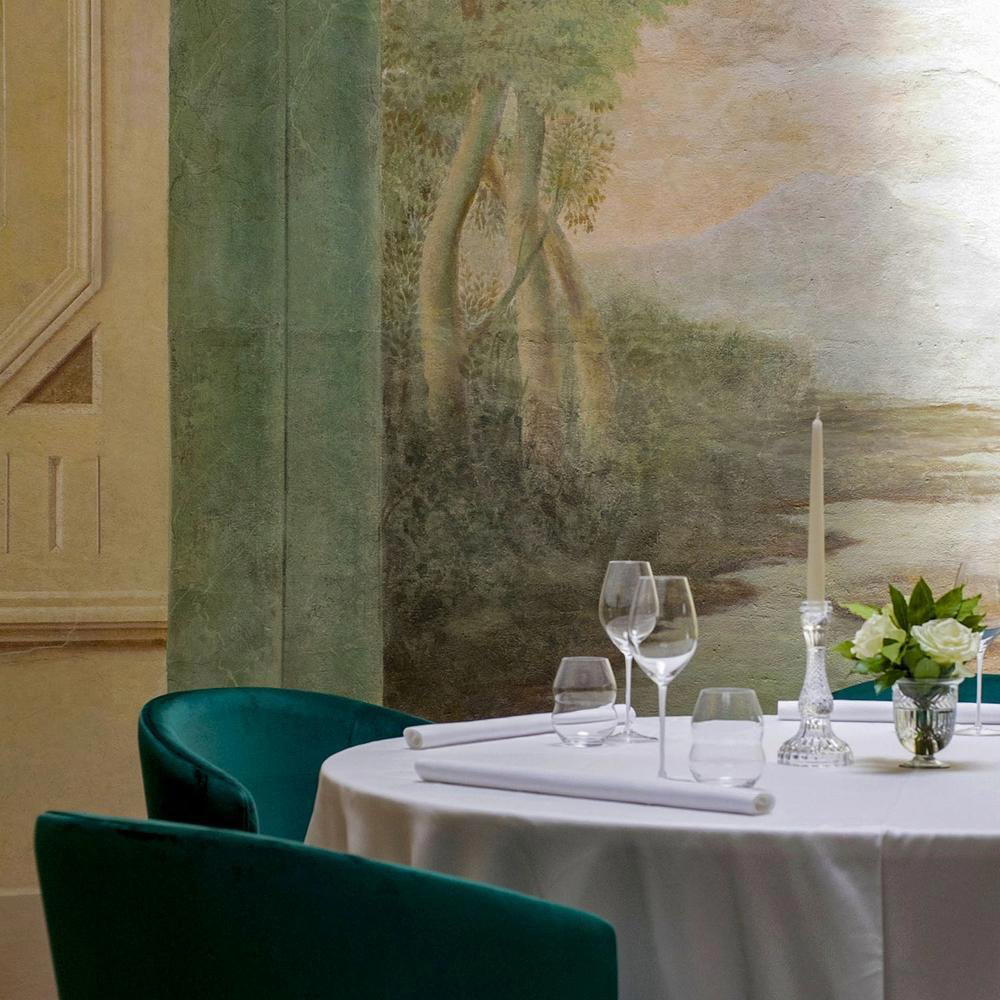
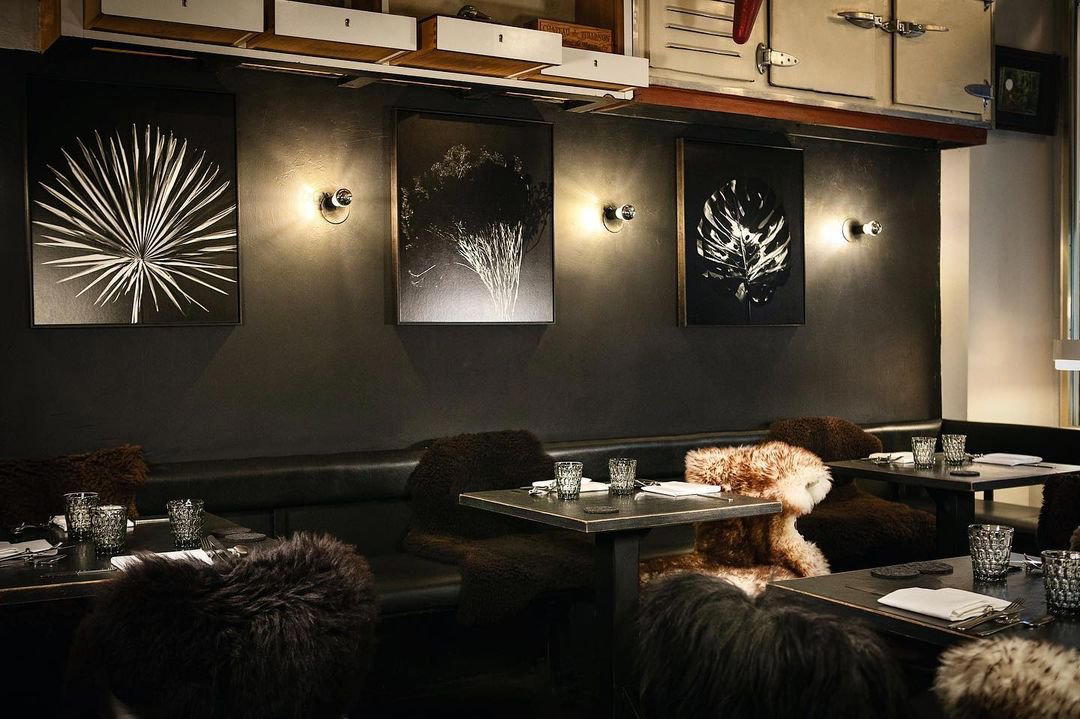
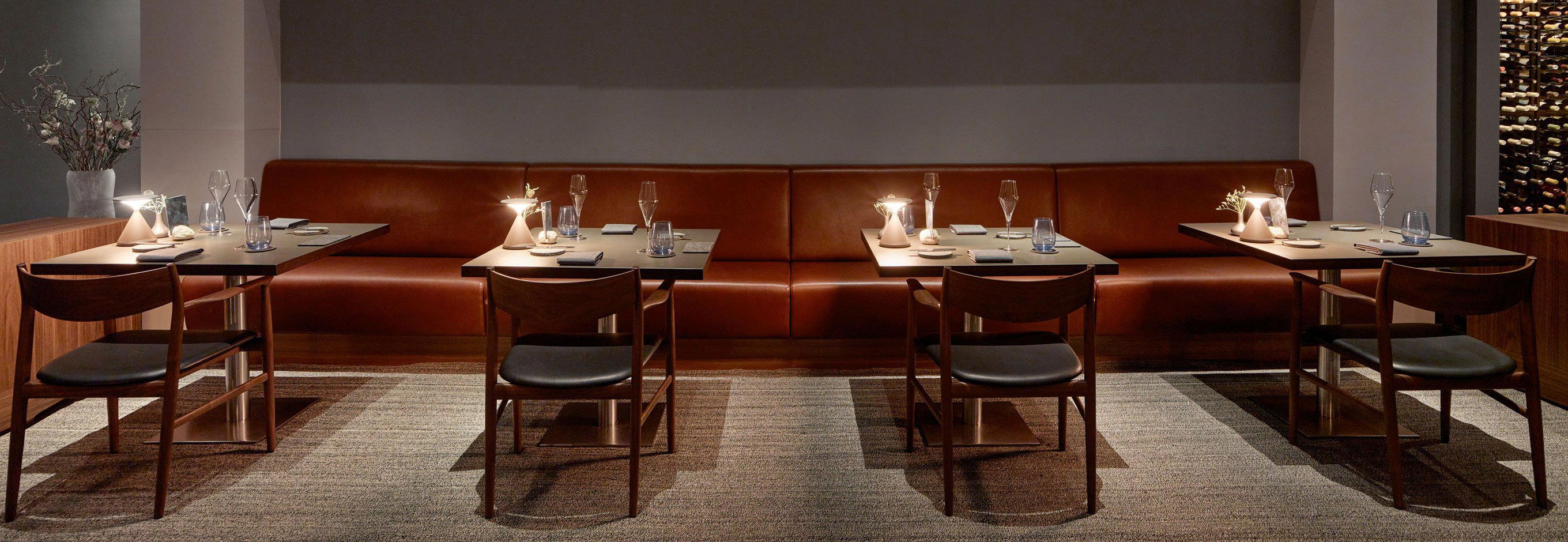
Bars in Berlin
Browse all →
Hotels in Berlin
Browse all →
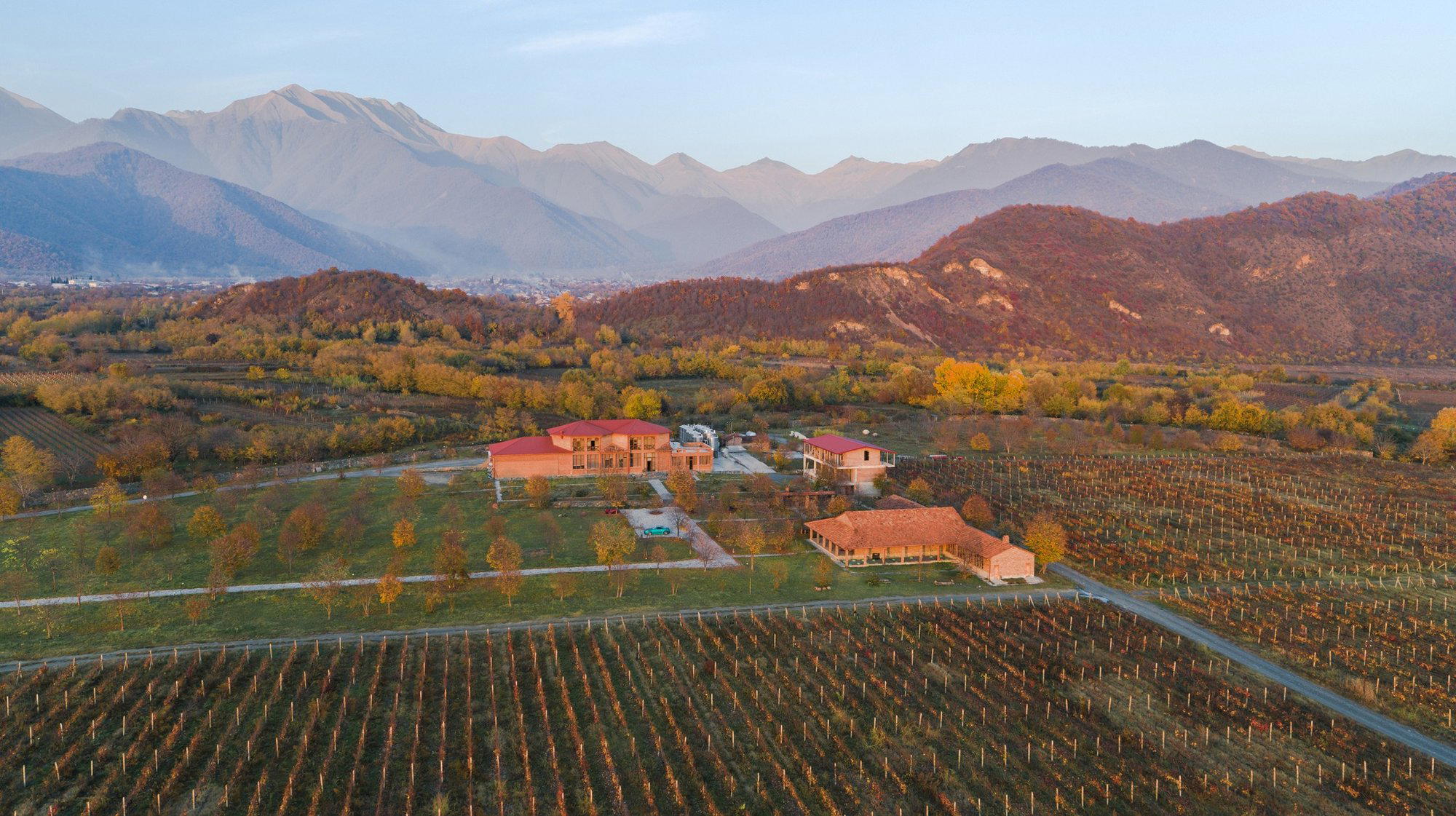
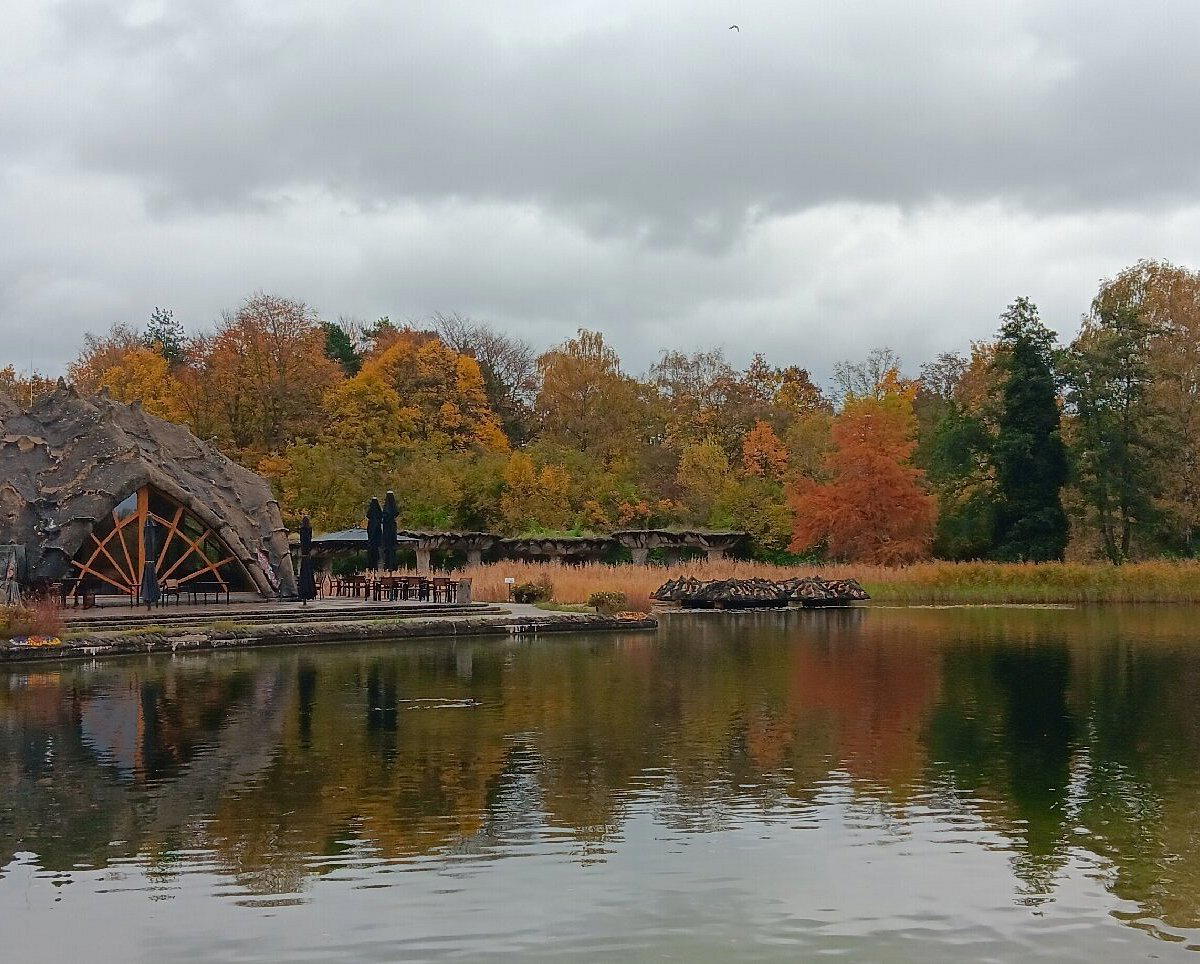
Wineries in Berlin
Browse all →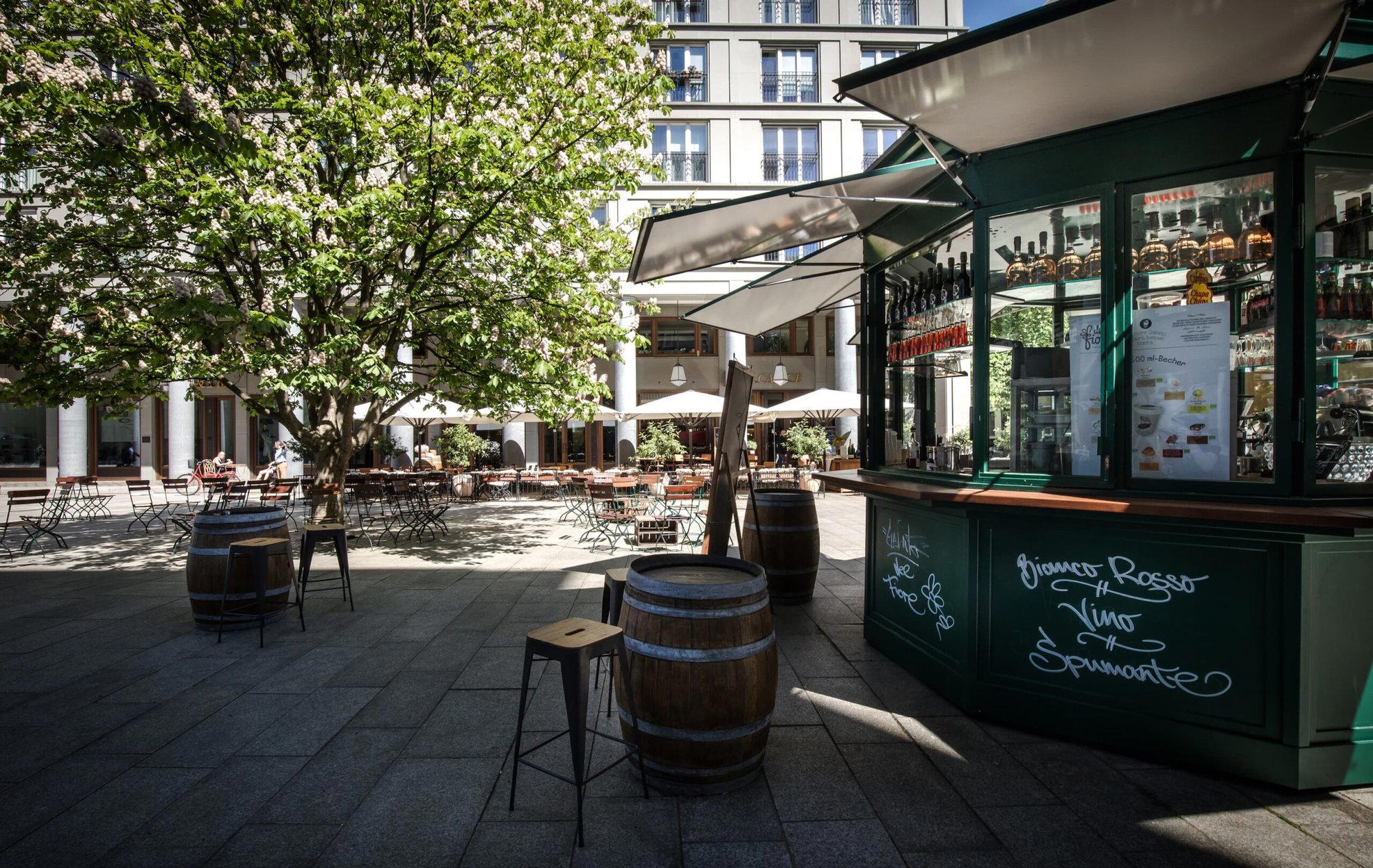
At a Glance
- Casual Hangout
- Open Kitchen
Current opening hours
- Monday
- 12–11 PM
- Tuesday
- 12–11 PM
- Wednesday
- 12–11 PM
- Thursday
- 12–11 PM
- Friday
- 12 PM–12 AM
- Saturday
- 12 PM–12 AM
- Sunday
- 12–10 PM
Hours can change for holidays and private events. Last verified .
Casual diner atmosphere with focus on hearty German comfort food.