
El Restaurant occupies a historically charged address in Lima's Centro Histórico, where the cooking draws from Peru's deep traditions of open-flame and wood-fired technique. Chef Adam Hyatt leads the kitchen.
Pearl is the En Primeur Club membership app — saves, bookings, and concierge access live there. Same editors, same standards.
- Address
- Jr. Ucayali 370, Lima 15001, Peru
- Phone
- +51 1 4275612
- Website
- mesa247.pe
- Directions
- Get directions
 Saves & bookings on Pearl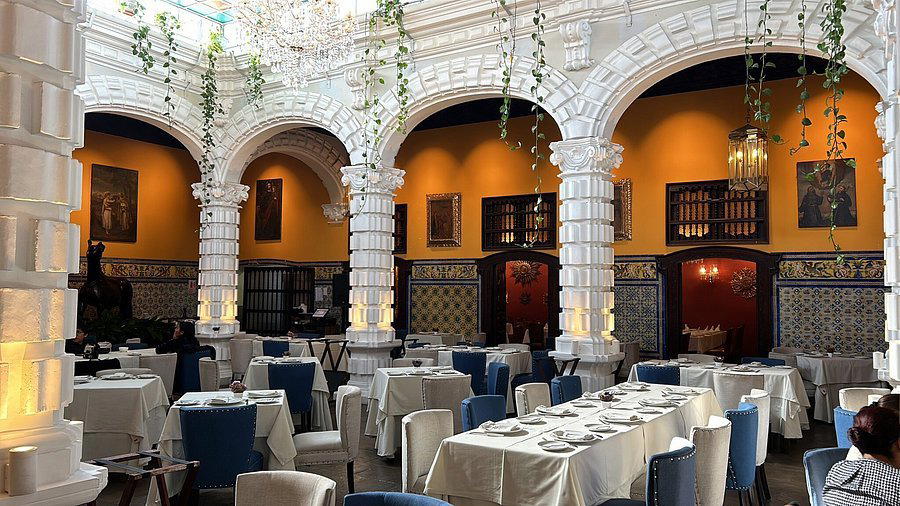
Fire, Tradition, and the Weight of Lima's Historic Centre
In Lima's Centro Histórico, the colonial architecture that lines Jr. Ucayali sets a specific kind of expectation before you've ordered anything. The neighbourhood carries centuries of layered history, and restaurants that anchor themselves here tend to carry that context into the dining room, whether they intend to or not. El Restaurant, at number 370, sits within that gravitational pull. The address matters. Lima's downtown core is where the city's culinary identity first took shape, long before Miraflores became the international reference point for modern Peruvian cuisine, and the cooking here reflects an awareness of that lineage.
Peru's relationship with fire and heat as primary cooking forces runs deep. Barbacoa traditions in the Andean interior, the slow char of anticuchos on street-side grills, the wood-fired clay ovens of coastal cevicherías, these are not aesthetic choices but survival techniques refined across generations. The better dining rooms in Lima that engage this tradition treat open-flame and smoke not as novelty but as the structural logic of the menu. El Restaurant's approach to Peruvian cuisine sits within this broader tendency in the city's dining scene, where technique signals cultural knowledge rather than theatrical effect.
Where El Restaurant Sits in Lima's Current Dining Conversation
Lima has spent the last two decades building among the more scrutinised restaurant scenes in the Southern Hemisphere. Central (Progressive Peruvian) and Astrid & Gastón (Modern Peruvian) occupy stronger examples from the international recognition tier, drawing reservations months in advance from visitors who treat Lima as a dining destination in itself. Below that tier, a second layer of serious cooking has developed, with venues like Kjolle (Modern Peruvian) and Mayta (Peruvian Modern) doing more regionally specific work. El Restaurant's position in Centro rather than the more restaurant-dense Miraflores or Barranco districts gives it a different competitive context: it draws from a local population, from business travellers staying near the financial district, and from visitors willing to move away from the concentrated tourist corridors.
5 across 854 reviews represents a substantial body of opinion. At that volume, averages tend to stabilise and become meaningful rather than anecdotal. The score places El Restaurant consistently above the midpoint of the city's broader dining field, where even competent neighbourhood kitchens often accumulate ratings in the 3.8-to-4.2 range. It is a useful, if rough, signal of sustained delivery rather than single-visit peaks.
For the wider context of what Lima offers across price points, categories, and neighbourhoods, the EP Club full Lima restaurants guide maps the scene in more structural detail.
The Cooking: Peruvian Technique Through the Lens of Heat
Peruvian cuisine at its most considered is not fusion or modernist abstraction, it is the product of three distinct culinary civilisations (pre-Columbian, Spanish colonial, and Chinese-Japanese immigration) operating on the same ingredient base over four centuries. Fire and smoke have been present throughout that entire arc. The huatia, an Andean earth oven tradition that predates the Inca, established slow-heat cooking as ceremony as much as sustenance. The parrilla tradition of the coast turned beef hearts and offal into democratic street food in South American history. Contemporary kitchens in Lima that engage seriously with Peruvian cuisine must reckon with this fire-forged history, and the better ones use it as a technical foundation rather than a decorative reference.
Chef Adam Hyatt leads the kitchen at El Restaurant. The name is anglophone in a city where most celebrated kitchens carry the surnames of Peruvian-born chefs, which itself is an editorial point: international chefs working within a strong indigenous culinary tradition occupy a different position in Lima than they would in a city with a less codified food identity. The question the cooking must answer is whether it translates and extends that tradition or simply references it. A rating of 4.5 at 832 reviews suggests the kitchen is doing something that resonates with a consistent audience, which is a more reliable signal than critical attention alone.
The broader geography of serious Peruvian cooking beyond Lima also provides useful comparison frames. Mil in Cusco works with Andean altitude and indigenous crops as its primary editorial argument. Cirqa in Arequipa operates within that city's distinct spice-forward tradition. In Lima itself, the El Mercado in Miraflores takes a market-led, ceviche-centred approach. Each of these represents a coherent editorial position on what Peruvian cooking means in a specific place. El Restaurant, anchored in Centro, operates with its own set of geographic and cultural coordinates.
Planning a Visit: Logistics and Orientation
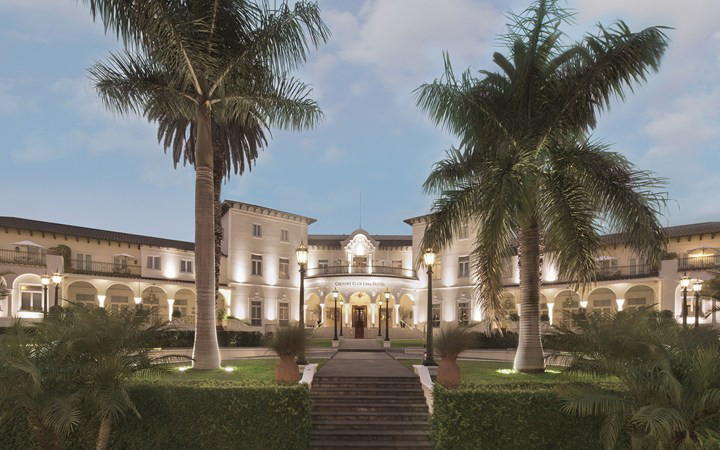
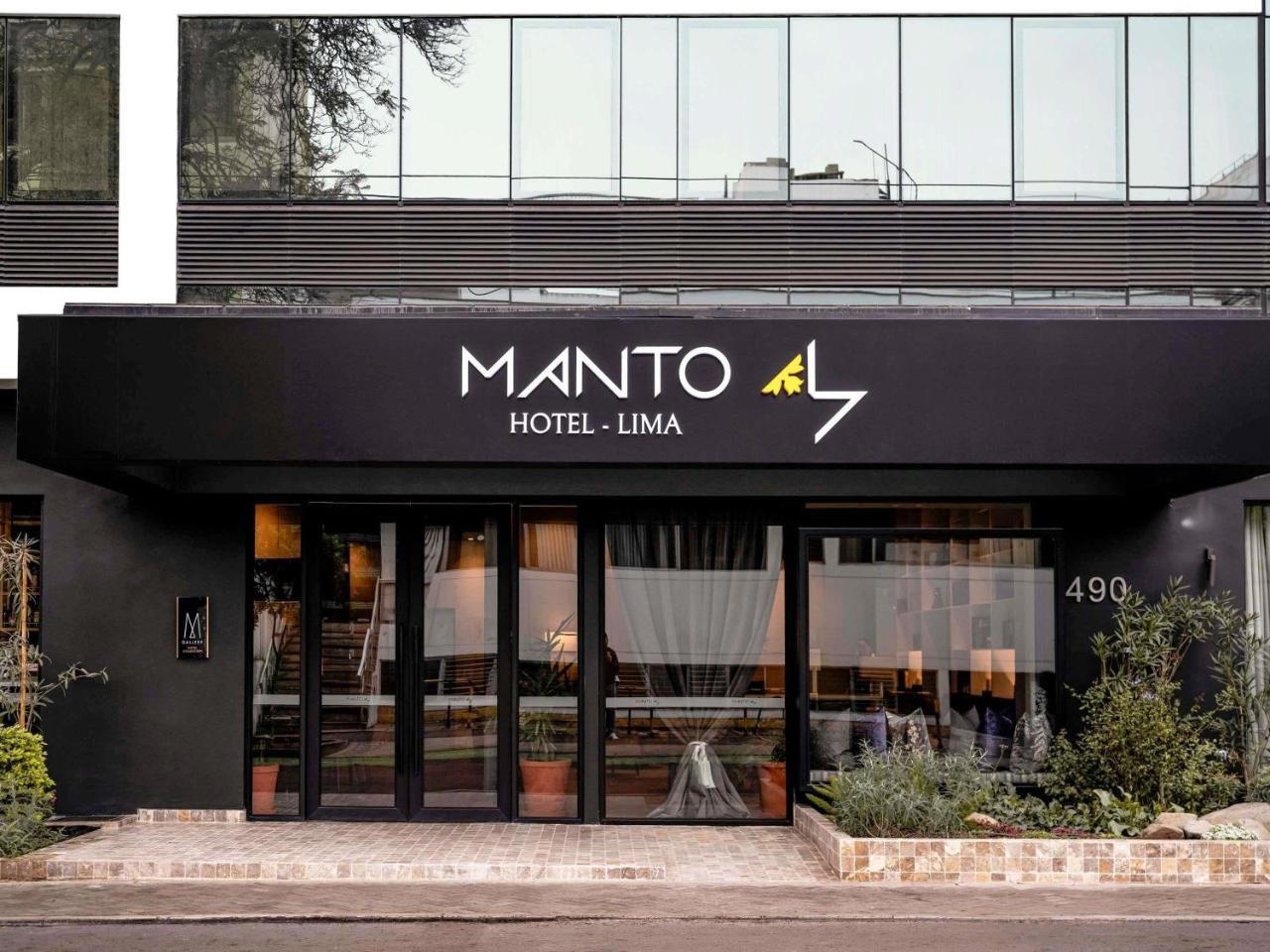
The address at Jr. Ucayali 370 places El Restaurant squarely in Lima Centro, the administrative and historical heart of the city. Getting there from Miraflores or Barranco by taxi typically takes 20 to 35 minutes depending on traffic, which in Lima can be considerable during evening hours. The EP Club Lima hotels guide covers accommodation options across central and coastal districts for those planning around a dining itinerary. For drinks before or after, the Lima bars guide documents the city's pisco-led cocktail scene and the newer wave of fermentation-focused bars in Barranco.
Reservations are recommended, and the restaurant serves lunch Monday through Saturday from 12:30 to 3 PM. Lima's dining scene has shifted post-pandemic toward more reservation-forward models even at mid-market venues, and Centro restaurants sometimes operate on more limited schedules than their Miraflores peers.
For those building a fuller itinerary around Lima's food culture, Maido (Nikkei) in the city covers the Japanese-Peruvian tradition that sits alongside the fire-and-smoke lineage as one of Lima's two most internationally recognised culinary identities. Further afield, Delfin Amazon Cruises in Iquitos and the Delfin I dining room in Nauta represent the Amazonian end of Peruvian cuisine's geographical range. The EP Club Lima experiences guide completes the picture for visitors thinking beyond the restaurant table. Additional reference points across the city include Cosme in San Isidro, Costanera 700 in Miraflores, and La Table de House of Jasmines in La Merced Chica, each occupying a distinct position within Peru's wider dining geography.
Similar Picks
Comparable venues nearby, for context on price, style, and recognition.
| Venue | Cuisine | Price | Notes |
|---|---|---|---|
| El RestaurantThis venue — the venue you are viewing | Modern Peruvian Seafood | $$$ | Not listed |
| Xoma | Modern Peruvian Gastronomic | $$$ | Miraflores |
| DIGEMIN - Ovalo Gutiérrez | peruvian | Not listed | Miraflores |
| Casa Tambo Restaurant | Traditional Peruvian Creole | $$ | Lima |
| Saqra | Modern Peruvian Fusion | $$$ | Miraflores |
| El Veridico De Fidel - Miraflores | Traditional Peruvian Cevicheria | $$ | Miraflores |
Recognition history
Dated appearances from independent guides and award organizations, with the underlying list record or original source where available.
Relais Chateaux Award
Relais Chateaux
Relais Chateaux Award
Relais Chateaux
Continue exploring
More in Lima
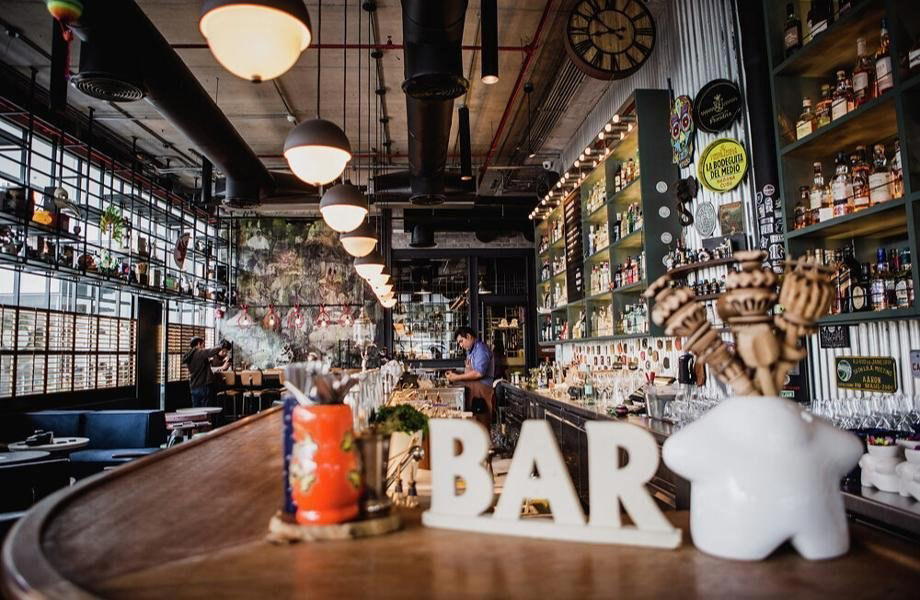
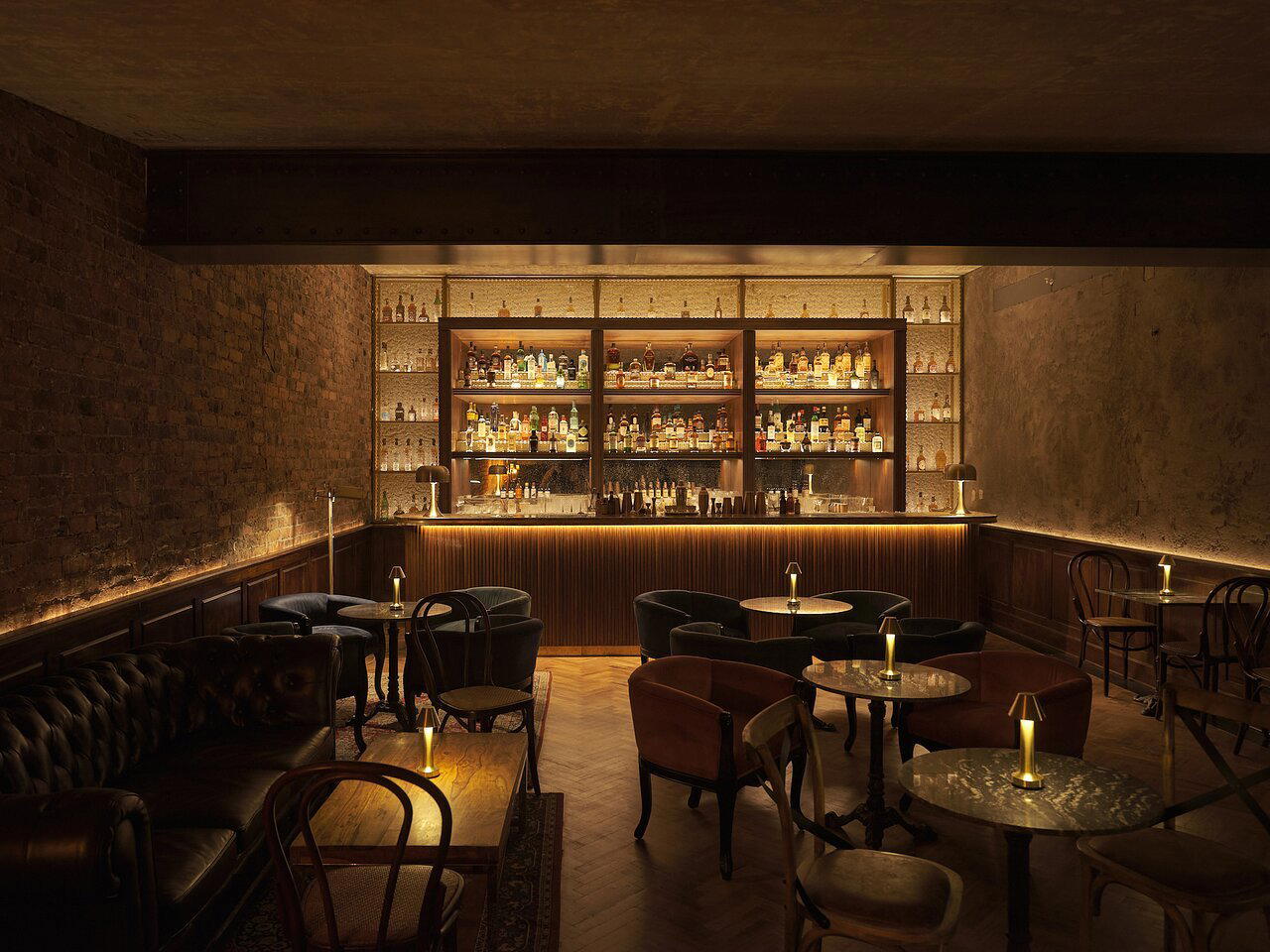
Bars in Lima
Browse all →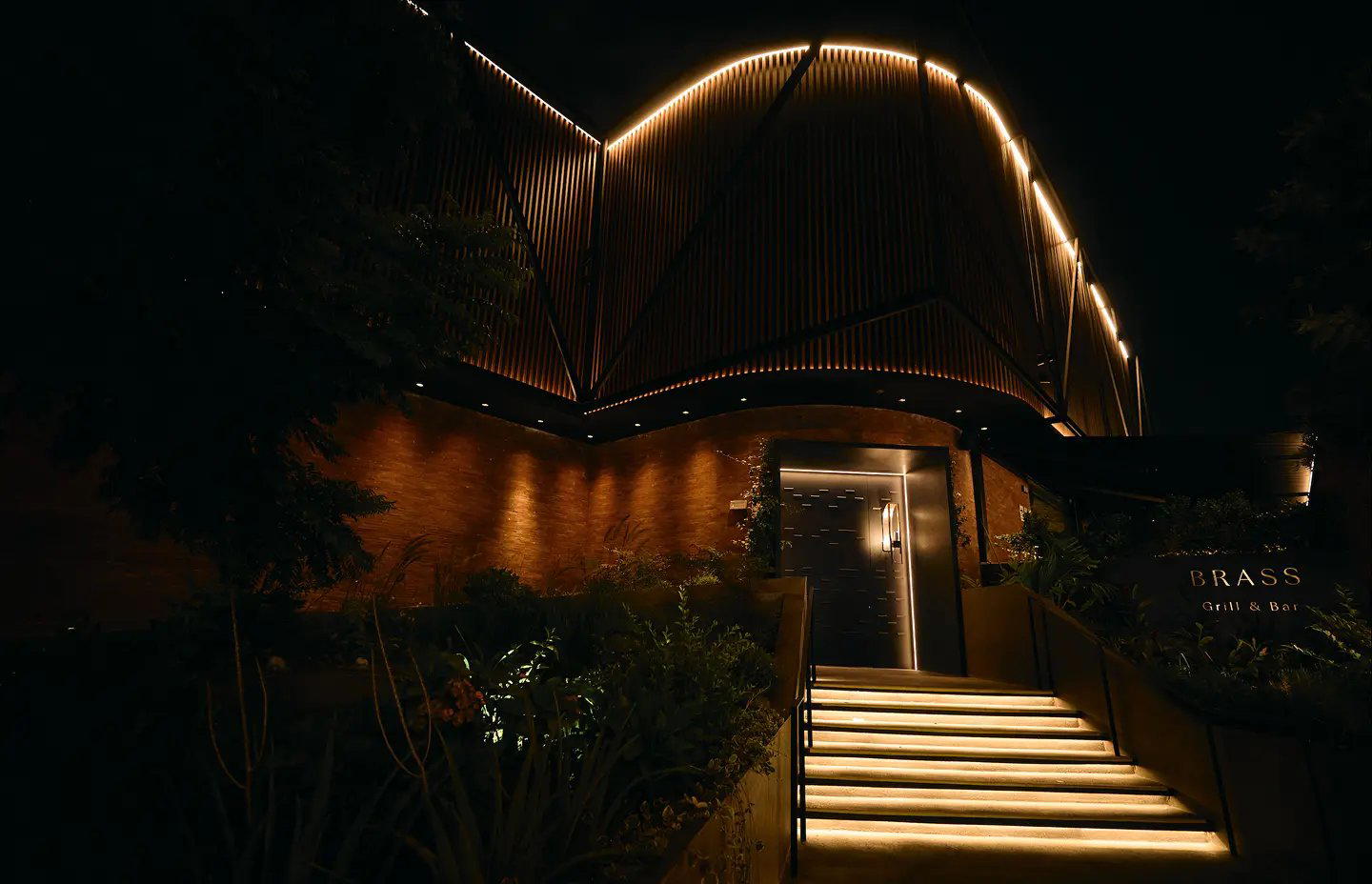
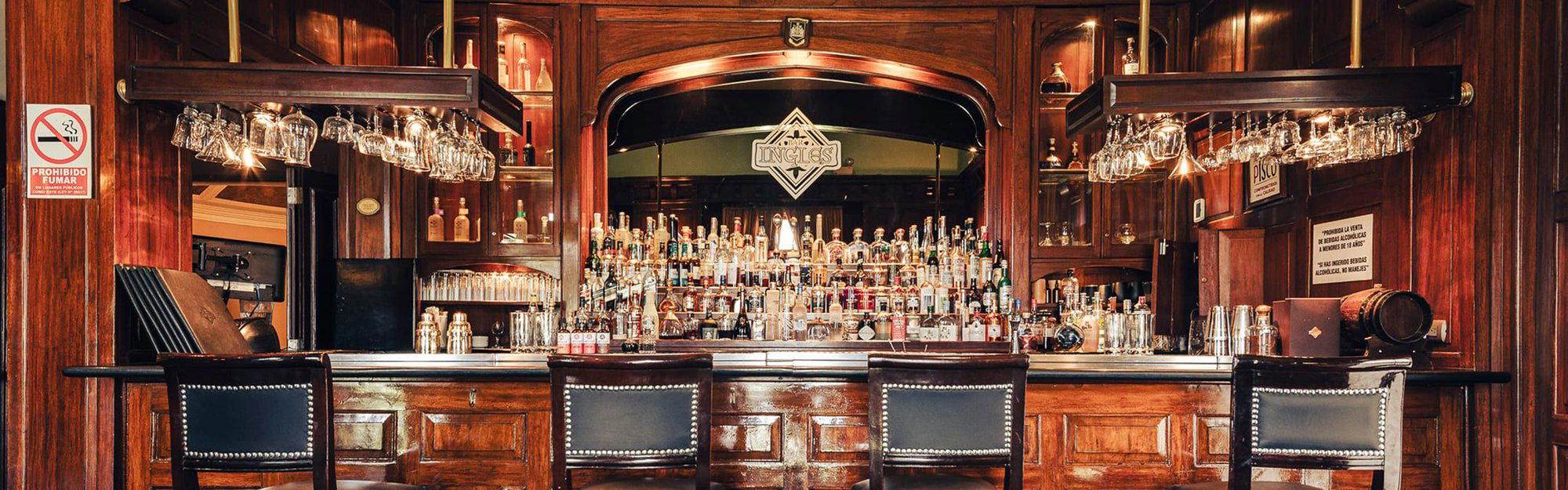
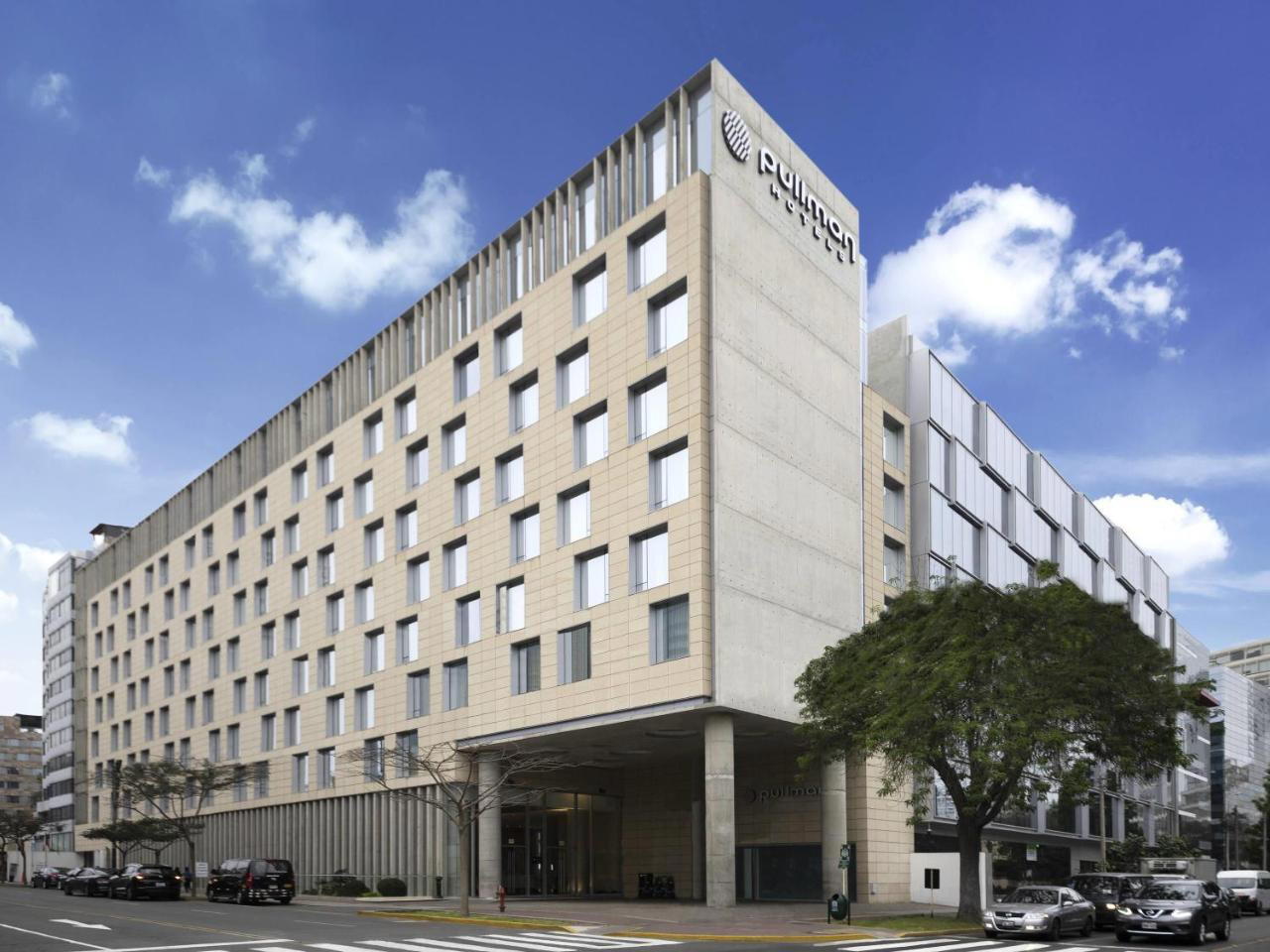
Hotels in Lima
Browse all →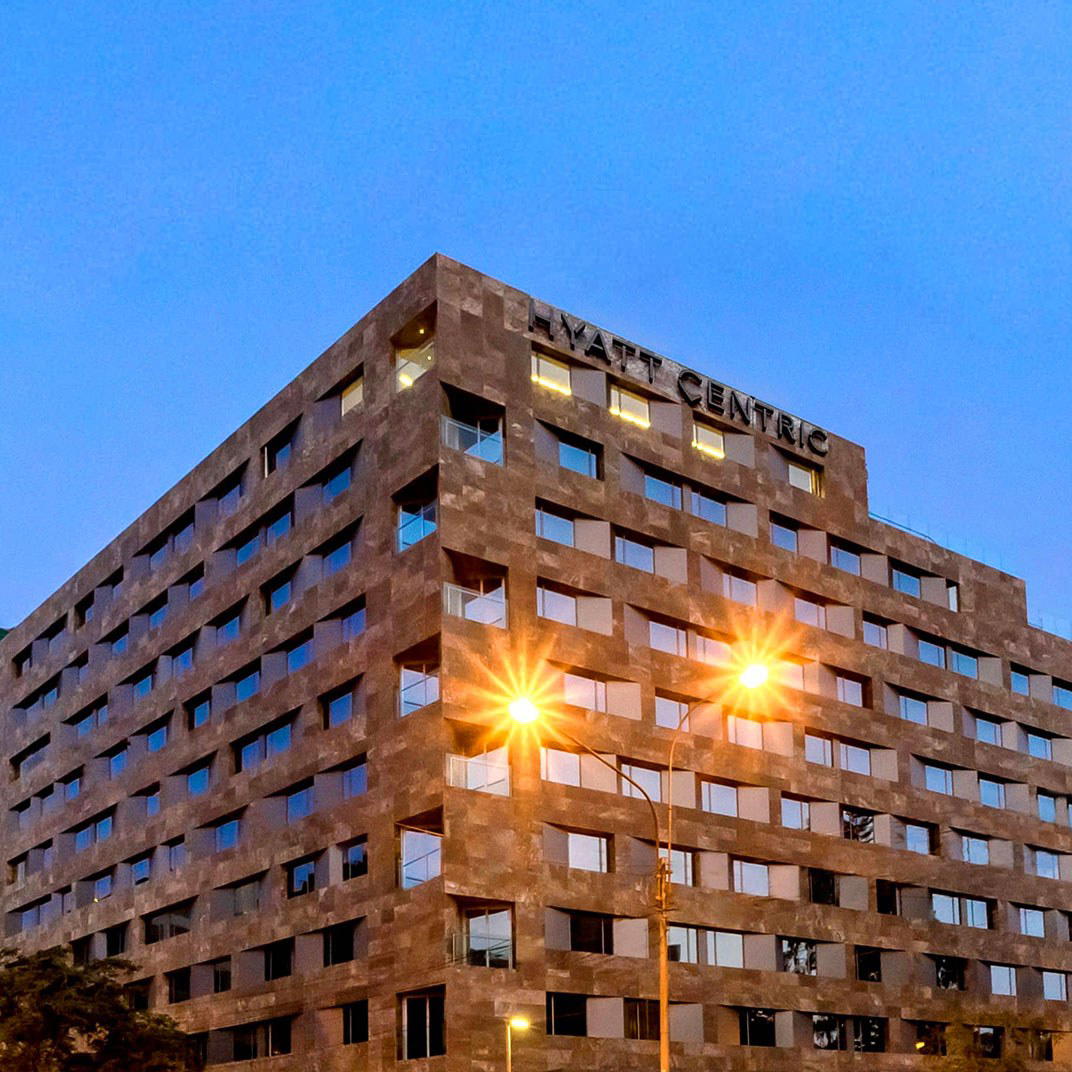
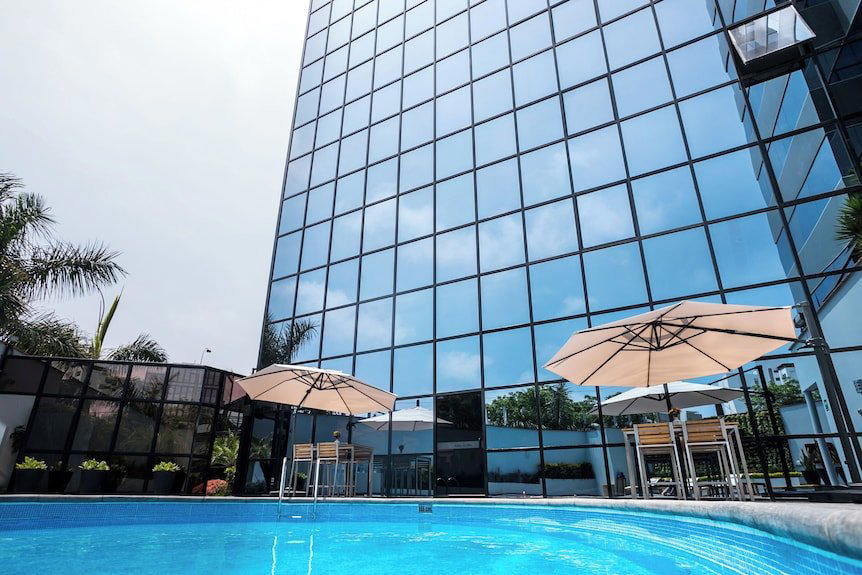
Wineries in Lima
Browse all →
At a Glance
- Lively
- Modern
- Trendy
- Date Night
- Group Dining
- Casual Hangout
- Open Kitchen
- Extensive Wine List
Current opening hours
- Monday
- 12:30–3 PM
- Tuesday
- 12:30–3 PM
- Wednesday
- 12:30–3 PM
- Thursday
- 12:30–3 PM
- Friday
- 12:30–3 PM
- Saturday
- 12:30–3 PM
- Sunday
- Closed
Hours can change for holidays and private events. Last verified .
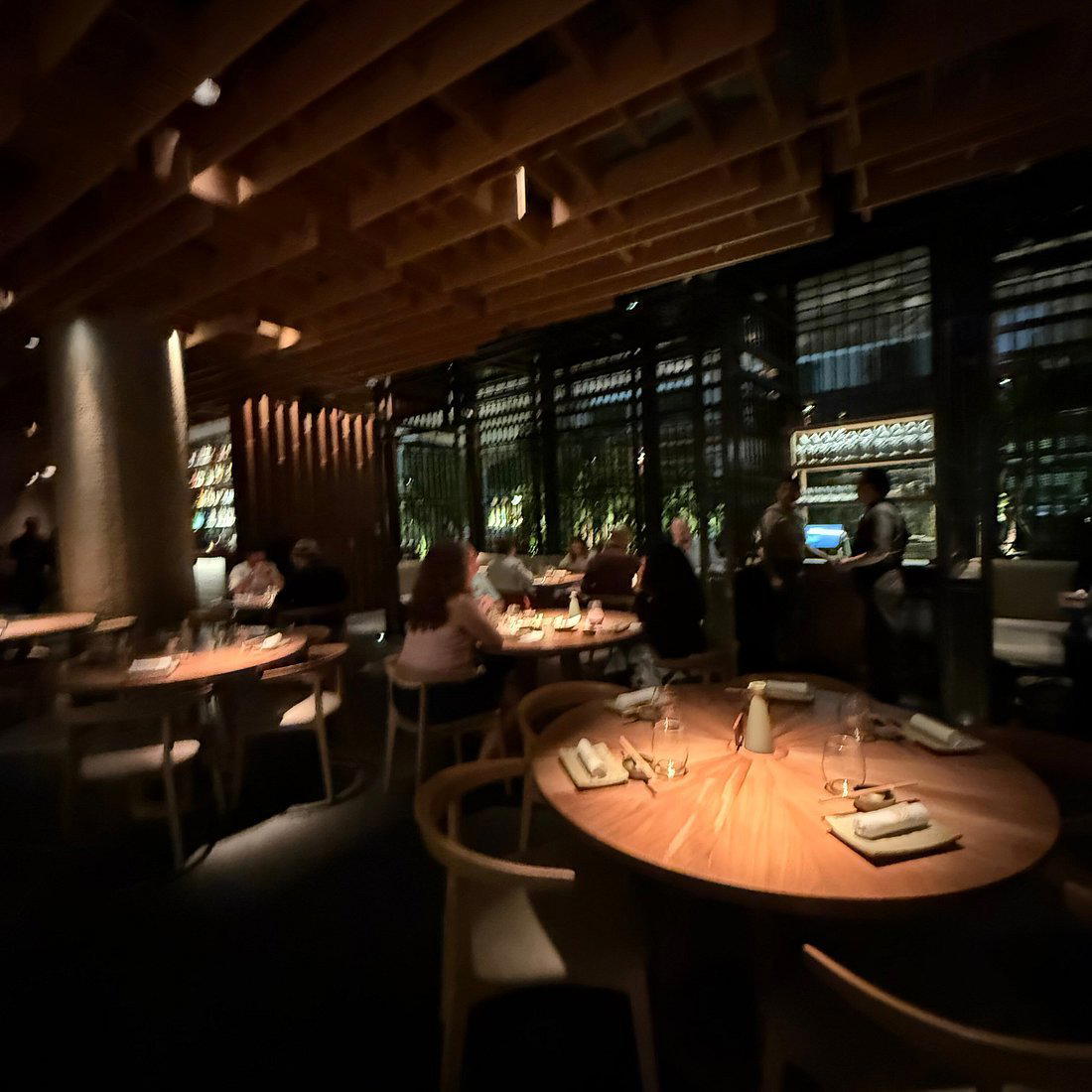
Casual modern atmosphere with partly open-air seating, pleasant but can be noisy when busy.