Restaurant Tast
On Carrer Major in Castelldefels, Restaurant Tast occupies a position in a coastal town that sits at a comfortable remove from Barcelona's more saturated dining market. With the Mediterranean a short walk away, the setting frames a dining room where locality matters. For visitors working through the area's restaurant options, Tast represents a neighbourhood-scale commitment to place.
Pearl is the En Primeur Club membership app — saves, bookings, and concierge access live there. Same editors, same standards.
- Address
- Carrer Major, 16, 08860 Castelldefels, Barcelona, Spain
- Phone
- +34936367959
- Website
- restauranttast.com
 Saves & bookings on Pearl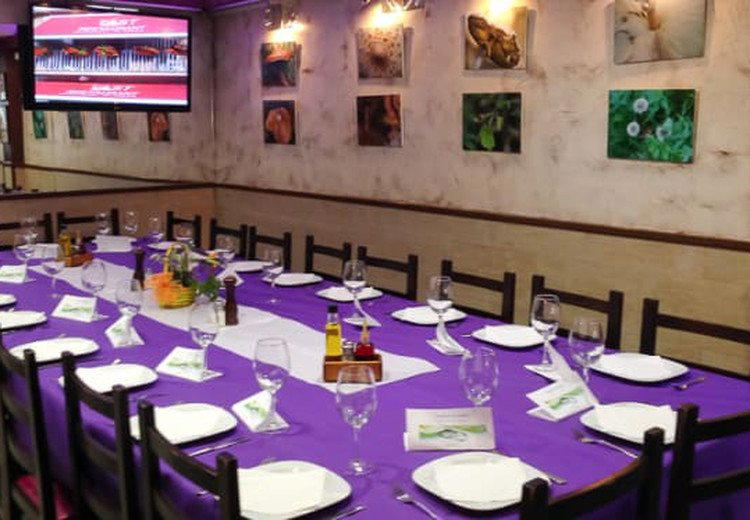
Carrer Major and the Castelldefels Dining Register
Restaurant Tast is a restaurant on Carrer Major in Castelldefels, Barcelona, Spain. Castelldefels sits roughly 20 kilometres southwest of Barcelona along the C-32, close enough to the city to pull weekend traffic but far enough that its dining scene operates on its own terms. The town's main commercial artery, Carrer Major, is where the local restaurant trade concentrates: small rooms, residents eating at unhurried pace, menus that reflect proximity to both the coast and the Llobregat delta rather than the pressures of tourist-volume cooking. Restaurant Tast, at number 16, occupies that street-level position on a block that reads more neighbourhood than destination.
That register matters in the context of how Catalonia's coastal towns have developed their dining identities over the past decade. Places like Castelldefels are not competing with the tasting-menu prestige of El Celler de Can Roca in Girona or the boundary-pushing ambition of Cocina Hermanos Torres in Barcelona. Instead, they occupy a more grounded tier where the quality signal is consistency and rootedness rather than innovation for its own sake.
The Sensory Atmosphere of a Coastal Town Table
Castelldefels itself carries a particular sensory texture that shapes dining at street level. The salt air from the beach, less than a kilometre from Carrer Major, follows you inland. Evenings on the street have an unhurried quality, with tables filling gradually from eight o'clock onward. The sound profile of a Carrer Major restaurant at mid-service is domestic and conversational rather than ambient-music managed, voices carrying over the background noise of a kitchen in full rhythm.
This atmospheric profile is relevant because it sets expectations accurately. Castelldefels is not a town of dramatic dining-room design statements. The visual language on this street runs toward modest shopfronts, tiled interiors, and the kind of table arrangements that prioritise seating capacity and comfort over spatial drama. What the setting offers instead is the feeling of eating where people actually live, which is its own kind of credential in a region where that authenticity is increasingly hard to find at any reasonable price point.
For comparison, the coastal Catalunya dining scene has moved toward technical ambition and international recognition. Castelldefels, and restaurants like Tast within it, represent the other end of that spectrum: the everyday coastal table that sustains a community rather than serves as a destination for gastronomes.
Castelldefels in the Broader Catalan Context
Spain's restaurant culture has a distinct geography. In the Basque Country and Catalonia especially, world-recognised restaurants such as Arzak in San Sebastián, Azurmendi in Larrabetzu, Martin Berasategui in Lasarte-Oria, and Mugaritz in Errenteria draw international traffic and set a standard that creates a gravitational pull on the wider culinary culture. The benefit for towns like Castelldefels is that the surrounding food culture is unusually strong: suppliers, producers, and ingredient quality across the region are shaped by the expectations of a country that takes its cooking seriously at every level.
That context means the raw materials available to a Carrer Major kitchen in Castelldefels are not categorically different from those reaching the prep stations of a Barcelona tasting-menu counter. Catalan seafood, local vegetables from the delta, and the broad Iberian pantry of cured meats, pulses, and oils are accessible across the region. What differs is what any given kitchen chooses to do with them and how it prices and presents the result.
The international reference point is useful here too. A dining room with the neighbourhood ease of Castelldefels is not structurally comparable to a technically intense counter like Le Bernardin in New York City or a conceptually driven operation like Atomix in New York City. The value proposition is different in kind, not just degree.
Practical Information for Visitors
Castelldefels is reachable from Barcelona in under 30 minutes by train on the R2 Sud line from Passeig de Gràcia or Sants, which makes Restaurant Tast viable as an evening option for visitors based in the city who want a break from the Barcelona restaurant circuit. Carrer Major itself is a short walk from the town centre and local transport stops. Beyond Tast, the surrounding streets have a reasonable spread of alternatives: Cantina La Sonora and Chai Indian Cuisine represent the breadth of what the local dining offer covers.
Walk-in availability at off-peak hours may be easier than on weekend evenings.
Summer weekends between June and September bring increased coastal traffic to Castelldefels as the beach draws visitors from Barcelona, which affects how all Carrer Major restaurants operate during that period. Shoulder-season visits in April, May, or October tend to reflect the restaurant at its most habitual pace: local regulars, a quieter street, and service that is not stretched by volume. That seasonal rhythm is worth factoring in for anyone whose preference is for a table that feels embedded in the town rather than servicing its tourist influx.
Nearby-ish Comparables
Comparable venues nearby, for context on price, style, and recognition.
| Venue | Cuisine | Price | Notes |
|---|---|---|---|
| Restaurant TastThis venue — the venue you are viewing | Mediterranean Market Cuisine with Catalan Influences | $$ | |
| Restaurant Soli | Mediterranean with rice specialties | $$ | Passeig Marítim |
| La Canija | Mediterranean Tapas | $$ | Castelldefels playa |
| ATROZ CASTELLDEFELS | Modern Spanish Tapas | $$ | Castelldefels |
| il Piccolo Biondo | Authentic Italian Pizza | $$ | Castelldefels |
| Hisako Umi | Authentic Japanese Sushi | $$$ | Castelldefels |
Continue exploring
More in Castelldefels
Restaurants in Castelldefels
Browse all →
Bars in Castelldefels
Browse all →
Hotels in Castelldefels
Browse all →


At a Glance
- Hidden Gem
- Elegant
- Cozy
- Date Night
- Group Dining
- Casual Hangout
- Terrace
- Beer Program
- Local Sourcing
Warm and elegant interior with flowers on tables and careful attention to detail; small terrace seating available in summer overlooking a quiet side road.