ATROZ CASTELLDEFELS
ATROZ CASTELLDEFELS serves Modern Spanish Tapas in Castelldefels, with bravas, octopus, ceviche, and croquettes, plus an open kitchen and conversational pacing.
Pearl is the En Primeur Club membership app — saves, bookings, and concierge access live there. Same editors, same standards.
- Address
- Carrer d'Arcadi Balaguer, 39, 08860 Castelldefels, Barcelona, Spain
- Phone
- +34933907290
- Website
- atroz.es
- Directions
- Get directions
 Saves & bookings on Pearl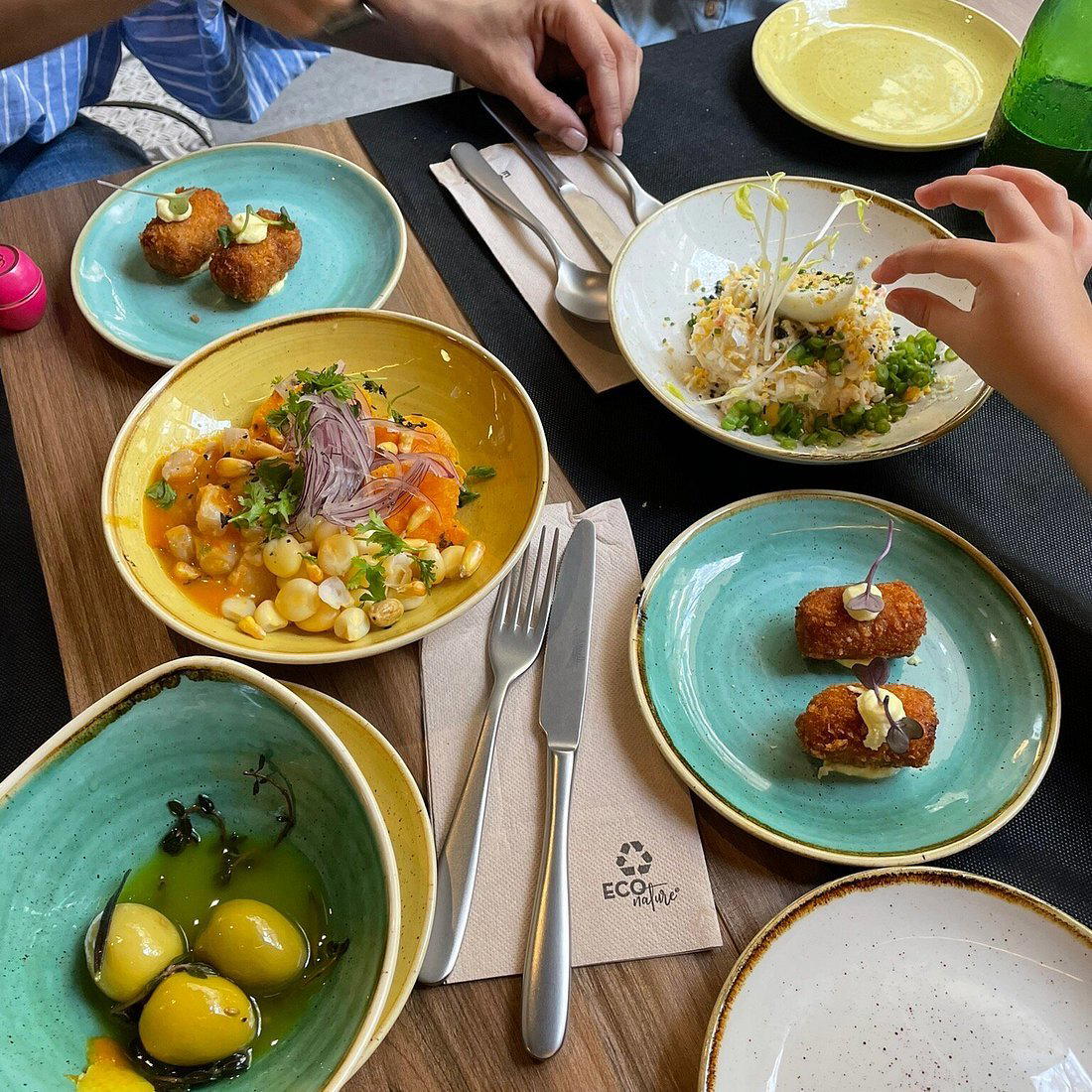
Carrer d'Arcadi Balaguer and the Castelldefels Dining Scene
Castelldefels sits roughly twenty kilometres south of Barcelona along the Costa Garraf, a stretch of coastline where the proximity to both the sea and the Llobregat delta shapes what ends up on local plates. The town occupies an interesting position in the wider Catalan dining picture: close enough to Barcelona to feel the influence of that city's serious restaurant culture, yet operating at a remove that allows local establishments to develop their own identities rather than simply chasing the capital's trends. Carrer d'Arcadi Balaguer, a commercial street running through the urban centre, is where ATROZ CASTELLDEFELS has taken up its address at number 39.
The coastal towns along this corridor have historically traded in direct beach dining, the kind of places where the sourcing story begins and ends with the fisherman who pulled into the nearby port that morning. That tradition matters. The Mediterranean shelf off the Costa Garraf is not the same fishing ground as the Delta de l'Ebre further south, but it connects to a lineage of Catalan coastal cooking where ingredient provenance is less a marketing claim than a practical reality built into how the supply chain has always worked here.
Sourcing in the Catalan Coastal Corridor
Across Catalonia, the restaurants that have accumulated the most critical attention over the past two decades share a common thread: they take seriously the question of where their raw materials originate. At the apex of that conversation you find kitchens like El Celler de Can Roca in Girona, which has structured its sourcing around deep relationships with local producers for decades, and operations like Cocina Hermanos Torres in Barcelona, which applies comparable rigour within an urban setting. Further along the Spanish coast, Aponiente in El Puerto de Santa María has built an entire culinary philosophy around marine ingredients that most kitchens overlook entirely.
Castelldefels operates at a different register from those Michelin-stacked addresses, but the underlying logic of coastal sourcing is the same. The Mercado de Castelldefels functions as an anchor for local supply, and the town's position between the sea and the agricultural zones of the Baix Llobregat means that produce sourced nearby can be genuinely nearby, not a branding shorthand for something arriving from a regional distribution hub three days after harvest. That geographical specificity is what differentiates the better local tables from those that simply rent space near the waterfront.
Where ATROZ Sits in the Local Picture
Castelldefels carries a dining scene that is more layered than its beach-town profile might suggest. The restaurants along its commercial streets serve a resident population rather than a purely seasonal tourist wave, which tends to produce a more exacting local audience. Among the addresses worth tracking in the area, Hisako Umi brings a Japanese-influenced approach to seafood, il Piccolo Biondo occupies the Italian trattoria register, and Cheche operates in a more casual format. Chai Indian Cuisine and Cantina La Sonora extend the range toward subcontinental and Latin American cooking respectively. ATROZ occupies its own position within this spread, a restaurant whose address on Arcadi Balaguer places it squarely in the urban residential fabric of the town rather than on the beachfront strip where the most transient dining traffic moves.
That location choice carries implications. A restaurant drawing from a residential neighbourhood client base in a Catalan coastal town competes differently from one staking its pitch on sea views and summer footfall. The expectation from a local audience is consistency across the calendar year, not a peak-season performance.
The Broader Spanish Fine Dining Context
Spain's restaurant scene has spent the last two decades generating a disproportionate share of the world's most-discussed kitchen ideas. The Basque Country alone accounts for a concentration of Michelin-starred addresses that few regions anywhere can match: Arzak in San Sebastián, Azurmendi in Larrabetzu, Martin Berasategui in Lasarte-Oria, and Mugaritz in Errenteria all pull from the same tradition while arriving at very different results. On the Valencian coast, Quique Dacosta in Dénia and Ricard Camarena in València have demonstrated what Mediterranean ingredient sourcing looks like at ambition level. In Madrid, DiverXO occupies its own category entirely.
These are the reference points against which the Spanish dining public has learned to read quality signals. What filters down from that apex conversation into the neighbourhood restaurant tier is a heightened awareness of sourcing credibility, the expectation that a kitchen worth its audience will be able to say something specific about where its fish came from, which farm supplied its vegetables, and why those choices matter to the dish. Castelldefels, as a working coastal town with access to genuine local supply chains, is well positioned for restaurants that want to make that case credibly.
Planning a Visit
ATROZ CASTELLDEFELS is located at Carrer d'Arcadi Balaguer 39 in the centre of Castelldefels. The town is accessible from Barcelona via the R2 Sud and R2 Nord Rodalies commuter rail lines, with Castelldefels station serving as the central stop; the journey from Barcelona Sants runs approximately twenty-five minutes. For visitors travelling from elsewhere on the Costa Garraf or arriving by car, the C-31 coastal road provides direct access. For the most current information on hours, booking availability, and current menu format, checking directly with the restaurant or consulting our full Castelldefels restaurants guide is the practical first step. Current pricing and reservation policies were not available at time of writing.
Internationally, the Catalan coastal dining format has parallels at places like Le Bernardin in New York City and Lazy Bear in San Francisco, both of which have structured their kitchen philosophy around sourcing discipline and ingredient specificity, even if the culinary traditions they draw from are entirely different. The underlying principle that where food comes from shapes what it tastes like is not a regional idea; it is a cooking idea, and it applies as readily in a Castelldefels residential-street address as it does in a Manhattan dining room.
Continue exploring
More in Castelldefels
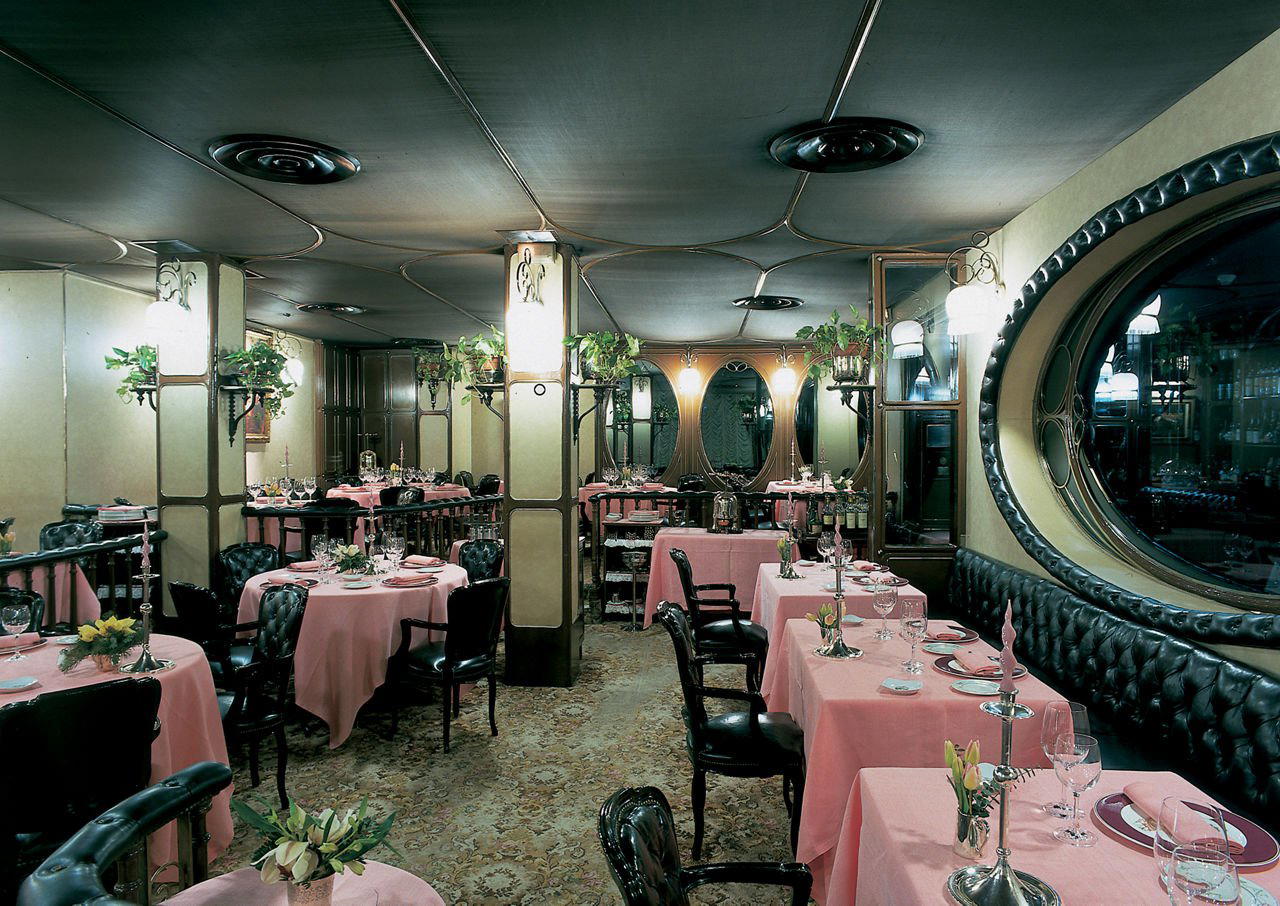
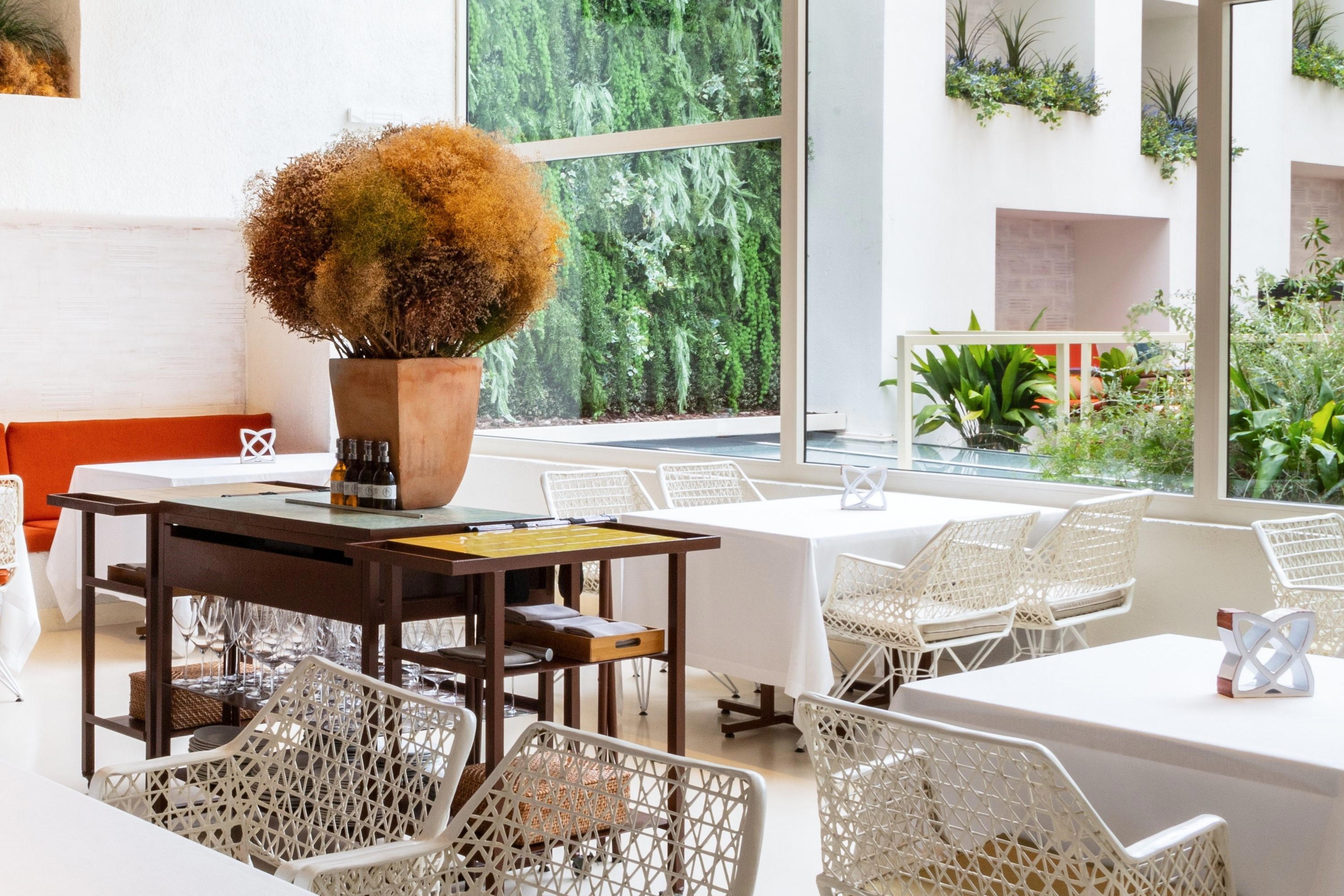
Restaurants in Castelldefels
Browse all →
Bars in Castelldefels
Browse all →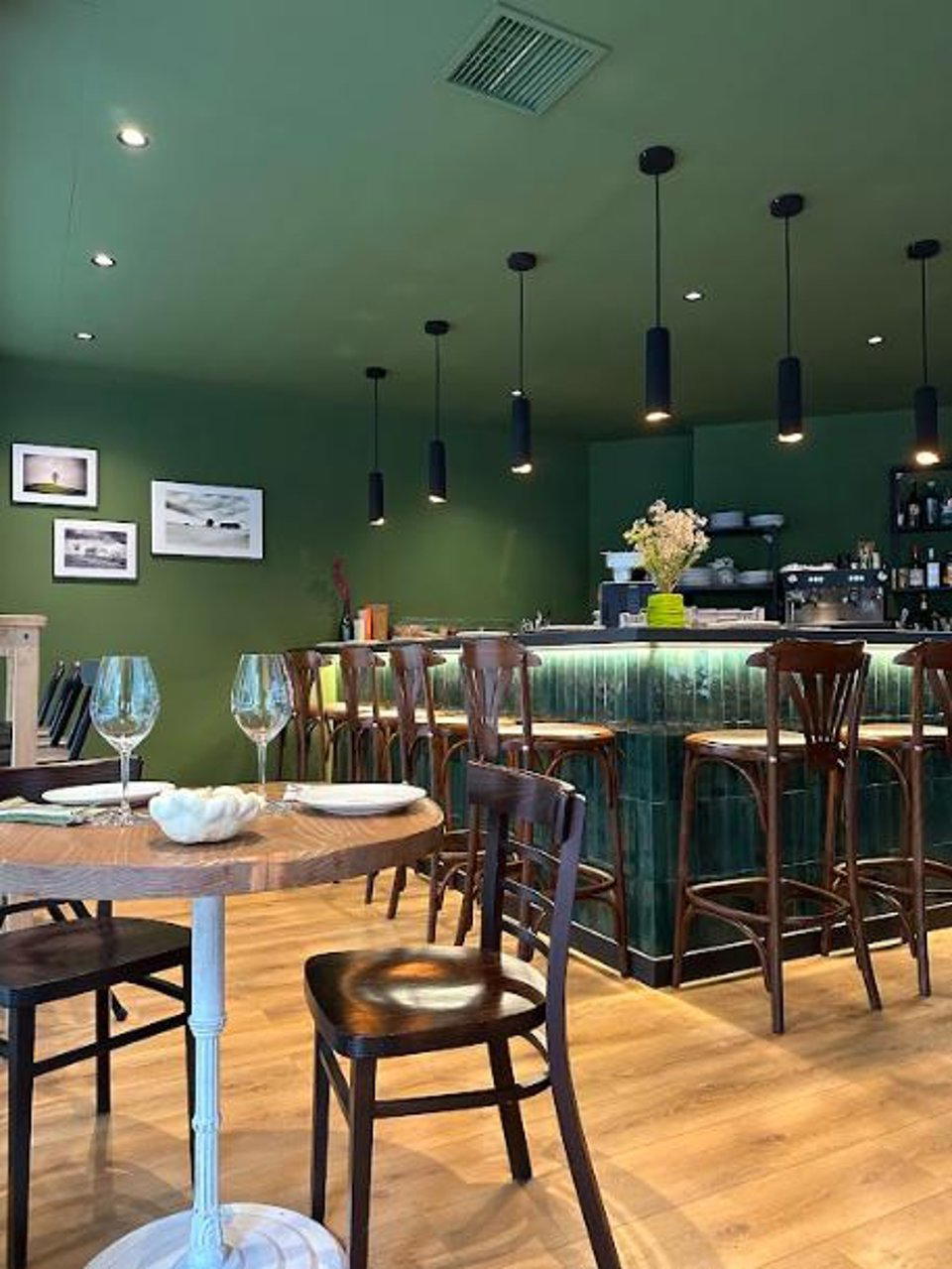
Hotels in Castelldefels
Browse all →

At a Glance
- Lively
- Casual Hangout
- Family
- Group Dining
- Open Kitchen
Current opening hours
- Monday
- 12–11 PM
- Tuesday
- 12–11 PM
- Wednesday
- 12–11 PM
- Thursday
- 12–11 PM
- Friday
- 12 PM–12 AM
- Saturday
- 12 PM–12 AM
- Sunday
- 12–11 PM
Hours can change for holidays and private events. Last verified .
Bustling and welcoming atmosphere with personalized service that makes guests feel at home.
Know Before You Go
- Getting there
- Carrer d'Arcadi Balaguer, 39, 08860 Castelldefels, Barcelona, Spain