Hisako Umi
Hisako Umi sits on Passeig de la Marina in Castelldefels, a coastal stretch where the Mediterranean sets the terms for what ends up on the plate. The address places it within a small cluster of independent restaurants operating outside Barcelona's more saturated dining circuit, where proximity to the sea shapes sourcing decisions in ways that urban kitchens rarely replicate.
Pearl is the En Primeur Club membership app — saves, bookings, and concierge access live there. Same editors, same standards.
- Address
- Passeig de la Marina, 209, 08860 Castelldefels, Barcelona, Spain
- Phone
- +34655597948
- Website
- restauranthisako.com
- Directions
- Get directions
 Saves & bookings on Pearl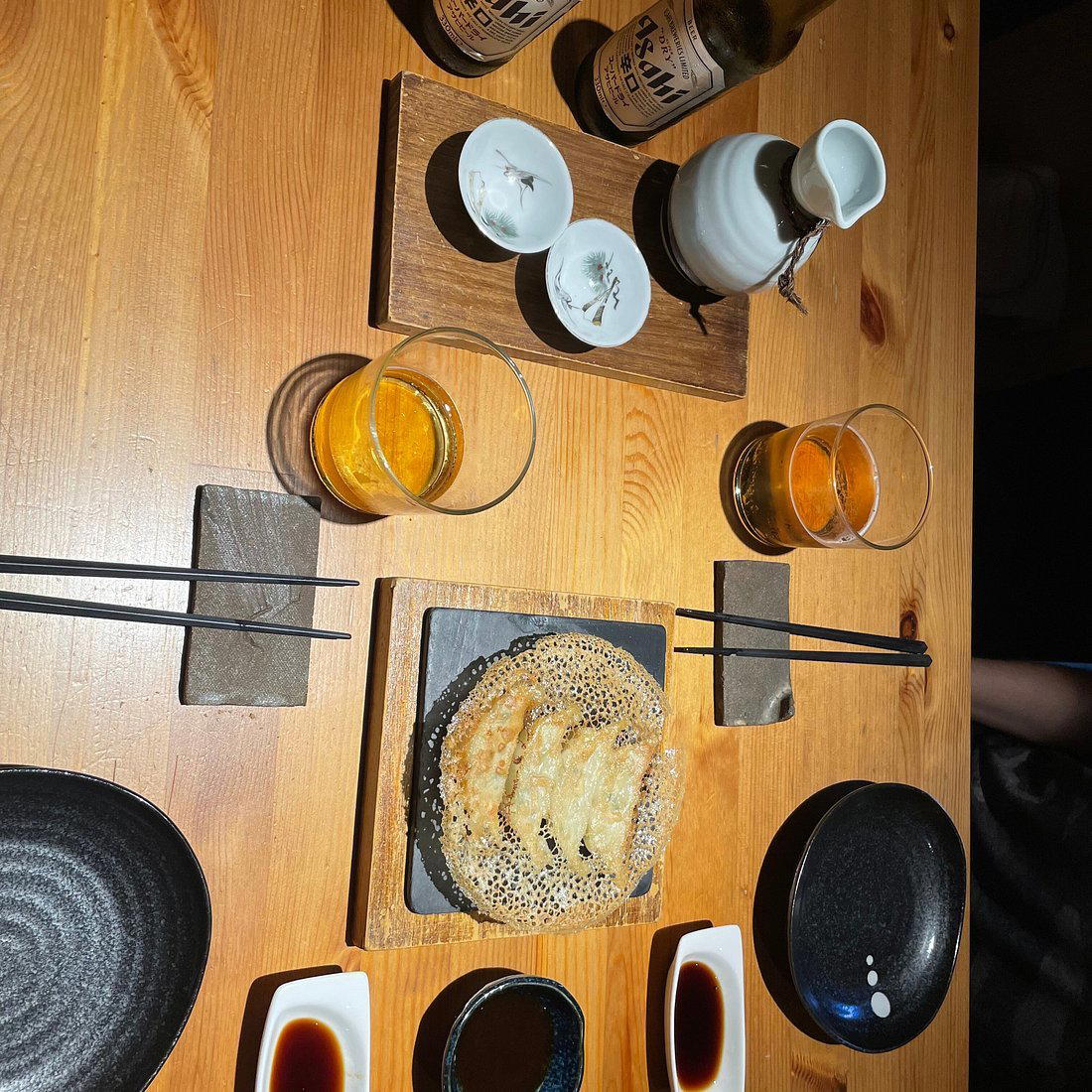
Where the Waterfront Sets the Agenda
Passeig de la Marina in Castelldefels runs close enough to the water that the sea air is a constant presence, and the restaurants that line it tend to orient their kitchens accordingly. This is not a dining strip that competes with Barcelona's more self-conscious food corridors. The atmosphere here is quieter, the clientele more local, and the relationship between what is served and what the surrounding coastline produces is more direct than it tends to be in larger urban centres. Hisako Umi, at number 209 on that promenade, sits within that context: a coastal address on a stretch where the Mediterranean is not a decorative backdrop but a functional one.
The name itself signals a particular orientation. Japanese inflections in coastal restaurant naming along the Spanish Mediterranean have become a recognisable pattern, reflecting the broader cross-pollination between Japanese precision in seafood handling and the Iberian tradition of letting quality ingredients carry the work. That pairing has produced some of the more interesting dining propositions on Spain's coastline over the past decade, from the technically rigorous counters of Barcelona to the sourcing-led rooms further south along the Levantine coast.
Ingredient Sourcing Along the Catalan Coast
The stretch of coastline between Castelldefels and the Ebro Delta is among the more productive in Catalonia for seafood. The proximity to the Parc Natural del Delta de l'Ebre to the south, and to the fishing ports of Garraf and Sitges to the west, means that the supply chain available to restaurants on this promenade is shorter and more seasonal than what most city restaurants can access. Kitchens on the Costa del Garraf that take sourcing seriously can work directly with day boats and local lonxes in ways that compress the time between catch and plate considerably.
This kind of sourcing logic matters for how a restaurant reads on the plate. Fish handled within hours of landing behaves differently in preparation: texture holds more precisely, flavour requires less intervention, and the argument for minimal cooking technique becomes easier to sustain. It is the same premise that has made places like Quique Dacosta in Dénia and Ricard Camarena in València so closely associated with Levantine coastal produce: geography compresses the supply chain, and the food carries that compression as a quality signal.
Further up Spain's fine-dining register, the sourcing conversation has become increasingly central to how restaurants position themselves. Aponiente in El Puerto de Santa María has built an entire culinary identity around marine ingredients that most kitchens overlook. El Celler de Can Roca in Girona and Azurmendi in Larrabetzu both treat producer relationships as foundational rather than supplementary. For restaurants operating at smaller scale outside the major cities, the sourcing argument is often where the most credible claim to quality can be made, because the infrastructure for it exists right at the door.
Castelldefels as a Dining Address
Castelldefels occupies an interesting position in the Barcelona metropolitan dining map. It is close enough to the city, roughly 20 kilometres south along the coast, to draw a Barcelona clientele willing to leave the city for a meal, while remaining sufficiently removed to have developed its own independent restaurant identity. The beach town dynamic means that the room tends to fill with a mix of local residents and visitors staying along the coast, rather than the international gastro-tourism traffic that concentrates in the Eixample and Gràcia neighbourhoods of Barcelona proper.
That demographic difference has practical implications for how restaurants here pitch their offer. The pressure to perform for critics and international lists is lower; the relationship with a returning local clientele tends to matter more. It is a rhythm that suits independently run rooms with a specific sourcing focus, where consistency and supplier relationships compound over time rather than being reinvented for a rotating tourist audience.
Other independent restaurants on the same stretch of Castelldefels reflect the range of the local dining scene. Cheche and il Piccolo Biondo operate in neighbouring registers, while Cantina La Sonora and Chai Indian Cuisine extend the area's range into Latin American and South Asian cooking. ATROZ CASTELLDEFELS represents another point on that spectrum. Taken together, Castelldefels has more dining variety than its beach-resort profile might suggest to someone arriving from Barcelona for the first time. For a fuller picture of where to eat across the town, the full Castelldefels restaurants guide maps the local offer in detail.
Spain's Broader Seafood Fine-Dining Context
Any restaurant in Spain operating with a serious seafood focus is working in a category that includes some of the country's most awarded rooms. Arzak in San Sebastián, Martin Berasategui in Lasarte-Oria, and Mugaritz in Errenteria have set the standard for technique-driven coastal cooking in the Basque Country. In Madrid, DiverXO has pushed Spanish fine dining toward a more disruptive idiom. In Barcelona, Cocina Hermanos Torres represents the metropolitan benchmark. Internationally, the conversation about seafood-led tasting menus runs through rooms like Le Bernardin in New York City and Atomix in New York City, which has built a reputation for Korean-inflected precision across a very different kind of counter format.
What distinguishes the smaller coastal addresses from this upper tier is rarely ambition and more often scale. The rooms are smaller, the teams leaner, and the proposition more direct: direct access to good produce, cooked without unnecessary elaboration. That is a coherent dining argument in its own right, and along coastlines with the sourcing geography of the Costa del Garraf, it is one that holds up.
Planning a Visit
Hisako Umi is located at Passeig de la Marina 209 in Castelldefels. The address is accessible from Barcelona by commuter rail on the R2 Sud line, with Castelldefels station a short walk from the seafront. Driving from central Barcelona takes approximately 25 to 30 minutes outside peak hours via the C-32 motorway. As with most independently run restaurants in smaller Catalan coastal towns, contacting the venue directly in advance is advisable, particularly on weekends when the promenade draws a stronger crowd from the city. Current hours and booking availability are best confirmed through the venue directly, as no booking platform data is available at time of writing.
Continue exploring
More in Castelldefels
Restaurants in Castelldefels
Browse all →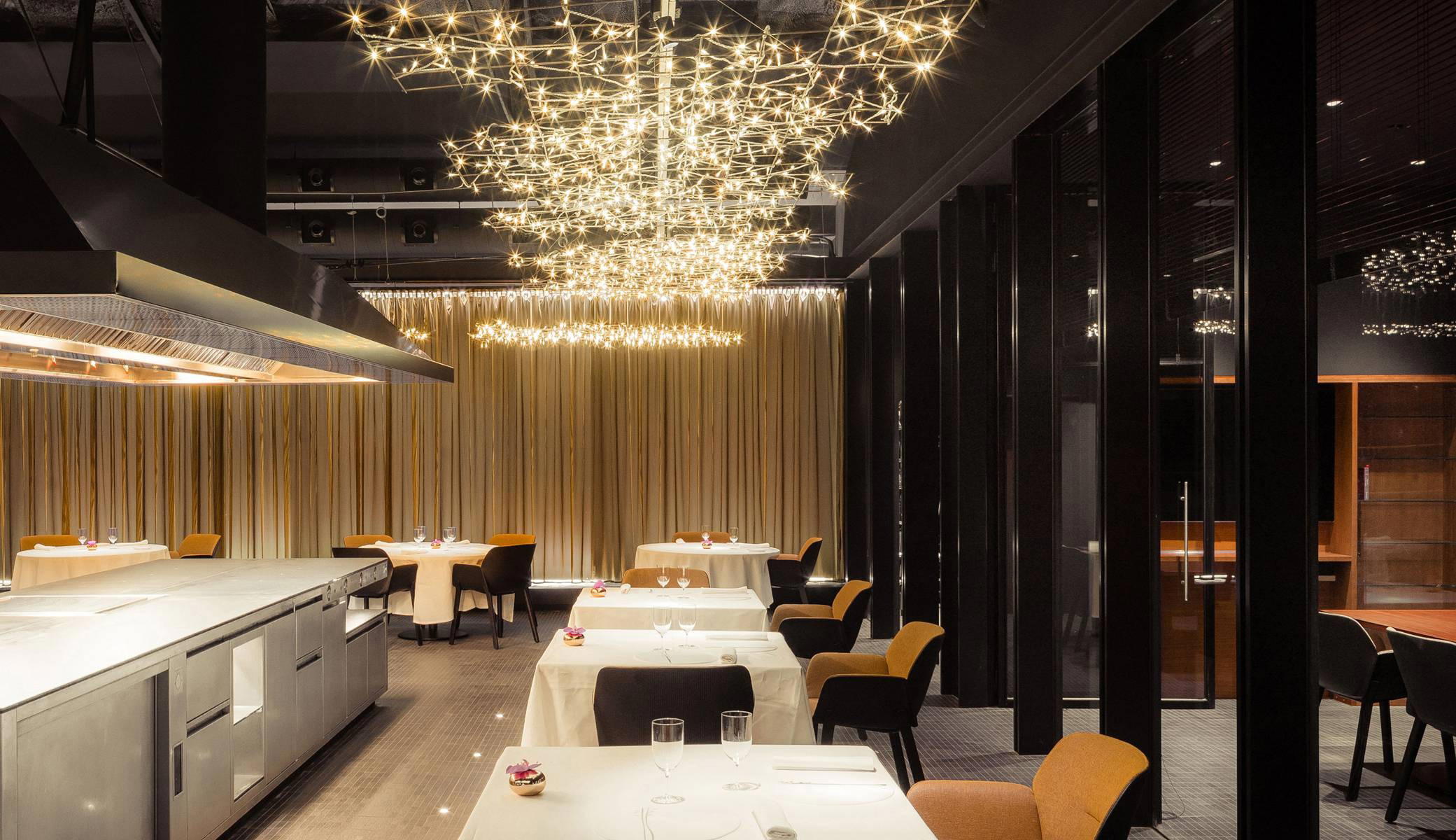
Bars in Castelldefels
Browse all →
Hotels in Castelldefels
Browse all →
At a Glance
- Intimate
- Cozy
- Elegant
- Date Night
- Special Occasion
- Waterfront
- Waterfront
Current opening hours
- Monday
- Closed
- Tuesday
- 1:30–3 PM, 8:30–11 PM
- Wednesday
- 1:30–3 PM, 8:30–11 PM
- Thursday
- 1:30–3 PM, 8:30–11 PM
- Friday
- 1:30–3 PM, 8:30–11 PM
- Saturday
- 1:30–3 PM, 8:30–11 PM
- Sunday
- Closed
Hours can change for holidays and private events. Last verified .
Small, welcoming, and intimate atmosphere with a cozy feel.
Know Before You Go
- Getting there
- Passeig de la Marina, 209, 08860 Castelldefels, Barcelona, Spain