Restaurant Saint-Florent
Our verdict
Restaurant Saint-Florent sits on Rue du Nideck in Oberhaslach, a village in the Alsatian foothills where the Vosges forest presses close to the valley road. The setting places it squarely within a regional tradition that treats local sourcing not as a marketing position but as a practical constraint shaped by geography. For travellers making their way through the Alsace wine and gastronomy corridor, it represents a different register from the grand tables of Strasbourg.

Pearl is the En Primeur Club membership app — saves, bookings, and concierge access live there. Same editors, same standards.
- Address
- 28 Rue du Nideck, 67280 Oberhaslach, France
- Phone
- +33388509410
- Directions
- Get directions
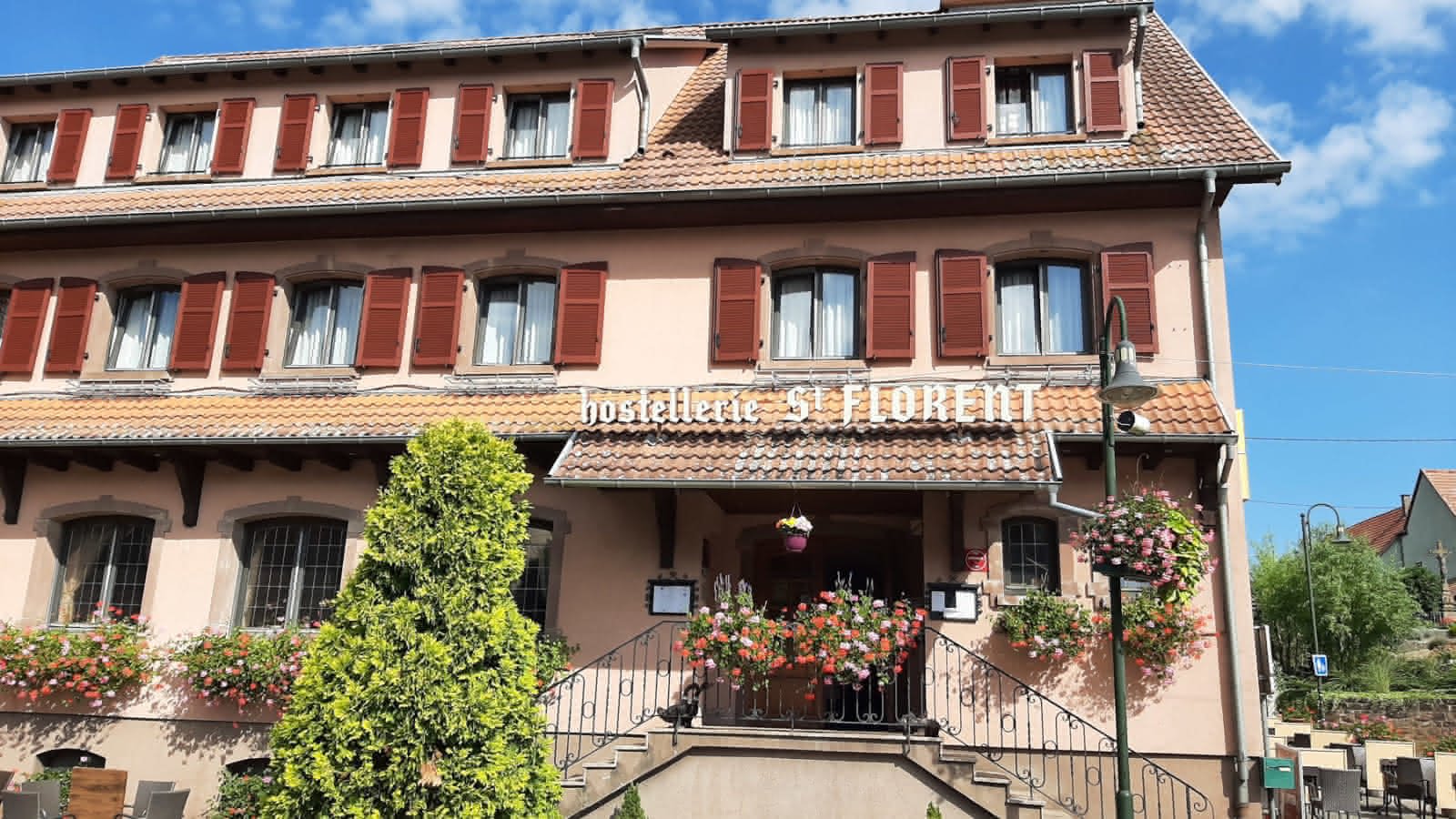
Where the Vosges Shapes the Plate
The road into Oberhaslach narrows as it climbs toward the ruins of Château Nideck, hemmed in by beech and fir. The village sits at the point where the Alsatian plain gives way to the lower Vosges, and that geography is not incidental to understanding what ends up on a plate here. Rural Alsace has always maintained a distinct culinary identity from its urban counterpart: less formal, more rooted in the forest and field economy, and defined by proximity to ingredients that rarely travel far. Restaurant Saint-Florent, at 28 Rue du Nideck, occupies that context rather than trying to escape it.
This is not the Alsace of Auberge de l'Ill in Illhaeusern, where three Michelin stars and decades of institutional prestige set the terms of engagement. Nor does it operate in the orbit of Au Crocodile in Strasbourg, where the city's dining culture intersects with the expectations of a European capital. In the smaller villages of the Bas-Rhin, restaurants function at a different scale, one where the relationship between kitchen and local supply chain is tighter by necessity and often more direct by choice.
Sourcing as Geography, Not Statement
The Vosges foothills produce a specific larder. Wild mushrooms from the forest floor, trout from cold-running Bruche tributaries, game from managed woodland, and the crossover of Germanic and French charcuterie traditions that defines the Alsatian kitchen at its most honest. For a restaurant operating in this corridor, proximity to those sources is less a philosophical position than a structural reality: the supply is local because the local supply exists in abundance.
This regional specificity matters when comparing Alsatian dining to other parts of France's haute provincial tradition. Kitchens in the Massif Central, like Bras in Laguiole, have built international reputations on a similar premise: that the land immediately surrounding a restaurant constitutes its most coherent argument. The Alsatian version of that argument carries a dual cultural weight, drawing equally from French technique and the German-speaking culinary vocabulary that centuries of border history have layered into the region's cooking. Sauerkraut, Riesling reductions, and freshwater fish preparations sit alongside classical French sauce-work without contradiction.
Further afield, the sourcing-led model has produced some of France's most discussed tables. Mirazur in Menton built its identity around a kitchen garden with Ligurian exposure; Auberge du Vieux Puits in Fontjoncouse operates from a village of fewer than 200 people and sustains three Michelin stars. The lesson from those precedents is that remoteness from urban dining centres does not disqualify a kitchen from serious consideration; it frequently sharpens focus.
Understanding where a restaurant like Saint-Florent sits requires understanding how French provincial dining stratifies at the village level. There is a tier of regional restaurants in France, particularly in Alsace, Burgundy, and the Rhône valley, that operate at price points and formality levels well below the grand table circuit yet maintain a genuine connection to technique and regional ingredient work that separates them from casual brasserie dining. These are the restaurants that locals drive twenty minutes for on a Sunday, where the wine list leans heavily on regional producers and the menu changes with what's available rather than what's been printed for the season.
The grand Alsatian tradition is well-documented and well-awarded. But the more numerous category is the village restaurant that absorbs that tradition without seeking institutional recognition for it, where a well-made baeckeoffe or a properly cured charcuterie board carries more weight than modernist elaboration. For context on what ambitious French cooking at recognised tiers looks like elsewhere in the country, Alléno Paris au Pavillon Ledoyen, Assiette Champenoise in Reims, and Georges Blanc in Vonnas represent different expressions of what sustained ambition produces at the formal end. Saint-Florent operates in a different register entirely, and that distinction is not a limitation.
Planning a Visit to Oberhaslach
Oberhaslach sits roughly 35 kilometres southwest of Strasbourg, accessible via the D392 through Molsheim. The village is a logical stop for travellers following the Alsatian foothills rather than the Route des Vins, which runs further east along the plain. The Nideck waterfall and castle ruins draw walkers to the area in spring and autumn, and those seasons represent the period when the local larder is at its most productive: wild garlic in April, ceps from September through October, and game from autumn into winter. A meal in this context lands differently than the same meal in July.
Given the limited publicly available data on Restaurant Saint-Florent's current hours, booking method, and seasonal schedule, direct contact via the address at 28 Rue du Nideck is the recommended approach before making a specific journey. Rural restaurants in this part of Alsace frequently operate on reduced midweek schedules and may close between service periods. Building a visit around the Nideck valley as a half-day excursion from Strasbourg is a sensible framework, which allows flexibility if timing requires adjustment.
For broader Alsatian dining context and additional options in the region, see our full Oberhaslach restaurants guide. Travellers interested in how other destination villages elsewhere in France sustain serious kitchens at a remove from major cities may find Flocons de Sel in Megève and L'Oustau de Baumanière in Les Baux instructive comparisons, each representing what sustained commitment to a specific landscape produces over time. For those whose interest in French-rooted cooking extends to other continents, Le Bernardin in New York City and Atomix in New York City demonstrate how French technique travels when transplanted into entirely different culinary contexts.
Frequently asked questions
Is Restaurant Saint-Florent a family-friendly restaurant?
Village restaurants in Alsace at this setting and price register tend to be more accommodating to families than formal urban tasting-menu tables. Oberhaslach itself draws walkers and day-trippers from Strasbourg, which shapes the general character of dining in the area. Saint-Florent's address on Rue du Nideck places it within the village core, consistent with the auberge-style format that typically welcomes mixed groups. Calling ahead is advisable, particularly on weekends in spring and autumn when footfall around the Nideck valley increases.
How would you describe the vibe at Restaurant Saint-Florent?
Oberhaslach sits at the edge of the Vosges forest, and the village dining culture that surrounds it runs closer to auberge than bistro: unhurried, rooted in local produce, without the performative edge of Strasbourg's brasserie circuit. Saint-Florent's address at 28 Rue du Nideck places it squarely in that provincial register. Expect a room shaped by the rhythms of the surrounding countryside rather than an urban dining calendar.
Is Restaurant Saint-Florent worth visiting as part of a route through the Alsatian foothills?
Oberhaslach sits roughly 35 kilometres southwest of Strasbourg via the D392 through Molsheim, making Saint-Florent a logical stop on a route that takes in the Nideck valley and its medieval ruins. The village sits at the point where the Vosges forest meets the Bruche plain, a geography that shapes what local kitchens cook. For travellers moving through the Bas-Rhin foothills rather than anchoring in Strasbourg, a meal here fits the logic of the landscape rather than requiring a deviation from it.
What's the best thing to order at Restaurant Saint-Florent?
Confirmed menu data for Saint-Florent is not available here, so specific dish calls would be guesswork. In the broader context of Alsatian village cooking, the strongest plates tend to be those built around what the Vosges and Bruche valley actually produce: forest mushrooms, river trout, and game from managed woodland. Those categories represent where regional kitchens at this level consistently earn their keep.
Where is Restaurant Saint-Florent in Oberhaslach?
Restaurant Saint-Florent is located at 28 Rue du Nideck, 67280 Oberhaslach, France, Oberhaslach.
Can I walk in to Restaurant Saint-Florent?
In a village of Oberhaslach's scale, walk-in availability shifts sharply by season and day. Weekend lunches in spring and autumn, when the Nideck valley draws hikers and day visitors from Strasbourg, are the periods most likely to see the room fill without notice. A phone reservation is the safer approach, particularly for larger groups or weekend visits.
What's the defining dish or idea at Restaurant Saint-Florent?
The defining idea, consistent with Alsatian village cooking at this level, is proximity: to the Vosges forest, to the Bruche valley's cold-water sources, and to the agricultural calendar of the Bas-Rhin. That geography is not a concept imposed on the menu but the condition the kitchen works within. Restaurants positioned this close to their raw material tend to express that directness in the cooking itself.
A Quick Peer Check
Comparable venues nearby, for context on price, style, and recognition.
| Venue | Cuisine | Price | Notes |
|---|---|---|---|
| Restaurant Saint-FlorentThis venue — the venue you are viewing | Traditional French Alsatian | $20–30 | Not listed |
| Winstub Le Freiberg | Traditional Alsatian Winstub | $30–50 | town center |
| Fink Stuebel | Traditional Alsatian Winstub | $30–50 | Centre |
| Muensterstuewel | Traditional Alsatian Winstub | $20–30 | Centre |
| Fleur de Thym | French Bistronomic | $30–50 | Thaon-les-Vosges |
| Bistrot des Rosiers | Seasonal French Neo-Bistro | $30–50 | Bourse-Esplanade-Krutenau |
Continue exploring
More in Oberhaslach
Restaurants in Oberhaslach
Browse all →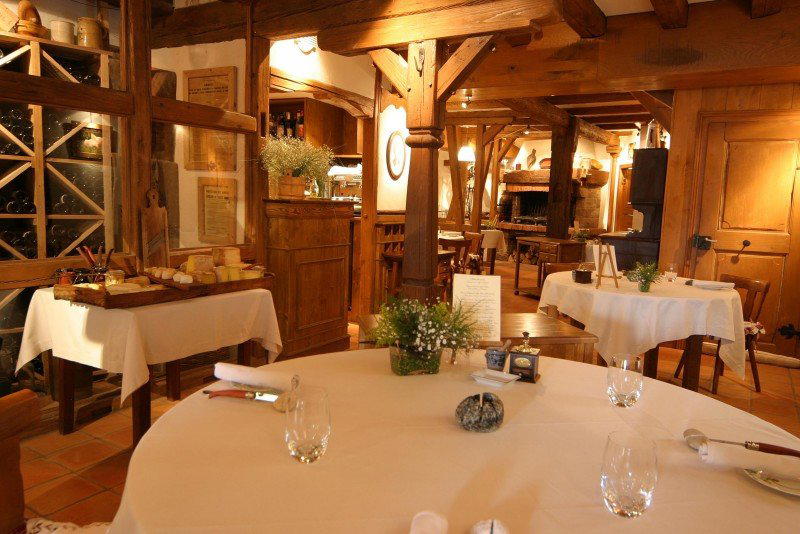

Bars in Oberhaslach
Browse all →
Hotels in Oberhaslach
Browse all →

Details
- Rustic
- Cozy
- Classic
- Family
- Casual Hangout
- Hotel Restaurant
- Local Sourcing
- A La Carte
- Vegetarian Friendly
- Vegan Options
- Gluten Free Options
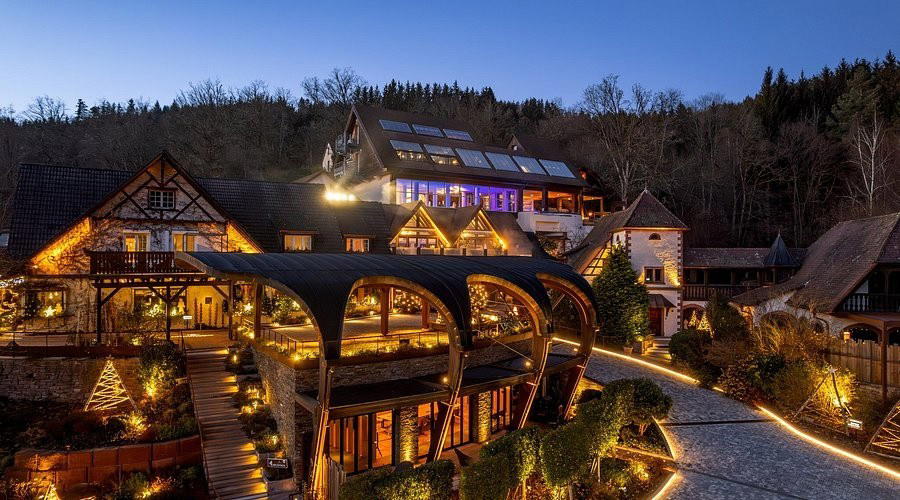
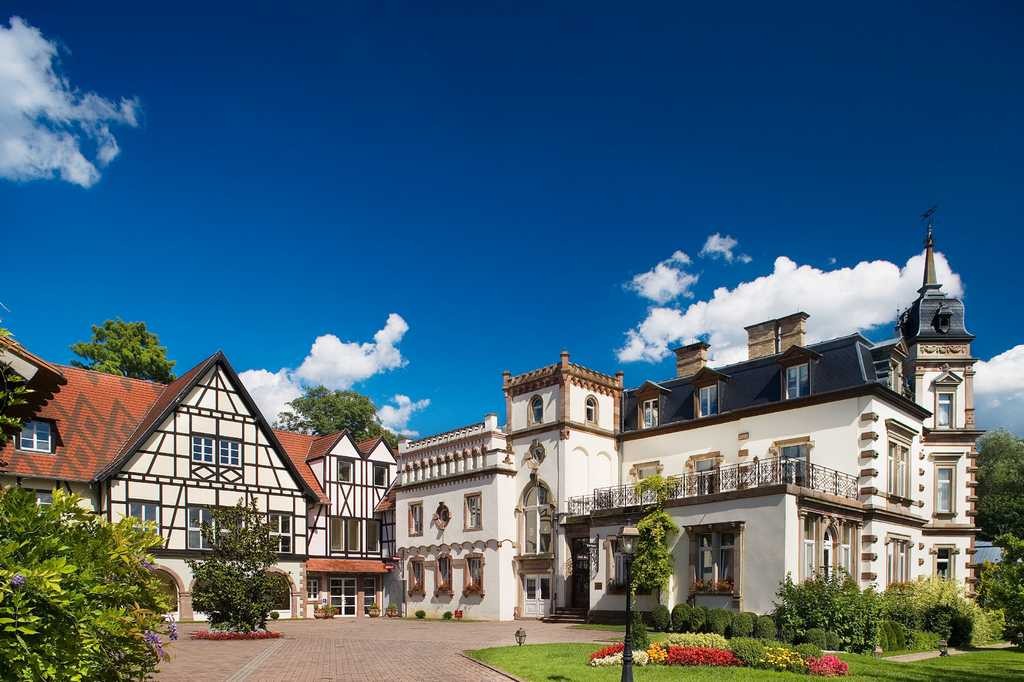
Warm and familial atmosphere in a traditional Alsatian dining room with cozy, rustic charm.