Schloss Dürnstein pairs refined Austrian with international influences with Wiener Schnitzel, Tafelspitz, and an extensive wine list in a historic building overlooking the waterfront and mountains.
Pearl is the En Primeur Club membership app — saves, bookings, and concierge access live there. Same editors, same standards.
- Address
- Dürnstein 2, 3601 Dürnstein, Austria
- Phone
- +43432711212
- Website
- schloss.at
- Directions
- Get directions
 Saves & bookings on Pearl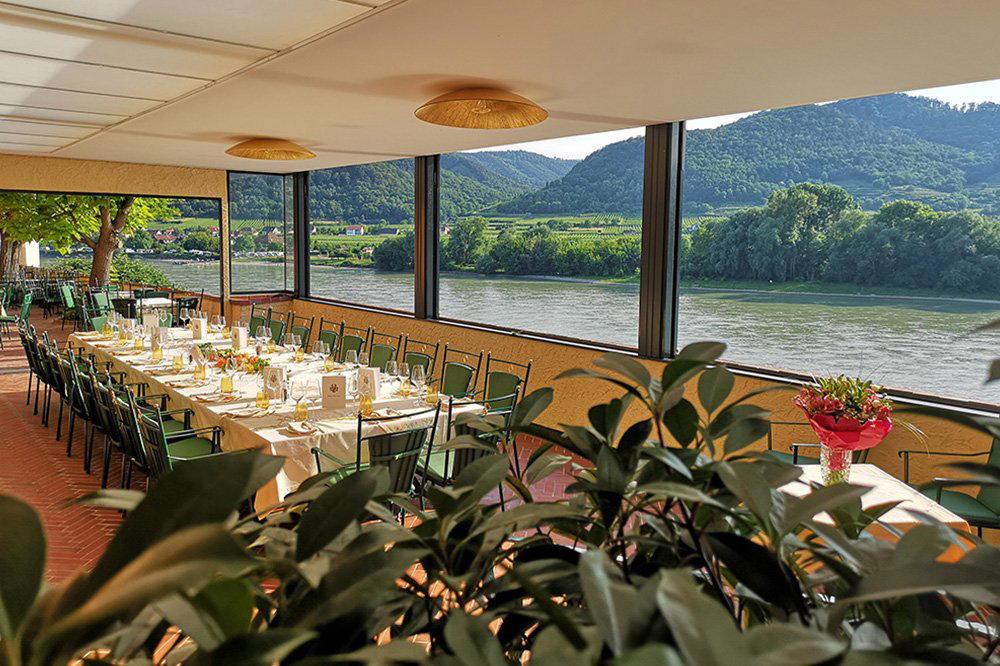
Where the Wachau Writes Its Own Rules
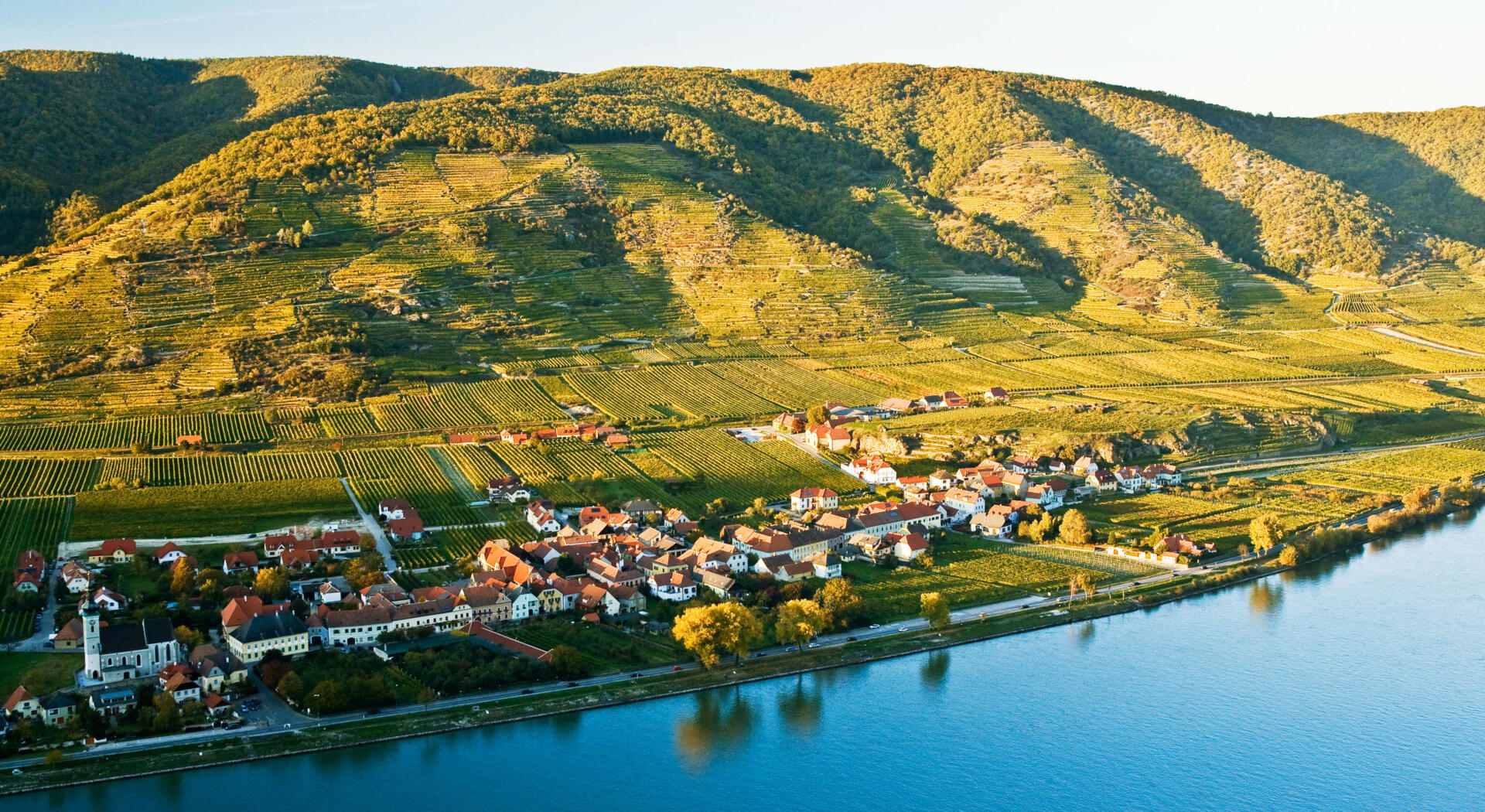
The road into Dürnstein arrives through a corridor of terraced vineyards before the village resolves into view: a collapsed medieval castle on the ridge above, a Baroque church tower in cobalt and white, and the Danube moving with quiet authority below. This is the Wachau, Austria's most storied wine corridor, and its physical drama is not incidental to the dining that happens here. The landscape is the argument. The wines are the proof. And the kitchens that operate within it carry a responsibility to that context that few destinations in Central Europe can match.
Schloss Dürnstein, the castle-hotel positioned at the village's edge, occupies a tier of Austrian hospitality where property history and culinary ambition are expected to carry equal weight. The Wachau as a whole has spent decades building credibility as a serious wine destination, and the dining rooms that serve it well tend to treat regional produce and regional wine as inseparable elements of the same argument. This is a tradition rooted in the Vinea Wachau classification system, which has governed the region's white wines since 1983, and in a broader Austrian cooking culture that prizes seasonal precision over fashionable technique.
The Wachau Dining Tradition and Where It Sits Now
Austrian fine dining has undergone a significant recalibration over the past two decades. The older model, built around formal Viennese service and classical European menus, has given way to something more regionally grounded. Houses like Landhaus Bacher in Mautern an der Donau, directly across the river from Dürnstein, helped establish the template for Wachau-anchored fine dining: local ingredients treated with technique but without affectation, wine programs built around the valley's Grüner Veltliner and Riesling, and a pace calibrated to the unhurried rhythm of the river. Döllerer in Golling an der Salzach and Steirereck im Stadtpark in Vienna represent how that tradition scales outward into the broader national conversation, carrying Michelin recognition and international attention.
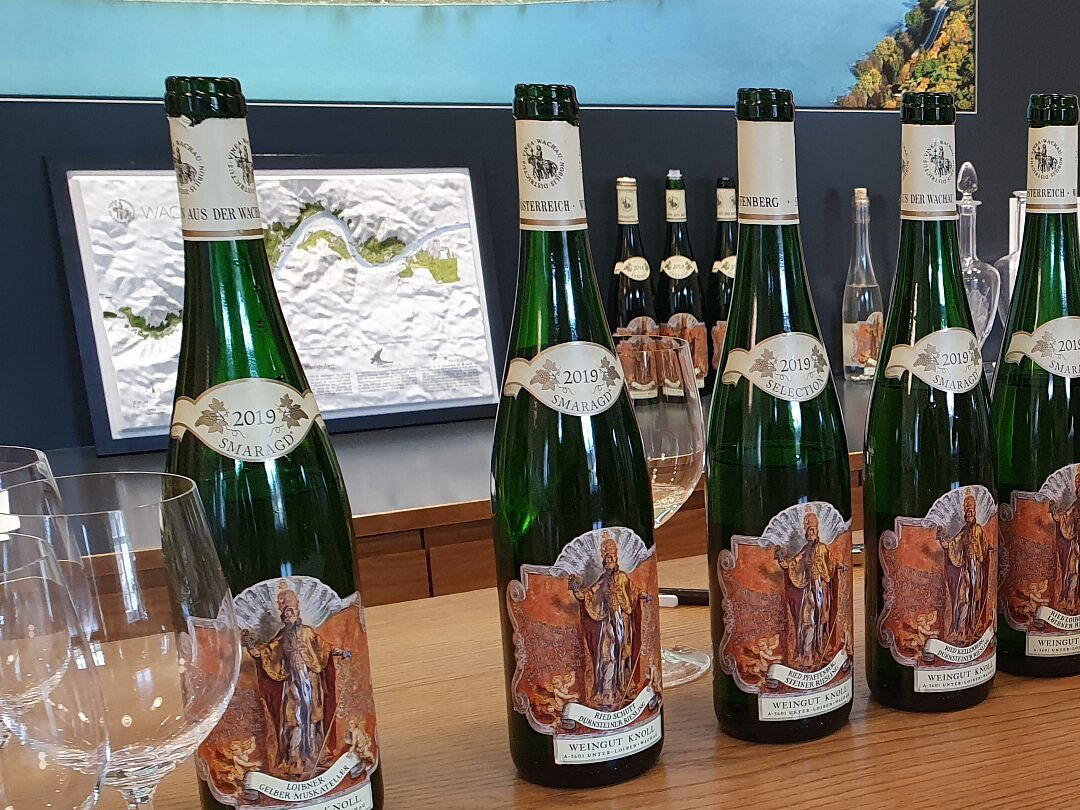
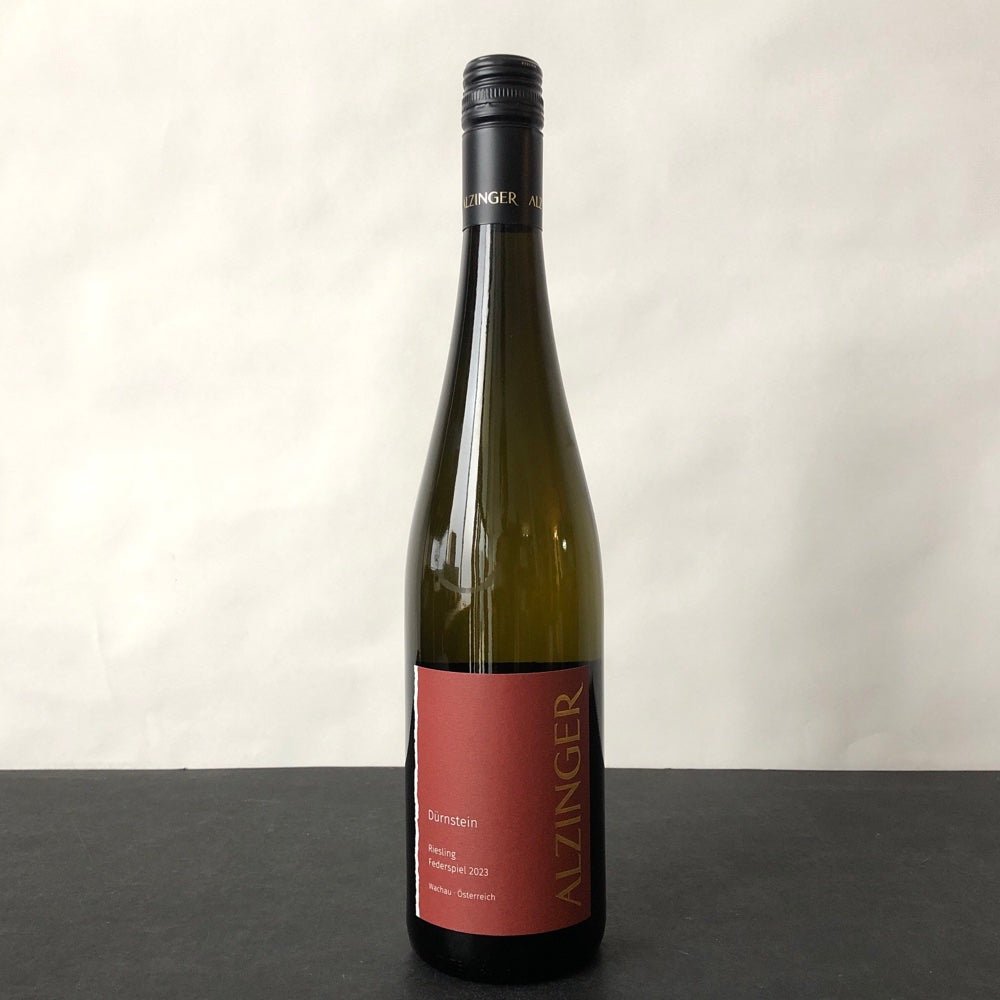
Schloss Dürnstein operates in a format that European castle-hotels have long refined: the property functions simultaneously as accommodation and dining destination, with the kitchen expected to serve both overnight guests and visitors making the drive specifically for the table. This dual audience shapes the experience. It tends to produce menus that lean toward regional integrity rather than experimental provocation, and wine lists structured around the valley's own producers first. The Wachau's protected geographical designation, combined with the Vinea Wachau's internal quality tiers (Steinfeder, Federspiel, and Smaragd), gives any wine program built here a clear hierarchy to work from.
For context on how Austria's leading kitchens are treating regional ingredients right now, Ikarus in Salzburg represents the more internationally curated end of the spectrum, rotating guest chefs through a format that places Austrian hospitality in dialogue with global cooking. Kräuterreich by Vitus Winkler in Sankt Veit im Pongau anchors the opposite pole, with an approach so rooted in local herbs and alpine produce that the menu reads almost as an act of place documentation. Schloss Dürnstein's position along the Danube places it in neither camp exclusively: the river valley produces apricots, river fish, and wine of genuine distinction, and the kitchens that serve the region well tend to treat all three seriously.
The Village and What Surrounds It
Dürnstein's size works in its favour. The village holds a few hundred permanent residents, which means its hospitality infrastructure has remained selective by necessity rather than design. Restaurant Richard Löwenherz is the other significant dining address in the village, and together the two establishments define the ceiling of what Dürnstein offers at the table. For anyone covering the wider region, our full Dürnstein restaurants guide maps the village's dining options against the broader Wachau context.
The surrounding valley rewards a longer stay precisely because its pleasures compound. The Wachau cycle path along the Danube covers approximately 36 kilometres between Krems and Melk, passing through vineyards that produce some of Austria's most collectible whites. The spring apricot blossom, typically appearing in March, draws visitors who return again in late summer when the fruit reaches the kitchen. These seasonal anchors matter to the dining culture here in a way that restaurant kitchens in larger cities rarely achieve: the ingredient and the landscape that produced it are visible from the same table.
For those building an Austrian itinerary around serious dining, the Wachau connects naturally to the Tirol circuit, where Gourmetrestaurant Tannenhof in Sankt Anton am Arlberg, Griggeler Stuba in Lech, Stüva in Ischgl, and Schwarzer Adler in Hall in Tirol represent alpine dining at its most focused. Heading south, Artis in Graz and Taubenkobel in Schützen am Gebirge anchor the Styrian and Burgenland ends of a country with more serious dining addresses per capita than its reputation outside Central Europe would suggest. For international comparison, the multi-course precision of Le Bernardin in New York City or the Korean-rooted tasting format at Atomix in New York City illustrate how different culinary traditions handle the premium tasting menu format that Austrian fine dining houses also now operate within. Further in the Austrian countryside, Obauer in Werfen, Ois in Neufelden, and Restaurant 141 by Joachim Jaud in Mieming round out a regional picture of kitchens operating outside the major cities without compromising on ambition.
Planning a Visit
Dürnstein sits approximately 80 kilometres west of Vienna along the Danube, accessible by train to Krems followed by a short connection or transfer into the village. The Wachau season concentrates between April and October, when the valley is fully operational and the cycling and wine-tasting infrastructure is open. Visitors combining overnight accommodation with dinner at the restaurant should contact the property directly for current availability, given that castle-hotels of this type typically operate on limited room counts and advance reservation is advisable for peak summer weekends. The apricot harvest season in July and August, when Wachau apricots appear in kitchens and markets across the valley, represents the period when the regional ingredient story is most legible from a single visit.
Cost and Credentials
Comparable venues nearby, for context on price, style, and recognition.
| Venue | Cuisine | Price | Notes |
|---|---|---|---|
| Schloss DürnsteinThis venue — the venue you are viewing | Not listed | $$$$ | Not listed |
| Restaurant Richard Löwenherz | Not listed | $$$ | Dürnstein, Traditional Austrian with Regional Specialties |
| Markthof | Not listed | $$$$ | Asperhofen, Modern Austrian Farm-to-Table |
| Öhlknechthof | Not listed | $$$ | Stadt Horn, Austrian Regional Fine Dining |
| Althof Retz | Retz, Regional Austrian Fine Dining | $$$ | Not listed |
| Urbanides | Not listed | $$$$ | Urfahr, Modern Austrian with International Influences |
Continue exploring
More in Dürnstein
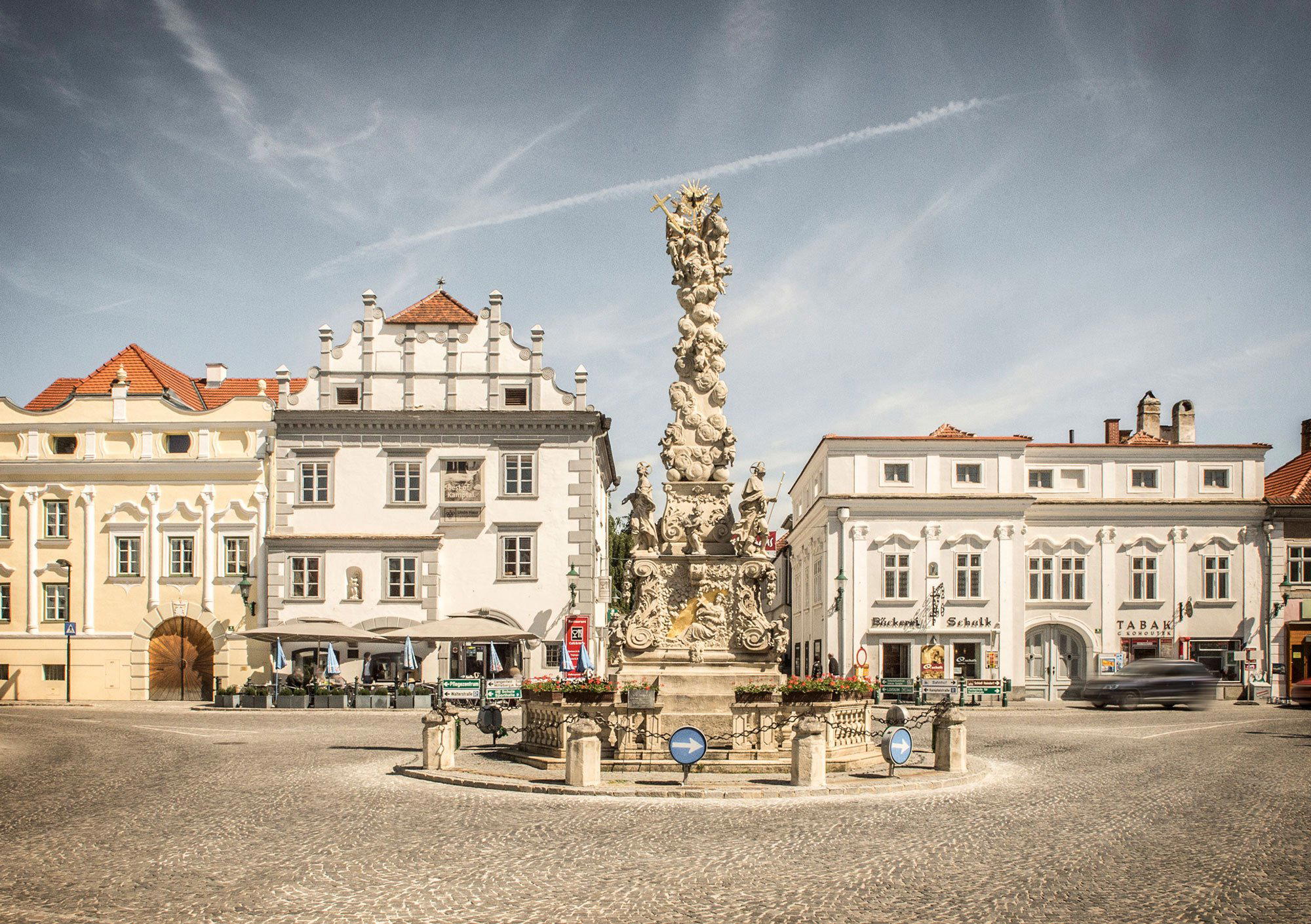
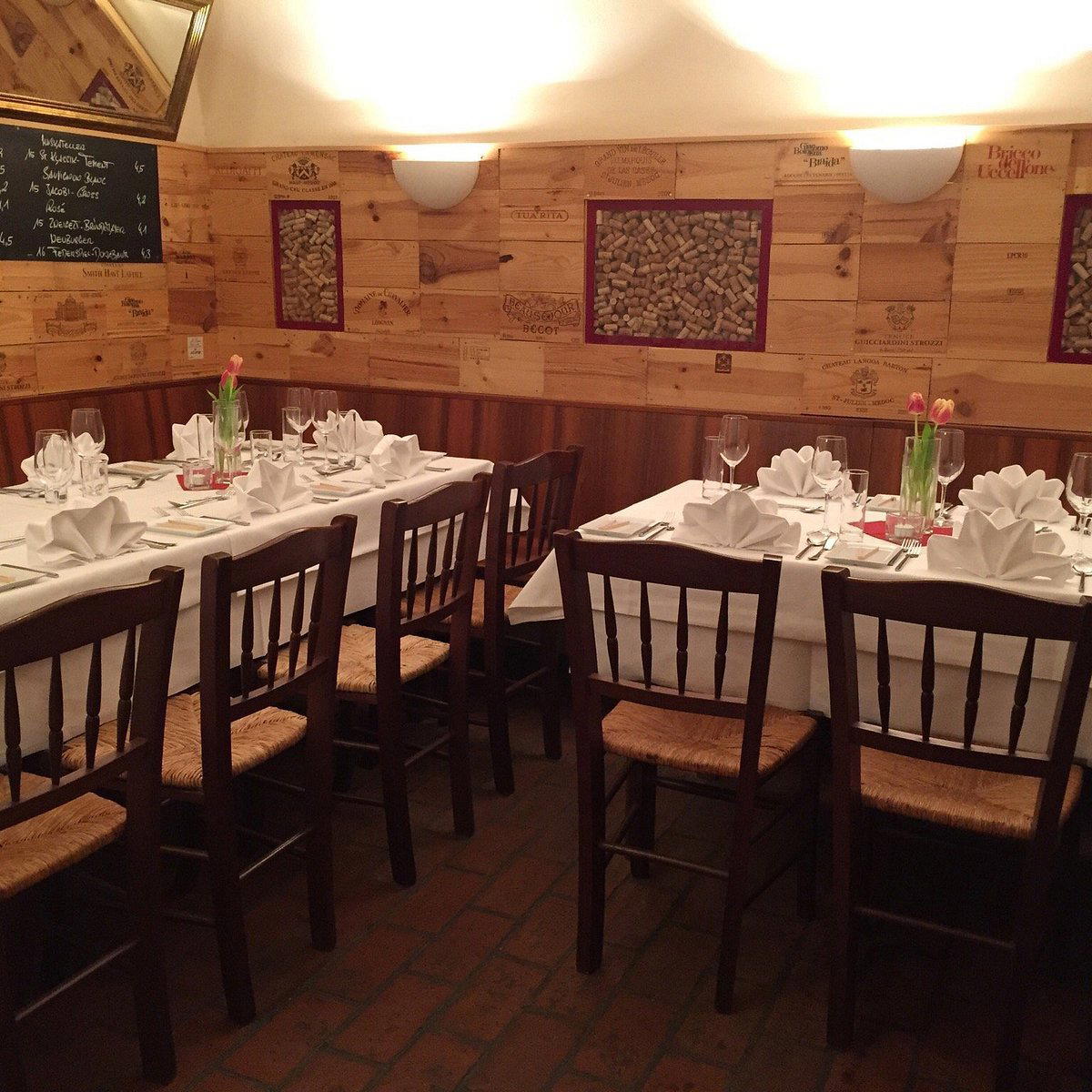
Restaurants in Dürnstein
Browse all →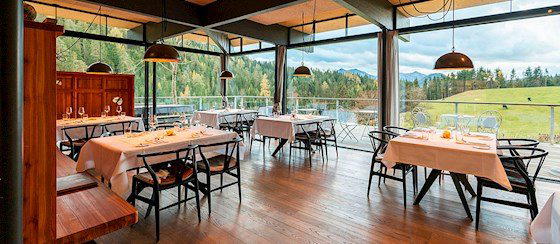
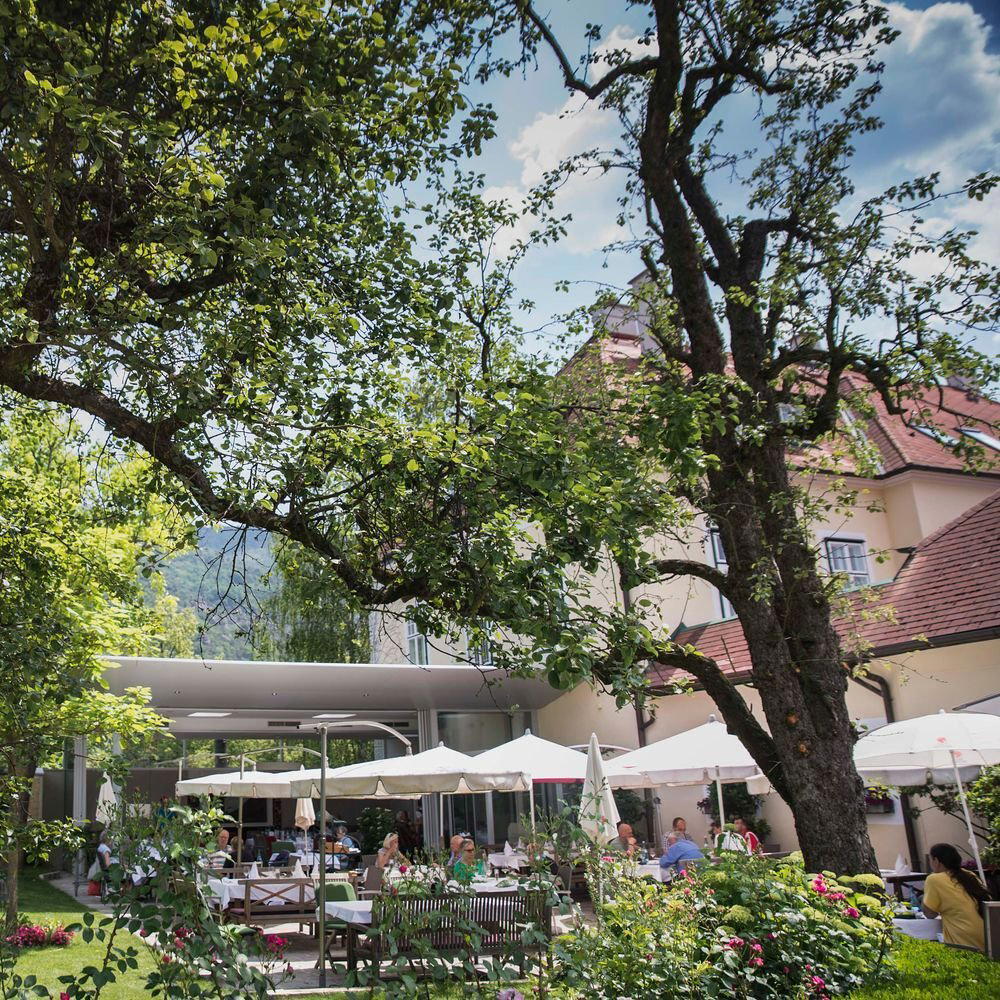
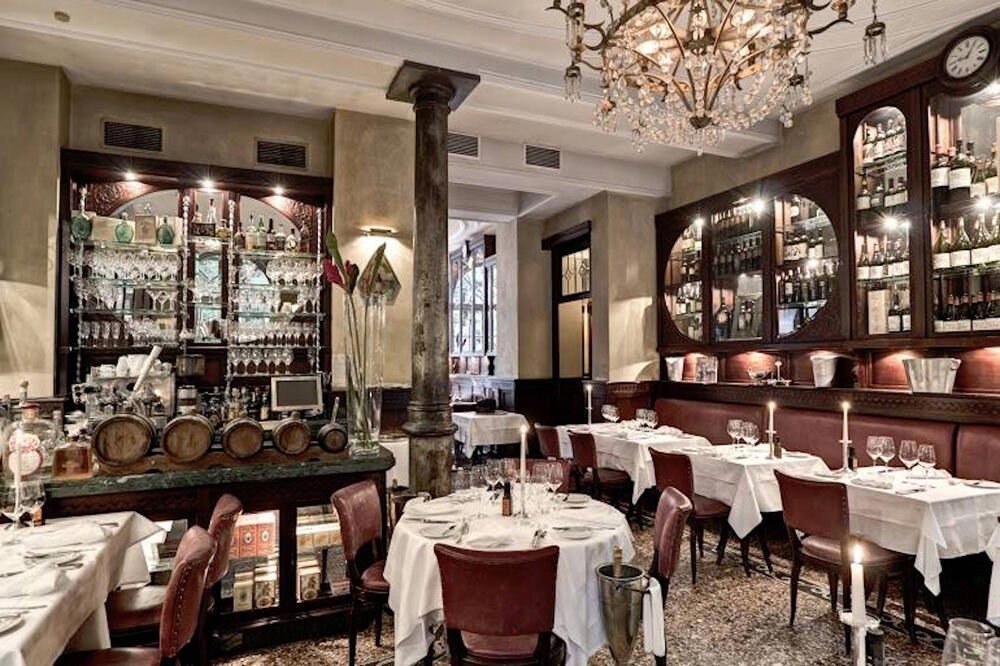
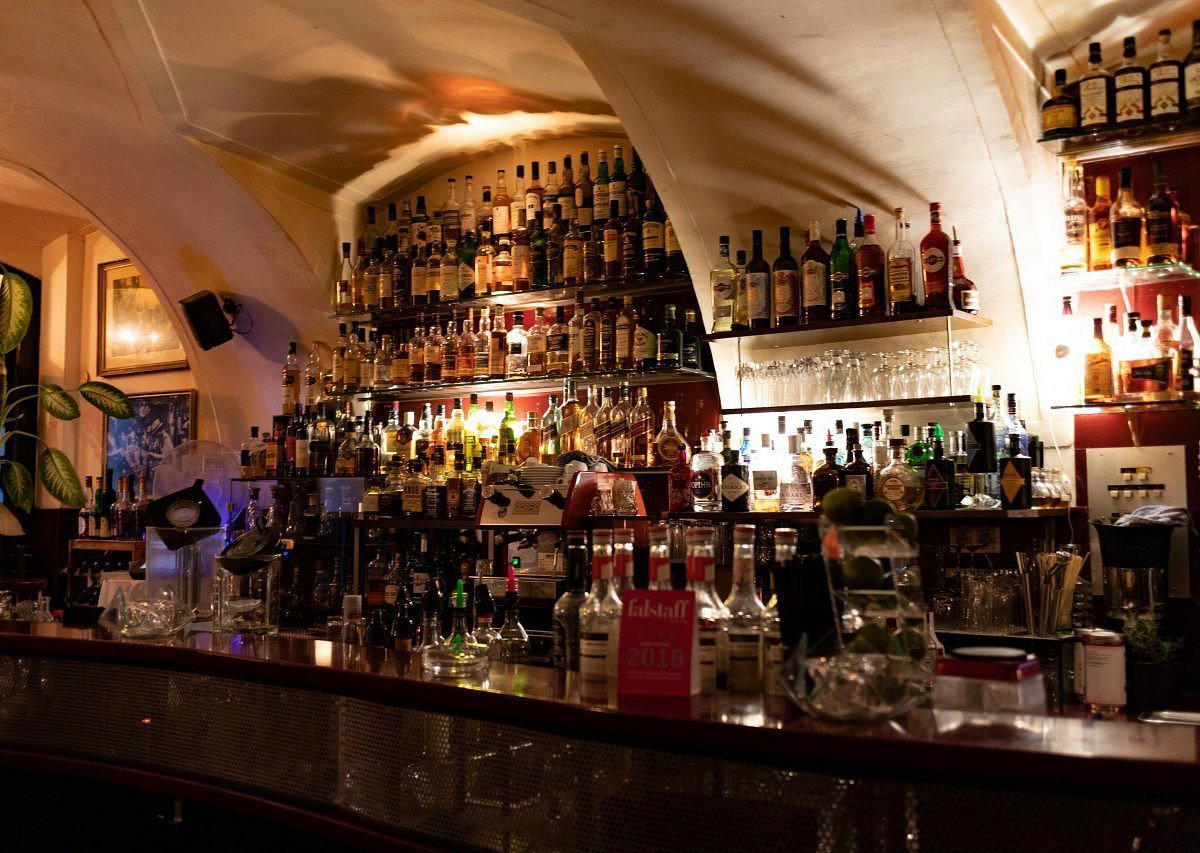
Bars in Dürnstein
Browse all →
Hotels in Dürnstein
Browse all →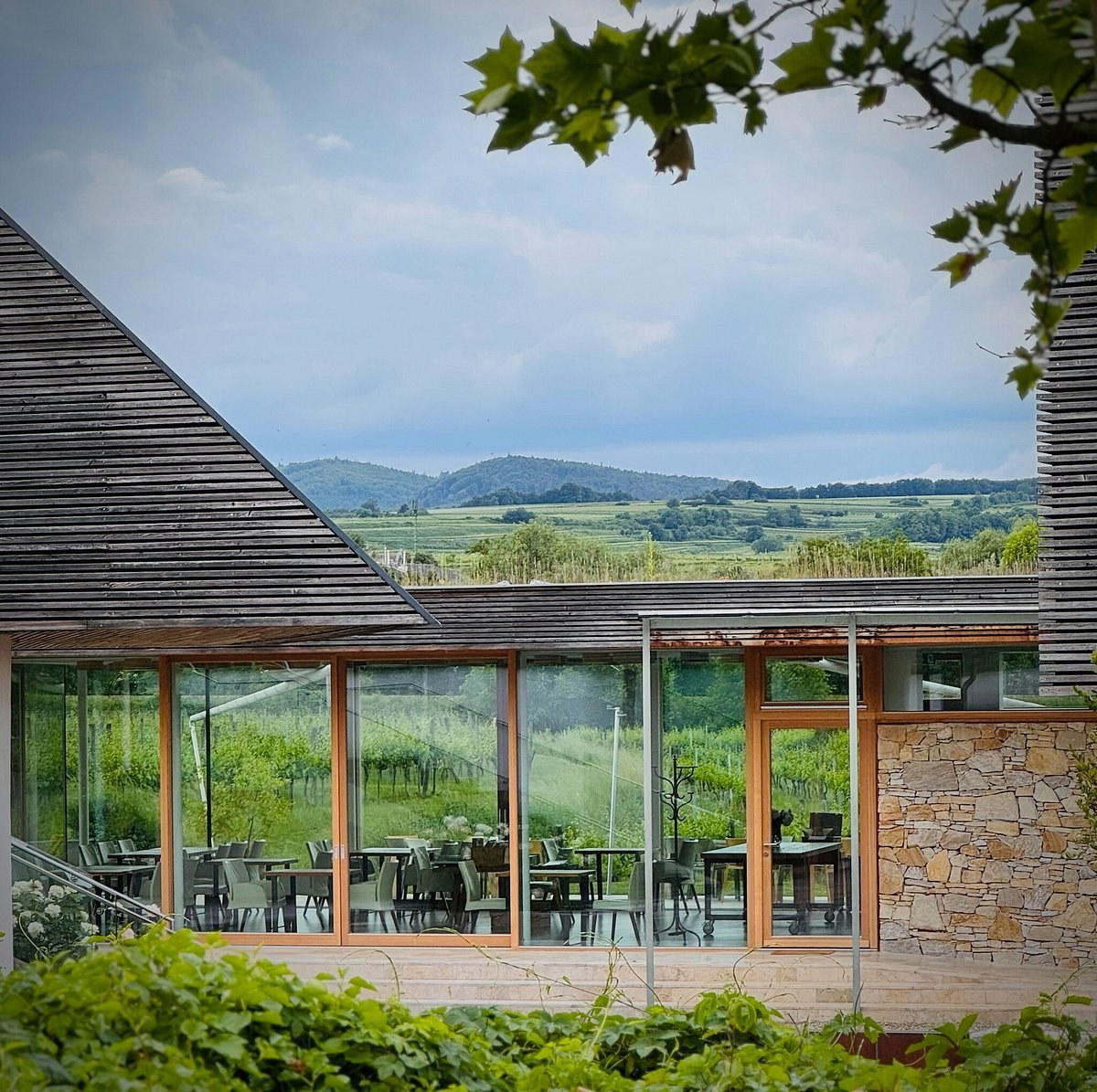
At a Glance
- Romantic
- Elegant
- Scenic
- Classic
- Sophisticated
- Date Night
- Special Occasion
- Historic Building
- Terrace
- Waterfront
- Hotel Restaurant
- Wine Cellar
- Extensive Wine List
- Local Sourcing
- Waterfront
- Mountain
Current opening hours
- Monday
- 12–2 PM, 6:30–9 PM
- Tuesday
- 12–2 PM, 6:30–9 PM
- Wednesday
- 12–2 PM, 6:30–9 PM
- Thursday
- 12–2 PM, 6:30–9 PM
- Friday
- 12–2 PM, 6:30–9 PM
- Saturday
- 12–2 PM, 6:30–9 PM
- Sunday
- 12–2 PM, 6:30–9 PM
Hours can change for holidays and private events. Last verified .
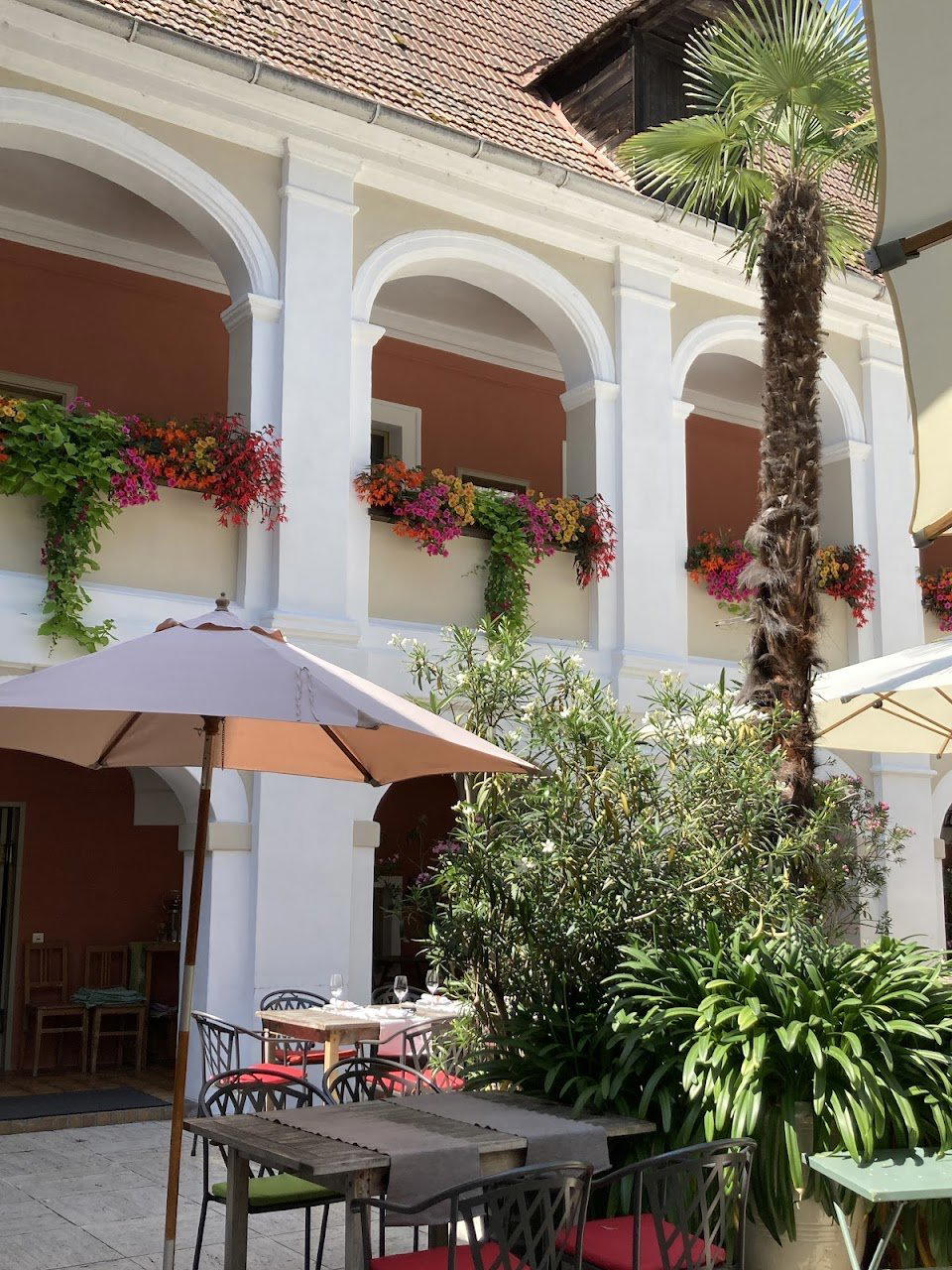
Pleasant dining rooms and shaded Danube terrace with views of monastery tower and castle ruins, offering a stylish historic atmosphere.