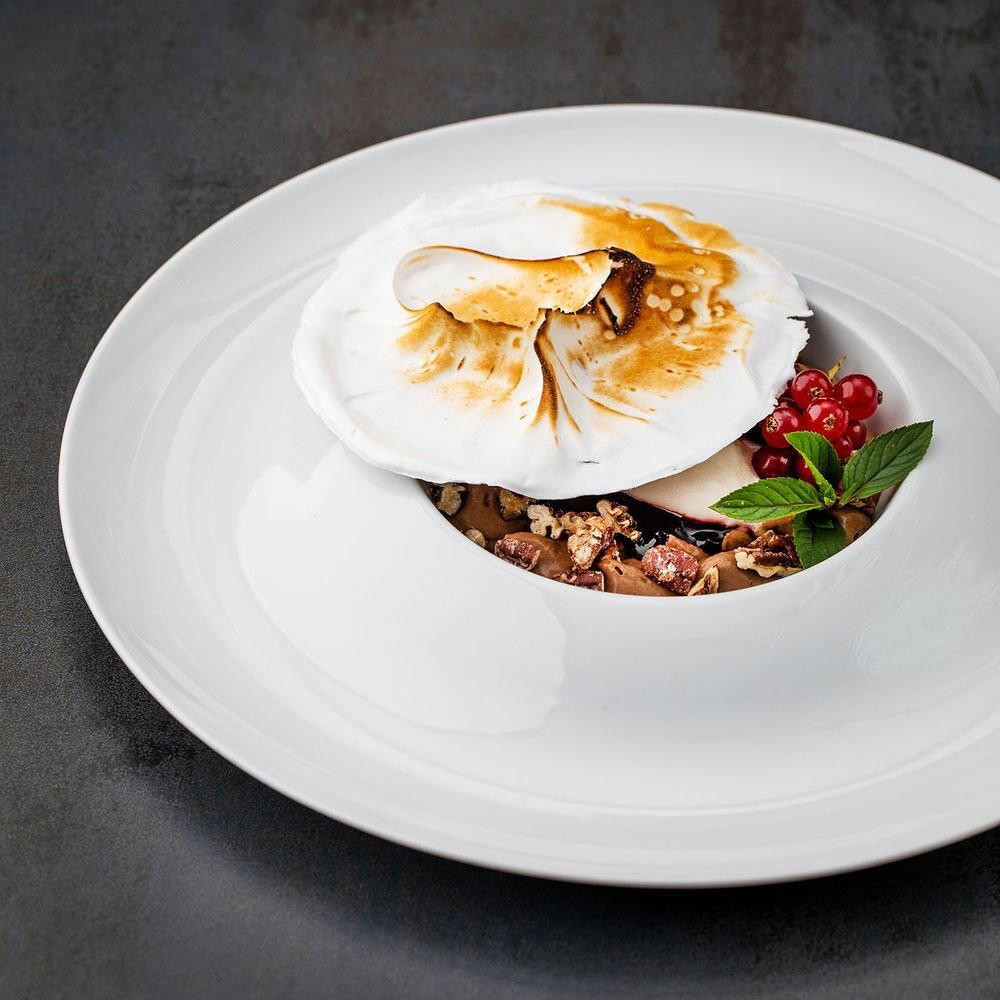
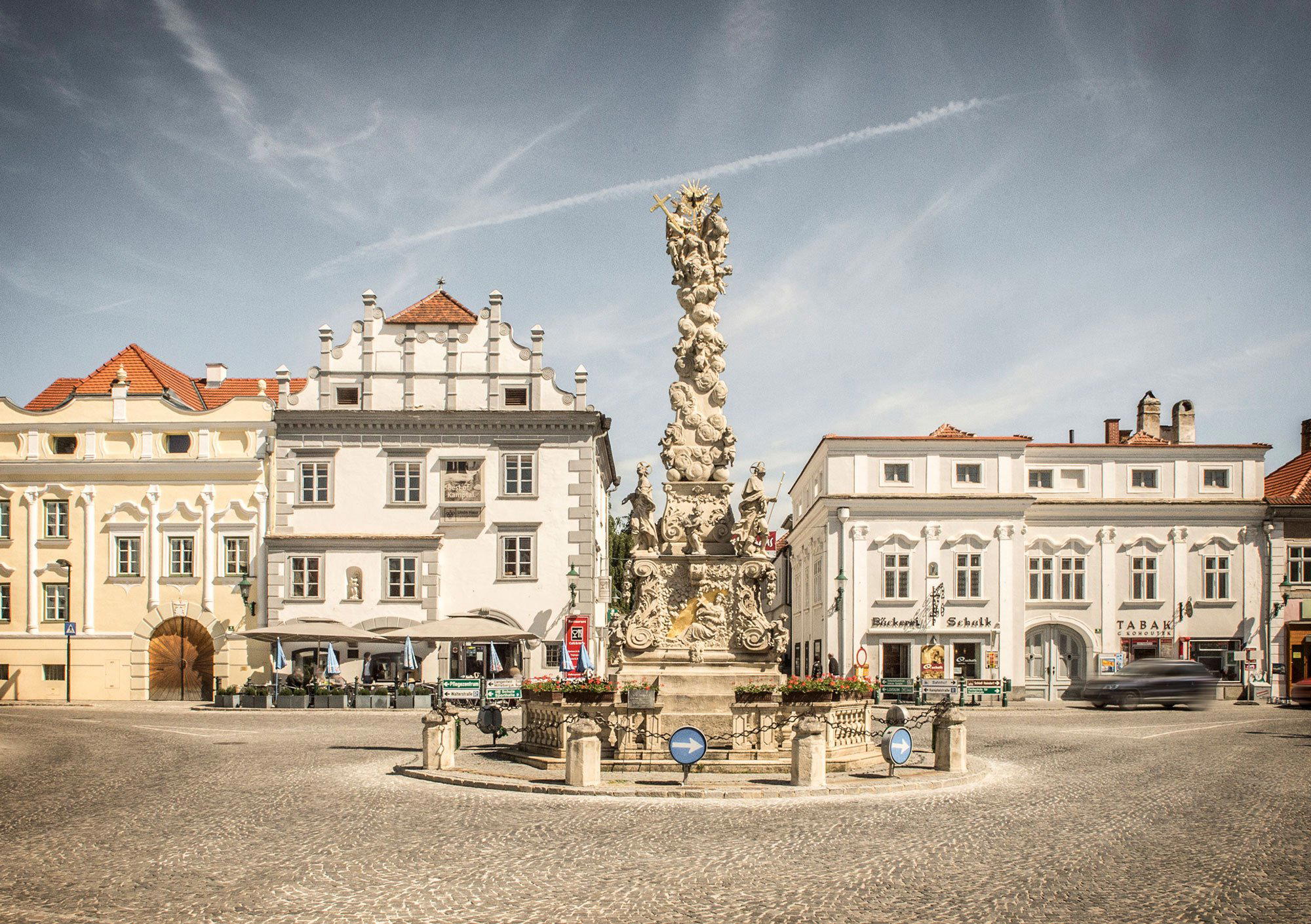
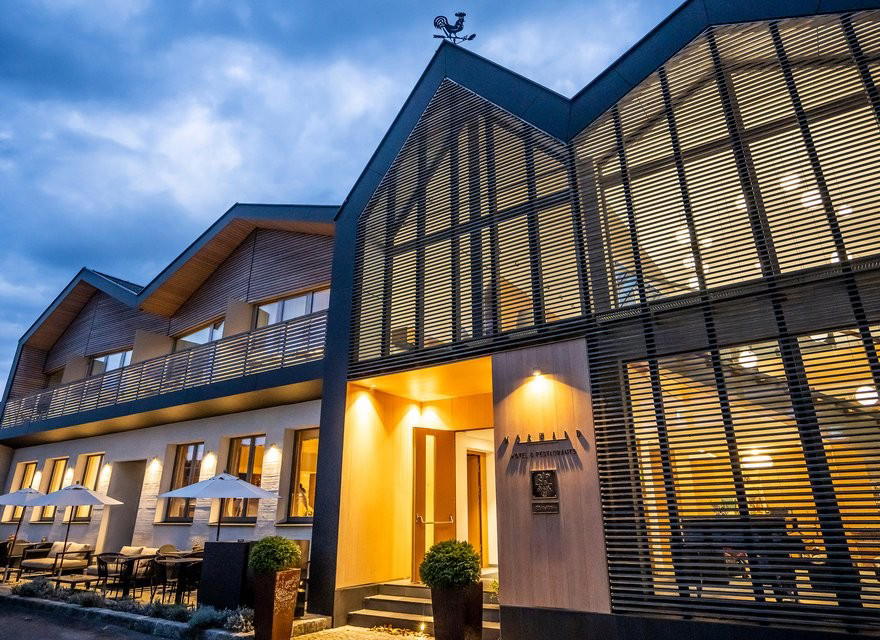
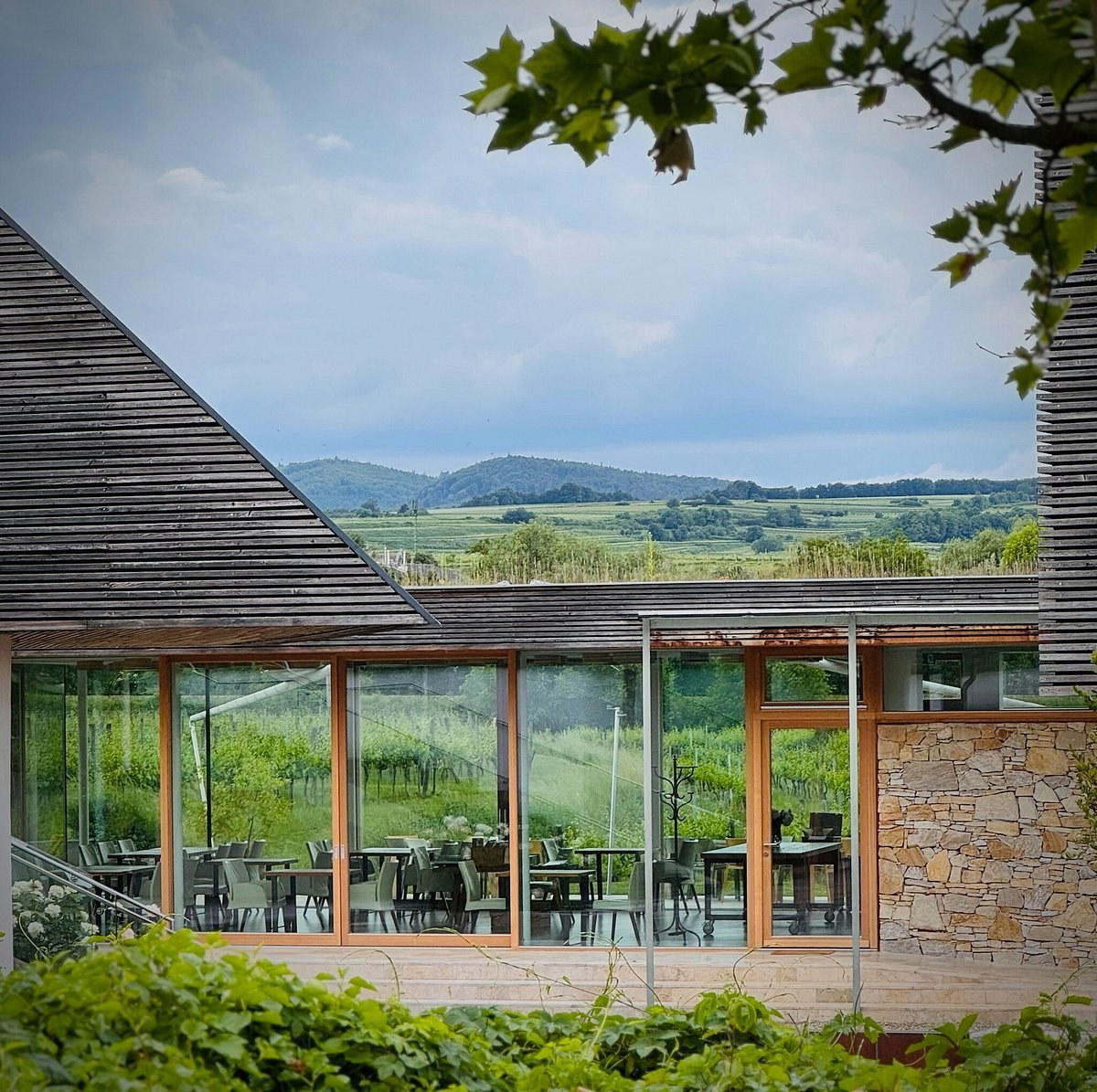
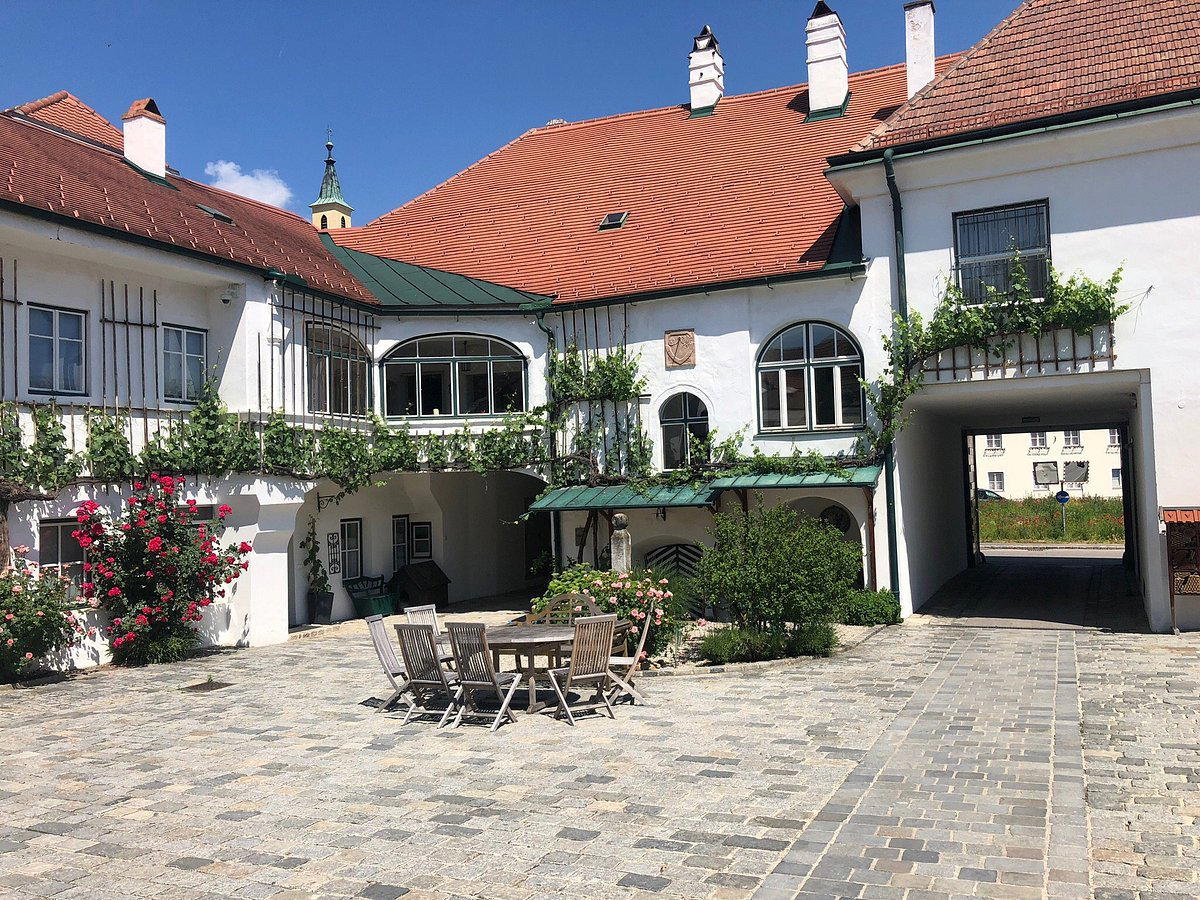
Öhlknechthof sits on Prager Strasse in Horn, Lower Austria, placing it within a regional dining tradition that prizes local sourcing and unhurried hospitality over urban spectacle. For travellers moving through the Waldviertel, it represents the kind of address where the surrounding agricultural landscape arrives directly on the plate. Check our full Horn guide for broader context on the town's dining options.
Pearl is the En Primeur Club membership app — saves, bookings, and concierge access live there. Same editors, same standards.
- Address
- Prager Str. 3-5, 3580 Horn, Austria
- Phone
- +43298230100
- Website
- oehlknechthof.at

Where the Waldviertel Arrives at the Table
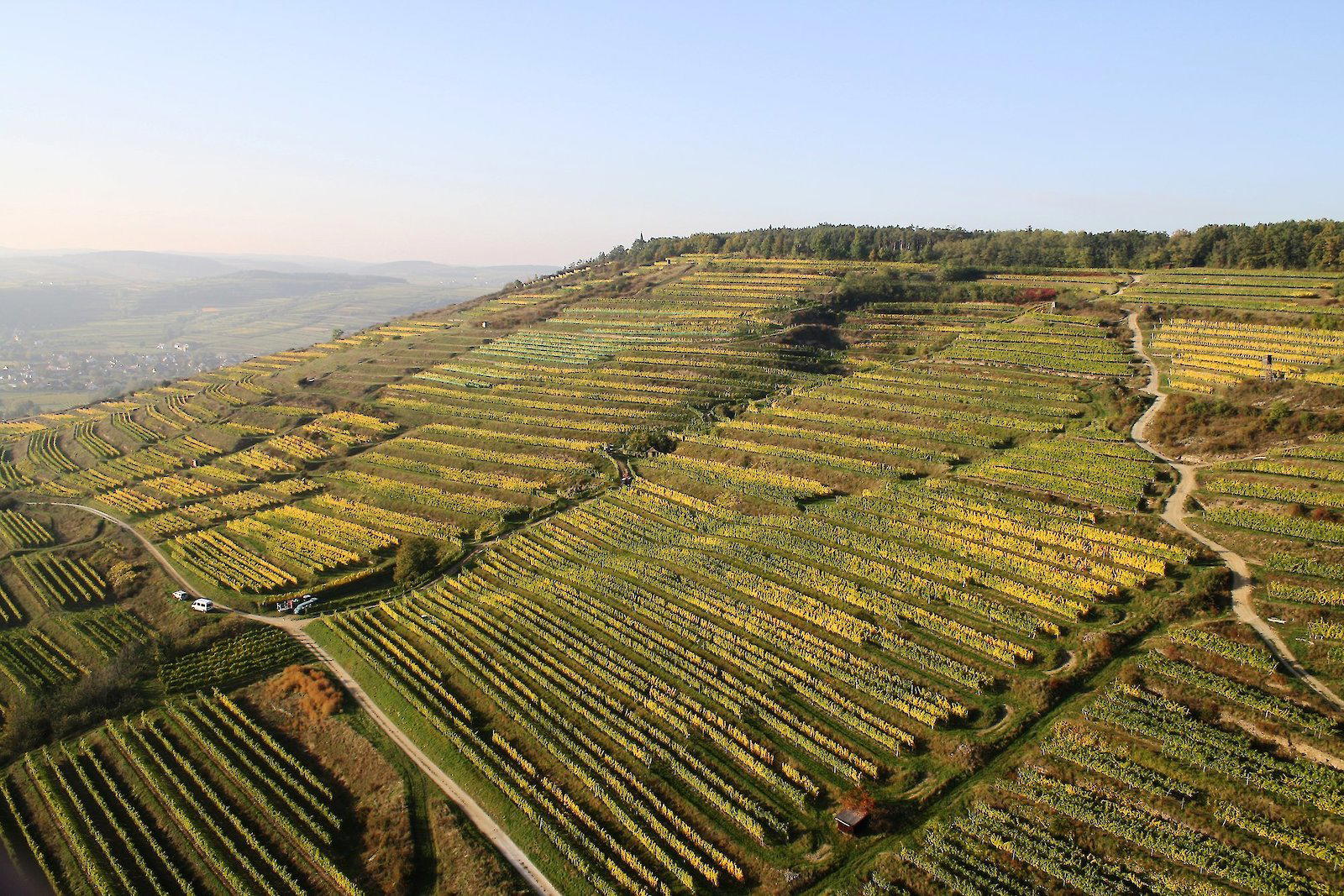
Lower Austria's Waldviertel region has a particular relationship with its land. The area north of the Danube, stretching toward the Czech border, is defined by granite uplands, mixed forest, and an agricultural character that has resisted the homogenising pressures felt in more touristed parts of Austria. Horn, the administrative centre of the district bearing its name, sits inside that geography: a compact market town where the surrounding countryside is not backdrop but supply chain. Öhlknechthof is a restaurant in Horn, Austria, serving Austrian Regional Fine Dining at a price tier of 3. Öhlknechthof, at Prager Str. 3-5, occupies that connection between town and territory in a way that positions it firmly within the Waldviertel's tradition of farm-rooted hospitality.
In Austria's broader dining map, the divide between urban fine dining and rural Gasthof culture has historically been pronounced. Vienna's leading tables, including Steirereck im Stadtpark in Vienna, operate at a remove from their ingredient sources, building complexity through technique and creative assembly. Rural addresses in Lower Austria tend to work the opposite direction: proximity to producers is the starting point, and the kitchen's job is to express rather than transform. Öhlknechthof belongs to that second tradition, where what the region grows and raises becomes the primary editorial statement on the plate.
Sourcing as Structure
The ingredient-sourcing argument matters more in the Waldviertel than in almost any other Austrian region, because the area produces at a level that earns national attention. Waldviertel poppy seed, grey peas, and carp from the local pond systems have protected status or strong regional identity. The potato varieties cultivated on the granite-heavy soils carry a mineral character that is measurably different from lowland equivalents. For a kitchen operating in Horn, this is not a marketing position; it is a geographic inheritance. The question any serious establishment here faces is how faithfully and intelligently it draws on that inheritance.
Across Austria's recognised regional dining addresses, the sourcing discipline varies considerably. Landhaus Bacher in Mautern an der Donau, downstream along the Danube, has long demonstrated how Wachau-adjacent sourcing can anchor a kitchen without limiting its ambition. Döllerer in Golling an der Salzach applies a similar logic to Alpine ingredients, treating elevation and seasonality as structural parameters rather than decorative touches. What distinguishes the Waldviertel approach is the flatness of the supply relationship: producer and kitchen are often neighbours in the most literal sense, and the seasonal calendar arrives without mediation.
Horn's Position in the Austrian Dining Circuit
Horn does not sit on any of Austria's well-worn culinary routes. It is not the Wachau, not the Salzkammergut, not the Tyrolean resort corridor that feeds addresses like Griggeler Stuba in Lech or Stüva in Ischgl. It is a town that rewards the traveller who comes specifically rather than one who arrives by accident. That self-selectivity tends to produce a particular kind of dining room: guests who have made a deliberate journey, a kitchen that does not need to satisfy the widest possible audience, and a hospitality register that reads as genuine rather than performed.
For context on what is available in the town, Seedeck offers an alternative Horn address worth comparing, and our full Horn restaurants guide maps the town's options against each other. The picture that emerges is of a small dining ecosystem where regional identity is the shared currency, and individual establishments differentiate through execution and emphasis rather than concept.
Austria's wider fine dining circuit, from Ikarus in Salzburg to Obauer in Werfen to Kräuterreich by Vitus Winkler in Sankt Veit im Pongau, operates with varying degrees of international ambition layered onto regional foundations. The Waldviertel end of that spectrum is quieter, less decorated, and arguably more honest in its relationship to place. Addresses here do not pitch themselves against Le Bernardin in New York City or Atomix in New York City; they pitch themselves against the seasons and the land directly surrounding them.
The Approach to the Room
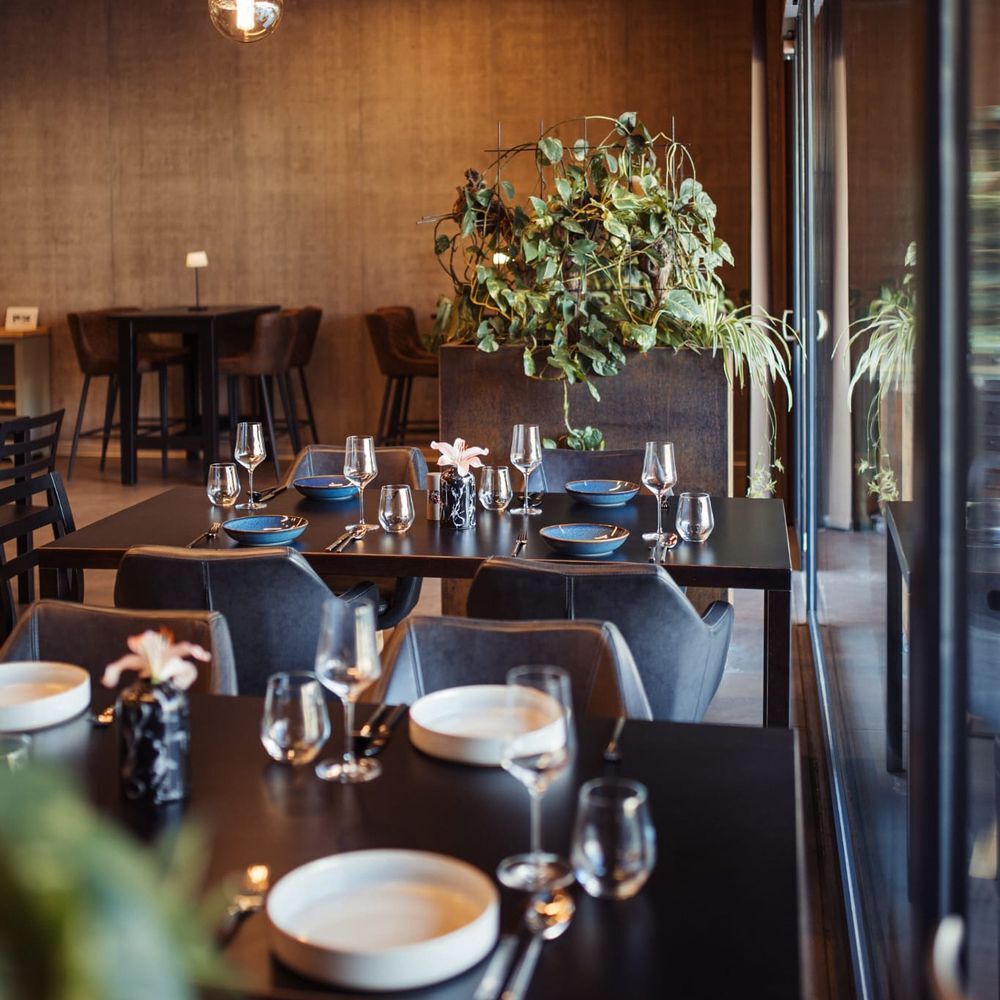
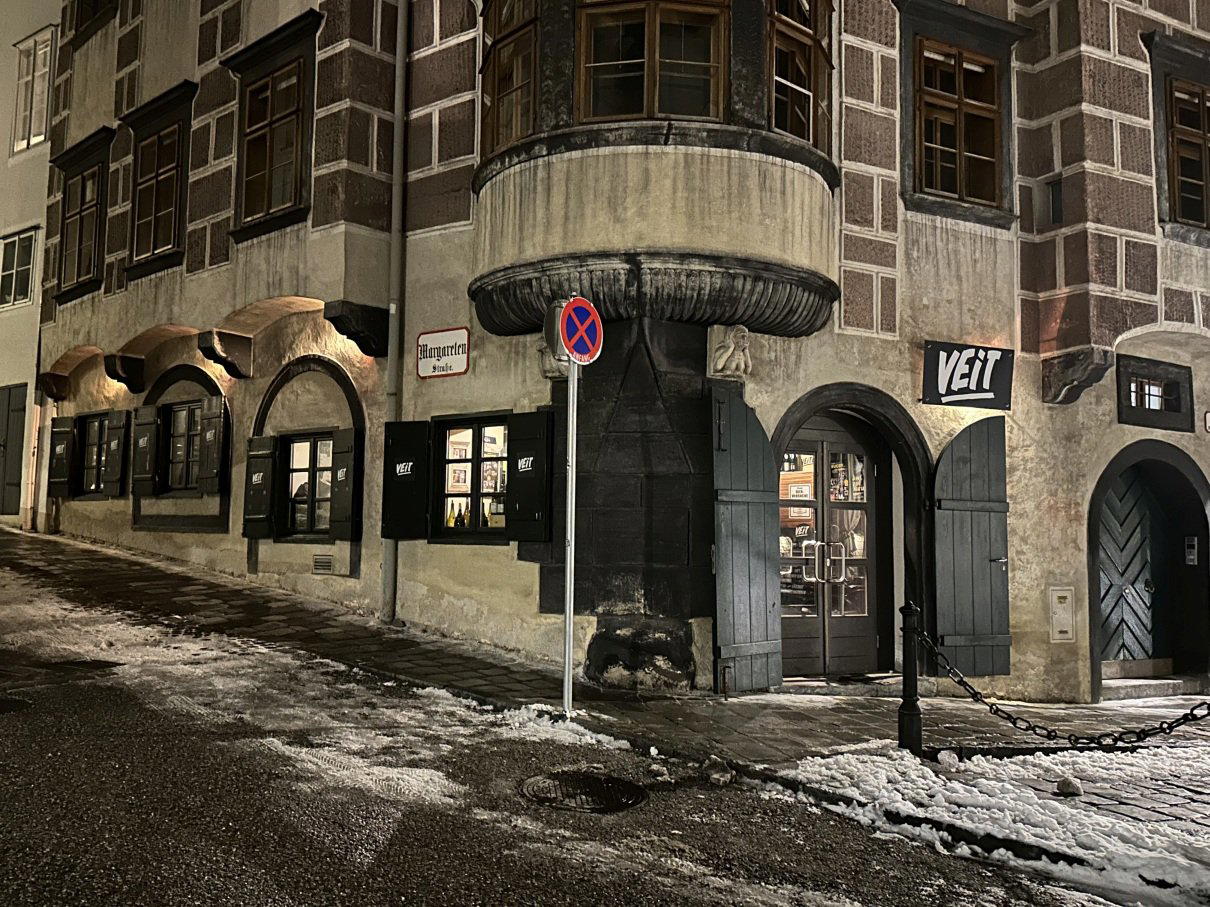
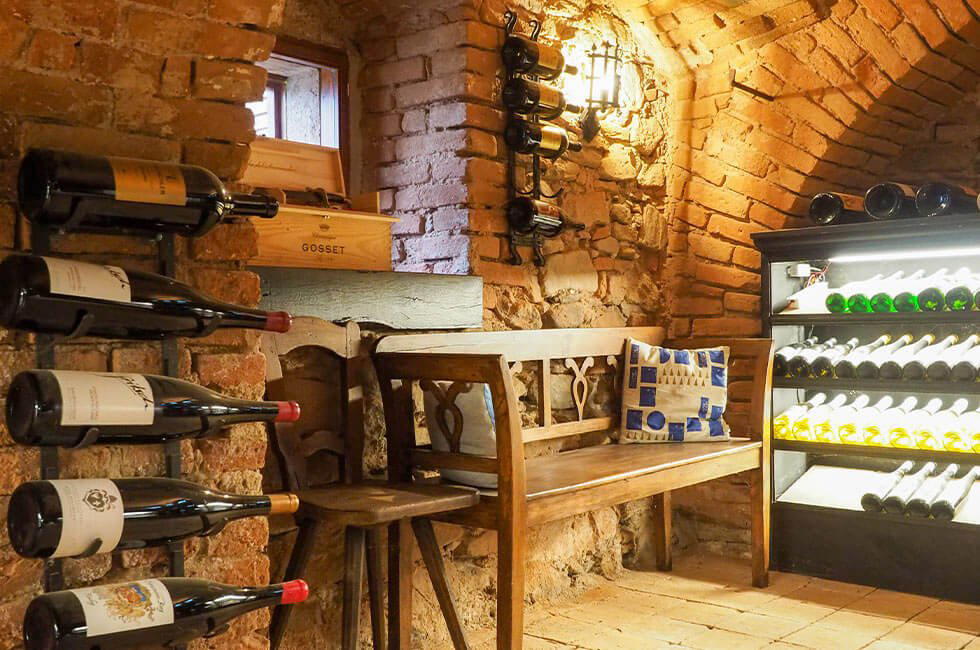
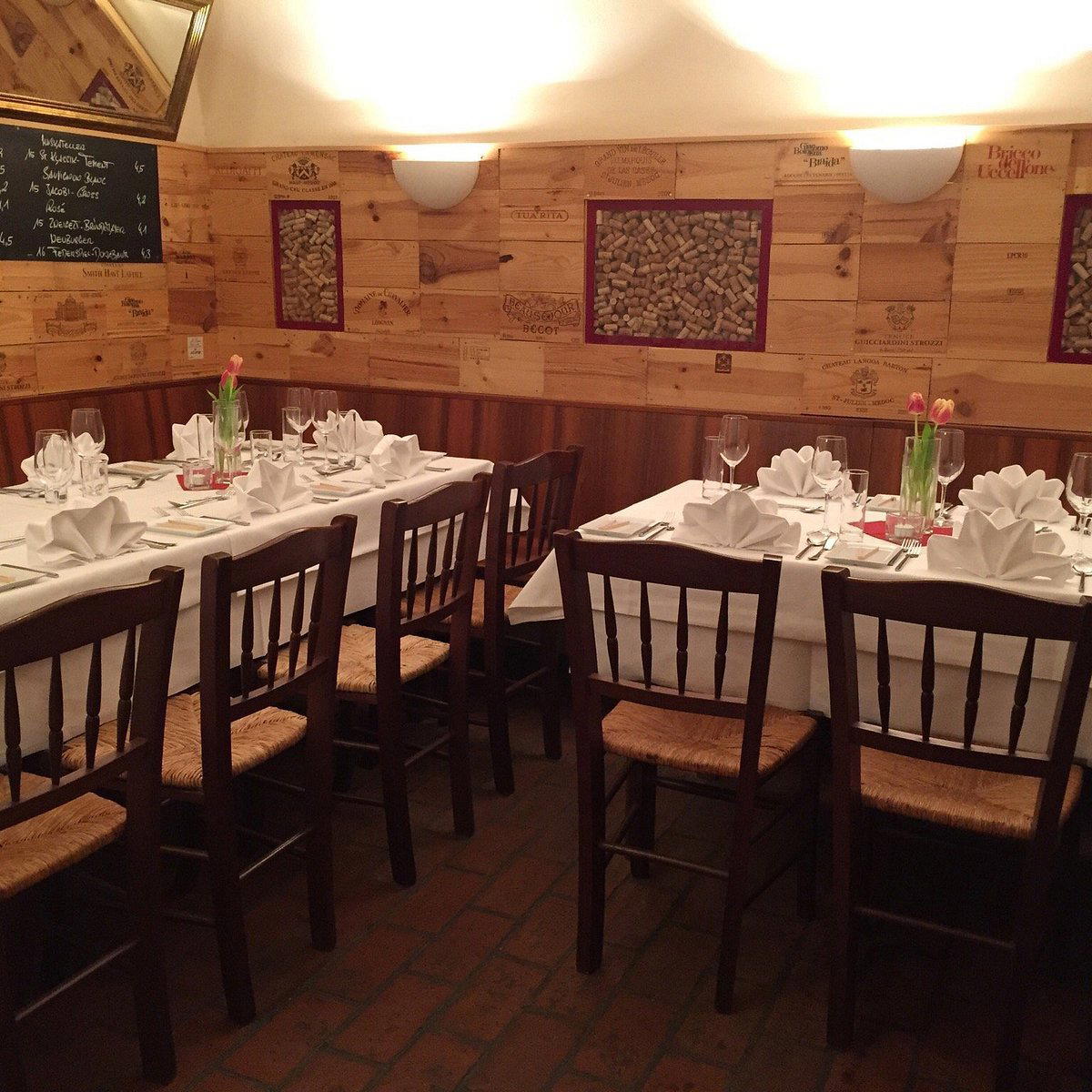
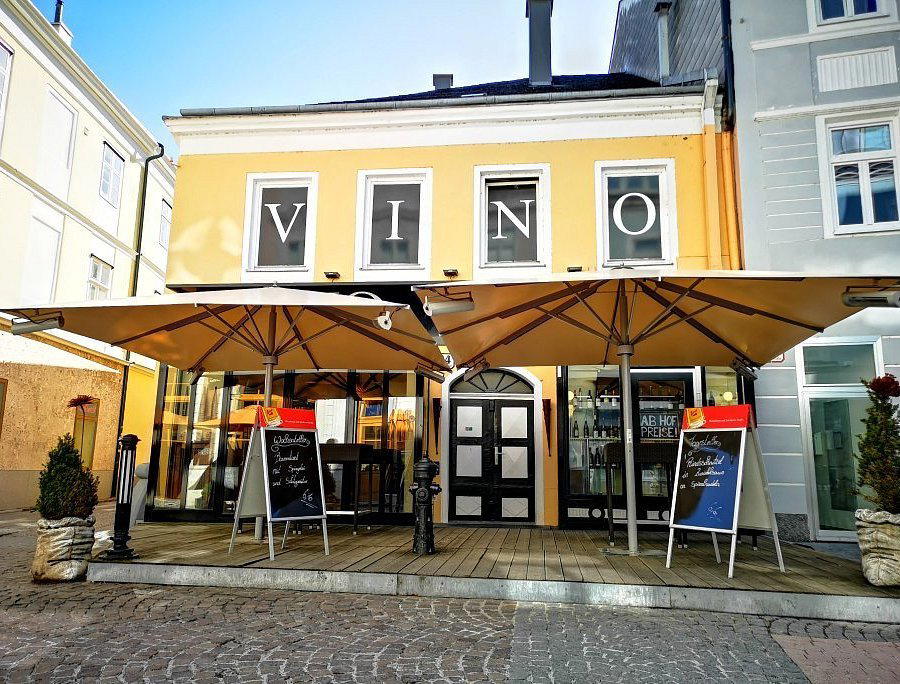
Coming into Horn from the south along the Prager Strasse, the town's scale registers immediately. This is not a city that disorients; the approach is legible, and the address at numbers 3-5 sits within the fabric of the town rather than at a theatrical remove from it. The atmosphere at a Waldviertel Gasthof-tradition address tends to be anchored by materials that reference the landscape: stone, timber, the kind of interior that ages rather than dates. The hospitality register in this part of Lower Austria runs toward directness and attentiveness without formality, a contrast to the more choreographed service models found at heavily decorated urban restaurants.
Comparable regional addresses with strong sourcing identities, such as Taubenkobel in Schützen am Gebirge or Ois in Neufelden, have shown that Austrian regional dining can carry genuine critical weight without aspiring to the urban fine dining format. The same logic applies to the Waldviertel, where the argument for a restaurant's quality rests on its relationship to its ingredients and its guests rather than on award accumulation or chef biography.
Planning a Visit
Horn is reachable from Vienna by rail in under two hours via the Franz-Josefs-Bahn, making it a practical day trip or a natural stop on a longer Waldviertel circuit. The town's scale means that accommodation options are limited compared to larger Austrian destinations, so combining a visit to Öhlknechthof with an overnight stay requires planning ahead. Given that the Waldviertel operates on distinct seasonal rhythms, the late summer and autumn months bring the regional pantry to its fullest: carp season, the poppy seed harvest, and the root vegetable depth that defines the cuisine's cooler-weather register. Those visiting in that window will find the regional sourcing argument made most compellingly on the plate.
Where Öhlknechthof Sits in the Wider Picture
Austria's dining tradition is better understood as an archipelago of regional identities than as a single national cuisine radiating outward from Vienna. The Waldviertel is one of those islands, defined by its granite soils, its preserved agricultural practices, and its distance from the main tourist flows. Öhlknechthof, at its address on the Prager Strasse in Horn, is a node in that regional system. For travellers with the appetite to go beyond the Wachau or the Alpine dining corridor covered by addresses like Gourmetrestaurant Tannenhof in Sankt Anton am Arlberg, Schwarzer Adler in Hall in Tirol, or Restaurant 141 by Joachim Jaud in Mieming, or the Styrian perspective offered by Artis in Graz, the Waldviertel offers a genuinely different register: quieter, more rooted, and shaped by a landscape that does not perform for visitors.
Comparison Snapshot
Comparable venues nearby, for context on price, style, and recognition.
| Venue | Cuisine | Price | Awards | Notes |
|---|---|---|---|---|
| ÖhlknechthofThis venue — the venue you are viewing | Austrian Regional Fine Dining | $$$ | , | |
| Seedeck | Urban-Mediterranean Bistro | $$ | , | Stadtseepromenade |
| Hotel Weinresidenz Sonnleitner | Traditional Austrian | $$$ | , | Furth bei Gottweig |
| HORA Restaurant & Weinbar am See | Regional Austrian Seasonal | $$$ | , | Allentsteig |
| Hotel Schachner | Regional Austrian with Seasonal Danube Valley Ingredients | $$$ | , | Maria Taferl |
| Café & Restaurant Motto am Fluss | Modern Austrian with International Influences | $$$ | , | Innere Stadt |
At a Glance
- Classic
- Cozy
- Elegant
- Business Dinner
- Special Occasion
- Hotel Restaurant
- Extensive Wine List
- Local Sourcing
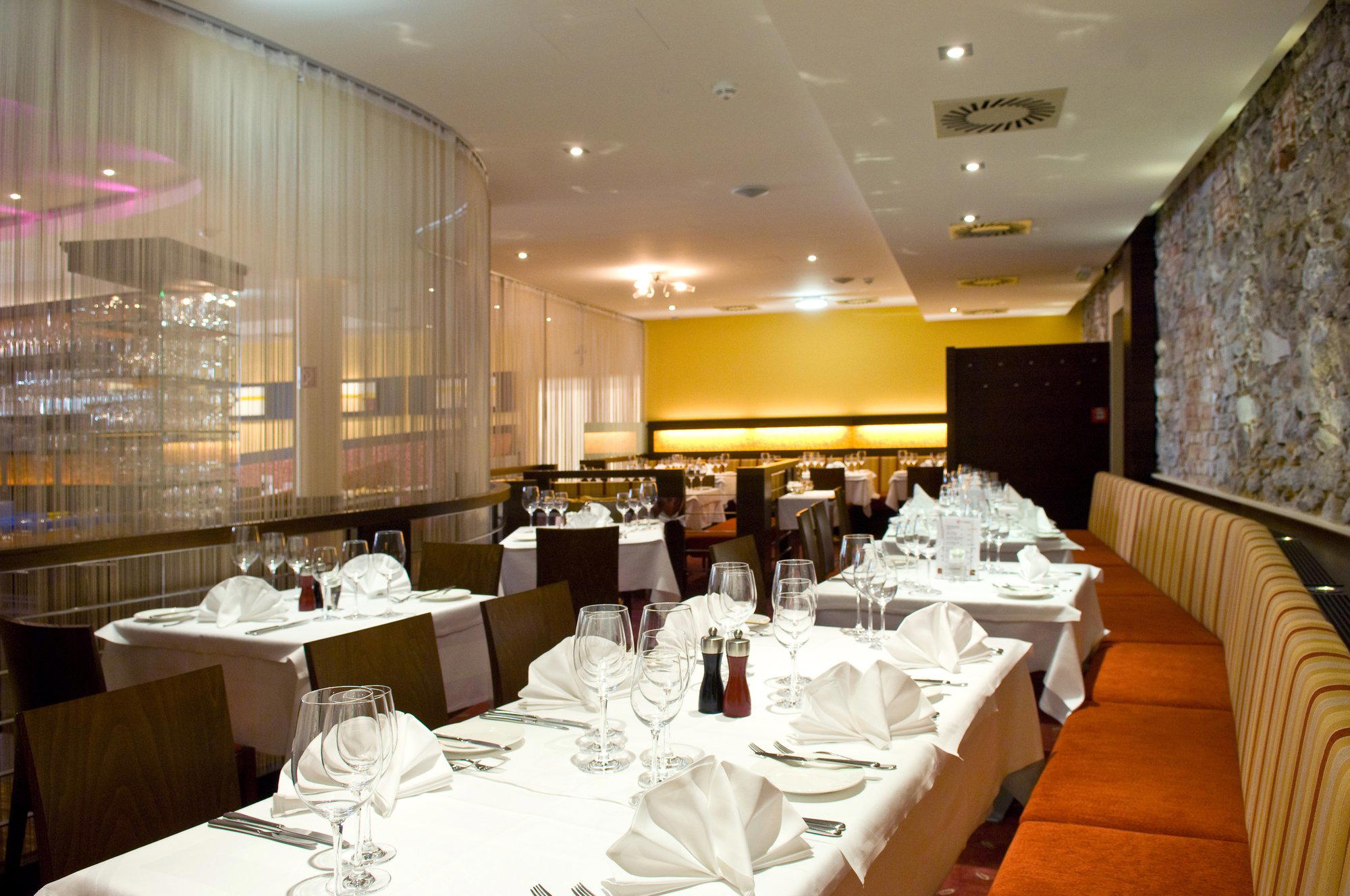
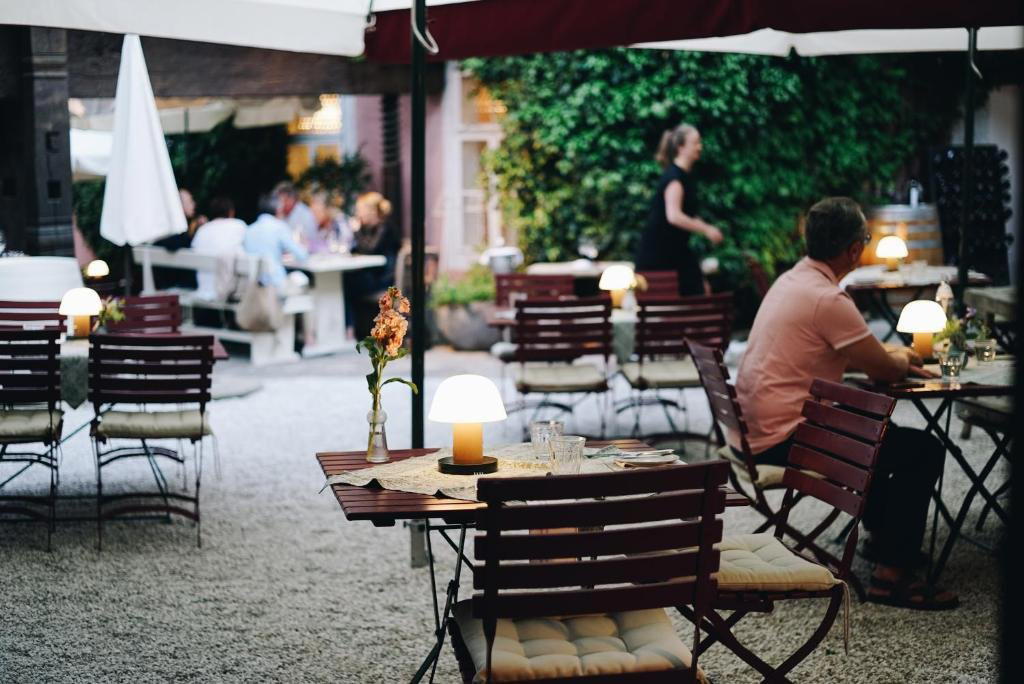
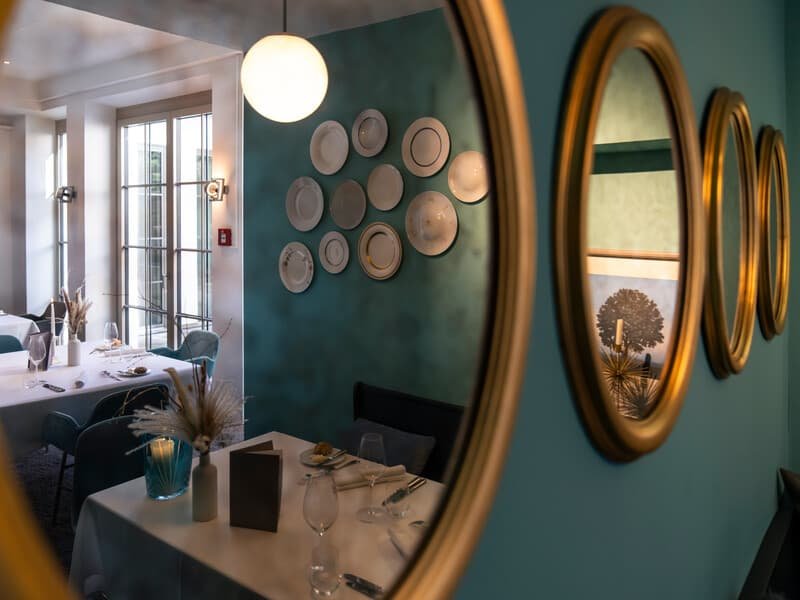
Elegant atmosphere with beautiful presentation of dishes and praised service, enhanced by soundproof rooms suggesting a calm dining environment.