Restaurant Pfauen
Our verdict
A Schorndorf address on Höllgasse 9, Restaurant Pfauen sits within the quieter tier of Baden-Württemberg's dining circuit, where mid-sized towns occasionally harbour serious kitchens operating well below the radar of Stuttgart's better-documented restaurant scene. For travellers already exploring the Rems Valley, it represents a sensible stop worth investigating before committing to a table.

Pearl is the En Primeur Club membership app, where members save venues, book tables and use the concierge.

Schorndorf's Dining Position and What It Means for the Pfauen
Baden-Württemberg's restaurant reputation tends to concentrate in two directions: the celebrated kitchens of the Black Forest, typified by addresses like Schwarzwaldstube in Baiersbronn, and the well-resourced fine dining corridor that runs through Stuttgart and beyond. Schorndorf, roughly 30 kilometres east of Stuttgart in the Rems Valley, occupies a different register entirely. It is a historic market town with a working civic life, and its restaurant scene reflects that character: grounded, local in orientation, and far less visible to the national food press than its proximity to Stuttgart might suggest.
In this context, Restaurant Pfauen at Höllgasse 9 functions as a neighbourhood anchor rather than a destination venue. That distinction matters when you are deciding how to allocate an evening. Travellers who arrive expecting the technical rigour of JAN in Munich or the invention of CODA Dessert Dining in Berlin will be reading the room incorrectly. The Pfauen is, by geography and by the economics of a small German town, a different kind of proposition, one where the editorial question is not how it compares to Michelin-starred peers, but what role it plays within its own community and for visitors passing through.
The Physical Setting: Arriving on Höllgasse
The address itself is telling. Höllgasse, a name with medieval roots common to many German market towns, suggests a street that sits just off the main pedestrian axis, the kind of lane that retains architectural character precisely because it was never wide enough for commercial redevelopment. Schorndorf's Altstadt is well-preserved, with a market square framed by half-timbered buildings that place the town clearly within the Swabian tradition. A restaurant on Höllgasse 9 would typically occupy a ground-floor space within this fabric, where the physical approach involves flagstone pavement, narrow frontages, and the compressed scale that makes German historic centres feel distinct from their French or Italian counterparts.
That physical context shapes expectations before you reach the door. The settings that produce the most interesting regional German cooking are often exactly these mid-sized Altstadt addresses, where operators work within inherited rooms and connect to local supply chains that larger city restaurants rarely access with the same directness. It is a pattern visible across Baden-Württemberg: the kitchens that draw on regional producers most effectively are frequently the ones not competing for international press attention.
Ingredient Sourcing and the Swabian Supply Chain
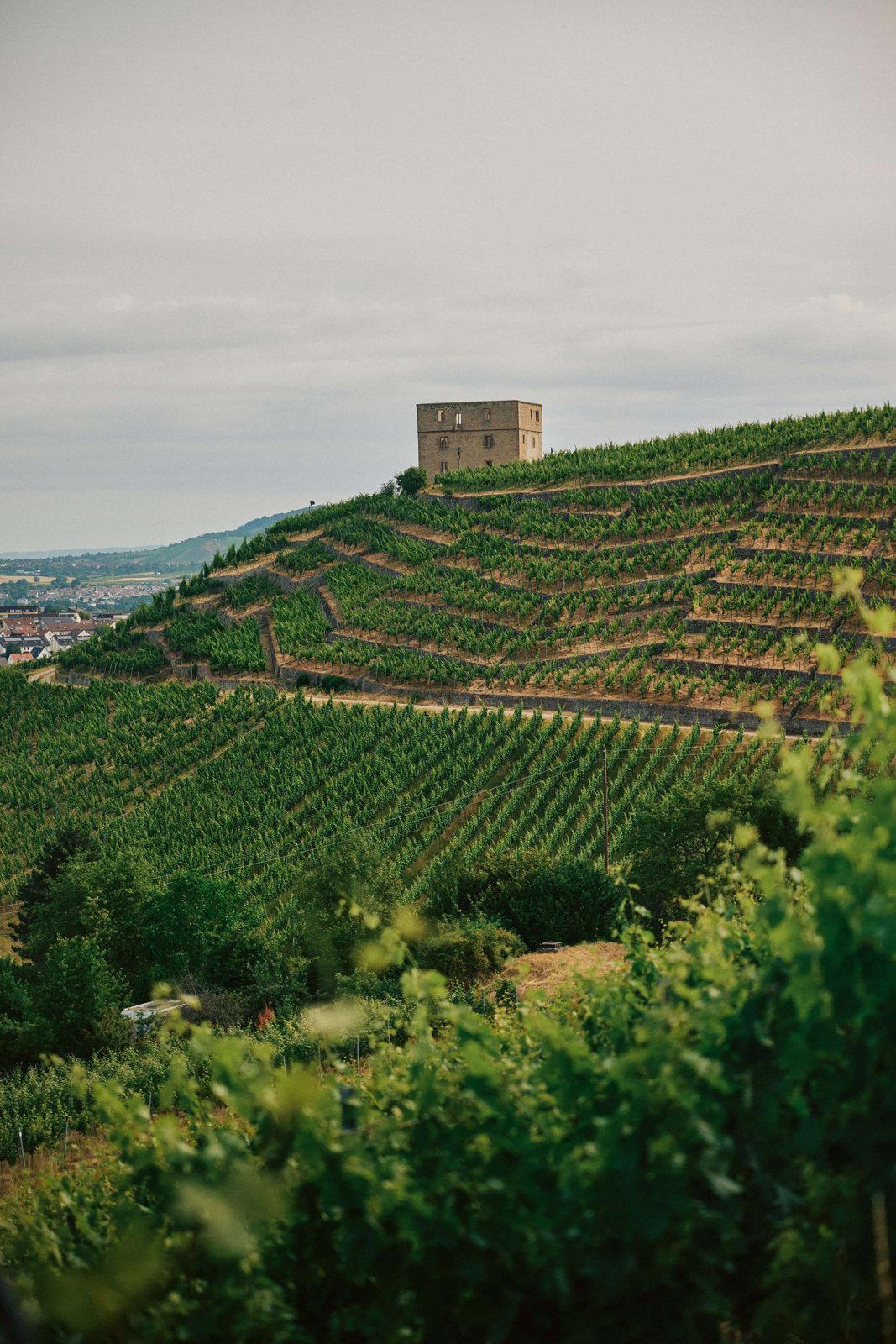
Baden-Württemberg is one of Germany's most agriculturally diverse federal states. The Rems Valley itself is historically associated with fruit cultivation, apple and cherry orchards dominate the slopes east of Stuttgart, while the broader Swabian Alb to the south provides lamb, lentils (the Alb-Leisa variety, a protected designation), and game. Regional German kitchens that take sourcing seriously have considerable raw material to work with in this corridor, and the best of them draw clear lines between producer and plate in a way that shapes the character of the cooking more than any single technique.
For a restaurant operating at the neighbourhood level in Schorndorf, the practical sourcing question is whether proximity translates into genuine product differentiation. The Rems Valley's fruit tradition, local butchers working with Swabian breeds, and the seasonal game cycle of the surrounding forests all represent potential sourcing anchors. Across Baden-Württemberg, this kind of hyperlocal supply chain has become a meaningful point of distinction, separating kitchens that cook with commodity produce from those that reflect a specific geography on the plate. Where Restaurant Pfauen sits within that spectrum is something that merits direct investigation, as the venue's data does not currently allow for specific claims about its sourcing programme.
For useful comparison on how sourcing-led kitchens operate at the high end of the German regional spectrum, ES:SENZ in Grassau and AUGUST in Augsburg both illustrate what rigorous regional sourcing looks like when applied with technical ambition. The gap between those addresses and a market-town restaurant like the Pfauen is not necessarily a failure of the latter, it is simply a different conversation about what cooking is for in a given community.
Within Schorndorf specifically, the most useful comparison point is Gourmetrestaurant Nico Burkhardt, which operates at the Modern French end of the town's restaurant spectrum. That address represents Schorndorf's clearest claim to the fine dining conversation, and it positions the town as capable of sustaining serious cooking even without the infrastructure of a major city. The Pfauen, by contrast, appears to occupy a more accessible tier, the kind of address that serves the town's working week as well as weekend guests, rather than orienting entirely toward the occasion-dining market.
Nationally, the distance between Schorndorf's leading tables and the calibre of Vendôme in Bergisch Gladbach, Waldhotel Sonnora in Dreis, or Victor's Fine Dining by Christian Bau in Perl is significant. The Pfauen is not in that conversation, and understanding that distinction is the starting point for deciding whether it belongs in your itinerary.
If your reference points for great restaurant meals run toward Le Bernardin in New York City or Atomix, Schorndorf is not where you are heading for dinner. But if you are spending time in the Rems Valley for reasons unrelated to restaurant tourism, and plenty of travellers do, given the region's cycling routes, vineyards, and the pull of Stuttgart's museums, then having a reliable local address matters, and the Pfauen's longevity in the town suggests it has earned that role.
For a broader view of the town's options, our full Schorndorf restaurants guide maps the full range. You might also consider ATAMA by Martin Stopp in Sankt Ingbert and ammolite - The Lighthouse Restaurant in Rust if your route through Baden-Württemberg allows for a detour toward more documented cooking.
Planning a Visit
Restaurant Pfauen is located at Höllgasse 9, 73614 Schorndorf, a walkable distance from the Altstadt's central square and easily reached from Stuttgart by S-Bahn (the S2 line runs directly to Schorndorf Bahnhof, approximately 40 minutes from Stuttgart Hauptbahnhof).
Frequently asked questions
Is Restaurant Pfauen okay with children?
The venue's position on Höllgasse 9 in Schorndorf's Altstadt suggests a traditional town-centre setting rather than a high-tempo urban room, which typically suits families visiting outside peak service hours. No specific children's menu or family policy is documented, so contacting the restaurant directly before booking with younger guests is advisable.
What's the vibe at Restaurant Pfauen?
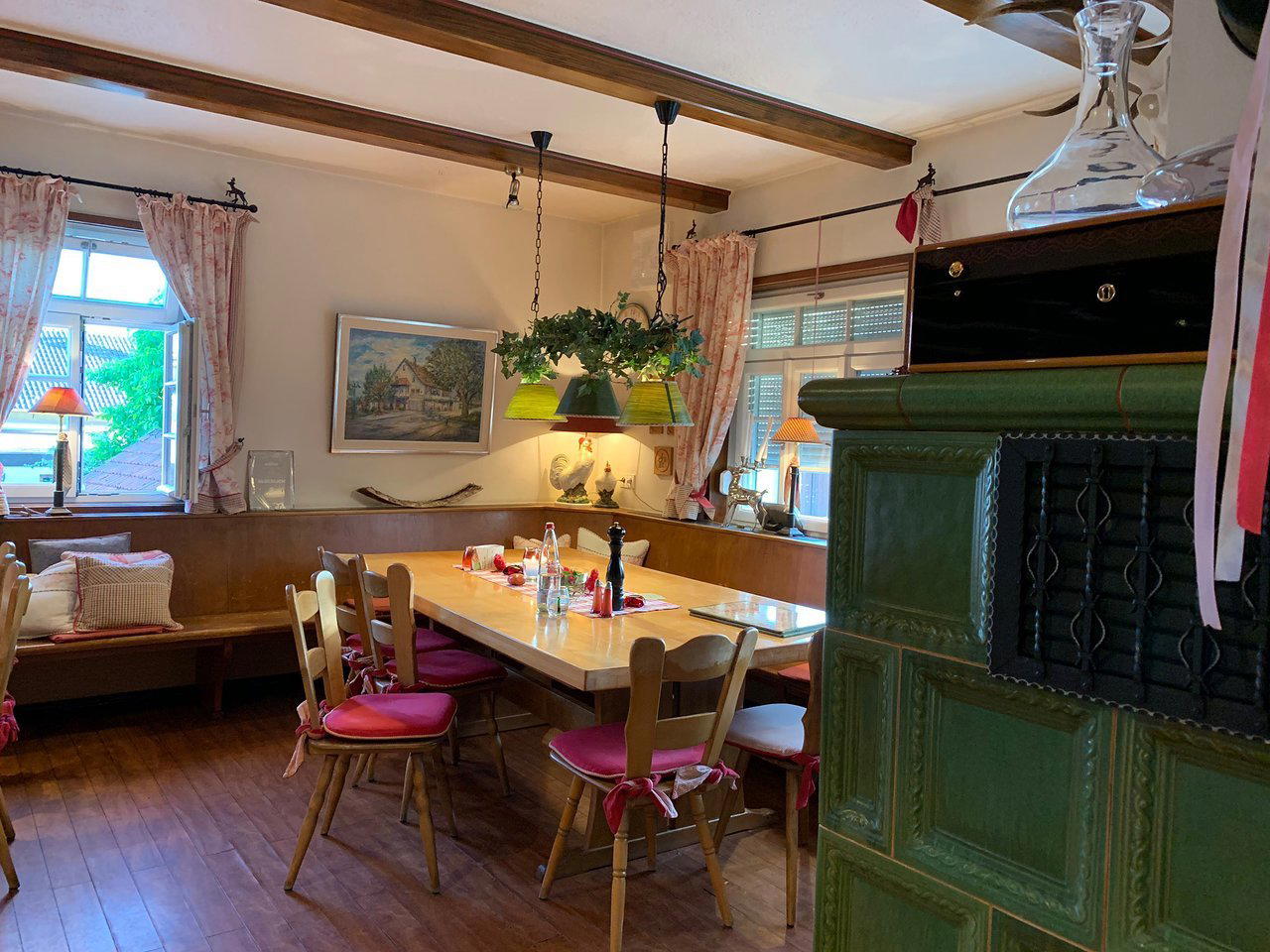
Pfauen sits on Höllgasse, a street with medieval roots just off Schorndorf's central market square. That address points toward the kind of established, town-centre room that prioritises steady service and local regulars over high-concept theatre.
How does Restaurant Pfauen compare to other dining options in Schorndorf?
Within Schorndorf specifically, Gourmetrestaurant Nico Burkhardt operates at the Modern French end of the town's restaurant spectrum. Pfauen at Höllgasse 9 occupies a different register, anchored in the Swabian regional tradition that reflects Baden-Württemberg's agricultural identity rather than an internationally inflected tasting-menu format. For diners who want to eat closer to how the Rems Valley actually cooks, that distinction matters.
What do regulars order at Restaurant Pfauen?
Baden-Württemberg's kitchen tradition leans on Swabian staples, Spätzle, lentil dishes, and produce from the Rems Valley, which has a long association with fruit cultivation and regional agriculture.
What part of town is Restaurant Pfauen in?
Restaurant Pfauen is located at Höllgasse 9, 73614 Schorndorf, Germany, Schorndorf.
Is Restaurant Pfauen reservation-only?
For a town-centre address in a mid-sized Baden-Württemberg market town, walk-ins may be possible on quieter weekday evenings, but contacting the venue ahead of a planned visit remains the safest approach.
What makes Restaurant Pfauen worth seeking out?
Pfauen occupies a position in Schorndorf that sits outside the heavily reviewed Black Forest circuit and the Stuttgart city centre dining cluster, meaning the room serves a genuinely local clientele rather than a tourist-facing one. For visitors travelling between Stuttgart and the Rems Valley, it represents a Schorndorf Altstadt option grounded in regional Baden-Württemberg produce and tradition.
At-a-Glance Comparison
| Venue | Cuisine | Price | Awards | Notes |
|---|---|---|---|---|
| Restaurant PfauenThis venue (the venue you are viewing) | Regional German with International Influences | Not listed | Not listed | Not listed |
| Aqua | Contemporary German, Italian/Japanese, Creative | Not listed | Michelin 3 Star | Not listed |
| Schwarzwaldstube | Modern French Fine Dining | $150–200 | 3 Michelin Stars · World's 50 Best #47 | French, Classic French |
| CODA Dessert Dining | Dessert-Inspired Fine Dining | $200–300 | 2 Michelin Stars · World's 50 Best #82 | Creative |
| Vendôme | Modern German Haute Cuisine | $200–300 | 2 Michelin Stars · World's 50 Best #47 | Modern European, Creative |
| Tantris | Modern French Fine Dining | $300–500 | 2 Michelin Stars · World's 50 Best #73 | Modern French, French Contemporary |
Continue exploring
More in Schorndorf
Restaurants in Schorndorf
All restaurants in Schorndorf →
Bars in Schorndorf
Browse all →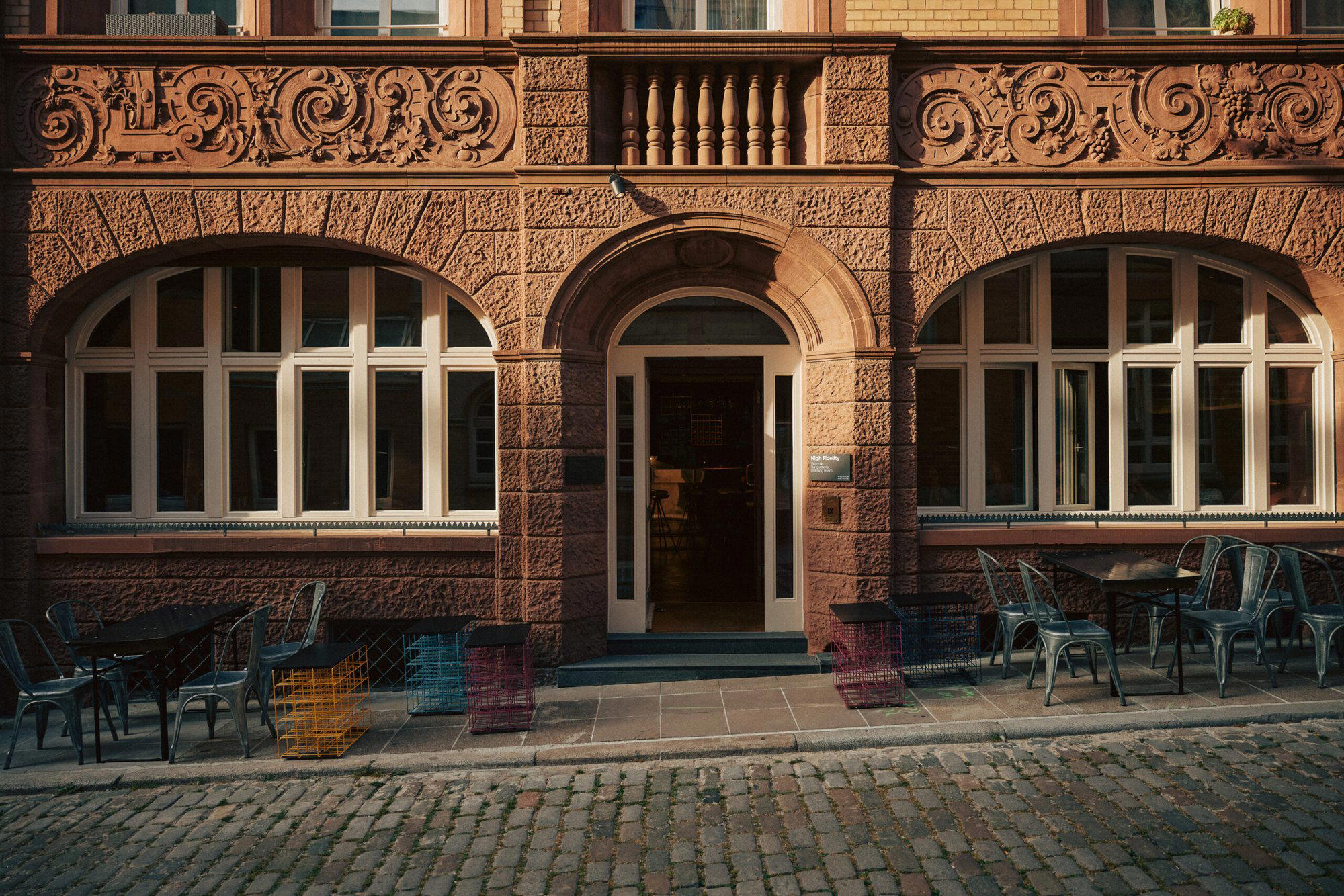
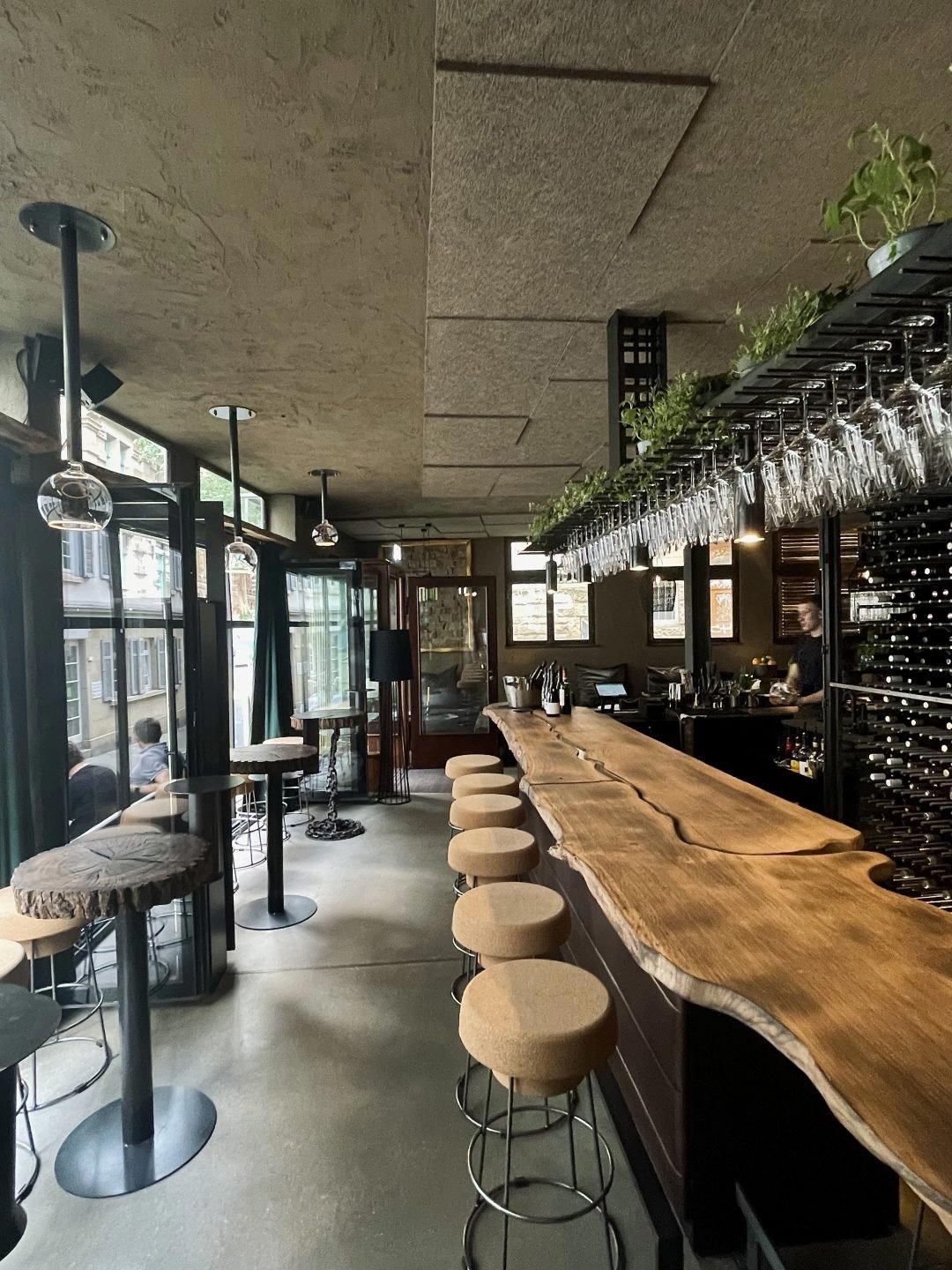
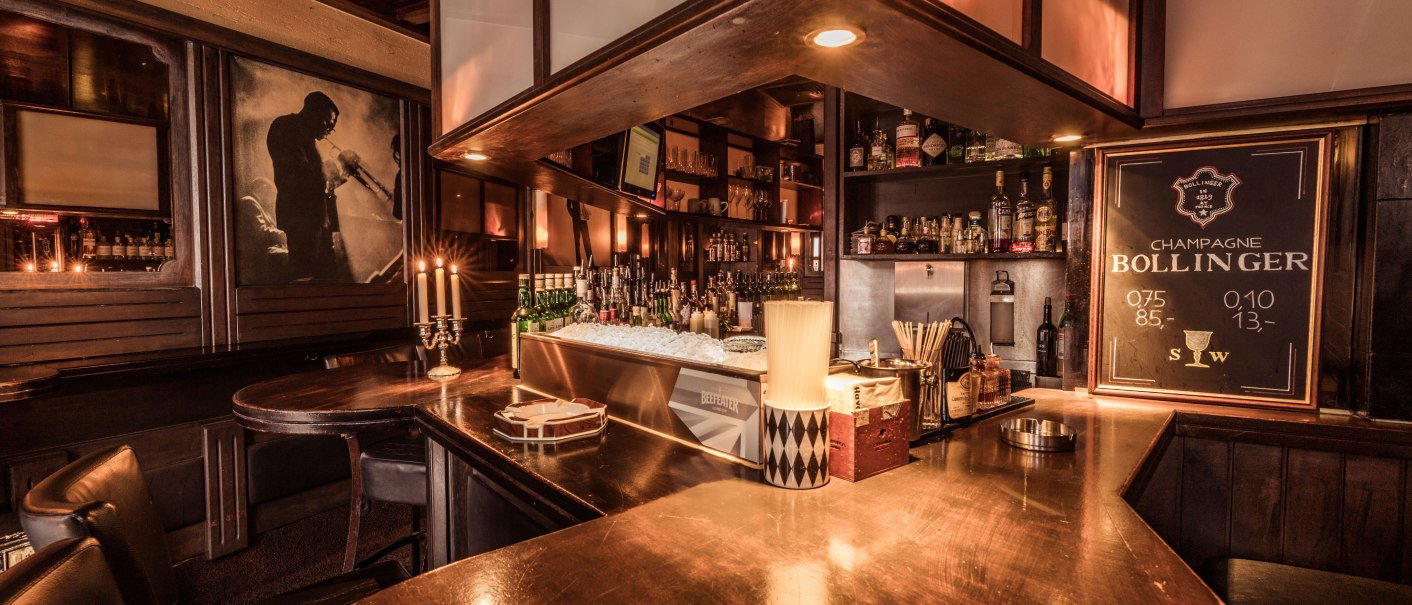
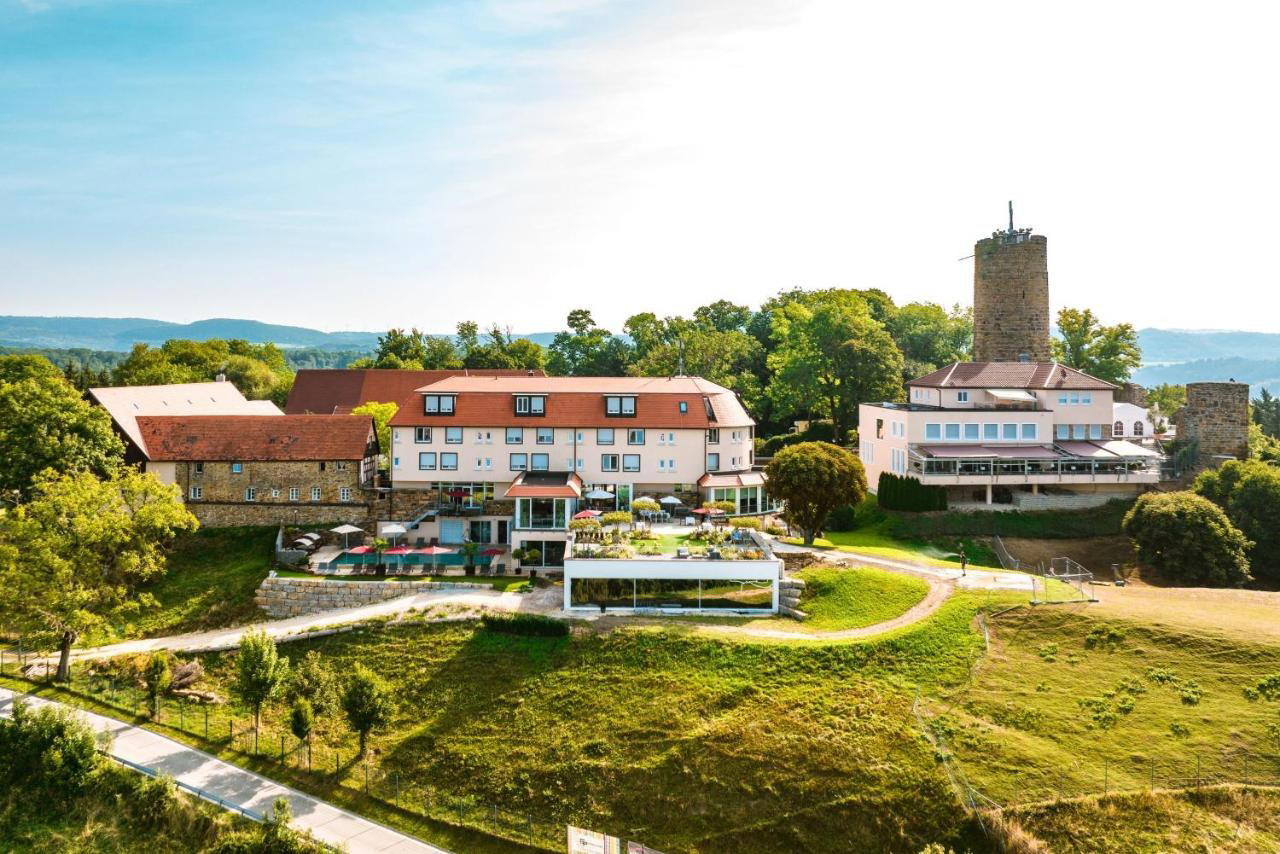
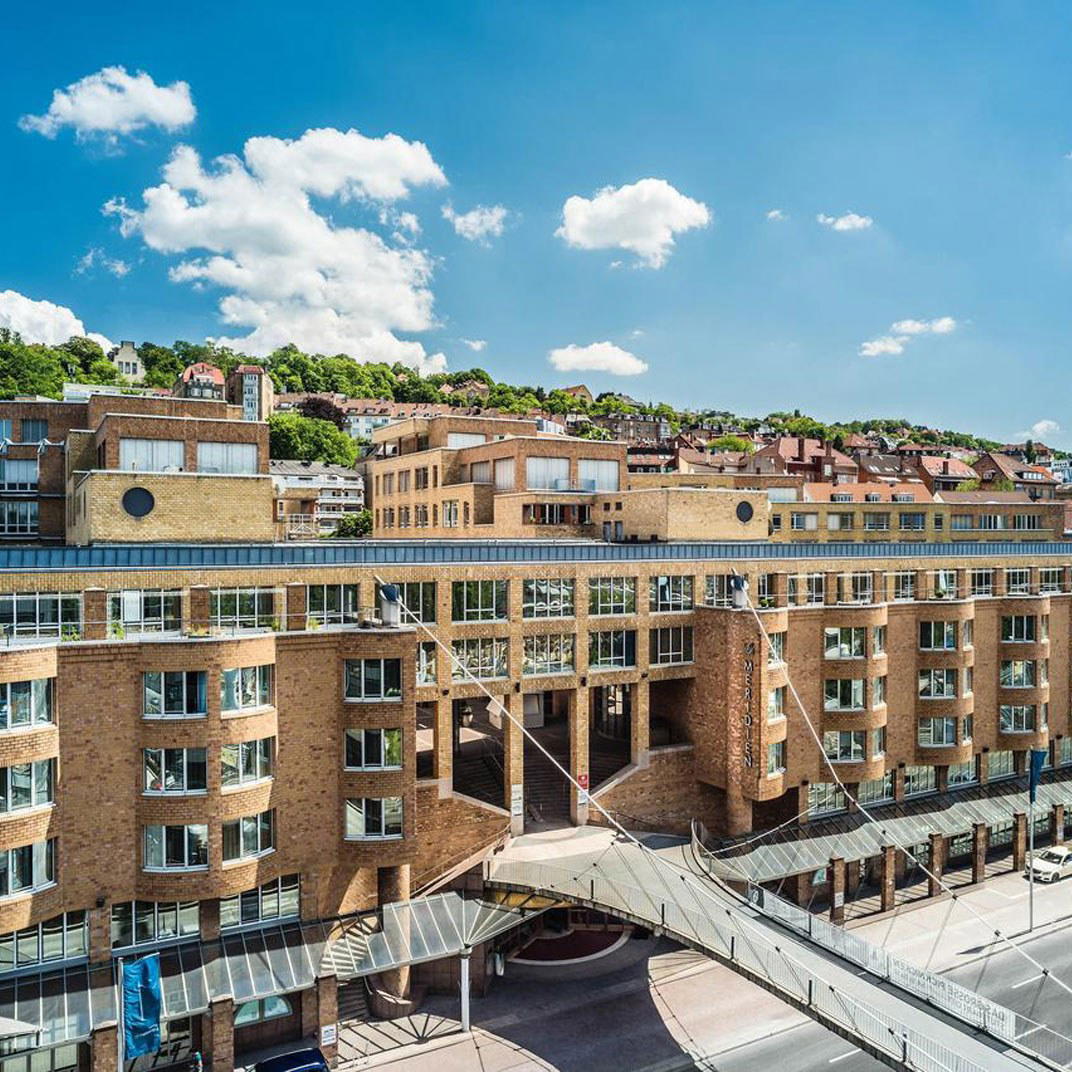

Details
- Elegant
- Cozy
- Sophisticated
- Date Night
- Special Occasion
- Historic Building
- Terrace
- Local Sourcing
- Street Scene
- A La Carte
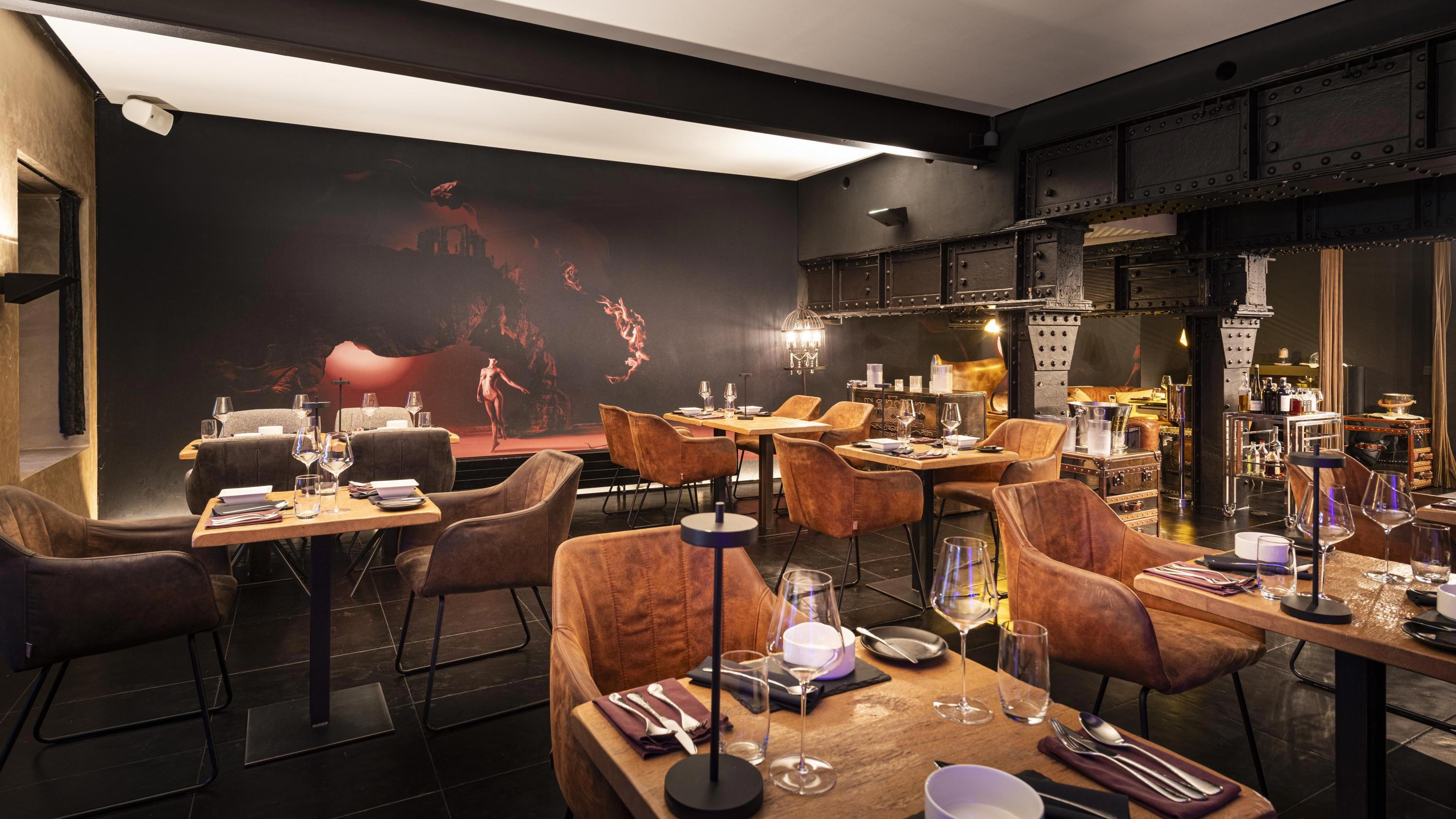
Amazingly comfortable Wohlfühl-Atmosphäre on the gallery level with tasteful decoration and intimate historic charm.