Traube am See
Traube am See occupies an address on the Friedrichshafen lakefront where the Bodensee shapes not just the view but the logic of the kitchen. The surrounding Baden-Württemberg countryside and the lake's microclimate have long supported some of southern Germany's most consistent regional produce, and restaurants along this shore tend to anchor their menus accordingly. For visitors already exploring the city's dining scene, Traube am See sits within a compact local circuit worth understanding before you book.
Pearl is the En Primeur Club membership app — saves, bookings, and concierge access live there. Same editors, same standards.
- Address
- Meersburger Str. 11, 88048 Friedrichshafen, Germany
- Phone
- +494975419580
- Website
- traubeamsee.de
- Directions
- Get directions
 Saves & bookings on Pearl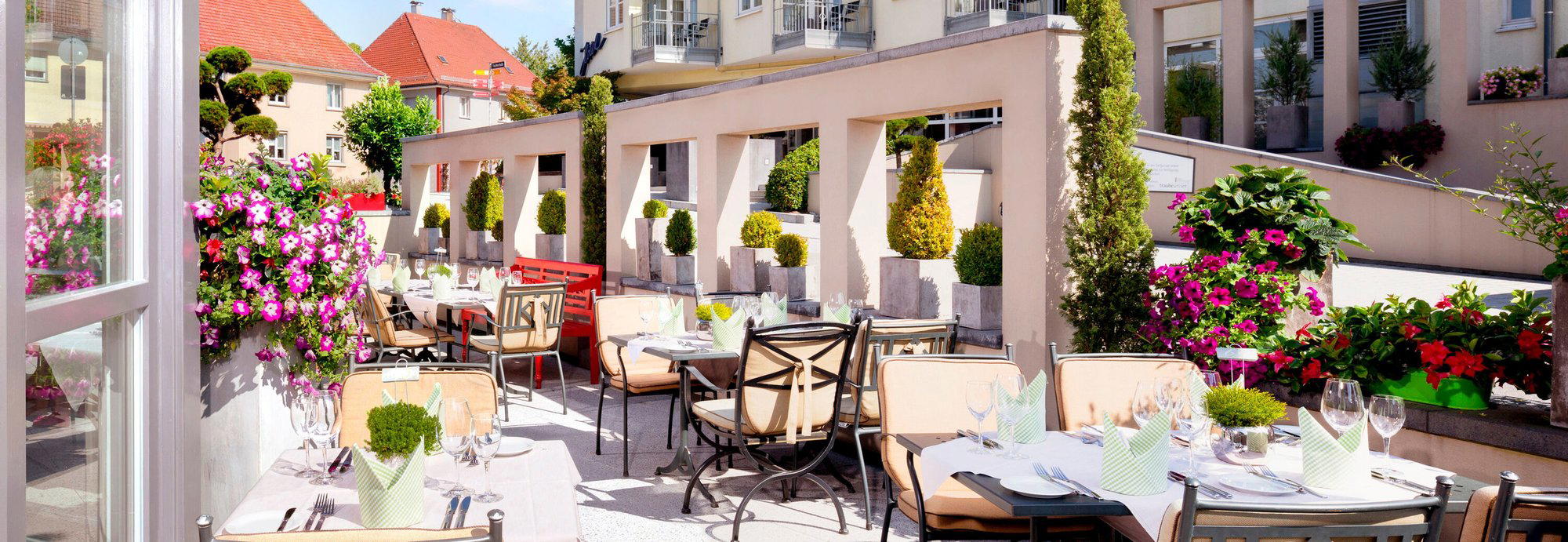
Where Lake and Land Set the Kitchen's Agenda
The Bodensee shoreline between Friedrichshafen and Meersburg operates under conditions that most German restaurant districts cannot replicate. The lake moderates temperature extremes, pushes the frost line later than nearby inland zones, and creates a microclimate that has supported vineyards, orchards, and market gardens since the medieval period. Restaurants positioned on or near the water here are, whether by design or proximity, embedded in one of Baden-Württemberg's most productive agricultural corridors. Traube am See, addressed at Meersburger Str. 11, sits within that corridor, where sourcing decisions are less a philosophical statement than a practical response to what grows close by.
This geography matters because it separates the Friedrichshafen dining scene from Germany's inland restaurant centres. In cities like Munich or Hamburg, fine dining depends on logistics networks pulling ingredients from across Europe. Along the Bodensee, the supply chain compresses. Whitefish from the lake itself, apples and pears from the Überlingen orchards, and wines from the Markgräflerland and Bodensee appellations can all arrive within hours of harvest. That compression tends to produce a distinct kitchen culture: one oriented toward seasonality not as a marketing posture but as an operational reality.
The Bodensee Sourcing Tradition and What It Demands
To understand what a kitchen in this part of Friedrichshafen is working with, it helps to consider the produce ecosystem. The Bodensee is one of the few Central European lakes still supporting a regulated commercial fishery. Felchen (whitefish), Hecht (pike), and Zander are pulled seasonally by licensed fishermen whose catch volumes are governed by environmental quotas designed to prevent the overfishing that has emptied comparable Alpine lakes in Austria and Switzerland. Restaurants with direct relationships to these fishermen operate on a different timeline to those working through standard wholesale channels: they know what arrived that morning, and they build around it rather than around a fixed printed menu.
The fruit-growing belt running north from the lake toward Überlingen and Meersburg adds a second sourcing layer. This region produces stone fruit, berries, and cider apples that feed both fresh preparation and fermented products. The integration of those products into regional cooking, whether as a sauce component, a ferment, or a dessert element, is a habit in kitchens here that connects to a broader Swabian and Alemannic culinary tradition rooted in preserving and extending a short but intensely productive growing season.
Wine is the third variable. The Bodensee wine region, often grouped within the broader Baden designation, produces Spätburgunder and Müller-Thurgau from steep lakeside slopes that benefit from the same reflected light and thermal moderation that shapes the fruit farms. These are not wines that appear on international allocation lists at the level of, say, Schwarzwaldstube in Baiersbronn or Vendôme in Bergisch Gladbach, but they carry a specificity of place that makes them logical pairings for food built from the same terroir.
Friedrichshafen's Dining Circuit in Context
Friedrichshafen is not a city that drives German fine dining coverage the way Berlin, Munich, or Hamburg does. Its restaurant scene is compact and largely oriented toward the regional and the seasonal rather than the internationally ambitious. Within that context, the city has developed a cluster of addresses that reward the kind of attentive sourcing described above. Die Speiserei im Maier anchors the regional cuisine category with a kitchen that draws explicitly on Baden-Württemberg producers. Pinus im Seegut works a sharing format that leans into the same local produce logic. Traube am See fits within this local grouping of venues whose identity is inseparable from where they are, rather than venues that could plausibly be transplanted to any other German city and operate identically.
At the national level, Germany's most decorated restaurants, including Aqua in Wolfsburg, JAN in Munich, and Victor's Fine Dining by Christian Bau in Perl, operate at a different tier of ambition and infrastructure. So do addresses like Restaurant Haerlin in Hamburg and Waldhotel Sonnora in Dreis. The Bodensee circuit sits below that bracket in terms of national recognition, but it answers a different question: what does it mean to cook from a specific lake and its surrounding land, without the pressure to perform against a metropolitan comparable set? Venues like ES:SENZ in Grassau and ammolite in Rust represent comparable lakeside and south-western German approaches where geography is the editorial driver. Schanz in Piesport and Bagatelle in Trier show how smaller German cities can sustain precise, regionally-anchored kitchens without competing on a Berlin or Hamburg scale. For contrast at the creative end of the spectrum, CODA Dessert Dining in Berlin and ATAMA by Martin Stopp in Sankt Ingbert represent the format-driven end of German dining innovation. And for those considering how German sourcing-led kitchens compare internationally, kitchens like Le Bernardin in New York City and Atomix in New York City illustrate how ingredient provenance becomes a structuring principle at the highest tier of global dining.
Planning a Visit
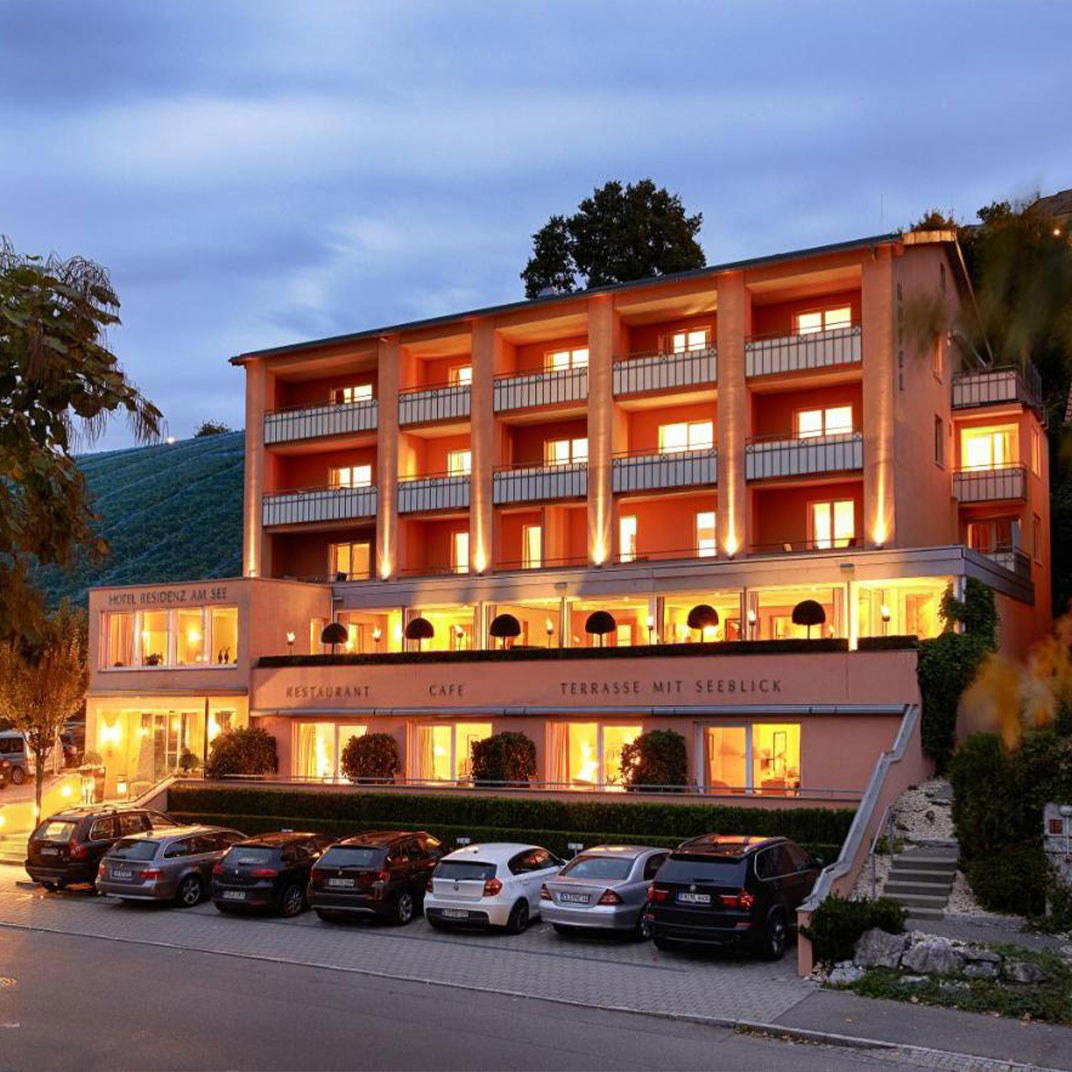
Traube am See is located at Meersburger Str. 11, 88048 Friedrichshafen, on a road that runs northeast along the lake from the city centre toward Meersburg. Friedrichshafen is accessible by train from Stuttgart (roughly two hours) and by ferry from Romanshorn on the Swiss side. One useful period for a visit oriented around lake produce and regional growing season is late spring through early autumn, when Bodensee whitefish yields are at their regulated peak and the surrounding orchards and gardens are in full supply. The restaurant is located at Meersburger Str. 11, 88048 Friedrichshafen, Germany. Reservations are recommended.
At-a-Glance Comparison
Comparable venues nearby, for context on price, style, and recognition.
| Venue | Cuisine | Price | Awards | Notes |
|---|---|---|---|---|
| Traube am SeeThis venue — the venue you are viewing | Refined German with Regional and International Influences | $$$ | Not listed | Not listed |
| Die Speiserei im Maier | Regional German Slow Food | $$$ | Michelin Plate | Fischbach |
| Pinus im Seegut | Modern Vegetarian Sharing Cuisine | $$ | Bib Gourmand | Friedrichshafen |
| Design Hotel Restaurant Löwen Ulm | Swabian-International Seasonal Cuisine | $$$ | Not listed | Söflingen |
| Wilder Mann | Traditional German | $$$ | Not listed | Wasseralfingen |
| Restaurant Traube Eichelberg | Traditional Swabian German | $$$ | Not listed | Eichelberg |
Continue exploring
More in Friedrichshafen
Restaurants in Friedrichshafen
Browse all →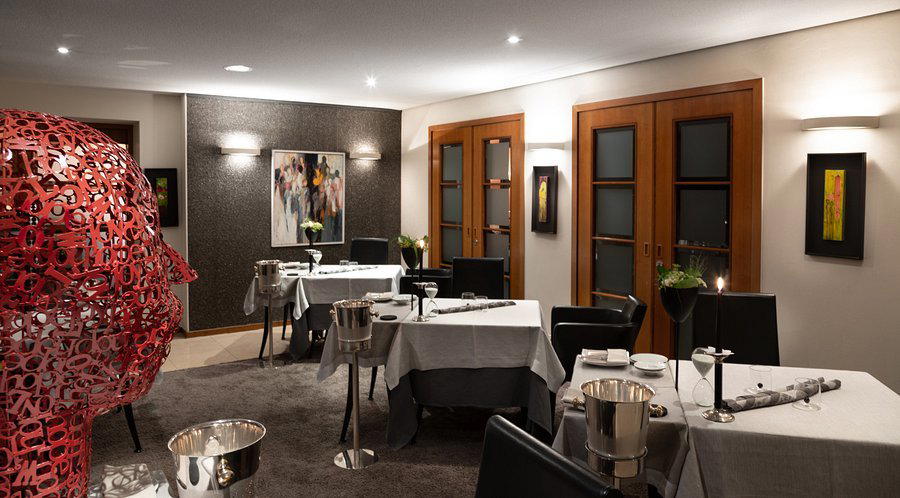
Bars in Friedrichshafen
Browse all →

Hotels in Friedrichshafen
Browse all →

At a Glance
- Elegant
- Scenic
- Sophisticated
- Date Night
- Special Occasion
- Waterfront
- Hotel Restaurant
- Terrace
- Local Sourcing
- Waterfront
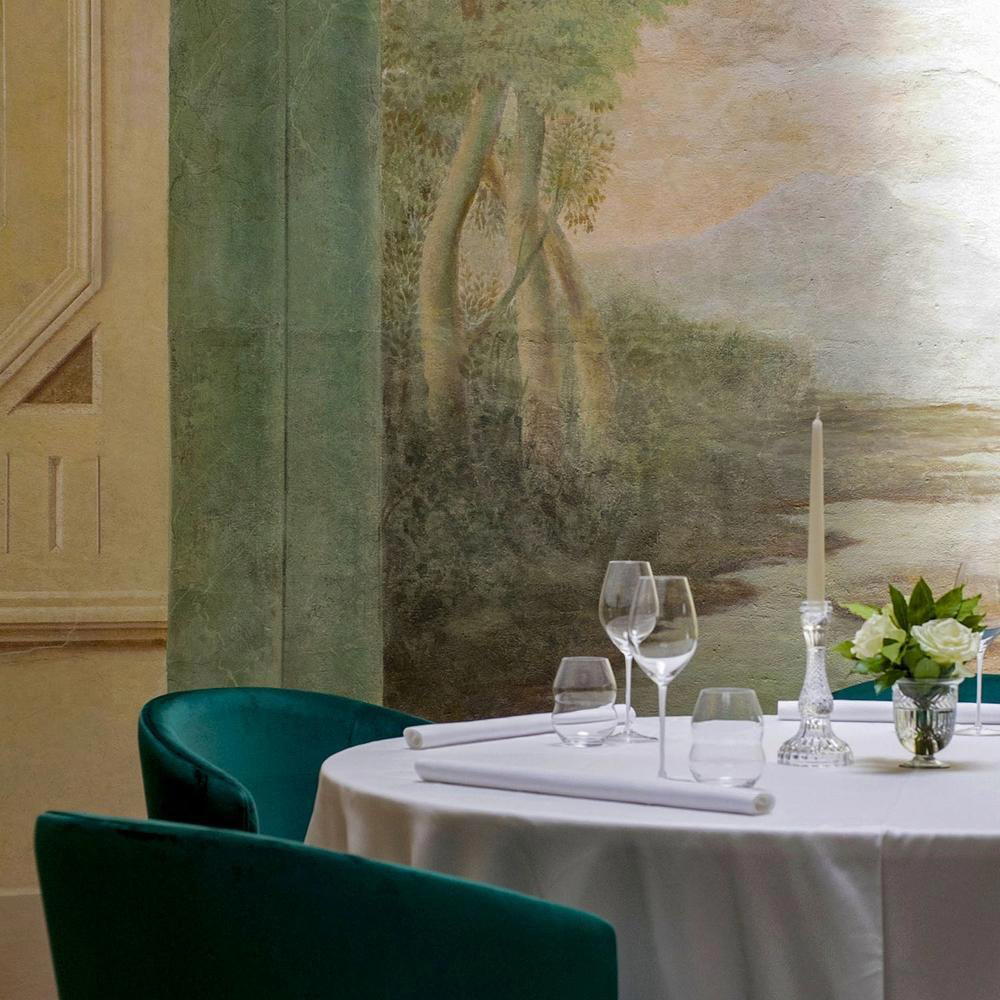
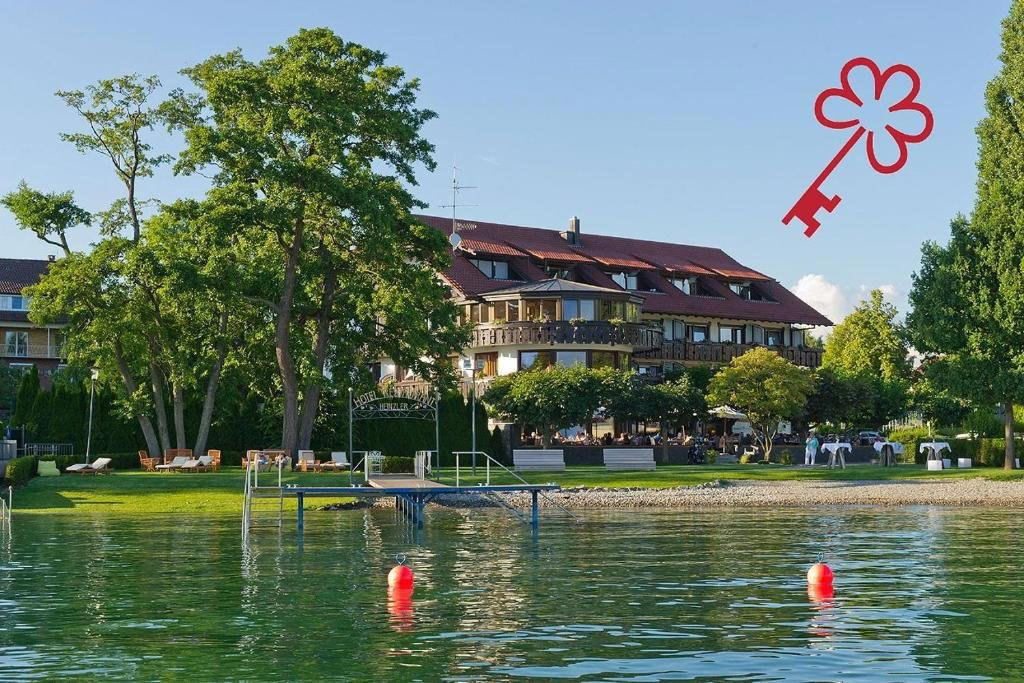
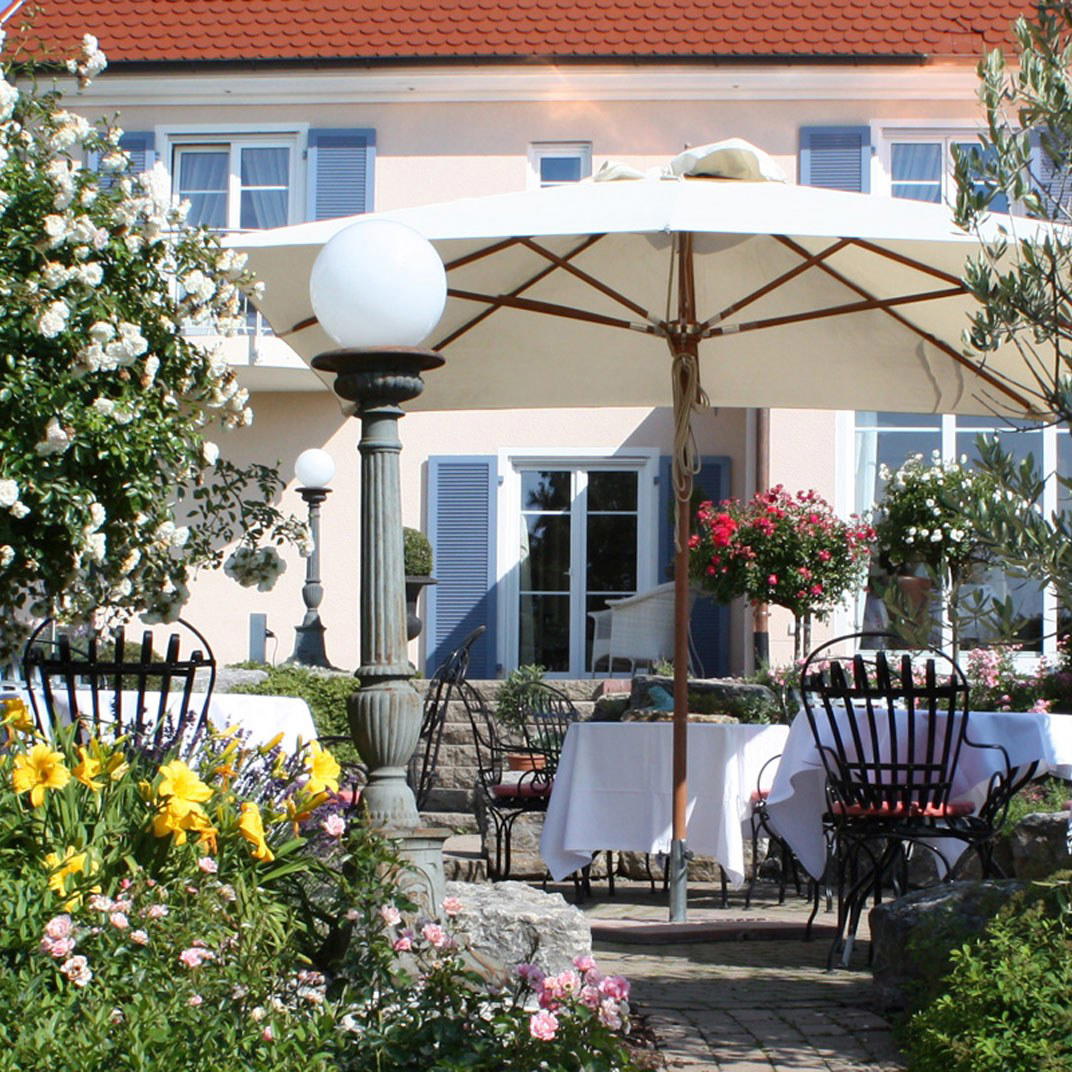
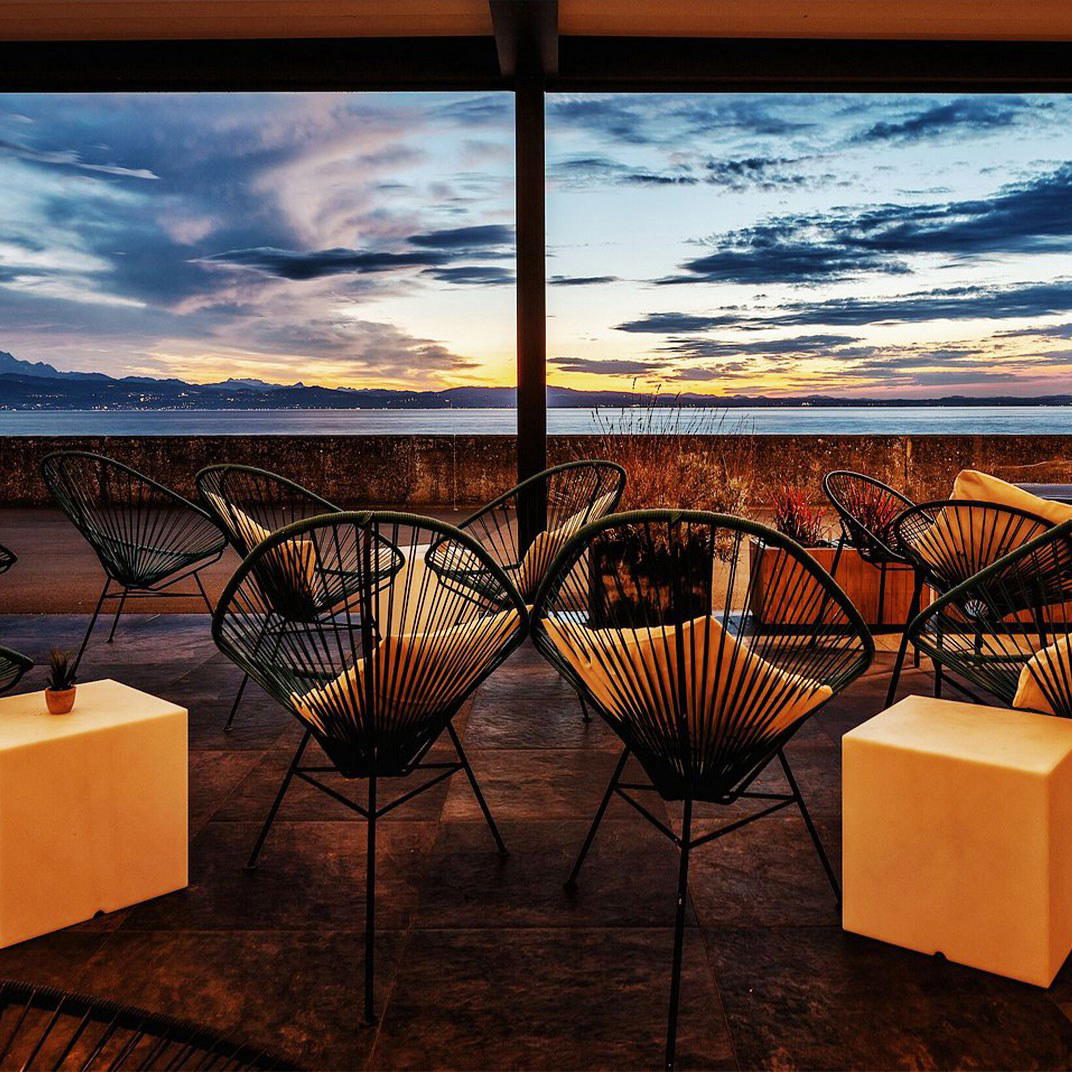
Refined and elegant atmosphere with scenic waterfront views, featuring stylish design and a relaxed yet sophisticated dining experience.