Winery Casas del Bosque
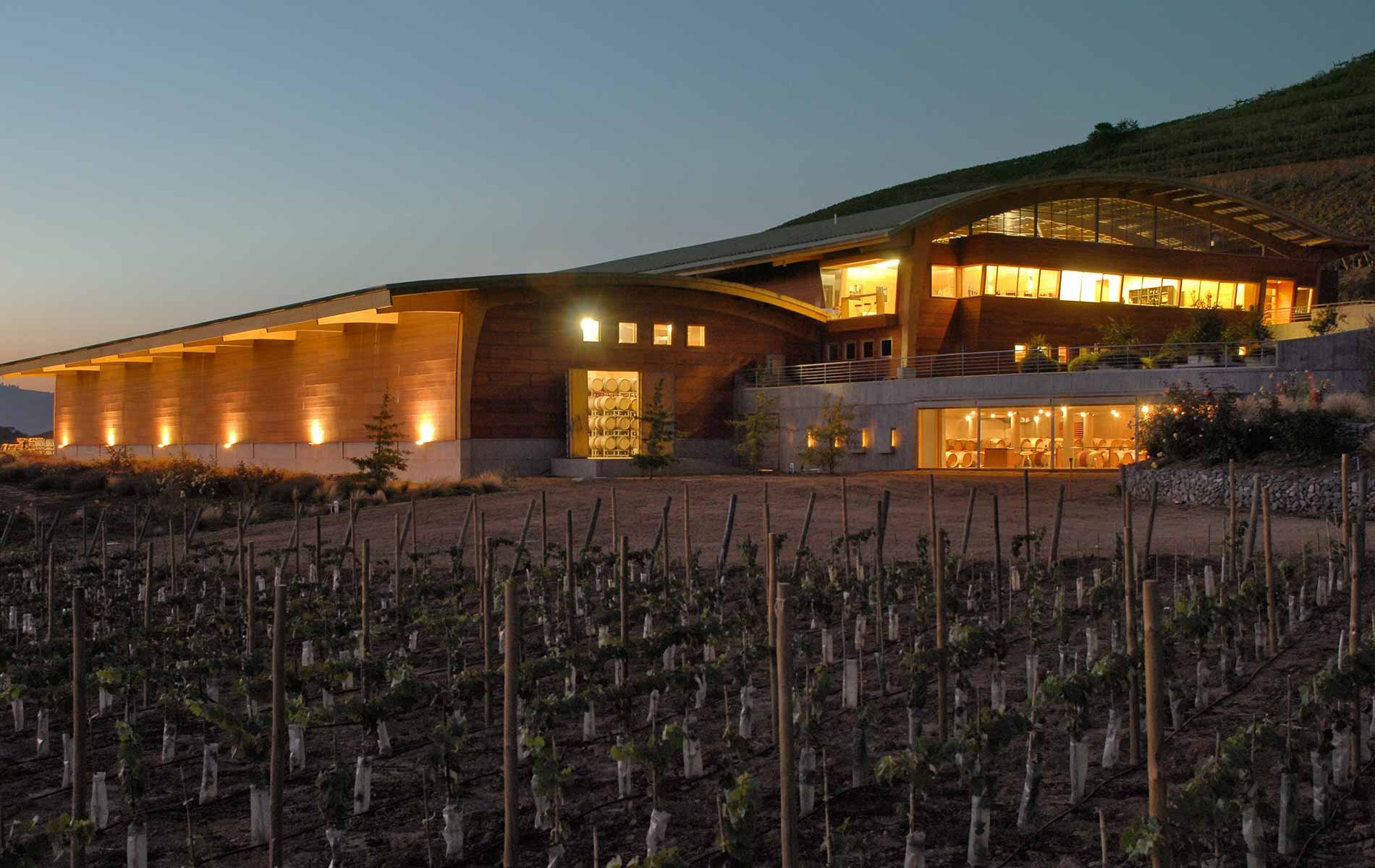
Casas del Bosque sits in Casablanca Valley, one of Chile's most consequential cool-climate wine zones, where Pacific fog and afternoon winds shape the growing season as much as any winemaking decision. The estate produces Sauvignon Blanc and Pinot Noir in a region that came of age largely without the Cabernet-centric assumptions that defined Chilean wine's export identity for decades. Visitors arrive at a working winery with a restaurant on-site, placing the table directly inside the production context.
Pearl is the En Primeur Club membership app — saves, bookings, and concierge access live there. Same editors, same standards.
- Address
- Ex Fundo Santa Rosa - Hijuela Nº 2, Casablanca, Valparaíso, Chile
- Phone
- +56 2 2480 6941
- Website
- casasdelbosque.cl
- Directions
- Get directions
 Saves & bookings on Pearl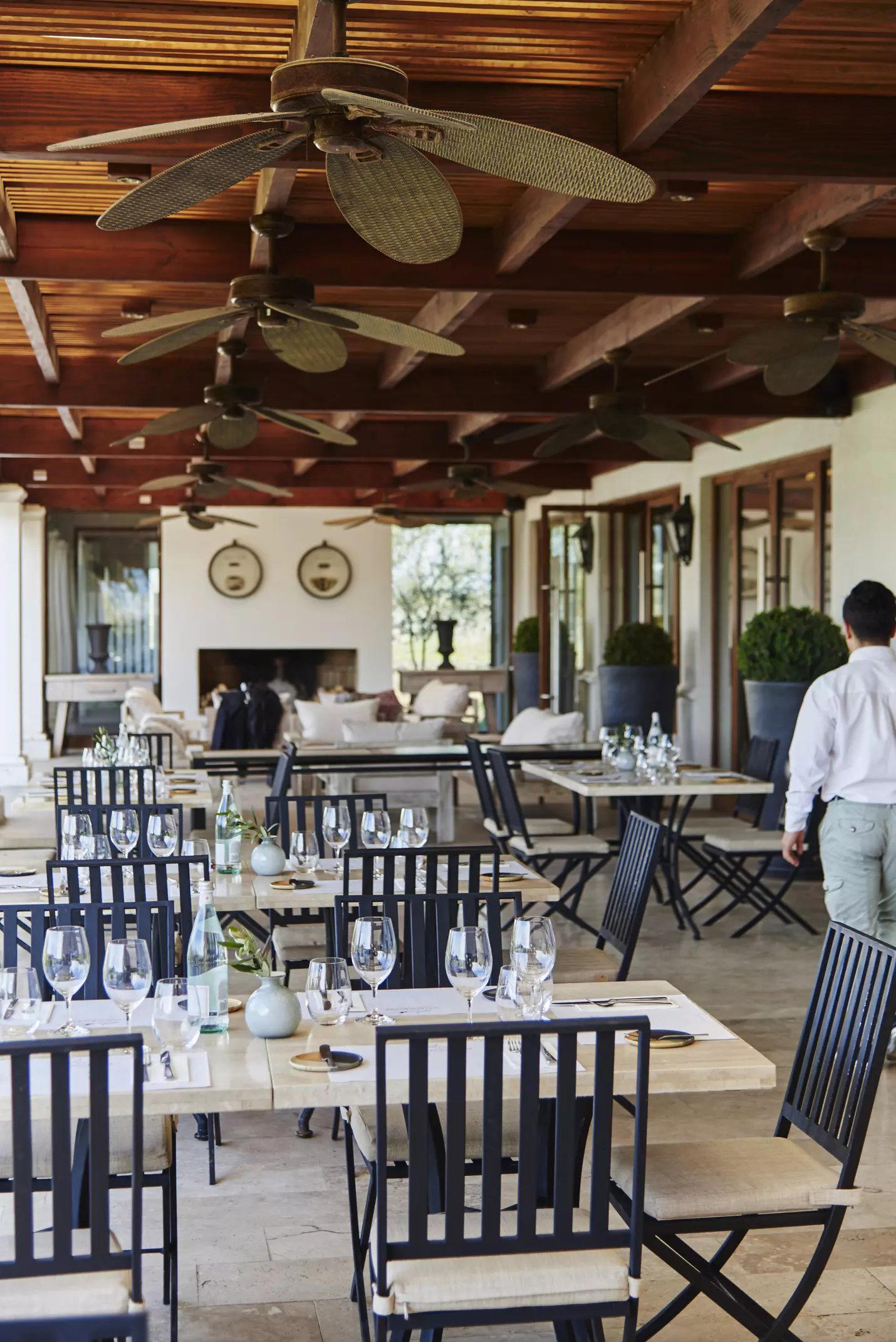
Casablanca Valley and the Cool-Climate Argument
Chile's wine identity was built, commercially at least, on warm Central Valley Cabernet Sauvignon and Carmenère, grapes that thrive in conditions closer to Bordeaux's warmest years than to Burgundy's. Casablanca Valley disrupted that template when it emerged as a serious growing zone in the late 1980s and early 1990s, pushing production west toward the Pacific coast where morning fog and maritime winds compress the ripening window and preserve the acidity that Sauvignon Blanc and Pinot Noir depend on. Winery Casas del Bosque, located at Ex Fundo Santa Rosa - Hijuela Nº 2 in Casablanca, Valparaíso, Chile, is a product of that shift and operates inside a regional tradition that still positions itself against the Cabernet mainstream.
The geography matters because it determines the type of dining and tasting experience available here. Estate wineries in cool coastal zones tend to offer visitors a more agricultural, process-visible encounter than, say, a polished urban wine bar: you arrive through vineyard land, the fermentation facility is nearby, and the restaurant functions as an argument for the wines rather than a separate business that happens to share a postal address. That integration between production and table is the defining character of the estate winery format, and Casablanca Valley has several properties that operate within it. Casas del Bosque is among the more established presences in that group.
What the Valley Produces, and Why It Matters at the Table
Cool-climate viticulture in Chile is still a relatively young project. The first commercial plantings in Casablanca date to the mid-1980s, which means the oldest vines in the valley are now approaching forty years, a developmental stage where winemakers are beginning to work with genuinely complex raw material rather than young-vine fruit. That evolution changes what ends up in the glass and, by extension, what appears at an estate table. Sauvignon Blanc from Casablanca tends to carry a herbal, citrus-driven profile with lower alcohol than equivalent wines from warmer zones, while the valley's Pinot Noir is typically lighter-bodied and more fragrant than Chilean Pinot from further south in Bio-Bio or Malleco.
For anyone familiar with the Chilean wine category from a decade ago, the current range of what Casablanca produces represents a meaningful expansion of what the country can credibly offer at the table alongside food. The pairing logic at an estate restaurant in this zone runs toward lean proteins, coastal shellfish when available, and vegetable-forward preparations that don't overpower the wine's structural delicacy, a different conversation than the one happening at a Maipo Valley Cabernet estate, where the food tends to anchor itself to red meat and reduction sauces. Readers interested in how that contrast plays out across Chilean fine dining more broadly can find relevant comparisons at Boragó in Santiago and Peumayen in Providencia, where indigenous and native ingredients increasingly drive the menu conversation.
The Estate Format in Chilean Wine Tourism
Estate winery dining in Chile has diversified considerably. At one end sits the ultra-luxury model, properties like Lapostolle Residence in Santa Cruz or VIK, where the accommodation, art, and dining operate at a price point and design ambition that places them in a global luxury tier. At the other end, working estates offer tastings and a restaurant without significant hospitality infrastructure. Casas del Bosque's address on the F-830 corridor in Casablanca puts it roughly an hour from both Valparaíso and Santiago, accessible enough for a day trip from either city without requiring overnight accommodation. That logistical position makes it a different kind of proposition than a remote destination estate: you come for the wine and the table, not to stay.
The Casablanca Valley corridor itself contains a cluster of estate operations, which means a visit to Casas del Bosque fits naturally into a broader day spent across multiple properties. This is how most serious wine visitors approach the zone, treating individual estates as stops within a geography rather than single-destination events. Readers planning a structured day through the valley can orient themselves further using our full Valparaiso restaurants guide, which maps the regional context across both urban dining and estate options.
For contrast with Chile's other estate wine experiences, Viña Concha y Toro in Pirque and Rosario in Rengo represent the warmer Central Valley model, where the grape varieties, food pairings, and vineyard aesthetic differ substantially from what Casablanca offers. D.O. Restoran in Lo Barnechea provides yet another angle on Chilean wine-table integration closer to Santiago's urban edge.
Valparaíso's Dining Context
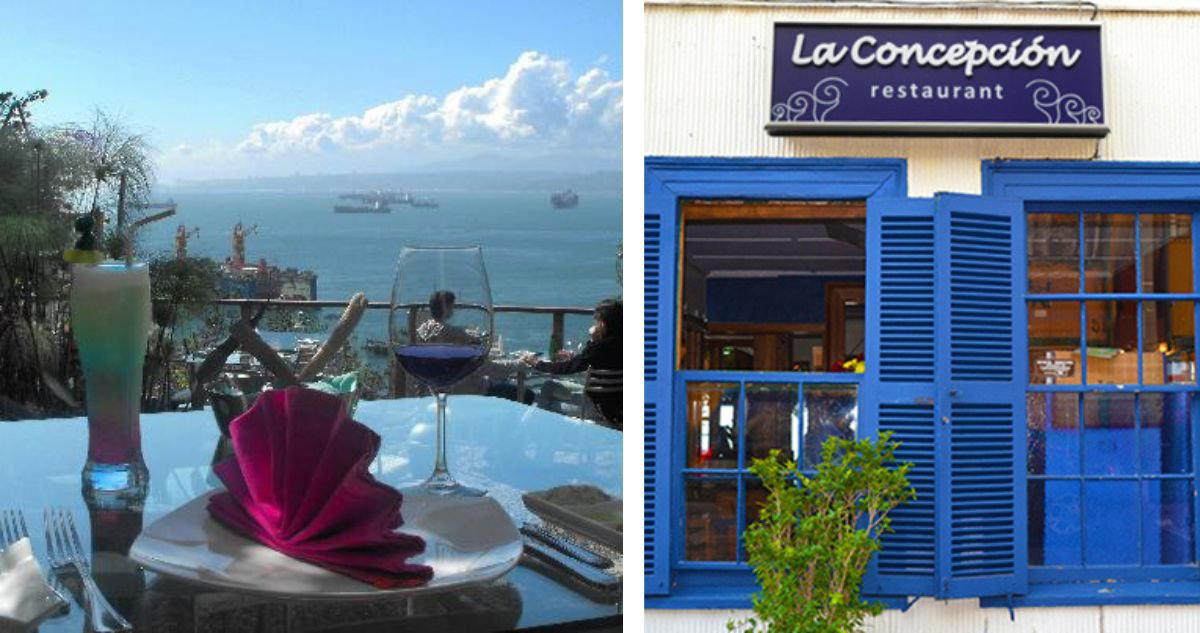
The port city itself, roughly an hour west of Casablanca, operates a restaurant scene organized around its UNESCO-listed hillside neighborhoods and a working waterfront. Urban Valparaíso dining is distinct from the estate experience in character: tighter rooms, more neighborhood specificity, and food that engages with the port's fishing heritage and the city's layered immigrant history. Pasta e Vino Ristorante, La Caperucita y el Lobo, and La Concepción each represent different facets of that urban character, none of them offering the vineyard context that defines the Casablanca estate experience, but together composing a convincing case for spending two or three days between the city and the valley rather than treating either as a single-stop visit.
Further afield in Chile, the estate-and-table format appears in dramatically different environments. Awasi Atacama in San Pedro de Atacama and andBeyond Vira Vira in Araucanía operate within the luxury wilderness lodge format, where the relationship between landscape and table is atmospheric rather than viticultural. Casas del Bosque is something more specific: a winery where the landscape is an argument about a particular grape, a particular climate, and a particular decision made in the late twentieth century to plant in a valley that most Chilean wine producers had not yet taken seriously.
Planning a Visit
The estate sits on the F-830 road through the Casablanca commune, between Valparaíso and Santiago, placing it within reach of either city without a flight or significant travel commitment. Visitors from Valparaíso can reach the valley in under an hour by road; from Santiago, the drive runs approximately ninety minutes depending on traffic through the coastal range. Casablanca's harvest season falls between February and April in the Southern Hemisphere calendar, which is when the valley shows its most active agricultural character and when the context for an estate visit feels most immediate.
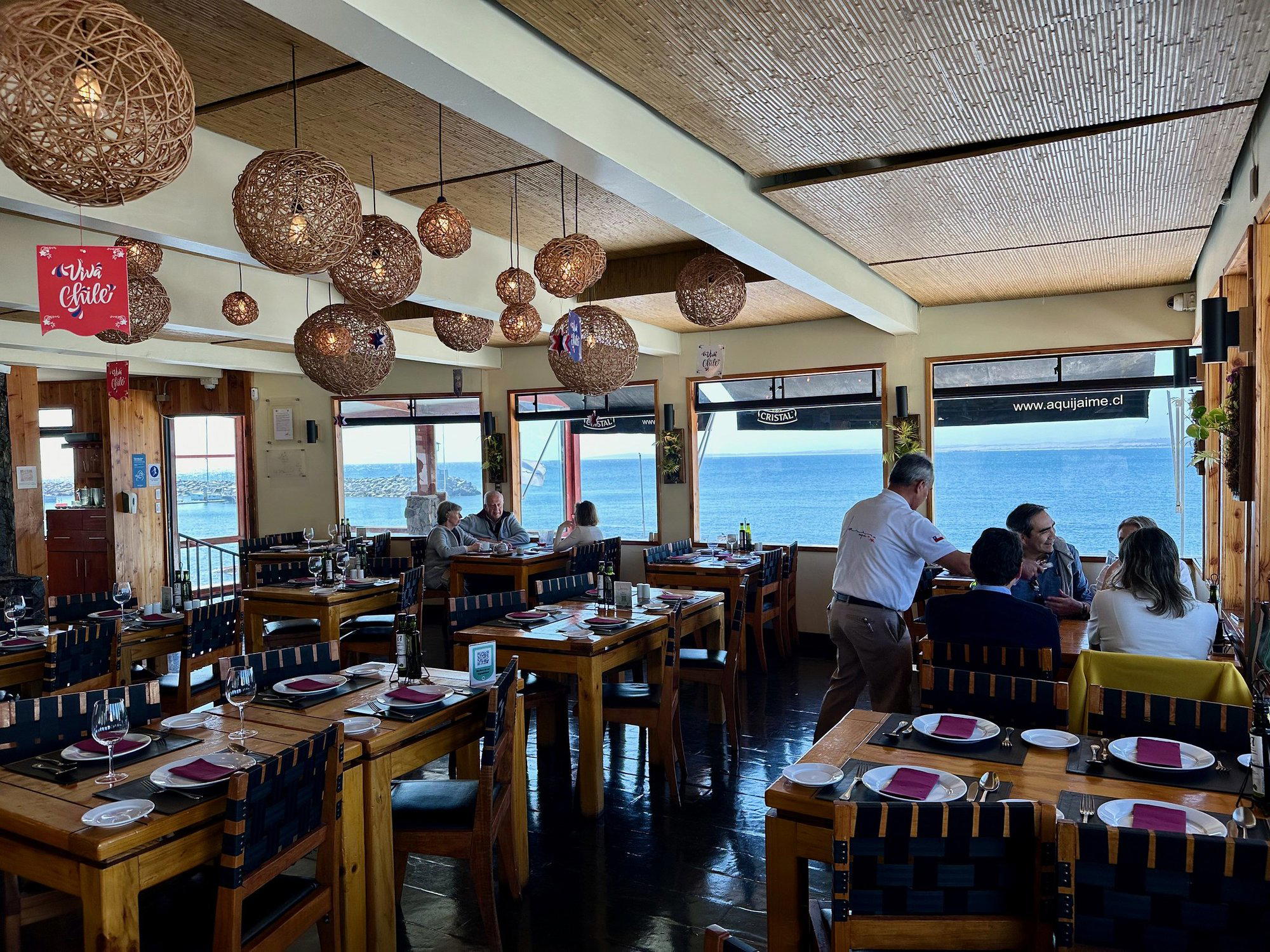
For those building a broader Chilean wine and dining itinerary, the connections extend usefully to Aquí Jaime in Concon along the coastal road, and to CasaMolle in El Molle further north in the Limarí zone, where a different Chilean terroir conversation is happening around Syrah and Chardonnay on limestone soils.
Price and Positioning
Comparable venues nearby, for context on price, style, and recognition.
| Venue | Cuisine | Price | Notes |
|---|---|---|---|
| Winery Casas del BosqueThis venue — the venue you are viewing | Not listed | $$$ | Not listed |
| Pasta e Vino Ristorante | Cerro Alegre, Italian Pasta Ristorante | $$$ | Not listed |
| La Concepción | Not listed | $$$ | Cerro Concepción, Chilean Seafood & Mediterranean |
| La Caperucita y el Lobo | Not listed | $$ | Cerro Florida, Seafood Fusion with Chilean Influences |
| Cívico la moneda | Centro, Modern Chilean | $$$ | Not listed |
| Bocanáriz | Lastarria, Modern Chilean Wine Bar | $$$ | Not listed |
Continue exploring
More in Valparaiso
Restaurants in Valparaiso
Browse all →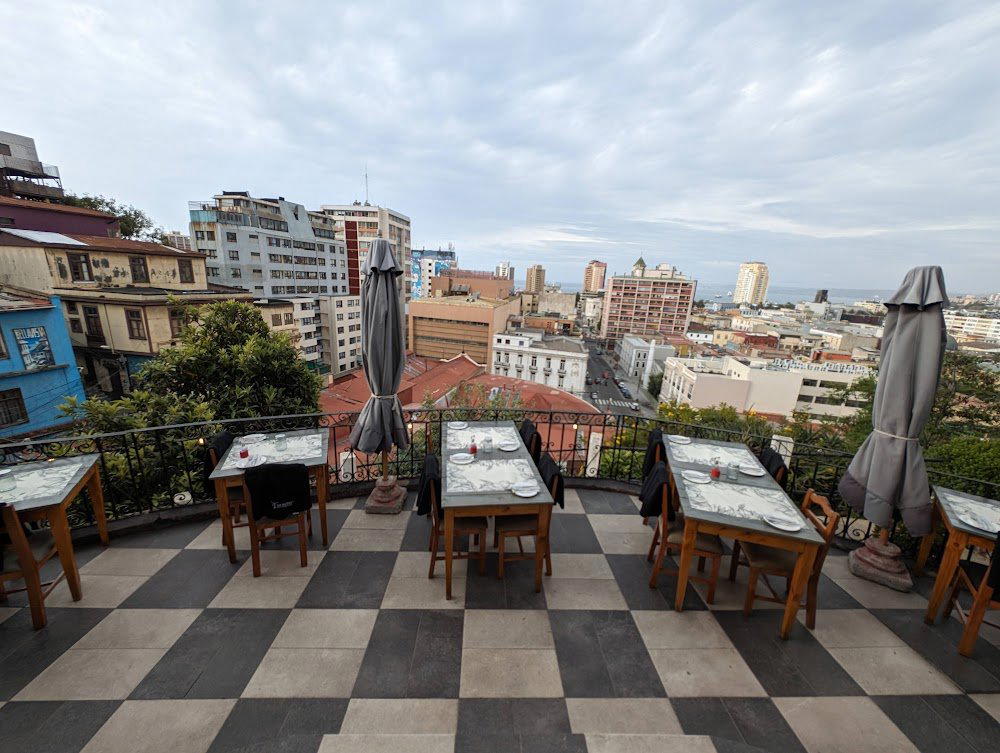
Hotels in Valparaiso
Browse all →
At a Glance
- Scenic
- Elegant
- Rustic
- Special Occasion
- Date Night
- Wine Cellar
- Terrace
- Panoramic View
- Extensive Wine List
- Sommelier Led
- Local Sourcing
- Organic
- Vineyard
- Mountain
Current opening hours
- Monday
- 10 AM–5:30 PM
- Tuesday
- 10 AM–5:30 PM
- Wednesday
- 10 AM–5:30 PM
- Thursday
- 10 AM–5:30 PM
- Friday
- 10 AM–5:30 PM
- Saturday
- 10 AM–6 PM
- Sunday
- 10 AM–6 PM
Hours can change for holidays and private events. Last verified .
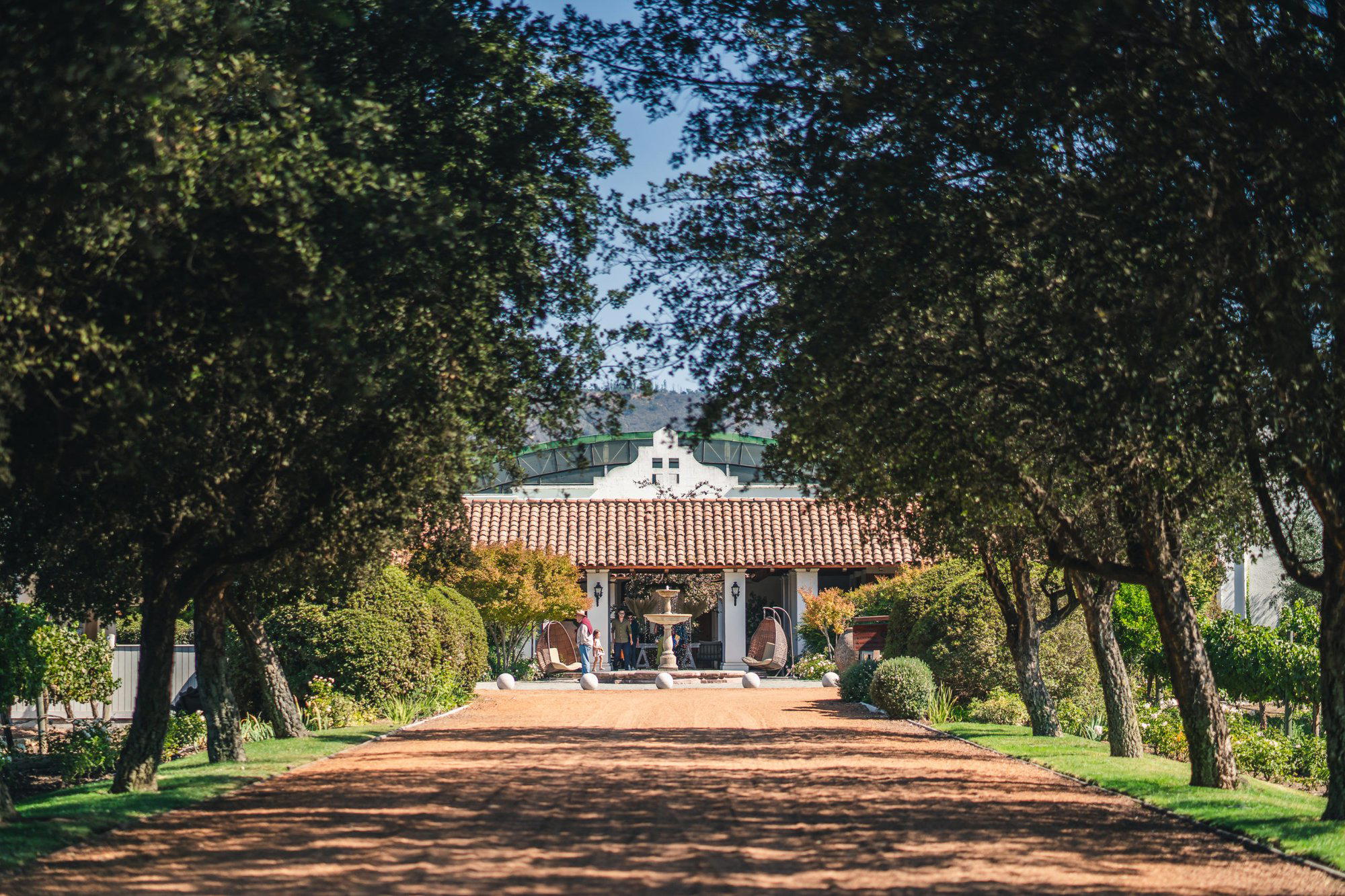
Contemporary pavilion overlooking vineyards and organic gardens, with al fresco patio dining and traditional white-washed adobe houses amid pine forests.