Napoli Mia sits along the Route de Montfavet on Avignon's eastern edge, bringing Italian cooking to a city more often associated with Provençal tradition. In a dining scene where the price brackets run from casual bistro to formal tasting menu, it occupies a neighborhood-level register that rewards visitors willing to look beyond the city walls for their table.
Pearl is the En Primeur Club membership app — saves, bookings, and concierge access live there. Same editors, same standards.
- Address
- 8 Ter Rte de Montfavet, 84000 Avignon, France
- Phone
- +33490883195
- Website
- napolimia.fr
- Directions
- Get directions
 Saves & bookings on Pearl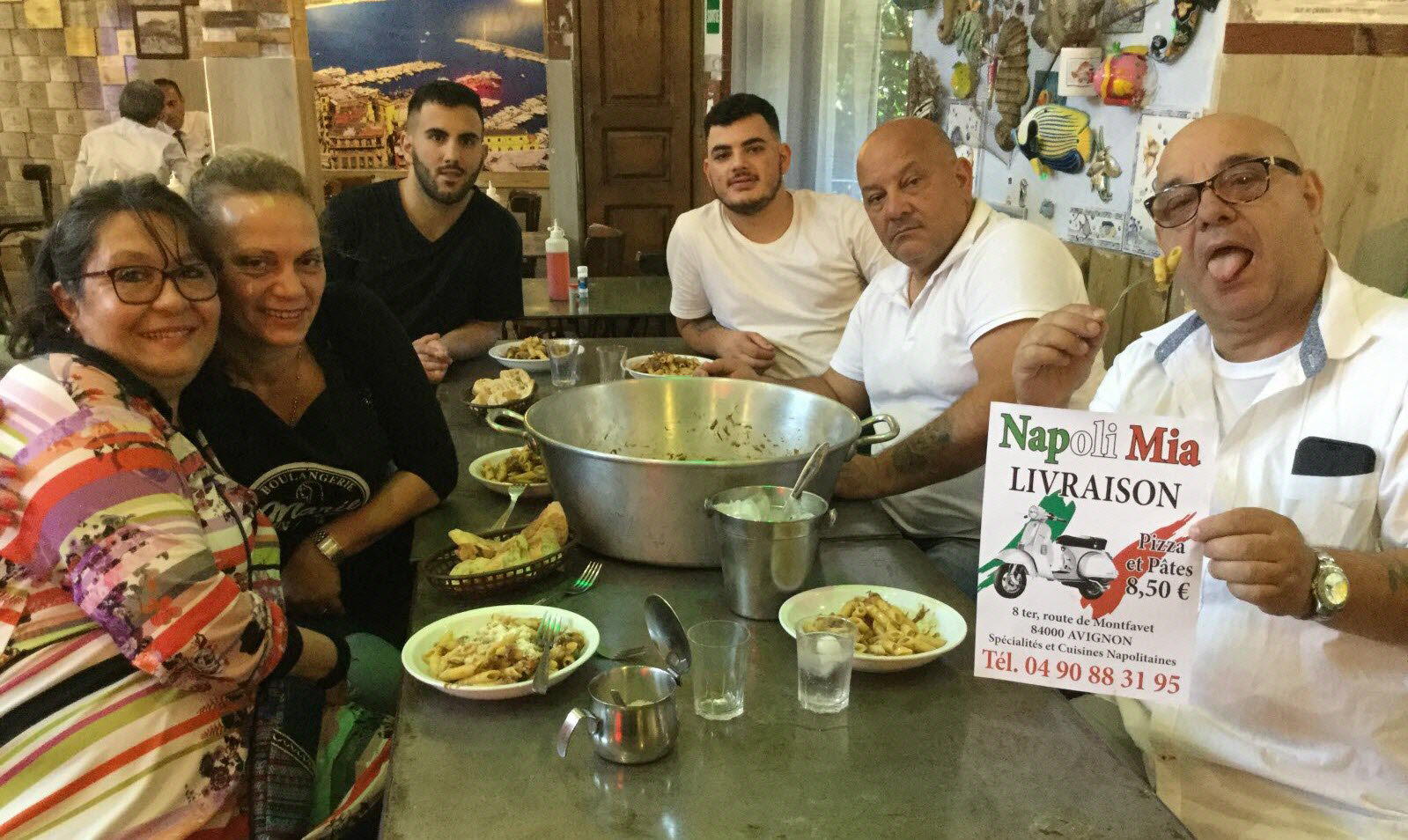
Italian in Avignon: Where the City's Dining Map Gets Complicated
Avignon's restaurant culture sorts into relatively predictable tiers. Inside the ramparts, the formal end of the market is led by places like La Mirande and La Vieille Fontaine, both operating in the higher price brackets and drawing on deep Provençal and modern French frameworks. The contemporary middle tier includes addresses like Pollen, Acte 2, and Bibendum, each working within the city's expectation that a serious meal will be French in its orientation. Italian cooking in this context occupies an interesting structural position: it is neither foreign enough to read as exotic nor local enough to dominate the identity of the scene.
Napoli Mia, located at 8 Ter Route de Montfavet, sits outside that intra-muros frame. The Route de Montfavet runs east from the historic centre toward the commune of Montfavet, and restaurants along this corridor tend to serve a mixed audience of local residents and visitors who have looked past the city's tourist orbit. That positioning shapes the experience before you even walk through the door, the approach is residential and unhurried, a contrast to the compressed dining rooms of the old town.
The Register of the Room
The physical character of the Route de Montfavet address is consistent with a neighborhood-level Italian that prioritises return custom over occasion dining. In France, this category of Italian restaurant has a specific social function: it handles the meal type that neither a brasserie nor a gastronomic table does well, the informal gathering built around shared plates, pasta, and a manageable wine list. The leading versions of this format in French cities achieve something that larger Italian chains cannot, a sense that the kitchen is cooking for regulars, not processing covers.
That team dynamic, between the kitchen sending out food and the front-of-house calibrating the pace and tone of a room, is often what separates a neighborhood Italian that earns repeat visits from one that exists purely on proximity. In smaller formats, the communication between kitchen and floor matters more than the square footage. When it works, the room reads as coherent rather than transactional. The sommelier or wine-service role in this tier of restaurant also carries more weight than is often acknowledged, a thoughtful Italian wine selection, even a short one, does more editorial work on a menu than any number of printed descriptions.
Italian Cooking in the South of France: A Useful Frame
The south of France has an older relationship with Italian food culture than most of its northern equivalents. The border regions of Provence and the Ligurian coast share ingredients, techniques, and migration histories that blur the clean national categories that food writing tends to impose. Olive oil, anchovies, chickpea preparations, and herb-forward sauces appear on both sides of the Alps with enough overlap that a kitchen working in Italian idiom in this part of France is not operating against the grain of local flavour logic, it is, in some ways, extending it.
Neapolitan cooking specifically has a profile in France that stretches well beyond pizza, though pizza remains its most exported format. The Campanian tradition of pasta, seafood, and tomato-based sauces carries a directness that tends to read well against the more technique-heavy frameworks of contemporary French cooking. Where the French fine dining world, represented at its outer limits by addresses like Alléno Paris au Pavillon Ledoyen, Mirazur in Menton, or Bras in Laguiole, pursues formal progression and complexity, Neapolitan cooking makes a different argument: that simplicity executed with ingredient discipline produces its own form of authority. The regional tradition behind a name like Napoli Mia sets that expectation before any menu arrives.
Avignon in Relation to France's Wider Dining Conversation
Avignon is not a city that registers prominently in France's national restaurant conversation. The Michelin-dense corridor of the south runs more heavily through Marseille and the Var coast, and the prestige addresses that international visitors plan routes around tend to cluster in Paris, Lyon, and Alsace, with houses like Paul Bocuse - L'Auberge du Pont de Collonges, Auberge de l'Ill in Illhaeusern, and Au Crocodile in Strasbourg anchoring the eastern end of the French fine dining map. In the Alps, Flocons de Sel in Megève and Troisgros - Le Bois sans Feuilles in Ouches represent the kind of destination-grade investment that redirects entire travel itineraries. Assiette Champenoise in Reims extends that northern reach. Against that geography, Avignon functions as a city where day-to-day dining quality tends to matter more than the hunt for a single landmark meal.
That context makes the neighborhood Italian format more relevant to Avignon's actual dining ecology than it might be elsewhere. Visitors spending several nights in or around the city need more than one occasion-level table. The Route de Montfavet address fills a register that the intra-muros restaurants, with their tighter pricing and more formal posture, do not occupy. International diners accustomed to the depth and intensity of restaurants like Le Bernardin in New York City or Atomix in New York City will find the mode here considerably lower-key, and that is precisely the point.
Planning Your Visit
Napoli Mia is located at 8 Ter Route de Montfavet, Avignon 84000. The address sits on the eastern approach to the city, accessible by car from the centre in under ten minutes. As with most neighborhood-level restaurants in provincial French cities, arriving with a reservation rather than on the assumption of walk-in availability is the more reliable approach, particularly on Thursday through Saturday evenings when local demand tends to concentrate. The restaurant's contact details and current hours are best confirmed directly before travel, as operational schedules in this tier of venue can shift seasonally.
Price and Positioning
Comparable venues nearby, for context on price, style, and recognition.
| Venue | Cuisine | Price | Notes |
|---|---|---|---|
| Napoli MiaThis venue — the venue you are viewing | Not listed | $$ | Not listed |
| Naka | Intra-muros, Traditional Japanese Sushi | $$ | Not listed |
| La Cour de Caro | Not listed | $$ | centre historique, Bistronomic French with Mediterranean Accents |
| Simple Simon | Not listed | $$ | Old Town Avignon, British Tea House & Brunch |
| O'Papilles | Not listed | $$ | historic center, Traditional French Bistro with Local Produce |
| L'Explo | Not listed | $$ | Intra-muros, Craft Beer Bar with Local Bites |
Continue exploring
More in Avignon
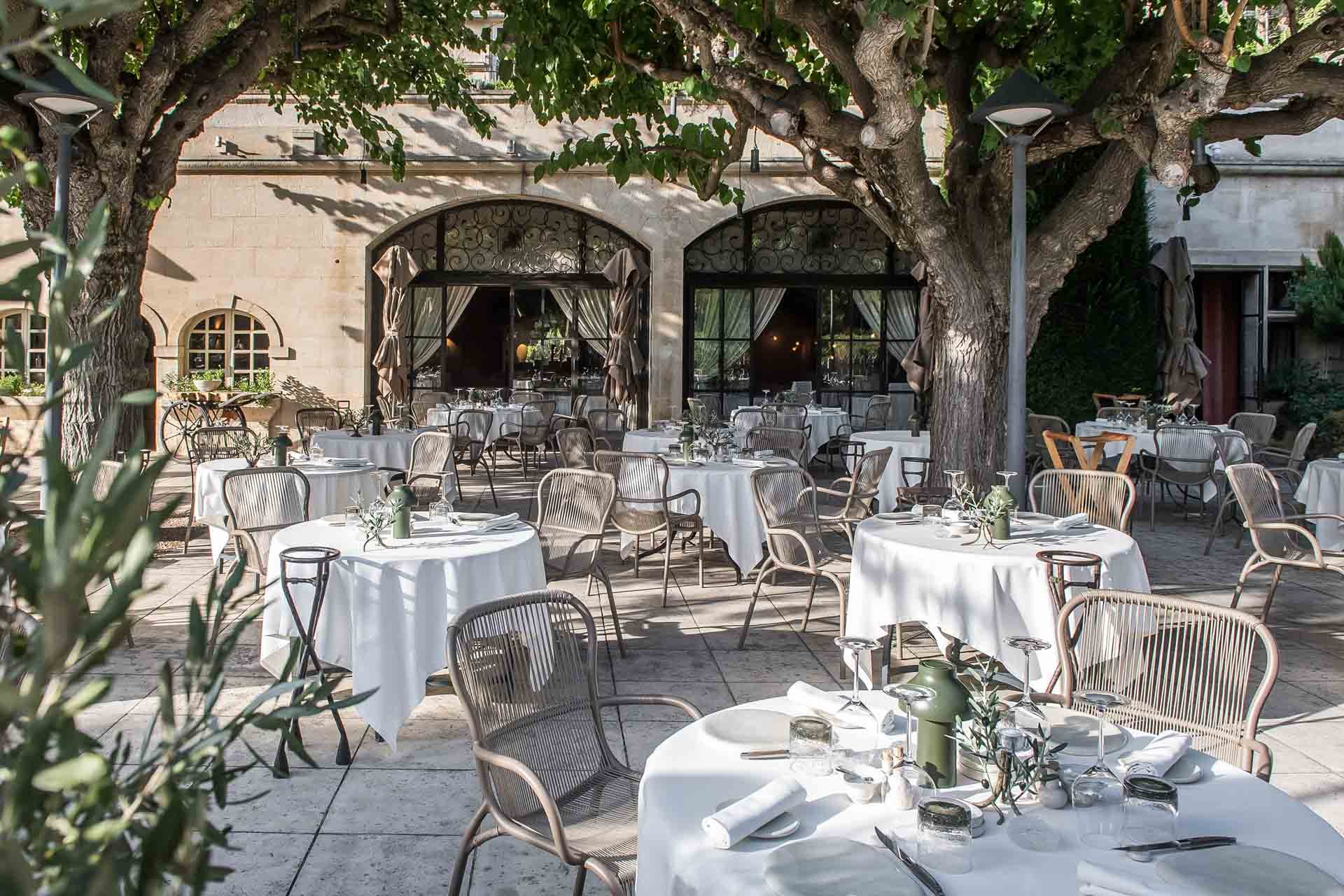
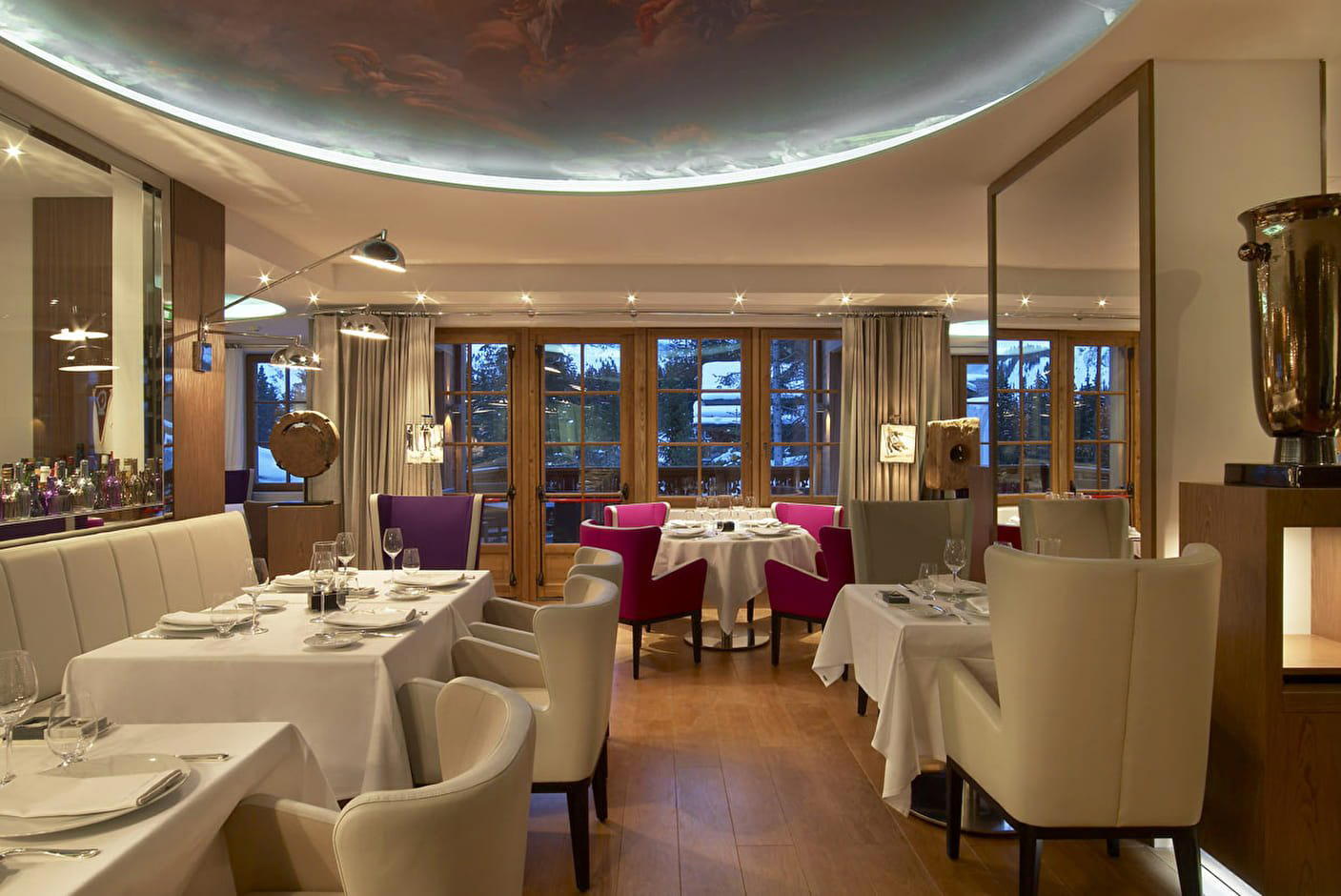
Restaurants in Avignon
Browse all →
Bars in Avignon
Browse all →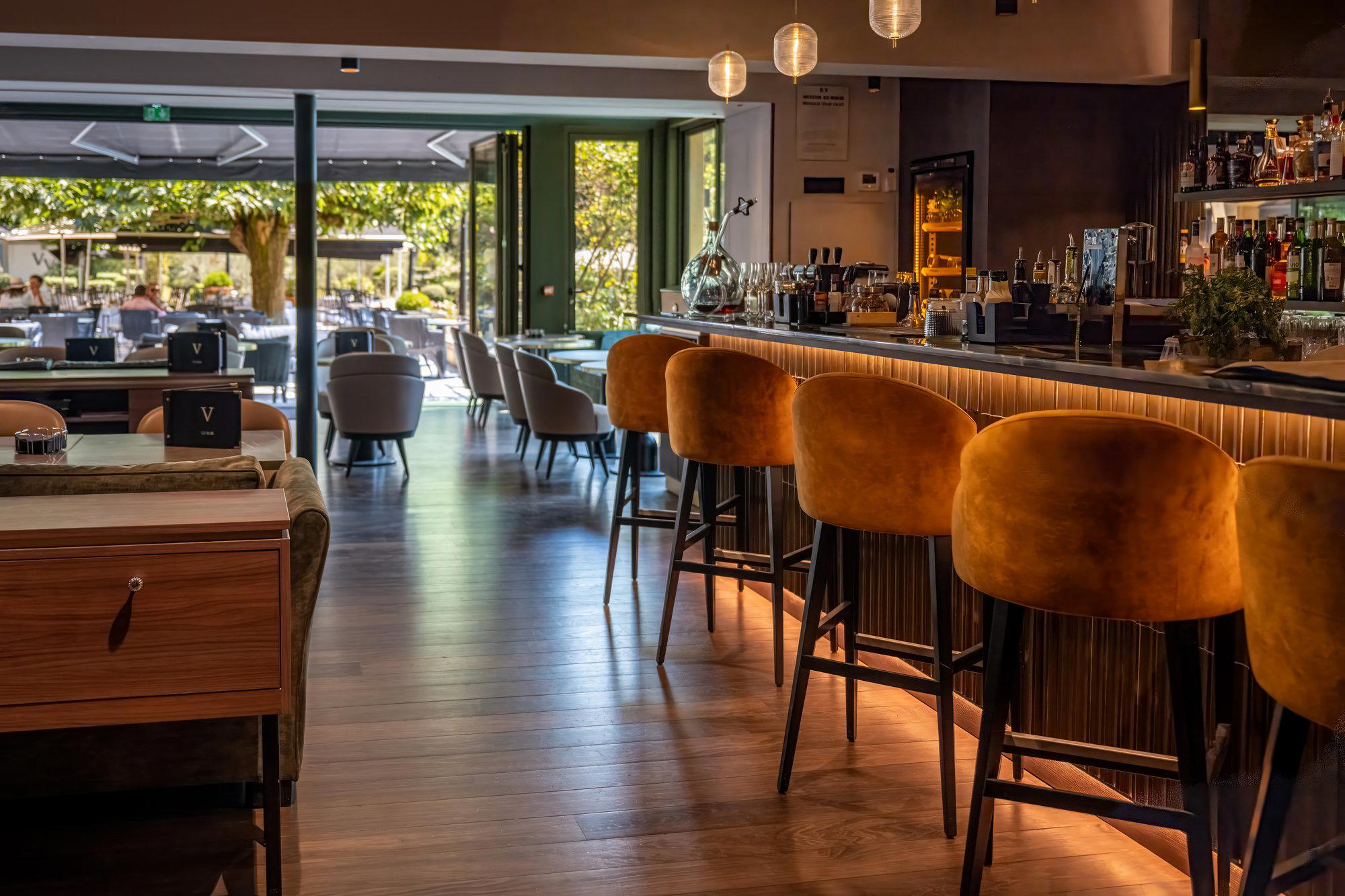
Hotels in Avignon
Browse all →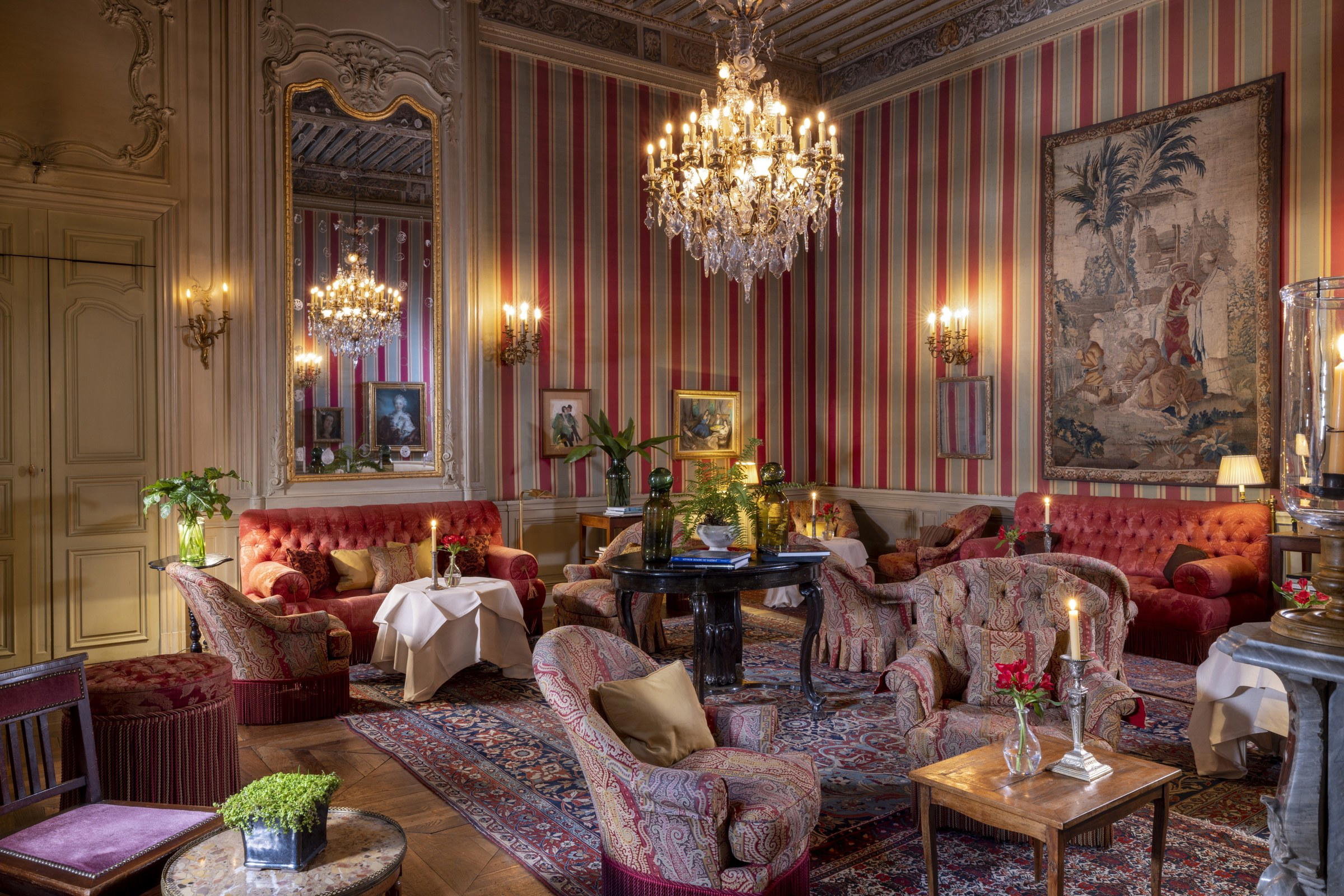
At a Glance
- Rustic
- Cozy
- Lively
- Family
- Group Dining
- Casual Hangout
- Open Kitchen
Current opening hours
- Monday
- Closed
- Tuesday
- 12–2:30 PM, 7–11:30 PM
- Wednesday
- 12–2:30 PM, 7–11:30 PM
- Thursday
- 12–2:30 PM, 7–11:30 PM
- Friday
- 12–2:30 PM, 7–11:30 PM
- Saturday
- 12–2:30 PM, 7–11:30 PM
- Sunday
- Closed
Hours can change for holidays and private events. Last verified .
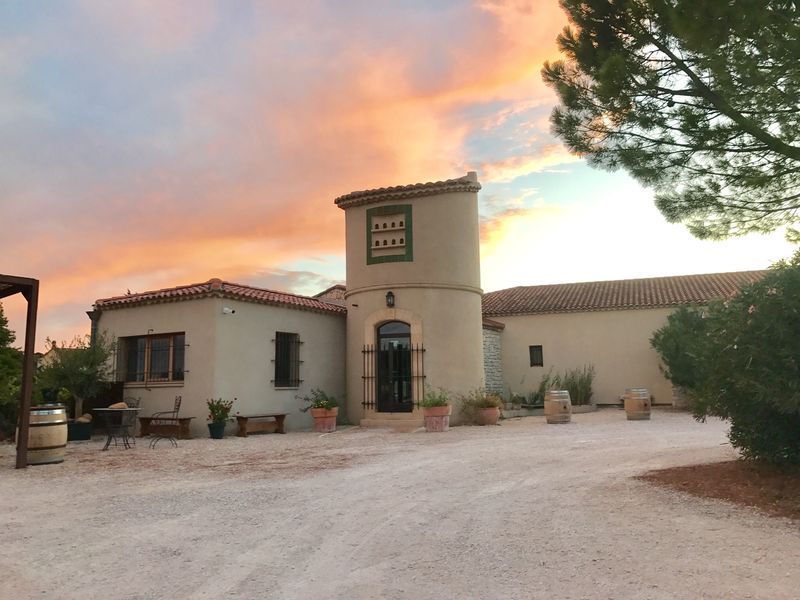
Warm, rustic decor filled with Italian memorabilia, creating a lively and familial atmosphere.