
Michelin Plate
Our verdict
A Michelin Plate-recognised address in the heart of Avignon's old city, Acte 2 sits at the accessible end of the modern cuisine tier, where careful sourcing and focused cooking define the offer rather than ceremony. It holds consistent appeal among a mid-price bracket where quality and value rarely converge this reliably in Provence.

Pearl is the En Primeur Club membership app — saves, bookings, and concierge access live there. Same editors, same standards.
- Address
- 3b Rue Petite Calade, 84000 Avignon, France
- Phone
- +33 9 53 99 36 88
- Hours
- Mon ClosedTue–Fri 7:15–8:30 PMSat 12–1:15 PM, 7:15–8:30 PMSun Closed
- Website
- restaurantacte2.com
- Directions
- Get directions
The menu
What to order
- Scallop carpaccio with turnip and lemon
- Veal fillet with truffle and Albufera sauce
- Soft cod
- Perfectly cooked Skrei steak
- Deconstructed lemon meringue tart
Where Provençal Supply Chains Meet the Modern Plate
The streets inside Avignon's papal walls hold a dining culture shaped by centuries of proximity to some of France's most productive agricultural land. The Rhône Valley, the Luberon, the Alpilles: within an hour of the city, producers grow ingredients that appear on tables from Lyon to Paris. Rue Petite Calade, a narrow lane threading through the old city not far from the Palais des Papes, is exactly the kind of address where that supply chain becomes visible on a plate. Acte 2 occupies this spot in the €€ bracket of Avignon's modern cuisine tier, which places it below starred addresses like La Mirande and La Vieille Fontaine, but well inside the zone where Michelin recognition carries meaning.
Michelin awarded the restaurant a Plate in both 2024 and 2025, a distinction the guide reserves for kitchens producing food it considers worth seeking out, even without the star-level complexity or service architecture of larger operations. In a city where the tourist-facing €€ tier often sacrifices sourcing discipline for volume, consecutive Plate recognition suggests a kitchen operating with more rigour than its price point requires.
The Sourcing Logic Behind Modern Provence
Modern cuisine in southern France draws its credibility from ingredient provenance more than technique for its own sake. The Vaucluse department, in which Avignon sits, produces truffles from Richerenches, cherries from the Luberon, goat's cheese from across the plateau, asparagus from the Comtat plain in spring, and stone fruit through high summer. Any kitchen in this city working at Michelin Plate level and beyond is, implicitly, in a conversation with this supply network. The question is how directly that conversation appears on the menu.
Across France, the best-regarded €€ modern cuisine addresses have moved toward shorter, market-driven menus that change frequently enough to reflect seasonal availability rather than a fixed repertoire. This is the operating model at establishments like Pollen, which has brought garden-to-table discipline to Avignon's dining conversation. Acte 2 fits the same general arc: a mid-price address holding Michelin attention in a region where the raw material quality available to a careful buyer remains among the highest in Europe.
For context on where this sits relative to France's broader modern cuisine conversation, the country's most scrutinised tables include addresses like Mirazur in Menton, Bras in Laguiole, and Troisgros in Ouches, all of which have built their identities in part around the specificity of their regional supply. Even at the Michelin Plate level, the same logic applies at smaller scale: sourcing discipline and seasonal honesty tend to separate restaurants that hold recurring recognition from those that earn it once and drift.
Avignon's Mid-Tier Modern Cuisine Bracket
Avignon's restaurant scene splits across a relatively clear price hierarchy. At the leading, €€€€ addresses like La Mirande and La Vieille Fontaine command Michelin stars and full tasting-menu formats, with the service infrastructure and room investment to justify them. The €€€ tier, where Bibendum operates, sits between those poles. Acte 2's €€ position means it competes on a different basis: the ability to deliver cooking that feels considered rather than produced, at a price point accessible enough to sustain regular local patronage alongside visitor trade.
At €€ pricing in a city with substantial tourist volume, ratings tend to reflect a split audience: visitors seeking reliable regional food and locals returning because the kitchen earns it. A sustained 4.8 across a large review base suggests the kitchen is not splitting those two audiences but serving both with enough consistency to hold both.
The longer tradition of engaged Avignon dining runs through addresses like Hiély-Lucullus, one of the city's historically significant tables. Acte 2 belongs to a newer generation of mid-price modern cuisine that operates with less ceremony but equivalent sourcing awareness, a format that has become the most commercially viable version of serious cooking in provincial French cities over the past decade.
Placing Acte 2 in the Wider Modern Cuisine Frame
Modern cuisine as a Michelin category spans an enormous range globally. At the upper end, operations like Alléno Paris au Pavillon Ledoyen, Flocons de Sel in Megève, and internationally Frantzén in Stockholm and FZN by Björn Frantzén in Dubai represent the category at its most technically ambitious and expensive. Acte 2 is not that. What it represents is the version of modern cuisine that matters most to everyday dining culture in a provincial city: accessible enough to be used regularly, considered enough to hold Michelin attention, and grounded enough in regional supply to feel like it belongs where it is.
Avignon's old city is compact and walkable, with most of the serious dining concentrated within the walls. Rue Petite Calade sits close to the historic core, meaning a meal at Acte 2 fits naturally into an evening that might begin at one of the wine bars covered in our full Avignon bars guide or end with a walk past the illuminated papal palace. Visitors staying in the city can orient around the addresses listed in our full Avignon hotels guide, several of which are within short walking distance of the restaurant's address on Rue Petite Calade.
For those interested in extending the regional food and wine picture beyond the city itself, our full Avignon wineries guide covers the Châteauneuf-du-Pape appellation and surrounding Rhône producers, and our full Avignon experiences guide maps the broader Vaucluse context, including the markets at Apt and Carpentras that supply kitchens across the region. The full picture of where Acte 2 sits within the city's dining options appears in our full Avignon restaurants guide.
Planning a Visit
Acte 2 sits at 3b Rue Petite Calade in the old city, within the walls and close to the central tourist and dining district. At the €€ price range, it is among the more accessible Michelin-recognised addresses in Avignon, which makes forward booking advisable rather than optional, particularly during the Festival d'Avignon in July, when the city fills beyond its usual capacity and restaurant availability tightens across all price points. Outside festival season, Avignon's dining scene operates at a more manageable pace, though the combination of consistent ratings and limited old-city seating at serious addresses means booking ahead remains sound practice year-round.
Frequently asked questions
Does Acte 2 have a Michelin star or similar recognition?
Acte 2 has received recognition including: Michelin Plate (2025); Michelin Plate (2024).
What's the best thing to order at Acte 2?
Acte 2 holds a Michelin Plate for 2024 and 2025, recognition that points toward consistent kitchen execution rather than a single signature dish. The modern cuisine format in this part of Provence typically builds around Vaucluse seasonal produce, so the menu shifts with what the region is producing. Given the €€ price bracket, the tasting logic here rewards ordering across several courses rather than anchoring to one item.
What's the pricing like at Acte 2?
Pricing at Acte 2 is listed as €€.
A Quick Peer Check
| Venue | Cuisine | Price | Awards | Notes |
|---|---|---|---|---|
| Acte 2This venue — the venue you are viewing | Modern French Seasonal Tasting Menu | $50–100 | Michelin Plate | Not listed |
| La Vieille Fontaine | Modern Provençal Fine Dining | $50–100 | Michelin Plate | Modern Cuisine |
| Italie là-bas | Modern Italian Fine Dining | $50–100 | Michelin Plate · We're Smart World 3 Radishes | Not listed |
| La Fourchette | Provençal French Bistro | $30–50 | Michelin Plate | Not listed |
| Sevin | Modern Seasonal Provençal | $50–100 | Michelin Plate | Not listed |
| Pollen | Modern French Fine Dining | $100–150 | 1 Michelin Star · Star Wine List | Modern Cuisine |
Recognition history
Dated appearances from independent guides and award organizations, with the underlying list record or original source where available.
Michelin Plate
Michelin
Full recognition history (2 entries)
Michelin Plate
Michelin
Continue exploring
More in Avignon
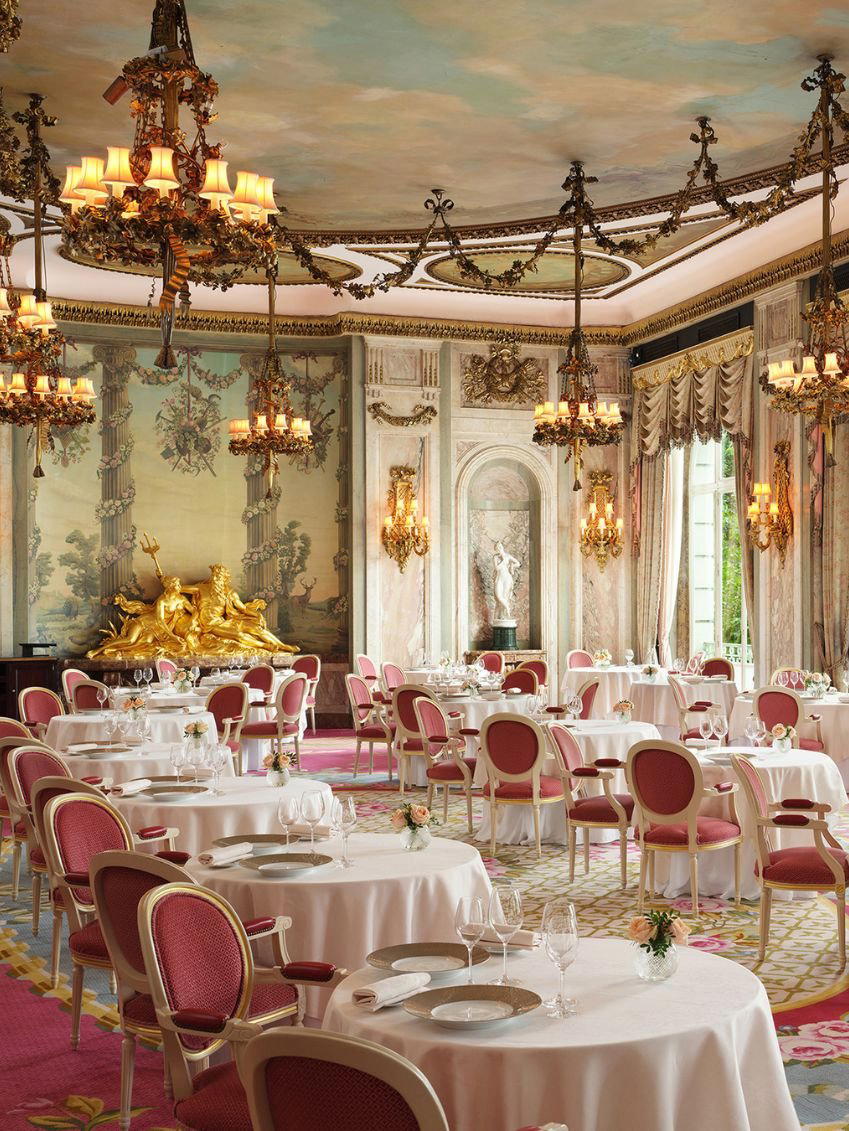
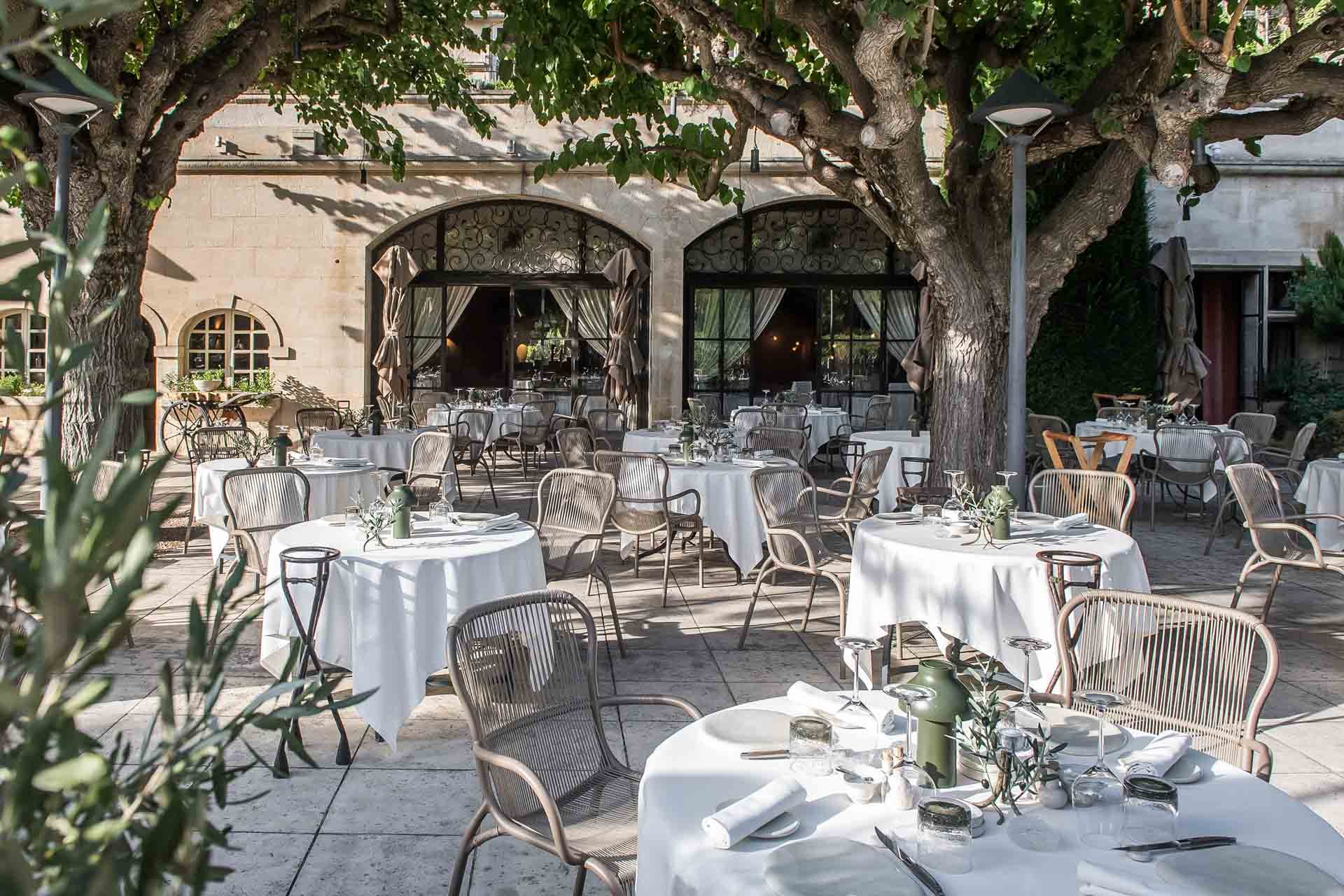
Restaurants in Avignon
Browse all →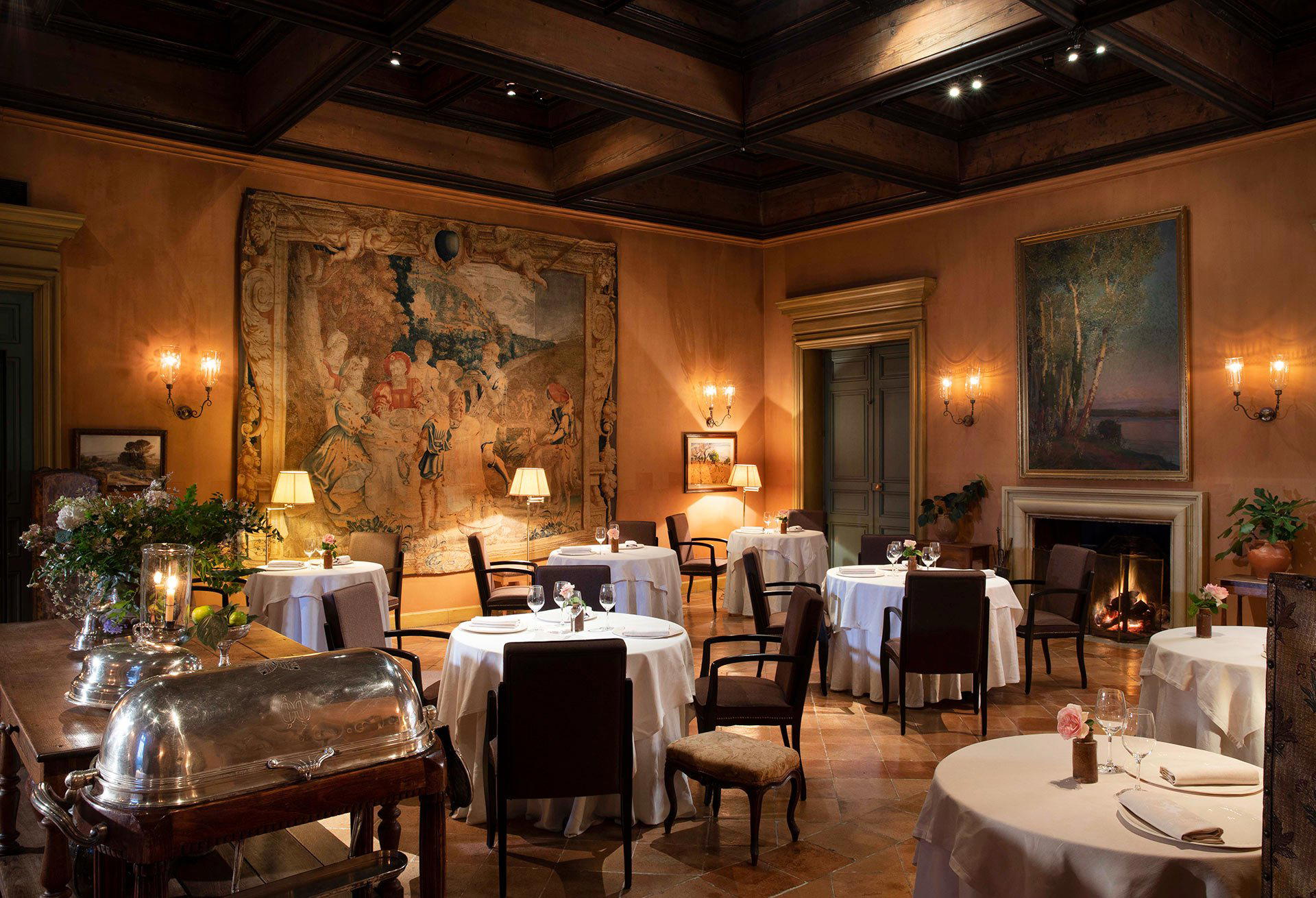
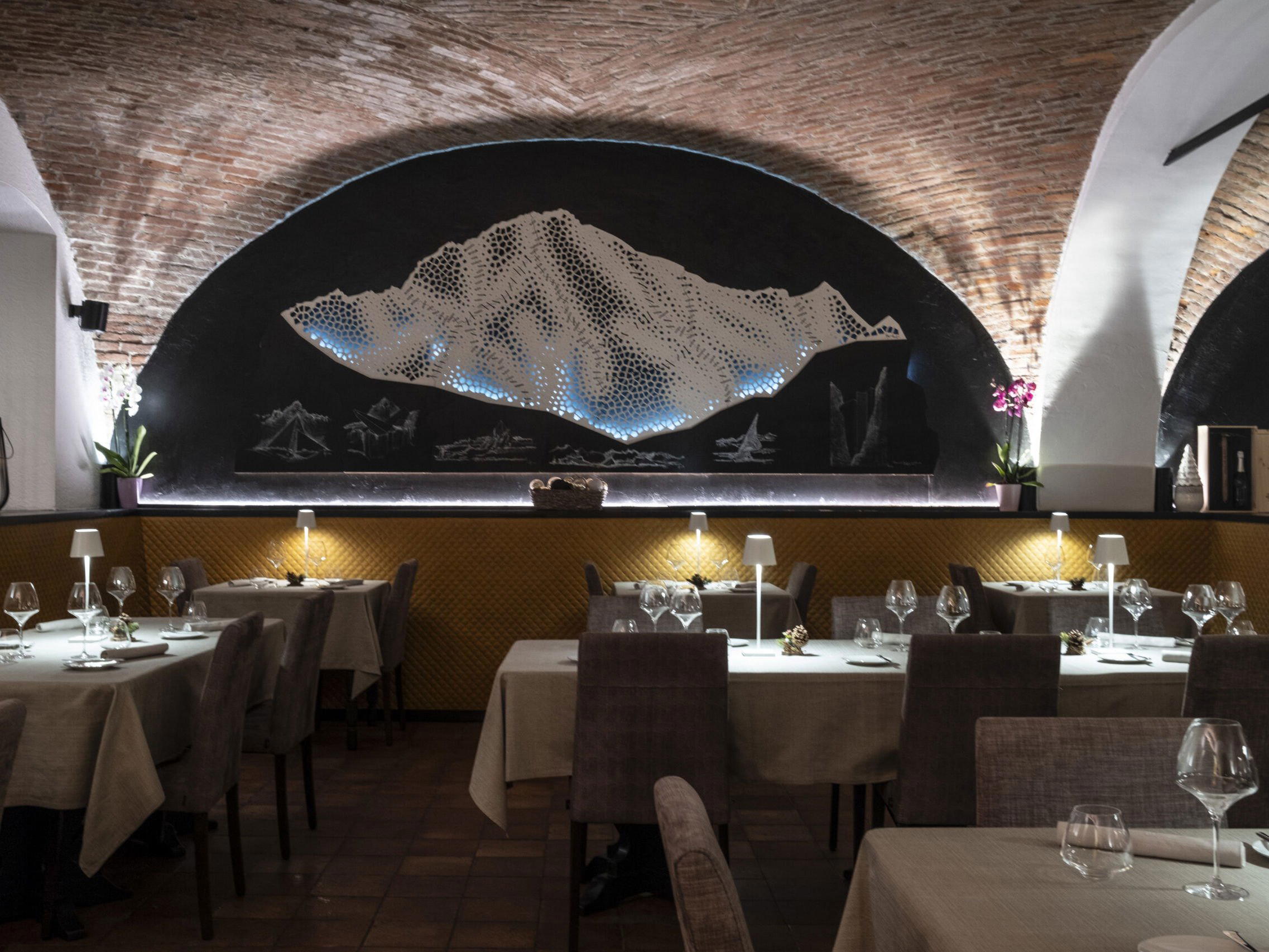
Bars in Avignon
Browse all →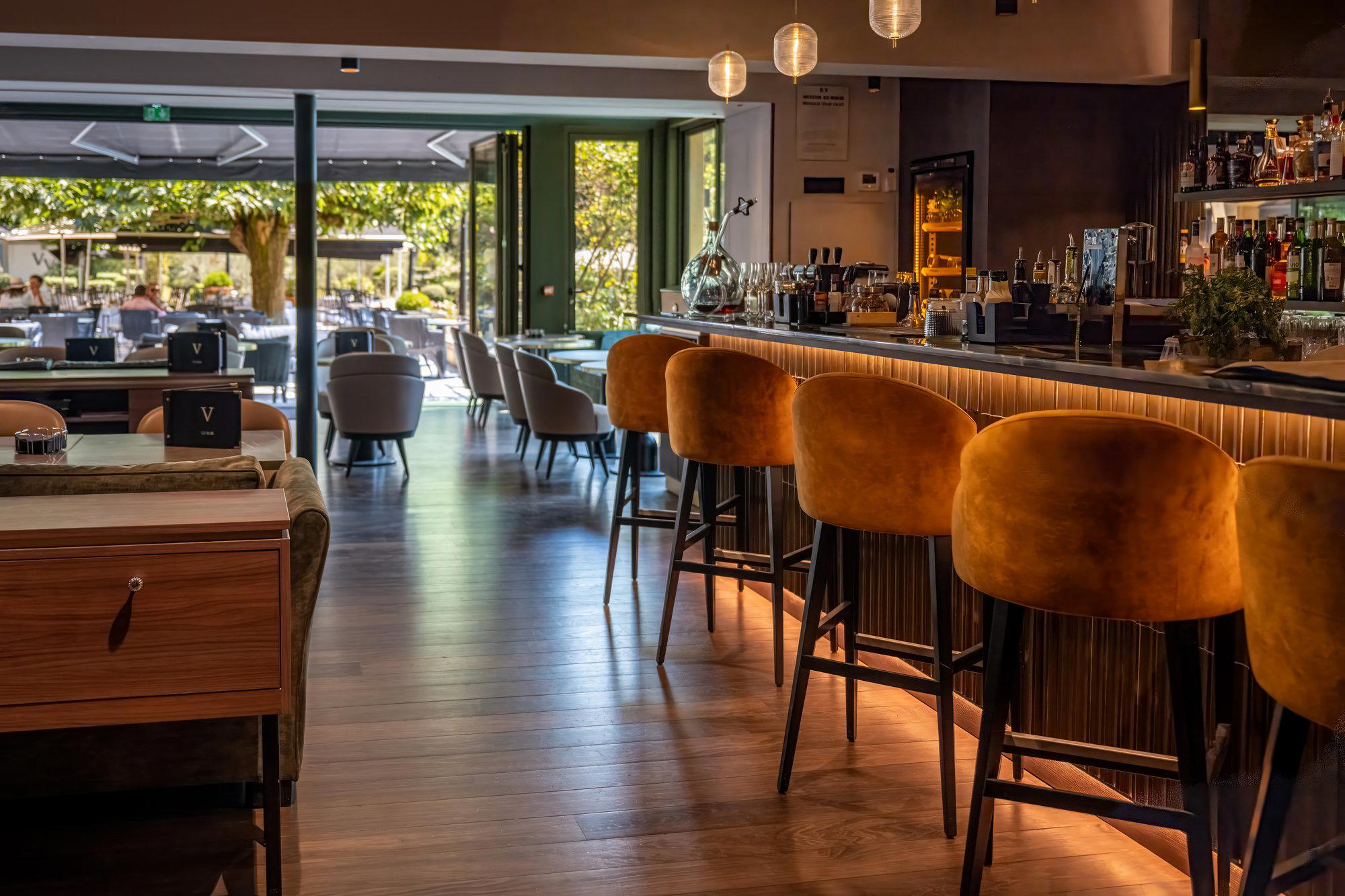
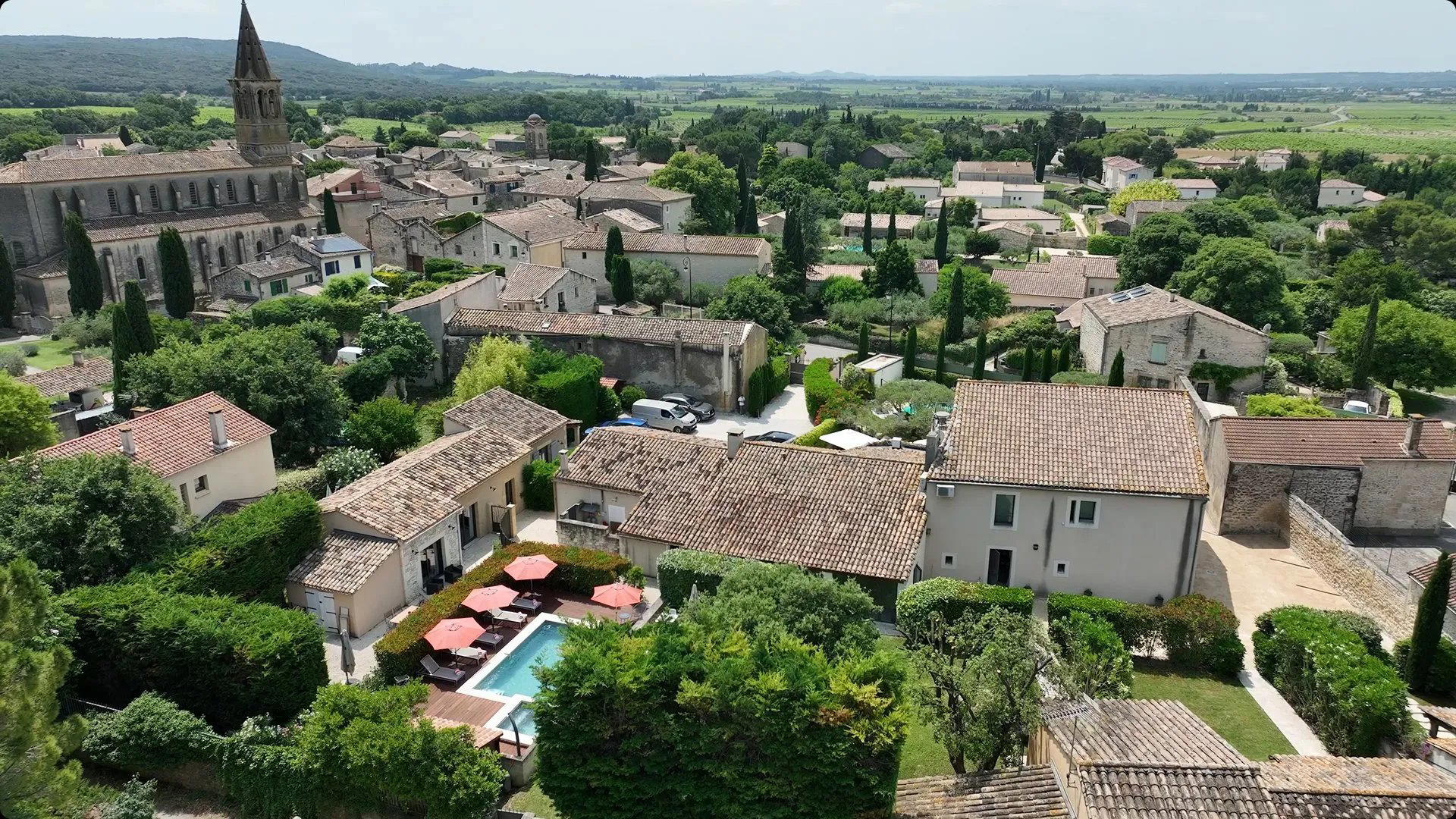
Hotels in Avignon
Browse all →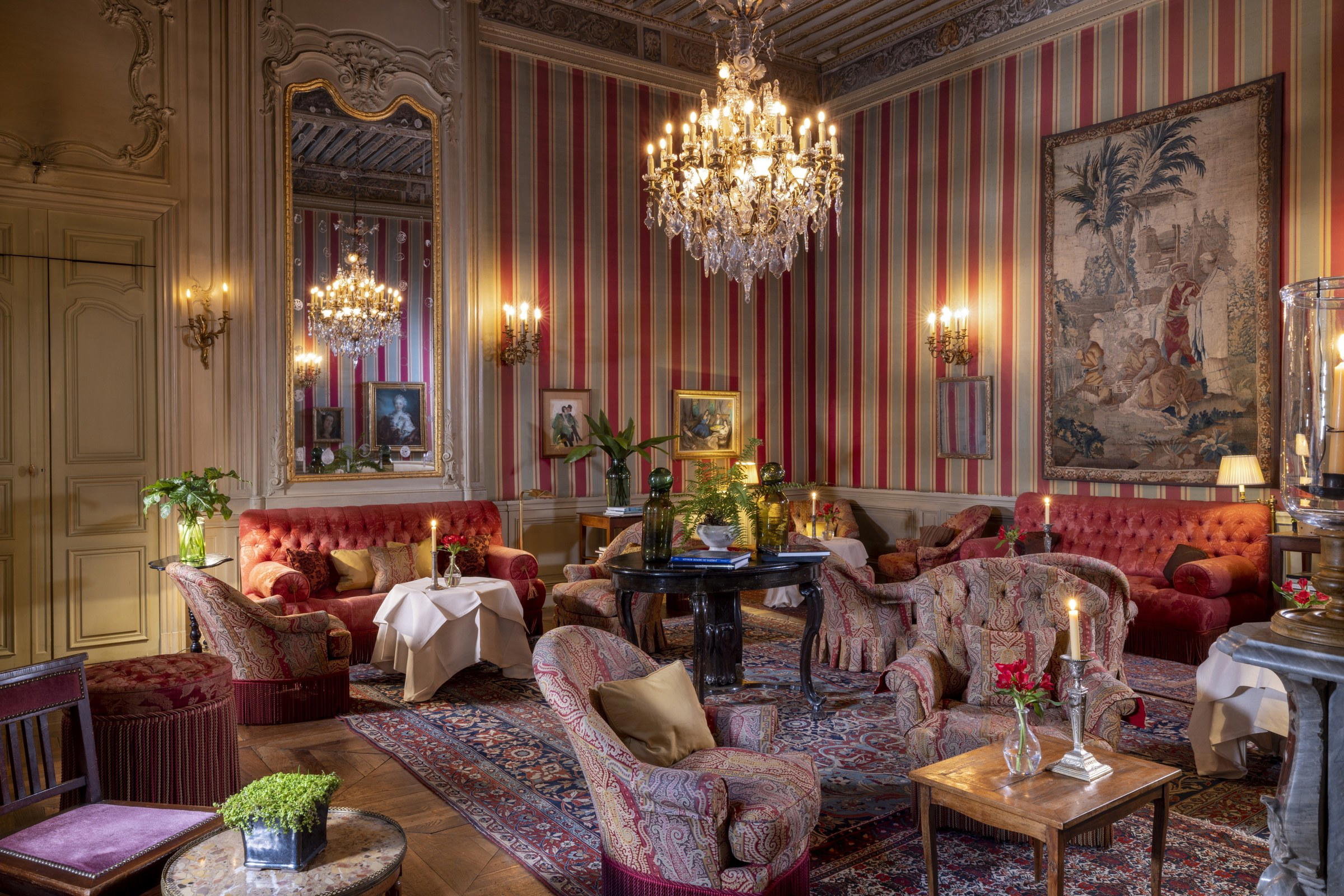
Details
- Intimate
- Elegant
- Quiet
- Romantic
- Sophisticated
- Date Night
- Special Occasion
- Celebration
- Historic Building
- Courtyard
- Standalone
- Sommelier Led
- Farm To Table
- Local Sourcing
- Organic
- Set Menu
- Tasting Menu
- Wine
Current opening hours
- Monday
- Closed
- Tuesday
- 7:15–8:30 PM
- Wednesday
- 7:15–8:30 PM
- Thursday
- 7:15–8:30 PM
- Friday
- 7:15–8:30 PM
- Saturday
- 12–1:15 PM, 7:15–8:30 PM
- Sunday
- Closed
Hours can change for holidays and private events. Last verified .
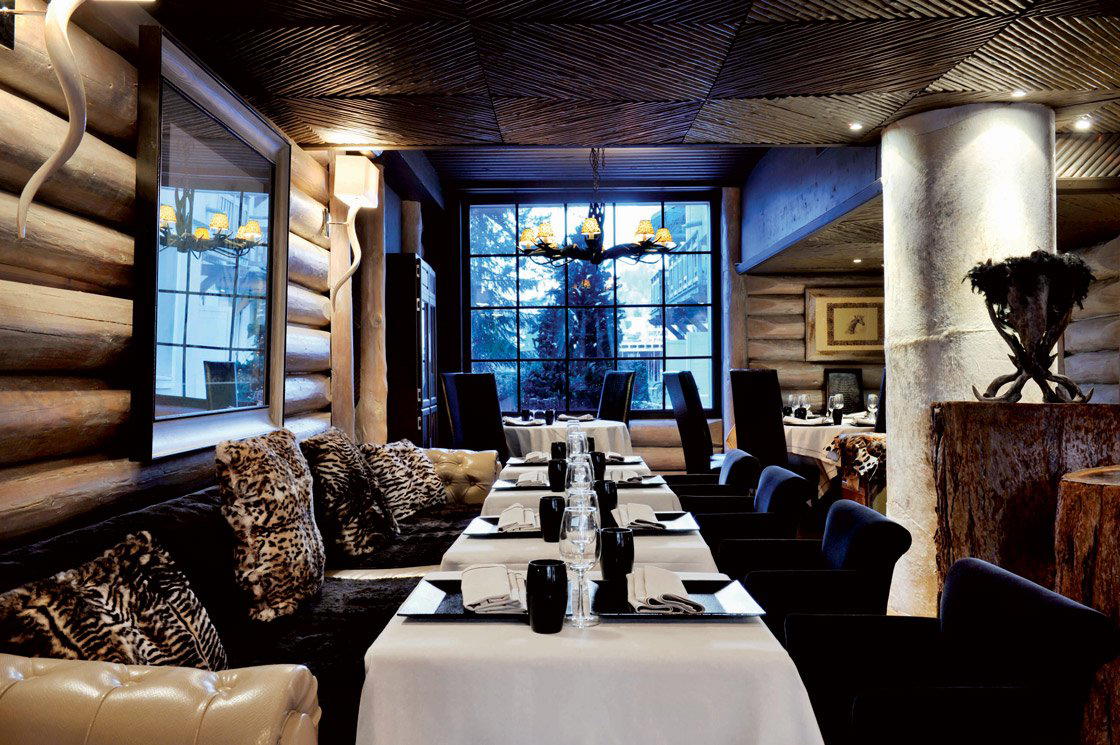
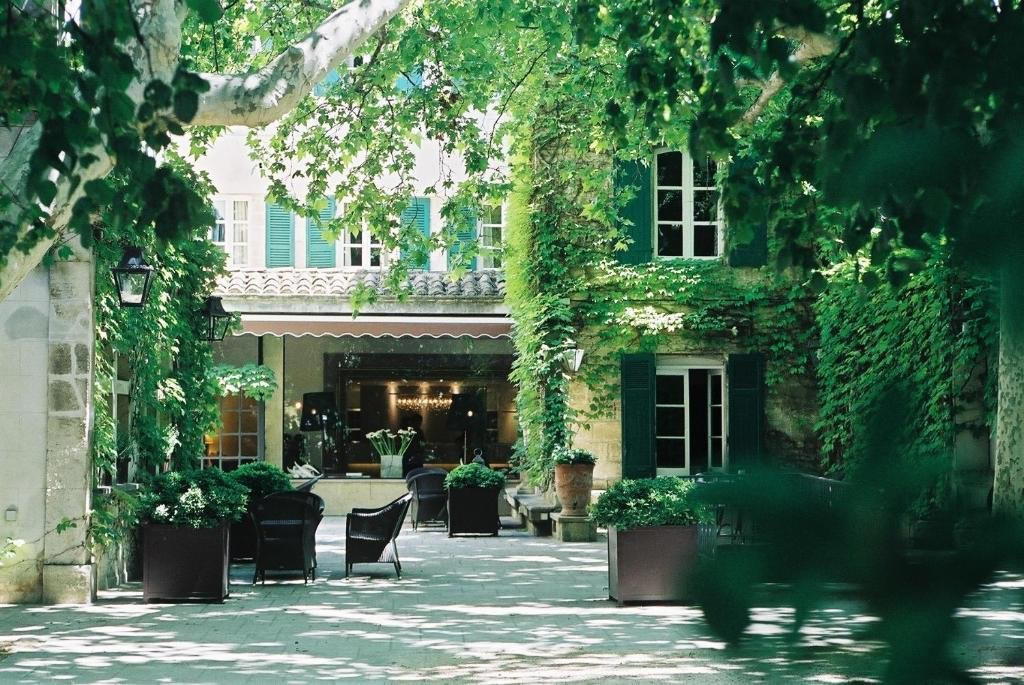
Warm, cozy, and peaceful setting with well-spaced tables in a historic 17th-century courtyard, mercifully air-conditioned, creating an atmosphere of being received by friends rather than dining out.