
Michelin Plate
Our verdict
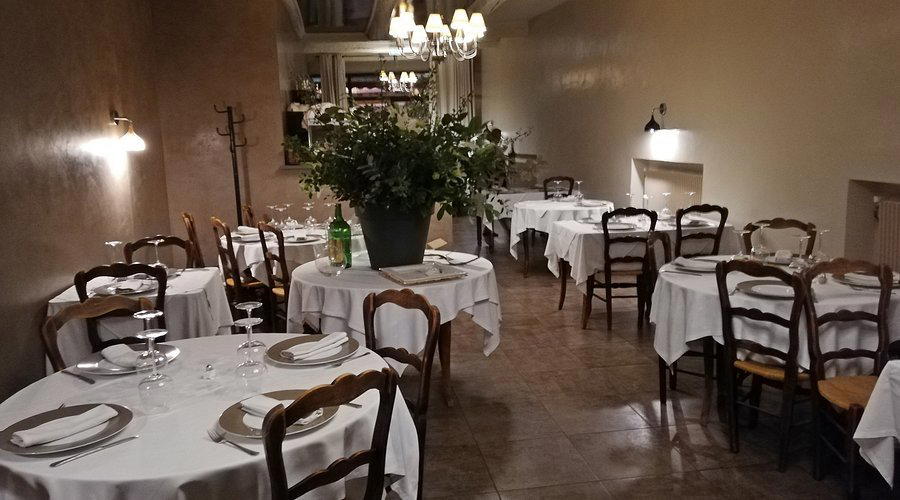
A Michelin Plate-recognised address on Rue Racine, La Fourchette represents the dependable core of Avignon's traditional dining scene. Priced at the mid-range €€ tier, it sits alongside peers like Numéro 75 as evidence that the city's intra-muros restaurant culture extends well beyond its handful of starred rooms.

Pearl is the En Primeur Club membership app, where members save venues, book tables and use the concierge.
The menu
What to order
- Daube de boeuf Avignonnaise
- Escargots de Bourgogne
Where Avignon's Traditional Table Holds Its Ground
Rue Racine, a quiet residential street inside the Avignon ramparts, carries the particular character of streets that survive by serving residents first and visitors second. The approach to La Fourchette, at number 17, set back from the larger tourist circuits around the Palais des Papes, already signals something about the restaurant's position in the city's dining order. This is not the theatrical Provençal showcase aimed at festival-week arrivals.
Avignon's restaurant scene divides, as most mid-sized French cities do, between a small tier of destination rooms with Michelin stars and a wider band of mid-range addresses operating somewhere between ambition and tradition. La Mirande and La Vieille Fontaine occupy the best of that structure at the €€€€ level, each carrying a Michelin star and a format calibrated for special occasions. Below them, a cluster of €€ and €€€ addresses serve the daily and weekly rhythms of a city that has a genuine culinary identity, rooted in the produce of the Rhône corridor, the Luberon, and the market gardens of the Vaucluse, rather than a merely decorative one. La Fourchette sits in that mid-tier band, holding a Michelin Plate in both 2024 and 2025, which is the guide's recognition that quality cooking is present without the full distinction of a star.
What the Menu Architecture Says About the Kitchen
Traditional cuisine, as a category designation, spans a wide range of actual approaches. At one end it describes restaurants that are simply conservative. At the other, it describes kitchens with a specific and confident relationship to regional or classical French cooking, where technique serves a repertoire rather than announcing itself. The Michelin Plate, sustained across two consecutive years, places La Fourchette closer to the latter interpretation: the guide applies the Plate to restaurants where cooking quality is the primary credential, not nostalgia or inertia.
What that signals in menu terms is worth attending to. Traditional cuisine in this part of France draws from a larder that needs little embellishment: the Rhône Valley's lamb, the Vaucluse's early-season vegetables, the tapenade and anchovy traditions of the broader Provençal south. A kitchen that works this repertoire well tends to structure its menu around restraint, letting the sourcing carry weight, using classical preparation as a frame rather than a spectacle. That is the logic consistent with a Michelin Plate at the €€ price point, where the guide's recognition is essentially confirming that the kitchen knows what it is doing and is doing it honestly. At this tier, the menu is likely to be compact: a short selection of starters, mains, and desserts that changes with the market rather than with a chef's desire to impress.
For context on how this compares within the city's traditional category: Numéro 75 occupies a similar €€ price band with a traditional cuisine designation, and comparing the two gives a reasonable sense of what the mid-range traditional tier in Avignon looks like in practice. Further afield in the same tradition, Auberge Grand'Maison in Mûr-de-Bretagne and Auga in Gijón offer regional comparisons for how traditional cuisine holds its identity outside the major French dining capitals.
Avignon's Wider Dining Context
The city's culinary credibility rests on more than its starred rooms. The Festival d'Avignon in July brings an influx that tests every address in the intra-muros, and the restaurants that maintain consistency through that period, rather than capitalising on captive tourist demand, tend to be the ones worth noting the rest of the year. The presence of a sustained Michelin Plate recognition, rather than a year-by-year fluctuation in ratings, suggests La Fourchette is one of those addresses.
Modern cuisine has been extending its footprint in the city, with addresses like Pollen and Acte 2 pushing in more contemporary directions, and La Mirande applying starred technique to Provençal foundations. That progression is typical of regional French cities with serious food cultures: a growing stratum of ambitious modern cooking that coexists with, rather than replacing, the traditional category. La Fourchette's position in that traditional tier looks more secure, not less, as the modern segment expands, because the two are serving different purposes for different diners at different times.
For visitors planning broader itineraries, the full Avignon restaurants guide maps the city's dining tiers in detail. Avignon's accommodation and other categories are covered in the hotels guide, bars guide, wineries guide, and experiences guide.
For reference on where France's traditional cuisine sits at its most recognised level nationally, addresses like Auberge de l'Ill in Illhaeusern, Troisgros in Ouches, and Bras in Laguiole define the upper register of the tradition. At the destination-dining end of the French spectrum, Alléno Paris au Pavillon Ledoyen, Flocons de Sel in Megève, and Mirazur in Menton represent a different tier entirely. La Fourchette operates in none of those registers, it is a neighbourhood-anchored address at a mid-range price point, but the Michelin Plate across consecutive years is a meaningful credential at that level.
Planning Your Visit
La Fourchette is located at 17 Rue Racine, 84000 Avignon, within the walled city. The practical implication is that booking in advance is advisable, particularly during the festival period in July when intra-muros capacity becomes tight across all categories. Outside peak season, from autumn through early spring, the city's mid-range traditional addresses tend to have more availability, and the Provençal larder is arguably at its most interesting during the shoulder months, when the market gardens of the Vaucluse are at full productivity.
Frequently asked questions
Is La Fourchette expensive?
Pricing at La Fourchette is listed as €€.
Do they take walk-ins at La Fourchette?
During the Festival d'Avignon in July, when the city's dining capacity is stretched across every neighbourhood, arriving without a reservation carries real risk. Outside peak season, the €€ format and residential setting on Rue Racine suggest a more relaxed rhythm, but calling ahead remains the sensible approach.
City Peers
A quick peer reference to anchor this venue in its category.
| Venue | Cuisine | Price | Awards | Notes |
|---|---|---|---|---|
| La FourchetteThis venue (the venue you are viewing) | Provençal French Bistro | $30–50 | Michelin Plate | Not listed |
| La Vieille Fontaine | Modern Provençal Fine Dining | $50–100 | Michelin Plate | Modern Cuisine |
| Italie là-bas | Modern Italian Fine Dining | $50–100 | Michelin Plate · We're Smart World 3 Radishes | Italian |
| Numéro 75 | Seasonal French Market Bistro | $30–50 | Michelin Plate | Traditional Cuisine |
| Sevin | Modern Seasonal Provençal | $50–100 | Michelin Plate | Modern Cuisine |
| Pollen | Modern French Fine Dining | $100–150 | 1 Michelin Star · Star Wine List | Modern Cuisine |
Recognition history
Dated appearances from independent guides and award organizations, with the underlying list record or original source where available.
Michelin Plate
Michelin
Full recognition history (3 entries)
Michelin Plate
Michelin
Michelin Plate
Michelin
Continue exploring
More in Avignon
Restaurants in Avignon
All restaurants in Avignon →
Bars in Avignon
Browse all →

Details
- Cozy
- Classic
- Intimate
- Date Night
- Family
- Casual Hangout
- Historic Building
- Extensive Wine List
- Local Sourcing
- A La Carte
- Prix Fixe
- Vegetarian Friendly
Current opening hours
- Monday
- 12:15–1:30 PM, 7:15–9:30 PM
- Tuesday
- 12:15–1:30 PM, 7:15–9:30 PM
- Wednesday
- 12:15–1:30 PM, 7:15–9:30 PM
- Thursday
- 12:15–1:30 PM, 7:15–9:30 PM
- Friday
- 12:15–1:30 PM, 7:15–9:30 PM
- Saturday
- Closed
- Sunday
- Closed
Hours can change for holidays and private events. Hours as of .
Warm, welcoming, and convivial with quirky decor featuring cutlery and knick-knacks, though can get noisy when full.