



1 Michelin Star · Star Wine List · Gault & Millau Remarkable Restaurant
Our verdict
Pollen holds a Michelin star at 18 Rue Joseph Vernet, one of Avignon's quieter addresses, where set menus built around seasonal Provençal produce sit at the top end of the city's modern cuisine tier.8 across more than 500 reviews reflects consistent execution. For the €€€€ bracket in a city with limited fine-dining competition, it is the reference point.

Pearl is the En Primeur Club membership app — saves, bookings, and concierge access live there. Same editors, same standards.
- Address
- 18 Rue Joseph Vernet, 84000 Avignon, France
- Phone
- +33 4 86 34 93 74
- Website
- pollen-restaurant.fr
- Directions
- Get directions
- Booking
- Book on the venue's website
The menu
What to order
- Squid carbonara
- Lotte with foie gras
- Carte blanche menu
A Quiet Street, a Serious Kitchen
Avignon's fine-dining scene is small by French regional standards. The walled city draws festival crowds and day-trippers, but the number of addresses operating at genuine gastronomic ambition — Michelin-recognised, produce-led, with a coherent seasonal programme — remains compact. In that context, Rue Joseph Vernet functions as something of a fine-dining corridor: it is where the city's more serious kitchens have historically settled, and Pollen sits at number 18, inside that established tradition rather than apart from it. Walking towards the restaurant, the street's 18th-century facades and calm pace signal that this part of Avignon operates at a different register from the tourist-heavy place de l'Horloge a few minutes away.
Within Avignon's €€€€ modern cuisine tier, Pollen sits alongside La Mirande and La Vieille Fontaine as the addresses that define the ceiling of the local market. The middle register, Acte 2 and Sevin at €€€, occupies a different competitive space.
What Michelin Recognition Means in This Context
A Michelin star in a city of Avignon's size carries different weight than the same distinction in Lyon or Paris. France's star density in major urban centres, think Alléno Paris au Pavillon Ledoyen or the multi-generational continuity at Troisgros, reflects a deep competitive ecosystem. In Avignon, a star marks the best of a thinner field, which makes it both easier to achieve in relative terms and more significant as a local positioning signal. It tells you that the guide's inspectors found consistent technique, seasonal intelligence, and a coherent culinary point of view across multiple visits. For a city that has seen its formal dining scene thin over the years, the 2025 recognition is a meaningful data point.
The Opinionated About Dining recommendation from 2023 adds a second layer of credentialing from a source that operates independently of the Michelin ecosystem. Restaurants like Mirazur in Menton and Bras in Laguiole occupy the upper tiers of that list, which gives a sense of the company Pollen is positioning itself within.
The Seasonal Logic of the Menu
Modern French cuisine at this level has largely converged on one organising principle: the seasonal tasting menu anchored in local produce, structured as a set progression, with the kitchen exercising full editorial control over what appears and in what order. Pollen follows that model, with set menus that reflect what the surrounding region is producing at any given moment. Provence is among the most ingredient-rich regions in France for this purpose: the Vaucluse produces some of the country's most recognised truffles, the Rhône valley provides wines with which most of these dishes are naturally paired, and the summer produce in particular, tomatoes, courgettes, stone fruit, reaches a quality in this region that justifies the focus.
The Michelin description references summer tomatoes as an example of the kitchen's seasonal approach, which is both specific and telling. A kitchen that makes a point of tomatoes in summer is not doing so because tomatoes are unusual, it is doing so because the quality differential between a Provençal tomato in August and one sourced elsewhere in February is significant enough to build a narrative around. That kind of ingredient-first reasoning is the organising logic of the contemporary fine-dining set menu, and it is what distinguishes Pollen's programme from the broader Avignon restaurant scene, including more established addresses like Hiély-Lucullus and Bibendum.
How the Room Works: Team and Service Architecture
At one-star level in France, the service architecture tends to follow a particular structure: a kitchen brigade under a named chef working a tight menu, a front-of-house team whose role is to translate that kitchen's intentions into the dining room experience, and, in most cases, a sommelier or wine-focused team member whose selections are calibrated to the menu rather than chosen from a standard wine list. The editorial angle at Pollen, Michael Wilson leading the kitchen, matters in context, not as biography but as signal. An English-named chef operating at this level in Avignon likely arrived with training from beyond the region, which tends to produce kitchens that are technically fluent in French classical method but not constrained by local tradition. That hybrid quality is increasingly characteristic of one-star kitchens across provincial France, from Flocons de Sel in Megève to more internationally inflected modern addresses like Frantzén in Stockholm.
What distinguishes a well-functioning fine-dining room at this level is not the chef's CV but the coherence of the interaction between kitchen and floor. When a sommelier's selection actively reinforces the produce logic of a dish, a local Rhône white with a course built around spring vegetables, for instance, the meal functions as a single edited experience rather than a series of parallel decisions made by different departments. That integration is what separates a restaurant where the food happens to be good from one where the full service programme is designed as a unified whole.
When to Go and How to Book
Avignon's calendar creates distinct booking pressures. The Festival d'Avignon runs through July and into early August, compressing accommodation and restaurant availability significantly across the intra-muros area. During festival season, a Michelin-starred address on Rue Joseph Vernet will fill weeks ahead; outside that window, particularly in late spring and early autumn, the city operates at a calmer tempo, and the produce calendar aligns well with the kitchen's seasonal focus. Late September and October bring truffle season to the northern Vaucluse, and spring menus in April and May reflect the shift from winter root vegetables toward lighter Provençal produce. Both windows offer different and equally coherent versions of what the kitchen does.
Pollen opens for both lunch and dinner, which gives it a flexibility that not all one-star addresses maintain. A weekday lunch in the shoulder season is likely the lowest-friction entry point: smaller covers, a more relaxed service pace, and the same menu commitment without the evening booking pressure. At €€€€ pricing, lunch offers proportionally better value in the context of a broader Avignon visit, paired with an afternoon in the Palais des Papes district or a drive into the Luberon, it anchors a day rather than consuming an entire evening.
For the full scope of where Pollen sits within Avignon's dining scene, our full Avignon restaurants guide maps the city's options across price tiers. Travellers planning a wider stay can also reference our Avignon hotels guide, bars guide, wineries guide, and experiences guide for the surrounding region. Provence's wine production alone, across the Rhône appellations of Châteauneuf-du-Pape, Gigondas, and Vacqueyras, all within forty minutes of the city, makes the case for building more than a single meal around a visit to this part of France. Pollen is the anchor reservation; everything else organises around it. For modern cuisine at comparable ambition elsewhere in France, Paul Bocuse's Auberge du Pont de Collonges remains the historical reference point, while FZN by Björn Frantzén in Dubai illustrates how the modern set-menu format has migrated internationally.
What Should I Eat at Pollen?
Pollen operates on set menus structured around seasonal Provençal produce, so the practical answer is that the kitchen decides the progression. The more useful question is timing: what is growing in the Vaucluse and the wider Provence region when you visit. Summer visits will likely encounter tomatoes, courgettes, and stone fruit in prominent roles, as the Michelin notes confirm. The Rhône valley's wine programme is the natural pairing framework, and the sommelier's selections are built around the same regional logic as the kitchen's sourcing. Chef Michael Wilson holds a Michelin star awarded in 2025, and the restaurant carries an Opinionated About Dining recommendation from 2023, which together indicate that both the tasting menus and the à la carte structure (if offered) are operating at a consistent technical level. Trust the set menu format; that is where the kitchen's argument is made most completely.
Frequently asked questions
Where exactly is Pollen?
Pollen is located at 18 Rue Joseph Vernet, 84000 Avignon, France, Avignon.
What distinctions does Pollen have?
Pollen has received recognition including: Pollen is a Michelin-starred upscale bistro in a quiet corner of Avignon. Open for lunch and dinner, the set menus showcase local produce in season – for our summer lunch, the delicious tomatoes...; Category: Remarkable; Michelin 1 Star (20….
Standing Among Peers
| Venue | Cuisine | Price | Awards | Notes |
|---|---|---|---|---|
| PollenThis venue — the venue you are viewing | Modern French Fine Dining | $100–150 | 1 Michelin Star · Star Wine List | Not listed |
| La Vieille Fontaine | Modern Provençal Fine Dining | $50–100 | Michelin Plate | Modern Cuisine |
| Italie là-bas | Modern Italian Fine Dining | $50–100 | Michelin Plate · We're Smart World 3 Radishes | Italian |
| La Fourchette | Provençal French Bistro | $30–50 | Michelin Plate | Traditional Cuisine |
| Sevin | Modern Seasonal Provençal | $50–100 | Michelin Plate | Modern Cuisine |
| La Mirande | Modern Provençal Fine Dining | $150–200 | Michelin Plate · La Liste Top Restaurants | Modern Cuisine |
Recognition history
Dated appearances from independent guides and award organizations, with the underlying list record or original source where available.
Michelin 1 Star
Michelin
Star Wine List
Star Wine List
Gault & Millau Remarkable Restaurant
Gault & Millau
Opinionated About Dining Top Restaurants in Asia Highly Recommended
Opinionated About Dining
Full recognition history (5 entries)
Michelin 1 Star
Michelin
Continue exploring
More in Avignon
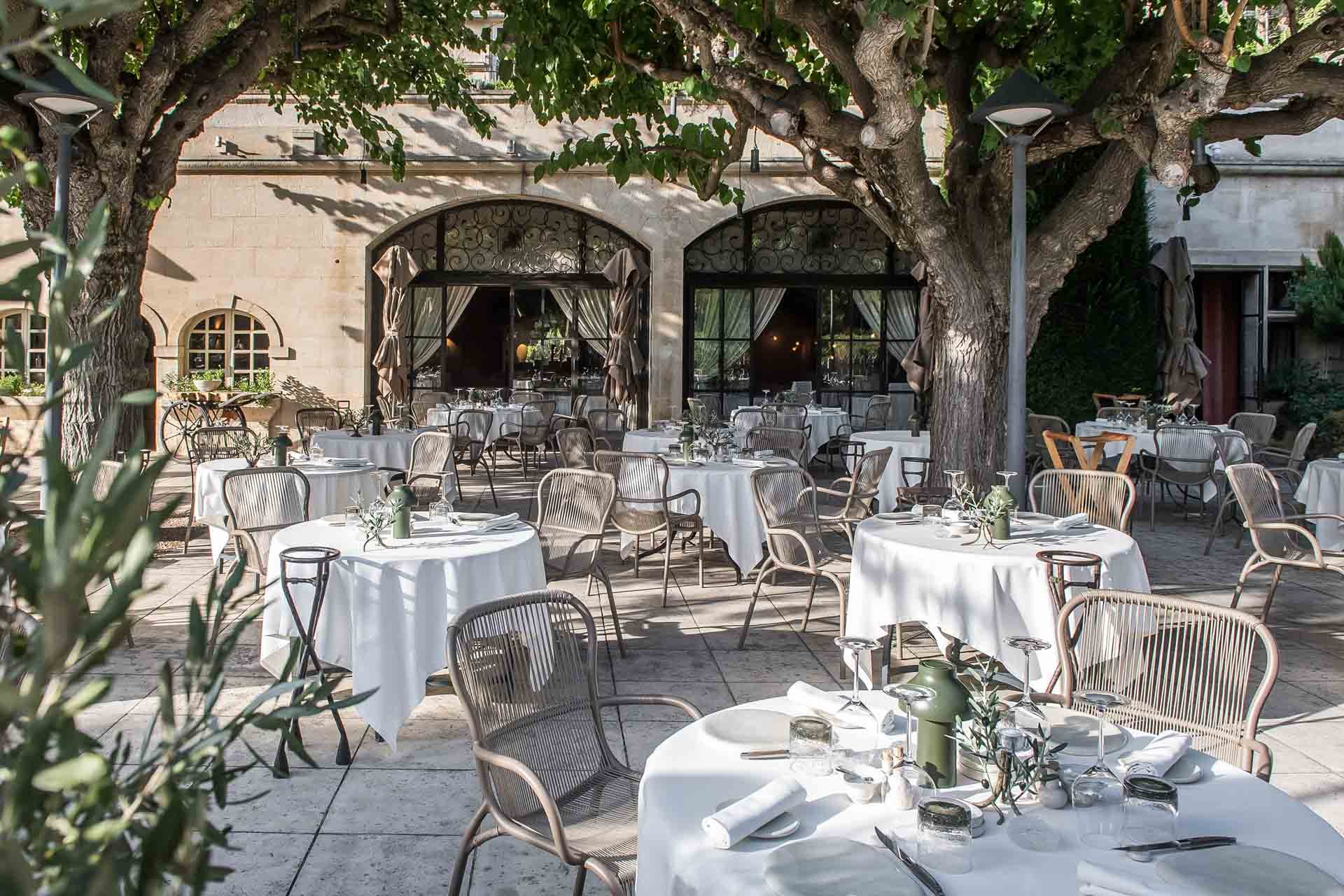
Restaurants in Avignon
Browse all →
Bars in Avignon
Browse all →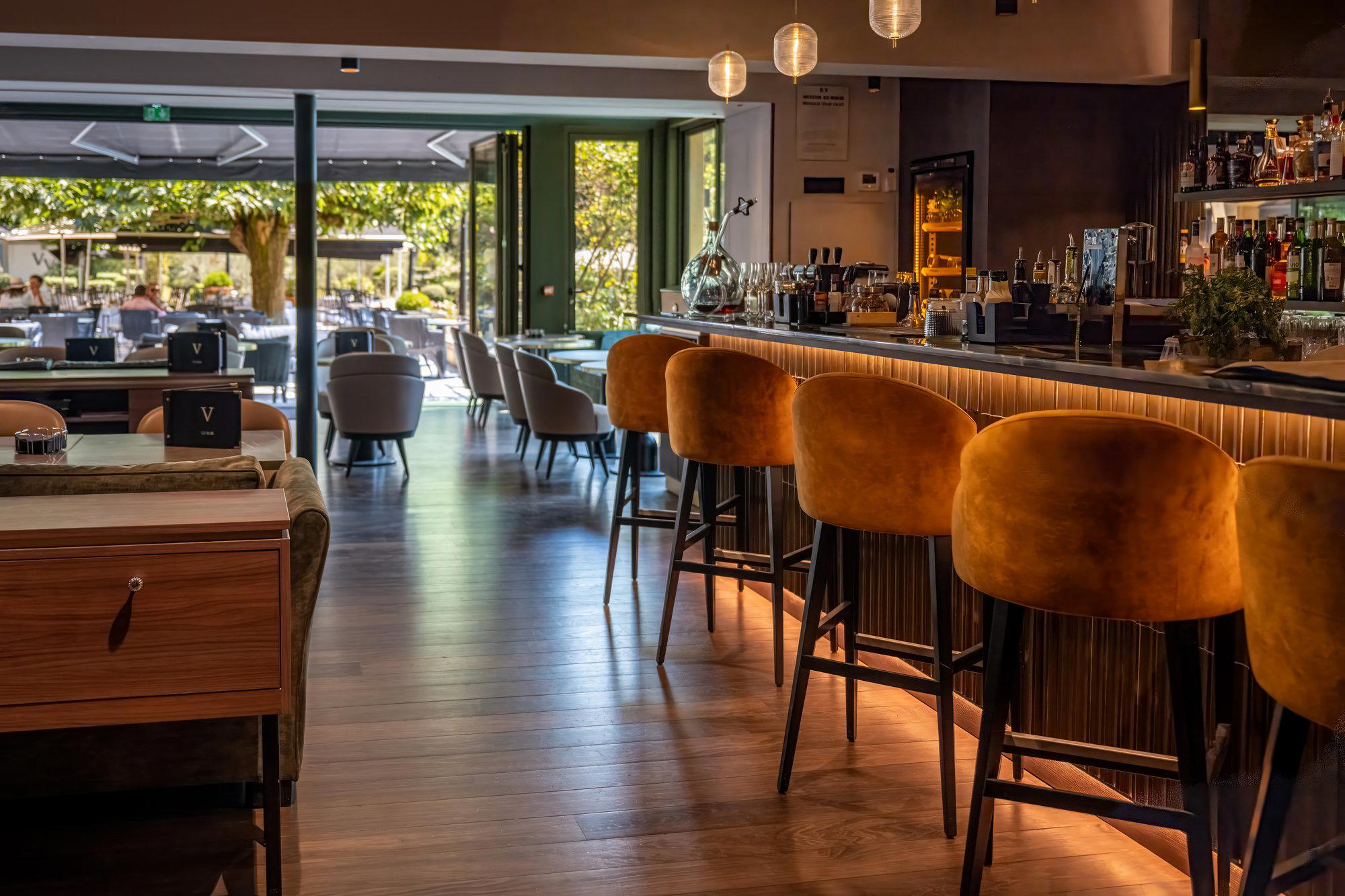
Hotels in Avignon
Browse all →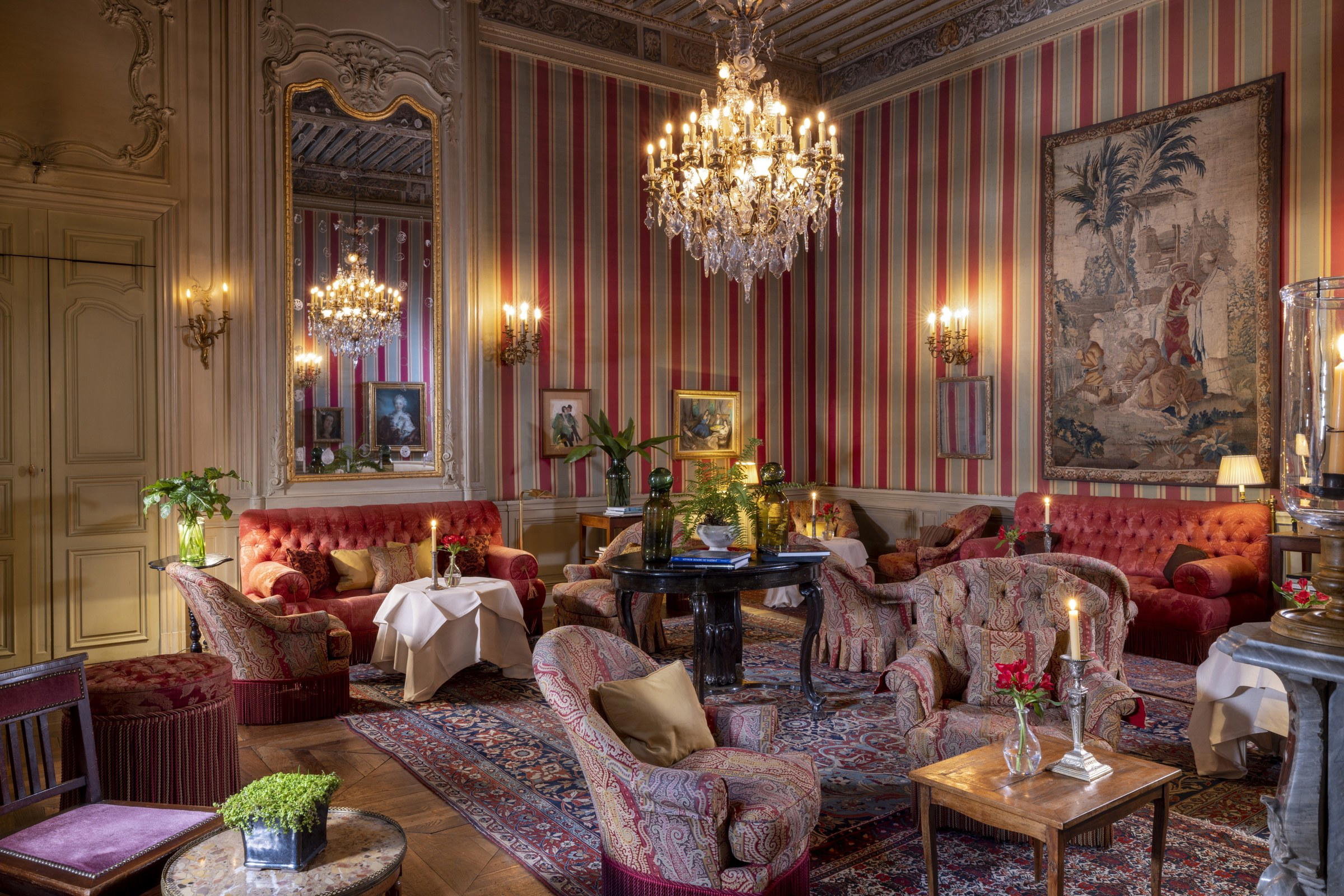
Details
- Elegant
- Modern
- Cozy
- Sophisticated
- Special Occasion
- Date Night
- Celebration
- Open Kitchen
- Extensive Wine List
- Sommelier Led
- Local Sourcing
- Tasting Menu
- Set Menu
- Vegetarian Friendly
- Allergy Accommodating
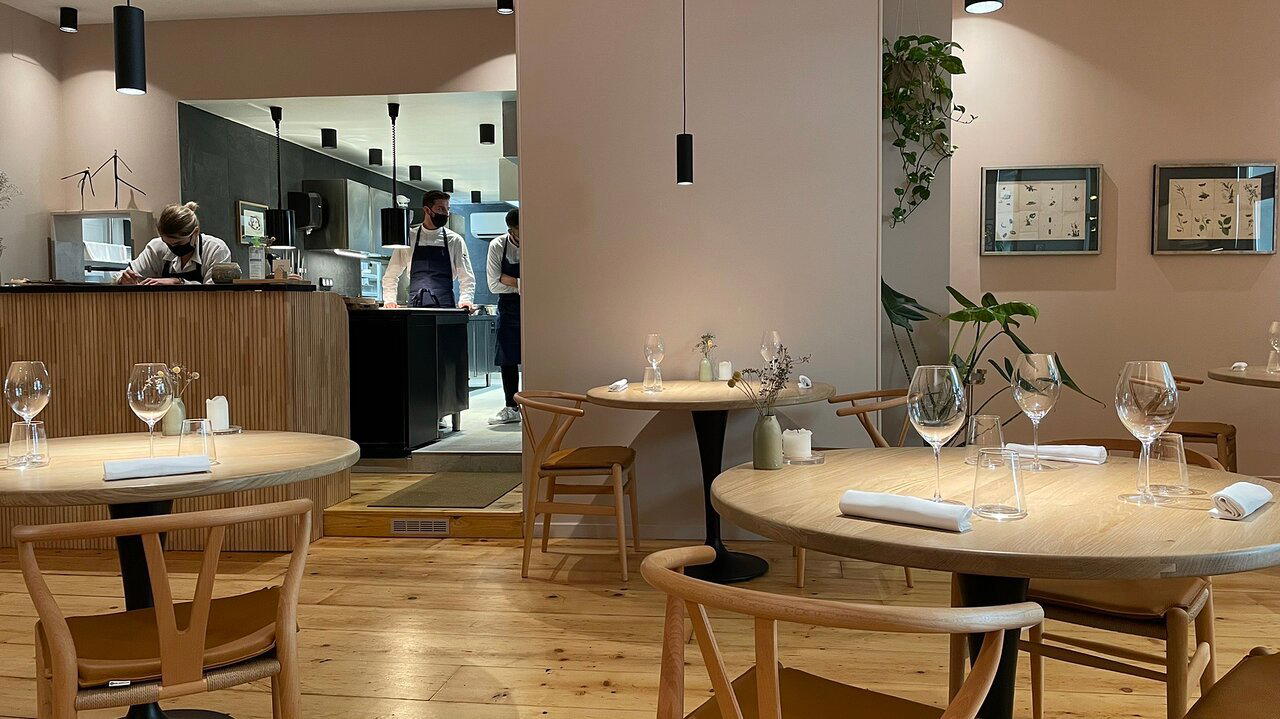
Contemporary design with cozy elegance, open kitchen, bright and warm room creating a serene, meditative atmosphere.