Our verdict
In the village of Sommerau, deep in the Alsatian countryside east of Strasbourg, Restaurant au Chasseur occupies the kind of address that speaks before the menu does: a church-street setting that situates the meal within a tradition of rural French hospitality where ingredient provenance and local terrain have always mattered more than culinary theatrics. It belongs to a quieter register of French regional dining, and that restraint is the point.

Pearl is the En Primeur Club membership app — saves, bookings, and concierge access live there. Same editors, same standards.
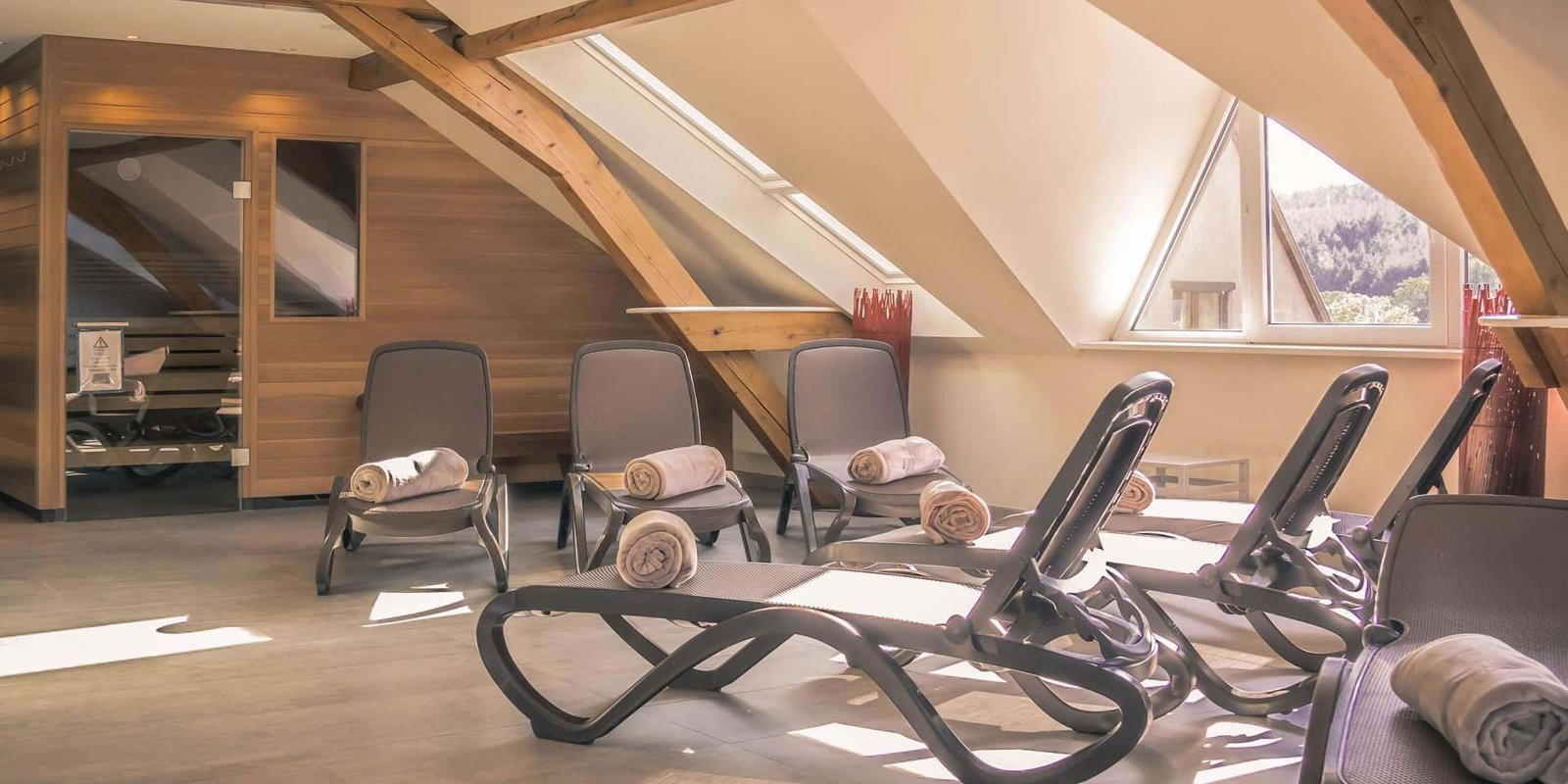
The menu
What to order
- Creamy mushroom risotto
- Grilled fish
- Hearty stews
- Sausages
- Tarte flambée
Where Alsatian Countryside Shapes the Plate
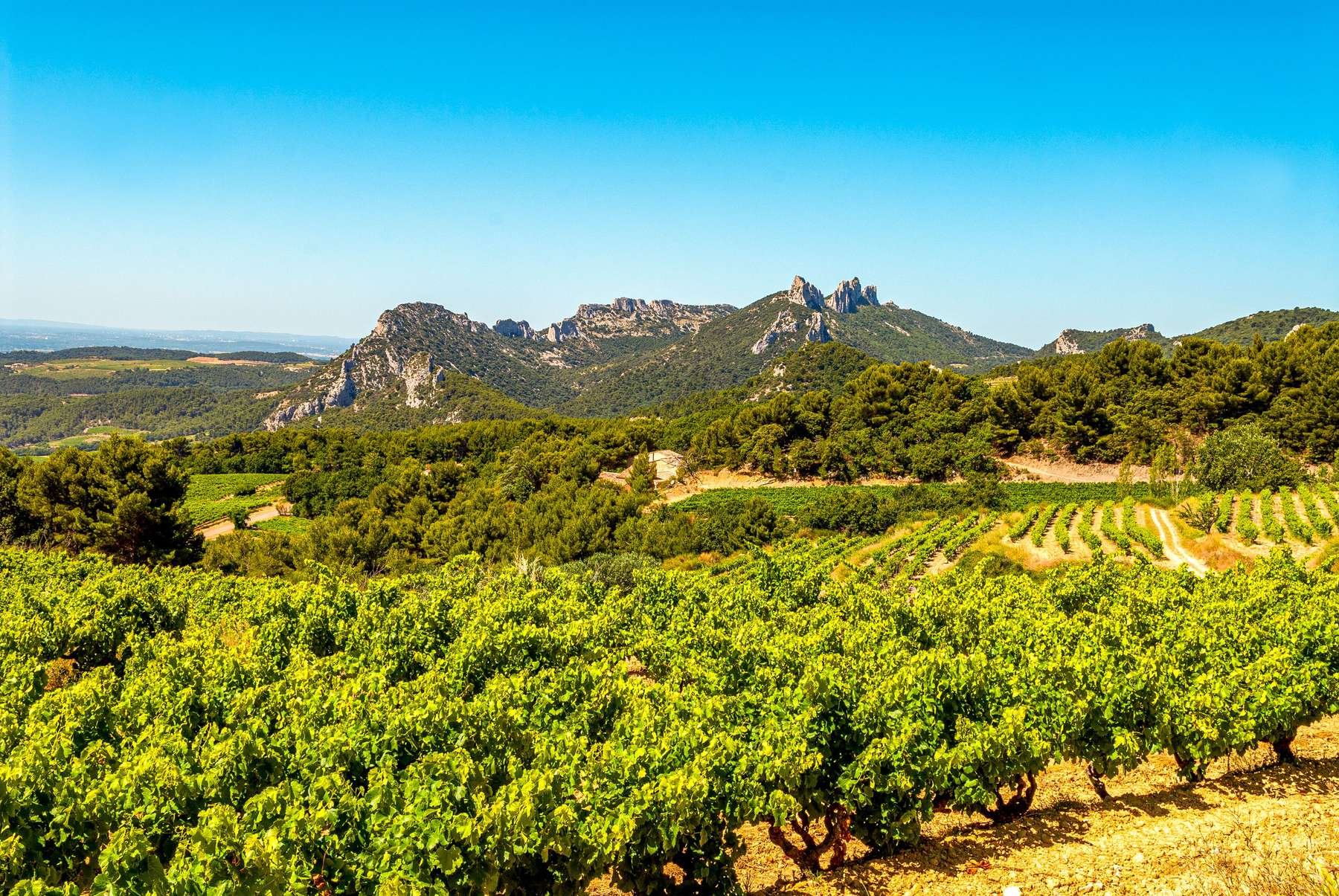
The villages strung along the Alsatian plain between Strasbourg and the Vosges foothills have long operated on a different culinary logic than the region's starred urban addresses. In cities, Alsace performs its identity: choucroute for tourists, refined tarte flambée for business lunches, grand winstubs for celebrations. Out here, in villages like Sommerau in the Bas-Rhin department, the relationship between kitchen and landscape is more immediate and less theatrical. Ingredients arrive from closer proximity. The cooking tends to reflect what the season actually offers rather than what a supply chain can provide year-round.
Restaurant au Chasseur sits at 7 Rue de l'Église in Sommerau, a position on the church street that places it squarely within the tradition of the French village restaurant: civic, embedded, serving a community as much as passing visitors. This is the format that predates the modern tasting-menu era, where the dining room functions as a kind of parish hall for food, and where the sourcing decisions made by the kitchen are inseparable from the agricultural rhythms of the surrounding area. For context on the broader Alsatian fine dining spectrum, see our full Sommerau restaurants guide.
The Ingredient Logic of Rural Alsace
In the Bas-Rhin, the argument for local sourcing is not abstract. The region sits between two distinct food geographies: the Rhine plain to the east, producing vegetables, pork, and grain, and the Vosges massif to the west, delivering game, foraged mushrooms, and freshwater fish. A restaurant called au Chasseur, meaning the hunter, positions itself explicitly within one half of that equation. The name carries culinary weight in Alsace: chasseur preparations typically involve game or poultry cooked with wine, aromatics, and the kinds of earthy accompaniments that the surrounding forests and fields provide naturally.
This is a sourcing tradition with deep regional precedent. Across France, the restaurants that have built the most durable reputations tend to be those where kitchen identity and geographic identity are inseparable. Bras in Laguiole built its three-star reputation on the Aubrac plateau's specific terroir. Flocons de Sel in Megève grounds its cooking in Alpine mountain ingredients. At the more accessible end of the spectrum, the village restaurant in rural France performs a similar function without the formal apparatus: it translates a specific place into a specific plate.
Atmosphere and Setting
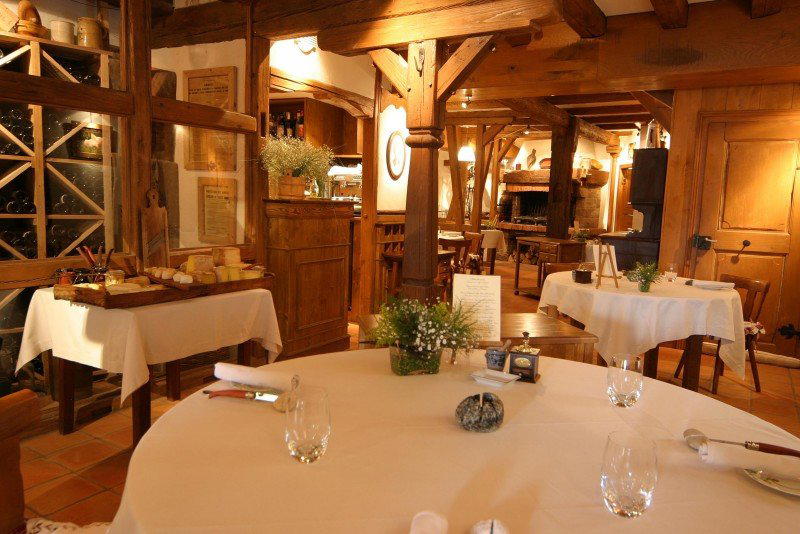
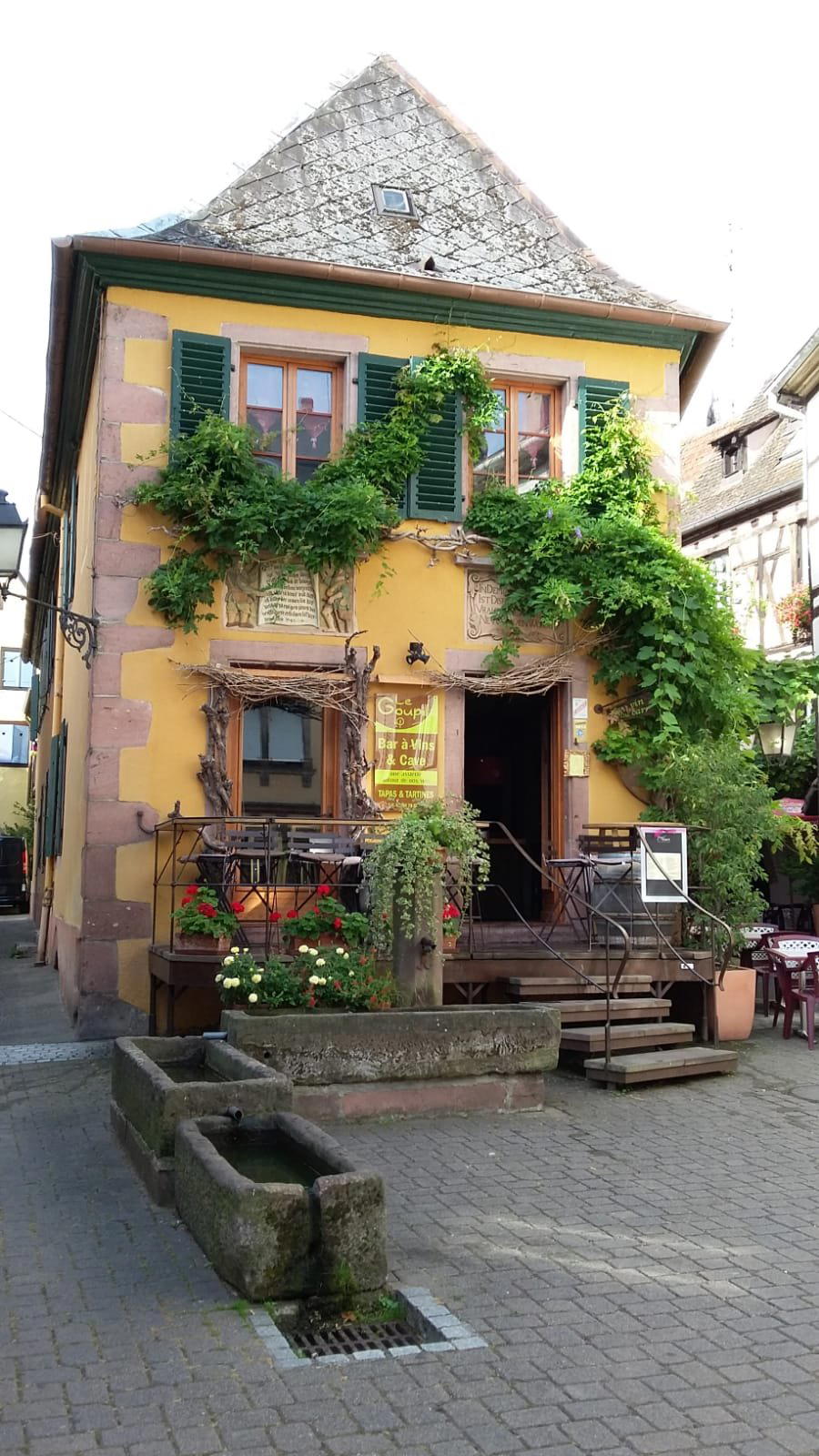
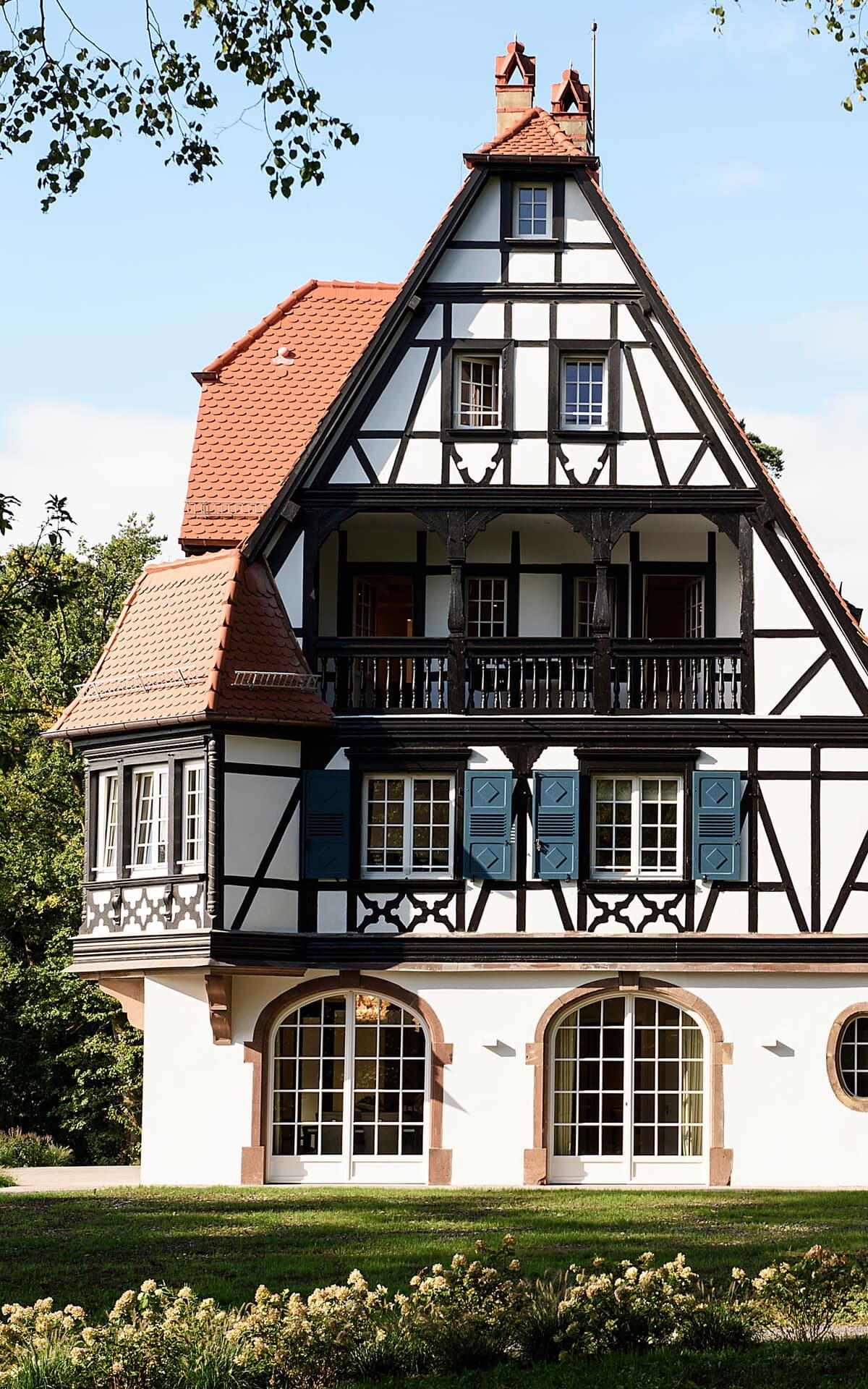
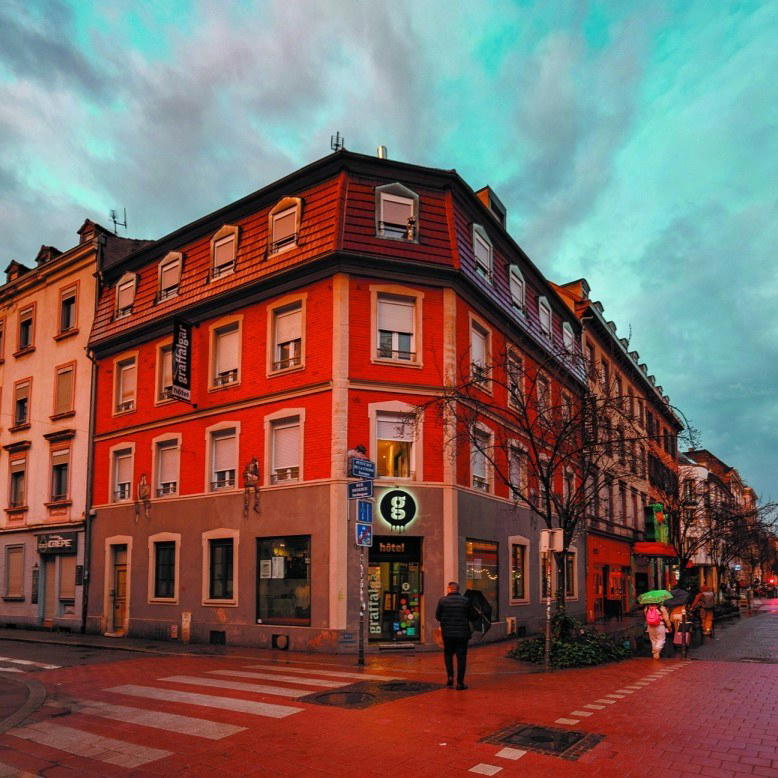
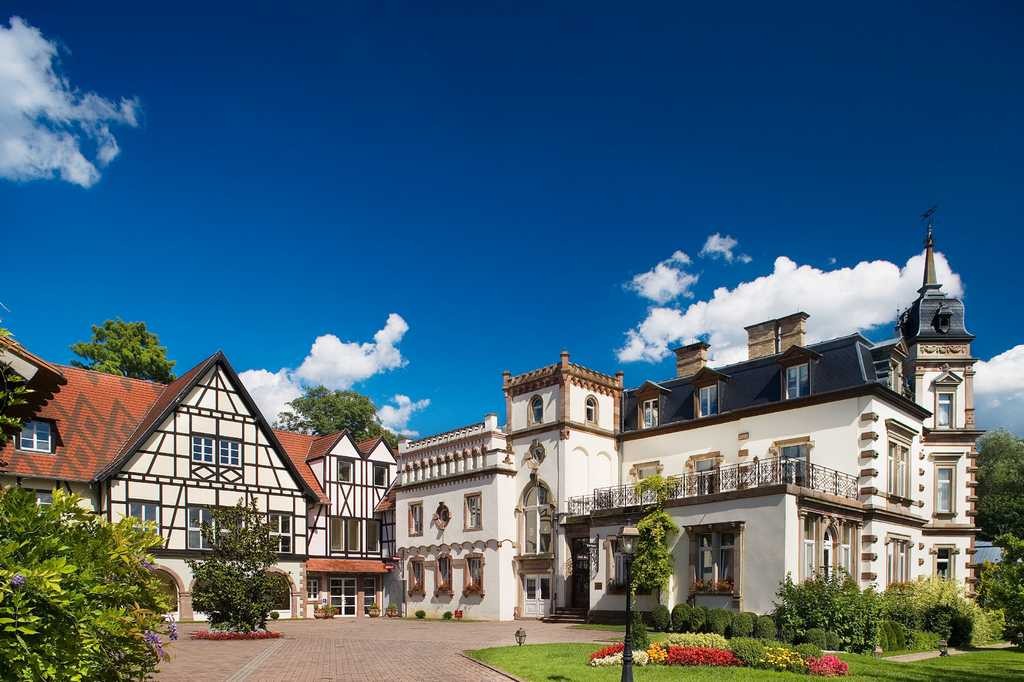
The physical approach to a restaurant like this carries its own information. Church-street addresses in Alsatian villages tend to sit within dense, half-timbered built fabric, the kind of architectural vernacular that signals continuity rather than renovation. The setting implies a dining room shaped more by accumulated use than by a designer's brief. In this tier of French regional restaurant, the atmosphere is a function of the building's age, the regulars who occupy the same tables each week, and the relationship between the front-of-house and the surrounding community rather than any deliberate aesthetic programming.
This stands in deliberate contrast to the high-investment dining environments found at addresses like Alléno Paris au Pavillon Ledoyen or the grand country-house settings of Auberge de l'Ill in Illhaeusern, where the room itself is part of the proposition. At a village restaurant on the Rue de l'Église, the atmosphere derives from a different source: the sense that the place exists for reasons that predate your reservation, and will continue existing after you leave.
Alsace produces a specific tier of French dining that sits outside the Michelin-starred concentration in Strasbourg and Illhaeusern and instead serves the steady demand from locals, Sunday family groups, and visitors willing to drive beyond the tourist circuits. This is not a secondary category. Some of the most consistently satisfying meals in French regional cooking happen in this format, where the kitchen is not performing for inspectors but feeding a community that will return next week and the week after.
The starred comparisons are instructive for what they reveal about the rest of the field. Au Crocodile in Strasbourg occupies the city's formal fine dining tier. Mirazur in Menton and Troisgros in Ouches represent the national apex of French regional cooking with terroir at the center. Restaurant au Chasseur does not compete in that register. It operates in the village restaurant category where the relevant comparison set includes similar addresses across the Bas-Rhin: places where the fixed-price lunch menu, the carafe of local wine, and the seasonal rotation of game, choucroute, and river fish constitute the offer. For readers interested in how ingredient-focused regional cooking operates across French price tiers, Auberge du Vieux Puits in Fontjoncouse and Georges Blanc in Vonnas each show how local sourcing can anchor a destination-level reputation.
Planning Your Visit
Sommerau sits in the Bas-Rhin department, reachable from Strasbourg via the D1004 heading northwest through the Alsatian plain. The village is small enough that 7 Rue de l'Église is direct to locate on arrival. As with most village restaurants of this type across France, weekday lunches and Sunday midday service tend to be the most active sittings; arriving without a reservation on a Sunday in hunting season carries the usual risk of finding the room full. Visitors combining this with the wider Alsatian dining circuit may also consider the broader regional offer documented in Paul Bocuse's Auberge du Pont de Collonges, Assiette Champenoise in Reims, or for readers planning wider French itineraries, Christopher Coutanceau in La Rochelle, La Marine in Noirmoutier, AM par Alexandre Mazzia in Marseille, L'Oustau de Baumanière in Les Baux, Le Bernardin in New York City, and Atomix in New York City for international reference points on what ingredient-driven focus looks like at different price tiers.
Frequently asked questions
Is Restaurant au Chasseur a family-friendly restaurant?
Church-street village restaurants in Alsace like this one at 7 Rue de l'Église typically draw a mixed local clientele that includes families, particularly at weekend lunch. The format of rural Bas-Rhin dining tends toward relaxed, unhurried service rather than formal dining-room strictness.
What is the atmosphere like at Restaurant au Chasseur?
The address on Sommerau's church street places the restaurant within the compact, stone-built core typical of Alsatian plain villages, which shapes the setting before you reach the dining room. This geography — between Strasbourg and the Vosges foothills — produces interiors that tend toward the substantial and unhurried, suited to the pace of rural Bas-Rhin life. Expect a neighbourhood-anchored character rather than destination-restaurant stagecraft.
Is Restaurant au Chasseur worth the drive from Strasbourg for a regional Alsatian meal?
Sommerau sits northwest of Strasbourg along the D1004, a straightforward route through the Alsatian plain that takes under an hour from the city centre. The village falls outside the Michelin-starred concentration in Strasbourg and Illhaeusern, which means the cooking here operates within a different register: rooted in local sourcing and regional tradition rather than tasting-menu architecture. For anyone specifically tracing Bas-Rhin countryside cooking, the church-street address at 67440 Sommerau puts the restaurant at the centre of that culinary geography.
What do regulars order at Restaurant au Chasseur?
The Bas-Rhin sits at the intersection of Rhine plain produce and Vosges game and forest ingredients, which tends to define what village restaurants in this corridor put forward as their core dishes. A name like Au Chasseur — 'the hunter' — signals a kitchen oriented toward game and seasonal forest fare, the kind of cooking that has anchored Alsatian village tables for generations.
Fast Comparison
| Venue | Cuisine | Price | Awards | Notes |
|---|---|---|---|---|
| Restaurant au ChasseurThis venue — the venue you are viewing | French Bistro with Provençal & Italian Influences | $50–100 | Not listed | Not listed |
| Alléno Paris au Pavillon Ledoyen | Modern French Fine Dining | $150–200 | 3 Michelin Stars · World's 50 Best #79 | Creative |
| Kei | Modern French with Japanese Influences | $300–500 | 3 Michelin Stars · World's 50 Best #93 | Contemporary French, Modern Cuisine |
| L'Ambroisie | Classic French Haute Cuisine | $300–500 | 2 Michelin Stars · World's 50 Best #23 | French, Classic Cuisine |
| Le Cinq - Four Seasons Hôtel George V | Modern French Fine Dining | $300–500 | 3 Michelin Stars · World's 50 Best #24 | French, Modern Cuisine |
| Mirazur | Modern French Fine Dining | $300–500 | 3 Michelin Stars · World's 50 Best #1 | Modern French, Creative |
Continue exploring
More in Sommerau
Restaurants in Sommerau
All restaurants in Sommerau →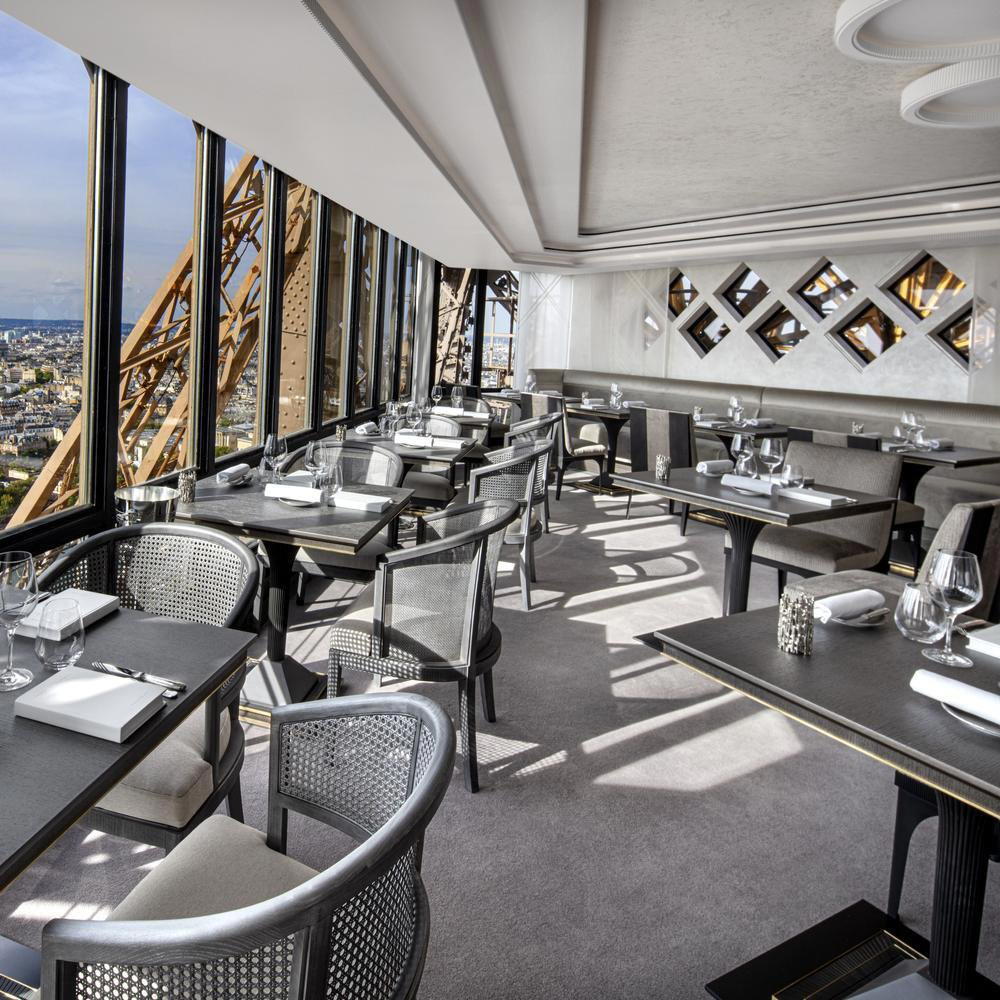
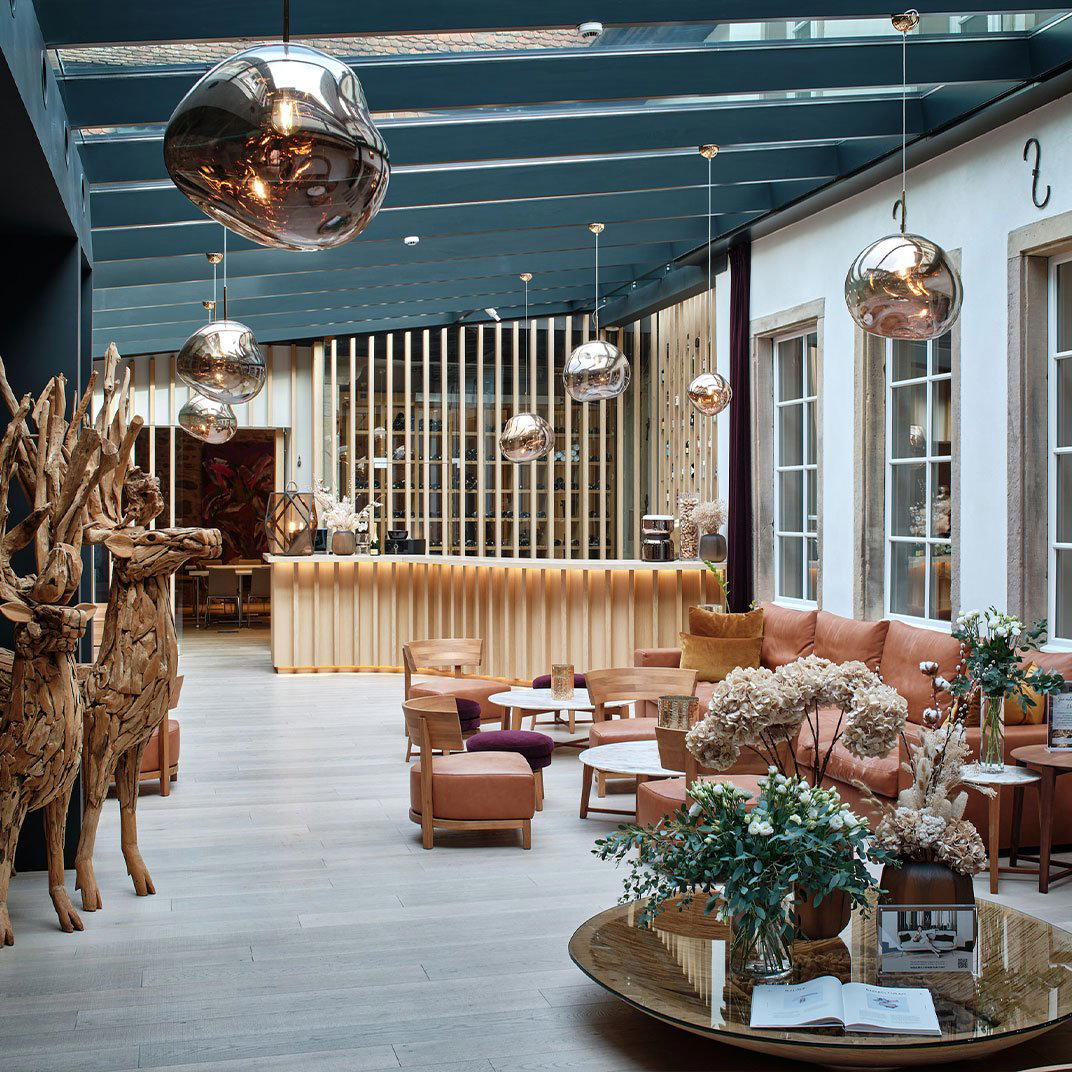

Bars in Sommerau
Browse all →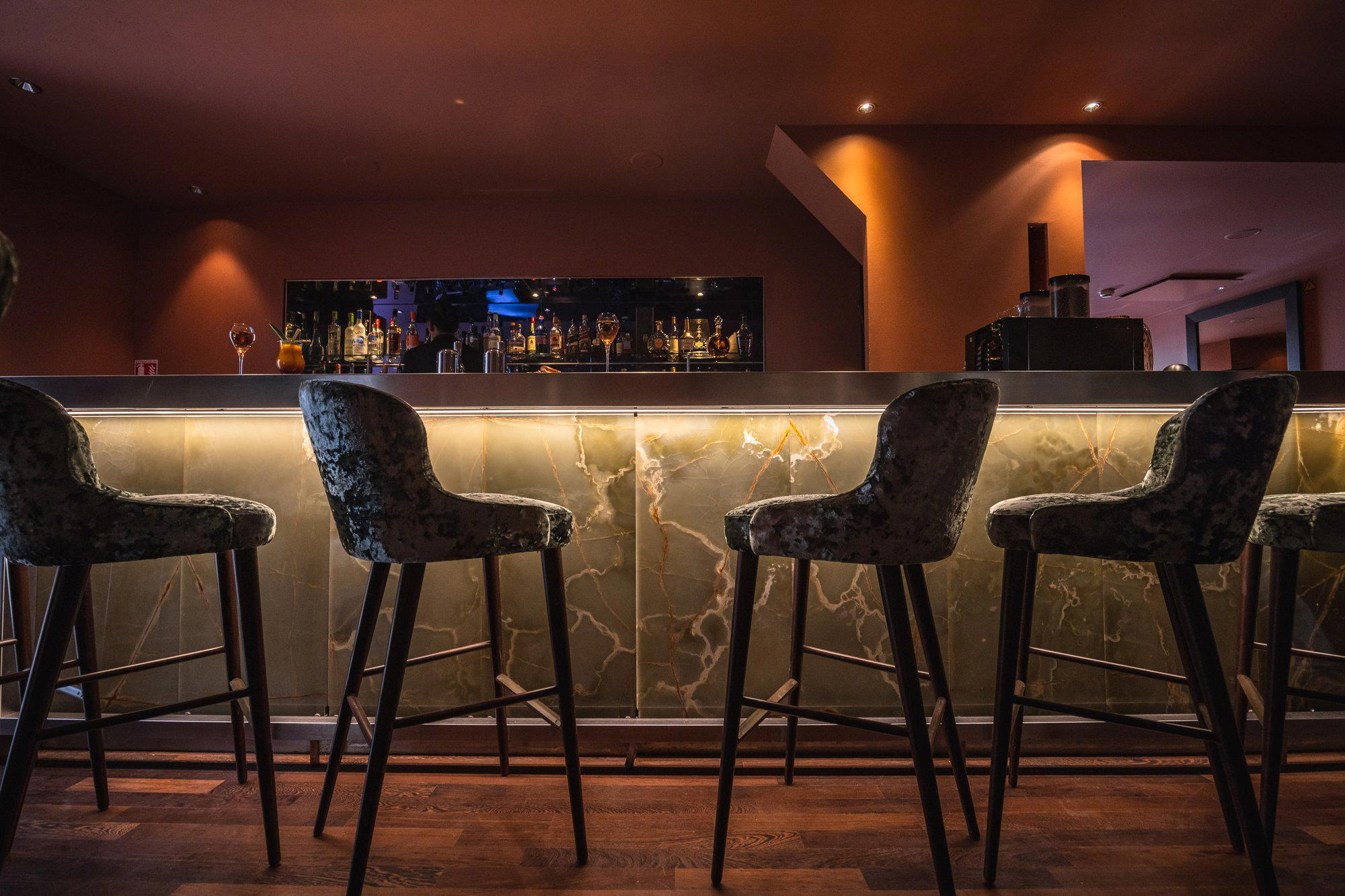

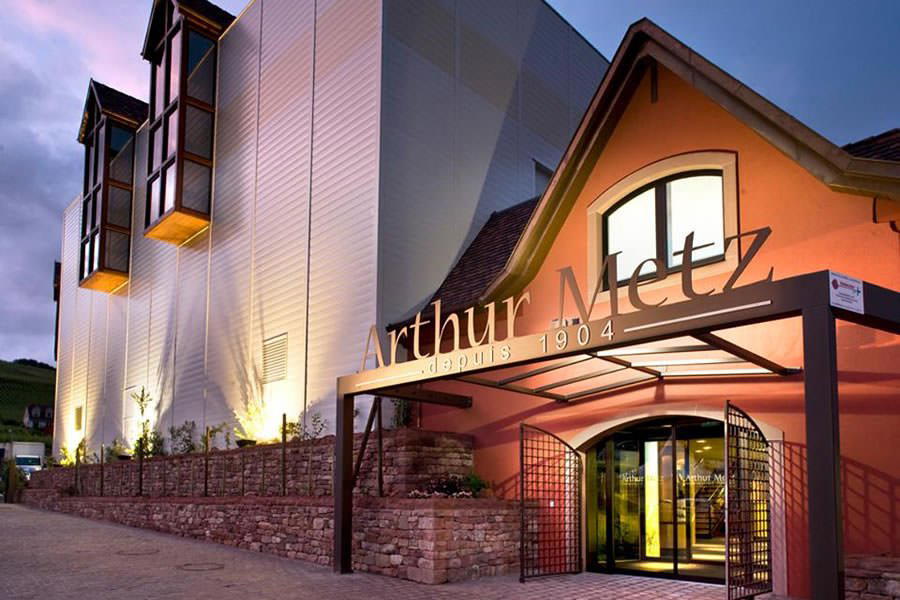
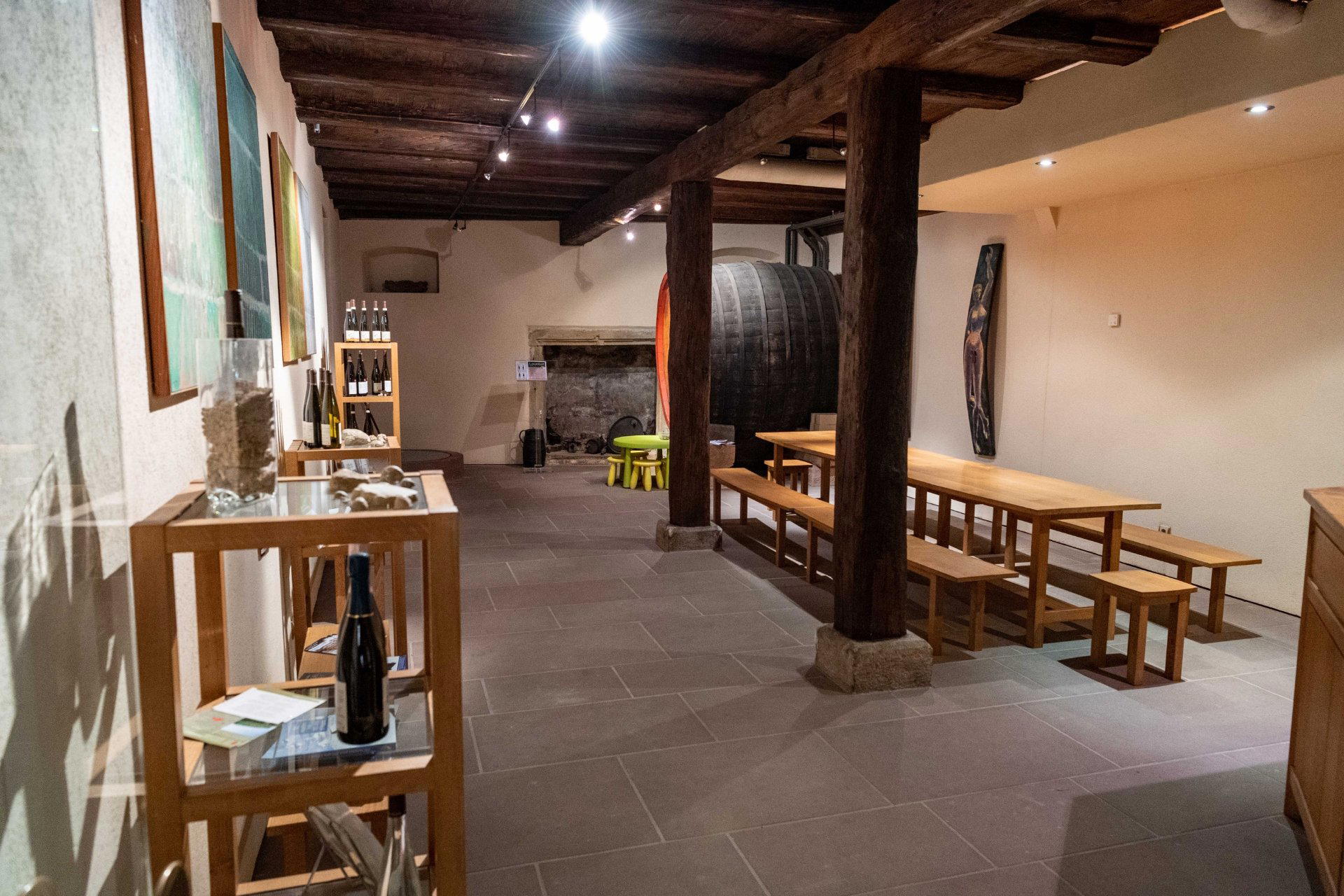
Restaurant au Chasseur
The wine
- Wine program
- Curated wine list
- Extensive wine list
Details
- Cozy
- Classic
- Romantic
- Elegant
- Date Night
- Special Occasion
- Celebration
- Family
- Hotel Restaurant
- Terrace
- Garden
- Private Dining
- Extensive Wine List
- Local Sourcing
- Garden
- A La Carte
- Set Menu
- Alsace Wines
- Vegetarian Friendly
- Allergy Accommodating
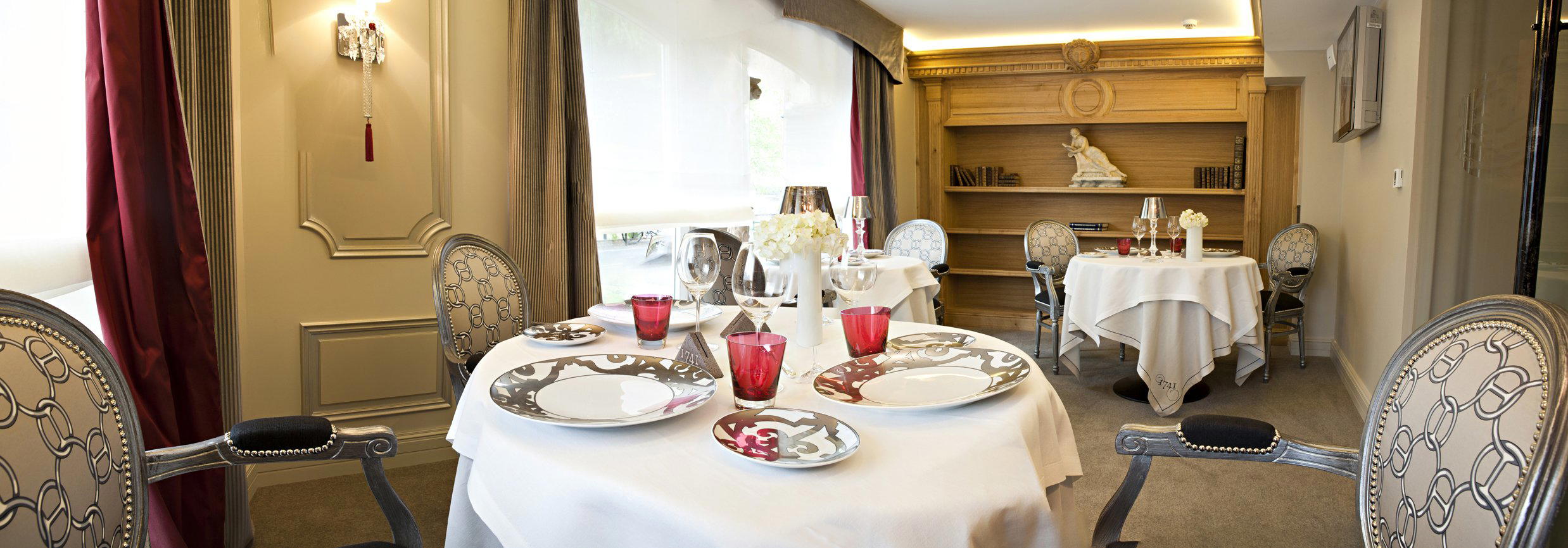
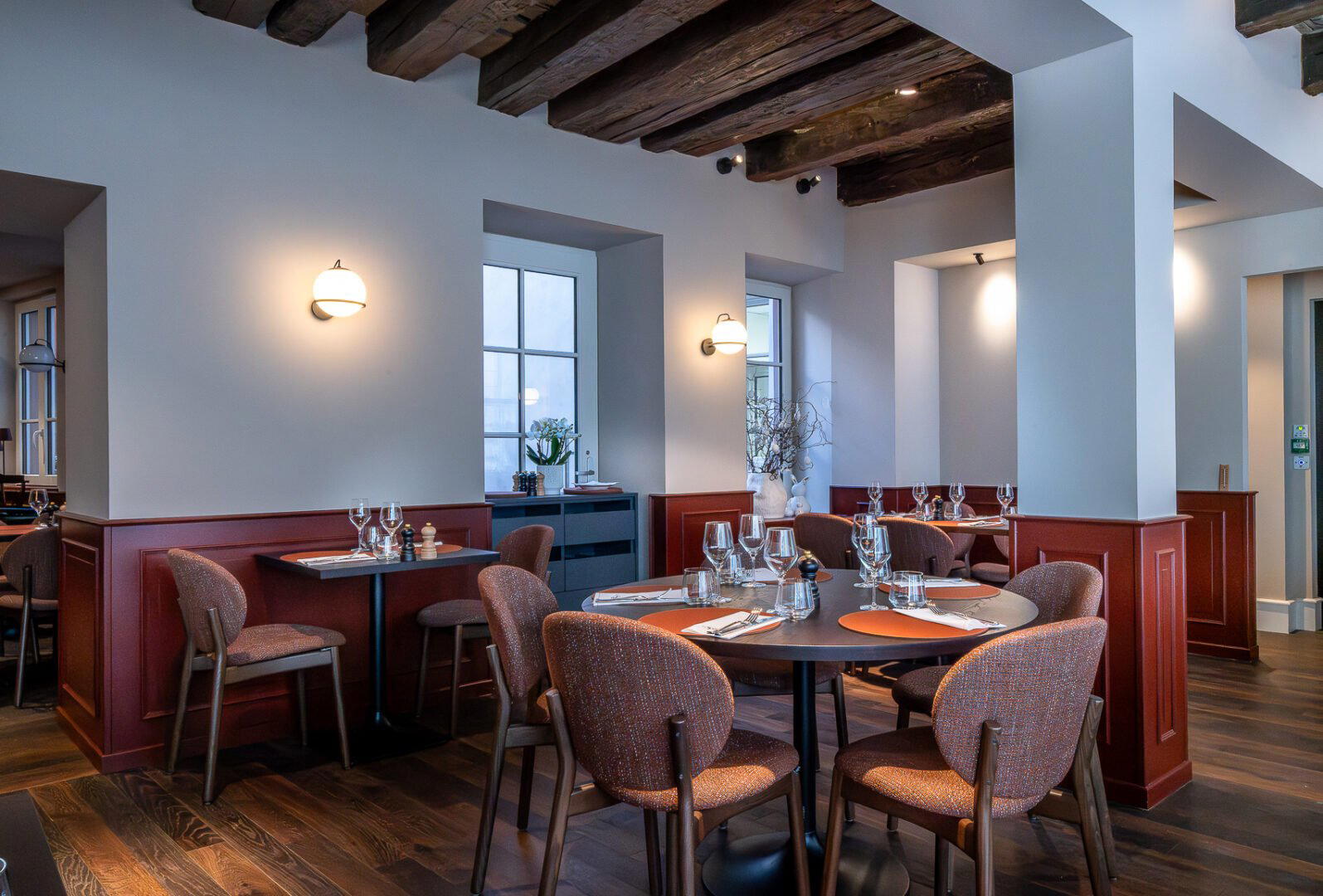
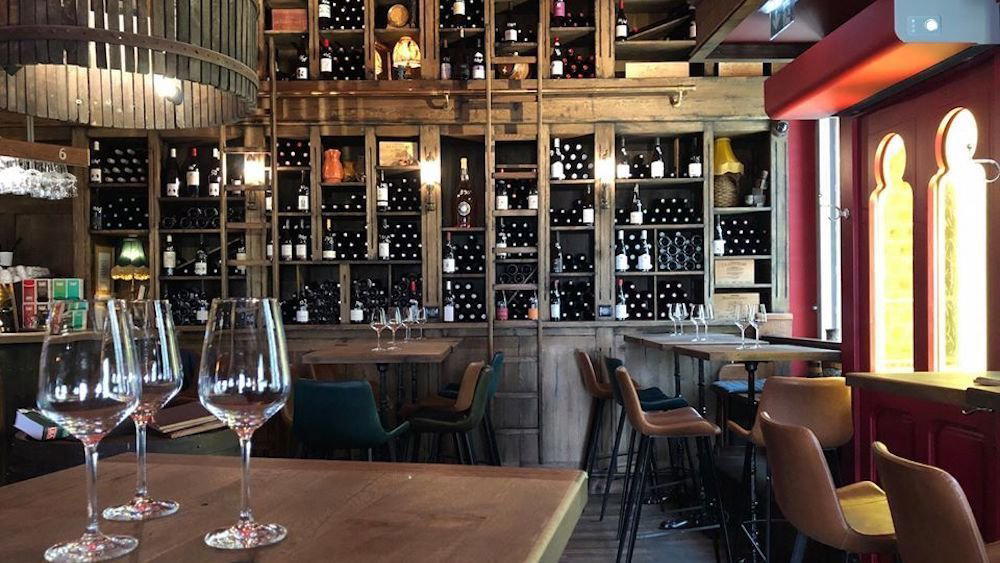
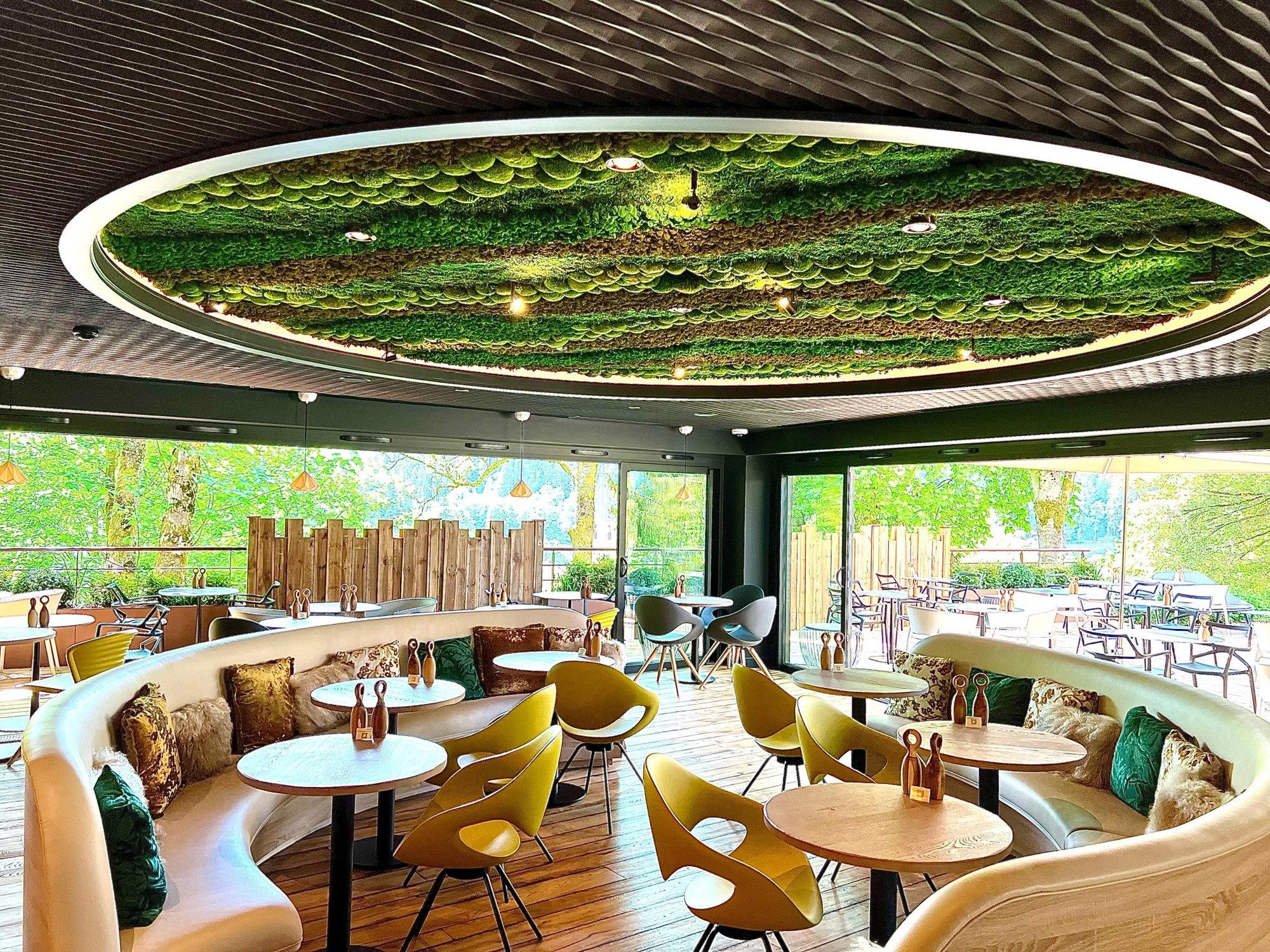
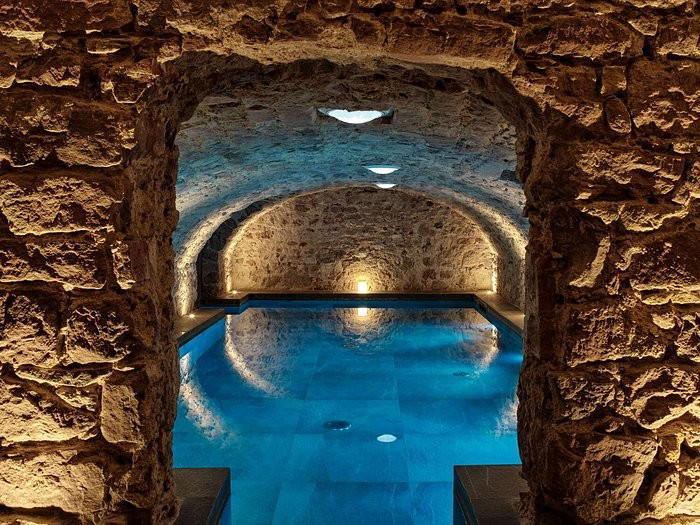
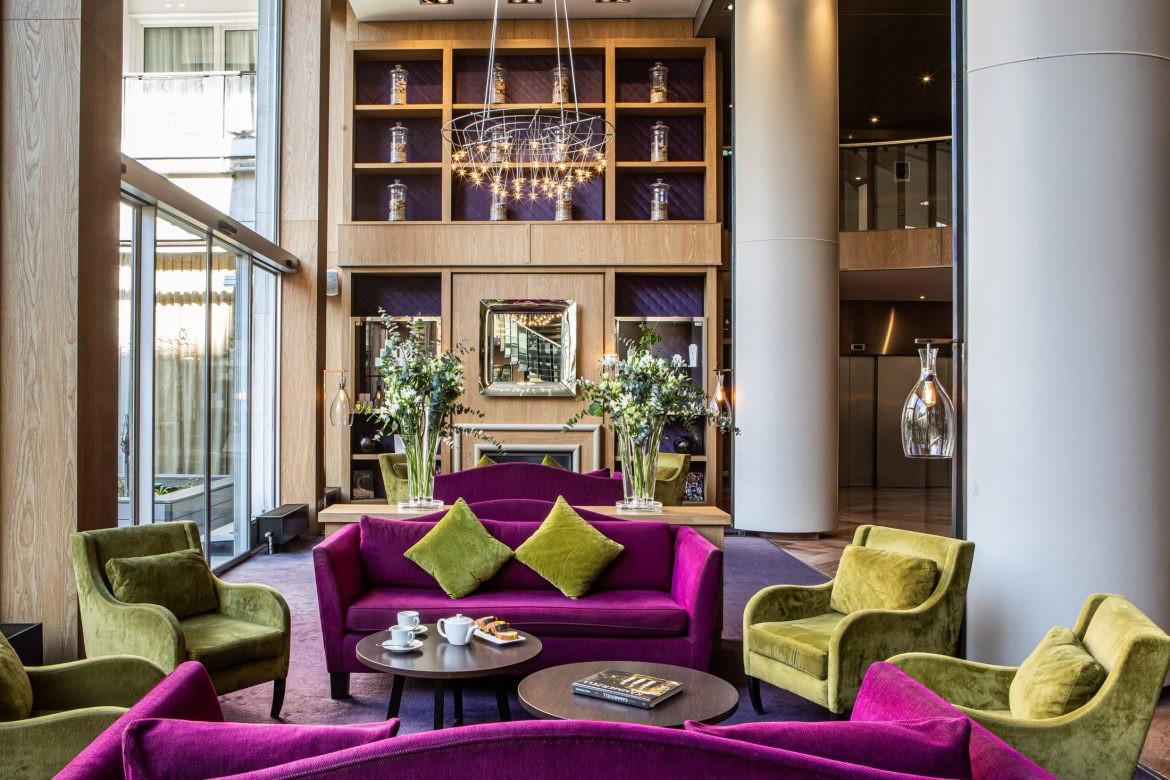
Warm and inviting with traditional yet modern décor; guests describe the restaurant as well-appointed and comfortable, blending rustic Alsatian charm with contemporary comfort.