Auberge Frankenbourg


A Michelin-starred hotel-restaurant in the Vosges foothills, Auberge Frankenbourg has been a destination for travellers since the early twentieth century. The Buecher brothers run a kitchen-to-garden operation where Sébastien's ever-changing menus draw from their own produce patch and the surrounding Alsatian terroir. At €€€ pricing, it represents one of rural France's more considered arguments for staying the night.
Pearl is the En Primeur Club membership app — saves, bookings, and concierge access live there. Same editors, same standards.
- Address
- 13 Rue du Général de Gaulle, 67730 La Vancelle, France
- Phone
- +33 3 88 57 93 90
- Website
- frankenbourg.com
- Directions
- Get directions
 Saves & bookings on Pearl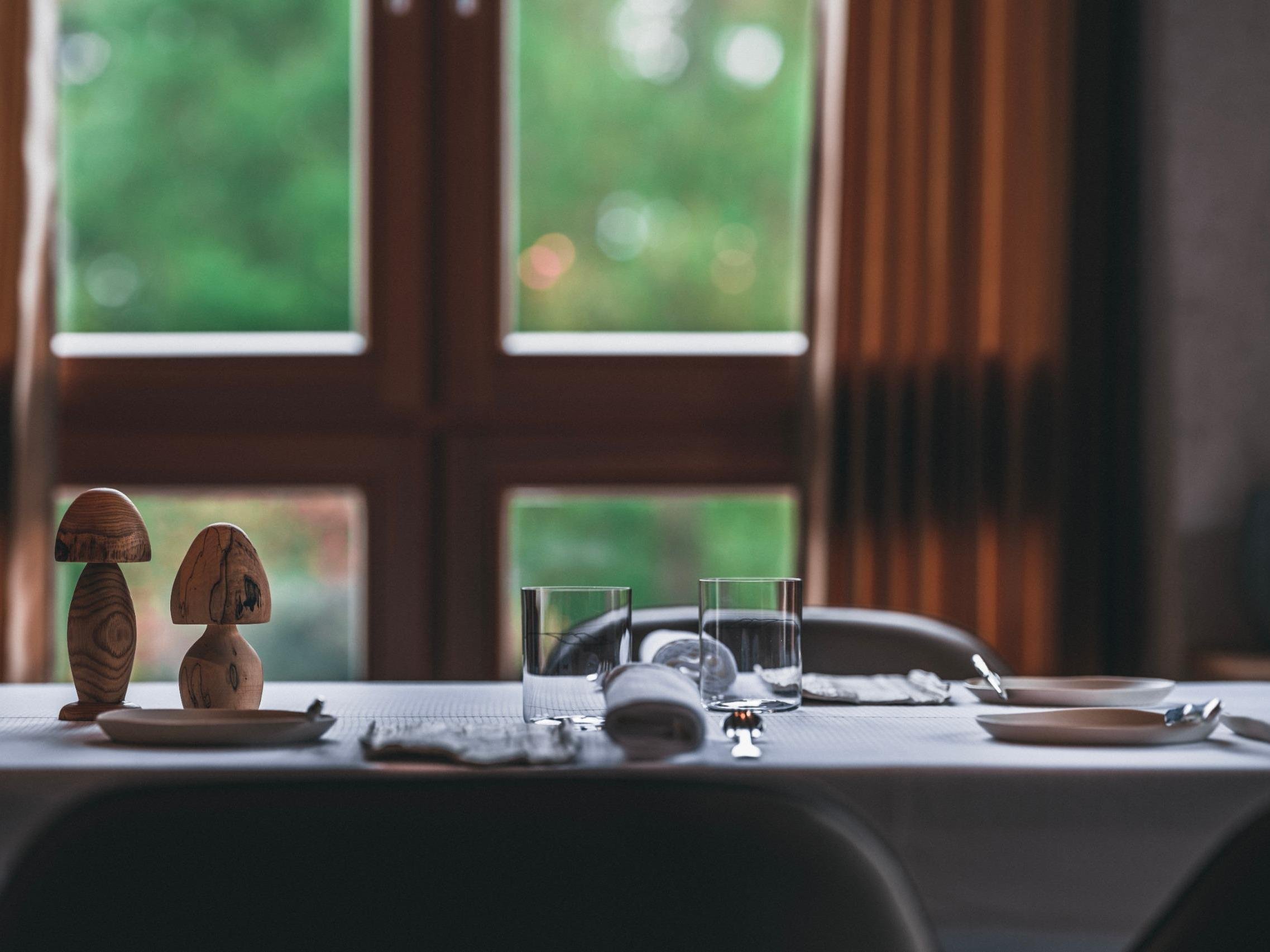
Where the Vosges Foothills Set the Menu
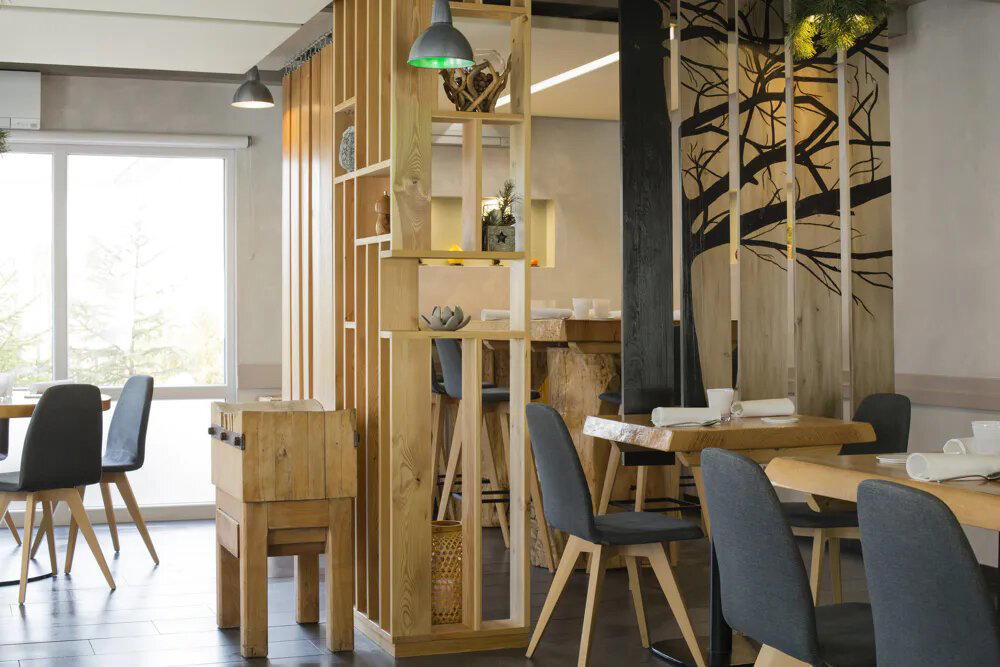
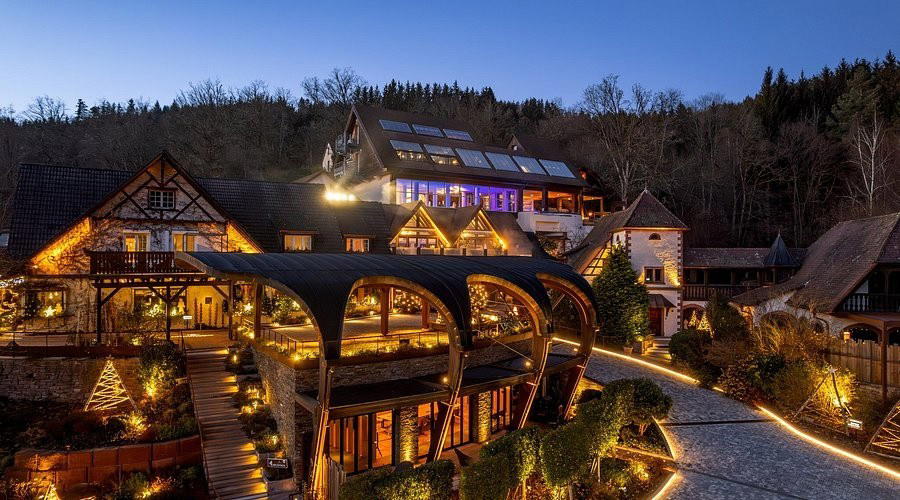
Auberge Frankenbourg is a one-star restaurant in La Vancelle, Alsace, serving Creative French Alsatian Fine Dining at about $90 per person. The Frankenbourg has been receiving travellers at this address since the early 1900s, and the building carries that century-long function in its bones: wood-panelled walls, a dining room that reads as both grounded and considered, and the particular quiet that settles over places that have been doing one thing well for a long time.
Arriving here, the sensory register is immediately of place rather than performance. There is no forecourt spectacle, no theatrical entrance sequence. What you notice first is the kind of stillness specific to villages in the Alsatian interior, the scale of the surrounding forest, the absence of urban noise, and then, inside, the warm geometry of the panelled room balanced against what the Michelin citation describes as minimalism. It is a combination that reads as honest rather than studied, a room that serves the food rather than competing with it.
The Case for Growing Your Own
French fine dining has long operated on the rhetoric of terroir, but the distance between that word on a menu and actual sourcing practice varies across the country. At Auberge Frankenbourg, the gap is short. Most of the fruit and vegetables used in the kitchen come from the property's own garden, which means the menu responds to what is actually growing rather than to what a supplier has available. That constraint shapes everything: the menu changes constantly, and the cooking reflects a seasonal rhythm that is more honest than it would be if produce were simply sourced from regional wholesalers.
This model is not without precedent in France's most serious rural restaurants. Bras in Laguiole built its identity around the Aubrac plateau's wild herbs and garden produce for decades. Flocons de Sel in Megève draws on Alpine foraging and local suppliers in a comparable way. What distinguishes the Vosges context is the density of flavour available from this particular corridor of Alsace: game in autumn, forest mushrooms, stone fruits from the Rhine plain, the sour cherry varieties that appear in both the kitchen and the cellar. When Sébastien Buecher pairs honey-glazed duck with sour cherries and fennel, or builds a venison loin around braised lettuce and a barbajuan of the shoulder, he is not simply assembling ingredients, he is cooking through the specificity of a place and a season.
The Cooking: Technique as a Vehicle for Terroir
Michelin awarded Auberge Frankenbourg one star in 2024, placing it in a tier of regional French restaurants where the ingredient sourcing and the technical execution are both considered serious. The distinction matters in Alsace particularly, a region with deep institutional dining prestige: Auberge de l'Ill in Illhaeusern has held three stars for decades, and Au Crocodile in Strasbourg has long anchored the city's fine-dining reputation. Within that regional context, a one-star village auberge occupies a specific and credible position: technically accomplished, ingredient-led, with a format and price point that sits at €€€ rather than the €€€€ of the grandes maisons.
The dishes described in the Michelin record give a clear read on the kitchen's sensibility. The roasted venison loin with braised lettuce and barbajuan of the shoulder shows a willingness to work the whole animal across multiple preparations within a single course, a classical French technique applied with contemporary precision. The honey-glazed duck with sour cherries and fennel reads as a regional touchstone given a considered modern edit. The approach is not about novelty for its own sake. It is about finding what each ingredient does leading and constructing a plate around that logic, with the own-garden produce setting the parameters from the start.
The menu changes with the garden and the season, which means repeat visits produce genuinely different meals. In a category where tasting menus can feel static from month to month, that continuous rotation is both a sourcing consequence and a genuine attraction for guests returning across the year.
Front of House and the Auberge Format
Guillaume Buecher runs the dining room in a manner that the Michelin assessment characterises as cheerful enthusiasm, which in the context of French fine dining signals warmth and presence without the formality that defines three-star service cultures. That distinction in tone matters to how an evening here actually feels. The room is panelled and considered but not hushed; the service operates at human scale rather than ceremonial distance.
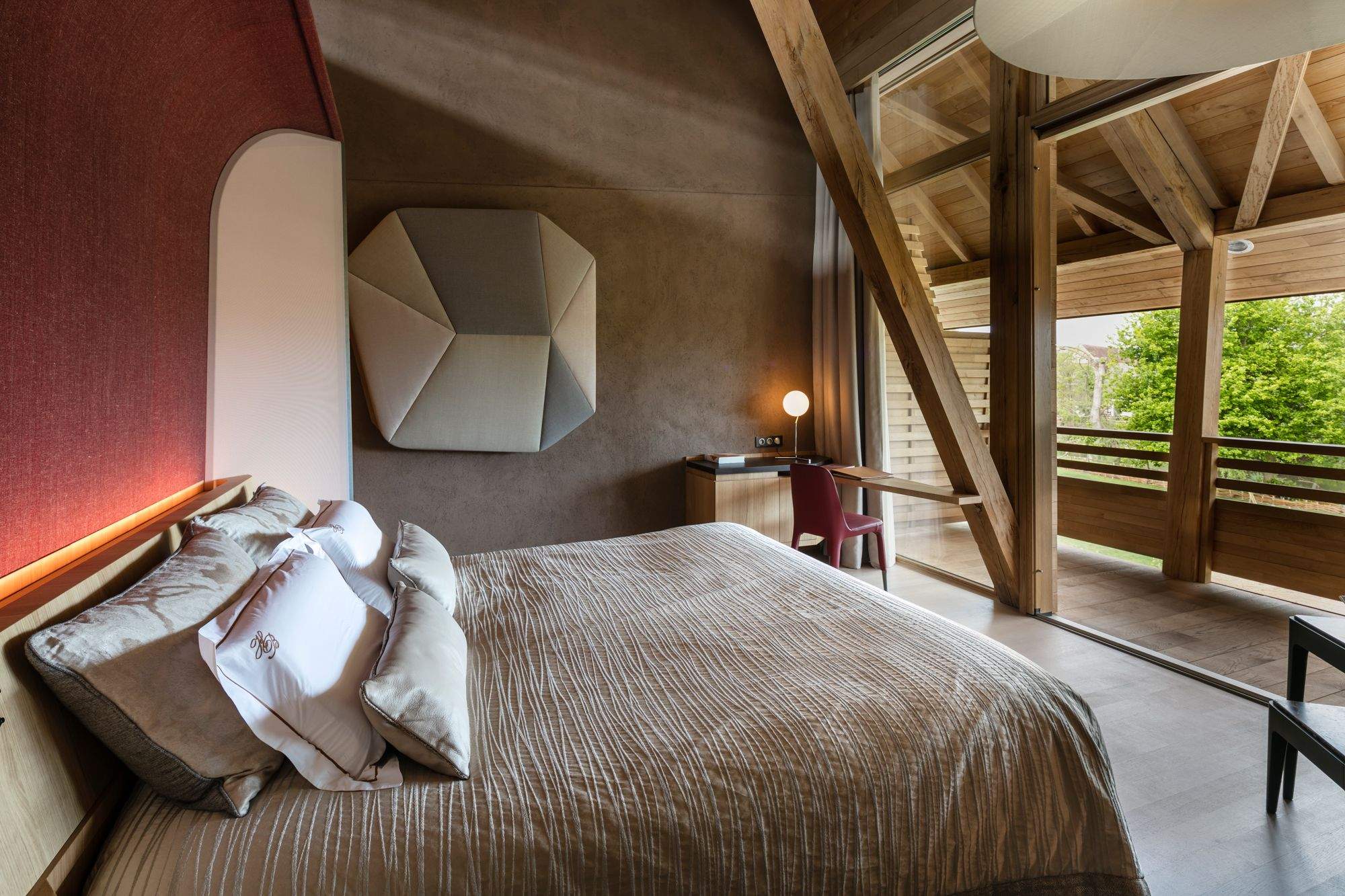
The auberge format, a hotel-restaurant functioning as a single organism, has a long and specific logic in French provincial hospitality. The kitchen and the accommodation reinforce each other: guests who stay have access to dinner and breakfast without a return drive, and the restaurant benefits from an overnight clientele who are invested in the full experience. Auberge Frankenbourg offers a small number of guestrooms alongside the restaurant, placing it in a tradition that runs through some of France's most serious provincial addresses. Auberge du Vieux Puits in Fontjoncouse operates on a similar principle in the Aude; Troisgros - Le Bois sans Feuilles in Ouches has made the rural hotel-restaurant a destination format in its own right. The logic is consistent: remove the obligation to drive home and the meal extends into something more like a stay.
Placing It in the Broader French Picture
At the three-star end of French modern cuisine, the addresses function on a different register entirely. Alléno Paris au Pavillon Ledoyen in Paris and Mirazur in Menton operate with production-scale kitchens, international press cycles, and advance booking windows measured in months. AM par Alexandre Mazzia in Marseille and Assiette Champenoise in Reims sit in city environments where the dining proposition is anchored by urban density. Even Paul Bocuse - L'Auberge du Pont de Collonges in Collonges-au-Mont-d'Or operates within reach of Lyon's metropolitan infrastructure.
The restaurant occupies a different position entirely: a one-star village address with a family operation, an own garden, a genuinely rural setting, and a price point calibrated to that context. That breadth of approval, across both the formal critical tier and the general public, indicates a kitchen and a room that function reliably across different kinds of visitor and expectation.
Planning a Visit
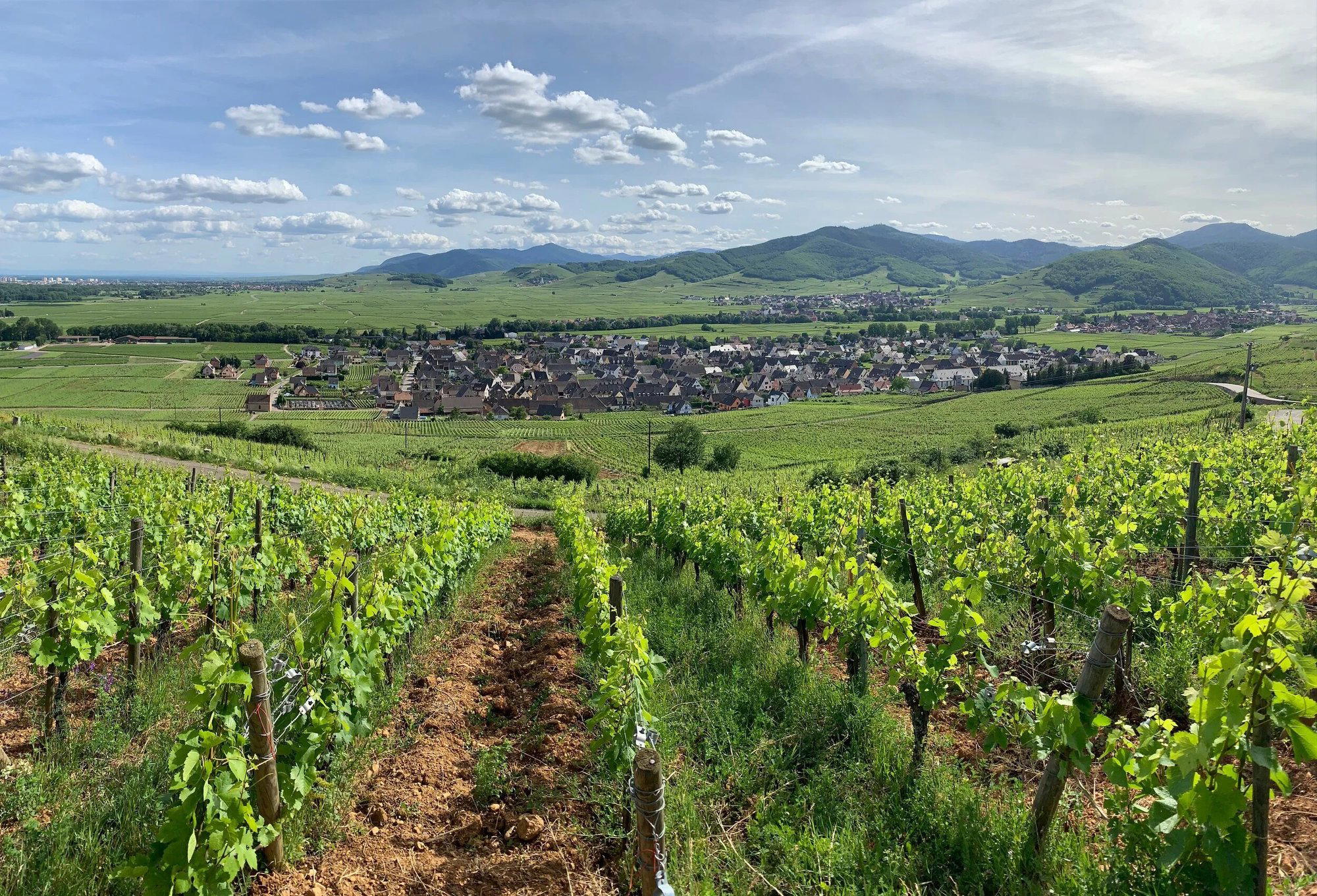
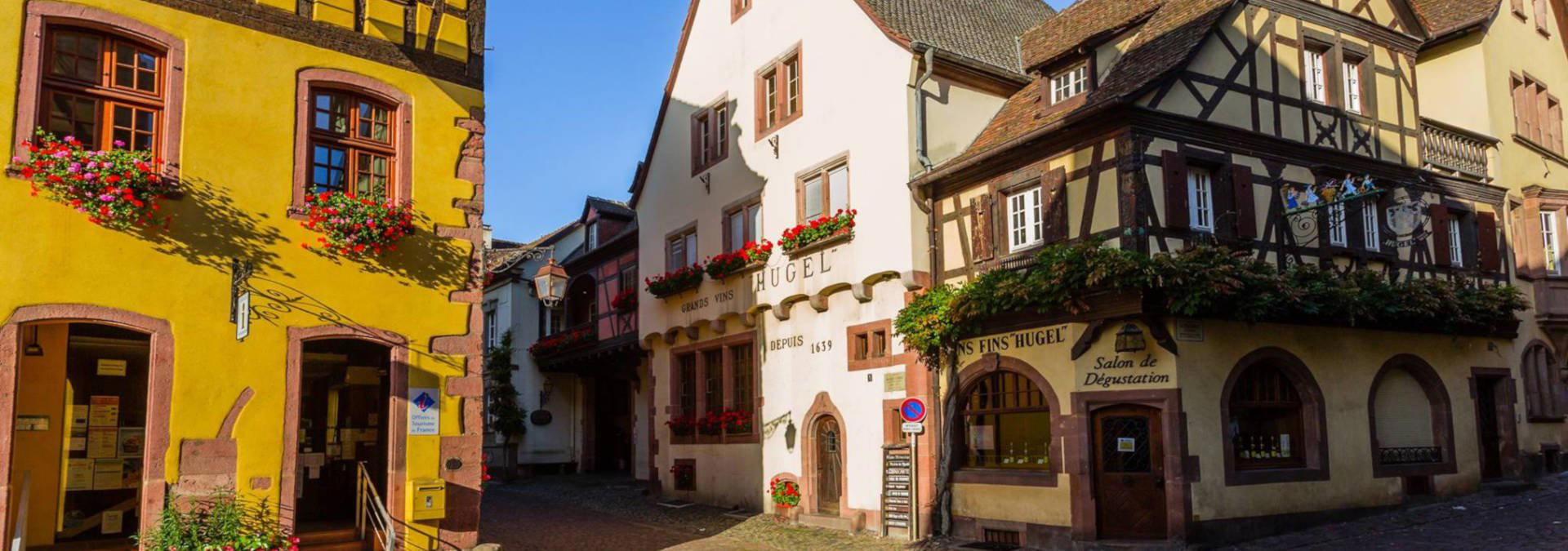
La Vancelle sits in the Alsatian wine route corridor, making it a natural anchor for a broader Alsace trip that might include the vineyards around Ribeauvillé and Riquewihr to the south. The address is 13 Rue du Général de Gaulle, 67730 La Vancelle. At €€€ pricing, the restaurant positions itself well below the grande maison tier while operating at a level of technical seriousness. The guestrooms allow the obvious approach: arrive in the afternoon, dine in the evening, and leave the following morning with breakfast. Given the constantly changing menu and the Michelin recognition, booking ahead is advisable, particularly through Alsace's peak autumn season when the region draws visitors for its wine harvest and game cookery.
Fast Comparison
Comparable venues nearby, for context on price, style, and recognition.
| Venue | Cuisine | Price | Awards | Notes |
|---|---|---|---|---|
| Auberge FrankenbourgThis venue — the venue you are viewing | Creative French Alsatian Fine Dining | $$$$ | Michelin 1 Star | Not listed |
| de:ja | Modern Alsatian Fine Dining | $$$$ | Michelin 1 Star | Orangerie-Conseil Des Xv |
| Le Pot d'Étain | Modern French Fine Dining | $$$ | Michelin 1 Star | Danjoutin |
| Château du Mont Joly | Modern French Fine Dining | $$$$ | Michelin 1 Star | Sampans |
| Le Jardin Secret | Modern French Seasonal Tasting Menu | $$$$ | Michelin 1 Star | La Wantzenau |
| L'Atelier du Peintre | Modern French Fine Dining | $$$ | Michelin 1 Star | historic city center |
Recognition history
Dated appearances from independent guides and award organizations, with the underlying list record or original source where available.
Michelin 1 Star
Michelin
Gault & Millau Remarkable Restaurant
Gault & Millau
Michelin 1 Star
Michelin
Michelin 1 Star
Michelin
Continue exploring
More in La Vancelle
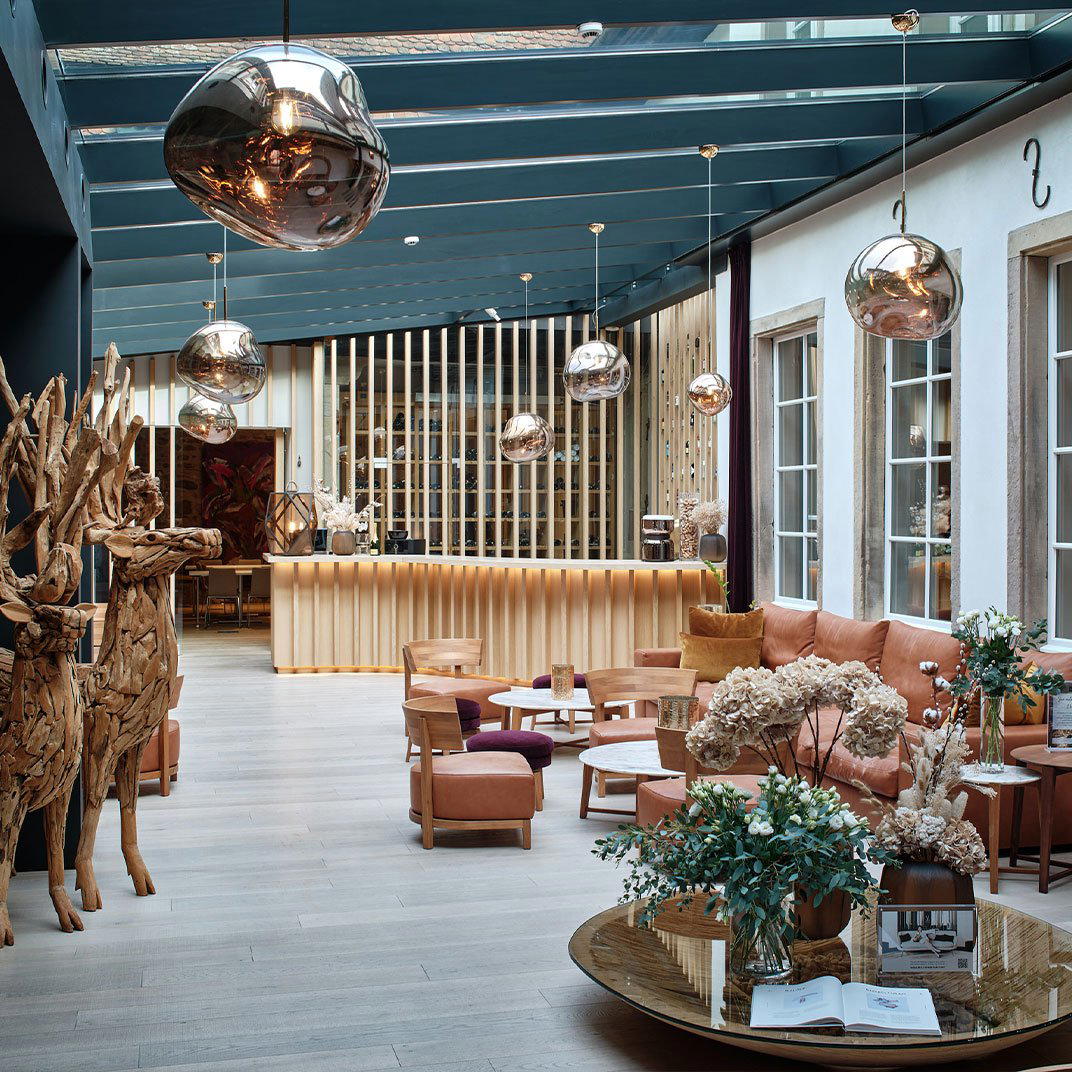
Restaurants in La Vancelle
Browse all →
Bars in La Vancelle
Browse all →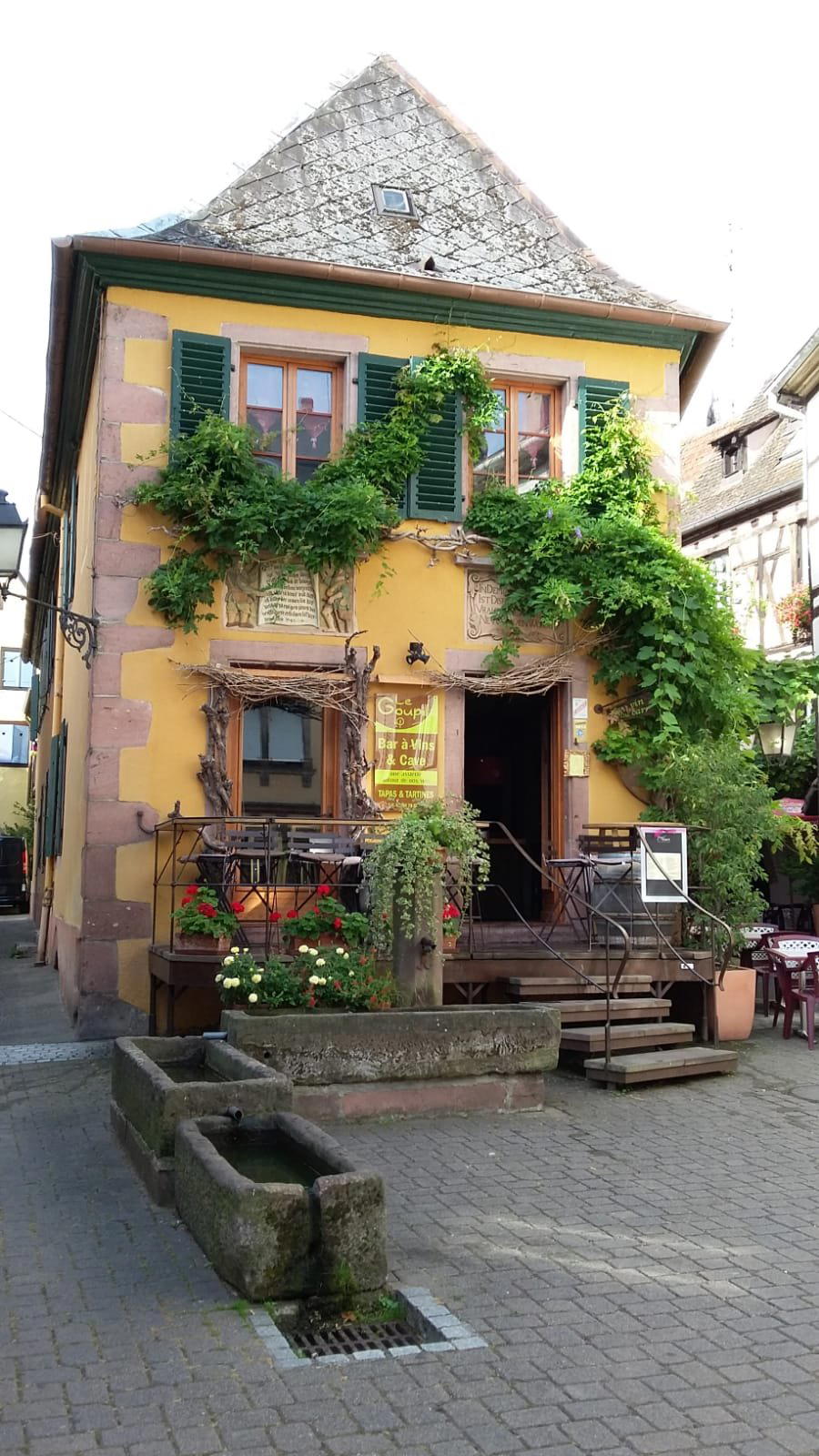
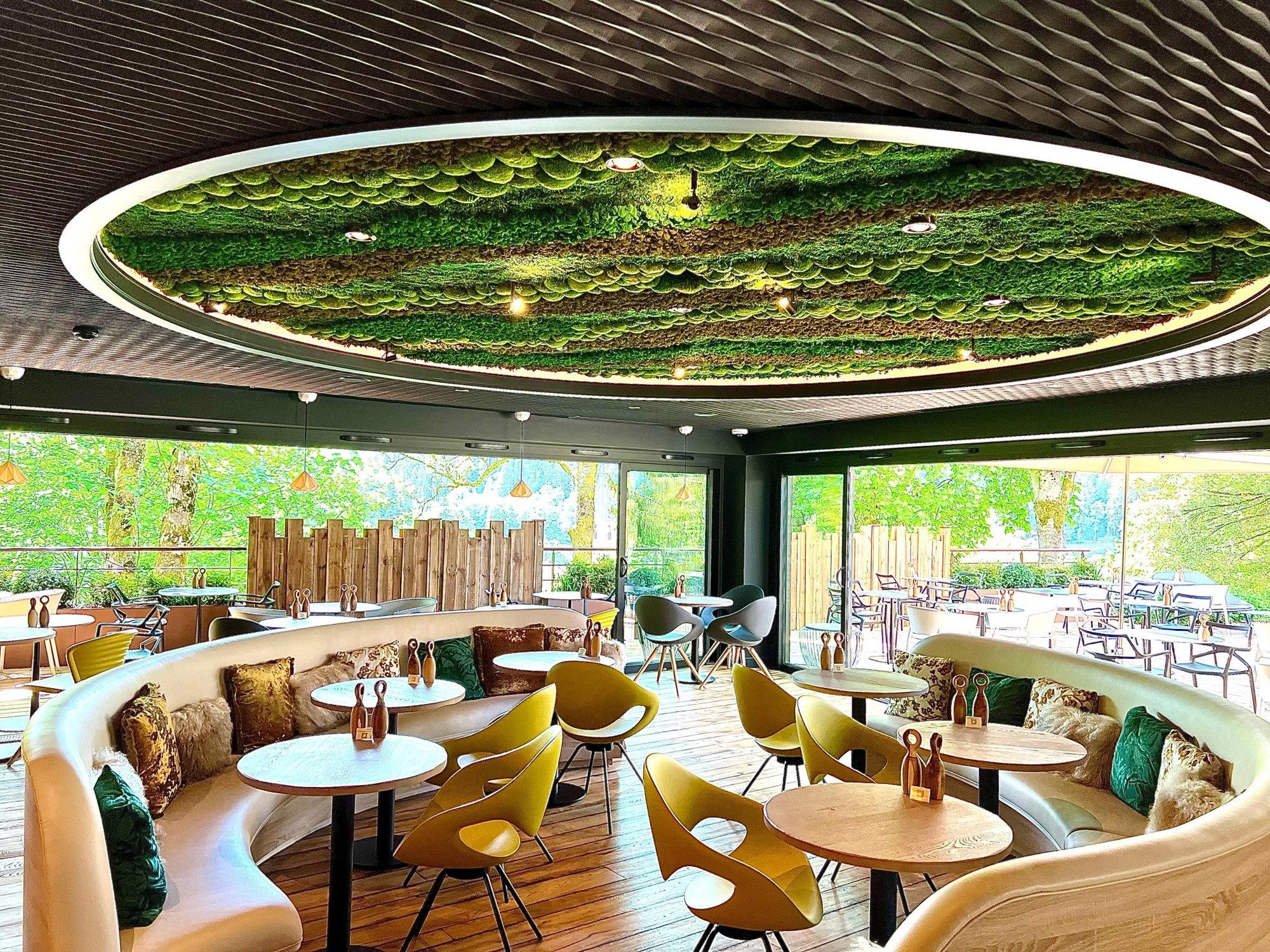
Hotels in La Vancelle
Browse all →

At a Glance
- Rustic
- Elegant
- Cozy
- Intimate
- Sophisticated
- Date Night
- Special Occasion
- Celebration
- Terrace
- Historic Building
- Hotel Restaurant
- Extensive Wine List
- Sommelier Led
- Local Sourcing
- Farm To Table
- Garden
- Mountain
Current opening hours
- Monday
- 12–1:45 PM, 7–9 PM
- Tuesday
- 12–1:45 PM
- Wednesday
- Closed
- Thursday
- Closed
- Friday
- 12–1:45 PM, 7–9 PM
- Saturday
- 12–1:45 PM, 7–9 PM
- Sunday
- 12–1:45 PM, 7–9 PM
Hours can change for holidays and private events. Last verified .
Warm and elegant dining room with exposed beams, high ceilings, natural charm, and large windows offering nature views; cozy terrace for aperitifs.