Kasbür

1 Michelin Star
Our verdict
A Michelin-starred address on the Alsace plain, Kasbür has operated from the same farmstead outside Saverne since 1932, now three generations into the Kieffer family's stewardship. The semi-circular dining room frames open countryside, while the kitchen works closely with seasonal Alsatian produce. For a €€€€ price point in a village setting, the value proposition is sharper than most comparable starred tables in the region.

Pearl is the En Primeur Club membership app — saves, bookings, and concierge access live there. Same editors, same standards.
- Address
- 8 Rue de Dettwiller, 67700 Monswiller, France
- Phone
- +33 3 88 02 14 20
- Hours
- Mon–Tue ClosedWed–Sat 12–1:30 PM, 7–8:30 PMSun 12–1:30 PM
- Website
- restaurant-kasbur.fr
- Directions
- Get directions
- Booking
- Book on Zenchef
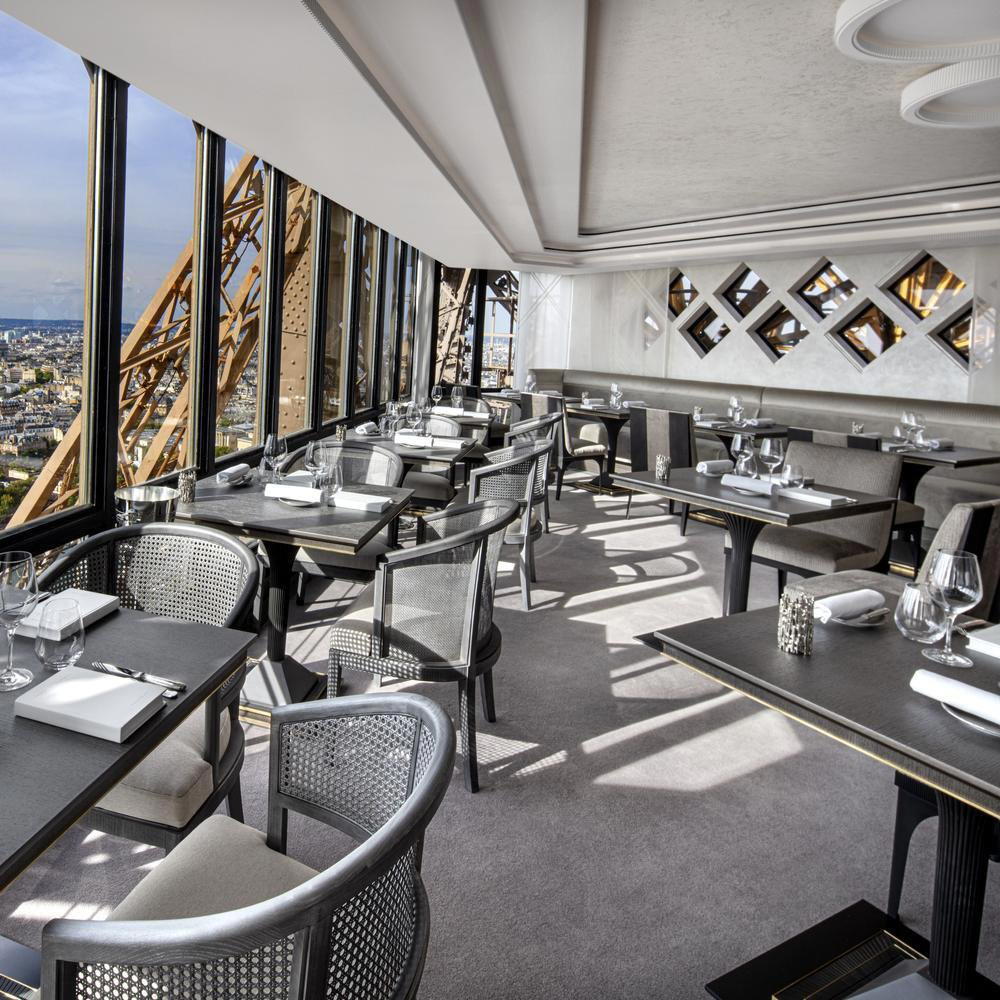
The menu
What to order
- Saumon du cercle polaire façon bellevue Parisienne
- Coquelet de chez Bruno Siebert
- Bavaroise de yaourt au céleri branche
A Farmstead That Became a Dining Room
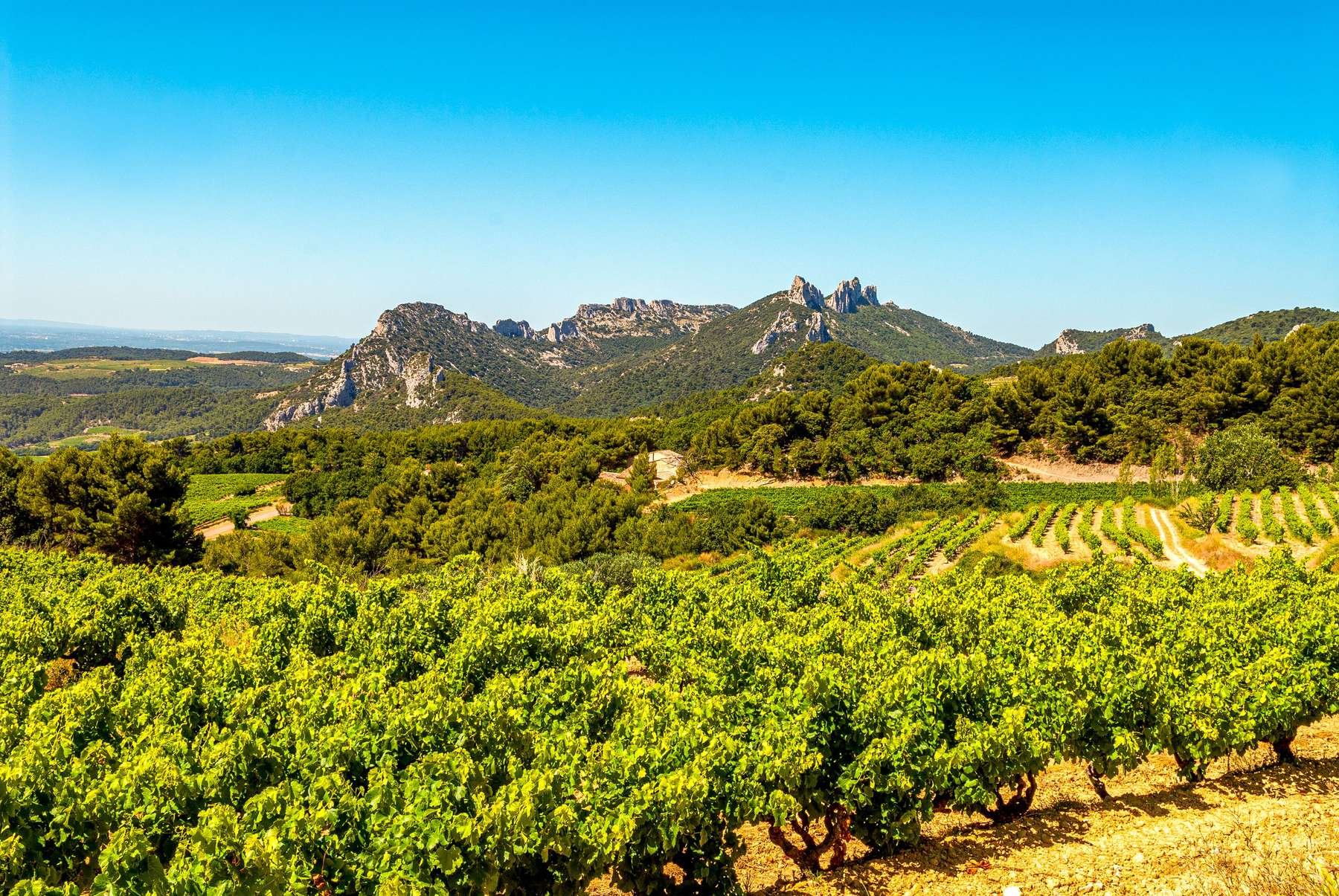
Approaching Monswiller from the D421, the Alsace plain opens up in that particular way it does between Saverne and Strasbourg: flat agricultural land, a line of low hills to the west, the Vosges sitting further back like a soft watercolour wash. The building at 8 Rue de Dettwiller has been part of this view since 1932, when it functioned as a working farm. That origin is not incidental to how the restaurant now operates. The name Kasbür traces to the great-grandfather who made cheese on this land, and the semi-circular dining room added in later decades was designed to face outward, giving guests the same sight lines the farmer would have had. The Alsace countryside is not backdrop here; it functions more like a primary ingredient.
This kind of rootedness is a distinct position within French fine dining. Across the country, starred restaurants tend to cluster in cities or high-traffic tourist corridors. Au Crocodile in Strasbourg, twenty kilometres east, operates in an urban context with the footfall that implies. Kasbür sits outside that logic entirely, in a village of roughly 2,000 people, drawing guests who make the detour deliberately rather than walk past on their way somewhere else. That self-selection shapes the room: the pace is unhurried, the clientele largely local or visiting from nearby Strasbourg and the Rhine valley.
Three Generations of Ingredient Logic
The editorial angle on French farmhouse-rooted restaurants often defaults to nostalgia, but that framing misses what is actually happening in the kitchen here. The Michelin one-star awarded in 2024 reflects a specific kind of cooking: produce-led, technically grounded, seasonally calibrated. The chef trained under serious institutional weight, with time in the kitchens of La Tour d'Argent in Paris and Marc Meneau's celebrated restaurant in Vézelay before returning to Monswiller. That trajectory, from two of France's most technically demanding kitchens back to a village farmstead, is not the story of someone retreating from ambition. It reads more accurately as a deliberate repositioning around source material.
Alsace offers a specific larder. The region sits at a crossroads of German and French agricultural traditions, with river fish from the Rhine and its tributaries, market garden produce from the plain, and game from the Vosges forests to the west. Spring brings asparagus from the sandy soils around Hoerdt, a production zone with genuine regional specificity. The dish cited in Michelin's own assessment of Kasbür, John Dory with green asparagus, young broad beans, and fresh peas, is a precise expression of that spring window: three legume-family vegetables at their earliest stage, alongside a firm-fleshed fish that can hold its own against green bitterness. The precision of the cook on the fish and the timing of the vegetables relative to each other are the technical work; the ingredients themselves come from a geography the chef has known since childhood.
This is where the three-generation narrative earns its keep. The great-grandfather's cheese-making instilled a relationship with local agriculture that is now expressed through a Michelin-level kitchen rather than a dairy. The continuity is in the sourcing logic, not in sentiment. For guests used to city starred restaurants where provenance can feel like a marketing layer, the proximity to actual agricultural land here is more literal than usual. Producers are not abstracted into menu text; the Alsace plain visible through the dining room windows is, in season, producing some of what arrives at the table.
For comparable context within France's starred landscape, consider how ingredient provenance functions at other celebrated addresses: Mirazur in Menton built its three-star reputation substantially on the hotel garden above the restaurant; Bras in Laguiole made the Aubrac plateau itself into a culinary argument. Kasbür operates at a different scale and star level, but the underlying logic is consistent: the place where the food comes from is the subject, and the cooking is the means of articulating it.
Format, Timing, and the Rhythm of the Room
The service format at a one-star table in a rural Alsace village has its own conventions. Lunch and dinner sittings run on tight windows: Wednesday through Saturday from noon to 1:30 PM and 7 PM to 8:30 PM, Sunday lunch only, Monday and Tuesday closed entirely. The narrow booking windows are common to this tier of French fine dining outside cities, where a smaller team handles both kitchen and floor without the continuous service model that larger urban operations can sustain. For visitors travelling from Strasbourg, the Saturday lunch sitting is the most practical entry point; the TGV reaches Saverne in under thirty minutes from Strasbourg's central station, and from there Monswiller is a short onward journey.
The €€€€ price designation places Kasbür in the same bracket as multi-star urban tables including Alléno Paris au Pavillon Ledoyen in Paris and Assiette Champenoise in Reims, though the one-star status and rural setting position it differently within that tier. In practice, the value calculation at village-level starred restaurants in France often favours the guest: overhead structures outside Paris and Lyon allow kitchens to work with better margins on ingredient quality, and the absence of urban real estate costs can translate into more generous product for the same outlay. Whether that calculus holds at Kasbür specifically would require current menu pricing to confirm, but the structural logic is consistent with comparable regional addresses.
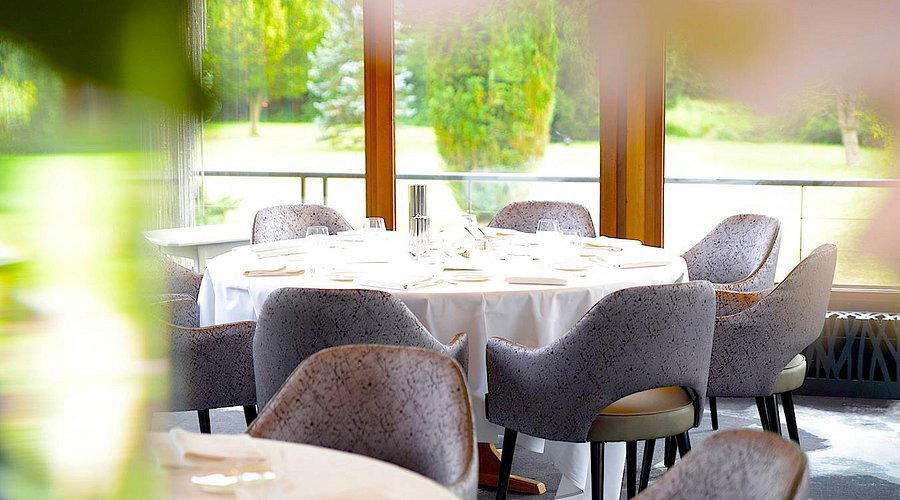
Dining room itself, with its semi-circular orientation toward the countryside, is a considered architectural choice rather than a legacy constraint. At the latitude of Saverne, the light in spring and early summer during the lunch service has a particular quality: low-angle, long-duration northern light that keeps the room bright without glare through the full sitting window. Evening service in summer retains enough natural light through the early portion of the meal to maintain the connection between interior and exterior that the room's design intends. In winter, the dynamic reverses, but the Alsace plain has its own cold-season character.
Placing Kasbür in the Regional Starred Context
Alsace punches above its geographical weight in French fine dining. Auberge de l'Ill in Illhaeusern, the region's most decorated address, has held three Michelin stars for decades and remains the reference point for Alsatian haute cuisine. Kasbür operates in a different register: single-star, village-scale, with a farmhouse heritage that Auberge de l'Ill's more formal riverine setting does not share. The comparison is less useful as a hierarchy than as a map of what Alsace's fine dining range actually covers.
Internationally, the pattern of family-operated starred restaurants rooted in a specific agricultural territory is well-represented. Troisgros - Le Bois sans Feuilles in Ouches is the French archetype: multi-generational, relocated to farmland to get closer to its source material, starred continuously. Flocons de Sel in Megève runs on Alpine-specific sourcing logic with a similarly defined geographic identity. Kasbür's version of this model is Alsatian, plain-agriculture-based, and operating at a scale that requires less infrastructure than a mountain resort address.
For guests assembling a broader French fine dining itinerary, Kasbür functions well as a counterweight to city-based starred tables: AM par Alexandre Mazzia in Marseille, Auberge du Vieux Puits in Fontjoncouse, or Paul Bocuse - L'Auberge du Pont de Collonges in Collonges-au-Mont-d'Or each offer a different regional context. Kasbür's contribution to that itinerary is specificity of place: Alsace plain, farmstead provenance, three-generation continuity expressed through a single Michelin star awarded in 2024.
For more on where Kasbür sits within the area's broader options, see our full Monswiller restaurants guide. If you are planning a longer stay in the area, our Monswiller hotels guide, bars guide, wineries guide, and experiences guide cover the full picture.
Frequently asked questions
Is Kasbür good for families?
Kasbür operates as a multi-generational family restaurant — founded in 1932 and run by the Kieffer family for three generations — so family visits are part of its DNA. That said, the €€€€ price range and tightly scheduled sittings (90-minute lunch and dinner windows) make this a considered rather than casual outing. Older children comfortable with a formal paced meal would be at home here; very young children less so.
What should I expect atmosphere-wise at Kasbür?
The semi-circular dining room looks out over open Alsace countryside on the outskirts of Saverne, giving the room a rural calm that sets it apart from city-centre starred restaurants. The building was updated by Yves Kieffer to reflect a modern sensibility while retaining the farmstead origins — cheese was once made on the same site. Sittings are structured around two windows per day (12 PM and 7 PM), which creates a deliberate, unhurried pace rather than a buzzy open-service flow.
Has Kasbür won any awards?
Kasbür has received recognition including: Founded in 1932, Kasbür has been linked to the Kieffer family for three generations. The restaurant on the outskirts of Saverne owes its name to the great-grandfather, a farmer who made his cheeses here. Yves Kieffer, his great-grandson, br….
What's the must-try dish at Kasbür?
Michelin's own citation for Kasbür's 2024 star specifically calls out the John Dory — marinated and precisely cooked — served with green asparagus, young broad beans, and fresh peas. It is the dish the guide used to characterise Yves Kieffer's approach to seasonal produce, which makes it the clearest expression of what the kitchen is doing. Beyond that reference point, the menu follows the logic of quality ingredients in season, shaped by a chef who trained at La Tour d'Argent and Marc Meneau's restaurant in Vézelay.
Comparable Spots, Quickly
| Venue | Cuisine | Price | Awards |
|---|---|---|---|
| KasbürThis venue — the venue you are viewing | Modern French Fine Dining | $100–150 | 1 Michelin Star |
| Alléno Paris au Pavillon Ledoyen | Creative | Not listed | Michelin 3 Star |
| Kei | Contemporary French, Modern Cuisine | Not listed | Michelin 3 Star |
| L'Ambroisie | French, Classic Cuisine | Not listed | Michelin 3 Star |
| Le Cinq - Four Seasons Hôtel George V | French, Modern Cuisine | Not listed | Michelin 3 Star |
| Plénitude | Contemporary French | Not listed | Michelin 3 Star |
Recognition history
Dated appearances from independent guides and award organizations, with the underlying list record or original source where available.
Michelin 1 Star
Michelin
Full recognition history (3 entries)
Michelin 1 Star
Michelin
Michelin 1 Star
Michelin
Continue exploring
More in Monswiller
Restaurants in Monswiller
Browse all →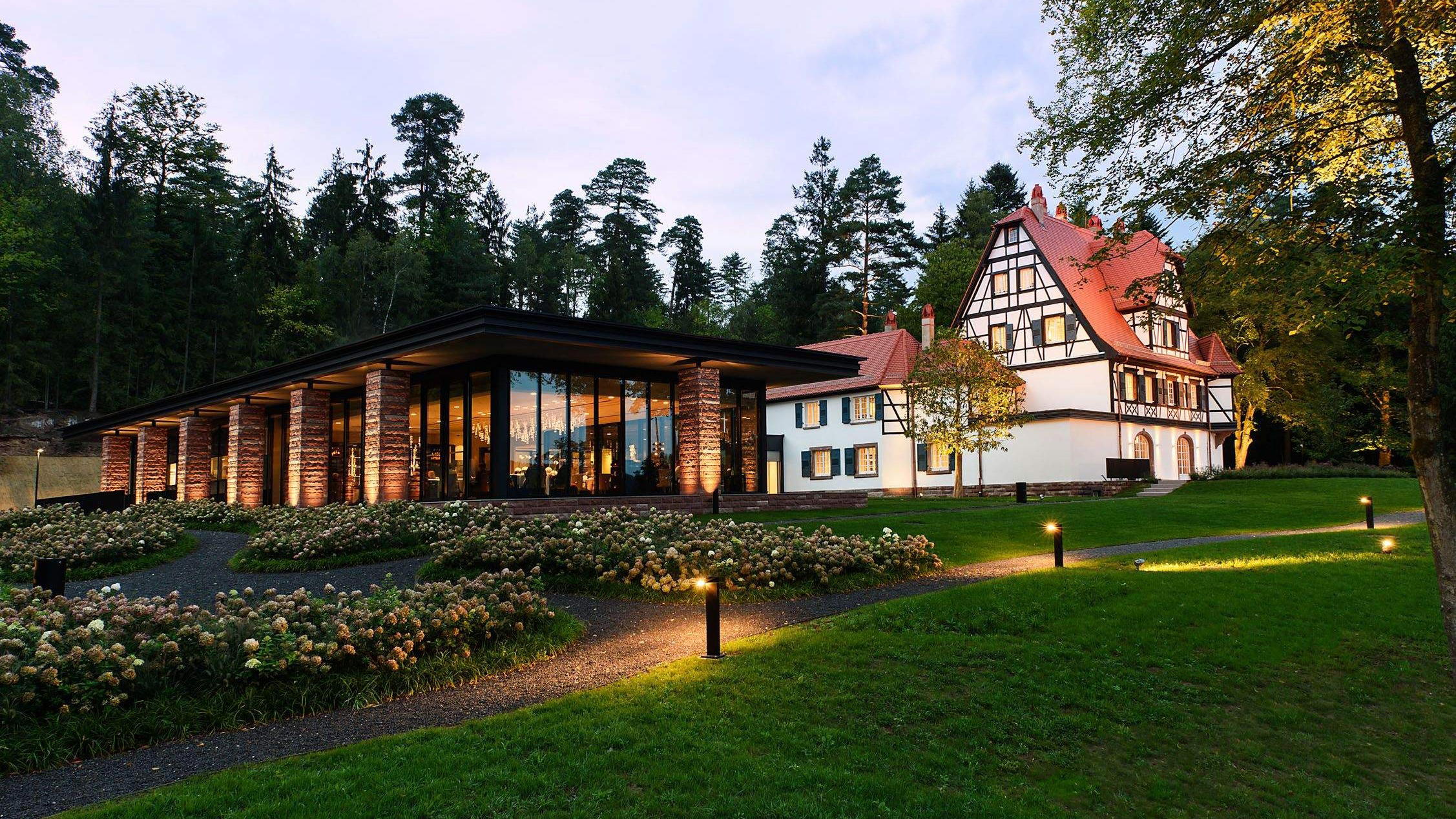
Bars in Monswiller
Browse all →

Hotels in Monswiller
Browse all →

Details
- Cozy
- Elegant
- Scenic
- Intimate
- Sophisticated
- Date Night
- Special Occasion
- Family
- Business Dinner
- Terrace
- Garden
- Open Kitchen
- Extensive Wine List
- Sommelier Led
- Local Sourcing
- Garden
- Mountain
- Tasting Menu
- A La Carte
- Vegetarian Friendly
Current opening hours
- Monday
- Closed
- Tuesday
- Closed
- Wednesday
- 12–1:30 PM, 7–8:30 PM
- Thursday
- 12–1:30 PM, 7–8:30 PM
- Friday
- 12–1:30 PM, 7–8:30 PM
- Saturday
- 12–1:30 PM, 7–8:30 PM
- Sunday
- 12–1:30 PM
Hours can change for holidays and private events. Last verified .
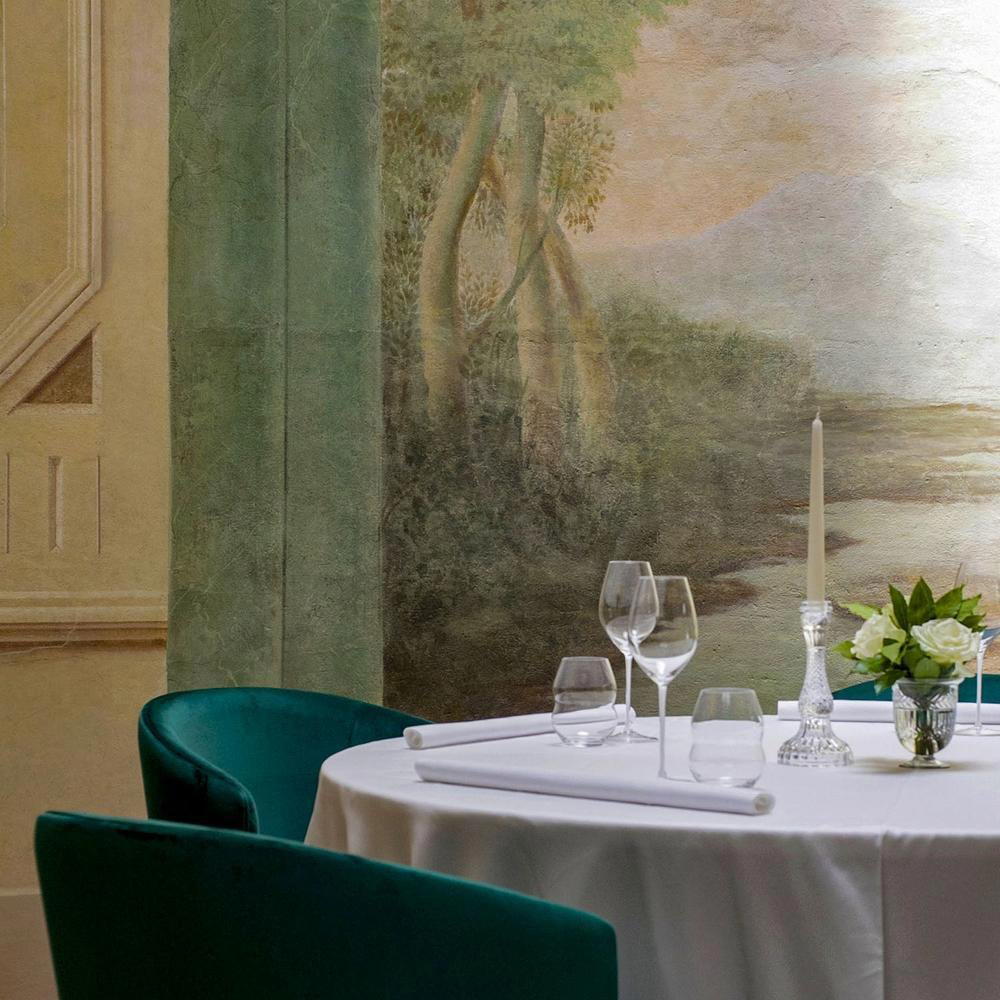
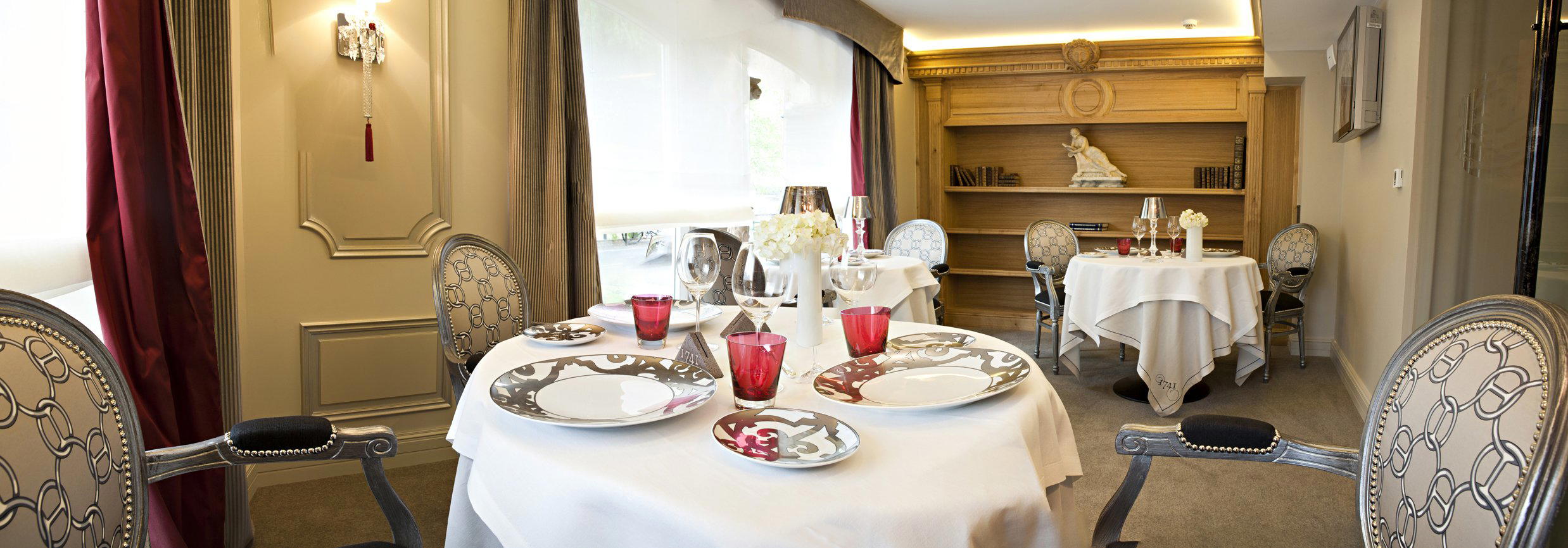
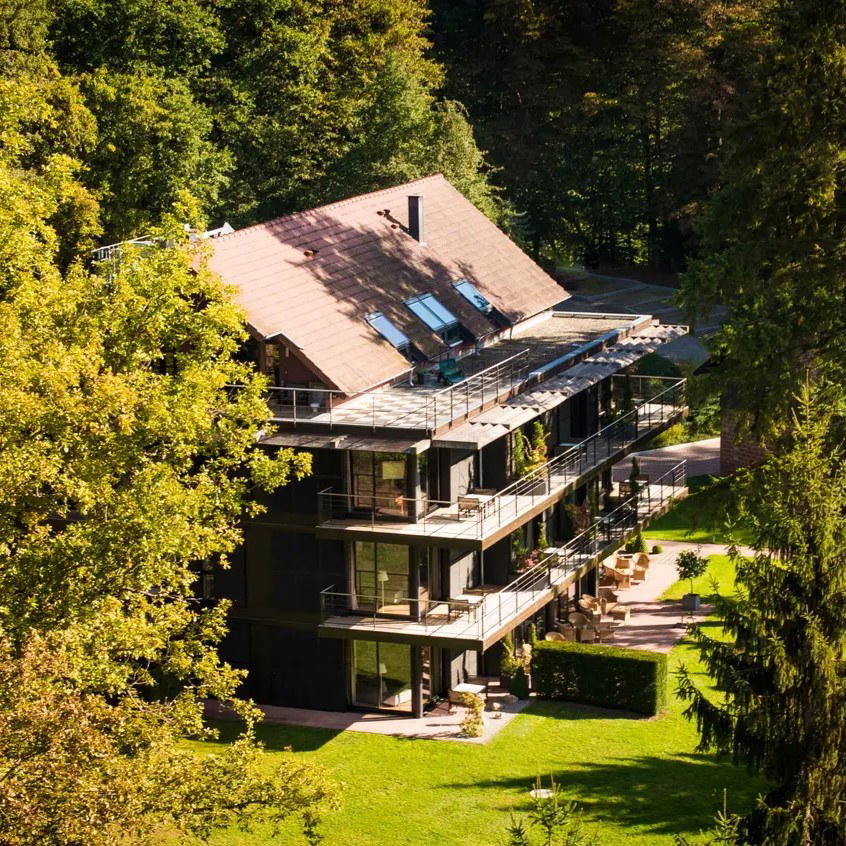
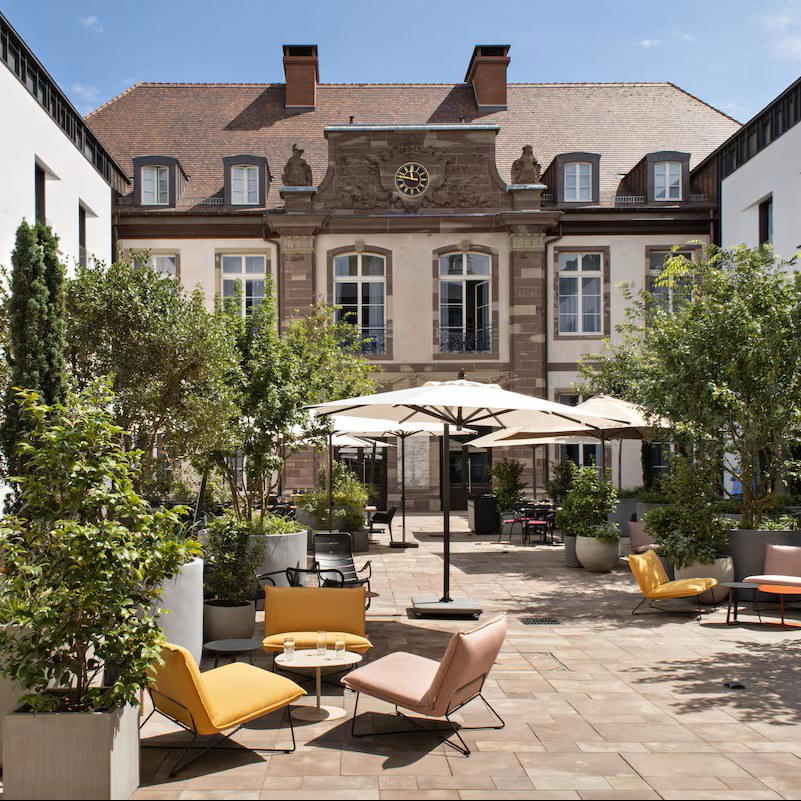
Cozy and refined atmosphere with contemporary design, large bay windows offering seasonal landscapes, warm lighting, and a balance of classic and modern elements.