Arthur Metz

Falstaff Winery - Listed
Arthur Metz is a large Alsace wine house in Marlenheim, built for visitors who want structure rather than farmhouse informality. The draw is the region in miniature: Crémant d’Alsace, Riesling, Gewurztraminer, Pinot Gris, Pinot Blanc, Muscat and Pinot Noir, presented through counter tastings, guided cellar formats, food pairings and vineyard-linked education at the northern entrance to the Alsace Wine Route.

Pearl is the En Primeur Club membership app — saves, bookings, and concierge access live there. Same editors, same standards.
- Address
- Marlenheim, Alsace, Frankreich
- Directions
- Get directions
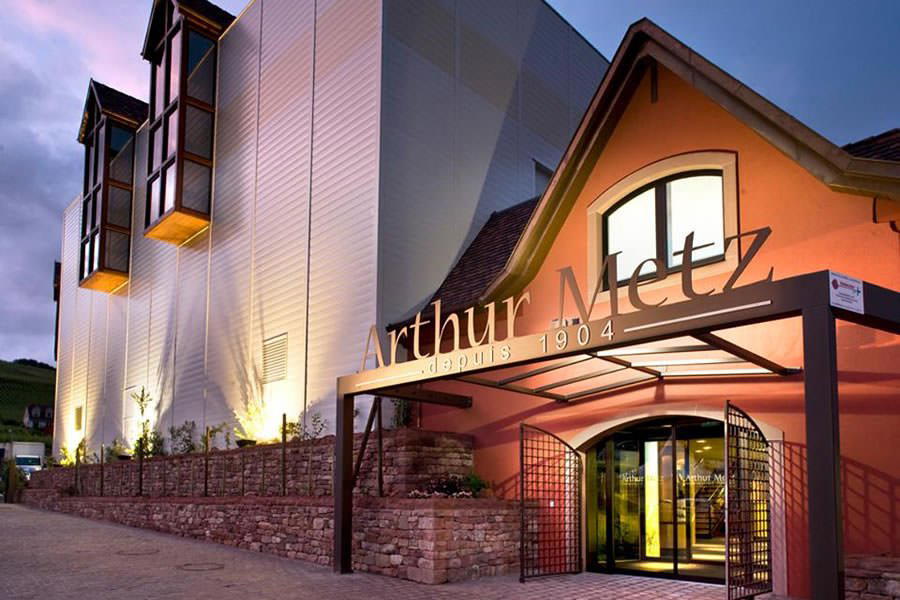
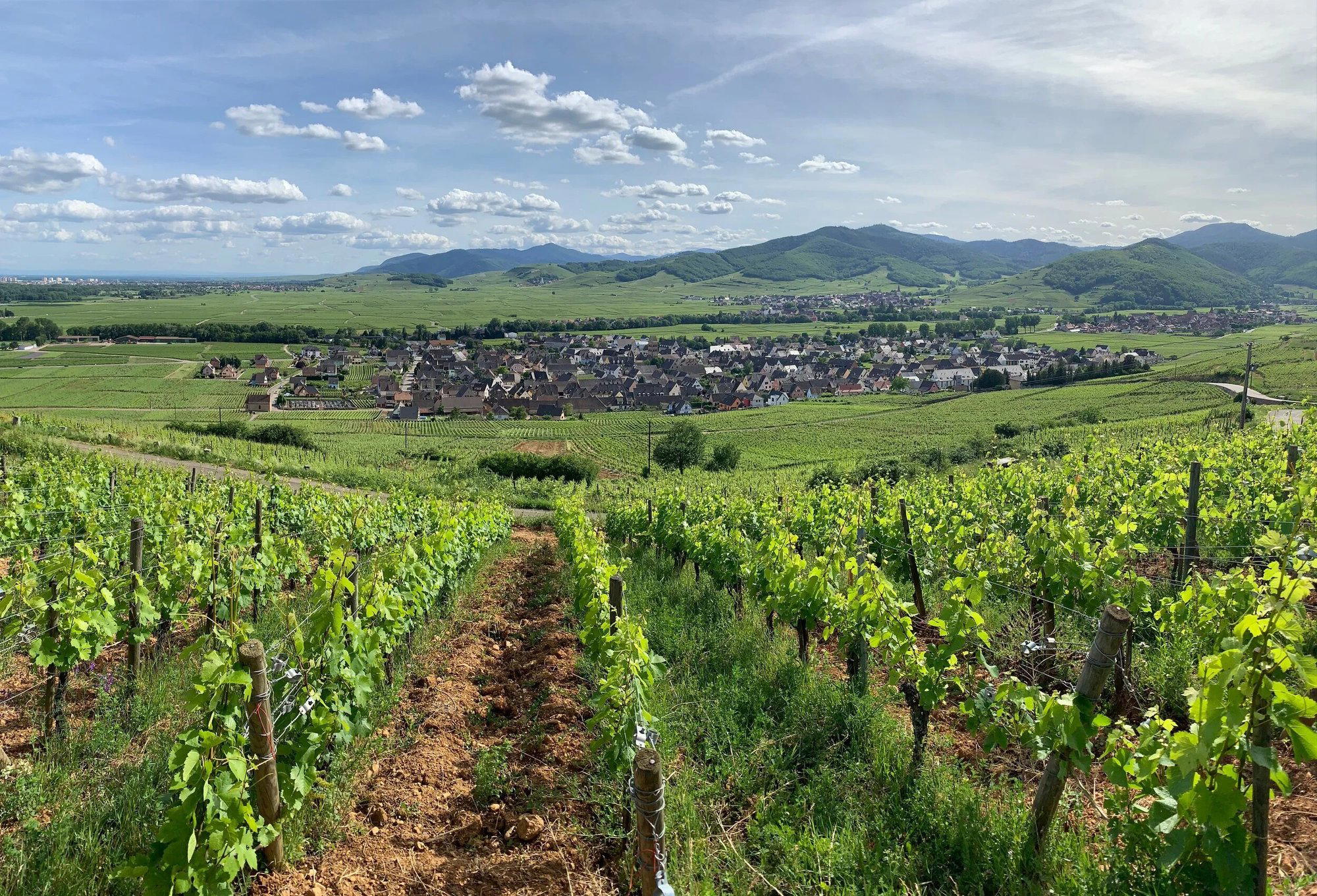
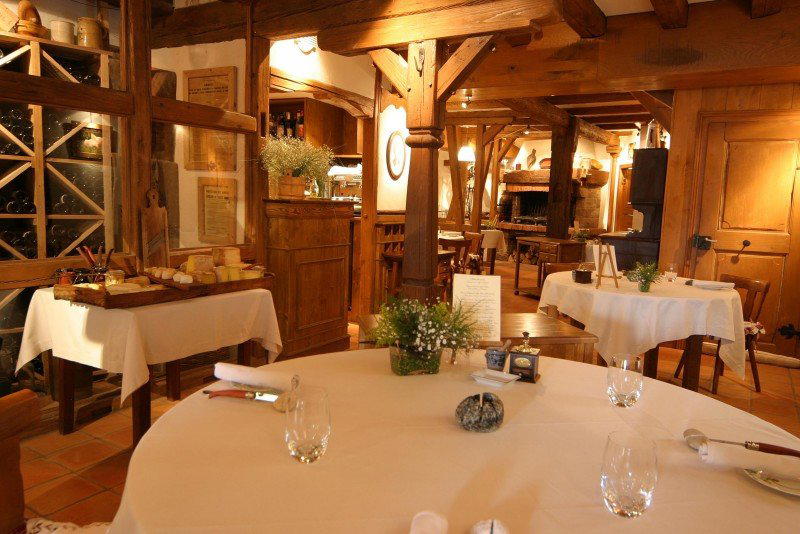
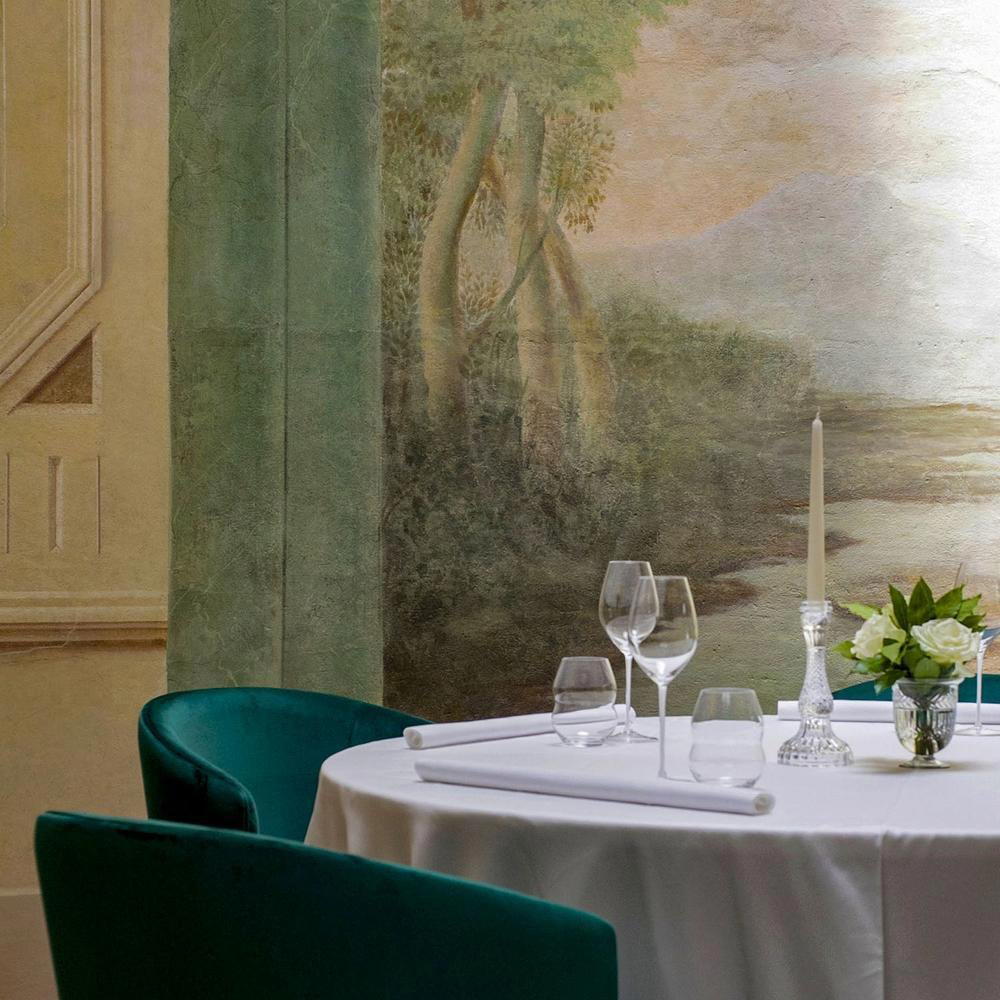
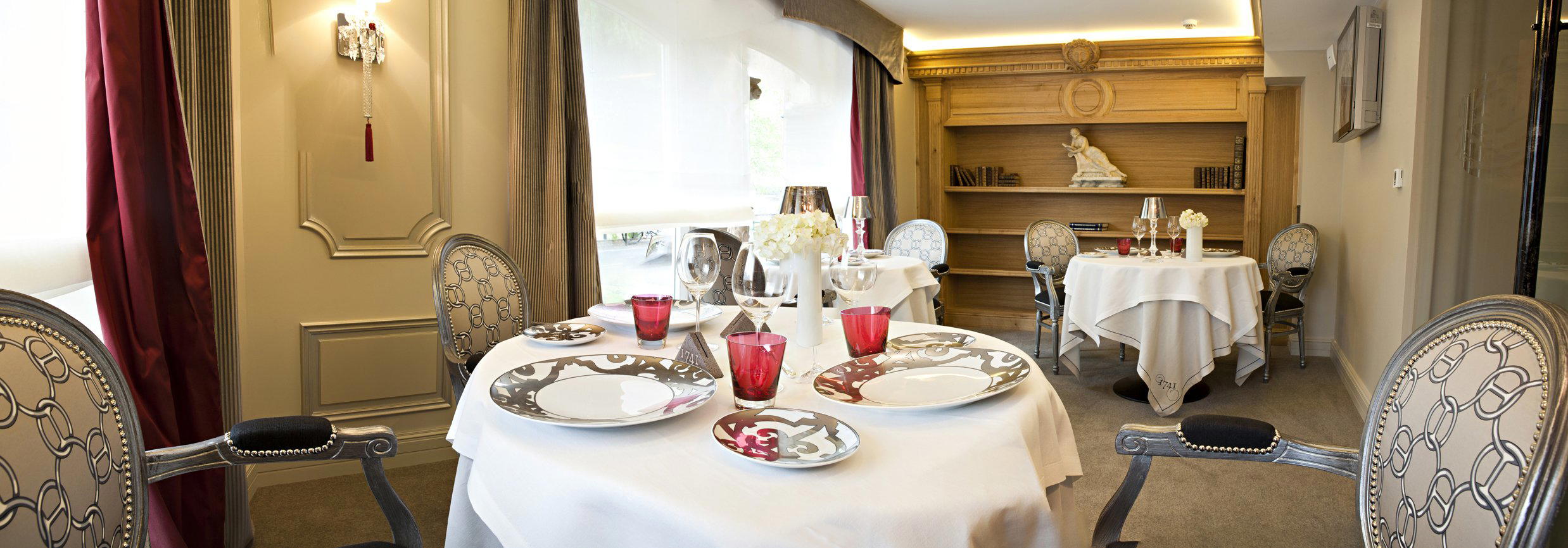
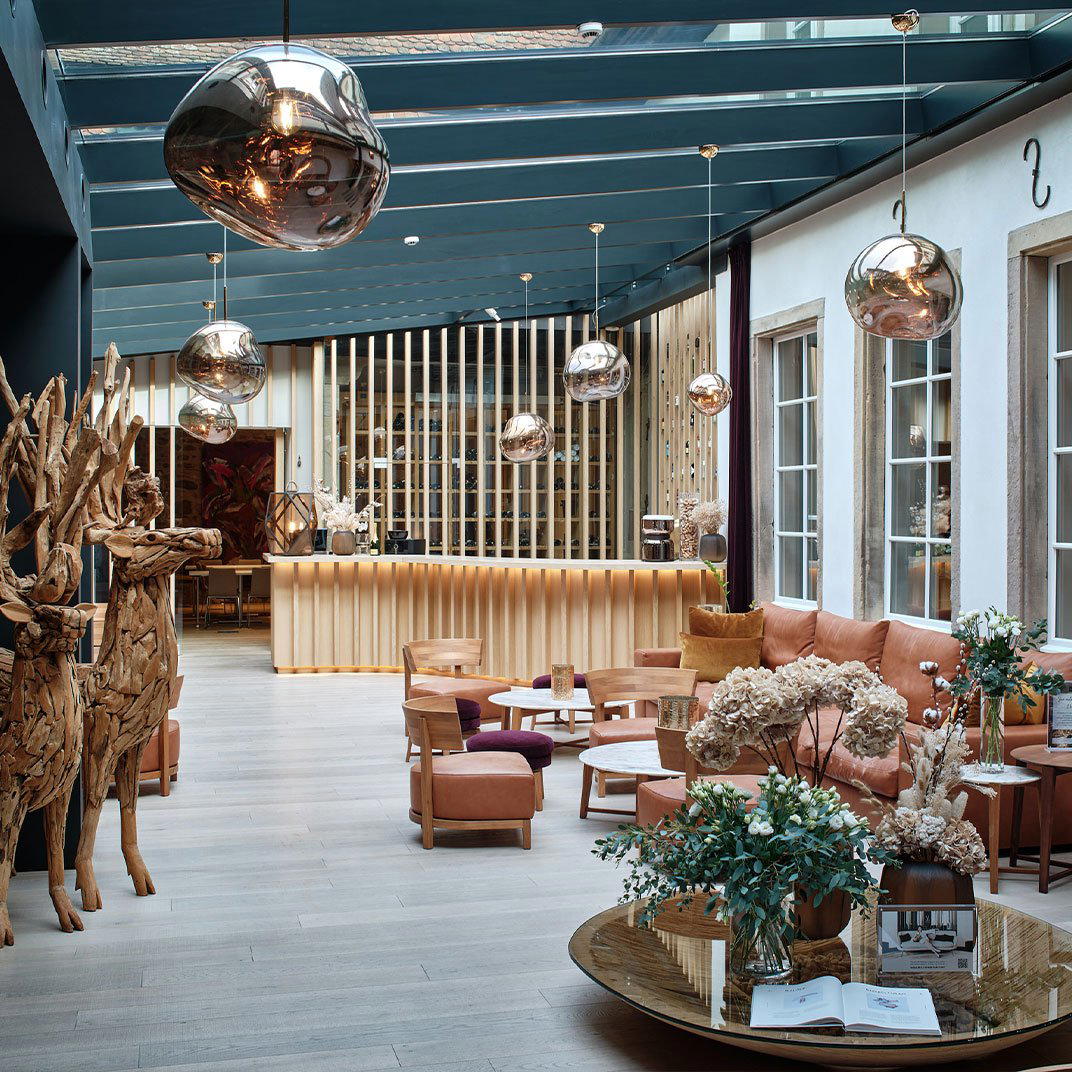
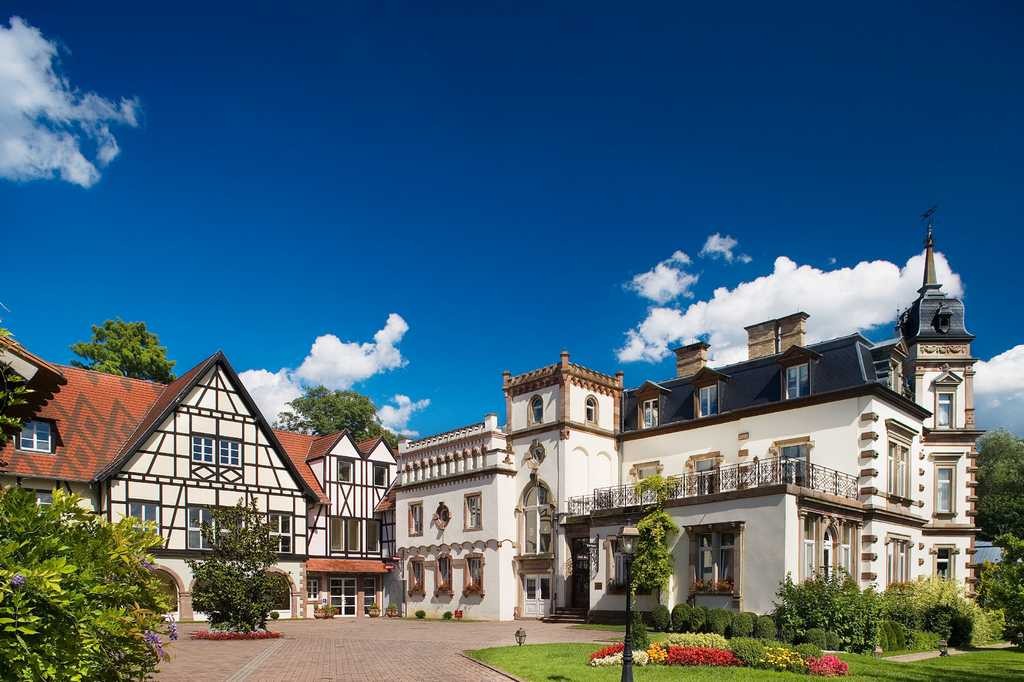
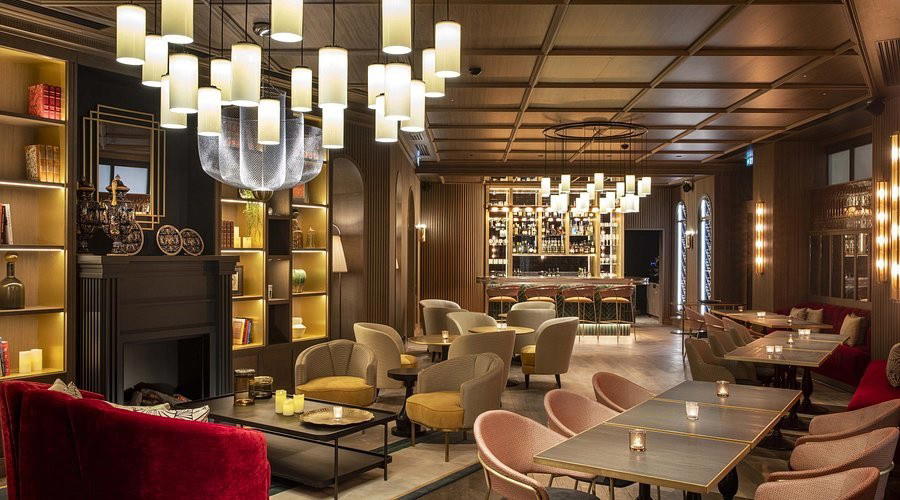
Marlenheim marks the northern gate of the Alsace Wine Route, and the tone changes quickly here: village streets, cellar doors, slopes beyond town, and a wine culture that treats varietal identity with unusual seriousness. Arthur Metz belongs to the polished, high-capacity side of that culture. The room is not trying to imitate a family barn or a low-lit collector’s cave. It is a professional tasting cellar with counter service, educational spaces and a format built for people who want Alsace explained clearly, glass by glass.
That matters in a region where the wines can look deceptively easy on a label. Alsace is varietal-led, but its real language is soil, slope, ripeness and house interpretation. Riesling, Gewurztraminer, Muscat, Pinot Blanc, Pinot Gris and Pinot Noir each carry a different regional accent, and Crémant d’Alsace has become a category in its own right rather than a consolation prize for Champagne drinkers. Arthur Metz works at a scale that makes it useful as an introduction: broad enough to cover the range, formal enough to teach, and located where many visitors begin the route.
Crémant, grand cru range and the Alsace lesson in scale
Alsace has long balanced two identities: small domaine romanticism and larger houses capable of taking regional styles to wider audiences. Arthur Metz sits firmly in the second camp. Its history dates to 1904, and the house now works with more than 1,000 hectares of partner vineyards alongside 85 hectares of owned vines. That négociant-producer model gives the tasting experience a different function from a micro-estate visit. The point is breadth: Alsace AOC wines, Crémant d’Alsace, 15 Alsace Grands Crus, late-harvest styles such as Vendanges Tardives and Sélection de Grains Nobles, plus a range that can move from still white to sparkling, red and dessert wine.
The estate-owned vineyard base is primarily associated with Riesling, which is a useful anchor for understanding the region. Alsace Riesling is not the same proposition as German Mosel delicacy or Austrian Wachau power; its reputation rests on dry structure, aromatic clarity and the tension created by the Vosges rain shadow. Limestone and marl soils, cited for the house’s vineyard material, suit that conversation because they push tasters toward texture and acidity rather than fruit alone. Gewurztraminer and Muscat then widen the register, bringing aromatic intensity into view, while Pinot Gris shows how Alsace can carry weight without abandoning freshness.
Crémant is the commercial and educational hinge. The region’s sparkling wines are made under their own appellation rules, and Arthur Metz is strongly associated with the category. Its Cuvée Prestige is aged 12 months on lees, a concrete production detail that gives visitors a handle on why texture in sparkling wine is made rather than accidental. In the cellar, this is where scale becomes an advantage: a large house can show Crémant not as a side note, but as part of a coherent Alsace portfolio.
A tasting format built for learning, not rustic theatre
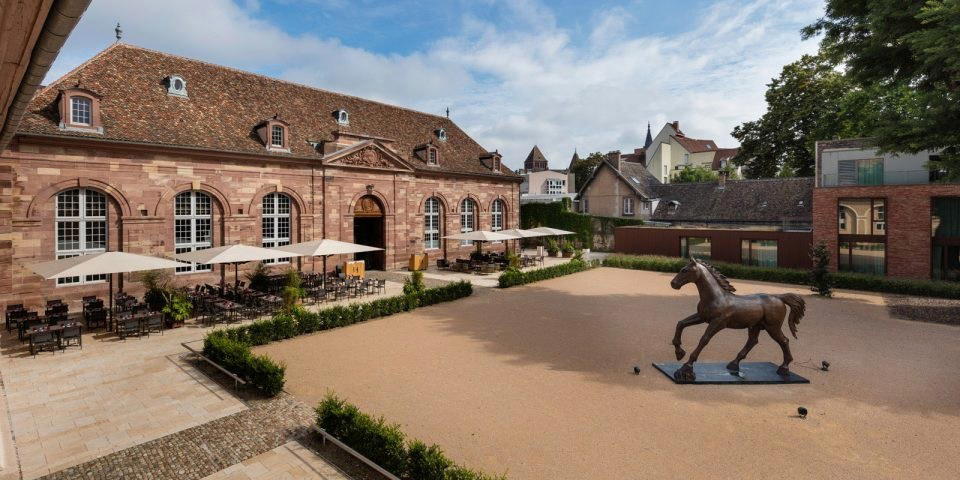
The visitor experience is designed around interpretation. Counter tastings, guided tour-and-tasting formats, food-paired sessions, tasting courses and vineyard walks all point toward a didactic model. This is a good fit for travelers who would rather understand appellation, grape variety and production method than collect another pretty cellar photograph. The atmosphere is described as modern-classic and welcoming, with a conversational noise level and group-friendly infrastructure, including seminar rooms and accessible parking.
The structured formats also help with a common Alsace problem: the region’s wines can be hard to compare casually because sweetness level, grape variety and site expression shift so much from bottle to bottle. A guided sequence of still wines and Crémant gives shape to that range. Food pairings are part of the program, with local-leaning accompaniments used to frame the wines rather than turn the visit into a restaurant experience. The house’s format is better read as a wine education stop with hospitality attached, not a long lunch venue.
That distinction should guide expectations. The setting is scenic because of its position on the route and access to surrounding vineyards, but the core experience is cellar-based and organized. It suits couples starting the Wine Route, small groups, corporate outings and solo travelers who like a clear framework. It is less aligned with visitors looking for a quiet, spontaneous farm tasting with the winemaker at a kitchen table.
How to place it in a Marlenheim itinerary
In Marlenheim, the value of Arthur Metz is orientation. Begin here and the Alsace map becomes easier to read: aromatic whites, Crémant, grand cru hierarchy, late-harvest categories and the difference between estate vines and partner-grown fruit. The house’s scale may not satisfy purists chasing tiny-production bottles, but it gives first-time visitors a grounded vocabulary before the route narrows into smaller villages and more idiosyncratic cellars.
For wider planning, use Our full Marlenheim wineries guide as the natural companion, then layer in meals from Our full Marlenheim restaurants guide, overnight options from Our full Marlenheim hotels guide, drinks from Our full Marlenheim bars guide and regional programming from Our full Marlenheim experiences guide. Readers comparing French wine regions can also cross-reference A. Margaine in Villers-Marmery, Agrapart & Fils in Avize, Albert Boxler in Niedermorschwihr, Abbaye de Fontfroide in Narbonne, Abbotts & Delaunay in Marseillette, Advini in Saint Felix De Lodez, Alain Brumont in Castelnau Riviere Basse, Alain Gras in Saint-Romain, »der Steiner« Hans Steiner in Podersdorf am See and & Handwein in Mannheim.
The editorial read is simple: Arthur Metz is not the intimate, cultish version of Alsace. It is the region’s teaching room at scale, with enough vineyard reach, category breadth and visitor infrastructure to make the first hour on the Wine Route more intelligent.
Recognition history
Dated appearances from independent guides and award organizations, with the underlying list record or original source where available.
Falstaff Winery - Listed
Falstaff
Continue exploring
More in Marlenheim
Wineries in Marlenheim
Browse all →
Bars in Marlenheim
Browse all →
Restaurants in Marlenheim
Browse all →
Details
- Classic
- Scenic
- Elegant
- Lively
- Well Known
- Wine Education
- Group Outing
- Corporate Event
- Special Occasion
- Solo Exploration
- Cave Tasting
- Vineyard Tour
- Estate Grounds
- Private Tasting
- Vineyard
- Street Scene
- Gewurztraminer
- Muscat
- Pinot Noir
- Pinot Blanc
- Pinot Gris
- Riesling
- Still White
- Still Red
- Sparkling
- Dessert
- Bar/counter Tasting
- Guided Tour + Tasting
- Food Paired Tasting
- French
- German
- English
Large professional Alsace winery at the northern entrance to the Wine Route, with a polished tasting counter and educational tour spaces; atmosphere is welcoming, modern-classic and geared to wine education and groups rather than rustic farm vibes.