Mélanie Pfister

Falstaff Winery - Listed
Mélanie Pfister is a small, eighth-generation Alsace estate in Dahlenheim, shaped by limestone soils, cool northern exposure, and a dry, precise reading of regional varieties. The visit is built around cellar-led wine education rather than restaurant-style hospitality, with Riesling, crémant, Pinot Gris, Pinot Noir, and late-harvest categories forming the core of the conversation.

Pearl is the En Primeur Club membership app — saves, bookings, and concierge access live there. Same editors, same standards.
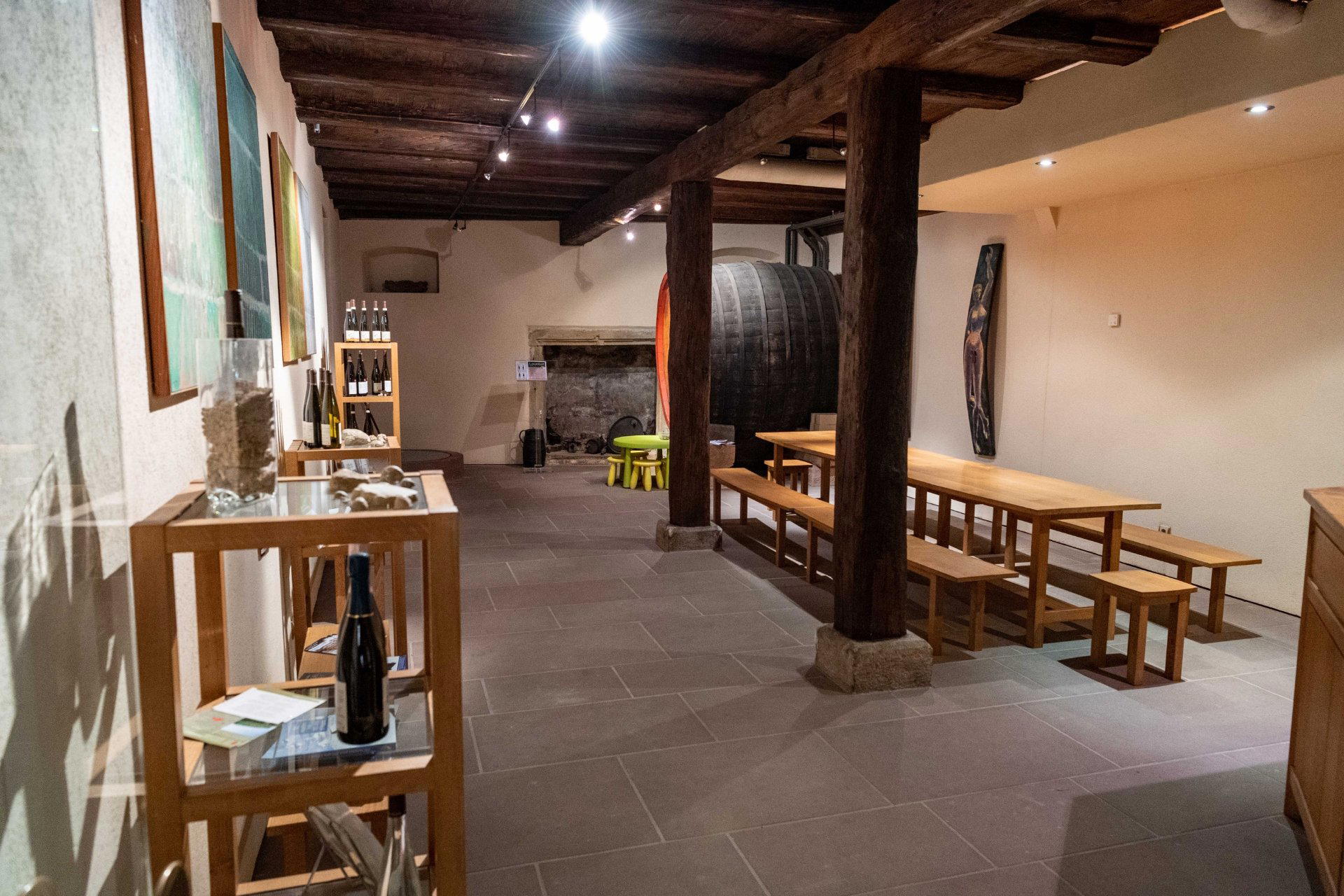
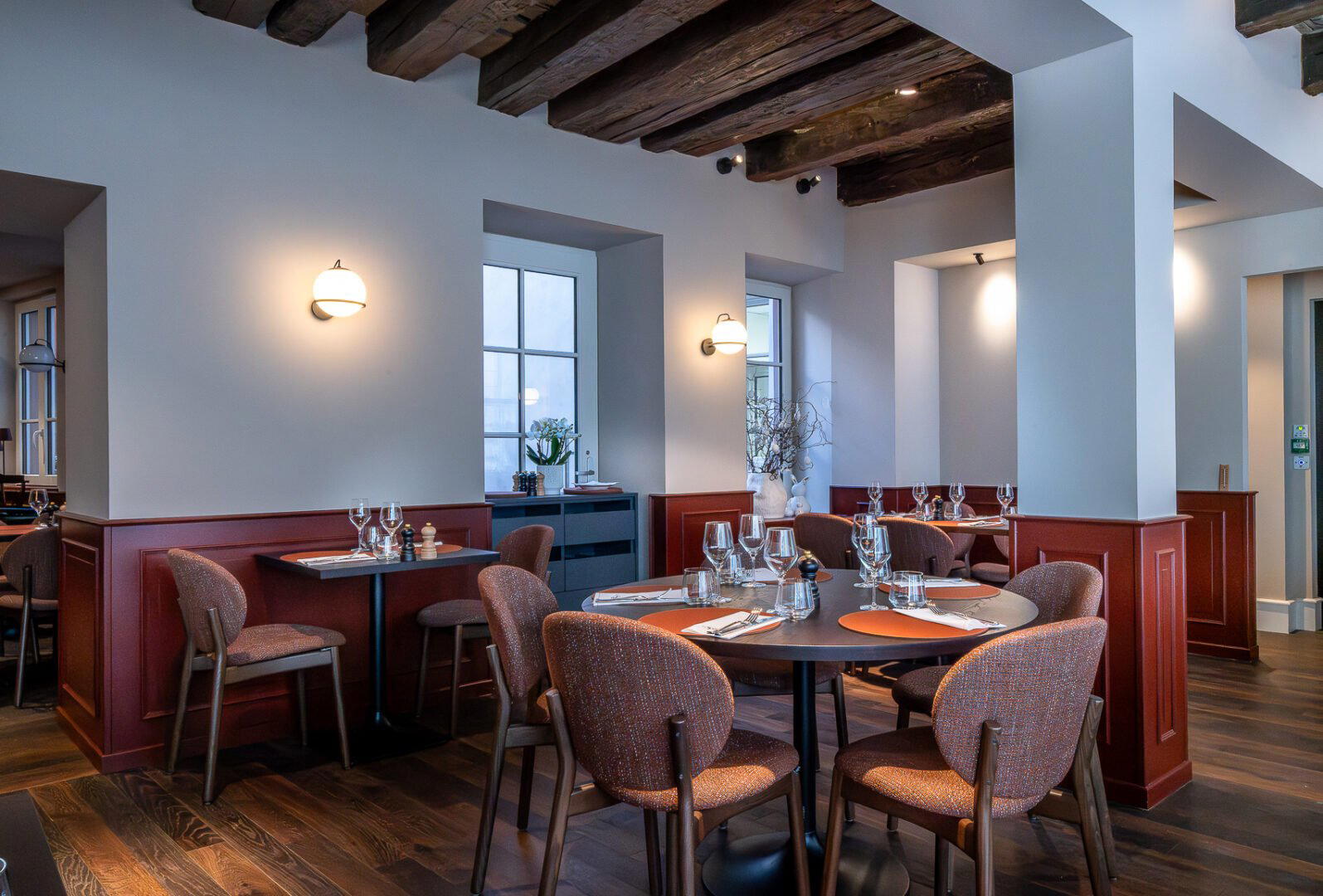
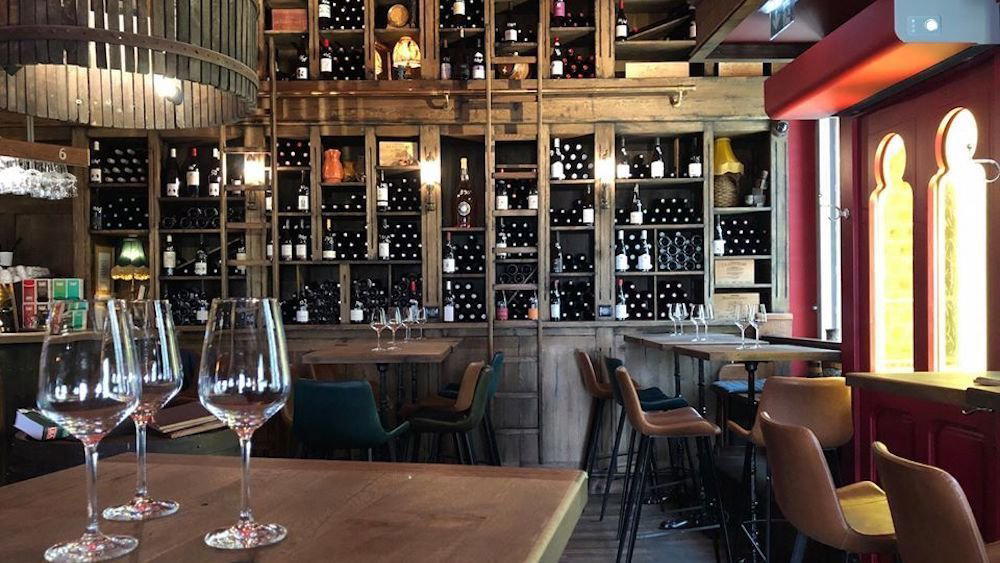
Approaching wine in Dahlenheim means leaving behind the postcard shorthand of Alsace and paying attention to a quieter northern register: cooler air, limestone slopes, and wines that prize line over volume. Mélanie Pfister belongs to that less theatrical side of the region. The atmosphere is restrained and cellar-focused, with the experience shaped around tasting, vineyard explanation, and the grammar of dry Alsace wines rather than a leisure-lounge model.
That matters because Alsace is often reduced to aromatics and sweetness in the minds of casual drinkers. In Dahlenheim, the more interesting question is how freshness, marl-limestone soils, and hillside exposure can discipline those aromatics into something narrower, drier, and more transparent. This estate, founded in 1780 and now in its eighth generation, gives that question a serious answer without turning heritage into costume.
Limestone, cool northern Alsace, and a drier reading of the region
The defining fact here is place. Dahlenheim sits in northern Alsace, west of Strasbourg, where the Vosges offer less shelter than farther south. The result is a cooler frame for varieties that can easily become broad elsewhere. Riesling is the clearest lens: it accounts for about a quarter of the estate’s plantings, and the Engelberg hillside gives the domaine a direct connection to the limestone-driven idiom that has become its calling card.
The estate farms 43 parcels across 10 hectares, a scale that supports parcel-by-parcel decisions rather than industrial uniformity. Cover crops, soil work, and ground management are adjusted block by block, which is the right level of detail for a region where small changes in exposure and soil can alter the shape of a wine. Organic certification arrived in 2021 after a transition that began in 2018; biodynamic preparations entered the vineyard in 2019. Those dates are useful because they show a farming direction grounded in practice, not just label language.
Cellar follows the same logic. Steel tank carries much of the range, while selected Pinot Noir and Pinot Gris see oak, and 700-liter sandstone amphora is used for orange wines. Lees aging is not rushed: base wines spend close to a year before bottling, while upper-range wines can remain 18 to 24 months. The point is not dramatic winemaking. It is control, patience, and the refusal to blur site character with heavy-handed texture.
A portfolio built for precision rather than perfume alone
Range stays rooted in Alsace categories: Alsace AOC, Alsace Grands Crus AOC, Crémant d’Alsace AOC, Sélection de Grains Nobles, and late-harvest wines all sit within the estate’s production. Around 15 wines are made in a typical year, giving visitors enough breadth to understand the domaine without turning the tasting into a catalog exercise. Riesling, Pinot Gris, Pinot Blanc, Auxerrois, Gewurztraminer, Pinot Noir, Chardonnay, and Muscat all appear in the varietal picture.
Editorial interest lies in the dry end of that spectrum. Alsace has long been capable of grandeur through sweetness, but the contemporary premium conversation has shifted toward precision, food compatibility, and site transparency. Mélanie Pfister fits that movement with wines described by serious critics in terms of clarity, subtlety, and limestone drive. Anne Krebiehl MW has written of clarity and precision in the wines; John Gilman has singled out the still wines for elegance and limestone character; Stuart Pigott has pointed to the estate’s 2019 Engelberg Riesling, Hüt Pinot Noir, and Silb Pinot Gris as evidence of its rising regional importance.
Crémant is not an afterthought. The Breit Blanc de Blancs Extra Brut, from Chardonnay and Pinot Blanc, has been noted for extended lees aging of at least 24 months and sometimes up to 36 months, with dosage in the 3 to 4 g/L range and production around 800 cases. In a region where crémant can function as simple aperitif wine, that level of detail places the sparkling program in a more gastronomic category.
The label system also reveals the estate’s modern turn. A 2019 redesign moved toward vineyard-derived acronyms and added Mélanie’s name more visibly to the domaine identity. That is not cosmetic trivia; in Alsace, where family names, lieux-dits, grape varieties, and grand cru references can compete for attention, a clearer visual language helps communicate a terroir-led portfolio to drinkers who may not already know the map.
How the visit fits into a Dahlenheim wine itinerary
The tasting format is educational and reservation-led, with guided visits available for groups and tastings offered in French, German, and English. Group capacity reaches 50, which makes the domaine workable for organized wine travelers, though the tone remains small-estate rather than coach-tour spectacle. Private customers may taste without a fee, while group tastings are paid. Payment by cash and credit card is accepted.
This is a stronger fit for visitors who want to understand northern Alsace through farming and structure than for those looking for a restaurant-led afternoon. There is no public-facing food-pairing program, and the value of the stop is in the explanation of dry whites, crémant, vineyard parcels, and the long family continuity behind them. The dress code is casual, the mood quiet, and the setting suits wine education, solo exploration, or a focused group outing.
For planning around the village, EP Club’s local rails cover Dahlenheim wineries, Dahlenheim restaurants, Dahlenheim hotels, Dahlenheim bars, and Dahlenheim experiences. Wider winery reading on the platform includes A. Margaine in Villers-Marmery, Abbaye de Fontfroide in Narbonne, Abbotts & Delaunay in Marseillette, Advini in Saint Felix De Lodez, Agrapart & Fils in Avize, Alain Brumont in Castelnau Riviere Basse, Alain Gras in Saint-Romain, Albert Boxler in Niedermorschwihr, »der Steiner« Hans Steiner in Podersdorf am See, and & Handwein in Mannheim.
The reason to come is not luxury theater. It is the chance to see how an old Alsace estate has tightened its focus around organic farming, limestone expression, dry balance, and a multilingual visitor format that explains the wines without overproducing the encounter. In Dahlenheim, that restraint is the point.
Recognition history
Dated appearances from independent guides and award organizations, with the underlying list record or original source where available.
Falstaff Winery - Listed
Falstaff
Continue exploring
More in Dahlenheim
Wineries in Dahlenheim
All wineries in Dahlenheim →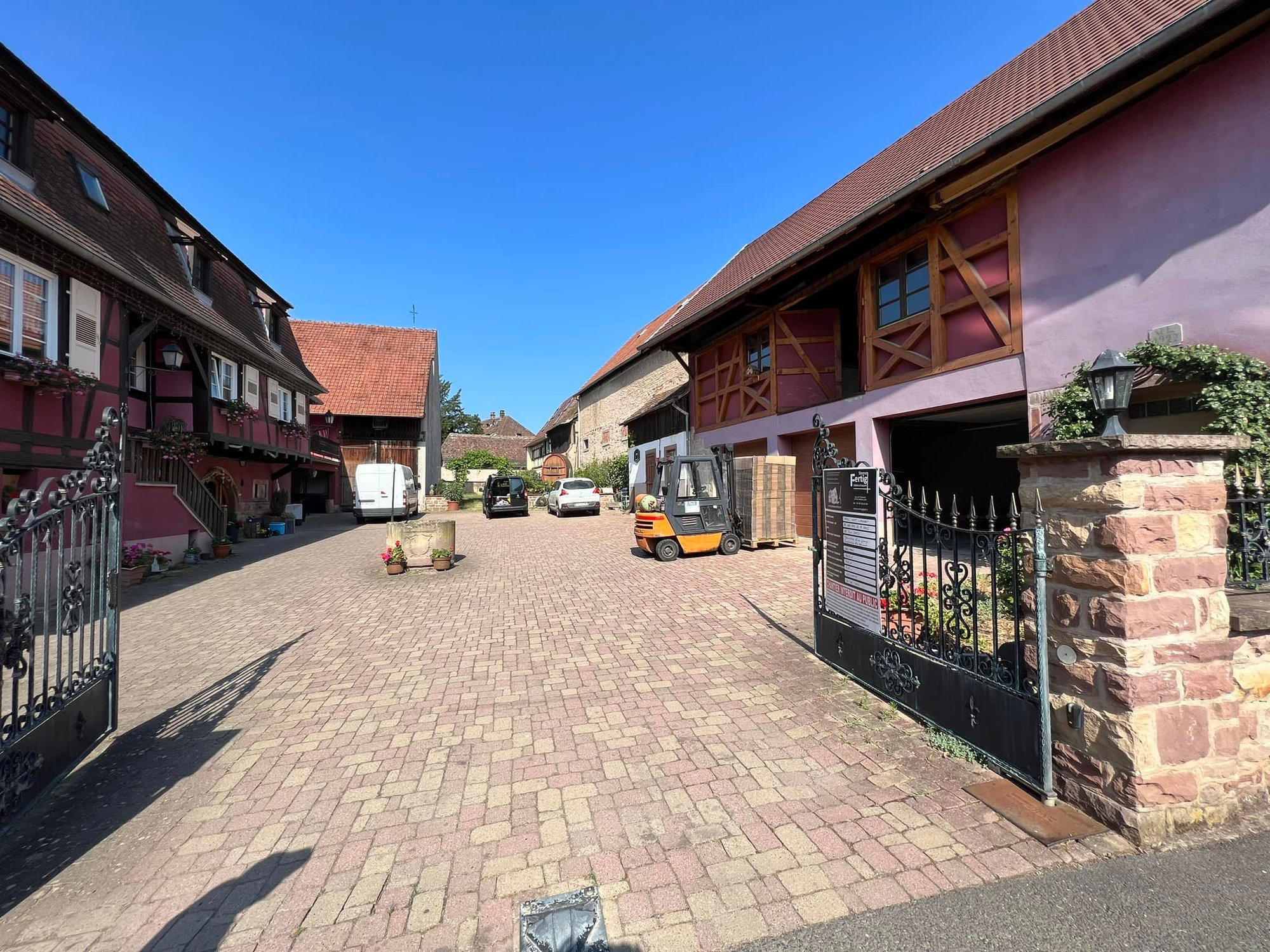

Bars in Dahlenheim
Browse all →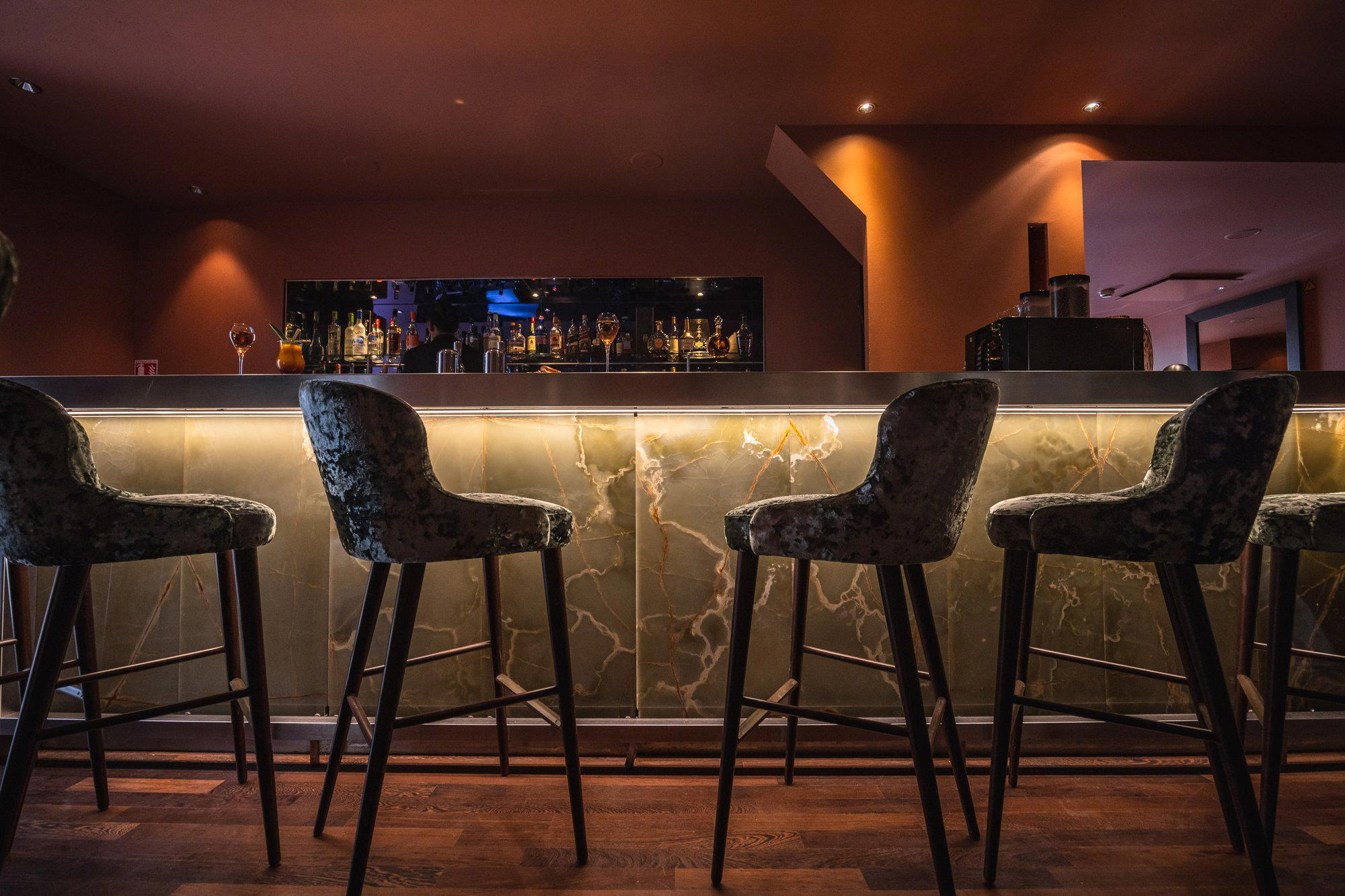

Details
- Elegant
- Sophisticated
- Classic
- Quiet
- Wine Education
- Group Outing
- Solo Exploration
- Private Tasting
- Barrel Room
- Organic
- Vineyard
- Riesling
- Pinot Gris
- Pinot Blanc
- Auxerrois
- Gewurztraminer
- Pinot Noir
- Chardonnay
- Muscat
- Still White
- Sparkling
- Dessert
- Free Tasting
- Guided Tasting
- Group Tasting
- French
- German
- English
Crisp, terroir-focused, and understated, with a cellar-tour/tasting setting centered on elegant, dry Alsace wines and a modernized estate identity.