On Kronprinzenstraße in central Troisdorf, Restaurant Adria represents the kind of neighbourhood dining room that anchors a mid-sized German city's restaurant culture — a local address with genuine presence rather than passing ambition. Sitting between Cologne and Bonn on the Rhine's eastern bank, Troisdorf is underserved in fine-dining coverage, and Adria fills a distinct position in that gap. Visitors looking beyond the region's Michelin circuit will find it worth tracking down.
Pearl is the En Primeur Club membership app — saves, bookings, and concierge access live there. Same editors, same standards.
- Address
- Kronprinzenstraße 1, 53840 Troisdorf, Germany
- Phone
- +4949224175583
- Website
- adria-troisdorf.de
- Directions
- Get directions
 Saves & bookings on Pearl
Troisdorf at the Table: What the City's Dining Scene Actually Looks Like
The corridor between Cologne and Bonn is one of the more quietly active dining stretches in North Rhine-Westphalia. Cologne commands the critical attention, with addresses like Vendôme in nearby Bergisch Gladbach pulling the region's fine-dining reputation upward, but the smaller cities threading south along the Rhine have their own distinct character. Troisdorf sits roughly equidistant between the two larger cities, and its restaurant culture reflects that position: less destination-driven than Cologne, more rooted in regular local clientele than the tourist-facing trade you find around Bonn's museum quarter. In a city of roughly 75,000, the dining room that holds its position over years is doing something structurally right, independent of trend cycles.
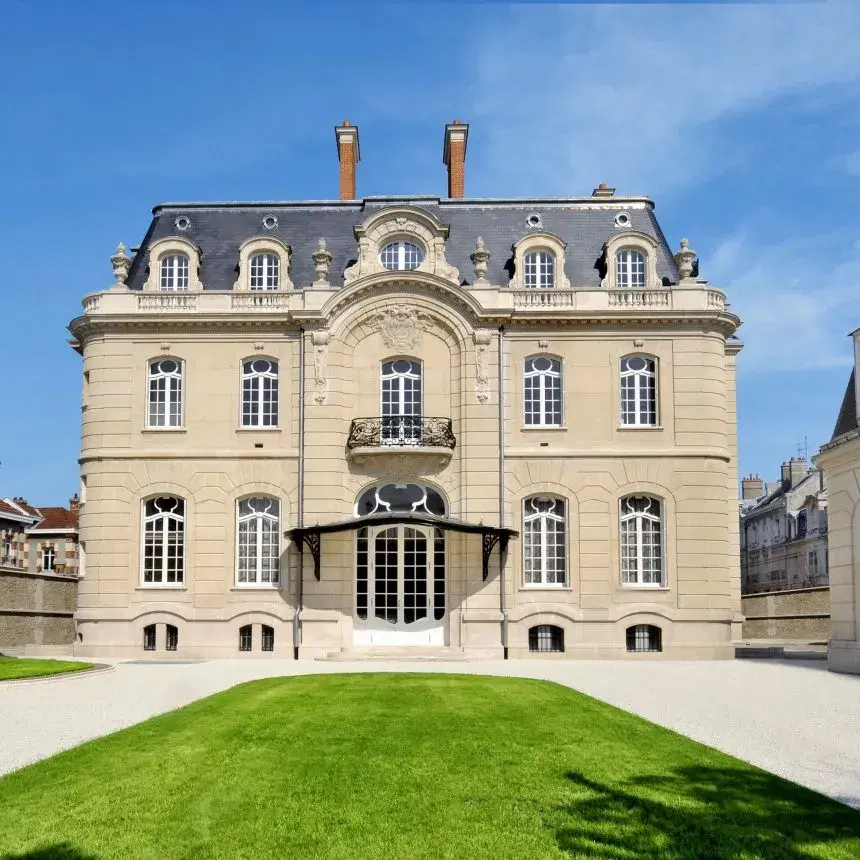
Restaurant Adria on Kronprinzenstraße occupies a central address in that context. The street-level setting on one of Troisdorf's main thoroughfares places it squarely in the category of neighbourhood institution rather than destination-restaurant-that-happens-to-be-here. That distinction matters when reading what a place like this is actually doing: the sourcing decisions, the menu consistency, and the format discipline all answer to a local audience that returns weekly, not to a travelling reviewer who visits once.
The Sourcing Question in Mid-City Germany
German restaurants outside the major cities face a particular sourcing tension. The country's premium ingredient infrastructure, including the specialist butchers, weekly markets tied to regional farming, and the cross-regional wine trade, is well-developed enough that even mid-tier cities have genuine access to quality raw material. What distinguishes the kitchens that use it well is less about geographic proximity to farms and more about consistent buying relationships and menu discipline that actually showcases what those relationships produce.
In the Rhineland specifically, the seasonal logic runs through asparagus (white, from the sandy soils north and west of Cologne), Rhine-caught fish when the seasons allow, and the broader Central European larder of game, root vegetables, and preserved preparations that anchor autumn and winter menus. How any given kitchen connects to those traditions, whether through direct sourcing or through the more common route of regional wholesale networks, shapes the character of what arrives at the table more than any other single decision. For our full Troisdorf restaurants guide, this sourcing dimension is one of the primary lenses through which we assess the city's addresses.
Contrast this with Germany's most technically ambitious kitchens. Aqua in Wolfsburg and Schwarzwaldstube in Baiersbronn operate at a tier where ingredient sourcing is explicit, documented, and often the explicit subject of the menu narrative. At that level, the provenance of a single cut or a particular producer's name becomes part of the experience itself. Neighbourhood restaurants in smaller cities operate differently: sourcing is embedded in the cooking rather than narrated to the guest, and the proof is in consistency and seasonal responsiveness rather than in producer credits on a printed tasting menu.
What the Address on Kronprinzenstraße Signals
In German mid-city restaurant culture, a central-street address carries particular weight. It signals reliance on foot traffic and walk-in goodwill, which means the kitchen cannot survive on one-off destination visits alone. The regulars become the quality-control mechanism: a sourcing decision that degrades over a season will show up in empty chairs within months. This is a different accountability structure than the one facing, say, CODA Dessert Dining in Berlin or JAN in Munich, where a destination diner arrives with specific expectations shaped by critical recognition and departure reviews. Adria's accountability runs through its postcode.
That grounding in local continuity is, in many ways, what makes neighbourhood restaurants in cities like Troisdorf more instructive about regional food culture than the destination tier. The dishes that stay on the menu across seasons, the wine list that reflects what actually sells in this postcode rather than what scores in international press, the format that suits a Tuesday dinner as readily as a Saturday celebration: these details accumulate into a picture of how a specific community actually eats.
For wider context on the German fine dining scene, see addresses like Restaurant Haerlin in Hamburg, Schanz in Piesport, Waldhotel Sonnora in Dreis, or further afield at Victor's Fine Dining by Christian Bau in Perl and ES:SENZ in Grassau. Those addresses occupy the critical end of the German restaurant spectrum. Troisdorf's scene, including Restaurant Adria, operates in the register below that tier, where the relevant comparison is within the city and its immediate surroundings rather than against national award benchmarks.
Nearby and Worth Knowing
Troisdorf's restaurant options are limited enough that shortlisting is relatively quick work. Restaurant Schneider Junior is the other address in the city that draws consistent local attention, and the two together constitute the practical shortlist for anyone spending time in Troisdorf with an interest in eating well. Beyond the city, the regional network extends toward addresses like Bagatelle in Trier, ammolite in Rust, and ATAMA by Martin Stopp in Sankt Ingbert for those with flexibility to travel. For a broader international reference frame, Le Bernardin in New York City and Atomix in New York City represent the kind of destination-tier sourcing discipline that sets a comparative ceiling, as does AUGUST in Augsburg within Germany's own ambitious mid-city tier.
Planning Your Visit
Restaurant Adria is located at Kronprinzenstraße 1, 53840 Troisdorf, in the city centre. Troisdorf is accessible by S-Bahn from both Cologne (S12/S19 lines, roughly 20 minutes) and Bonn (approximately 15 minutes), making it a practical stop for visitors based in either city. The central address means street access is direct and public transport is a more reliable option than parking in the immediate area.
How Restaurant Adria Troisdorf compares with similar nearby venues.
| Venue | Cuisine | Price |
|---|---|---|
| Clostermanns Le Gourmet | Farm to table | €€€€ |
| Strandhaus | Mediterranean Cuisine | €€€ |
Continue exploring
More in Troisdorf
Restaurants in Troisdorf
Browse all →
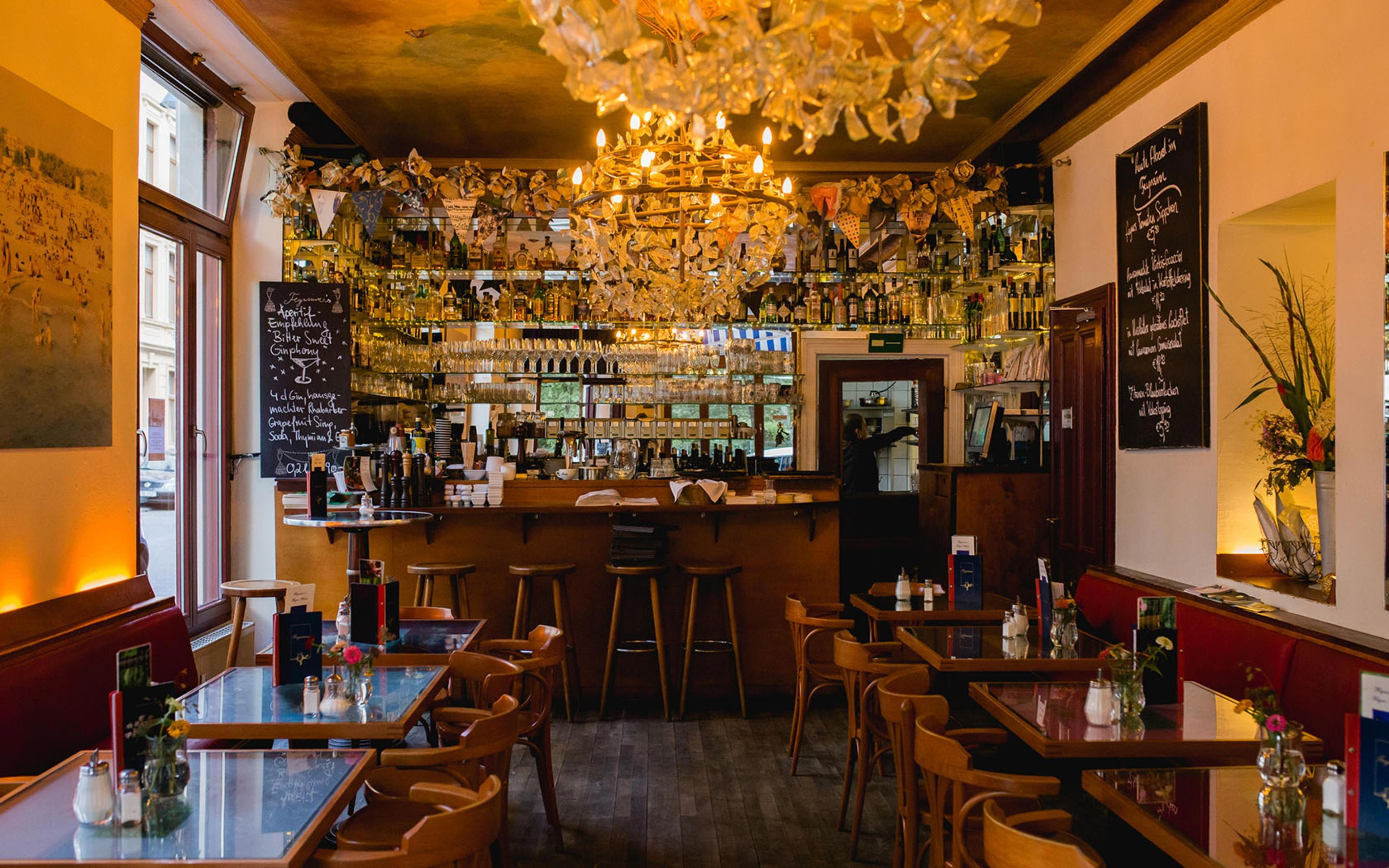
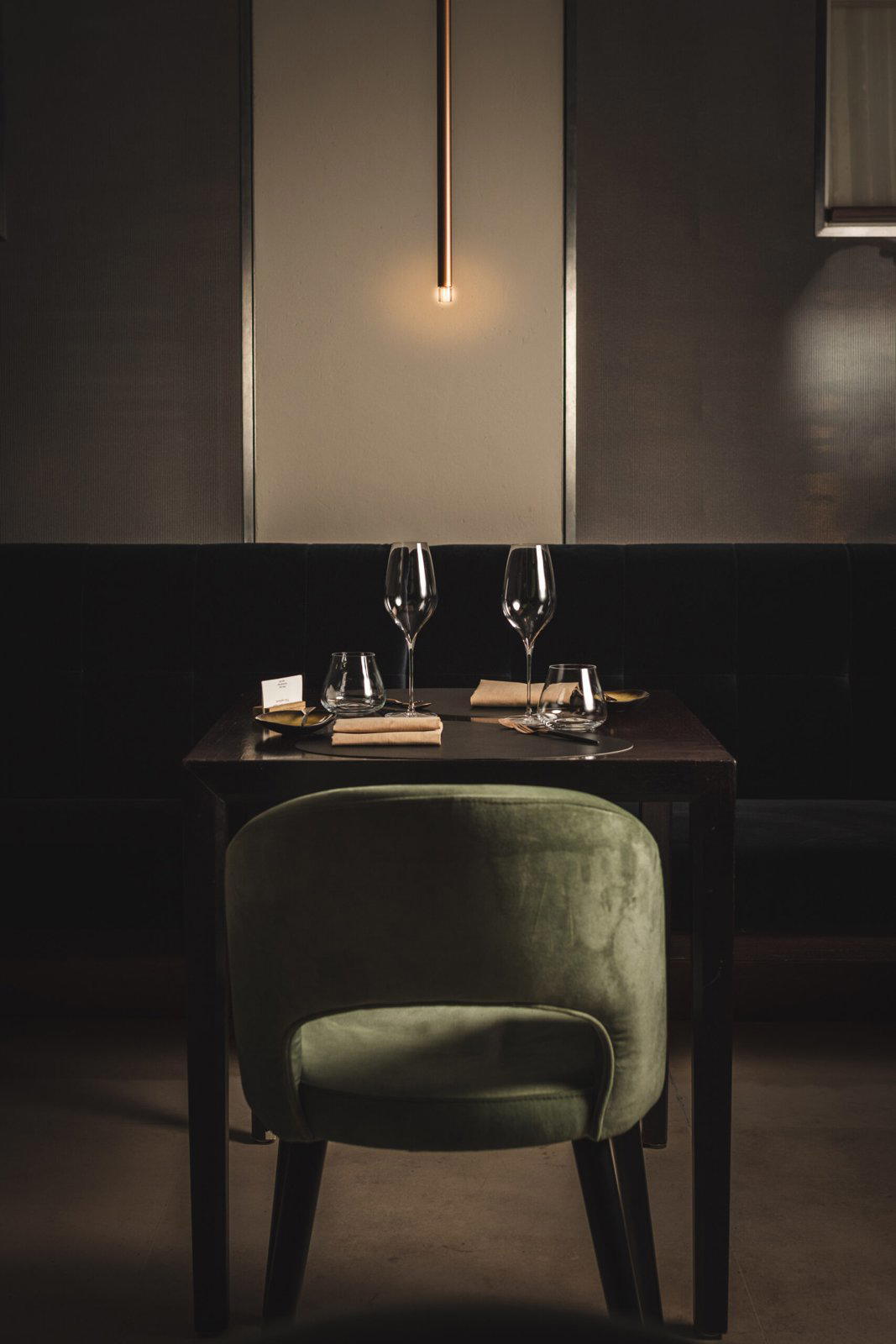
Bars in Troisdorf
Browse all →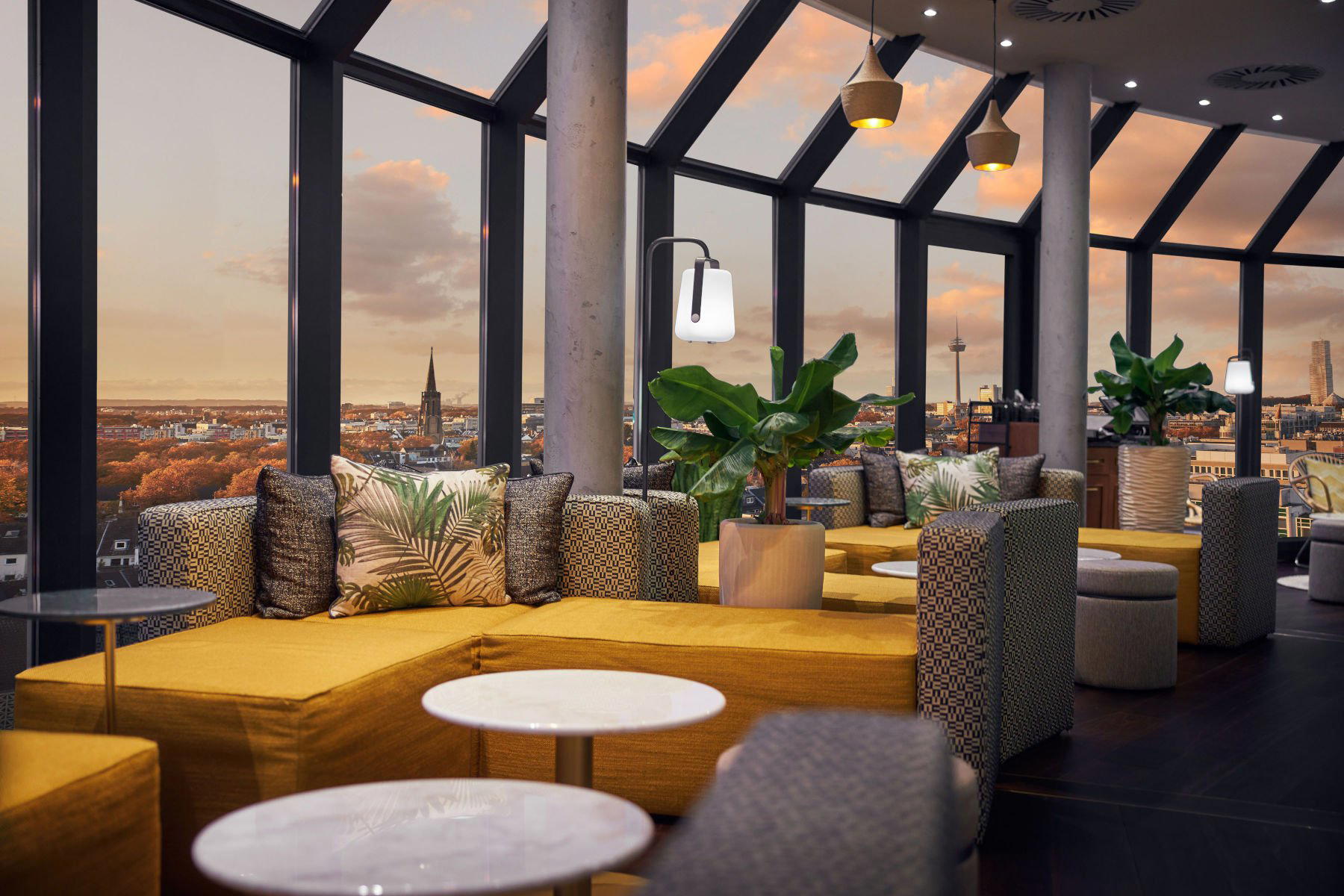

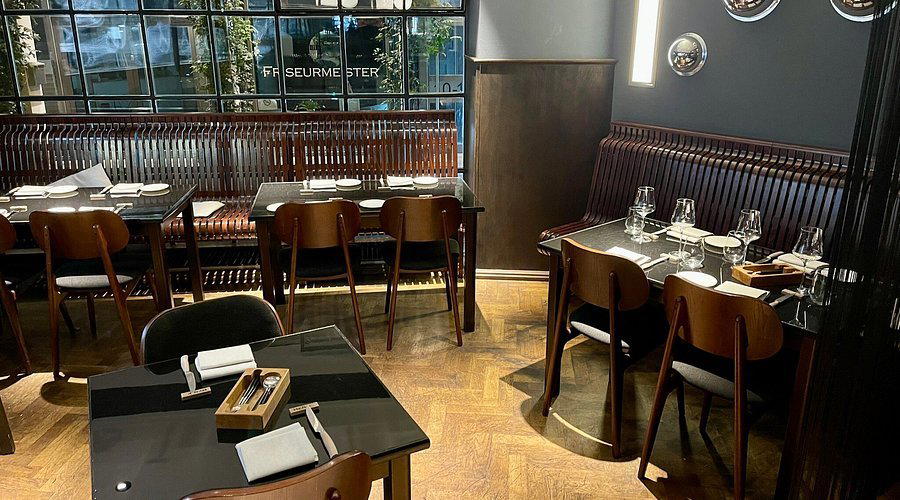
Hotels in Troisdorf
Browse all →

At a Glance
- Classic
- Cozy
- Elegant
- Business Dinner
- Date Night
- Family
- Open Kitchen
Current opening hours
- Monday
- 5–10:30 PM
- Tuesday
- Closed
- Wednesday
- 5–10:30 PM
- Thursday
- 5–10:30 PM
- Friday
- 5–10:30 PM
- Saturday
- 5–10:30 PM
- Sunday
- 11:30 AM–2:30 PM, 5–10:30 PM
Hours can change for holidays and private events. Last verified .
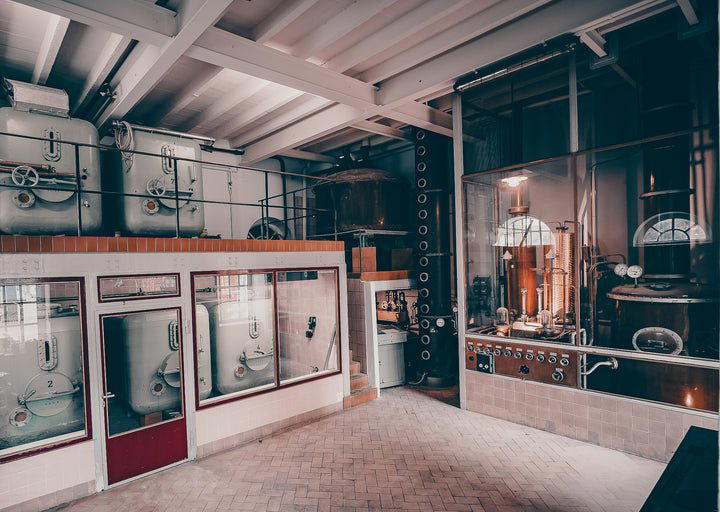
Noble-looking with quiet unobtrusive background music and comfortable traditional atmosphere.
Know Before You Go
- Getting there
- Kronprinzenstraße 1, 53840 Troisdorf, Germany