Remeselná reštaurácia Vyhňa
Remeselná reštaurácia Vyhňa operates in Bratislava's northern residential belt, where craft-focused dining has quietly taken hold outside the tourist-heavy Old Town. The restaurant's name, roughly translating to 'the forge', signals an approach rooted in Slovak culinary tradition worked with artisan discipline. For visitors willing to step beyond the centre, it represents a different register of the city's dining scene.
Pearl is the En Primeur Club membership app — saves, bookings, and concierge access live there. Same editors, same standards.
- Address
- Cyprichova 9282, 831 54 Bratislava, Slovakia
- Phone
- +421944870600
- Website
- vyhna.sk
- Directions
- Get directions
 Saves & bookings on Pearl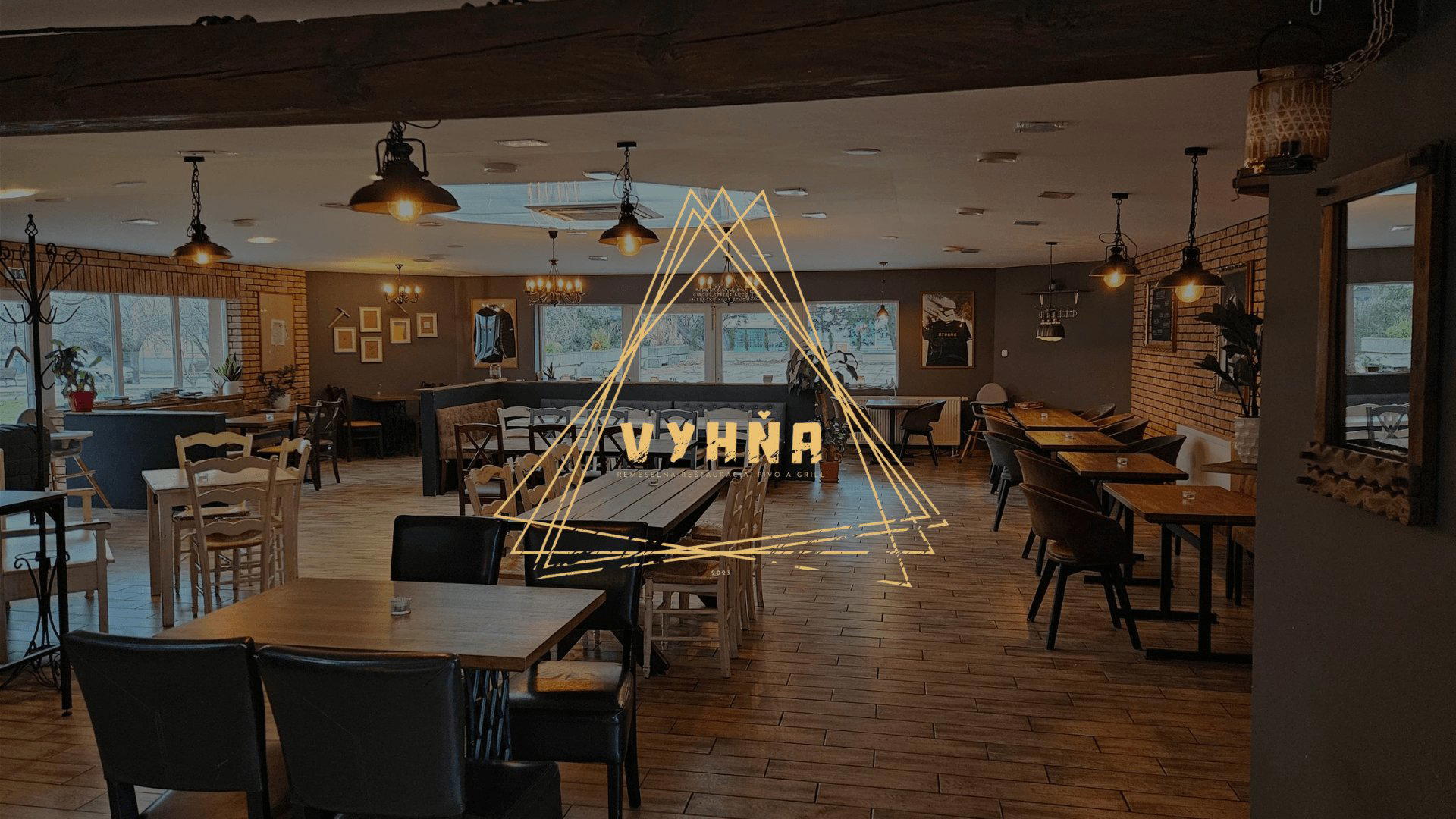
Where Bratislava's Craft Dining Happens Away from the Centre
Bratislava's restaurant scene has been pulling in two directions for the better part of a decade. One current runs through the Old Town's pedestrian corridors, where the density of tourists sustains menus that keep Slovak cuisine at a safe, accessible distance from anything challenging. The other current moves outward, into residential neighbourhoods where the clientele is predominantly local, the rents allow for slower, more considered kitchen work, and the name of the restaurant can mean something without needing to be translated for a tour group. Remeselná reštaurácia Vyhňa, addressed at Cyprichova 9282 in Bratislava's 831 54 district, occupies this second territory.
The word vyhňa in Slovak means a forge, a blacksmith's furnace, a place of transformation through heat and craft. It is a specific, load-bearing word choice for a restaurant name, and it sets an expectation before a guest has read a single dish description. Names like this are commitments. They tell you the kitchen sees its work as skilled labour applied to raw material, not as showmanship applied to recognisable ingredients.
The Architecture of a Menu Built Around Slovak Craft
The editorial angle most useful for understanding what a restaurant like Vyhňa represents is the menu's structure and what it reveals about the kitchen's priorities. In Bratislava, the restaurants that carry genuine local authority tend to organise their menus around the logic of Slovak seasonal and agricultural reality rather than around international format conventions. This is a meaningful distinction. A menu structured for international recognition tends to suppress regional character in favour of legibility. A menu structured for a local audience that knows its own food culture tends to be more precise, more specific about provenance, and less apologetic about techniques and flavours that require context to read correctly.
Name Vyhňa and its craft framing suggest the latter approach. Slovak culinary tradition draws on a larder shaped by central European geography: game from forested uplands, freshwater fish, root vegetables, fermented dairy, and slow-cooked preparations that developed in a climate where preservation was a kitchen priority for most of the year. Restaurants working inside this tradition with contemporary discipline are fewer than their counterparts simply invoking it as atmosphere. Vyhňa's positioning sits closer to the former category, at least in stated intent.
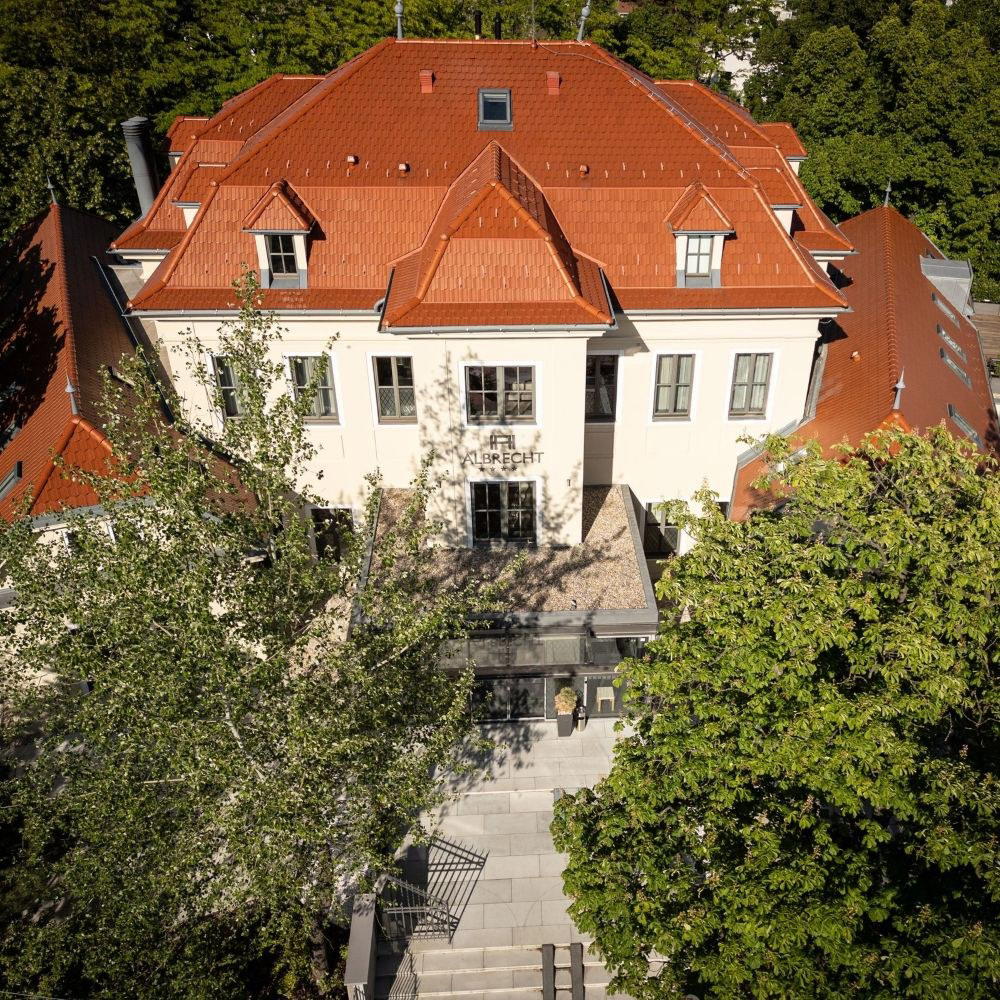
Across Bratislava, restaurants working with Slovak ingredients tend to place themselves in deliberate contrast to peers that default to Viennese-influenced Central European cooking, a natural gravitational pull given the two cities' shared Habsburg history. Ako doma and APOLKA Restaurant both operate within this tension, each resolving it differently. Albrecht Restaurant leans toward the more formal Central European register, while Al Faro and Antica Toscana step outside the local tradition entirely, offering Italian alternatives for a dining public that moves fluidly between cuisines.
A Location That Signals Intention
The Cyprichova address places Vyhňa in a part of Bratislava that does not exist on most visitor itineraries. This is northern Bratislava, past the castle hill and outside the gravity of the Danube waterfront. Restaurants that operate here are making a deliberate statement about their audience. They are not positioned to catch foot traffic from the Old Town or the UFO observation tower. They exist because a specific local constituency will travel to find them.
This geography has a consistent pattern across European cities: craft-focused restaurants often establish themselves in residential areas precisely because the removed location filters for guests who have actively sought them out rather than wandered in. The dynamic produces a different room energy and, typically, a different relationship between kitchen and guest. Bratislava's equivalent pockets have been developing this character gradually, and the northern districts have seen the quieter end of the city's dining evolution unfold without the visibility that comes from Old Town placement. For visitors to Slovakia arriving from further afield, the contrast with something like Koliba Patria in Strbske Pleso or Fatrabeef in Lubochna is instructive: regional craft dining in Slovakia takes different forms depending on whether it is rooted in mountain tradition or urban neighbourhood life.
Planning Your Visit
Before visiting, contact the restaurant directly. Walk-in availability on weekday evenings is generally more realistic than on Friday or Saturday nights, when local regulars fill smaller rooms quickly. Reservations, where accepted, remain the safer option for weekend dining. The address at Cyprichova 9282 is reachable by public transport from the centre, though the journey is not immediate.
Visitors building a wider Slovak dining itinerary might cross-reference with other restaurants across the country: Focus Restaurant in Zilina, Hotel & Restaurant Gino Park Palace in Povazska Bystrica, and Klára v GOYA vitality hotel in Voderady each represent different registers of the country's regional dining, from mid-scale hotel restaurants to mountain koliba formats. For a broader look at where Vyhňa sits among Bratislava's options, Comparisons with Le Bernardin in New York City or Atomix in New York City useful context for understanding how differently culinary ambition can be expressed across markets.
In Slovakia's smaller towns and rural areas, KOLIBA na Vršku in Bytca, Holotéch víška in Kosariska, Kaštieľ Čičmany in Cicmany, Afrodita in Cerenany, and Bulli Kebab in Kosice each illustrate how varied the country's eating options are once you move beyond the capital.
The Minimal Set
Comparable venues nearby, for context on price, style, and recognition.
| Venue | Cuisine | Price | Notes |
|---|---|---|---|
| Remeselná reštaurácia VyhňaThis venue — the venue you are viewing | Rača, Slovak Craft Grill | $$ | Not listed |
| The Half Blind Pig | Staré Mesto, Cocktail Bar | $$ | Not listed |
| MenJu | Ružinov, Slovak comfort food | $$ | Not listed |
| Dolnozemská | Staré Mesto, Modern Dolnozemski Slovak | $$ | Not listed |
| VíK - Vegan Venue | Not listed | $ | Staré Mesto, 100% Vegan Cafe & Bistro |
| WERK | Not listed | $$ | Staré Mesto, Modern Cosmopolitan Mediterranean |
Continue exploring
More in Bratislava
Restaurants in Bratislava
Browse all →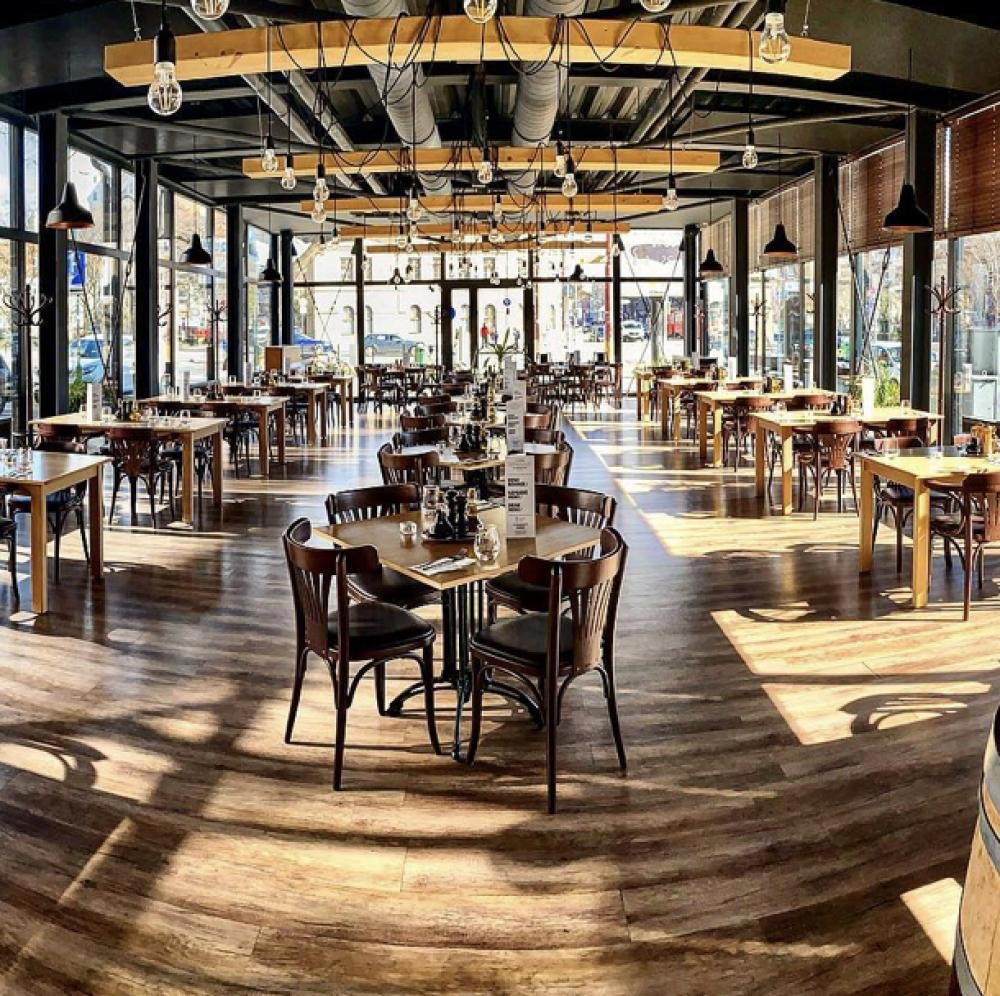
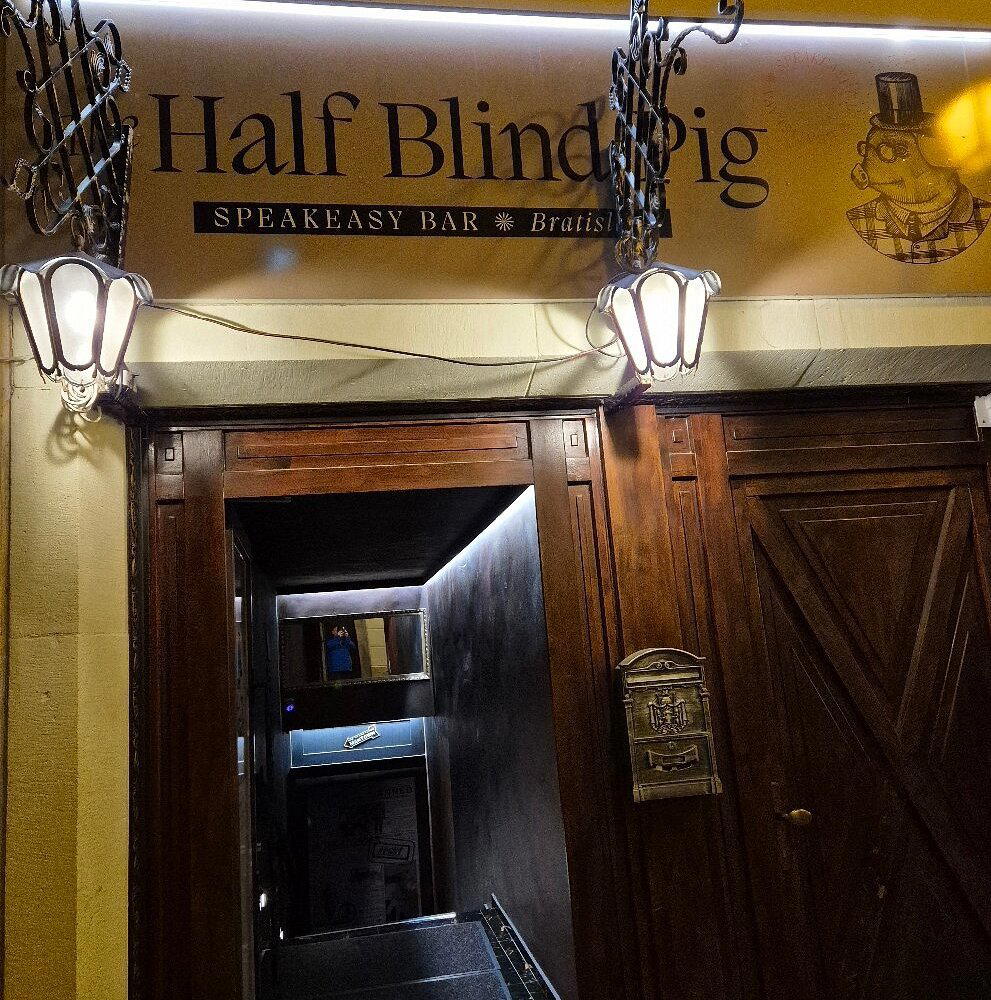
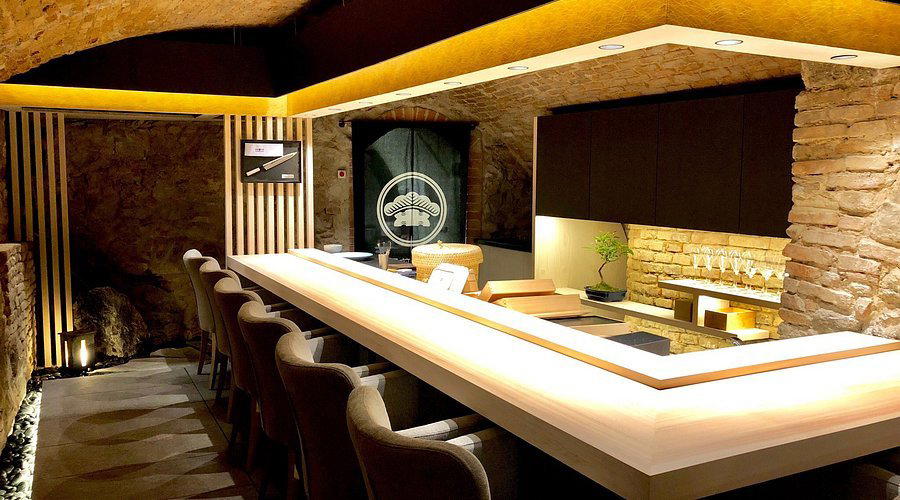
Bars in Bratislava
Browse all →
Hotels in Bratislava
Browse all →
At a Glance
- Rustic
- Casual Hangout
- Beer Program
Current opening hours
- Monday
- 11 AM–10 PM
- Tuesday
- 11 AM–10 PM
- Wednesday
- 11 AM–10 PM
- Thursday
- 11 AM–10 PM
- Friday
- 11 AM–10 PM
- Saturday
- 11 AM–10 PM
- Sunday
- 11 AM–10 PM
Hours can change for holidays and private events. Last verified .
Casual craft atmosphere with outdoor dining area.