MenJu
MenJu occupies a quiet stretch of Tomášikova in Bratislava's less-touristed east side, positioning it outside the Old Town circuit that defines most visitor dining. The address alone signals a place oriented toward local regulars rather than passing foot traffic. For anyone looking beyond the centre's well-worn options, it represents a different entry point into how the city actually eats.
Pearl is the En Primeur Club membership app — saves, bookings, and concierge access live there. Same editors, same standards.
- Address
- Tomášikova 17, 821 02 Bratislava, Slovakia
- Phone
- +421910326914
- Website
- menju.sk
- Directions
- Get directions
 Saves & bookings on Pearl
East of the Old Town: Where Bratislava Eats on Its Own Terms
Most visitors to Bratislava map their dining around the Old Town's compact grid, where pedestrian streets and terrace tables make the choice feel obvious. Tomášikova, a few kilometres east in the Ružinov district, operates on a different logic entirely. The restaurants along this corridor serve a clientele of office workers, residents, and regulars who return because the food and value hold up over time. MenJu, a Slovak comfort food restaurant at Tomášikova 17 in Bratislava, sits inside that ecosystem. Its location is evidence of its orientation: a place calibrated for the city's working rhythm rather than the tourist circuit.
That distinction matters more than it might seem. Bratislava's dining scene has developed two distinct registers over the past decade. The Old Town cluster, anchored by venues like Ako doma and Antica Toscana, skews toward higher price points and a format designed around the visitor experience. The outer districts, by contrast, have cultivated neighbourhood restaurants where the competition is repeat business. MenJu belongs to this second register, and understanding that framing shapes how you approach it.
The Lunch and Dinner Divide
Across Central European restaurant culture, the lunch-dinner split carries more weight than it does in, say, a major Western European capital. In Bratislava particularly, the midday meal remains the anchoring service for a significant share of the city's non-tourist dining. Business lunches, set menus priced for office budgets, and a compressed, efficient service rhythm define how many venues in the outer districts operate between noon and two. Dinner, by contrast, tends to open into a slower tempo, with tables held longer and the menu leaning toward full portions rather than the abbreviated formats that make lunch operationally viable.
For a venue like MenJu on Tomášikova, this divide is the structural backbone of the day. Ružinov's commercial density, fed by the business parks and office buildings that characterise this part of the city, generates reliable lunchtime demand. Dinner in the same neighbourhood draws a more local, residential crowd, less driven by clock constraints and more likely to linger. The practical implication for a first-time visitor is that the two services can feel like distinct experiences occupying the same room. Arriving at lunch means joining a working-city rhythm; arriving at dinner means stepping into the neighbourhood's quieter evening register.
This pattern repeats across Bratislava's non-centre districts. Venues structured around strong lunch demand often calibrate their evening offer differently, sometimes with a narrower kitchen scope, sometimes with more attention to the table experience when the pressure of a full midday turn has passed. Neither mode is inherently better. They serve different purposes and reward different expectations.
Bratislava's Broader Dining Context
Slovakia's capital has not attracted the kind of international critical attention that Budapest or Prague receive, and its restaurant scene reflects that. Slovak modern cuisine has made genuine progress in recent years. Albrecht Restaurant and APOLKA Restaurant represent the more formal end of what Bratislava currently produces, while Al Faro and others illustrate the city's appetite for international formats layered over a fundamentally local dining culture.
The outer-district restaurant, a category MenJu occupies, plays a specific role in this ecosystem. It absorbs the everyday demand that the Old Town cannot serve at accessible price points, and it does so without the staging costs that come with a prime tourist-facing address. For the travelling visitor willing to take a tram or short taxi ride, venues in this tier often represent better value and a more candid picture of how the city eats. Bratislava's transit connections make Ružinov genuinely accessible from the centre in under fifteen minutes, which lowers the practical barrier considerably.
Slovakia Beyond the Capital
Bratislava's restaurant culture exists within a wider Slovak dining tradition that extends north and east into quite different terrain. Visitors moving beyond the capital encounter a markedly different register: mountain region cooking built around game, dairy, and forest ingredients, served in settings ranging from modernised farmhouses to resort properties. Koliba Patria in Strbske Pleso and Fatrabeef in Lubochna represent this tradition, as does KOLIBA na Vršku in Bytca. Further afield, Bulli Kebab in Kosice and Focus Restaurant in Zilina reflect how Slovakia's secondary cities have developed their own distinct dining characters.
Regional properties like Hotel and Restaurant Gino Park Palace in Povazska Bystrica, Klára v GOYA vitality hotel in Voderady, Holotéch víška in Kosariska, Kaštieľ Čičmany in Cicmany, and Afrodita in Cerenany round out the picture of a country where particularly interesting eating often happens well outside any capital's orbit.
The contrast with Bratislava's urban restaurant culture is instructive. A neighbourhood venue in Ružinov and a mountain koliba in the Tatras occupy the same national dining tradition but answer entirely different questions about what Slovak hospitality looks like and for whom it is designed.
Planning Your Visit
MenJu's address at Tomášikova 17 places it in Bratislava's Ružinov district, accessible from the city centre by tram along the main east-west corridor. As with most neighbourhood restaurants in this part of the city, arriving at lunch positions you inside the district's working-day rhythm, while an evening visit tends to offer a calmer pace. MenJu is walk-in friendly, and midday service is the busiest time. The Tomášikova address is direct to locate on any mapping application.
Bratislava's outer-district venues operate at a fundamentally different scale and ambition level, which is not a limitation so much as a defining feature of what they are.
Cuisine Context
Comparable venues nearby, for context on price, style, and recognition.
| Venue | Cuisine | Price | Notes |
|---|---|---|---|
| MenJuThis venue — the venue you are viewing | Slovak comfort food | $$ | Not listed |
| PaB Donau | Modern Austro-Hungarian | $$ | Staré Mesto |
| Modrá Hviezda | Traditional Slovak | $$ | Staré Mesto |
| Meštiansky pivovar | Traditional Slovak Brewery Gastropub | $$ | Staré Mesto |
| Zylinder Cafe Restaurant | Traditional Austro-Hungarian Pressburg Cuisine | $$ | Staré Mesto |
| Matyšák | Traditional Slovak | $$ | Staré Mesto |
Continue exploring
More in Bratislava
Restaurants in Bratislava
Browse all →
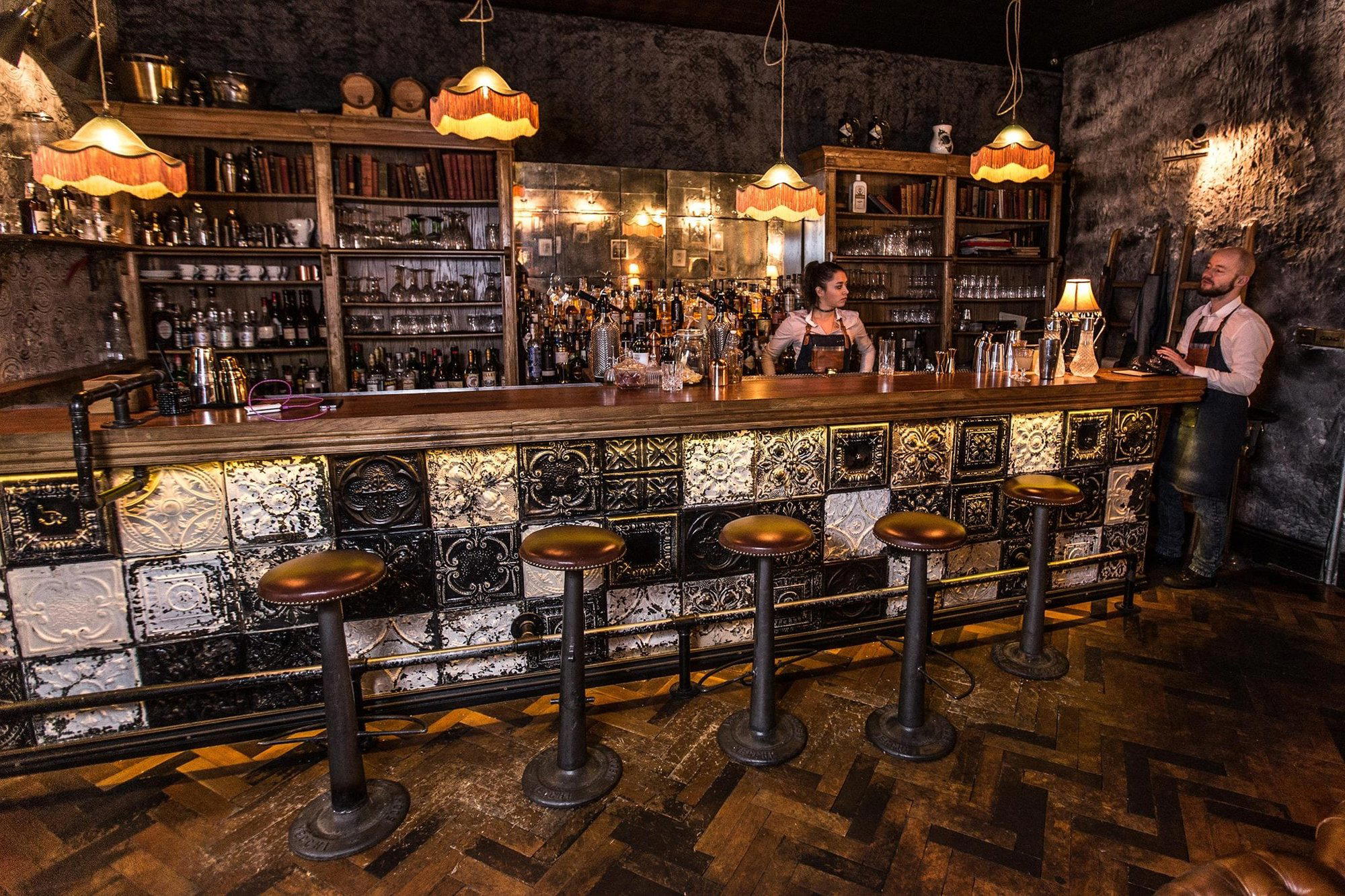
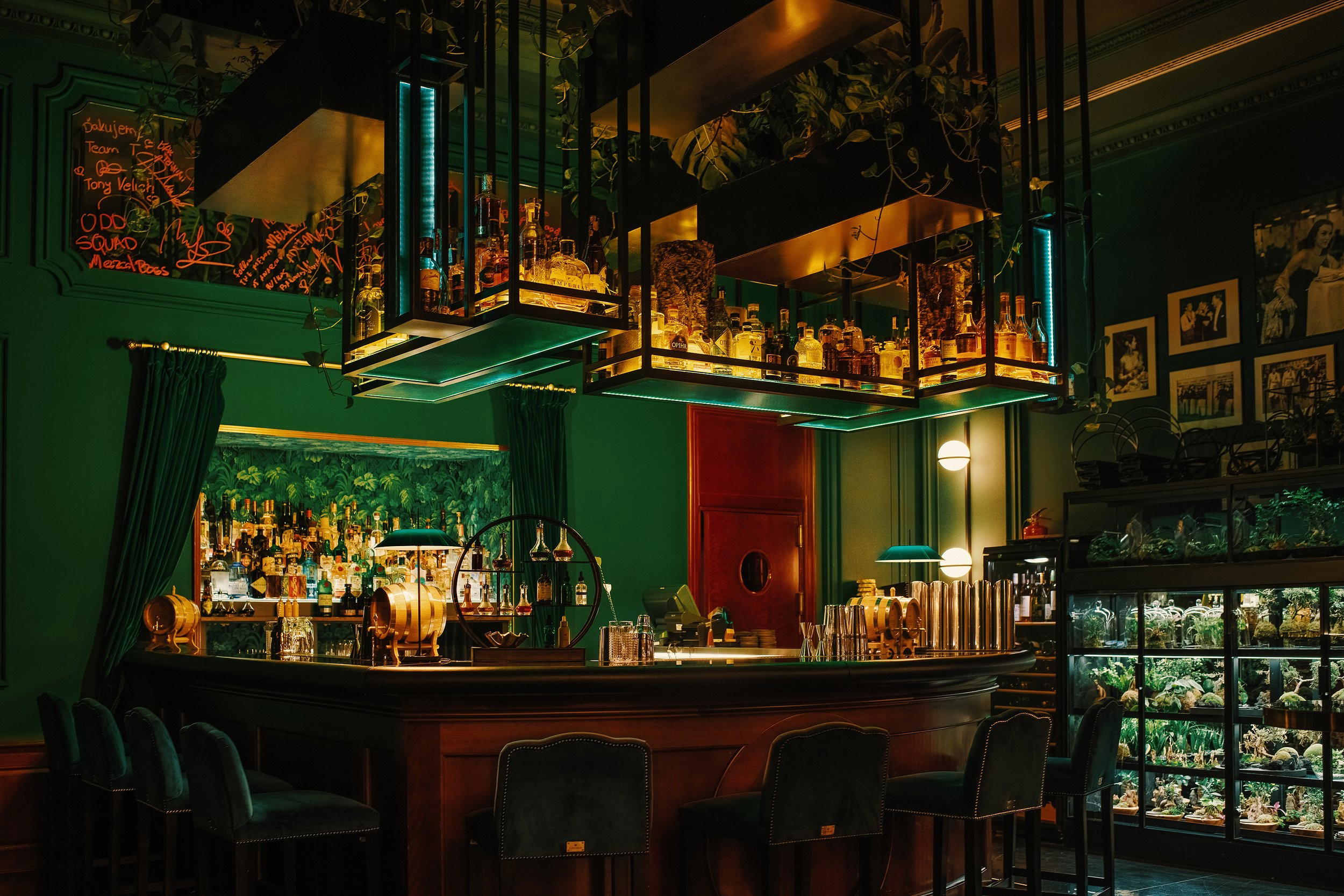
Bars in Bratislava
Browse all →
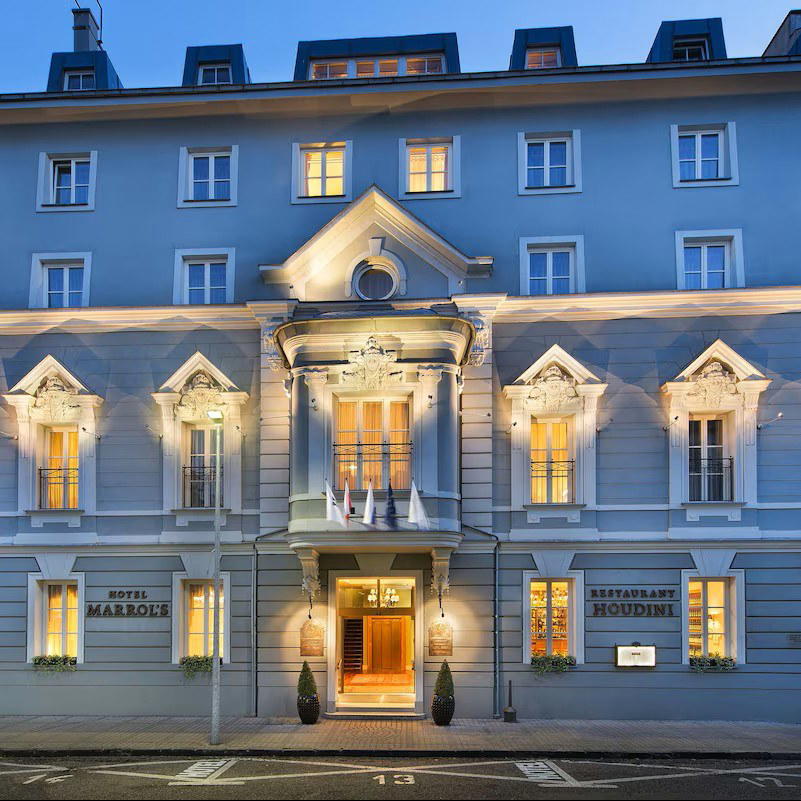
Hotels in Bratislava
Browse all →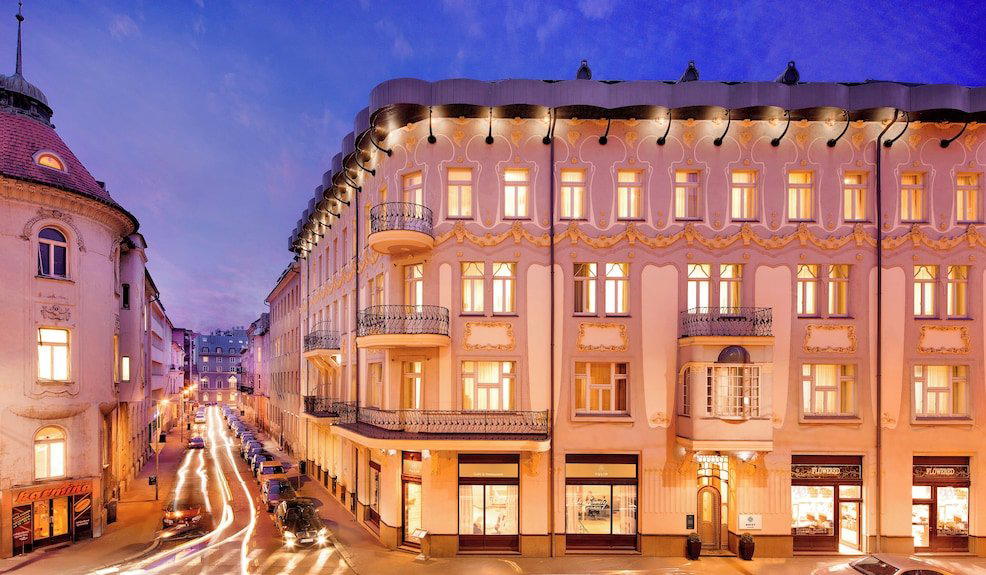
At a Glance
- Modern
- Business Dinner
- Hotel Restaurant
Current opening hours
- Monday
- 10 AM–3 PM
- Tuesday
- 10 AM–3 PM
- Wednesday
- 10 AM–3 PM
- Thursday
- 10 AM–3 PM
- Friday
- 10 AM–3 PM
- Saturday
- Closed
- Sunday
- Closed
Hours can change for holidays and private events. Last verified .
Attractive setting in a business hotel.