Öreg Harang sits in Hévíz, Hungary's thermal lake town, where the rhythm of spa tourism has long shaped what locals expect from a meal: grounding, familiar, and tied to the regional pantry. The restaurant draws on the agricultural traditions of western Transdanubia, placing it in a category of Hungarian dining that values provenance over spectacle. For visitors moving between the lake and the surrounding countryside, it fills a specific and practical role.
Pearl is the En Primeur Club membership app — saves, bookings, and concierge access live there. Same editors, same standards.
- Address
- Hévíz 2830 hrsz, 8380 Hungary
- Phone
- +36309279011
- Website
- oregharang.hu
- Directions
- Get directions
 Saves & bookings on Pearl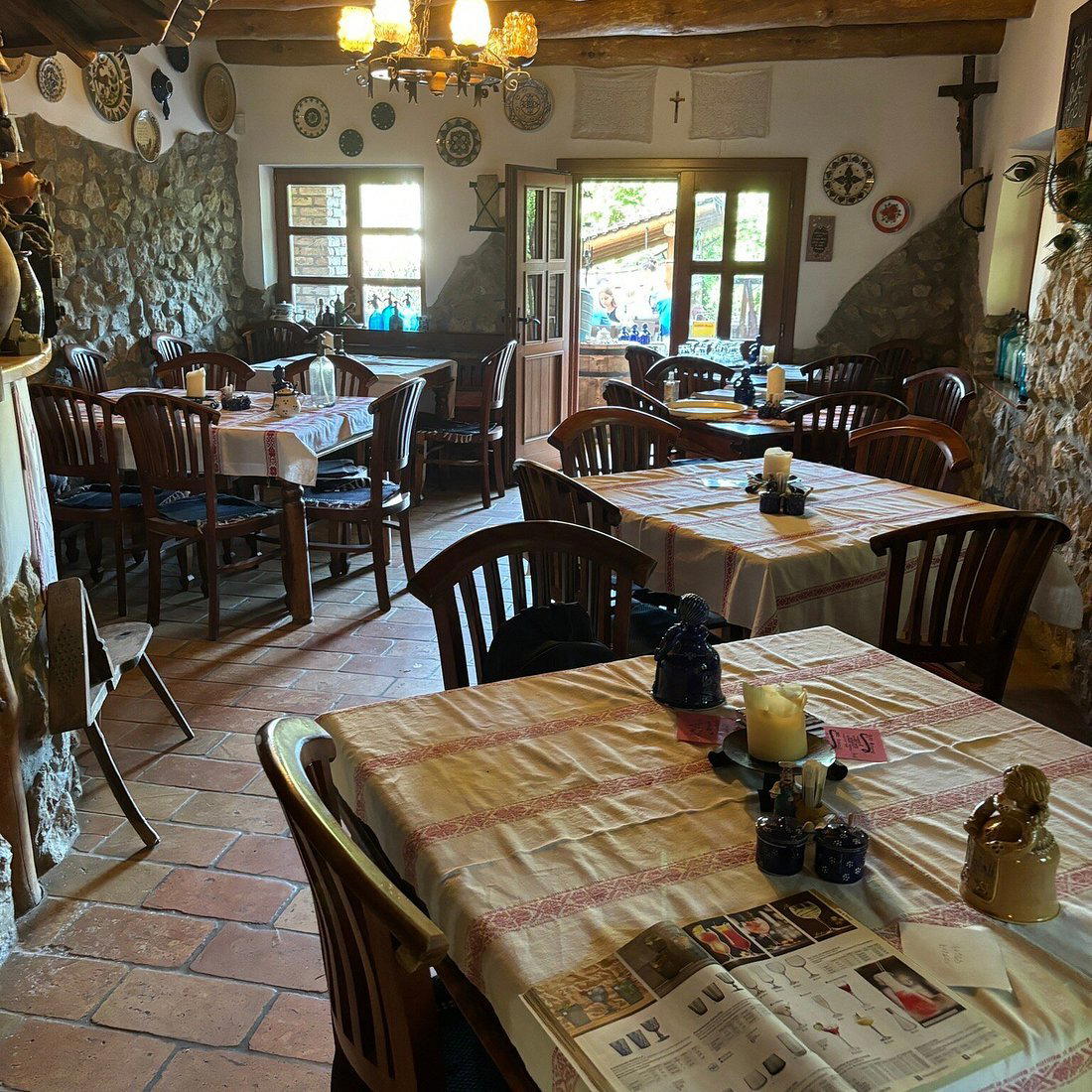
A Thermal Town and Its Table
Hévíz is defined by water. The thermal lake at its centre, one of the largest biologically active thermal lakes in the world, draws visitors from across Europe seeking recovery and rest. The town's dining scene has historically followed that logic: restaurants here tend toward the restorative rather than the experimental, grounded in the agricultural output of western Transdanubia rather than the modernist ambitions of Budapest's more decorated addresses. Öreg Harang sits within that tradition, occupying a position that makes more sense understood against the character of the town than against any national fine dining benchmark.
It belongs, instead, to a quieter and more demanding tradition: cooking that justifies itself through ingredient quality and regional honesty rather than through technique as spectacle.
What the Western Transdanubian Pantry Produces
The agricultural belt surrounding Lake Balaton and stretching toward the Austrian border is among Hungary's more varied growing regions. Goose and duck production in the Zala county area has a documented history going back centuries, and the region's freshwater fish, including pike-perch from Balaton, remain reference points for Hungarian kitchen culture. Pork, naturally, runs through virtually every layer of the national repertoire, from kolbász to slow-braised preparations that anchor midday meals in countryside restaurants across this part of Hungary.
Restaurants operating in this tradition, whether in Hévíz or the nearby Balaton shoreline towns, tend to source within a relatively tight radius. That's less a marketing position than a structural fact: the supply infrastructure here favors local producers, and seasonal availability shapes menus more directly than in larger urban markets. For diners accustomed to the more curated sourcing narratives of places like Pajta in Őriszentpéter or the ingredient-led ethos at Kővirág in Köveskál, the approach here is less articulated but not necessarily less genuine.
Across Hungarian provincial dining, the sourcing conversation tends to happen in the food itself rather than on the menu page. A properly made fisherman's soup tells you where you are geographically more precisely than a provenance note ever could. That specificity of place is what distinguishes the better traditional restaurants in western Hungary from their generic counterparts, and it is the lens through which Öreg Harang is worth considering.
Where It Sits in the Hévíz Context
Hévíz's restaurant offering is narrower than its tourism volume might suggest. The town's international visitor base, drawn heavily from German, Austrian, and Czech wellness tourists, has produced a category of hotel-restaurant dining oriented around accessibility and dietary accommodation rather than culinary ambition. Independent restaurants operating outside that hotel ecosystem occupy a different register, one that tends to serve a mix of returning domestic visitors and local regulars alongside the passing tourist trade.
That mix matters for what ends up on the plate. A restaurant anchored partly by local custom has different incentives than one calibrated purely to tourist expectations. The former tends to maintain more continuity with regional cooking conventions; the latter drifts toward a generic Central European safe zone. Among regional comparisons worth making: Apicius Étterem és Kávéház in Herend, a short drive northeast, and Almalomb in Hosszúhetény further east, both illustrate how independent provincial restaurants in this part of Hungary can sustain credible cooking without the institutional support of hotel infrastructure or award recognition.
For a broader view of how Hungarian provincial dining compares at the mid-range tier, BoriMami in Gyöngyös and Forst-Ház Étterem és Kávézó in Eger offer useful reference points from the northern wine country, where the dining culture around agricultural produce has a somewhat longer critical record.
Planning a Visit
Hévíz sits roughly 190 kilometres southwest of Budapest, accessible by direct bus from Keszthely or by car from the M7 motorway via the Balaton southern shore. The town is compact enough that most restaurants, including addresses along the central park area, are reachable on foot from the main accommodation districts. Öreg Harang's address places it within the town boundary, though visitors arriving without a car should confirm local transport options in advance given the absence of published contact or website details in public listings. The town's peak season runs from late spring through early September, when thermal tourism is at its highest and restaurant demand follows accordingly; shoulder months offer a quieter experience and, typically, more attentive service. Those planning around the thermal lake itself should note that morning and early afternoon bathing tends to precede the main meal rather than follow it, making lunch a natural anchor point in any day's itinerary.
How It Compares Nationally
At the awarded end of Hungarian dining, the gap between Budapest and the provinces remains considerable. The capital holds every significant Michelin-recognized address in the country, with Platán Gourmet in Tata and a handful of others representing the closest the countryside gets to that tier of recognition. Provincial restaurants like Öreg Harang operate in an entirely different competitive set, one measured by consistency, local relevance, and value relative to the tourist economy rather than by critical distinction. That is not a diminishment; it is simply an accurate map of where different kinds of value are created.
The more instructive comparison is within the category of traditional Hungarian cooking at accessible price points. Here, venues like Aranysárkány Vendéglő in Szentendre or Guri Serház Szombathely in Szombathely illustrate how the category performs when it is working well. The standard, at its better end, is direct and specific: sourced locally, cooked without affectation, priced for the region. Whether the restaurant consistently hits that standard is a question better answered in the dining room than at a distance, but the structural conditions in Hévíz favor restaurants that serve a recurring local clientele alongside the tourist trade.
Comparison Snapshot
Comparable venues nearby, for context on price, style, and recognition.
| Venue | Cuisine | Price | Notes |
|---|---|---|---|
| Öreg HarangThis venue — the venue you are viewing | Traditional Hungarian | $$ | Not listed |
| Szent Donát Márga Bisztró | Modern Hungarian Bistro | $$ | Csopak |
| Kőlyuki Betérő | Authentic Hungarian | $$ | Mánfa |
| MoszkvaTér | Russian & Eastern European Streetfood | $$ | Varhegy |
| Oportó Étterem | Modern Hungarian | $$ | Villány center |
| Bagolyvár | Traditional Hungarian with Game Specialties | $$ | Felsőhavi dűlő |

At a Glance
- Rustic
- Cozy
- Intimate
- Special Occasion
- Date Night
- Historic Building
- Local Sourcing
- Vineyard
Current opening hours
- Monday
- 3–9 PM
- Tuesday
- 3–10 PM
- Wednesday
- 3–9 PM
- Thursday
- 3–9 PM
- Friday
- 3–9 PM
- Saturday
- 3–10 PM
- Sunday
- Closed
Hours can change for holidays and private events. Last verified .
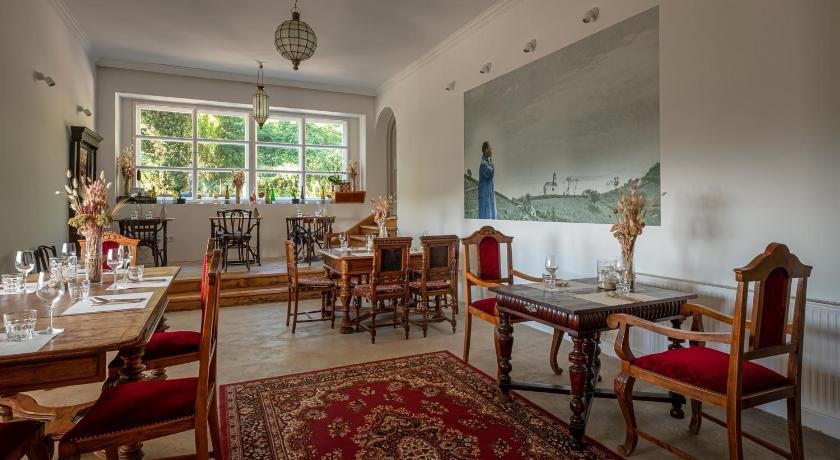
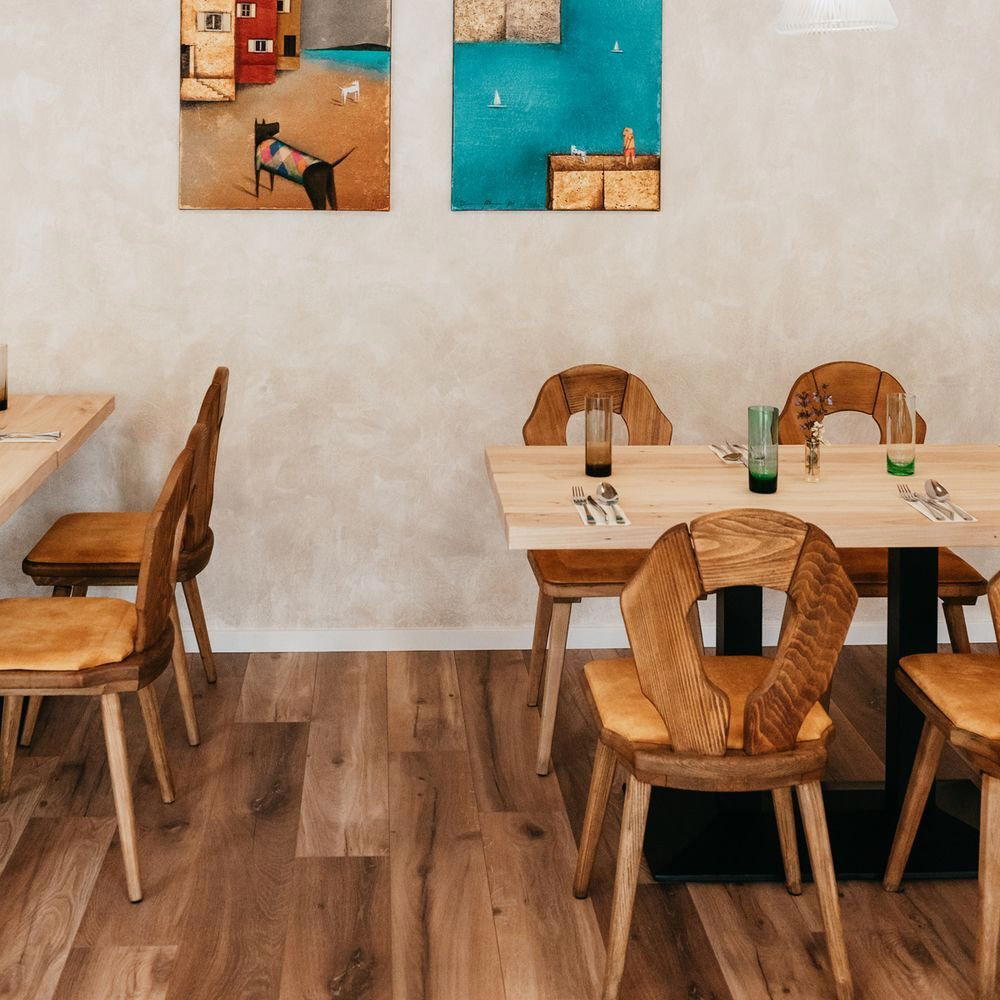
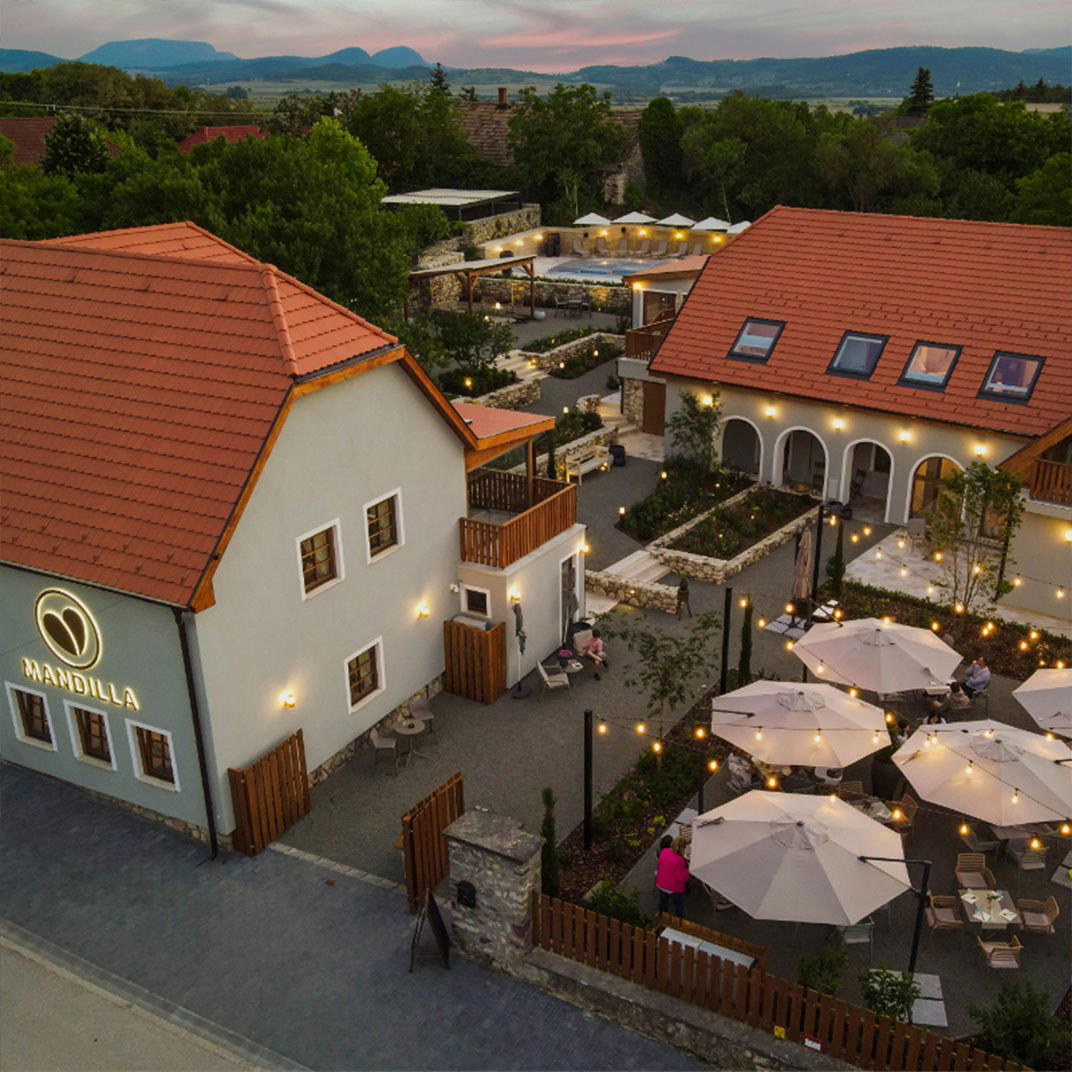
Quiet, intimate atmosphere with rustic wood furnishings and distinctive ceramic accessories.