Our verdict
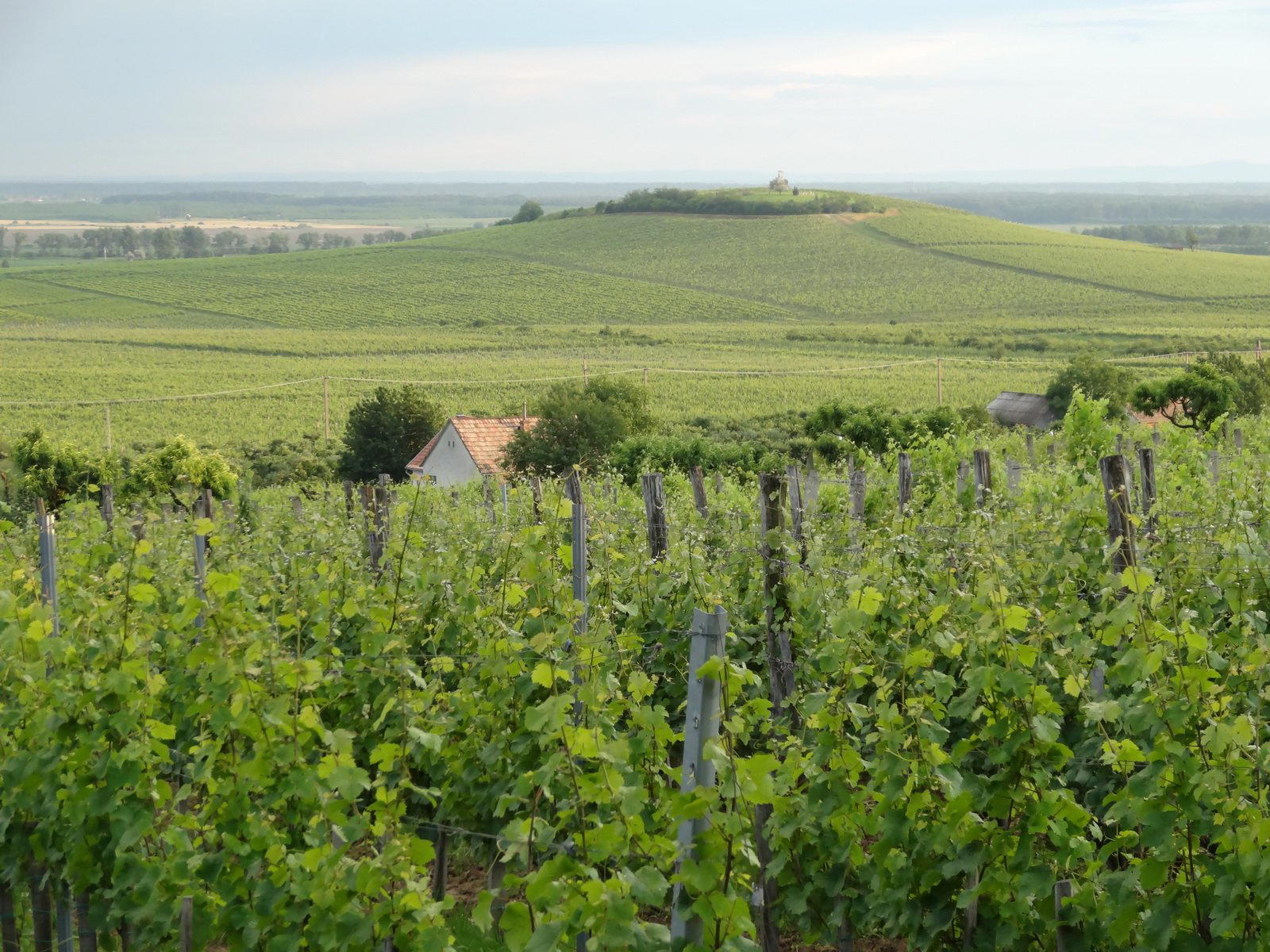
Kőlyuki Betérő sits in the village of Manfa in Hungary's Mecsek Hills, operating as a stopping point where the surrounding rural landscape shapes what lands on the table. The setting is as much the draw as the food itself, with the Mecsek's forested terrain providing the kind of immediate, legible sourcing context that urban restaurants spend considerable effort trying to simulate.

Pearl is the En Primeur Club membership app — saves, bookings, and concierge access live there. Same editors, same standards.
- Address
- Mánfa, 66, 7304 Hungary
- Phone
- +36308454004
- Hours
- Daily 10 AM–8 PM
- Website
- kolyukibetero.hu
- Directions
- Get directions
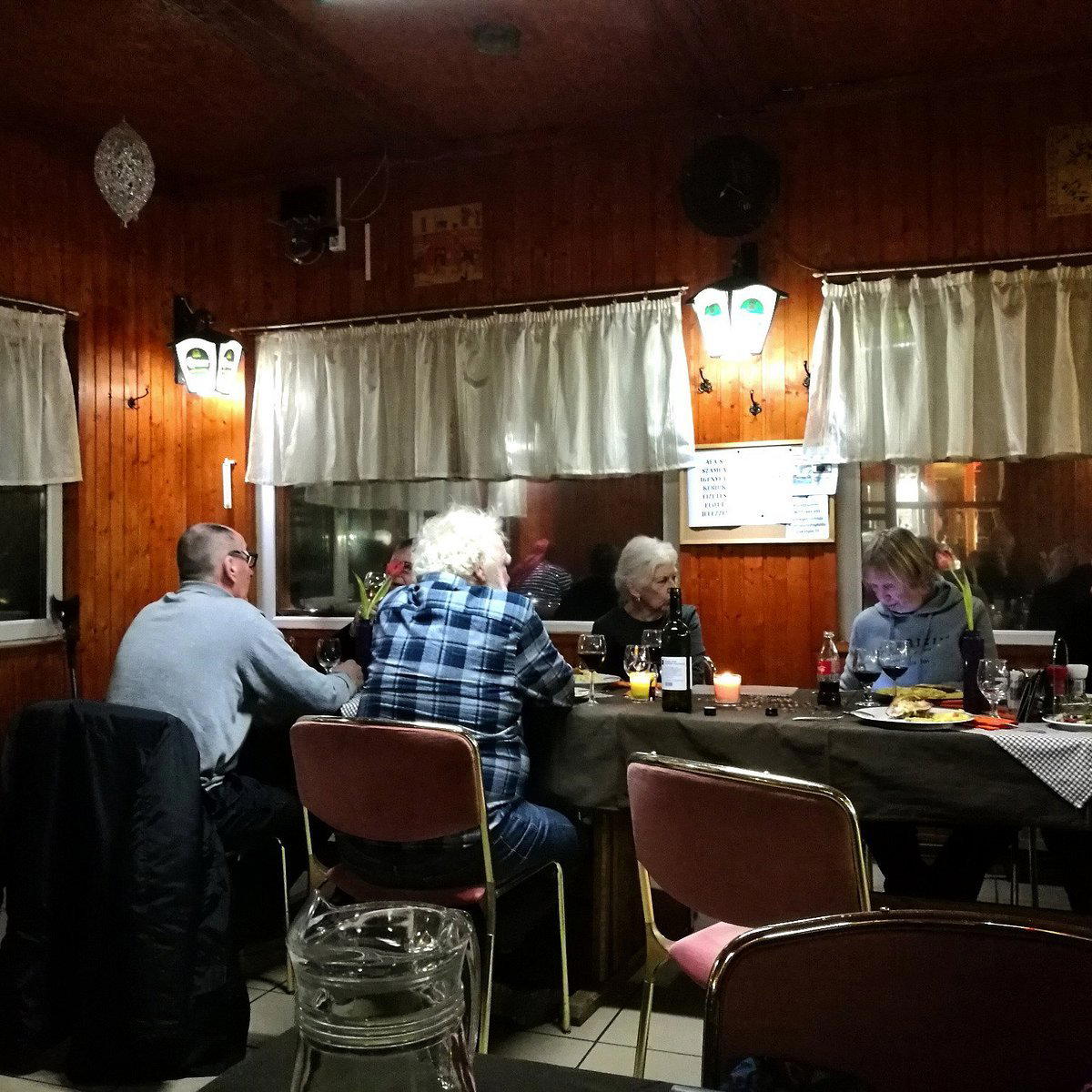
Where the Mecsek Hills Set the Menu
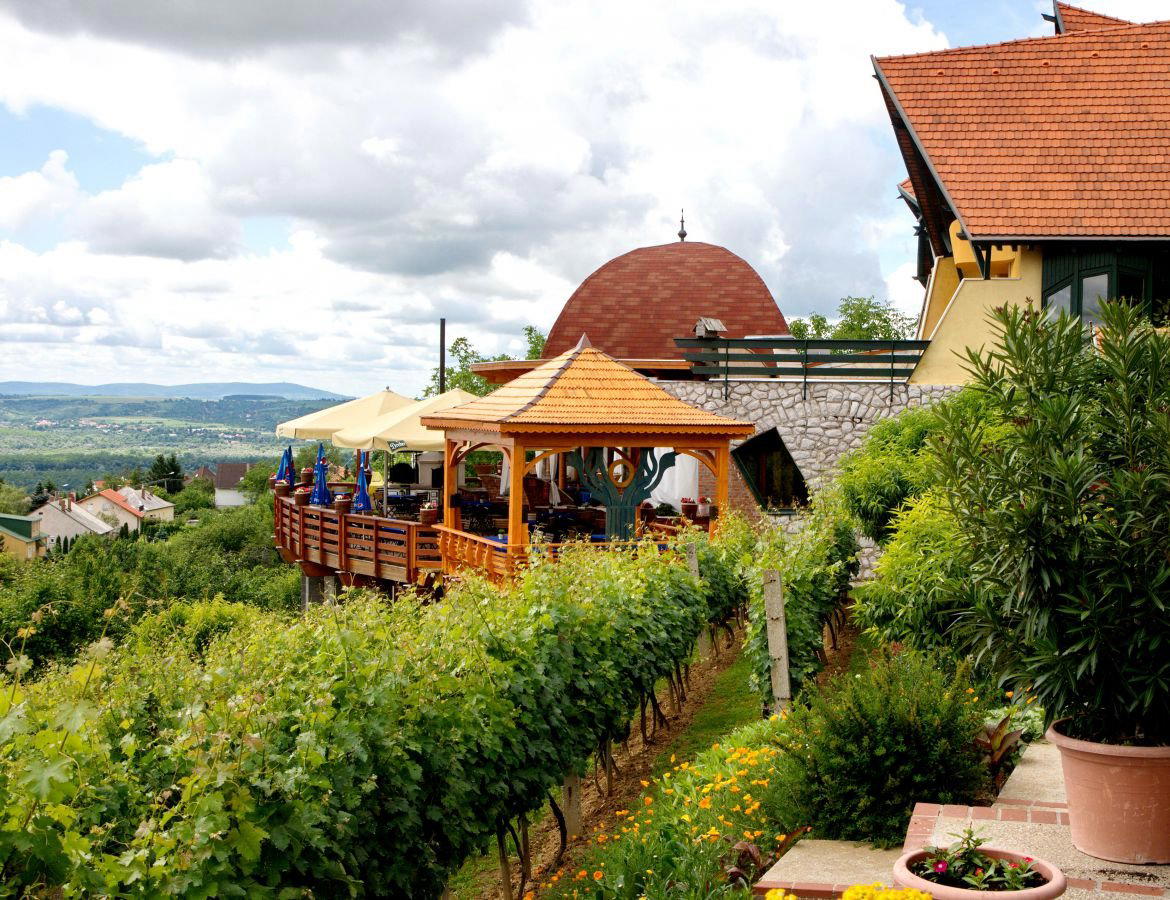
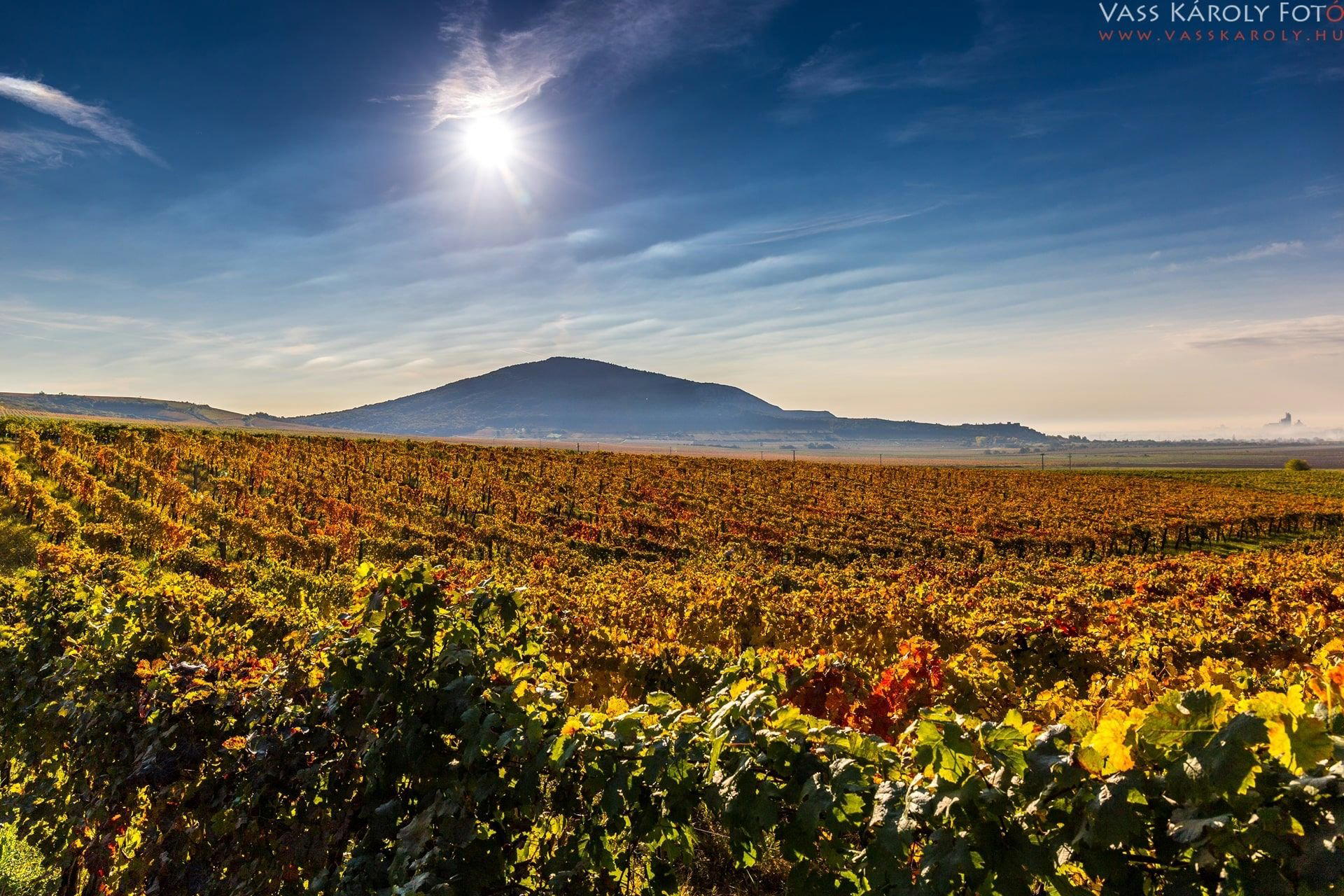
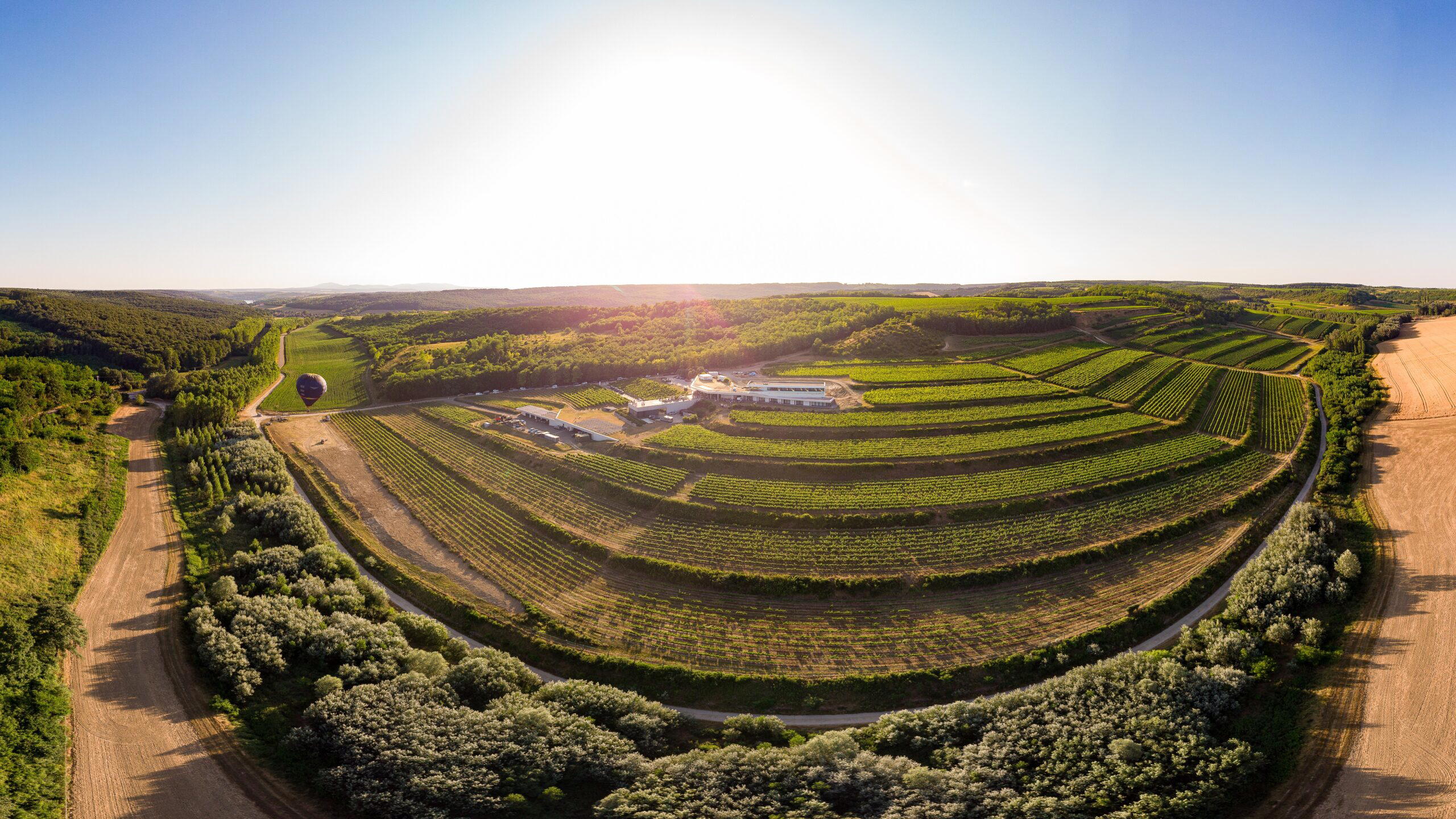
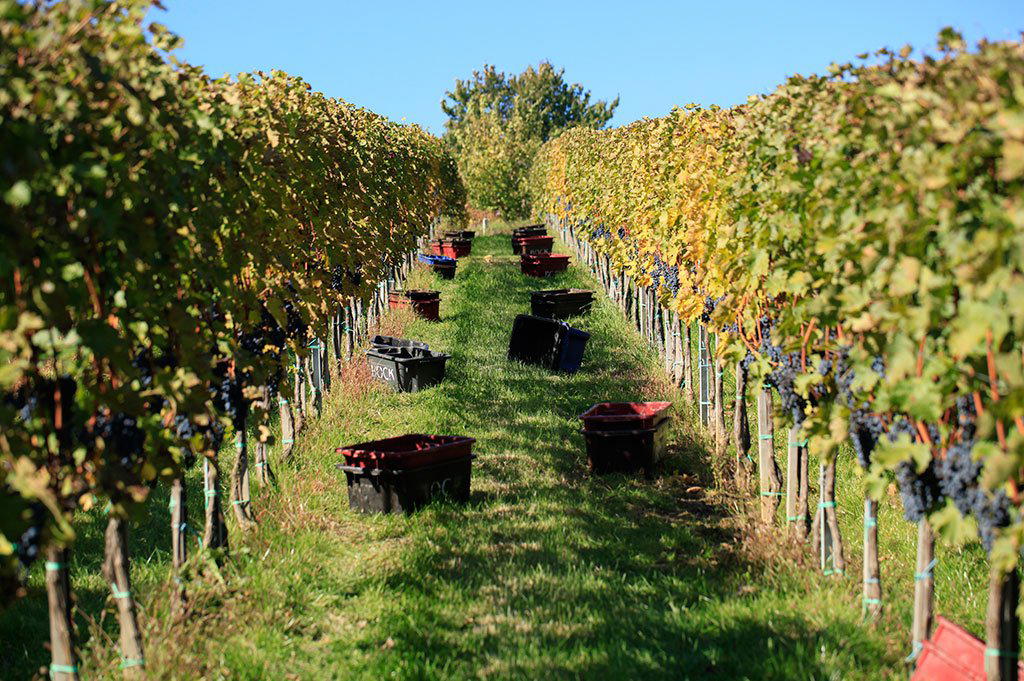
The road into Mánfa from Pécs cuts through the lower slopes of the Mecsek Hills, a forested range that separates the city from the quieter villages to its north. By the time you reach the address at number 66, the urban pressure of Pécs has dissolved entirely. What replaces it is the particular stillness of a small Hungarian settlement where agriculture and woodland coexist at close quarters — and where a place like Kőlyuki Betérő makes sense precisely because of that geography. For our full Manfa restaurants guide, the village's relationship with the Mecsek shapes every entry worth including.
The Mecsek is not Hungary's most celebrated food region in the way that the Great Plain commands attention for its livestock traditions or the Tokaj foothills do for wine. But its forested character, moderate altitude, and proximity to the market town of Pécs have historically supported a culture of self-sufficient, foraged, and locally grown produce. Restaurants in this corridor tend to reflect that rather than resist it. The sourcing is short by necessity as much as by philosophy, and the result is a style of cooking that reads as genuinely rooted rather than marketed as such.
Sourcing From the Surrounding Terrain
In Hungarian rural dining, the question of where ingredients come from rarely needs to be answered in print — the answer is implied by the location. A stopping point in a village like Mánfa sits within reach of foraged mushrooms from the Mecsek's beech and oak forests, garden vegetables from surrounding smallholdings, and game from the hills that back the settlement to the north. That ingredient geography is not incidental to the experience at Kőlyuki Betérő; it is the structural condition under which a place like this operates.
This stands in clear contrast to how the sourcing conversation plays out in Hungary's urban restaurant tier. At establishments like Stand in Budapest, provenance is documented and communicated as part of a formal fine dining proposition. At the Mecsek end of the spectrum, the relationship between place and plate is assumed rather than narrated. Neither approach is superior as an expression of Hungarian food culture, but they represent genuinely different relationships with the land.
The Mecsek region also sits within the broader Southern Transdanubia food corridor that stretches toward the wine villages of Villány to the south. That geographical connection matters for understanding the table. Halasi Pince Panzió in Villány occupies the wine-country end of this corridor, where the cellar defines the experience as much as the kitchen. In Mánfa, the dynamic reverses: the forest and the smallholding take precedence.
Rural Stopping Points as a Hungarian Dining Category
The Hungarian word betérő, roughly translated as a place you stop into, carries cultural weight that a direct translation cannot fully capture. These are not destination restaurants in the contemporary sense. They are places embedded in the logic of a journey: the hiker coming down from the Mecsek trails, the family driving between villages, the weekend visitor from Pécs who knows the area. That function shapes everything from the format to the expectations a visitor should bring.
Hungary's rural stopping-point tradition sits at a different register from the country's growing provincial fine dining scene. Pajta in Őriszentpéter represents the end of that spectrum where design intent and sourcing precision have been applied to a barn format with considerable care. Almalomb in Hosszúhetény, also in the Mecsek foothills, just a short distance from Mánfa, sits closer to the Kőlyuki Betérő model: a place whose value is inseparable from its physical and community context. These venues are not in competition with Pécs's urban restaurant tier; they occupy a different function entirely.
For comparison across Hungary's provincial dining circuit, the range is considerable. BoriMami in Gyöngyös operates at the Mátra foothills with a similar emphasis on local produce and informal register. Forst-Ház Étterem és Kávéház in Eger sits within a wine city context where the regional identity is more legible to international visitors. Kőlyuki Betérő's position in a less-visited village puts it at the quieter, more local end of this distribution.
What the Setting Means for How You Eat
Rural Hungarian dining at this register tends toward hearty, seasonal plates built on what is available rather than what is consistently sourceable year-round. The Mecsek's seasonal rhythm, wild garlic in spring, game and mushrooms through autumn, root vegetables in winter, typically shapes what kitchens in this area can offer at their most honest. Visitors arriving with expectations formed by Budapest's wine kitchen scene, such as the produce-led approach at Platán Gourmet in Tata, will need to recalibrate toward a less curated, more contingent experience.
That contingency is not a limitation. It is, in fact, the point. The most considered rural restaurants in Hungary, including Kővirág in Köveskál on the northern Balaton shore, have built reputations precisely by refusing to smooth out the seasonality that defines regional Hungarian cooking. Kőlyuki Betérő operates in that same refusal, even if its register is less formally articulated.
Planning Your Visit
Mánfa sits roughly seven kilometres north of central Pécs, making it accessible by car as a half-day excursion from the city. Public transport connections to the village are limited, and a private vehicle is the practical choice for most visitors. The address, Mánfa 66, 7304 Hungary, places it clearly within the village rather than on an outlying road, which simplifies navigation once you reach the settlement.
For visitors building a wider Southern Transdanubia itinerary, the Mecsek day can pair logically with Pécs's urban dining scene before or after, or extend south toward Villány's wine country. The Aranysárkány Vendéglő in Szentendre offers a reference point for how a historically rooted Hungarian restaurant format translates to a higher-tourism context; Kőlyuki Betérő operates at the opposite end of that exposure scale.
Frequently asked questions
Is Kőlyuki Betérő okay with children?
Rural betérő venues in Hungary are generally family-oriented by tradition — they exist precisely as stopping points for travellers of all kinds, and Mánfa's setting along the Mecsek Hills road makes it a natural pause on a family excursion from Pécs. The informal register of this category of dining suits children well. Confirm arrangements directly before visiting, as hours and setup can vary seasonally.
What kind of setting is Kőlyuki Betérő?
Kőlyuki Betérő sits at address 66 in Mánfa, a village on the lower slopes of the Mecsek Hills roughly seven kilometres north of central Pécs. The betérő format is a distinctly Hungarian rural category: an informal stopping point rather than a destination restaurant, typically with a relaxed atmosphere shaped by the surrounding terrain and whoever happens to come through the door that day.
Is Kőlyuki Betérő in Mánfa accessible from Pécs without a car?
Mánfa is located approximately seven kilometres north of central Pécs, and public transport connections to the village are limited — most visitors arrive by car, making it a practical half-day excursion from the city. The address is Mánfa 66, 7304 Hungary, which sits along the road through the Mecsek Hills. For travellers without a vehicle, checking current bus routes from Pécs to Mánfa before visiting is advisable, as service frequency can be sparse.
What should I eat at Kőlyuki Betérő?
The body of Hungarian rural dining at this register centres on seasonal, locally sourced plates — expect preparations tied to what the Mecsek Hills area produces at a given time of year rather than a fixed menu engineered for year-round consistency. Dishes typically reflect the broader southern Hungarian tradition: hearty, ingredient-led, and shaped by proximity to the land rather than import logistics. Specific menu details are best confirmed on arrival or by contacting the venue directly.
Where is Kőlyuki Betérő located?
Kőlyuki Betérő is located at Mánfa, 66, 7304 Hungary, Manfa.
How far ahead should I plan for Kőlyuki Betérő?
No booking data is publicly documented for Kőlyuki Betérő, which reflects the walk-in culture common to Hungarian betérő venues. That said, rural stops of this kind can fill quickly on weekends when Pécs residents use the Mecsek Hills for recreation, so an earlier arrival or a weekday visit reduces uncertainty.
What makes Kőlyuki Betérő worth seeking out?
The venue's appeal is less about credentials on paper and more about what the betérő category represents in Hungarian food culture: a place where the menu is largely dictated by the surrounding terrain and the season rather than a chef's commercial calculation. Mánfa's position inside the Mecsek Hills, seven kilometres from Pécs, puts Kőlyuki Betérő in a forested corridor with few dining options of any kind, which means it functions as a genuine local institution rather than a tourist-facing operation.
In Context: Similar Options
Comparable venues nearby, for context on price, style, and recognition.
| Venue | Cuisine | Price | Awards | Notes |
|---|---|---|---|---|
| Kőlyuki BetérőThis venue — the venue you are viewing | Authentic Hungarian | Not listed | Not listed | Not listed |
| Almalomb | Modern Hungarian | $20–30 | Not listed | Hosszúhetény |
| MoszkvaTér | Authentic Russian Bistro | $20–30 | Michelin Plate | Varhegy |
| HILDA Budapest | Modern Hungarian | $30–50 | Not listed | Varhegy |
| Parasztkonyha Restaurant | Traditional Hungarian Peasant Cuisine | $20–30 | Not listed | Varhegy |
| Tettye Vendéglő | Traditional Hungarian | $20–30 | Not listed | Tettye |
Continue exploring
More in Manfa
Restaurants in Manfa
Browse all →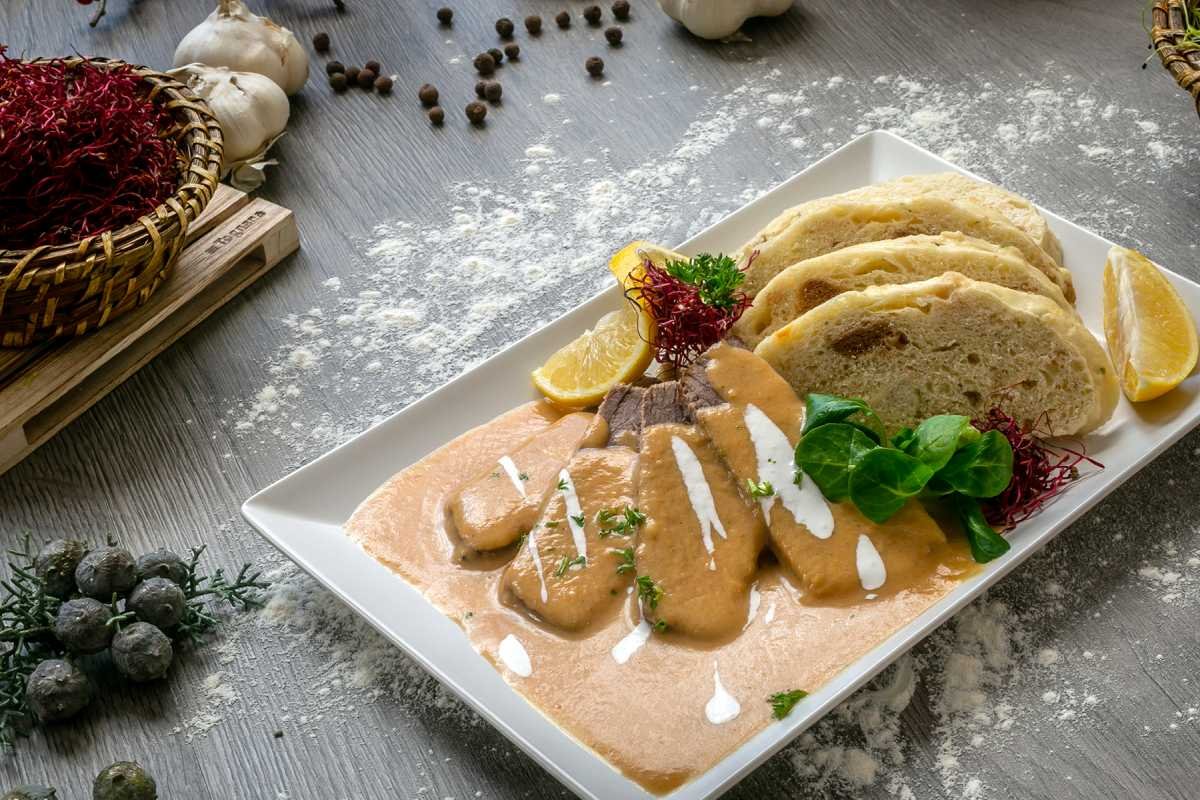
Details
- Rustic
- Cozy
- Casual Hangout
- Standalone
- A La Carte
Current opening hours
- Monday
- 10 AM–8 PM
- Tuesday
- 10 AM–8 PM
- Wednesday
- 10 AM–8 PM
- Thursday
- 10 AM–8 PM
- Friday
- 10 AM–8 PM
- Saturday
- 10 AM–8 PM
- Sunday
- 10 AM–8 PM
Hours can change for holidays and private events. Last verified .
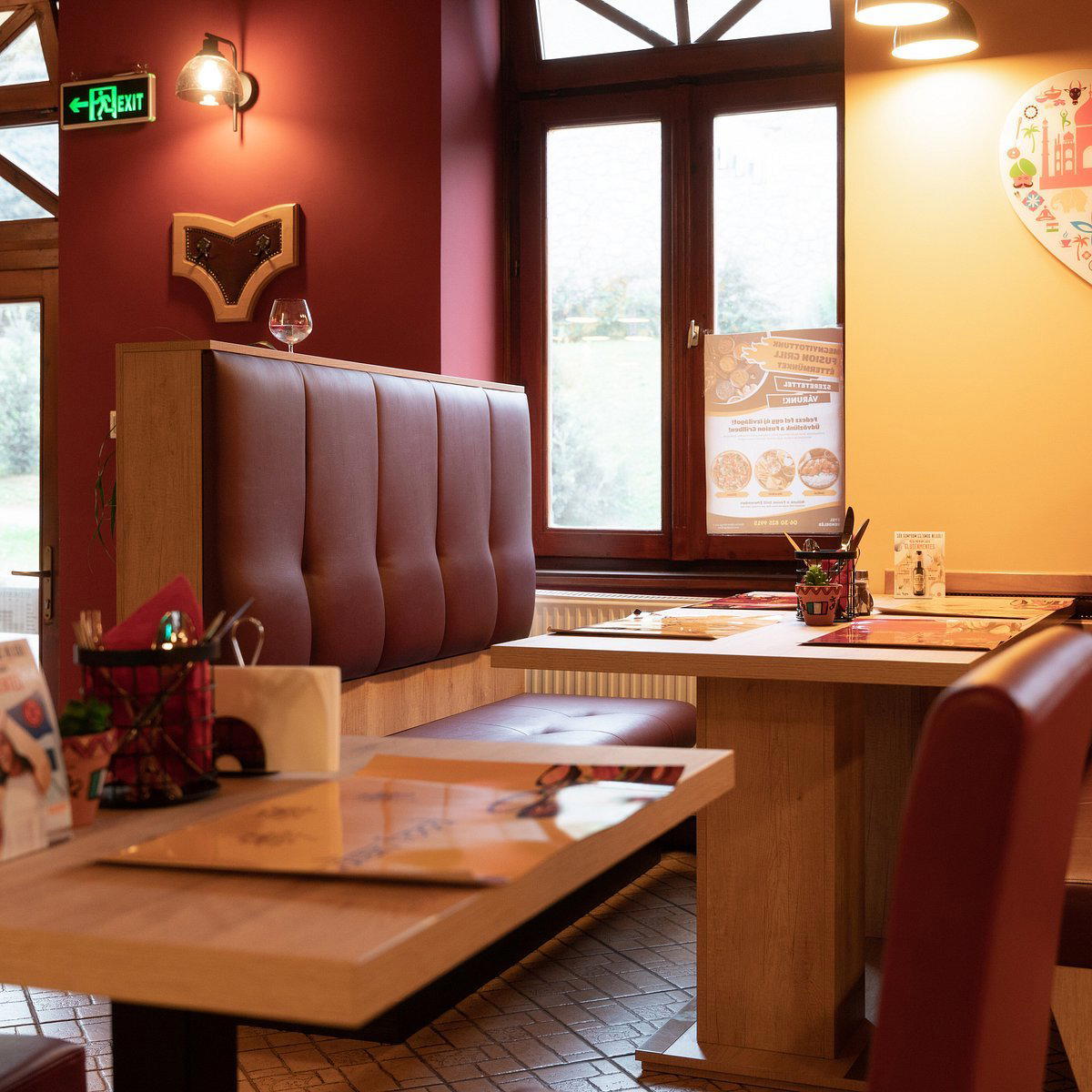
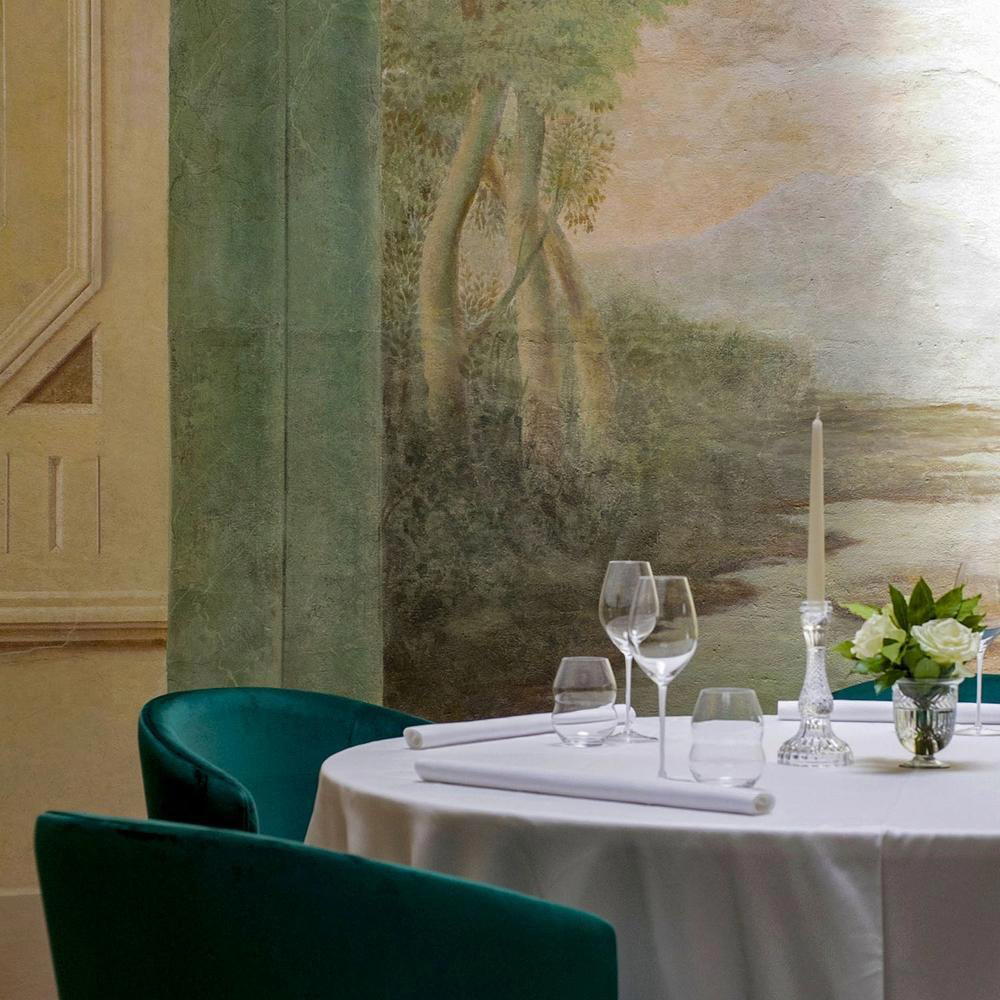
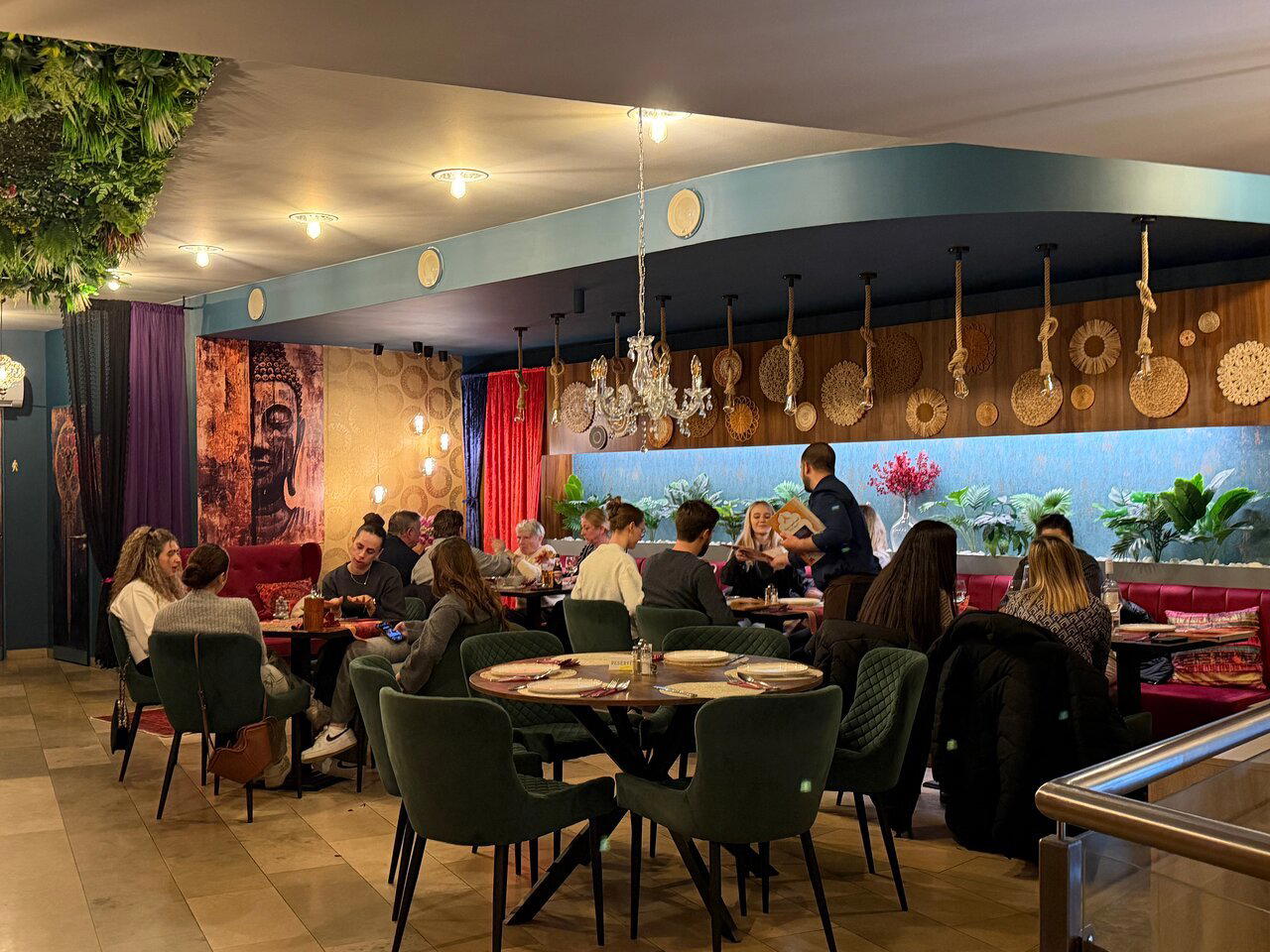
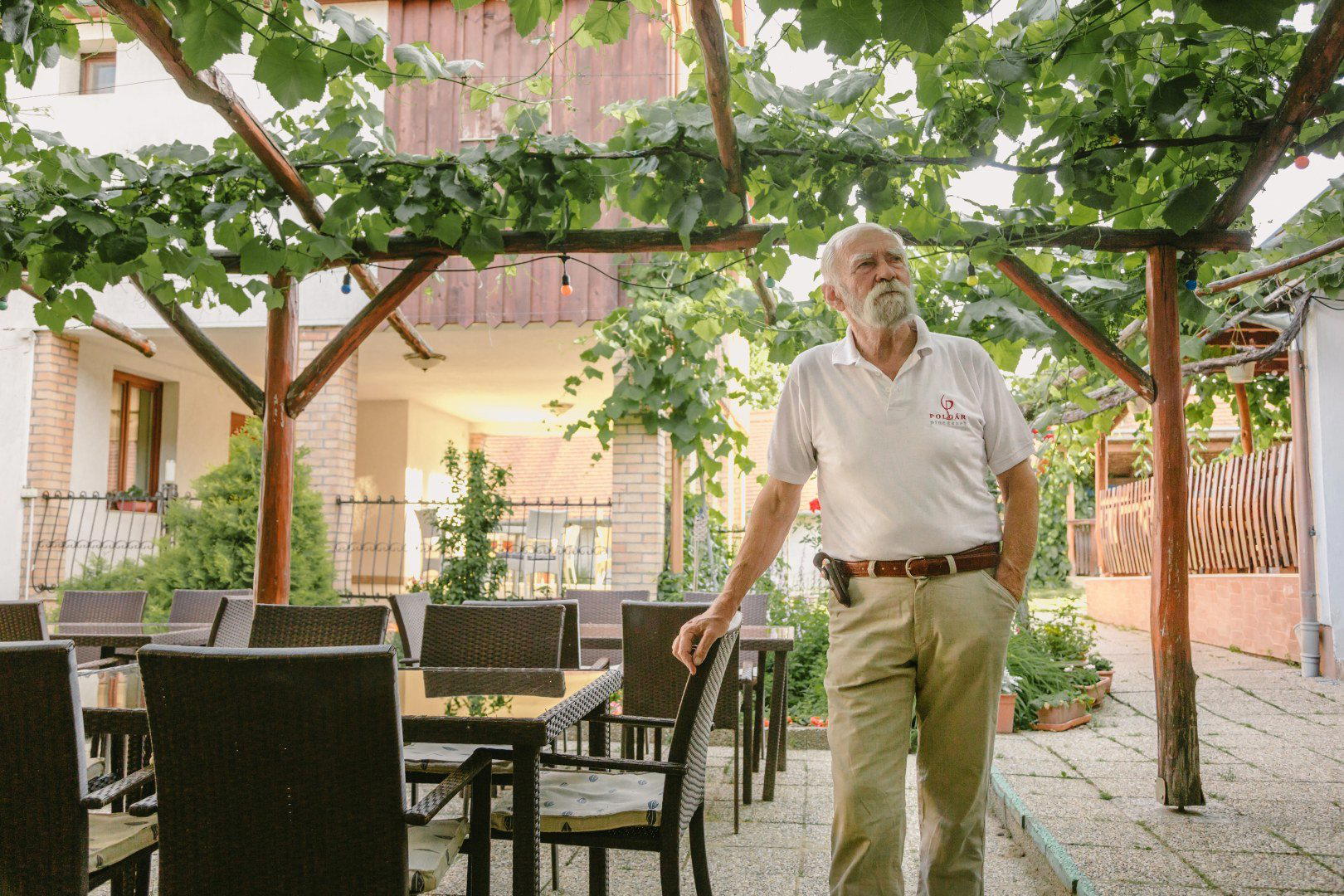
Inviting atmosphere with indoor and outdoor seating, praised for its charm and excellent service.