Red Cow
Red Cow occupies a corner of Seattle's Madrona neighborhood at 1423 34th Ave, placing it within a residential dining corridor that rewards those who seek out the area rather than stumble upon it. The address sits between the Capitol Hill energy and the quieter stretches of the Central District, a positioning that shapes the kind of room it draws and the pace it keeps. Consider it a reference point for the neighborhood's quieter but serious dining ambitions.
Pearl is the En Primeur Club membership app — saves, bookings, and concierge access live there. Same editors, same standards.
- Address
- 1423 34th Ave, Seattle, WA 98122
- Phone
- +12064547932
- Website
- ethanstowellrestaurants.com
- Directions
- Get directions
 Saves & bookings on Pearl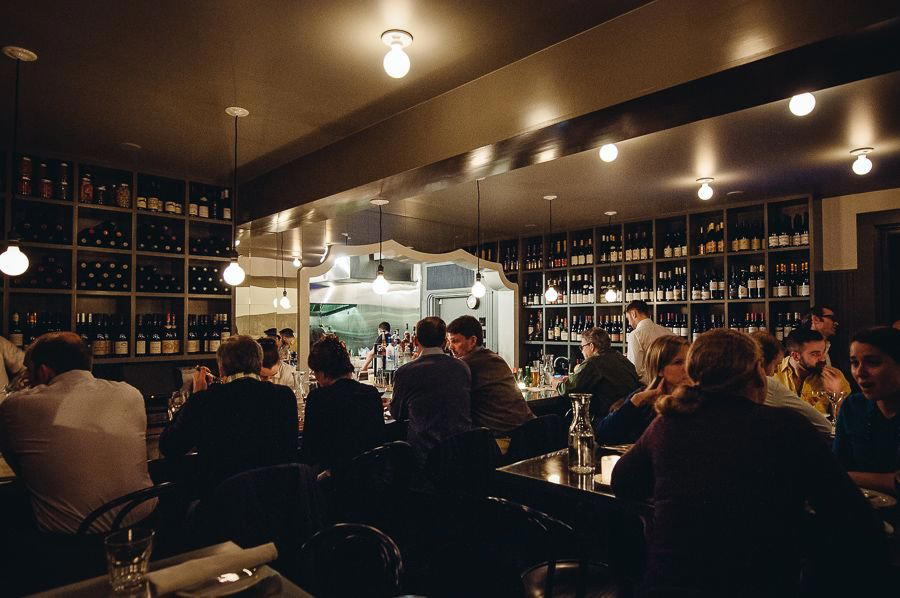
Where Madrona's Dining Character Comes Into Focus
Seattle's dining attention has long concentrated in Capitol Hill, Ballard, and the central waterfront, leaving Madrona with a quieter profile. The neighborhood runs along a ridge above Lake Washington, its commercial stretch on 34th Avenue anchored by the kind of independent operators that predate the city's recent expansion of investment-grade restaurant groups. Red Cow at 1423 34th Ave sits inside that corridor, drawing from a residential catchment that values regularity of experience over occasion dining. In a city where the distance between a table at Canlis (New American) and a neighborhood room can feel like two different industries, Madrona occupies a middle register worth understanding on its own terms.
That geographic placement matters because it shapes the room's social contract. Madrona diners are not passing through. They walk, or they drive a short distance specifically for this address. That creates a different kind of expectation than venues that serve a tourist circuit or a downtown lunch crowd, and it places the emphasis on consistency and familiarity rather than spectacle.
The Collaboration That Holds a Room Together
The editorial case for serious neighborhood dining is rarely the food alone. At the tier Red Cow occupies, a street-level independent in a residential Seattle corridor, the work that matters most is the invisible coordination between kitchen, floor, and whatever wine or beverage program is running alongside the plates. When those three functions operate in rhythm, the room feels effortless. When they don't, the gaps become obvious quickly because the intimacy of a neighborhood setting offers nowhere to hide.
Across Seattle's more considered independent rooms, from the structured service at Joule (New Asian) to the tighter formats found along addresses like 1415 1st Ave and 1744 NW Market St, the defining characteristic of rooms that hold a loyal return clientele is team cohesion rather than individual star performance. A single brilliant chef without a floor team that can read the room, or a beverage program that runs parallel to rather than integrated with the kitchen, tends to produce meals that are technically interesting but experientially incomplete. Red Cow's address in Madrona suggests it is operating in a context where that integration is expected as a baseline rather than a differentiator.
The broader pattern across American neighborhood dining, visible at venues as structurally different as Lazy Bear in San Francisco and Blue Hill at Stone Barns in Tarrytown, is that the rooms with the deepest repeat loyalty are those where the front-of-house team is not executing a script but reading each table and adjusting. That responsiveness is trained, not improvised, and it is the output of a kitchen and dining room that have built a common language over time.
Seattle's Neighborhood Dining Context
Understanding where the restaurant fits requires a brief survey of Seattle's restaurant geography. The city's most formally recognized addresses, in the tradition of American fine dining represented at the national level by rooms like Le Bernardin in New York City, Alinea in Chicago, Providence in Los Angeles, and The French Laundry in Napa, occupy a different tier than what Madrona produces. Seattle's award-recognized tier is relatively compact, and the gap between it and the neighborhood independent scene is where most of the city's daily dining actually happens.
Within that neighborhood independent category, the questions become more granular: how does the room manage its pace, what is the sourcing philosophy communicating about price-to-quality positioning, and does the beverage selection reflect curatorial effort or default to the same regional wine list that appears in every mid-range Pacific Northwest dining room? Addresses like 2963 4th Ave S illustrate how different sub-neighborhoods in Seattle have developed their own dining micro-characters. Madrona's version trends toward the residential and the familiar, which places its operators under pressure to deliver on return visits rather than first impressions.
The restaurant registers as a neighborhood reference point within Seattle's dining map rather than a destination-dining proposition.
How It Compares Across American Regional Dining
The independent neighborhood restaurant in an American city is, by current standards, the harder business to sustain. The formats that attract investment and press attention, chef-driven tasting menus in the mode of Addison in San Diego or Single Thread Farm in Healdsburg, or the destination-inn model of The Inn at Little Washington, operate on economics and audience attention that neighborhood independents cannot replicate. What the neighborhood room trades in spectacle, it recaptures in frequency of visit and depth of community relationship.
The analogy that holds across cities, from the Korean fine-dining refinement of Atomix in New York City to the Italian register of 8 1/2 Otto e Mezzo Bombana in Hong Kong and the Louisiana institution of Emeril's in New Orleans, is that longevity at any level of the market requires a consistent reason for return. For the restaurant in Madrona, that reason is location-specific: a 34th Avenue address that functions as a neighborhood anchor for a district that has few such rooms.
Know Before You Go
Where It Fits
Comparable venues nearby, for context on price, style, and recognition.
| Venue | Cuisine | Price | Notes |
|---|---|---|---|
| Red CowThis venue — the venue you are viewing | French Steakhouse Bistro | $$ | Not listed |
| A+ Hong Kong Kitchen | Authentic Hong Kong Cha Chaan Teng | $$ | International District |
| Roti Cuisine of India | Authentic Indian Cuisine | $$ | South Lake Union |
| Tapas Angel | Iberian & Pan-Latin Small Plates | $$ | Pioneer Square |
| Din Tai Fung 鼎泰豐 | Taiwanese Soup Dumplings | $$ | University Village |
| El Sirenito | Coastal Mexican Seafood | $$ | Mid-Beacon Hill |
Continue exploring
More in Seattle
Restaurants in Seattle
Browse all →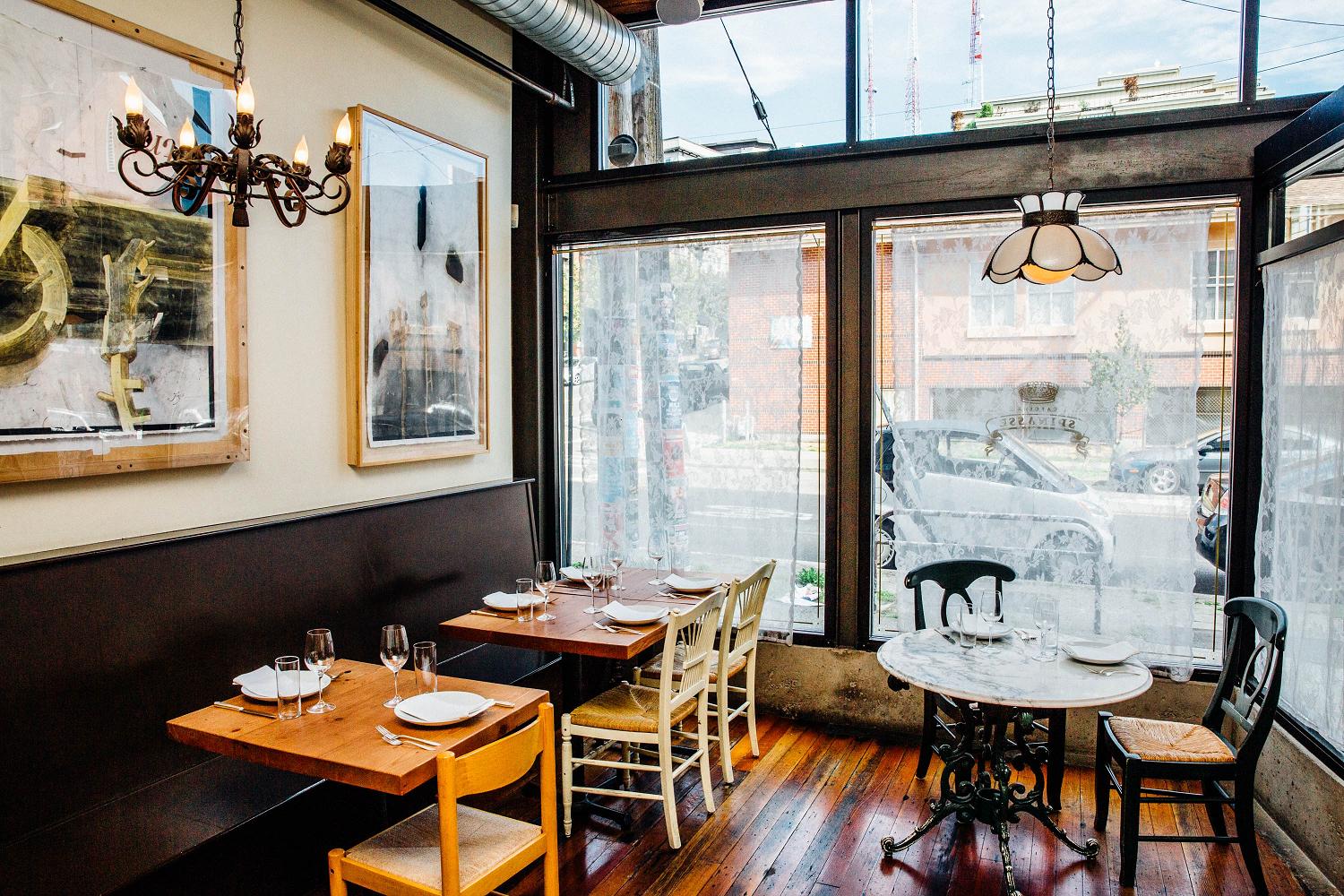
Bars in Seattle
Browse all →
Hotels in Seattle
Browse all →

At a Glance
- Cozy
- Intimate
- Classic
- Date Night
- Special Occasion
- Open Kitchen
- Extensive Wine List
Current opening hours
- Monday
- 3–9 PM
- Tuesday
- 3–9 PM
- Wednesday
- 3–9 PM
- Thursday
- 3–9 PM
- Friday
- 3–9 PM
- Saturday
- 3–9 PM
- Sunday
- 3–9 PM
Hours can change for holidays and private events. Last verified .
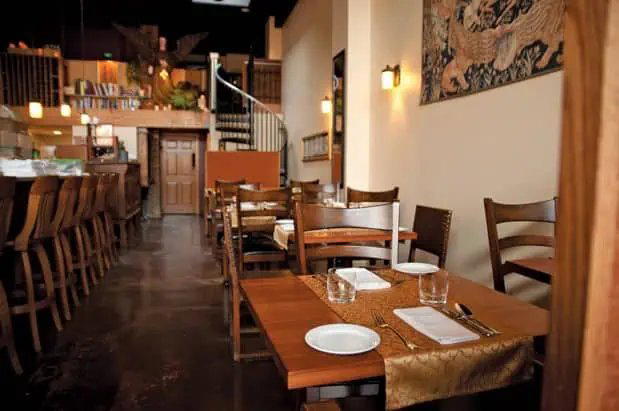
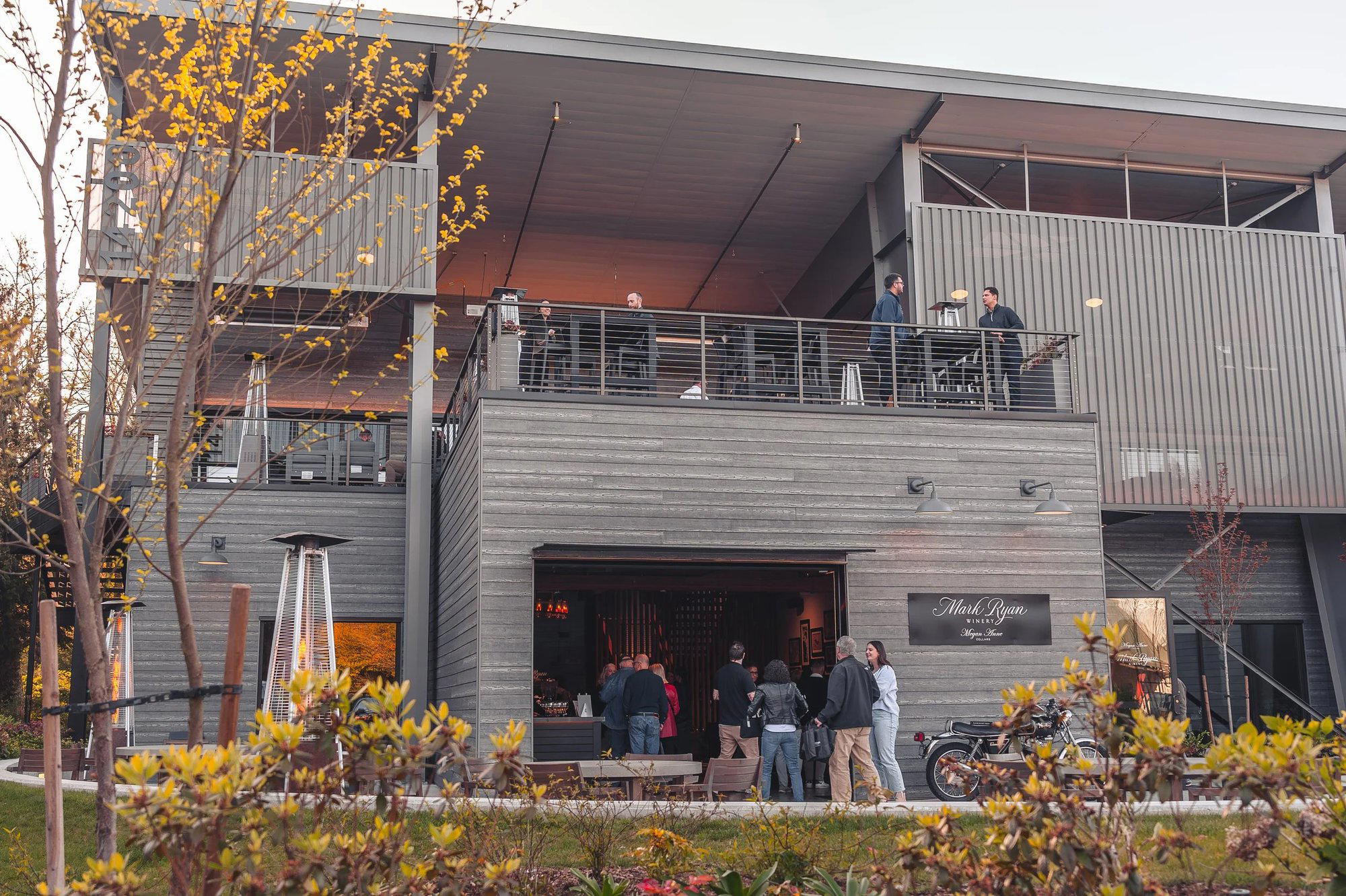
Intimate interior with clean-lined minimalist design, open kitchen, warm and inviting atmosphere well-suited for date nights.