A+ Hong Kong Kitchen
A+ Hong Kong Kitchen serves authentic Hong Kong cha chaan teng cooking in Seattle, with Beef Chow Fun, Rice Rolls, and Salted Fish and Chicken Fried Rice for lunch or dinner.
Pearl is the En Primeur Club membership app — saves, bookings, and concierge access live there. Same editors, same standards.
- Address
- 419 6th Ave S, Seattle, WA 98104
- Phone
- (206) 682-1267
- Website
- ahongkongkitchen.com
- Directions
- Get directions
 Saves & bookings on Pearl
Chinatown-International District and the Cantonese Kitchen Tradition in Seattle
Sixth Avenue South runs through Seattle's Chinatown-International District, a corridor where the city's longest-standing Asian dining culture sits in close proximity to newer development and a slowly shifting demographic mix. The neighborhood has long operated as a working food district, with Cantonese cooking forming a foundational layer beneath subsequent waves of Vietnamese, Japanese, and pan-Asian restaurants. A+ Hong Kong Kitchen, at 419 6th Ave S, occupies that Cantonese layer. It is a neighborhood restaurant serving food that traces its lineage to southern China rather than to any contemporary fusion movement.
Hong Kong-style Cantonese cooking carries specific distinctions from its mainland counterpart. The emphasis falls on clarity of flavor over complexity of sauce, on properly sourced proteins handled with restraint, and on techniques, particularly roasting, steaming, and precise wok work, that depend on heat management rather than heavy seasoning. In Hong Kong itself, these standards are enforced by intense competition and a dining public with generational familiarity. In Seattle, the comparable set is smaller, which means the restaurants that maintain genuine technique tend to hold their position in the neighborhood for years without needing to court attention outside it.
Ingredient Logic in Cantonese Cooking
The editorial angle on any serious Cantonese kitchen is ingredient sourcing, and not in the farm-to-table branding sense that American dining has applied to that phrase. In Cantonese tradition, the sourcing logic is older and more specific: the quality of roast duck depends on the breed and fat content of the bird; congee reveals the quality of the rice; steamed fish is an immediate test of freshness because nothing masks it. The cuisine was built around ingredient transparency at a time when that transparency was a practical necessity rather than a marketing claim.
This matters for understanding what separates a functional Cantonese restaurant from a serious one. Venues that treat sourcing as a secondary concern tend to compensate with richer sauces and higher sodium levels. Kitchens that start with better raw material can serve dishes at lower intensity and still land flavor. The distinction is most visible in roasted meats, the window preparations common to Hong Kong-style roast shops, and in seafood preparations where the protein arrives with minimal intervention. Seattle's position on the Pacific Rim gives any kitchen here access to domestic and imported seafood sources that many inland cities lack, a structural advantage that Cantonese-style cooking is particularly well positioned to use.
The International District's Position in Seattle's Restaurant Order
Seattle's dining conversation tends to organize around Capitol Hill, South Lake Union, and the waterfront, with Chinatown-International District operating somewhat separately from that circuit. Restaurants in this neighborhood rarely appear on the same shortlists as Canlis (New American) or Joule (New Asian), not because the cooking is at a different level of seriousness, but because the press coverage patterns and the dining tourism routes tend to follow different geography. That separation is a feature rather than a limitation for regulars who know the district.
The International District functions as a self-contained dining ecosystem. Lunch service often draws a different crowd than dinner; particularly consistent tables tend to be taken by people who live or work nearby rather than by destination diners. This is characteristic of Cantonese neighborhood restaurants broadly, where the repeat customer base is more valuable to the kitchen's rhythm than occasional high-spend visitors. For context, the same dynamic applies in other cities: the Cantonese restaurants that maintain particularly consistent standards in San Francisco's Richmond and Sunset districts, or in Los Angeles's San Gabriel Valley, are rarely the ones generating media attention in any given season.
Placing A+ Hong Kong Kitchen Against Its comparable set
Within Seattle's Cantonese and Hong Kong-style dining options, A+ Hong Kong Kitchen sits at the neighborhood-specialist end of the spectrum rather than the banquet-hall end. That positioning means smaller format, more focused menu, and cooking that depends on execution repetition rather than breadth. The comparison set is not restaurants like Le Bernardin in New York City, Alinea in Chicago, or The French Laundry in Napa, which operate in a formally structured fine-dining tier with tasting menus and reservation infrastructure. It is also distinct from destination-farm-anchored projects like Blue Hill at Stone Barns in Tarrytown or Single Thread Farm in Healdsburg, where the sourcing narrative is the primary story.
What A+ Hong Kong Kitchen shares with those kitchens, at least in principle, is the reliance on ingredient quality as the foundation rather than the garnish. Cantonese cooking in its serious form is among the more demanding of its raw material, which places any kitchen working in that tradition in implicit conversation with sourcing-focused restaurants across other cuisines. The difference is that Cantonese restaurants rarely announce that sourcing logic to the diner. It shows up in the food or it doesn't.
For comparison across other American cities' high-performing kitchens, Providence in Los Angeles, Lazy Bear in San Francisco, Addison in San Diego, and Emeril's in New Orleans represent the formally credentialed end of American regional dining. Korean-American fine dining in New York, exemplified by Atomix in New York City, shows what happens when Asian culinary traditions receive the same structural investment as European-derived formats. The gap between those credentialed venues and neighborhood Cantonese specialists like A+ Hong Kong Kitchen is less about cooking philosophy than about format, price tier, and the infrastructure of recognition. 8 1/2 Otto e Mezzo Bombana (Hong Kong) in Hong Kong illustrates how the fine-dining end of the Hong Kong dining circuit operates at the other extreme of that spectrum.
Planning a Visit
The International District is accessible by light rail (International District/Chinatown Station) and by surface parking along the avenue. The neighborhood is compact enough to walk between multiple restaurants in a single outing, which is how many regulars approach it, particularly for dim sum at lunch or roast meat plates at dinner. The restaurant is walk-in friendly and generally runs on first-come seating for smaller parties rather than advance reservation systems.
| Venue | Cuisine | Format | Booking | Neighborhood |
|---|---|---|---|---|
| The restaurant | Hong Kong-style Cantonese | Neighborhood specialist | Not confirmed | Chinatown-International District |
| Joule | New Asian | Contemporary tasting | Reservations recommended | South Lake Union |
| Canlis | New American | Fine dining, full service | Advance reservations required | Queen Anne |
Quick Comparison
Comparable venues nearby, for context on price, style, and recognition.
| Venue | Cuisine | Price | Notes |
|---|---|---|---|
| A+ Hong Kong KitchenThis venue — the venue you are viewing | Authentic Hong Kong Cha Chaan Teng | $$ | Not listed |
| Hue Ky Mi Gia | Vietnamese-Style Chinese Noodle House | $ | International District |
| Ping's Dumpling House | Authentic Qingdao-Style Chinese Dumplings | $ | Japantown |
| Roma Roma | Roman-Style Pizza al Taglio | $$ | Broadway |
| Wild Ginger McKenzie | Pan-Asian: China & Southeast Asia | $$ | South Lake Union |
| La Vita E Bella | Authentic Sicilian-Italian | $$ | Belltown |
Continue exploring
More in Seattle
Restaurants in Seattle
Browse all →
Bars in Seattle
Browse all →
Hotels in Seattle
Browse all →


At a Glance
- Cozy
- Casual Hangout
- Family
Current opening hours
- Monday
- 11 AM–9 PM
- Tuesday
- Closed
- Wednesday
- 11 AM–9 PM
- Thursday
- 11 AM–9 PM
- Friday
- 11 AM–9 PM
- Saturday
- 10 AM–9 PM
- Sunday
- 10 AM–9 PM
Hours can change for holidays and private events. Last verified .
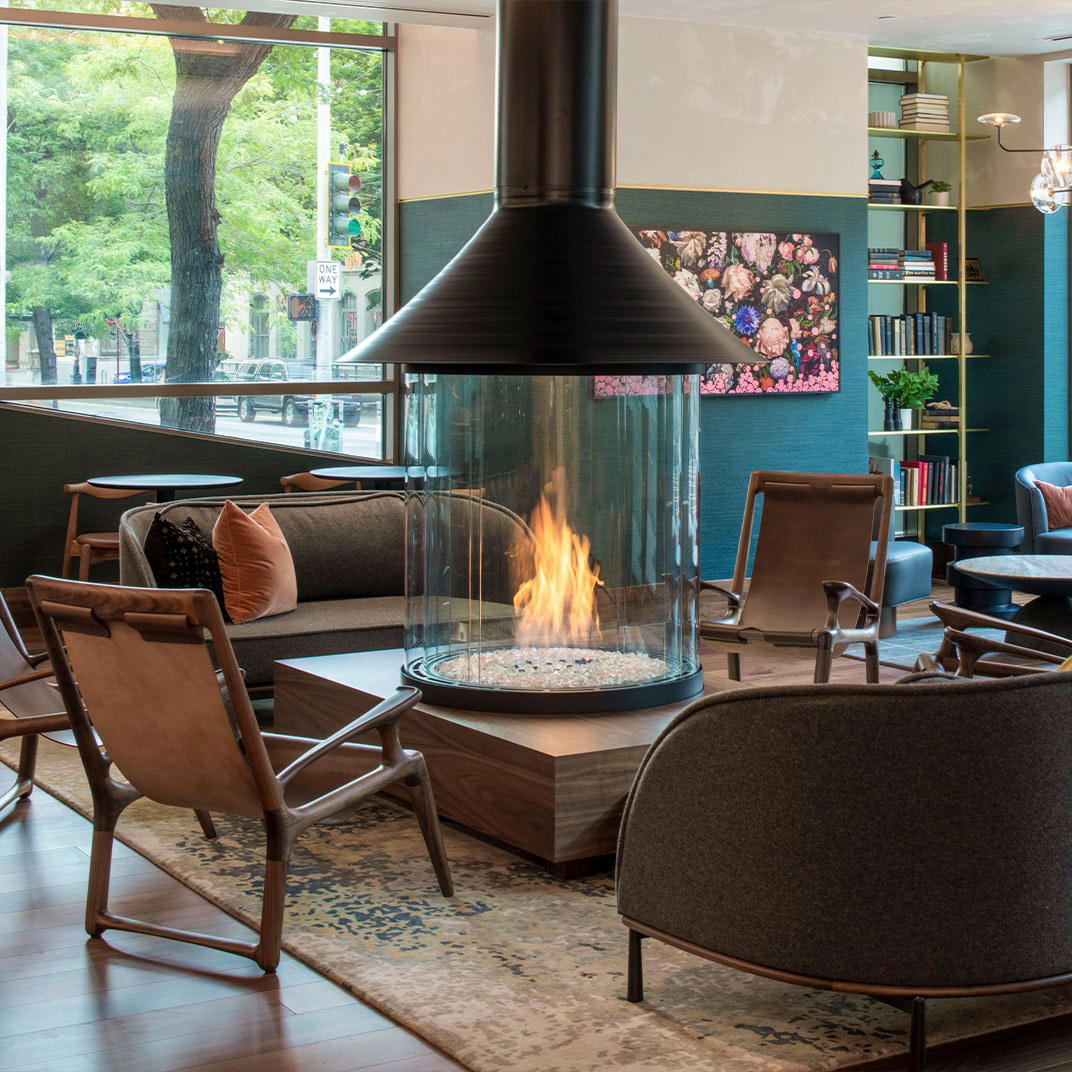
Warm and inviting casual atmosphere reminiscent of Hong Kong street eateries.