Hotel Sorrento

Michelin Selected
Hotel Sorrento has occupied its corner of First Hill since 1909, making it one of Seattle's oldest continuously operating hotels. The Italianate brick building sits a short distance from Capitol Hill and the central business district, offering a quieter residential-adjacent alternative to the waterfront and downtown corridor properties. Its longevity and independent character place it in a different tier than the city's newer hotel openings.

Pearl is the En Primeur Club membership app, where members save venues, book tables and use the concierge.
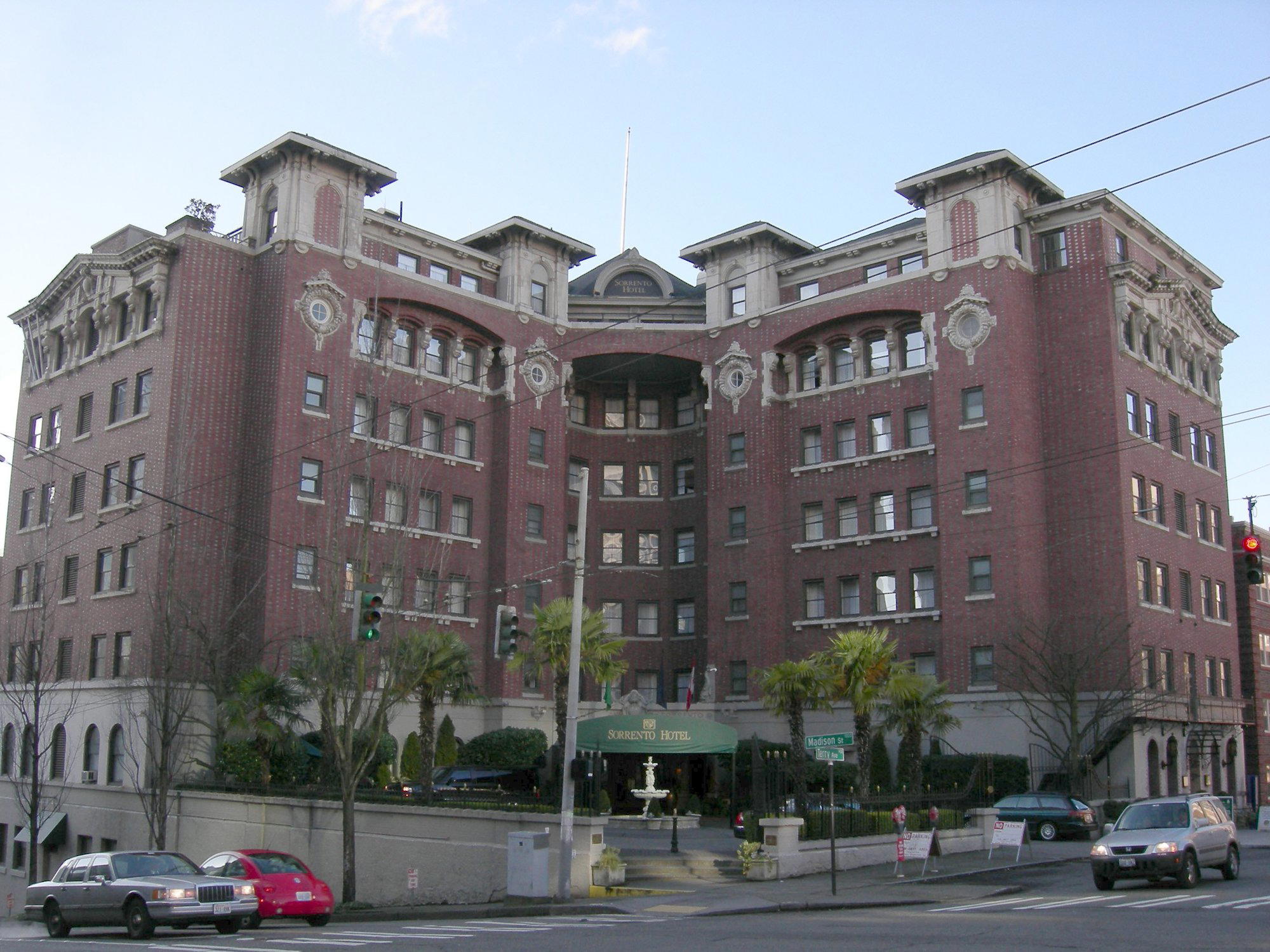
First Hill's Oldest Address
Seattle's hotel market has stratified sharply over the past decade, splitting between large-footprint downtown and waterfront properties, places like the Four Seasons Hotel Seattle and Lotte Hotel Seattle, and a smaller tier of historically rooted independents that draw guests who prioritize provenance over scale. Hotel Sorrento belongs firmly to the latter category. The building has stood at 900 Madison Street since 1909, making it one of the oldest continuously operating hotels in the Pacific Northwest. That longevity is not incidental to the experience; it is the experience.
The Italianate brick exterior announces its era without apology. Modeled loosely on the architectural traditions of its namesake city on the Italian coast, the building's design was ambitious for a city that was still remaking itself after the Great Seattle Fire of 1889. When Hotel Sorrento opened, the surrounding First Hill neighborhood was Seattle's most fashionable residential district, home to the city's merchant class and civic leaders. That social geography has shifted considerably in the century-plus since, but the hotel's physical presence on the hill remains a fixed point in a city that has otherwise rebuilt itself several times over.
What First Hill Offers the Informed Traveler
First Hill sits between Capitol Hill to the east and the central business district to the west, occupying a position that is geographically convenient without being commercially pressured. The neighborhood's character is shaped by its concentration of hospitals and medical institutions, which gives it a quieter, more residential texture than the blocks immediately surrounding Pike Place Market or the waterfront. For travelers whose itinerary centers on Capitol Hill's dining scene or the broader downtown corridor, First Hill functions as a reasonable midpoint, close enough to both without sitting inside either's noise envelope.
The location also places guests within reasonable reach of the city's broader hospitality ecosystem. The Hotel 1000, the Ace Hotel Seattle, and the Fairmont Olympic Hotel all operate within the broader downtown catchment, each serving a distinct guest type. The Sorrento's position in that competitive set is defined less by amenity arms races and more by the kind of guest who finds the age of a building to be a relevant credential. For context on the full range of Seattle's accommodation options, the EP Club Seattle guide maps the city's hotel and dining scene across neighborhoods.
The Building as the Argument
Historic independent hotels in American cities occupy an increasingly pressured niche. Brands like Aman, whose city properties, including Aman New York, have redefined what heritage-building conversion can command at the top of the market, have demonstrated that age, when properly deployed, can function as a luxury signal rather than a liability. At the other end of the spectrum, properties like Troutbeck in Amenia show how deep historical narrative, carefully maintained, can anchor a hospitality product for guests who want something more textured than a new-build hotel. Hotel Sorrento operates in that broader tradition: the building's 1909 origin date is not background information; it is the primary editorial claim.
The Italianate rotunda, the mahogany-paneled lobby, and the proportions of the public spaces reflect construction-era priorities around permanence and civic presence that modern builds rarely replicate. Buildings of this vintage were designed to outlast their original owners, and that ambition is legible in the material choices. For guests accustomed to newer properties, the kind of clean-lined, amenity-dense hotels represented by something like the Hotel Five Staypineapple or the Hotel Ballard, the Sorrento asks for a slight recalibration of expectations in exchange for a more textured physical environment.
That trade-off is well-established in the independent historic hotel category. Properties like Raffles Boston and The Fifth Avenue Hotel in New York City have shown that guests willing to engage with a building's history on its own terms tend to report a qualitatively different kind of stay than those optimizing purely for contemporary room specification. Hotel Sorrento sits in that conversation, though at a different price tier and market position than those flagship urban properties.
Seasonal Considerations
Seattle's travel rhythms are worth factoring into any First Hill booking. The city's high season runs from late June through September, when the Pacific Northwest's famously overcast weather lifts and the outdoor culture of the city becomes fully accessible. During this window, demand across all hotel categories increases, and independent properties without large inventory buffers tend to book more tightly than their larger downtown counterparts. Travelers arriving between October and March encounter lower occupancy across the city, a more concentrated version of Seattle's restaurant and cultural programming, and rates that typically compress across the market. The Sorrento's proximity to Capitol Hill's year-round dining activity makes it functional across seasons, but the summer months shift the surrounding neighborhood's energy considerably.
For travelers calibrating Seattle against other Northwest or West Coast destinations, it is worth noting that the city's hotel infrastructure has expanded significantly since 2015, with newer large-footprint properties absorbing much of the convention and corporate travel demand. That shift has, in relative terms, clarified the position of older independent properties: they now serve a more deliberately self-selected guest rather than functioning as default overflow inventory.
Planning Your Stay
Hotel Sorrento's address at 900 Madison Street places it on First Hill, accessible from both Interstate 5 and the broader downtown street grid. The Madison Street corridor connects the hotel to the central business district on foot, though the hill gradient is notable. Capitol Hill's primary dining and bar concentration along Pike and Pine Streets sits within comfortable reach to the northeast. Guests traveling from Seattle-Tacoma International Airport typically use ride-share services for the roughly 30-minute journey into the city, depending on traffic on I-5. The hotel's independent status means booking typically goes through its own channels rather than through a major loyalty program, which is worth factoring in for travelers who weight points accumulation heavily in their accommodation decisions.
For travelers building a broader Pacific Northwest or American West itinerary, the independent historic hotel model appears across the region in varied forms. Properties like Auberge du Soleil in Napa, Post Ranch Inn in Big Sur, and SingleThread Farm Inn in Healdsburg each represent a different expression of place-rooted hospitality, as do more remote options like Amangiri in Canyon Point and Sage Lodge in Pray. Hotel Sorrento's urban, historic character places it in a distinct sub-category within that broader range of American independent hotels, one defined by density, walkability, and a building that has been accumulating context since the year after the Alaska-Yukon-Pacific Exposition was first being planned for Seattle. The 11th Avenue Inn Bed and Breakfast represents the smaller end of Seattle's character-property spectrum for those seeking an even more residential-scale stay.
Same-City Peers
| Venue | Cuisine | Price | Awards |
|---|---|---|---|
| Hotel SorrentoThis venue (the venue you are viewing) | This venue | $100–200 | Michelin Selected |
| Four Seasons Hotel Seattle | Not listed | Not listed | Michelin Guide New Hotels New Hotel · Michelin Selected |
| Hotel 1000 | Not listed | $300–500 | 1 Michelin Key |
| Lotte Hotel Seattle | Not listed | Not listed | 1 Michelin Key · Virtuoso Luxury Hotel Partner |
| Thompson Seattle | Not listed | Not listed | Michelin Selected · Forbes Recommended |
| Tulalip Resort Casino | Not listed | $100–200 | Forbes Recommended |
Recognition history
Dated appearances from independent guides and award organizations, with the underlying list record or original source where available.
Michelin Selected
Michelin
Continue exploring
More in Seattle
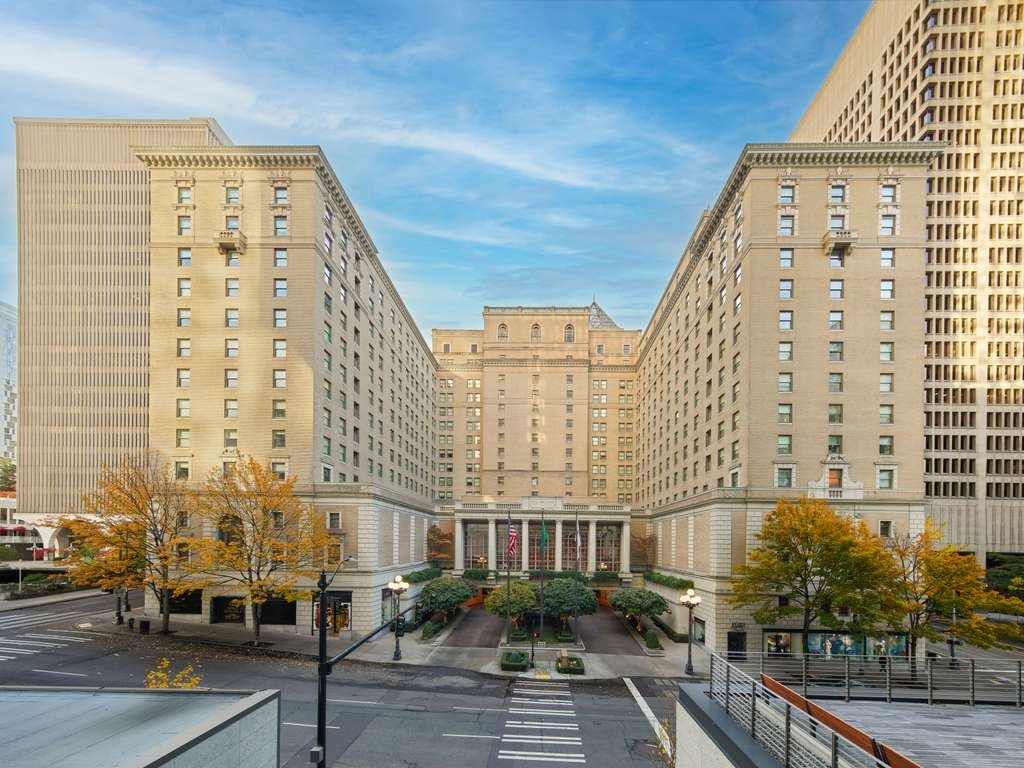
Hotels in Seattle
All hotels in Seattle →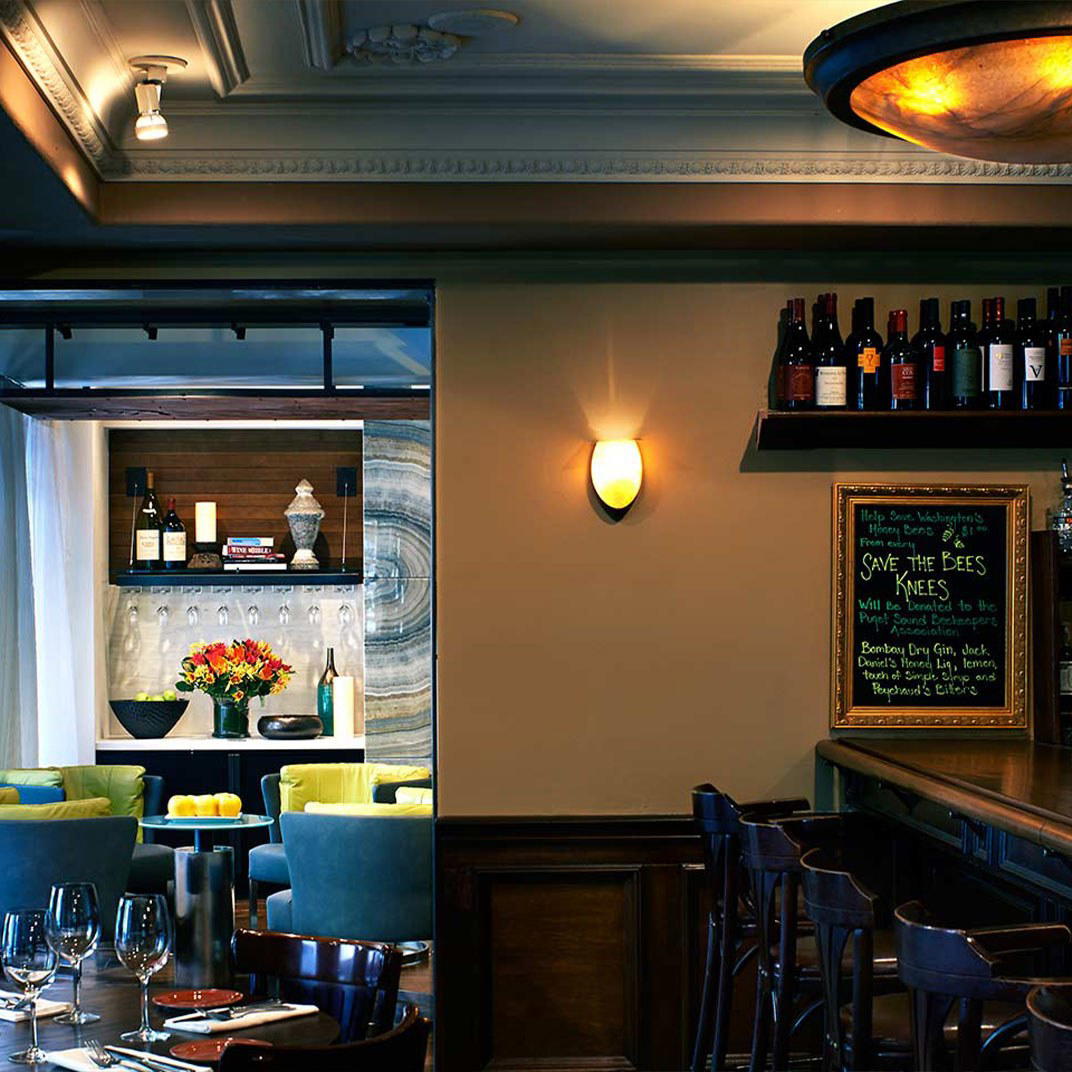
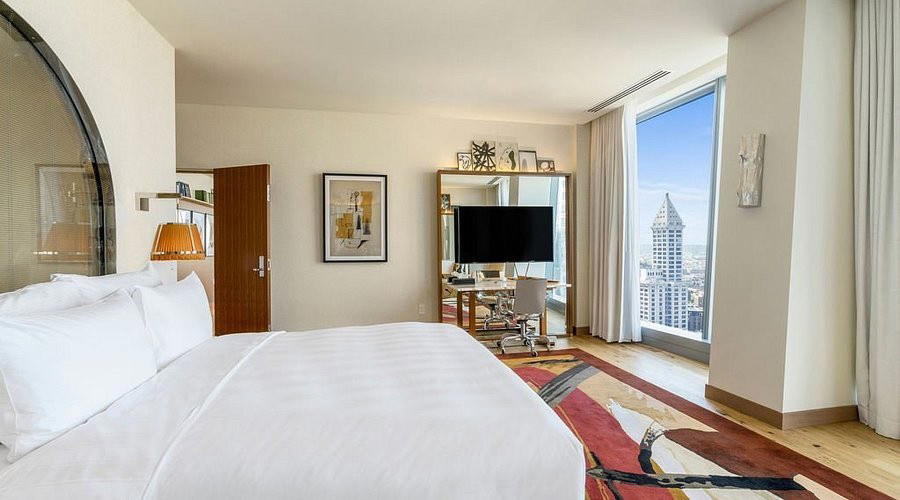
Bars in Seattle
All bars in Seattle →
Details
- Romantic
- Elegant
- Classic
- Cozy
- Sophisticated
- Romantic Getaway
- Anniversary
- Weekend Escape
- Historic Building
- Panoramic View
- Garden
- Wi Fi
- Fitness Center
- Concierge
- Business Center
- Valet Parking
- Skyline
- Waterfront
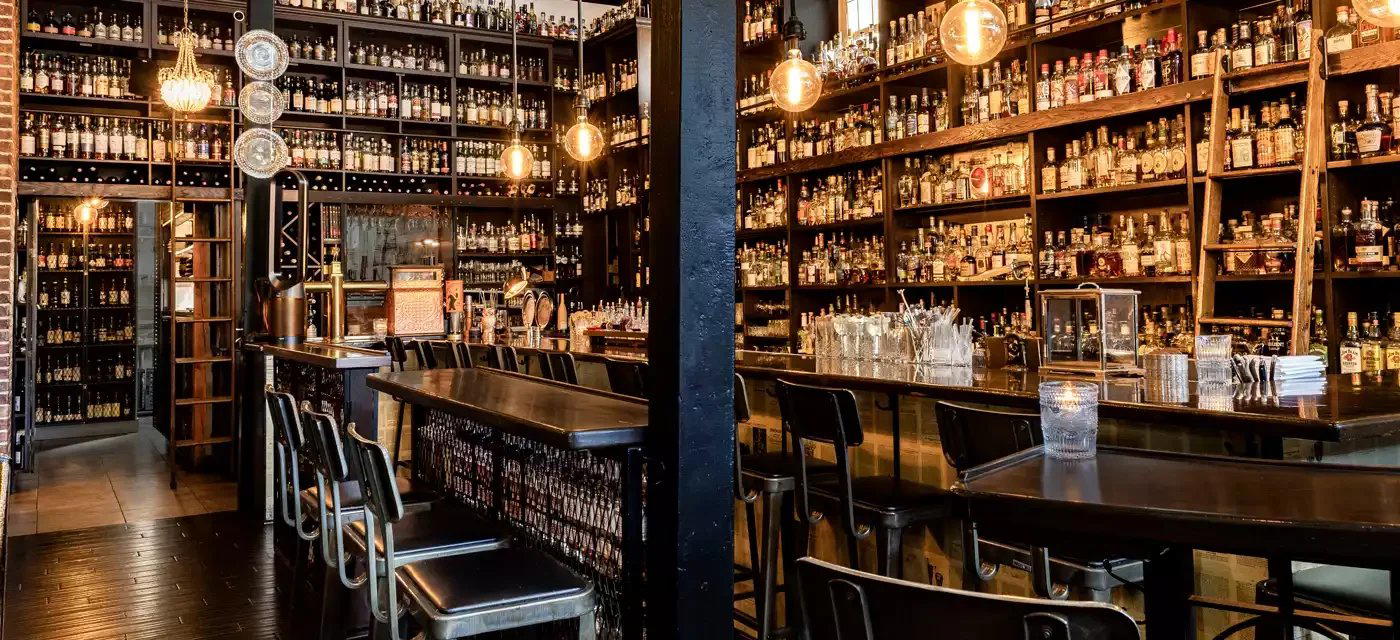
Intimate and elegant with vintage furnishings, marble baths, lobby fireplaces, and a cozy Fireside Room lounge.