El Sirenito
El Sirenito sits on Airport Way South in Seattle's Georgetown-adjacent industrial corridor, a part of the city where working-class lunch culture and Latin American street food traditions hold more sway than tasting menus. The address alone signals something about what to expect: a menu built around function and flavor rather than presentation theater.
Pearl is the En Primeur Club membership app — saves, bookings, and concierge access live there. Same editors, same standards.
- Address
- 5901 Airport Wy S, Seattle, WA 98108
- Phone
- +12067635657
- Website
- sirenitoseattle.com
- Directions
- Get directions
 Saves & bookings on Pearl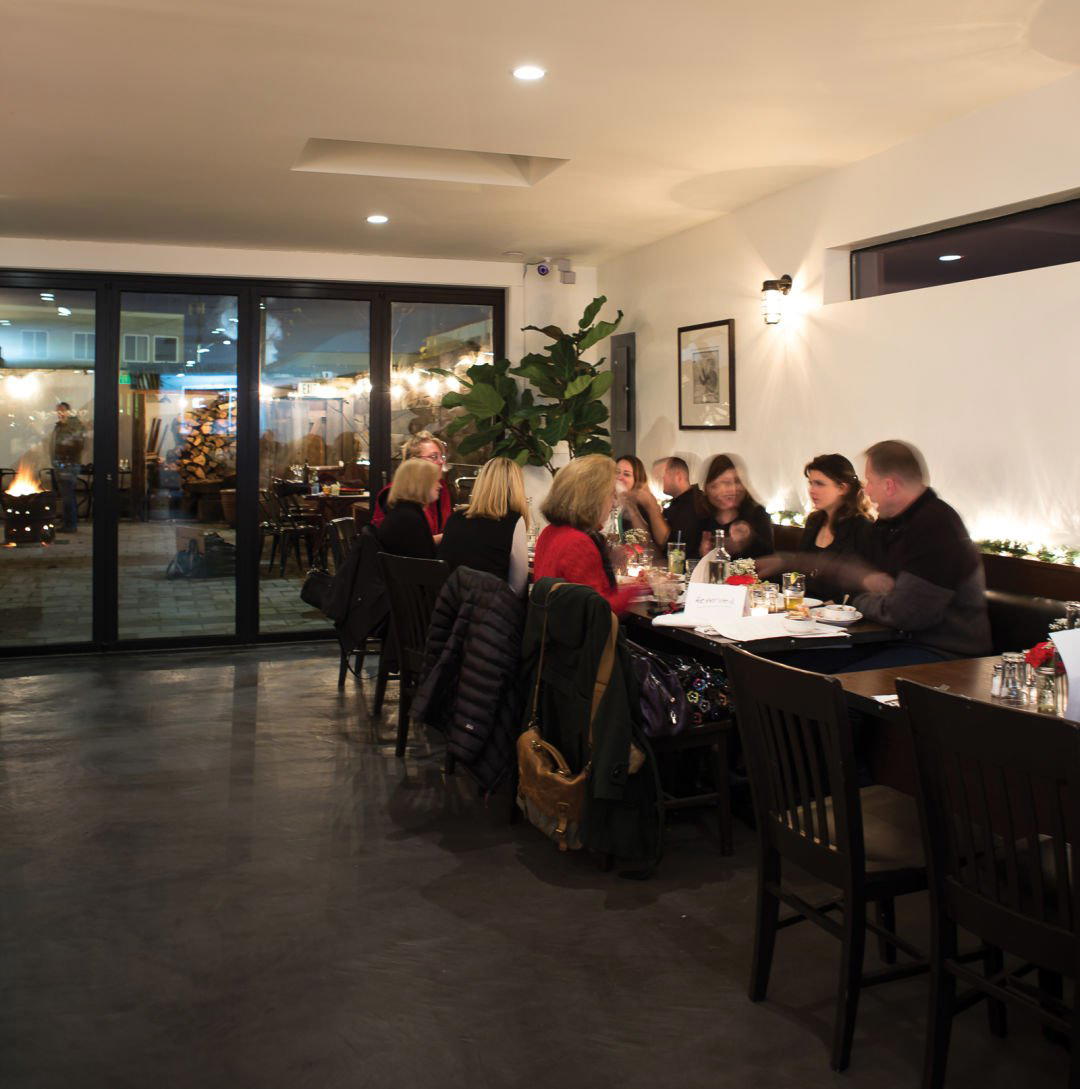
Airport Way South and the Vernacular Dining Corridor
Seattle's dining conversation centers heavily on Capitol Hill, Ballard, and the downtown waterfront, which means the stretch of Airport Way South running through Georgetown and toward South Park operates largely outside the critical gaze that shapes reservation waitlists elsewhere in the city. That distance from the spotlight is not a liability. It creates a different kind of restaurant culture, one where the menu answers to a regular clientele with specific expectations rather than to the seasonal demands of food media cycles.
El Sirenito, at 5901 Airport Way South, belongs to this corridor. The address places it in a zone that has historically absorbed Seattle's meatpacking, light manufacturing, and transportation industries, and the restaurants that have thrived here tend to serve with directness: large portions, low ceremony, and a focus on the food itself rather than the frame around it.
Menu Architecture and What It Signals
The name El Sirenito translates loosely to "the little mermaid" or "the little siren," a diminutive that points toward Mexican coastal cooking traditions, specifically the seafood-forward registers of Pacific and Gulf coast Mexico. In that culinary tradition, menu architecture tends to be horizontal rather than hierarchical: a long list of tacos, tortas, mariscos preparations, and antojitos that the diner assembles into a meal rather than a fixed progression from starter to main. This is a fundamentally different structural logic from the tasting-menu format that dominates Seattle's high-end tier, where venues like Canlis or the New Asian counter at Joule move guests through a sequenced narrative. At El Sirenito, the sequencing is entirely the diner's to design.
Mexican mariscos menus in the United States generally divide into a few structural categories: aguachiles and ceviches as cold, acid-forward openers; coctel de camarones as a chilled composed dish; tostadas as a platform format that bridges cold and room-temperature preparations; and grilled or fried fish and shrimp options that read as mains. The presence of a siren in the name, combined with the working-corridor context, suggests a menu that leans into the taqueria-marisqueria hybrid format common in Mexican coastal cities and their diaspora communities in the American West. That format prioritizes freshness velocity over elaboration.
The mariscos taqueria model treats seafood as a vehicle for tradition and speed, and the two modes are genuinely incomparable in terms of what they ask of the kitchen and the diner.
Georgetown and South Park: The Culinary Context
The zip code 98108 covers a band of Seattle that is demographically and culinarily distinct from the neighborhoods that generate most travel editorial attention. South Park, which borders this zone to the south, has one of Seattle's highest concentrations of Latino residents, and the restaurant infrastructure that serves that community operates at a different register than the dining economy of Ballard or Capitol Hill. Mexican and Central American restaurants in this corridor serve as neighborhood anchors in a way that a destination restaurant on Capitol Hill, drawing from across the metro, does not.
This matters for how to read the restaurant's position. The relevant comparison set is not Lazy Bear in San Francisco or Smyth in Chicago or Blue Hill at Stone Barns in Tarrytown, all of which operate within the high-investment tasting-menu economy. The relevant comparison is the broader ecosystem of Pacific Northwest Mexican seafood, a category with deep roots in the farm and fishing communities of the Yakima Valley and Puget Sound basin, and in Seattle's connections to the Mexican west coast fishing industry.
Planning Your Visit
The restaurant is recommended for reservations and keeps these hours: Mon: Closed; Tue: 4-10 PM; Wed: 4-10 PM; Thu: 4-10 PM; Fri: 4-11 PM; Sat: 4-11 PM; Sun: Closed. The Airport Way South address is accessible by car with direct parking typical of the industrial corridor. The restaurant's corridor rewards a deliberate trip rather than a spontaneous post-work stop.
| Venue | Neighborhood | Format | Booking Method | Price Tier |
|---|---|---|---|---|
| The restaurant | Georgetown/Airport Way S | Mariscos / Taqueria | Confirm directly | Not confirmed |
| Canlis | Queen Anne | New American, fine dining | Reservation required | High |
| Joule | Wallingford | New Asian | Reservation recommended | Mid-high |
| 2963 4th Ave S | SoDo / South Seattle | South Seattle corridor | Confirm directly | Not confirmed |
The Quick Read
Comparable venues nearby, for context on price, style, and recognition.
| Venue | Cuisine | Price | Notes |
|---|---|---|---|
| El SirenitoThis venue — the venue you are viewing | Mid-Beacon Hill, Coastal Mexican Seafood | $$ | Not listed |
| The Yard Cafe | Not listed | $$ | Greenwood, Latin-inspired Mexican Comfort Food |
| Fonda La Catrina | Not listed | $$ | Mid-Beacon Hill, Mexico City-Style Mexican |
| Taqueria Taco Gol | SoDo, Authentic Mexican Street Tacos | $ | Not listed |
| Pablo y Pablo | Wallingford, Modern Mexican Fusion | $$ | Not listed |
| Bimbos Cantina | Broadway, Mexican Cantina | $$ | Not listed |
Continue exploring
More in Seattle
Restaurants in Seattle
Browse all →
Bars in Seattle
Browse all →
Hotels in Seattle
Browse all →

At a Glance
- Lively
- Trendy
- Cozy
- Date Night
- Casual Hangout
- Group Dining
- Open Kitchen
- Terrace
- Craft Cocktails
Current opening hours
- Monday
- Closed
- Tuesday
- 4–10 PM
- Wednesday
- 4–10 PM
- Thursday
- 4–10 PM
- Friday
- 4–11 PM
- Saturday
- 4–11 PM
- Sunday
- Closed
Hours can change for holidays and private events. Last verified .
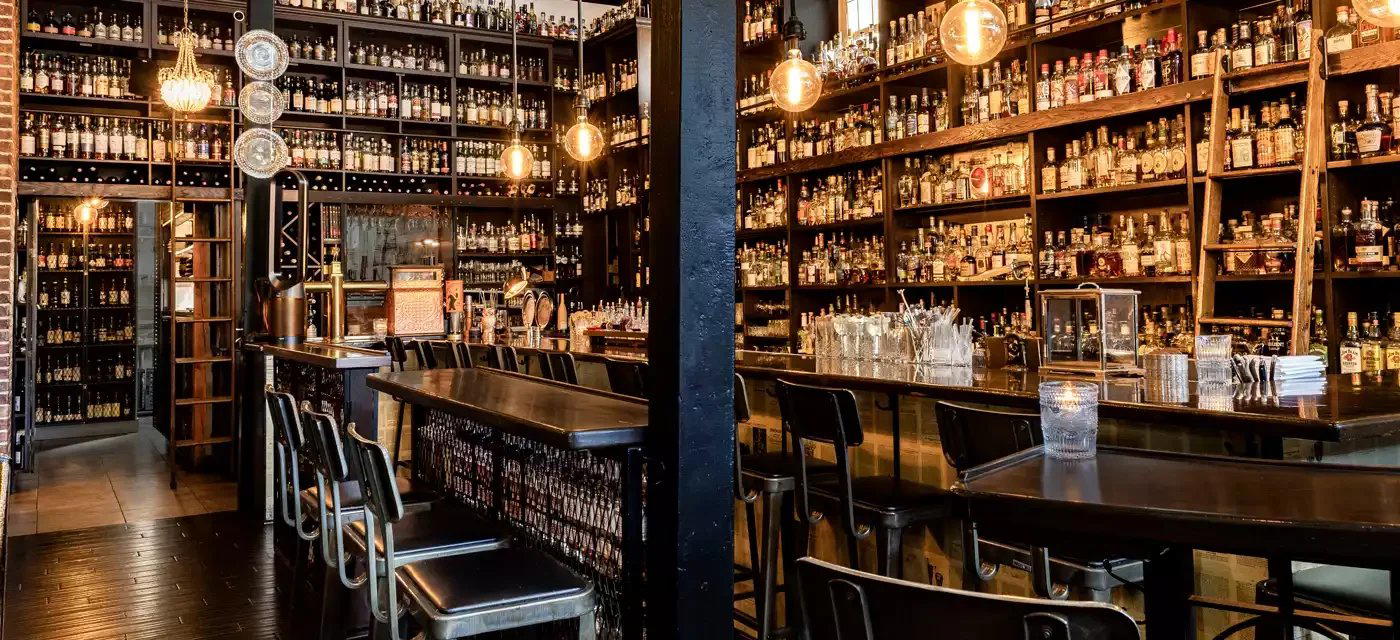
Lively atmosphere in vintage wood-and-steel surroundings with twinkly lights on the back patio, offering a calm yet lively mezcaleria vibe.