Maneki

Seattle's oldest Japanese restaurant, operating on 6th Avenue South in the International District since 1904, Maneki occupies a category of its own: a neighborhood dining room that has outlasted trends by staying resolutely itself. Ranked by Opinionated About Dining in 2024 and 2025, it draws, and serves dinner Tuesday through Sunday under the direction of chef Jean Nakayama.
Pearl is the En Primeur Club membership app — saves, bookings, and concierge access live there. Same editors, same standards.
- Address
- 304 6th Ave S, Seattle, WA 98104
- Phone
- (503) 662-2814
- Website
- manekiseattle.com
- Directions
- Get directions
 Saves & bookings on Pearl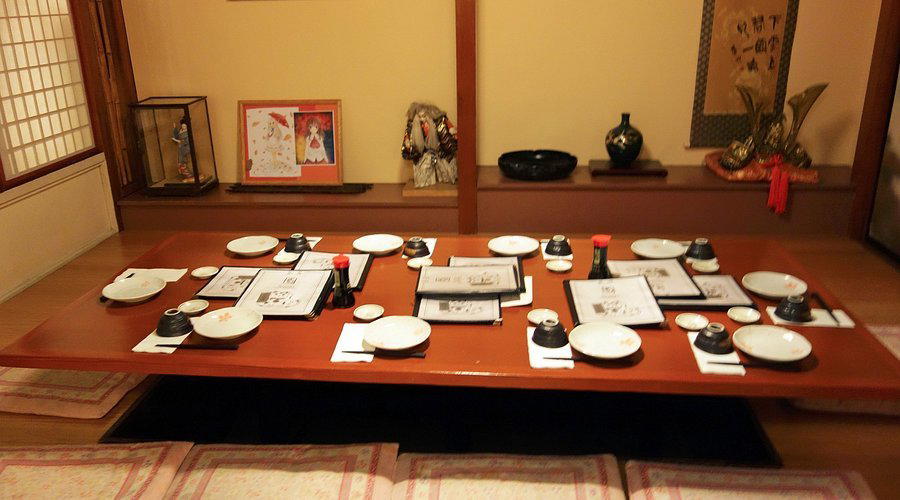
The Oldest Room in Seattle's Japanese Food Story
Walk south through the International District on a weekday evening and the shift is immediate: the retail noise of downtown drops away, and the block around 6th Avenue South settles into something quieter, more residential in feel despite the commercial addresses. Maneki sits at 304 6th Ave S, and its exterior gives little away. That restraint is itself a statement. In a city where restaurants now routinely open with design budgets that exceed their first year of food costs, a dining room that does not announce itself belongs to a different tradition entirely, one where the room earns its reputation over decades, not press cycles.
Maneki has been operating since 1904, making it the oldest Japanese restaurant in Seattle by a margin that no competitor comes close to matching. That timeline predates the city's tech-era transformation and virtually every institutional framework that modern restaurants are built around. What has kept it open across twelve decades is not reinvention. It is consistency of purpose.
Where Local Tradition Meets Trained Technique
The broader Seattle dining scene has spent the last two decades developing a fluency in exactly the kind of cuisine that restaurants like Joule and Archipelago represent: kitchens that work across cultural boundaries, using Pacific Northwest ingredients as a base and drawing technique from Japanese, Korean, Filipino, and broader Asian traditions. That model is now a recognized genre in American dining, with equivalents at Lazy Bear in San Francisco and in the tasting-menu tier exemplified by The French Laundry in Napa and Single Thread Farm in Healdsburg. Maneki predates the genre. What is now framed as a sophisticated editorial angle, the intersection of imported methods and indigenous products, was simply the practical reality for Japanese immigrant communities in the Pacific Northwest at the turn of the twentieth century. The kitchen worked with what the region offered: Puget Sound seafood, local produce, the fish and shellfish that Pacific waters deliver in abundance. Japanese technique applied to Northwestern ingredients was not a concept. It was necessity made into habit, and habit made into tradition.
Under chef Jean Nakayama, that inheritance continues. The kitchen at Maneki operates within the izakaya and kaiseki-adjacent tradition of Japanese restaurant cooking, a format that Tokyo's own dining scene still prizes, as evidenced by the recognition earned by venues like Myojaku and Azabu Kadowaki in the Japanese capital. The format suits Seattle's geography: a city with among the more productive seafood-supply chains in North America, where the case for ingredient-led Japanese cooking is made by the raw material itself.
What the Recognition Signals
Opinionated About Dining, one of the more data-driven critical platforms covering North American restaurants, has tracked Maneki across multiple cycles: a Recommended listing in 2023, a rank of #401 in its Casual North America category in 2024, and an improvement to #377 in 2025. OAD's methodology aggregates responses from a self-selected pool of serious diners rather than a small panel of critics, which means sustained ranking movement reflects repeat visits and accumulated opinion rather than a single favorable review cycle. Climbing from a Recommended listing to a numbered rank, and then improving within that rank over two consecutive years, is a signal of deepening recognition rather than a moment of attention.
For context: the restaurants in Maneki's OAD comparable set are mostly kitchen-forward, ingredient-focused operations running without the press infrastructure that larger restaurant groups deploy. Compare that to the formal tasting-menu tier in Seattle, where operations like Canlis, Altura, and Atoma operate at a different price point and with different expectations. Maneki's position in the casual tier is not a ceiling. It is a category choice, and the awards data suggests it is executing at the upper end of that category.
The International District Context
The International District is one of the few Seattle neighborhoods where food history is physically present rather than just archived. The district's Japanese, Chinese, and Southeast Asian communities built food infrastructure over generations, and a significant part of what makes dining there feel different from other Seattle neighborhoods is that the restaurants are not performing identity, they are expressing it. Maneki is the anchor of the Japanese dining strand in that story. Newer arrivals in Seattle's Japanese food category tend to open in Capitol Hill, South Lake Union, or Belltown, where foot traffic and demographics favor a different business model. The International District requires and rewards a different relationship between restaurant and neighborhood.
Dinner service runs Tuesday through Saturday and on Sunday, from 5 to 9 pm each evening, with Monday dark. The Tuesday opening means the restaurant is accessible across the working week without the full weekend premium on availability. For visitors to Seattle, the International District is a short distance from the central downtown core, making Maneki a realistic dinner option that does not require significant travel time. Those building a broader Seattle itinerary will find the city's dining range covered in our full Seattle restaurants guide, with accommodation options in our Seattle hotels guide, bar recommendations in our Seattle bars guide, and further exploration options across wineries and experiences in the city.
In a Seattle dining scene that has produced technically sophisticated operations across every category, from the New American ambition of Canlis to the refined technique on display at Le Bernardin's level in New York or the innovation-focused work at Alinea in Chicago, Maneki represents something different in kind, not just in degree. The argument for it is not that it competes with the new guard. The argument is that it predates the framework those restaurants operate within, and that longevity of that order, maintained at a quality level that continues to draw critical recognition, is its own form of achievement.
Plan Your Visit
Maneki is located at 304 6th Ave S in Seattle's International District. The restaurant opens for dinner Tuesday through Sunday, 5 to 9 pm, and is closed on Mondays. Seasonal considerations apply: the Pacific Northwest's seafood calendar shifts through the year, and what the kitchen prioritizes in winter differs from the range available through summer and early autumn.
Same-City Peers
Comparable venues nearby, for context on price, style, and recognition.
| Venue | Cuisine | Price | Notes |
|---|---|---|---|
| ManekiThis venue — the venue you are viewing | Traditional Japanese | $$ | Not listed |
| Seattle's Best Teriyaki & Pho | Seattle-Style Teriyaki & Pho | $$ | SoDo |
| Wasabi Sushi & Izakaya | Japanese Sushi & Izakaya | $$ | Belltown |
| Miyabi 45th | Handmade Soba Noodles | $$ | Wallingford |
| Sushi Kashiba | Traditional Japanese Omakase | $$$$ | Seattle Waterfront |
| Moshi Moshi Sushi | Japanese Sushi & Izakaya | $$ | Adams |
Recognition history
Dated appearances from independent guides and award organizations, with the underlying list record or original source where available.
Opinionated About Dining Casual in North America Recommended
Opinionated About Dining
Opinionated About Dining Casual in North America Ranked #377
Opinionated About Dining
Opinionated About Dining Casual in North America Ranked #401
Opinionated About Dining
Opinionated About Dining Casual in North America Recommended
Opinionated About Dining
Continue exploring
More in Seattle
Restaurants in Seattle
Browse all →
Bars in Seattle
Browse all →
Hotels in Seattle
Browse all →
At a Glance
- Classic
- Cozy
- Well Known
- Intimate
- Family
- Group Dining
- Casual Hangout
- Private Dining
- Historic Building
- Sake Program
Current opening hours
- Monday
- Closed
- Tuesday
- 5–9 PM
- Wednesday
- 5–9 PM
- Thursday
- 5–9 PM
- Friday
- 5–9 PM
- Saturday
- 5–9 PM
- Sunday
- 5–9 PM
Hours can change for holidays and private events. Last verified .
Casual, historic setting with lively main dining room and quiet, intimate tatami rooms.