Delille Cellars
One of Woodinville's founding producers, Delille Cellars has shaped the region's Bordeaux-leaning identity since its first vintage in 1994. The tasting experience draws serious collectors and wine enthusiasts who want direct access to bottles that seldom reach retail shelves.

Pearl is the En Primeur Club membership app — saves, bookings, and concierge access live there. Same editors, same standards.
- Address
- 14300 NE 145th St Suite 101, Woodinville, WA 98072
- Phone
- (425) 489-0544
- Website
- delillecellars.com
- Directions
- Get directions
Woodinville's Bordeaux Tradition and Where Delille Sits Within It
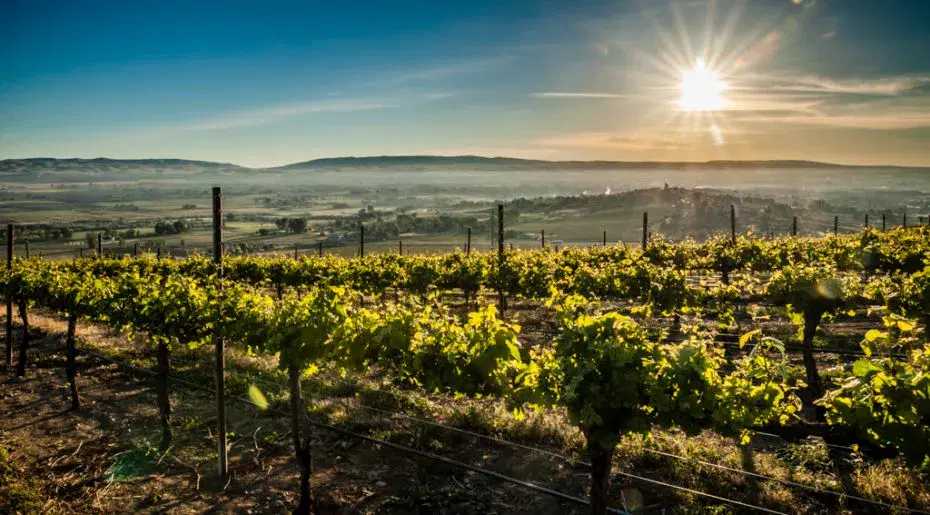
Washington State's wine reputation rests on a geological argument. The Columbia Valley's volcanic soils, dramatic diurnal temperature swings, and long summer days create growing conditions that push Bordeaux varieties toward concentration without sacrificing acidity. Woodinville, a suburb northeast of Seattle, became the tasting room hub for producers sourcing from those eastern vineyards, and the district now hosts more than 130 wineries within a few square miles. Within that crowd, a smaller cohort of producers has spent decades building a case for Washington as a serious rival to Napa's Cabernet-focused hierarchy. Delille Cellars, founded in 1994, belongs to that founding generation and has remained one of the clearest expressions of what the state's leading fruit can do in Bordeaux blends.
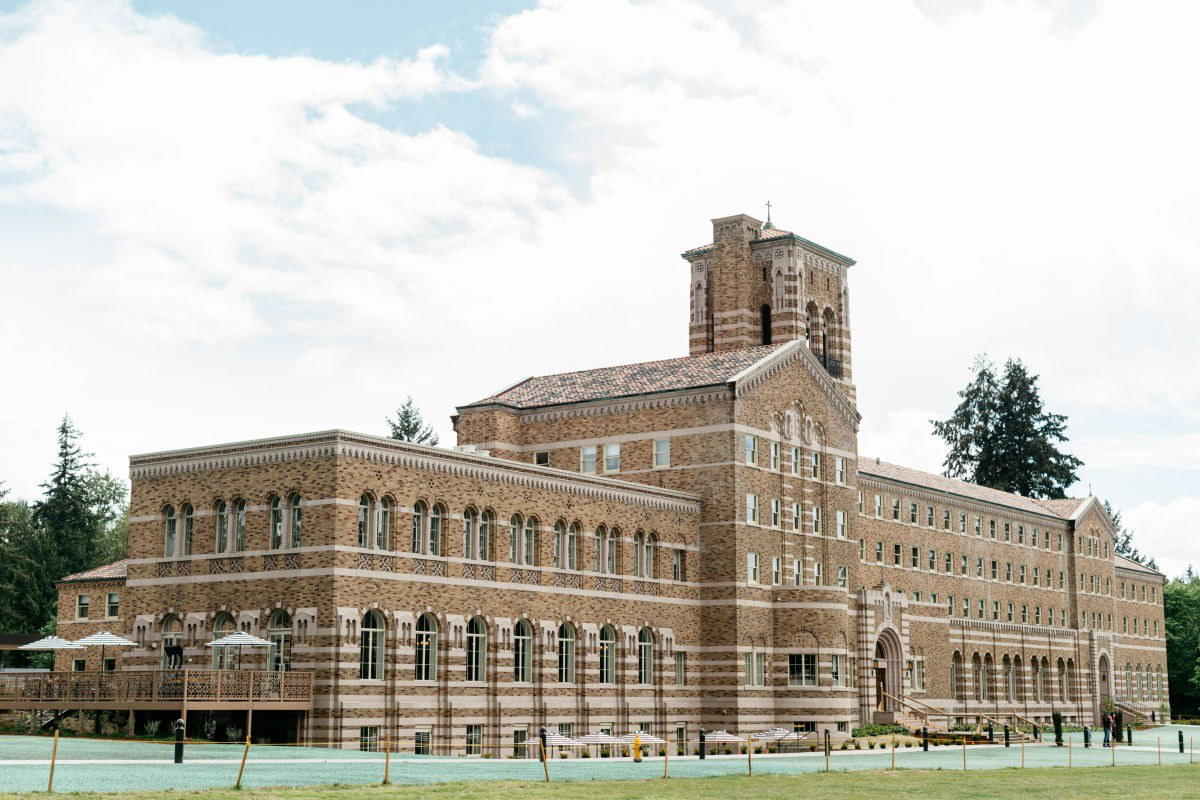
The address on NE 145th Street sits in the industrial-warehouse corridor that defines much of Woodinville's tasting room geography. The aesthetic of the district rewards adjustment: what looks unpromising from the road frequently opens into thoughtfully designed tasting spaces, and Delille is no exception. Arriving here, you're stepping into a format that Washington wine culture has refined over three decades, where production facilities and hospitality share the same footprint and the wine itself carries the conversation.
Terroir as the Central Argument
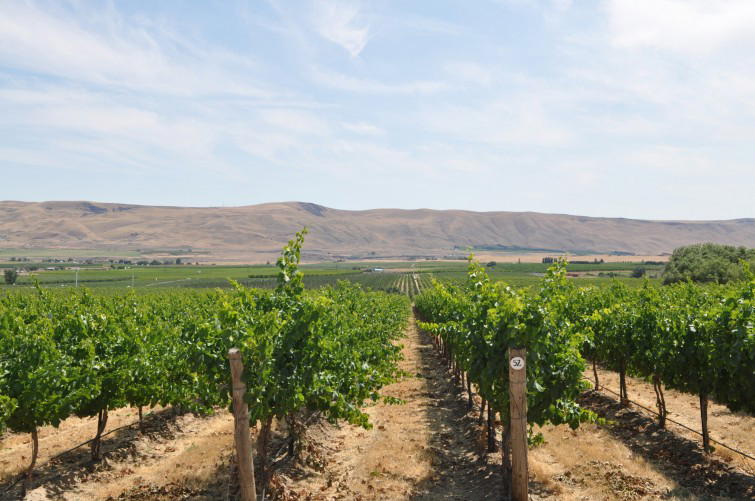
The editorial case for Washington Bordeaux blends begins in the vineyards, most of which sit on the eastern side of the Cascades in the Columbia Valley and its sub-AVAs: Red Mountain, Walla Walla, Yakima Valley, and Horse Heaven Hills. Each brings a distinct soil profile and microclimate to the fruit. Red Mountain's alkaline cobblestone soils produce small-berried, tannic Cabernet Sauvignon. Horse Heaven Hills, swept by Columbia River winds, yields fruit with firmer structure and slower ripening. Blending across these sites is not a hedge against specificity; it is a deliberate compositional strategy that Washington's leading producers have used to build complexity that single-vineyard Napa bottlings approach differently.
Delille Cellars has worked this multi-vineyard model since its first vintage in 1994, which places it among the state's earliest practitioners of the approach. The winery's longevity in a market that has seen considerable turnover is itself a data point: maintaining relationships with premium Columbia Valley vineyards over thirty-plus years requires consistent quality signals that growers respond to.
For a Washington Bordeaux-focused producer, landing in this bracket means being measured against peers who are competing for the attention of collectors who also consider Accendo Cellars in St. Helena, Alpha Omega in Rutherford, and other West Coast houses working in the same varietal territory.
That competitive context matters for understanding what Delille is doing in the market. Washington Cabernet and Bordeaux blends have historically traded at a discount to comparable Napa bottlings despite delivering comparable or superior critical scores in blind tastings. Producers at Delille's level are partly in the business of closing that perception gap, which means the bottles need to perform in cellars and at tables alongside their California equivalents.
Woodinville's Producer Ecosystem
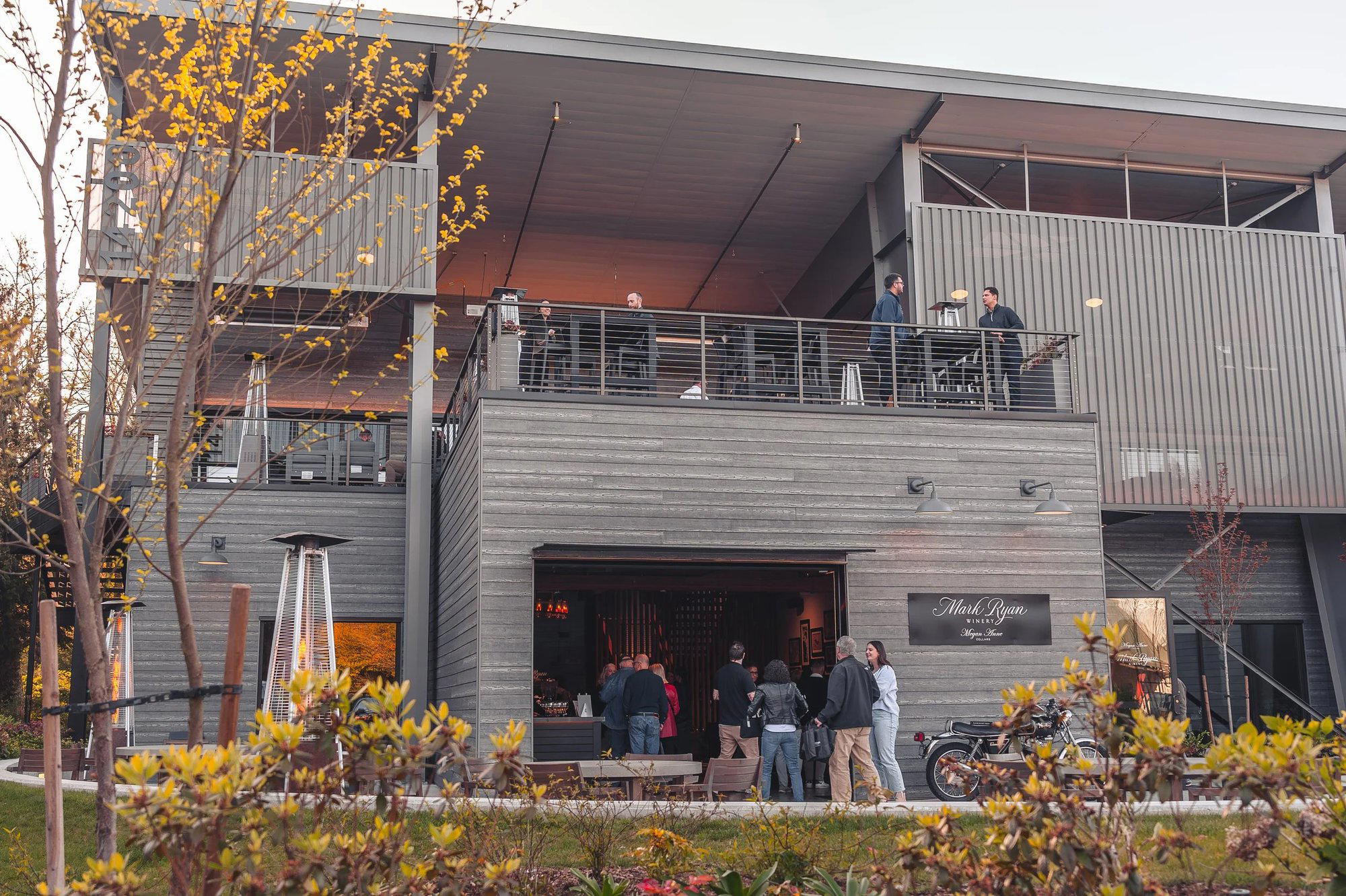
No serious account of Delille Cellars ignores its neighbours. Woodinville's tasting room district is dense enough that a single afternoon can cover several producers across different stylistic registers. Januik Winery (Novelty Hill) occupies the large-format, architecturally ambitious end of the district, with a production facility and tasting room built to handle volume without sacrificing quality. Mark Ryan Winery works a more rock-and-roll aesthetic with Washington Rhône and Bordeaux varieties. Sparkman Cellars brings a cult-leaning allocation model to the same postal code. Delille sits among these as the producer with the longest track record and one of the clearest commitments to classic Bordeaux structure.
For visitors building a Woodinville itinerary, the district's walkability within its tasting room clusters makes it practical to compare producers directly, which is unusual in American wine country where distances between wineries typically require driving. Our full Woodinville guide maps the district's producer geography and flags the tasting formats worth planning around.
Washington Bordeaux in National Context
Understanding Delille's position requires placing Washington Bordeaux against its peers nationally. The state has produced critical darlings in specific sub-AVAs for decades, but the broader market still defaults to Napa as the reference point for American Cabernet. Producers working in other West Coast contexts, from Adelaida Vineyards in Paso Robles to Alexander Valley Vineyards in Geyserville, are all making versions of this argument in their respective appellations: that terroir-specific California or Pacific Northwest fruit can rival Bordeaux-region benchmarks on its own terms.
Washington's version of this argument rests on the Columbia Valley's distinctive growing physics, and Delille has been making it in bottle form since 1994. The winery's longevity, combined with Gorski's current stewardship and a 2025 prestige rating, positions it as one of the more credible voices in that conversation. For comparison, Oregon's Pinot-focused argument is being made by producers like Adelsheim Vineyard in Newberg, which represents a different Pacific Northwest terroir thesis. California's Rhône-leaning producers, such as Alban Vineyards in Arroyo Grande and Andrew Murray Vineyards in Los Olivos, are operating in entirely different varietal territory. Within the Bordeaux-focused niche specifically, Delille's Washington positioning is relatively uncontested at the prestige tier.
California's Chardonnay and Pinot tradition, represented by houses like Au Bon Climat in Santa Barbara, or the Napa Chardonnay work at Artesa Vineyards in Napa, shows how varied the West Coast wine map has become. Delille operates in a focused lane within that map, and the focus has been consistent.
Planning a Visit
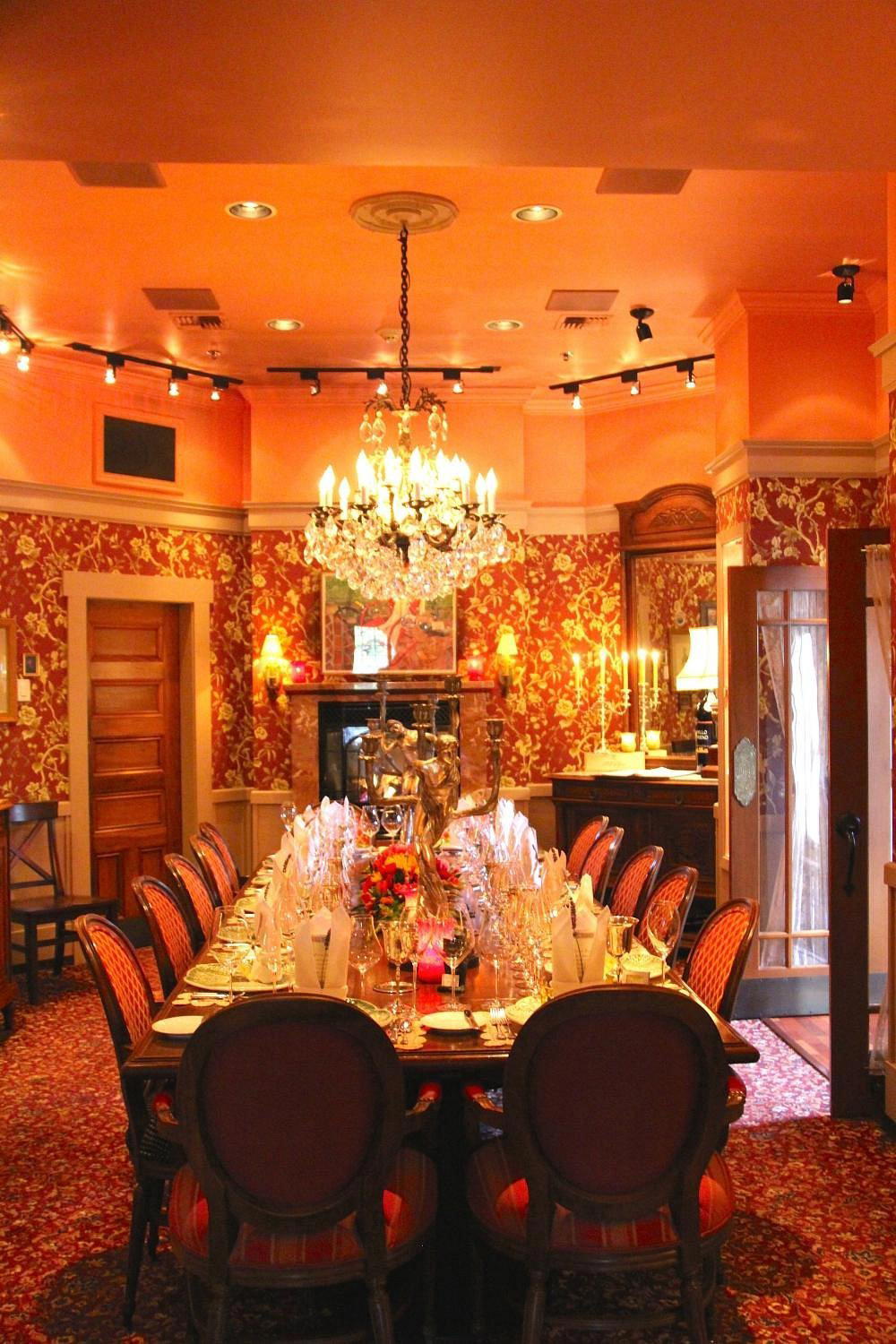
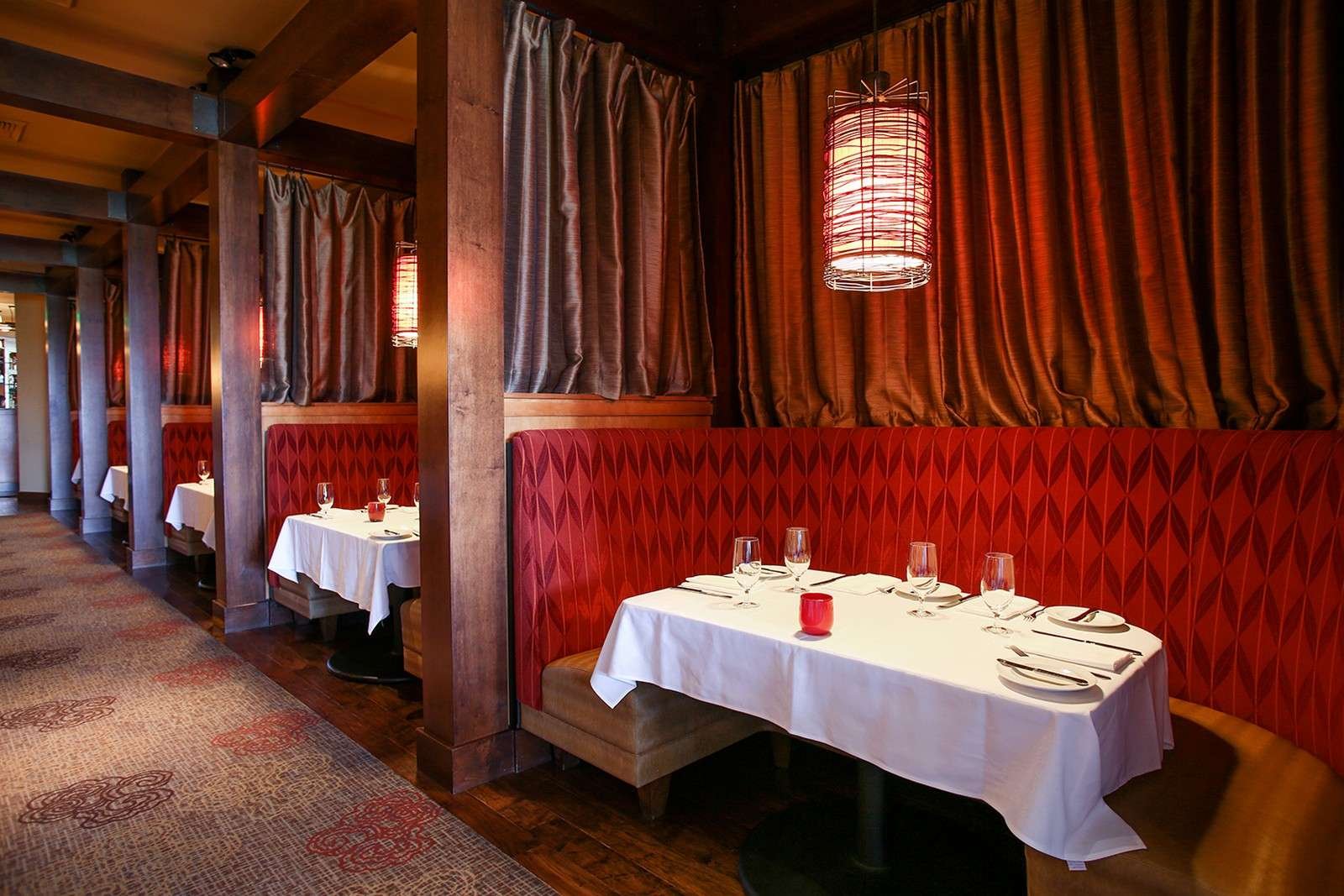
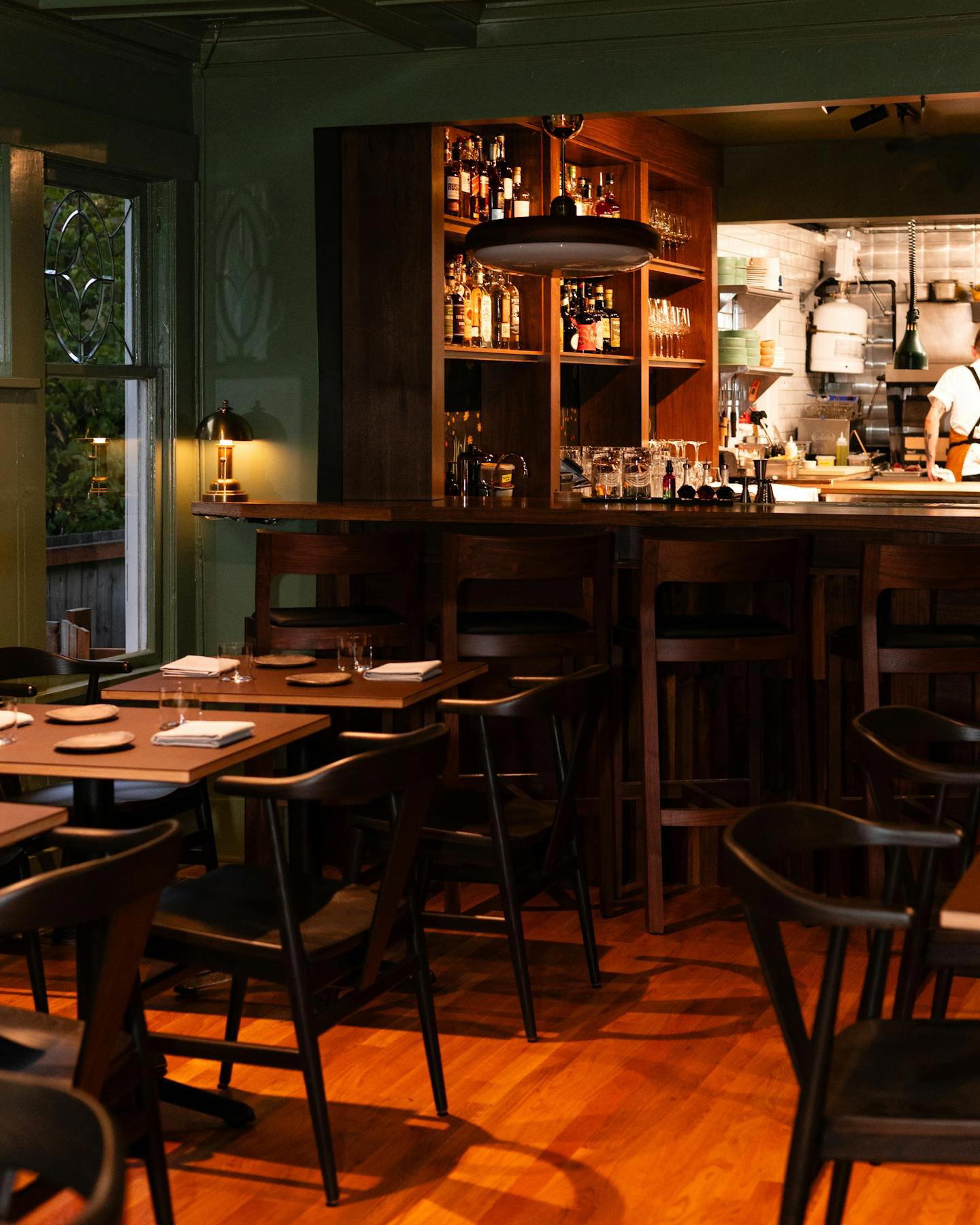
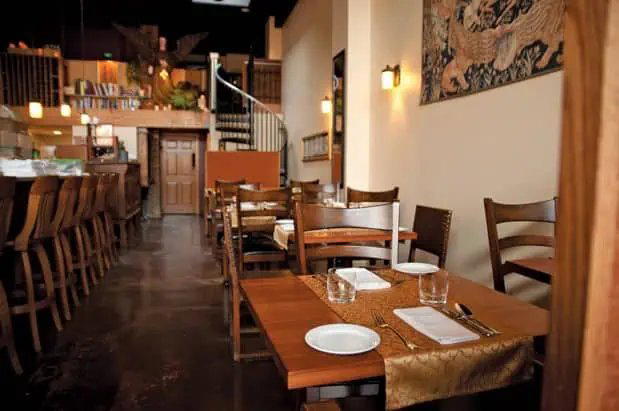
Delille Cellars' tasting room at 14300 NE 145th Street in Woodinville operates within the district's standard hospitality infrastructure. Given the winery's profile and the 2025 Prestige rating, booking ahead is advisable rather than relying on walk-in availability, particularly on weekends when Woodinville draws visitors from Seattle and beyond. The district sits roughly 30 minutes northeast of downtown Seattle, accessible by car, and the NE 145th Street corridor concentrates several producers within easy walking distance of one another. Allocation wines at this tier of Washington production frequently move through the winery's mailing list before reaching any retail channel, so direct engagement with the tasting room is the more reliable route to the bottles that matter most.
Comparable Spots, Quickly
Comparable venues nearby, for context on price, style, and recognition.
| Venue | Cuisine | Price | Awards | Notes |
|---|---|---|---|---|
| Delille CellarsThis venue — the venue you are viewing | Cabernet Sauvignon, Merlot | $20–30 | Not listed | Not listed |
| Januik Winery (Novelty Hill) | Chardonnay, Sauvignon Blanc | Not listed | Not listed | Woodinville |
| Sparkman Cellars | Riesling, Chardonnay | $30–50 | Not listed | Hollywood District |
| Mark Ryan Winery | Cabernet Sauvignon, Merlot | $10–20 | Not listed | Woodinville Tourist District |
| Westland | barley | $10–20 | Not listed | SODO |
| Horsepower Vineyards | Syrah, Grenache | Not listed | Falstaff Winery - Listed | Walla Walla Valley |
Continue exploring
More in Woodinville
Wineries in Woodinville
Browse all →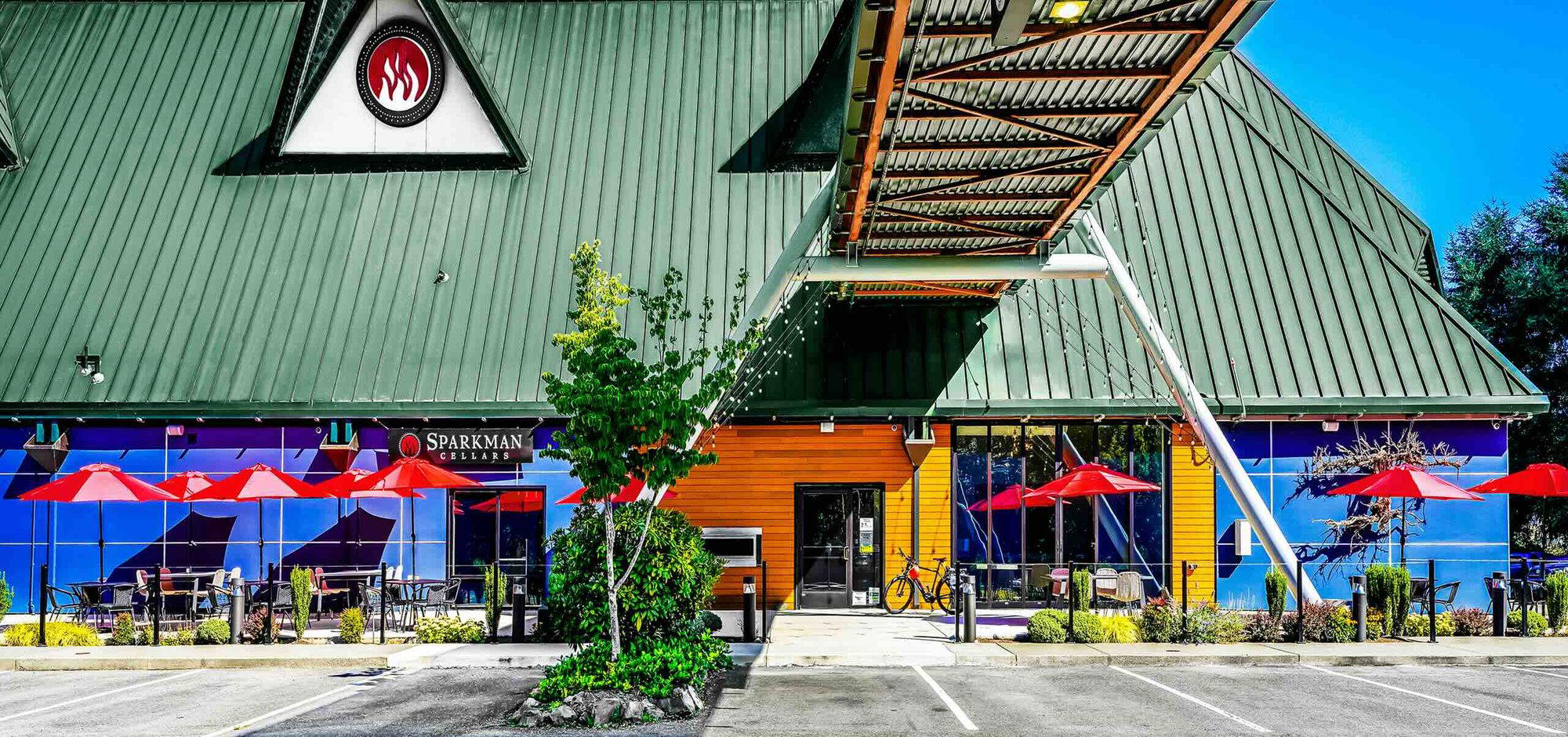
Bars in Woodinville
Browse all →
Restaurants in Woodinville
Browse all →
Details
- Elegant
- Sophisticated
- Rustic
- Wine Education
- Special Occasion
- Group Outing
- Estate Grounds
- Terrace
- Panoramic View
- Sustainable
- Mountain
- Cabernet Sauvignon
- Merlot
- Cabernet Franc
- Syrah
- Roussanne
- Still Red
- Still White
- Seated Tasting
- Winery Tour
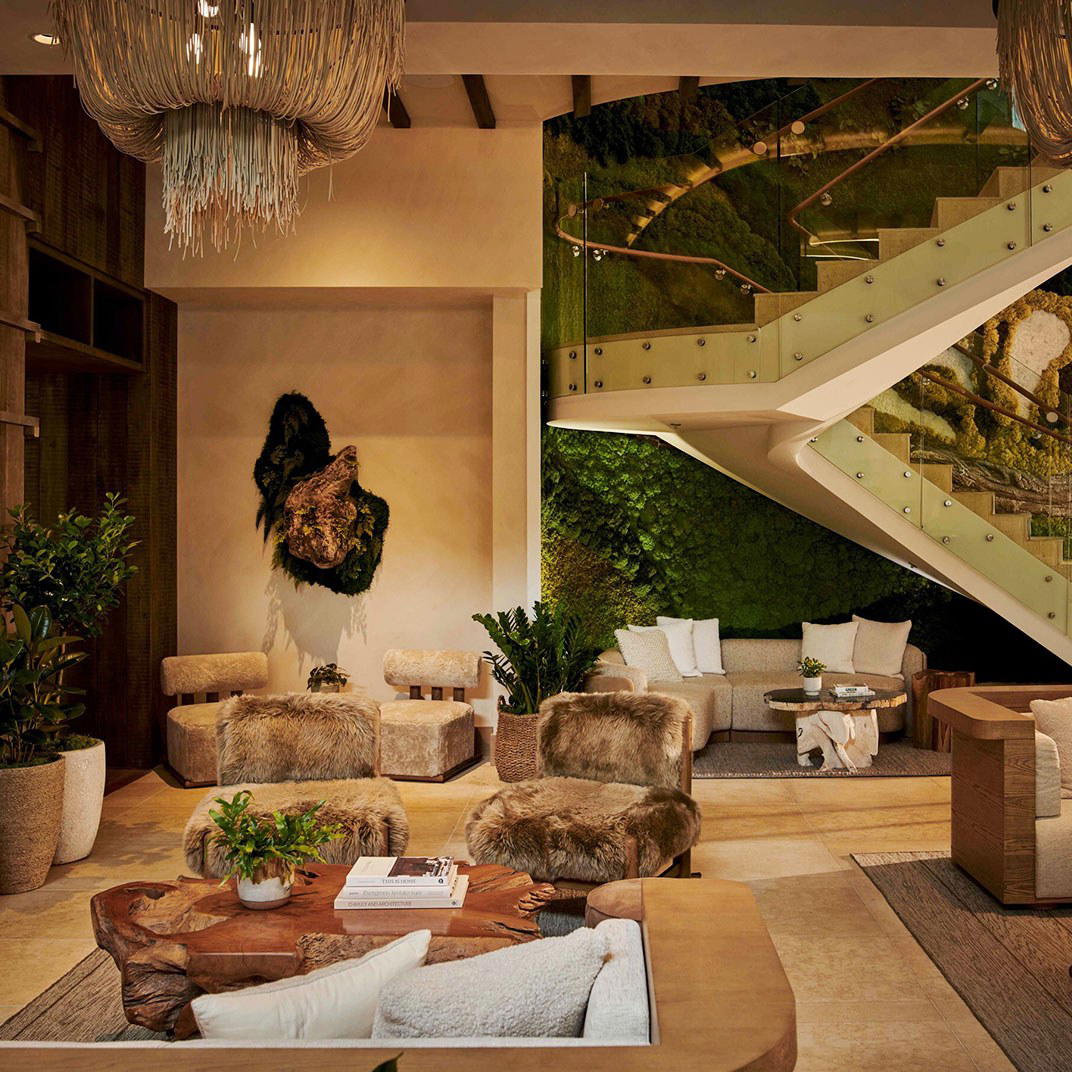
Bright lounge with vintage furniture, gold murals, and a casual class atmosphere enhanced by indoor-outdoor seating and Mount Rainier views from the rooftop.