Roti Cuisine of India
Our verdict
At 501 Fairview Ave N in South Lake Union, Roti Cuisine of India occupies a neighborhood where quick-service lunch options dominate and sit-down Indian cooking is scarce. The kitchen draws on a tradition that prizes whole spices, slow-cooked proteins, and regionally specific preparations, a counterpoint to the generic curry-house format that still defines much of Seattle's Indian dining. For anyone working or living in the area, it fills a genuine gap in the block.

Pearl is the En Primeur Club membership app, where members save venues, book tables and use the concierge.
The menu
What to order
- Coconut Salmon
- Chicken Tikka Masala
- Lamb Rogan Josh
South Lake Union and the Case for Regional Indian Cooking
South Lake Union has spent the last decade transforming from a light-industrial backwater into one of Seattle's densest office corridors. The dining options that followed skew heavily toward fast-casual formats, grain bowls, banh mi counters, and ramen shops built to serve a tech-campus lunch rush. Sit-down Indian cooking with any regional specificity is rare in this zip code, which makes the positioning of Roti Cuisine of India at 501 Fairview Ave N, Suite 121, less an accident of real estate than a calculated read on a neighborhood with genuine appetite and limited supply.
Indian cuisine in the United States is still frequently reduced to a short menu of North Indian staples, butter chicken, saag paneer, naan, that travel well across markets but obscure the actual breadth of the subcontinent's cooking traditions. The word "roti" in the restaurant's name signals something different: a staple flatbread present in dozens of regional variations, from the thin wheat rotis of the Punjab to the thicker, oil-layered parathas of Bengal and the coconut-inflected versions from Kerala. A name anchored in bread rather than in a single sauce signals that the kitchen's reference points may extend beyond the standard North Indian template.
What Sourcing Signals About Kitchen Ambition
The ingredient sourcing philosophy in serious Indian cooking is where the gap between a commodity curry house and a kitchen with genuine investment becomes most legible. Whole spices, cardamom, black pepper, dried chillies, fenugreek, behave differently depending on their age, origin, and how they are bloomed in fat before liquid is added. Restaurants that buy pre-blended masalas by the kilogram produce a consistent, flat heat. Kitchens that source whole spices and grind or toast them in-house produce dishes with layered aromatics that shift across a meal.
Seattle's broader food culture has become increasingly attuned to provenance. Across the city, restaurants from Canlis at the New American end to the ingredient-driven approach at Joule have built menus around named suppliers and traceable sourcing chains. That expectation, once confined to fine dining, has migrated downward through price tiers. Indian kitchens that take spice sourcing seriously, treating turmeric as a variable rather than a constant, adjusting heat levels by dried chilli variety rather than by volume of cayenne, fit naturally into this broader Seattle tendency toward food with a paper trail.
The same logic applies to proteins and dairy. Ghee quality is immediately perceptible in a dal or a biryani; industrial ghee produces a greasy flatness while cultured-butter ghee adds a rounded, slightly nutty depth. Yogurt-marinated meats, a foundation of tandoori cooking, respond to the culture and fat content of the marinade. These are not marginal details, they are the variables that separate a serviceable dish from a compelling one, and they sit upstream of the cooking itself, in the sourcing decisions made before service begins.
Indian Dining in Seattle: The Competitive Context
Seattle's Indian restaurant scene is thinner than its Asian dining depth overall would suggest. The city has strong Japanese representation, spots along NW Market St and the soba and Japanese traditions documented elsewhere in the city, and its seafood-forward New American tier is well-established. Indian cooking, by contrast, occupies a smaller share of the city's serious dining conversation, concentrated in pockets of the Eastside and in scattered Capitol Hill spots.
Within South Lake Union specifically, the absence of established Indian competition is notable. Diners who want a sit-down Indian meal at lunch or dinner currently face a commute to find it. That geographical gap is a meaningful practical advantage for a restaurant positioned at Fairview and Mercer, within walking distance of Amazon's campus and the broader South Lake Union tech cluster.
Nationally, Indian cooking has been gaining critical visibility at speed. Restaurants like Atomix in New York City have pushed the conversation about Asian fine dining into new territory, and Indian kitchens across the country have begun receiving the kind of awards attention that European fine dining took for granted for decades. The sourcing-led, regionally specific approach to Indian cooking that Roti Cuisine of India appears to represent is the format most likely to benefit from that shift in critical attention, it is the format that gives reviewers and diners something specific to discuss beyond "the curry was good."
For reference, the farm-to-table sourcing discipline that defines destination restaurants like Blue Hill at Stone Barns in Tarrytown or Single Thread Farm in Healdsburg has demonstrated that ingredient provenance, when communicated clearly, changes how diners read a menu. Indian cuisine's spice sourcing is the structural equivalent of those kitchens' produce sourcing: the thing that, when done with care, produces results that cannot be replicated by a kitchen buying from a broadline distributor. See our full Seattle restaurants guide for broader context on where Indian cooking fits in the city's dining map.
Where Roti Fits in Seattle's Broader Picture
Compared to the city's other notable addresses, 1415 1st Ave and 2963 4th Ave S among them, Roti operates in a different register: neighborhood-serving rather than destination-seeking, useful rather than occasion-driven. That is not a diminishment. A restaurant that solves a genuine access problem for a dense, food-literate neighborhood is filling a role that prestige dining cannot. The question for any such restaurant is whether it defaults to the path of least resistance (generic North Indian standbys, pre-made sauces, minimal sourcing investment) or whether it treats the captive audience as a reason to do the work properly.
How does Roti Cuisine of India compare to other Indian restaurants in the Seattle area?
South Lake Union has no direct Indian dining comparator within the immediate neighbourhood, which places Roti Cuisine of India in a category of its own for the local lunch market. Seattle's wider Indian restaurant concentration sits primarily on the Eastside, Bellevue and Redmond, and in scattered Capitol Hill locations, making the Fairview Ave address meaningfully more convenient for South Lake Union residents and workers. Whether the kitchen's cooking quality holds against the Eastside's more established Indian restaurants requires firsthand comparison, but on proximity alone it serves a real gap in the city's coverage.
Frequently asked questions
What's Roti Cuisine of India's location?
Roti Cuisine of India is located at 501 Fairview Ave N Suite 121, Seattle, WA 98109, Seattle.
Is Roti Cuisine of India a good option for a weekday lunch near Amazon and South Lake Union offices?
Roti Cuisine of India sits at 501 Fairview Ave N Suite 121, placing it within the South Lake Union office corridor that includes Amazon's campus and a dense concentration of tech and biotech employers. That positioning makes it a practical lunch option for the neighbourhood's weekday population. Given the area's lunch-hour demand, arriving outside the 12–1pm peak or calling ahead is worth considering.
What do people recommend at Roti Cuisine of India?
The restaurant's name foregrounds bread-based preparations, which in regional Indian cooking span a wide range from everyday wheat rotis to more elaborate stuffed or layered varieties. Checking directly with the restaurant at 501 Fairview Ave N is the most reliable way to get current menu specifics.
Do they take walk-ins at Roti Cuisine of India?
South Lake Union runs a compressed weekday lunch cycle driven by the neighbourhood's office density, and restaurants along the Fairview Ave corridor can fill quickly during peak hours. Contacting the restaurant directly before visiting is the safer approach, particularly for lunch.
What's the defining dish or idea at Roti Cuisine of India?
The name Roti Cuisine of India positions bread as a central organising idea, and in Indian cooking that is a meaningful category: roti encompasses dozens of regional preparations tied to distinct geographic and cultural traditions across the subcontinent. That framing suggests a kitchen interested in the everyday staples of Indian cuisine rather than a solely curry-forward menu. The full scope of the menu would need to be confirmed with the restaurant directly.
Can Roti Cuisine of India adjust for dietary needs?
Indian cooking has a structural advantage on this front: vegetarian dishes are central to the tradition rather than afterthoughts, appearing across most regional styles the cuisine draws from. Dairy-free and legume-based preparations are similarly common in Indian kitchens by default. For specific allergen or dietary accommodation questions, contacting Roti Cuisine of India at 501 Fairview Ave N directly will give you the most accurate current answer.
Compact Comparison
Comparable venues nearby, for context on price, style, and recognition.
| Venue | Cuisine | Price | Notes |
|---|---|---|---|
| Roti Cuisine of IndiaThis venue (the venue you are viewing) | Authentic Indian Cuisine | $20–30 | Not listed |
| India Bistro | Authentic North Indian | $20–30 | Adams, Authentic North Indian |
| Maiz Molino | Nixtamal Mexican Antojitos | $20–30 | Denny Triangle, Nixtamal Mexican Antojitos |
| Cotto Belltown | Modern Italian with Neapolitan Pizza | $30–50 | Belltown, Modern Italian with Neapolitan Pizza |
| Karaage Setsuna | Hawaiian-Japanese Fried Chicken | $20–30 | Belltown, Hawaiian-Japanese Fried Chicken |
| Ada's Technical Books and Cafe | Broadway, Vegetarian & Vegan Cafe | Not listed | Not listed |
Continue exploring
More in Seattle
Restaurants in Seattle
All restaurants in Seattle →
Bars in Seattle
All bars in Seattle →


Details
- Cozy
- Classic
- Group Dining
- Family
- Casual Hangout
- Open Kitchen
- A La Carte
- Vegetarian Friendly
- Vegan Options
Current opening hours
- Monday
- 11 AM–9:15 PM
- Tuesday
- 11 AM–9:15 PM
- Wednesday
- 11 AM–9:15 PM
- Thursday
- 11 AM–9:15 PM
- Friday
- 11 AM–9:15 PM
- Saturday
- 11 AM–9:15 PM
- Sunday
- 11 AM–9:15 PM
Hours can change for holidays and private events. Hours as of .
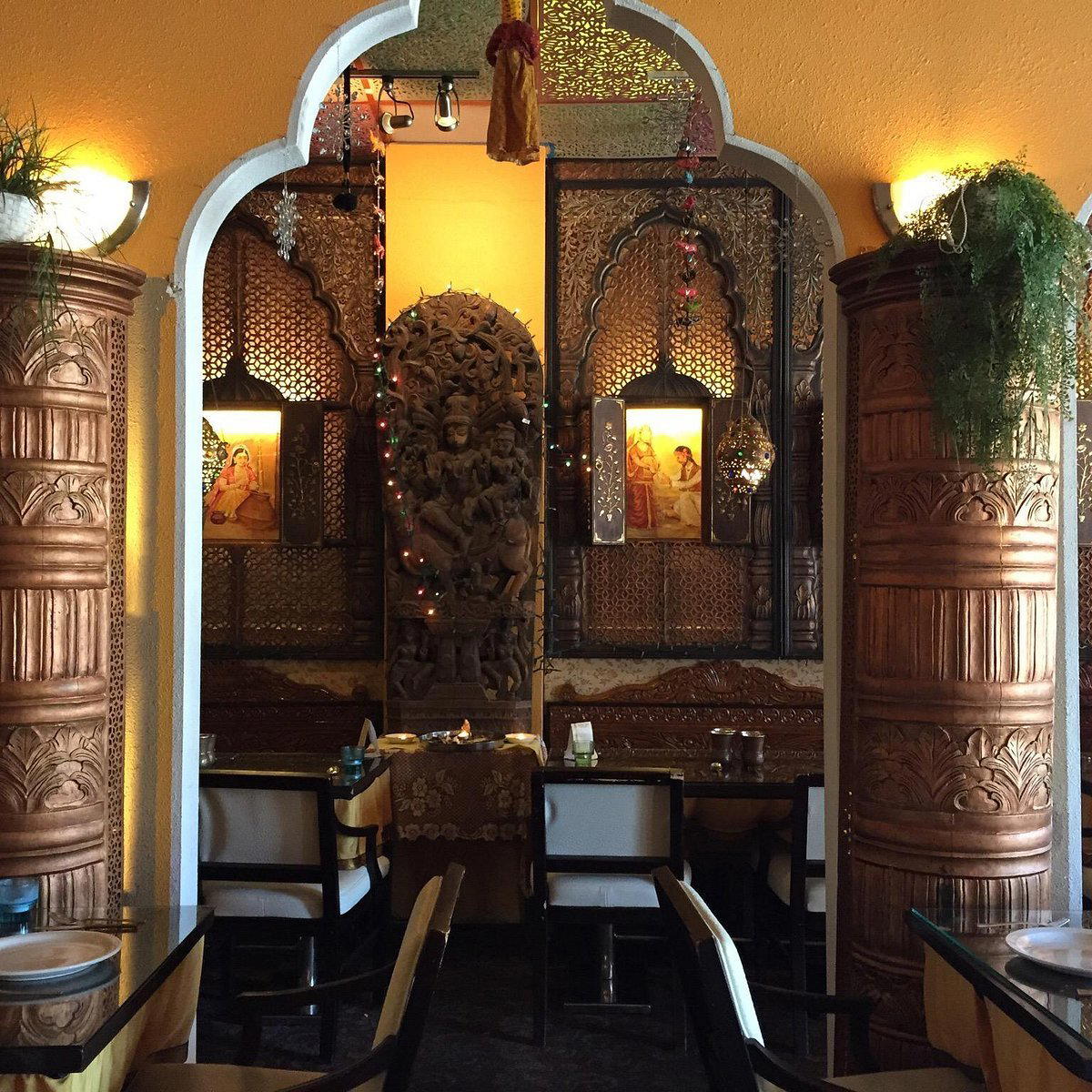
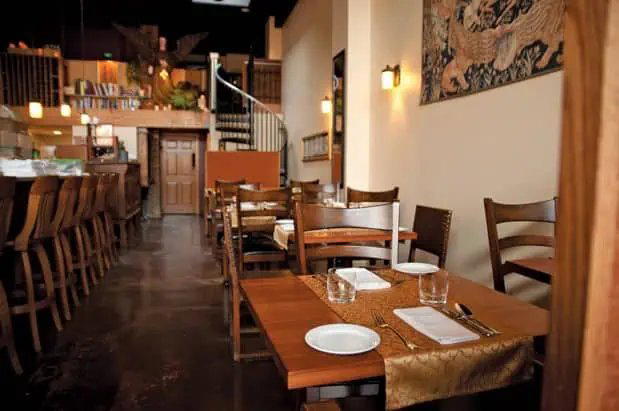
Lovely atmosphere with soft lighting, paintings, Indian decorations, and beautiful seating areas.