Westland
The distillery draws on Washington State's grain-growing heritage and the region's maritime climate to shape its American single malt whisky program, a category that has gained serious critical traction in recent years.
Pearl is the En Primeur Club membership app — saves, bookings, and concierge access live there. Same editors, same standards.
- Address
- 2931 1st Ave S, Seattle, WA 98134
- Phone
- +1 206-767-7250
- Website
- westlanddistillery.com
- Directions
- Get directions
 Saves & bookings on Pearl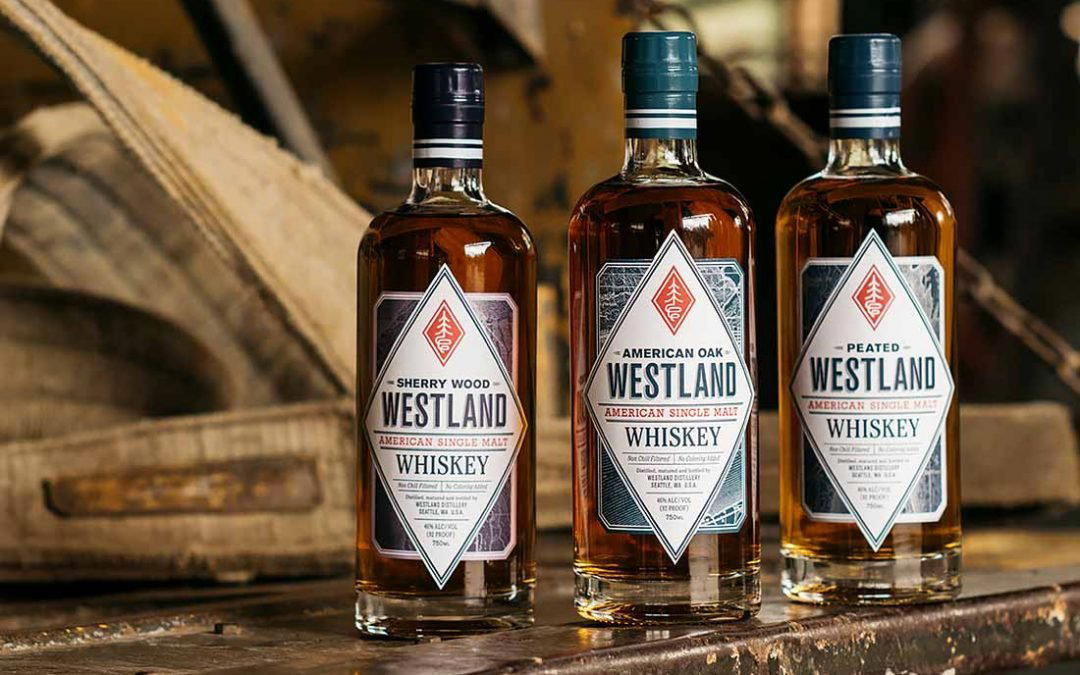
American Single Malt in the Pacific Northwest: Where Westland Sits
The American single malt category has spent the better part of a decade fighting for credibility against Scotch benchmarks, and Seattle has emerged as one of its most credible addresses. Washington State's position between the Cascade Range and the Pacific Ocean produces a climate that behaves unlike any Scottish region: wetter and cooler than the Willamette Valley to the south, but with access to a grain belt in the eastern part of the state that delivers barley with a character distinct from European equivalents. Westland, operating out of SoDo at 2931 1st Ave S, is the producer most associated with that argument.
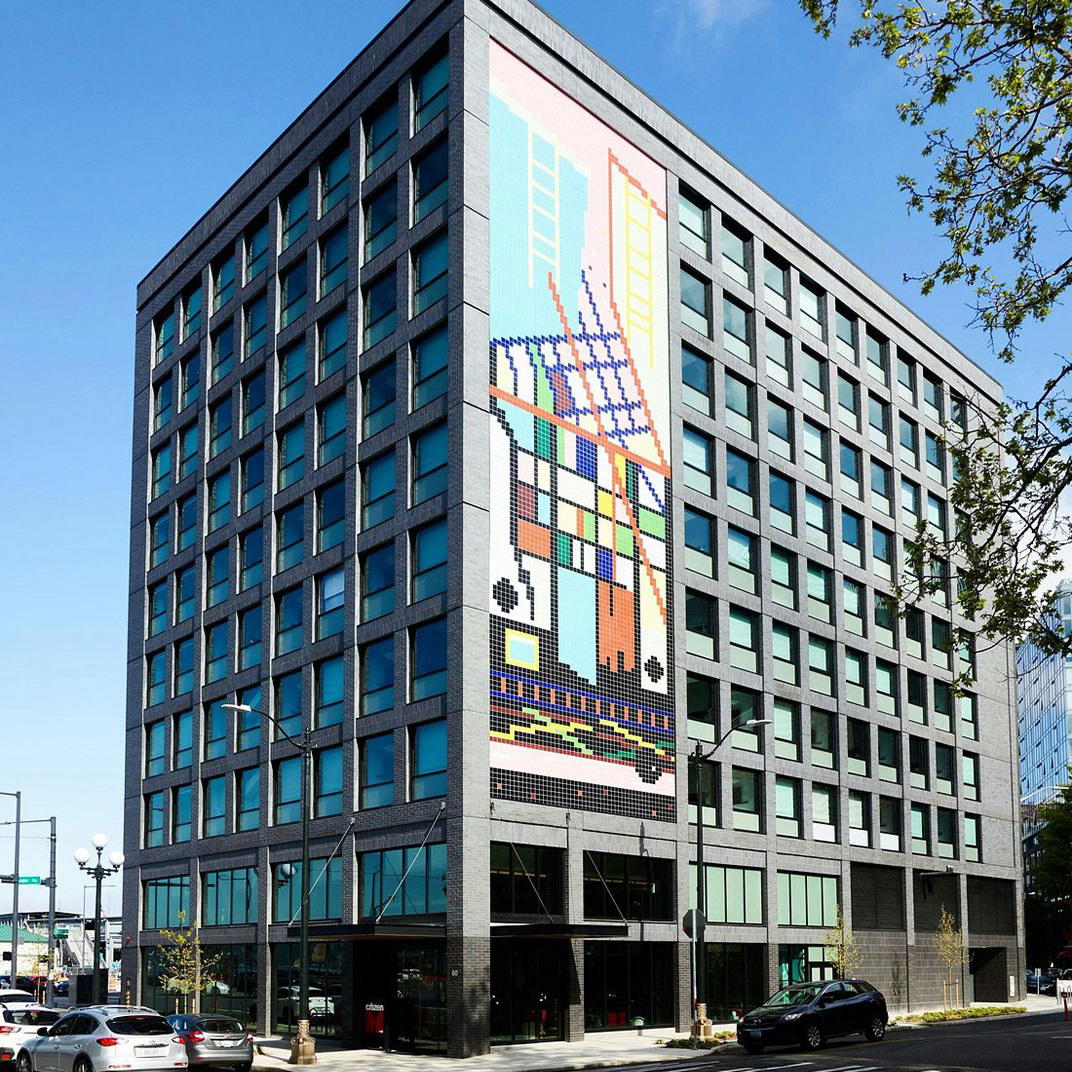
SoDo itself is an industrial quarter south of downtown Seattle, the kind of neighbourhood where creative production facilities tend to cluster when they need square footage and proximity to freight infrastructure. It lacks the waterfront romance of Pike Place or the density of Capitol Hill, but that distance from the tourist corridor is part of what keeps Westland's visitor experience oriented toward the liquid in the glass rather than the Instagram backdrop behind it. You arrive on 1st Avenue South with the low-slung warehouses and rail lines framing the approach, and the building reads as a working distillery before it reads as anything else. that distinction matters: this is a production-first space, not a hospitality concept that happens to distill.
Terroir as Argument: What Washington Grain and Climate Contribute
The concept of terroir in whisky is contested, but the Pacific Northwest makes a stronger case for it than most American whisky regions. Washington's Skagit Valley and the broader eastern highlands grow barley varieties that have adapted to the state's specific growing conditions over generations of agricultural development. The maritime influence that moderates Seattle's temperatures year-round also affects maturation: slower, more gradual spirit development than in Kentucky or Tennessee, where extreme seasonal temperature swings drive rapid extraction from oak. The result, across the American single malt producers working in this corridor, tends toward a different textural register, less aggressive tannin, more integration between spirit and wood over time.
Awards at that level, in the spirits category, reflect consistency across expressions and a recognizable house style that holds up under repeated evaluation. For context: the American Single Malt Whiskey Commission formally established category standards only in recent years, meaning producers like Westland have been building their reputations during a period when the category itself was still being defined for regulators, retailers, and consumers simultaneously. That timing is relevant to how you read the critical recognition, it reflects both quality and category-building work.
Comparisons to other Pacific Northwest and West Coast producers are useful for calibrating where Westland sits. Napa and Sonoma wineries such as Accendo Cellars in St. Helena and Artesa Vineyards and Winery in Napa have spent decades arguing that California's specific growing conditions produce wine with a distinct regional signature rather than a generic American style. The single malt producers of the Pacific Northwest are making a structurally similar argument about spirits: that place shapes the liquid in ways that justify a regional identity separate from the category's Scottish or Irish antecedents. Oregon's Adelsheim Vineyard in Newberg went through an analogous moment when Willamette Valley Pinot Noir was establishing itself as a serious alternative to Burgundy, not an imitation of it.
How to Read the Expressions
The framework for approaching Westland's range follows the logic of the house style rather than specific bottle recommendations. American single malt at this level typically organizes around core expressions, peated variants, and wood-finish experiments, with the core line anchoring the distillery's argument about base spirit character before oak influence enters the equation. Washington barley-forward profiles tend to present more herbal and cereal-grain notes than heavily peated Islay-style equivalents, which makes them more approachable as a category entry point for whisky drinkers moving from bourbon or Irish whiskey.
Producers working in analogous terroir-argument positions elsewhere in American craft spirits include Central Coast wine and distilling operations where site specificity is a primary selling point rather than an afterthought. Adelaida Vineyards in Paso Robles and Alban Vineyards in Arroyo Grande built reputations on the argument that limestone soils and specific microclimates in their respective appellations produced wines with a character that couldn't be replicated elsewhere. The discipline behind that argument, applied to spirit production, is what serious single malt distilleries in the Pacific Northwest are attempting, and what critical recognition like Westland's 2025 Pearl 3 Star status reflects when it lands.
For visitors with deeper interests in how West Coast producers have approached the terroir conversation in adjacent categories, Au Bon Climat in Santa Barbara, Andrew Murray Vineyards in Los Olivos, and Babcock Winery and Vineyards in Lompoc offer useful reference points for how production philosophy translates to critical standing in the West Coast context. Further north, the comparison extends to Scotch distilling heritage through producers like Aberlour in Aberlour, whose Speyside style is one of the reference points against which American single malt producers are most commonly measured.
Planning a Visit
Westland's SoDo address is accessible from downtown Seattle by rideshare in under ten minutes, or via the 1st Avenue South corridor if you're arriving by car from I-5 South. The neighbourhood has limited retail dining options immediately surrounding the distillery, which makes it practical to pair a visit here with a broader SoDo or Pioneer Square itinerary rather than treating it as a standalone half-day destination.
For spirits travelers who have also been working through the Napa and Sonoma production landscape, combining a Seattle distillery visit with broader Pacific Northwest itinerary planning makes geographic sense. Alpha Omega Winery in Rutherford, Alexander Valley Vineyards in Geyserville, Aubert Wines in Calistoga, B.R. Cohn Winery in Glen Ellen, and Achaia Clauss in Patras are among the broader EP Club network of recognized producers for those building a longer itinerary around serious production visits across wine and spirits categories.
In Context: Similar Options
Comparable venues nearby, for context on price, style, and recognition.
| Venue | Cuisine | Price | Notes |
|---|---|---|---|
| WestlandThis venue — the venue you are viewing | barley | $$ | Not listed |
| Betz Winery | Syrah, Merlot | $$$ | Woodinville |
| Kiona Vineyards | Cabernet Sauvignon, Riesling | $$ | Red Mountain |
| L’Ecole No. 41 | Semillon, Merlot | $$$ | Lowden |
| Owen Roe Winery | Cabernet Sauvignon, Syrah | $$ | Yakima Valley |
| Woodward Canyon Winery | Cabernet Sauvignon, Chardonnay | $$$ | Lowden |
Continue exploring
More in Seattle
Wineries in Seattle
Browse all →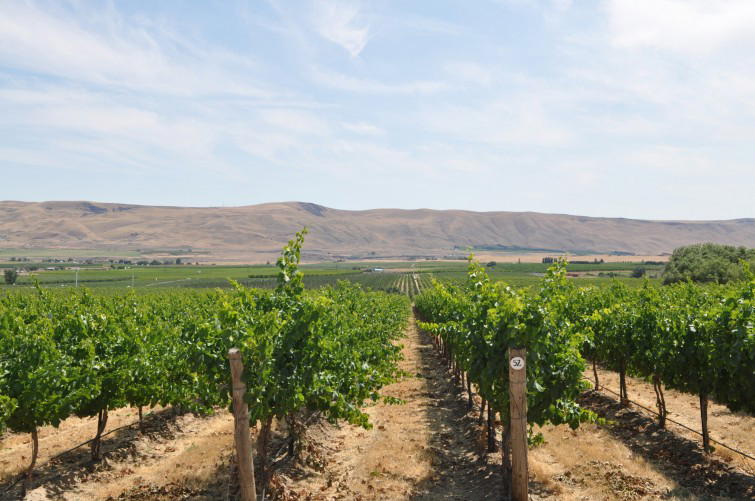
Bars in Seattle
Browse all →
Restaurants in Seattle
Browse all →
At a Glance
- Industrial
- Modern
- Group Outing
- Wine Education
- Barrel Room
- Sustainable
- Puget Sound AVA
- Barley
- Flight Tasting
- Private Tasting
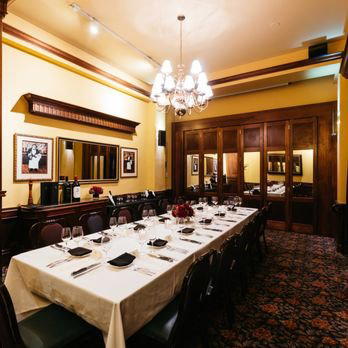
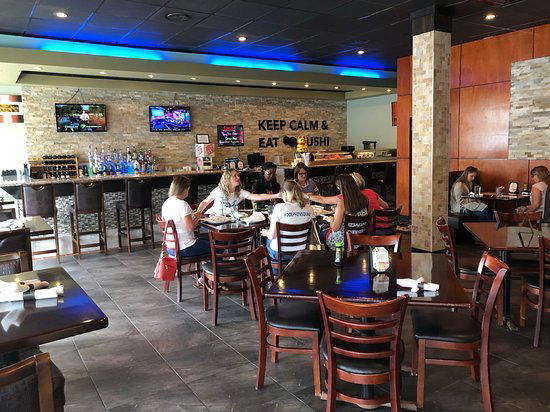
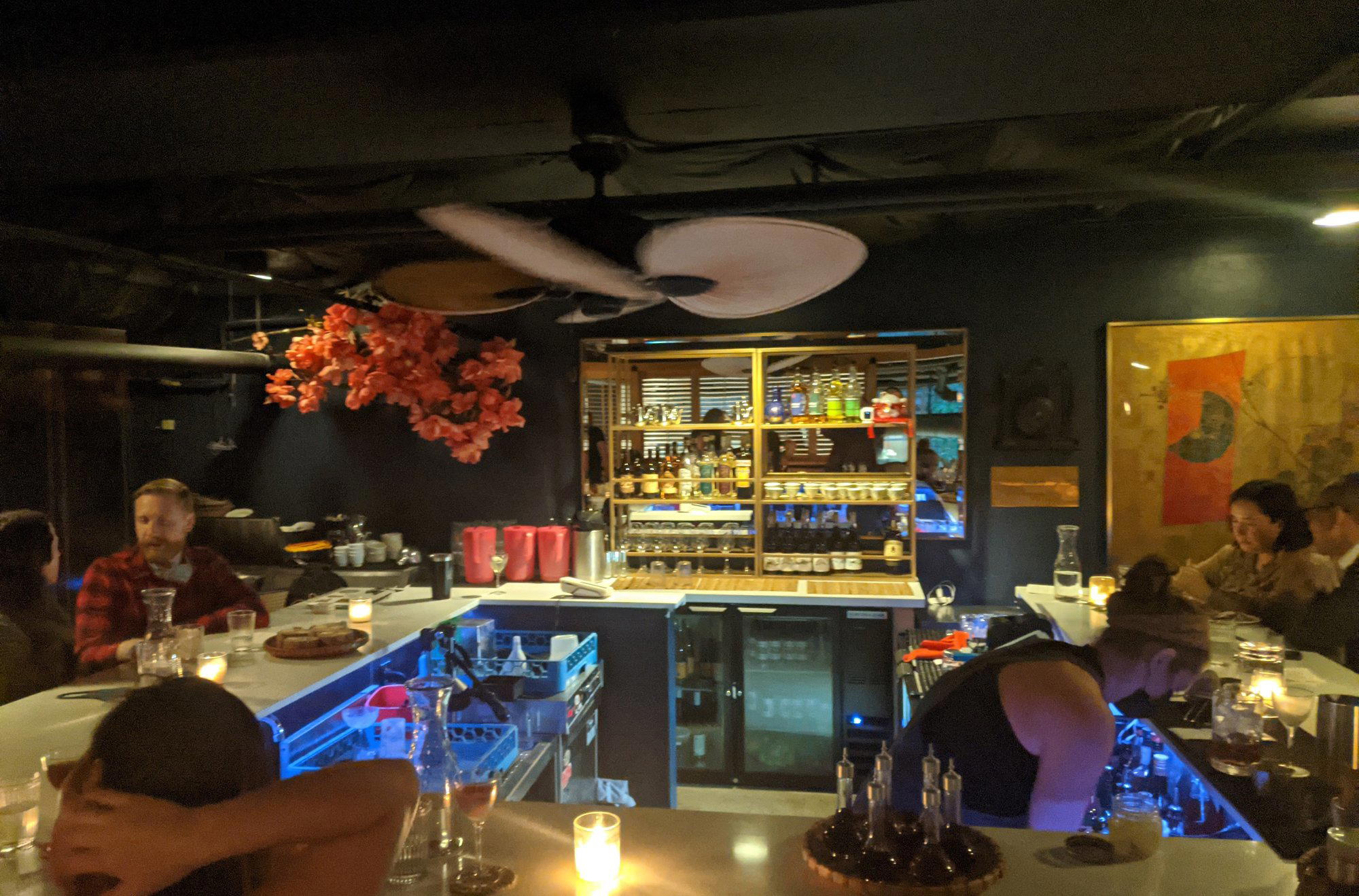
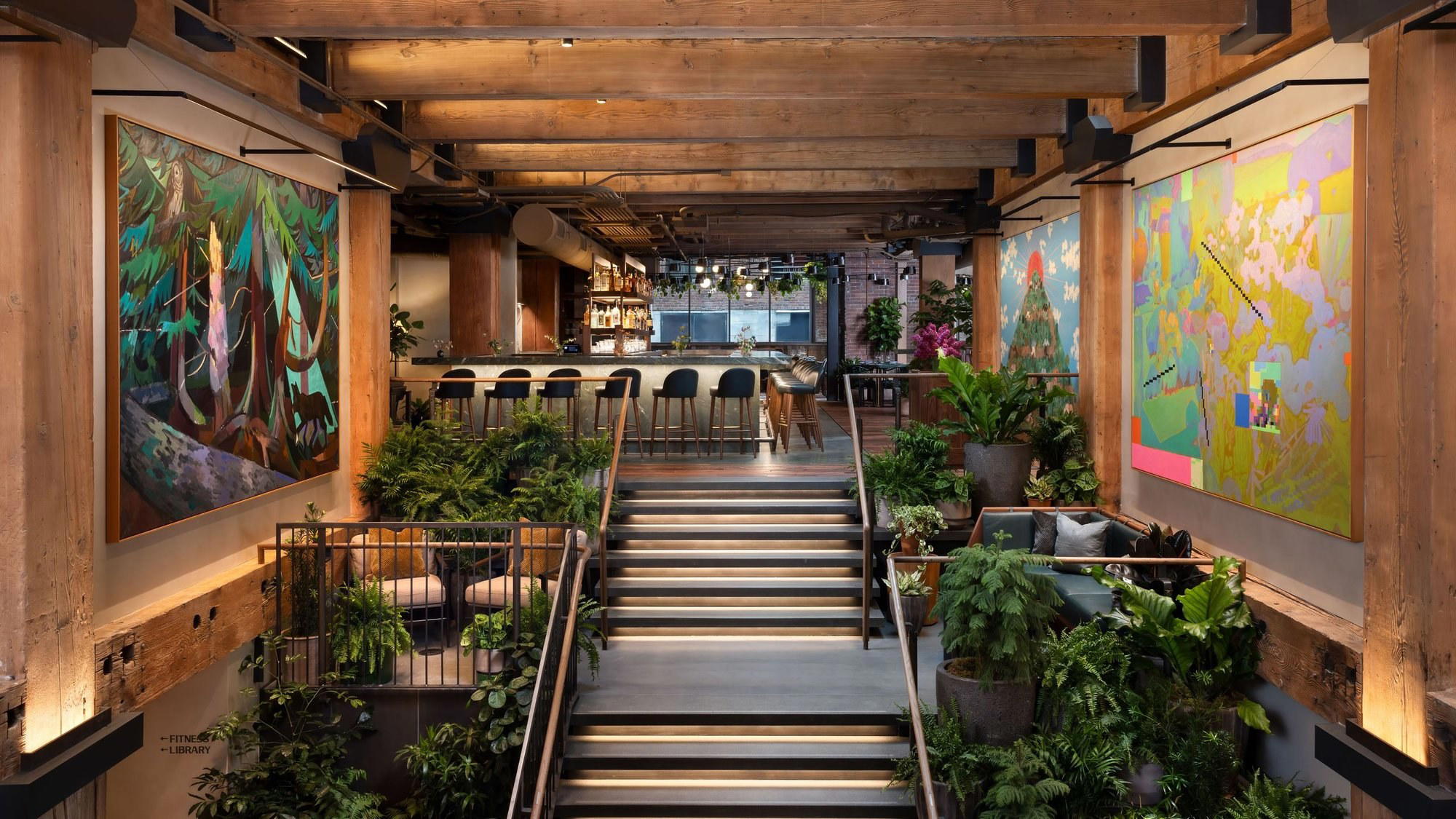
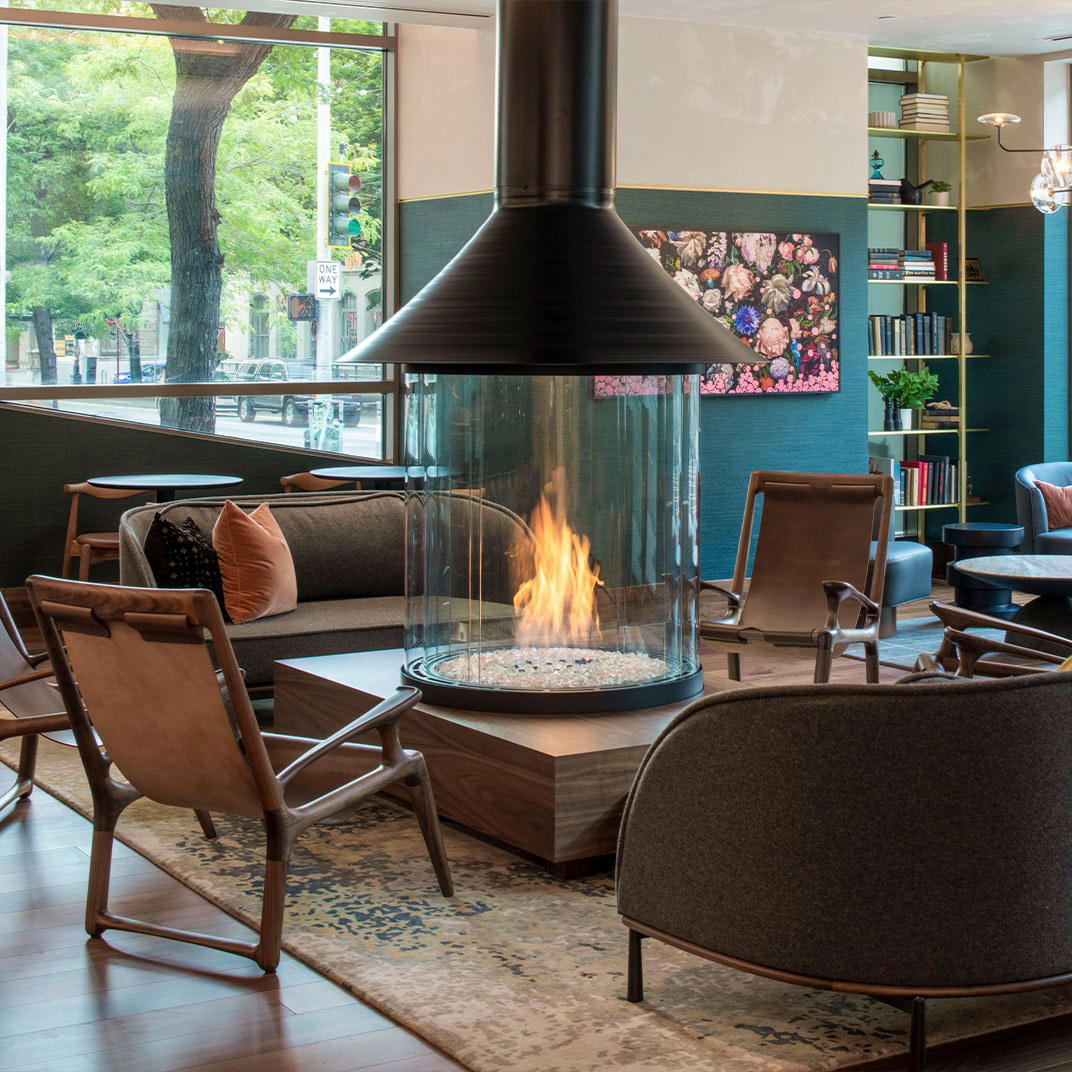
Warm industrial space with wood and metal elements, clean and comfortable atmosphere.