
Koriyama’s serious sushi conversation is not built on Tokyo mimicry; it runs through local appetite for fish, sake, and formal Japanese dining near the station. Sushi Kappou Gyomon belongs to that higher-spend bracket, with Tabelog Sushi EAST “Tabelog 100” selections in 2021, 2022, and 2025 anchoring its reputation.
Pearl is the En Primeur Club membership app — saves, bookings, and concierge access live there. Same editors, same standards.
- Address
- 福島県郡山市駅前1-5-6
- Phone
- +81249383343
- Website
- tabelog.com
 Saves & bookings on Pearl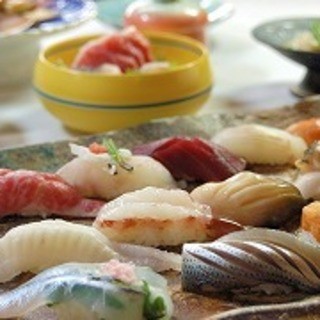
Near Koriyama’s station-side dining blocks, the city’s food culture feels less like a tourist circuit than a working local map: ramen shops, izakaya, bakeries, kappo rooms, and sushi counters serving business dinners and regulars. In that setting, Sushi Kappou Gyomon asks for different attention. It is neither casual station eating nor Ginza theatre transplanted north, but Fukushima sushi with kappo breadth, where fish sourcing, sake, and the rhythm of a Japanese dining room matter more than spectacle.
Koriyama rewards repetition. A rail hub and commercial centre, its dining identity is shaped by locals returning for work dinners, friends, and seasonal appetite. That gives sushi-kappo weight. Sushi alone can become a narrow counter performance; kappo widens the frame to Japanese cuisine, private rooms, tatami seating, and drinks beyond one pairing script. The result is precision and social use together, a combination that says more about Koriyama than any imported luxury formula.
Fish-first sushi in a city that eats beyond the counter
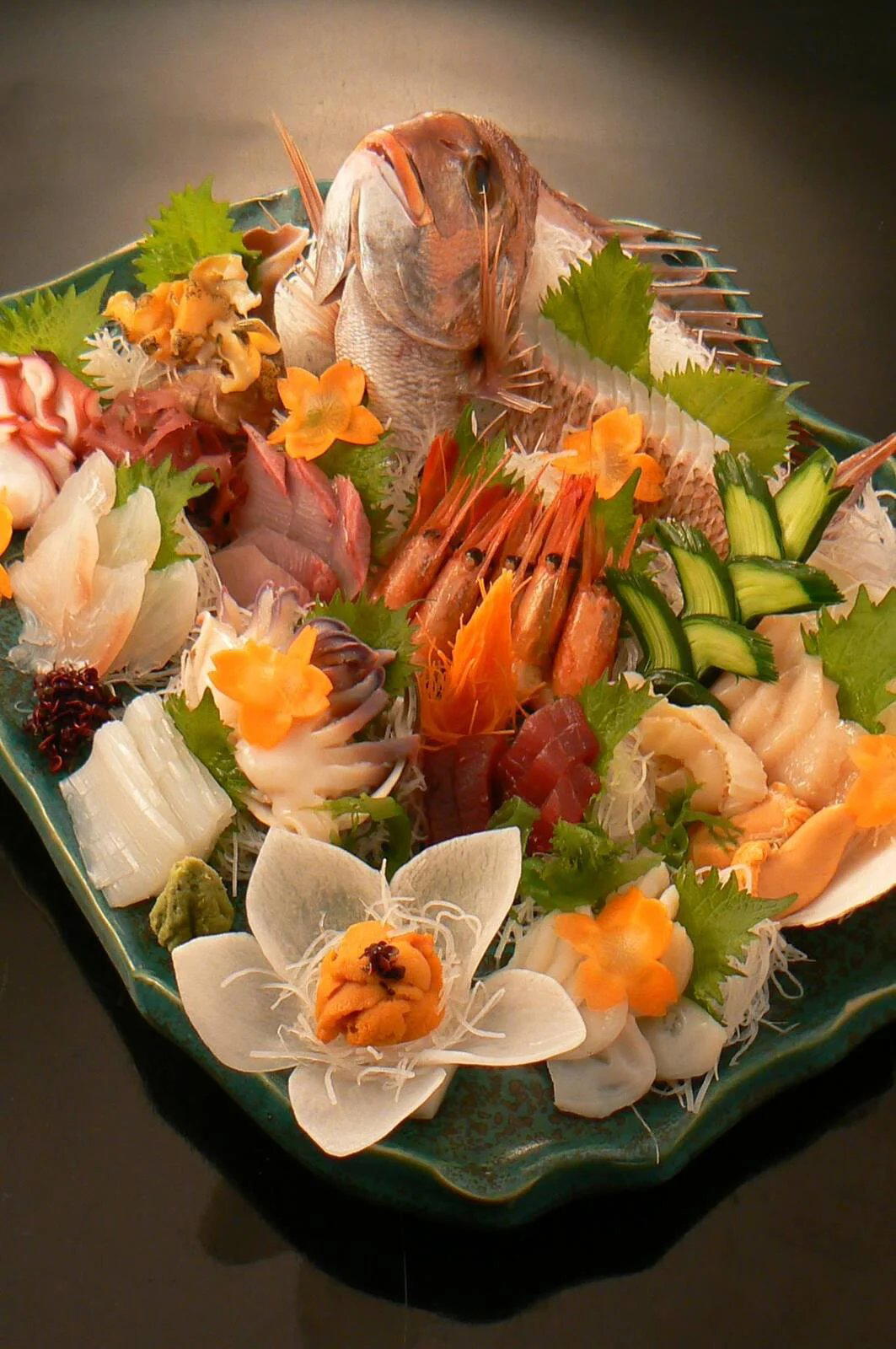
The useful clue is the restaurant’s stated emphasis on fish. In Japan, that is not decoration; it marks where the kitchen wants judgment to fall. Sushi depends on sourcing, handling, temperature, seasoning, and timing, but regional restaurants outside Tokyo must also answer why to dine here rather than on a capital-city trip. The answer is rarely novelty: it is procurement confidence and a format that carries sushi and broader Japanese cooking without losing focus.
Tabelog’s Sushi EAST “Tabelog 100” selection gives that claim external weight. Sushi Kappou Gyomon was selected in 2021, 2022, and 2025, placing it inside an eastern Japan sushi list rather than only local recommendations. Its current Tabelog score is 3.70, useful where higher sushi scores outside major metropolitan centres tend to reflect sustained local approval rather than short-lived attention. The award’s display order is not an official rank, so the point is selection, not hierarchy.
The kappo side shapes ordering. A pure omakase counter compresses the evening into chef-led sequencing; a sushi-kappo room supports a broader Japanese meal, drinks, and varied seating. Here, the listed categories are sushi and Japanese cuisine, with sake, shochu, wine, and cocktails. That range does not make the restaurant less serious; in regional Japan it often makes it more usable. Business guests, friends, and small groups need a room that absorbs different dining speeds without turning the meal into a lecture.
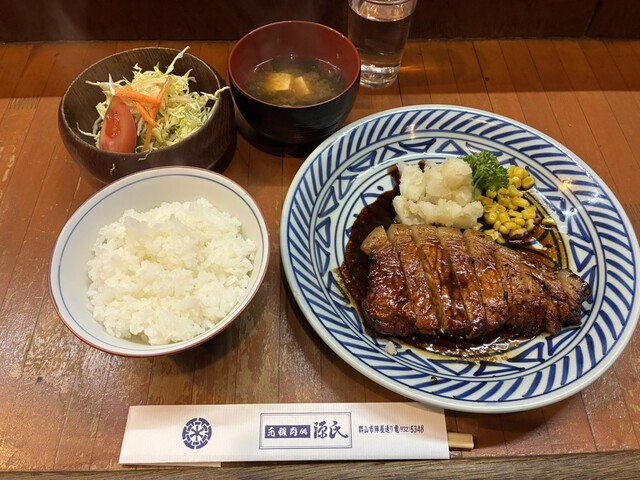
Koriyama’s wider restaurant map explains the bracket. A low-cost local meal at Genji or bakery stop at Ootomo Pan Ten belongs to everyday city eating. Munakata Ya occupies a different mid-spend lane. Sushi Kappou Gyomon sits above those casual and midrange choices, closer to a planned dinner than an opportunistic stop. For travellers mapping meals in town, Harukiya Kooriyama bunten and Jin Tei show other local appetites, but this sushi-kappo slot is where fish, sake, and ceremony organise the meal.
A formal Japanese room without Tokyo cosplay
Stronger regional sushi rooms in Japan need not imitate the capital’s smallest counters. Koriyama’s audience includes business diners and locals using restaurants for celebrations, and the room reflects that. Counter seating gives sushi its direct line to the kitchen; private rooms for four and six, plus tatami-room seating, show broader social function. That matters where dining is tied to work relationships and repeat local custom rather than international tasting-menu tourism.
There is a practical difference between a 45-seat sushi-kappo restaurant and the tiny reservation-war counters dominating foreign sushi discussion. Larger capacity does not mean less craft; it means multiple use cases. A couple can sit close to the action, while a business group can keep the evening private. For travellers, that flexibility is the appeal: serious fish-led sushi without the hushed, high-pressure mood of an eight-seat capital counter.
Drink breadth reinforces the point. Sake is the natural centre of gravity, with shochu, wine, and cocktails also listed. In a fish-led Japanese restaurant, breadth reads as hospitality rather than dilution: not every guest wants the same drink path, and regional dining rooms often serve groups with different habits. The better question is not whether the list performs for collectors, but whether it supports the food and occasion. Here, the format suggests meals that last, not just a nigiri sequence.
For a wider read on Koriyama, place the restaurant alongside the city’s travel infrastructure. Our full Koriyama restaurants guide gives the dining spread; Our full Koriyama hotels guide helps with where to stay; Our full Koriyama bars guide, Our full Koriyama wineries guide, and Our full Koriyama experiences guide round out the evening and wider trip. The sushi decision makes more sense as part of a compact city itinerary than as a standalone trophy meal.
How to place it in a Japan dining itinerary
The editorial case for Sushi Kappou Gyomon is strongest for travellers who already know Japan’s serious restaurants are not confined to Tokyo, Kyoto, and Osaka. Koriyama offers less international choreography, more local continuity, and a dining room repeatedly recognised within an eastern Japan sushi category. Its value lies in the intersection of fish sourcing, kappo versatility, and regional credibility.
It is not for a quick, low-cost meal between trains. Treat it as a planned lunch or dinner in a city where the station area concentrates useful dining. Reservations are available, and the award recognition and higher-spend positioning make advance planning sensible, especially for private rooms or group meals. Parking is unavailable, so station-area access is part of the equation.
Within Japan’s broader dining range, it belongs in a mature itinerary rather than a first-draft checklist. A traveller chasing category breadth might pair Koriyama sushi with beef sukiyaki at -Grilled beef Sukiyaki- KAMAKURA TANUKIAN 鎌倉 たぬき庵 in Kamakura, charcoal tuna cooking at. 鮪と炭火焼き うお炭 秋葉原店 in Tokyo, coffee culture at.cafe in Osaka, contemporary dining at.know in Kumamoto, Vietnamese cooking at (Shoku) Vietnam in Kawasaki, or specialist curry at [Curry Senmon Ten] Maruyama Kyoju. in Sapporo. For readers building a sake thread beyond Japan, Jōdo Saké Bar in Los Angeles and Onigiri Time in Pasadena show how Japanese drinking and rice culture travel abroad, but Koriyama’s appeal is local: fish handled in a serious regional room, formal enough to justify the spend and flexible enough to feel rooted in the city.
Comparison Snapshot
Comparable venues by cuisine and price in the same metro.
| Venue | Cuisine | Price | Awards | Notes |
|---|---|---|---|---|
| Sushi Kappou GyomonThis venue — the venue you are viewing | Traditional Sushi Kappou | $$$$ | , | |
| Jin Tei | Tonkatsu and Japanese yoshoku cafeteria | $$ | , | Tsurumidan, Koriyama |
| Soba Kiri Anazawa | Traditional Japanese soba noodle shop | $$ | , | /郡山市 |
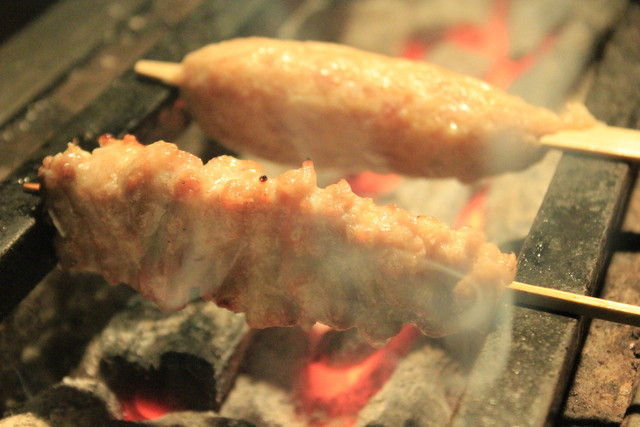
| Munakata Ya | Yakitori & Chicken Dishes | $$$ | , | Ekimae |
| Soba Saizen Ryusenbo | Traditional Japanese soba | $$ | , | .null |
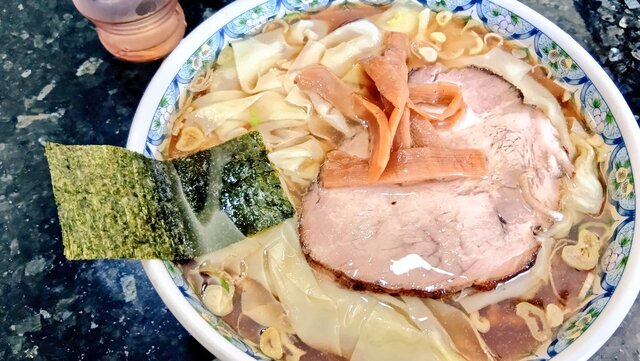
| Harukiya Kooriyama bunten | Classic Tokyo-style ramen (chuka soba) | $$ | , | Kuwano |
At a Glance
- Elegant
- Classic
- Cozy
- Sophisticated
- Business Dinner
- Date Night
- Group Dining
- Solo
- Late Night
- Chefs Counter
- Private Dining
- Standalone
- Sake Program
- Extensive Wine List
- Sustainable Seafood
Elegant yet relaxed sushi kappou with counter seats and tatami rooms, spacious seating, and a calm atmosphere suited to business meals and special outings rather than casual walk-ins.