
Tabelog 100 #42
Our verdict
Genji gives Koriyama a serious yoshoku address without the ceremony attached to high-budget dining. Its Tabelog 100 Yoshoku EAST 2025 selection, 27-seat scale, counter seating, and cash-only rhythm place it in a local category where everyday Western-influenced Japanese cooking is judged by consistency rather than theatre.

Pearl is the En Primeur Club membership app, where members save venues, book tables and use the concierge.
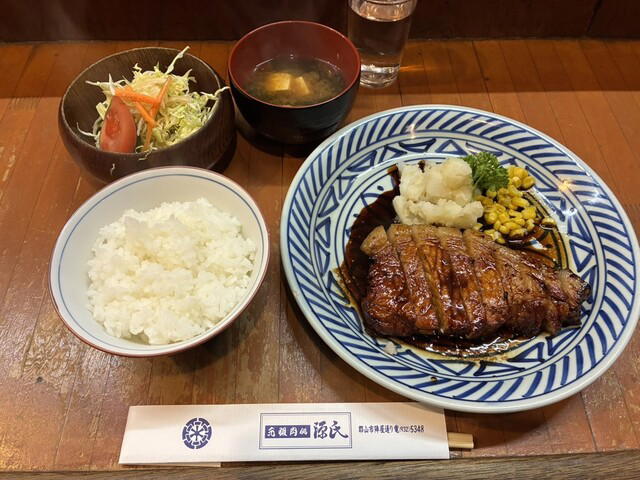
Koriyama is built for movement: local traffic, compact dining rooms, and lunch counters that reward decisiveness. In that setting, yoshoku has a particular logic. It is Western-influenced Japanese cooking shaped less by imported luxury than by the pantry of postwar urban Japan: rice, sauces, cutlets, stews, omelets, fried preparations, and the quiet discipline of a kitchen that has to feed regulars at a steady pace.
Genji belongs to that practical tradition. Its selection for Tabelog 100 Yoshoku EAST 2025 places it in a category that is often misunderstood by travellers who equate Japanese dining prestige with sushi counters, kaiseki rooms, or wagyu-focused tasting menus. Yoshoku operates differently. The measure is not rarity for its own sake, but whether familiar ingredients are handled with enough precision to make everyday food feel worth crossing town for.
Yoshoku in Koriyama, judged by restraint rather than spectacle
Fukushima’s central cities do not dine like Ginza or Kyoto, and that is the point. Koriyama is a rail hub with a strong local lunch culture, where restaurants have to serve office workers, solo diners, friends meeting during the day, and visitors using the city as a base for the prefecture. A yoshoku room fits that pattern when it feels personal while still functioning as a regular local address.
The useful comparison is not with luxury sushi or elaborate kappo, but with the way Koriyama spreads its serious eating across formats. Other Koriyama dining rooms anchor different local conversations, while Munakata Ya shows how regional restaurants can draw attention without adopting Tokyo fine-dining codes. Genji’s signal is narrower: yoshoku, selected by Tabelog in the EAST field, with a Tabelog score of 3.74.
That matters because yoshoku is a cuisine of sourcing in a quieter sense. The central question is not whether ingredients are rare, but whether the kitchen can translate ordinary Japanese staples into Western-derived forms without making them heavy, anonymous, or sweet for the sake of nostalgia. Rice quality, frying oil management, sauce balance, and the handling of familiar preparations tend to reveal the seriousness of the house faster than any decorative flourish.
The format suits food built around timing
Yoshoku is often a timing-conscious style of cooking, not just a set of nostalgic dish names. Many dishes depend on short windows: frying before steam softens a crust, plating sauce before it dulls, serving rice while it still carries heat. A focused local dining room brings the diner closer to those intervals and suits the directness often associated with casual specialist restaurants.
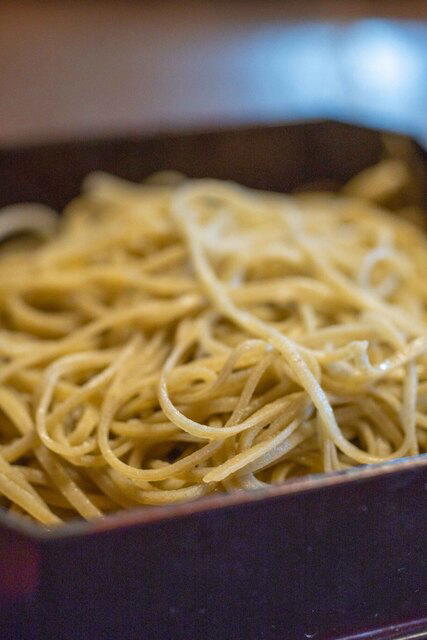
Compared with Koriyama’s higher-spend sushi and kappo tier, this is a more democratic form of seriousness. Sushi Kappou Gyomon occupies a different bracket, while Soba Saizen Ryusenbo points to the city’s noodle tradition and Ootomo Pan Ten reflects the everyday bakery end of local food culture. The interest here is that yoshoku can sit between those poles: cooked food with craft expectations, but without the social pressure that often accompanies formal dining.
The setting reads Japanese rather than faux-European in spirit. Yoshoku in Japan has never been a simple copy of Western dining; it is a domestic cuisine with borrowed forms and Japanese habits built into its service, portions, and seasoning. In Koriyama, that hybridity feels less like nostalgia than utility.
How to read Genji within a Koriyama food day
For travellers building a Koriyama itinerary, Genji is better read as a focused meal than a grand occasion. The city rewards category-hopping: ramen, soba, bakery stops, compact bars, and small restaurants across Koriyama. A serious yoshoku meal can sit naturally beside other Koriyama dining, then a different evening track through local bars rather than another full restaurant sitting.
The practical read is equally direct. Genji is in Koriyama, and its public pricing places both dinner and lunch in the JPY 1,000 - JPY 1,999 range. That keeps the emphasis on access and repeatability rather than ceremony, which suits a category built around familiar dishes handled with care.
That modest-spend structure tells a traveller something useful about the venue’s role in the city. This is not a destination engineered around international booking behaviour. It belongs to a Japanese local-dining rhythm where recognition can coexist with accessible pricing and a focused room. The Tabelog 100 selection gives the external credential; the format suggests why locals keep categories like yoshoku alive outside the major metropolitan dining circuits.
For broader planning, use our full Koriyama restaurants guide to place it among the city’s dining options, and pair food research with Koriyama hotels, Koriyama wineries, and Koriyama experiences if the trip extends beyond a single meal. Readers comparing Japanese casual-specialist formats beyond Fukushima may also find useful contrasts in other dining rooms across Japan and abroad.
Frequently asked questions
Is Genji suitable for children?
Genji may suit children who are comfortable with a focused yoshoku meal in Koriyama.
What's the overall feel of Genji?
Orderly and focused. Its Koriyama setting and Tabelog 100 Yoshoku EAST 2025 selection point to a local dining room with clear specialist appeal.
What's the pricing like at Genji?
Pricing at Genji is listed as JPY 1,000 - JPY 1,999 JPY 1,000 - JPY 1,999 View spending breakdown.
What is Genji known for?
Genji is known as a yoshoku restaurant in Koriyama, with a Tabelog 100 Yoshoku EAST 2025 selection and a Tabelog score of 3.74.
Side-by-Side Snapshot
Comparable venues by cuisine and price in the same metro.
| Venue | Cuisine | Price | Awards | Notes |
|---|---|---|---|---|
| GenjiThis venue (the venue you are viewing) | Classic Yoshoku (Japanese‑style Western) | $10–20 | Tabelog 100 #42 | Not listed |
| Munakata Ya | Yakitori & Chicken Dishes | $30–50 | Tabelog 100 #89 | Ekimae |
| Harukiya Kooriyama bunten | Classic Tokyo-style ramen (chuka soba) | $10–20 | Tabelog 100 #98 | Kuwano |
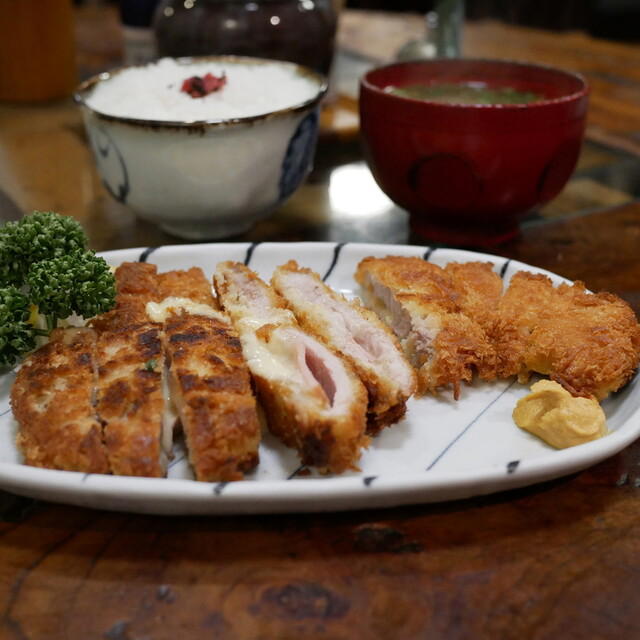
| Jin Tei | Tonkatsu and Japanese yoshoku cafeteria | $10–20 | Tabelog 100 #30 | Tsurumidan, Koriyama |
| Sushi Kappou Gyomon | Traditional Sushi Kappou | $150–200 | Tabelog 100 #49 | Ekimae |
| Soba Saizen Ryusenbo | Traditional Japanese soba | $20–30 | Tabelog 100 #75 | Not listed |
Recognition history
Dated appearances from independent guides and award organizations, with the underlying list record or original source where available.
Tabelog 100 #42 · No. 42
Tabelog · Tabelog 100 - Yoshoku - EAST - 2025
Continue exploring
More in Koriyama
Restaurants in Koriyama
All restaurants in Koriyama →
Hotels in Koriyama
Browse all →
Details
- Classic
- Cozy
- Well Known
- Solo
- Casual Hangout
- Standalone
- Sake Program
- A La Carte
- Counter Dining
- Sake
- Shochu
Current opening hours
- Monday
- 11:30 AM–3 PM
- Tuesday
- 11:30 AM–3 PM
- Wednesday
- Closed
- Thursday
- Closed
- Friday
- 11:30 AM–3 PM
- Saturday
- 11:30 AM–3 PM
- Sunday
- 11:30 AM–3 PM
Hours can change for holidays and private events. Last verified .
A small, non‑smoking, 27‑seat second‑floor dining room with counter seating and a nostalgic, classic yoshoku atmosphere that feels like a long‑running neighborhood favorite, often busy enough that guests should expect to wait.