
Hachi no Ki is a Fukushima cafeteria with Tabelog 100 - Diner recognition in 2026 and 2024, placing a modest local format inside Japan’s national conversation about everyday dining. The appeal is not luxury signalling; it is the durability of a house-style shokudo where counter seats, tables, lunch rhythm, and a long operating history carry the weight.
Pearl is the En Primeur Club membership app — saves, bookings, and concierge access live there. Same editors, same standards.
- Address
- Daida-9-2 Fushiogami, Fukushima, 960-8154, Japan
- Phone
- +81 24-545-0921
- Website
- tabelog.com
 Saves & bookings on Pearl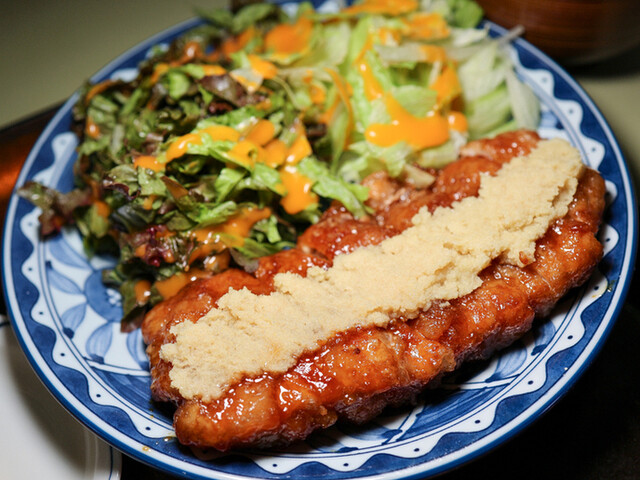
Approaching a house restaurant in Fushiogami changes the dining register before the meal begins. This is not the station-front theatre of a ramen queue or the polished calm of a hotel dining room; it is the domestic grammar of regional Japan, where the shokudo sits close to daily life and regular lunch traffic. In Fukushima, that matters. The city’s dining culture is not built only around special-occasion counters, and Hachi no Ki belongs to the older, harder-to-export category where repetition, portion, timing, and local trust do more work than design language.
Japan’s cafeteria tradition is often flattened in English as casual dining, but the stronger word is reliability. A good shokudo serves solo diners, friends, workers, and families without turning the room into a concept. That makes recognition in Tabelog’s Diner category more interesting than another luxury accolade. The 2026 Tabelog 100 - Diner selection, following a 2024 selection, places Hachi no Ki in a national field judged around everyday Japanese formats rather than tasting-menu ambition. For readers mapping Fukushima beyond headline cuisine, that distinction is the point.
Fukushima's shokudo culture rewards stamina over spectacle
Regional Japanese dining often splits into destination meals that justify a detour and local rooms that explain how a city eats without ceremony. Fukushima has both. Tori Ken and Shioya sit in higher-spend brackets, while Tempura Hirai represents a more formal specialist meal. Jikaseimen Urota pulls the conversation toward a lower-cost noodle format. Hachi no Ki occupies another lane: a cafeteria category with a modest spend profile, compact room, and house-restaurant setting that points toward habit rather than occasion.
That makes it useful for understanding Fukushima’s dining scale. The city is not only a stopover for sake, fruit, onsen traffic, or rail connections into the wider prefecture. Its everyday restaurants show the local appetite for set-meal discipline, tight service windows, and familiar dining rooms where lunch is the main event. Hachi no Ki’s 38-seat layout, split between counter and table seating, supports that mixed use: the counter suits solitary meals, while tables keep the room viable for small groups. The format is practical and cultural. In Japan, the counter is not automatically a luxury device; in a cafeteria setting, it is often a democratic seat.
The comparison with Bistro Mikasa is instructive because both sit in a low-spend Fukushima bracket, yet speak different culinary languages. Bistro dining imports a Western template into the city’s casual range; the shokudo keeps the meal closer to Japanese daily structure. For broader Fukushima planning, age, Agu Buta Shabushabu Senmon Ten Toriou Bettei, Asia Shokudo Chouku, and CAFE BAHNHOF sketch a more varied local map than a single award list can provide.
The value is in the format, not in chef mythology
Hachi no Ki opened in 1970, giving the room evidence newer restaurants cannot fake: survival through changing dining habits, car-based suburban movement, and online rankings. The chef narrative is not the useful frame here. The stronger credential is continuity. A cafeteria that lasts across decades has to satisfy local expectations on repeat visits, not just impress an occasional traveller.
The listed category, cafeteria, deserves a serious reading. In Japan, shokudo can range from workplace-adjacent counters to family-run set-meal rooms. The strongest examples are not defined by novelty, but by whether the house can execute a narrow proposition consistently enough that locals organize lunch around it. Hachi no Ki’s recognition in the Tabelog 100 Diner list brings that vocabulary into a national context, and the venue’s 2026 score of 3.69 is better read as sustained user confidence than as a luxury ranking.
Travellers who judge restaurants by tasting-menu length will miss the category. The better lens is rhythm: when the room fills, how counter and table seats turn, and how a specialty-led lunch business fits Japan’s habit of eating well without stretching the meal into an event. The house-restaurant setting gives the experience domestic scale, while the non-smoking policy and defined seating plan make it more legible for visitors than many older regional rooms.
How to place it in a Fukushima itinerary
Hachi no Ki suits a day built around Fukushima city rather than a multi-hour dining commitment. The location near Minami-Fukushima Station makes it more convenient for rail-minded travellers than many suburban restaurants, and parking gives drivers moving through the prefecture a second access pattern. That duality is common in regional Japan: the restaurant has to work for the neighbourhood, the station user, and the car-based diner at once.
Planning should respect the shokudo rhythm. This is not a late-night restaurant or leisurely fine-dining stop; it is a daytime meal shaped by demand and supply. Reservations are not part of the format, so timing matters more than concierge intervention. Payment is another old-school signal, with cash carrying the practical advantage. None of this is a drawback if the meal is understood on its own terms. It is the difference between visiting a city for a trophy booking and reading how its everyday tables function.
For a fuller city plan, use Our full Fukushima restaurants guide alongside Our full Fukushima hotels guide, Our full Fukushima bars guide, Our full Fukushima wineries guide, and Our full Fukushima experiences guide. Readers comparing Japanese casual formats across cities can also look at -Grilled beef Sukiyaki- KAMAKURA TANUKIAN 鎌倉 たぬき庵 in Kamakura,. 鮪と炭火焼き うお炭 秋葉原店 in Tokyo,.cafe in Osaka,.know in Kumamoto, (Shoku) Vietnam in Kawasaki, [Curry Senmon Ten] Maruyama Kyoju. in Sapporo, Jōdo Saké Bar in Los Angeles, and Onigiri Time in Pasadena. The useful comparison is not cuisine-for-cuisine; it is how modest formats travel, adapt, or stay rooted.
The editorial case for Hachi no Ki is precise: a long-running Fukushima shokudo with national diner-category recognition, modest scale, and a format that privileges lunch regularity over performance. It is strongest for travellers who want the city’s everyday dining grammar rather than another polished destination meal.
Budget and Context
Comparable venues by cuisine and price in the same metro.
| Venue | Price | Awards | Notes |
|---|---|---|---|
| Hachi no KiThis venue — the venue you are viewing | $ | , | |
| Tempura Sakuma | $$ | , | Koriyama Tomita, Traditional Japanese Tempura |
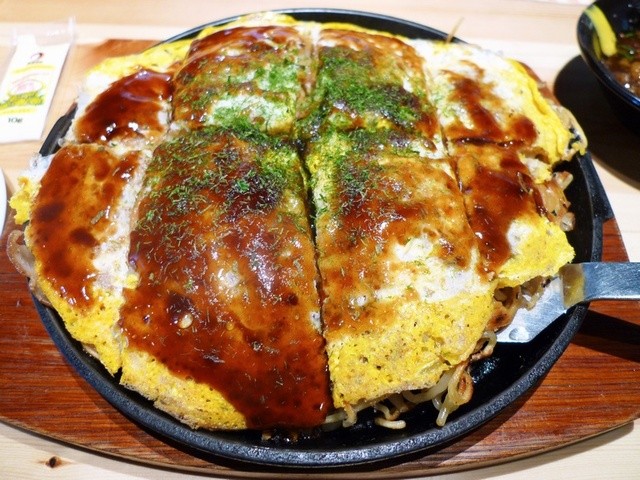
| Kacchan | $ | , | Fukushima, 本場広島お好み焼き・広島ラーメン |
| Dateya | $$ | , | Fukushima, Traditional Fukushima ramen shop |
| Marushin | $$ | near Fukushima Station, Fukushima-Style Soy Sauce Ramen | |
| Rojiura Avant-garde | $ | , | Fukushima, Standing Oden Izakaya in a Renovated Traditional House |
Continue exploring
More in Fukushima
Restaurants in Fukushima
Browse all →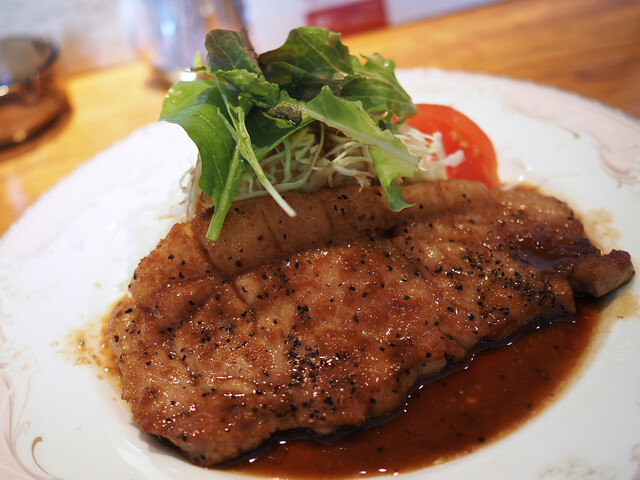

Hotels in Fukushima
Browse all →
At a Glance
- Cozy
- Classic
- Hidden Gem
- Solo
- Casual Hangout
- Group Dining
- After Work
- Family
- Standalone
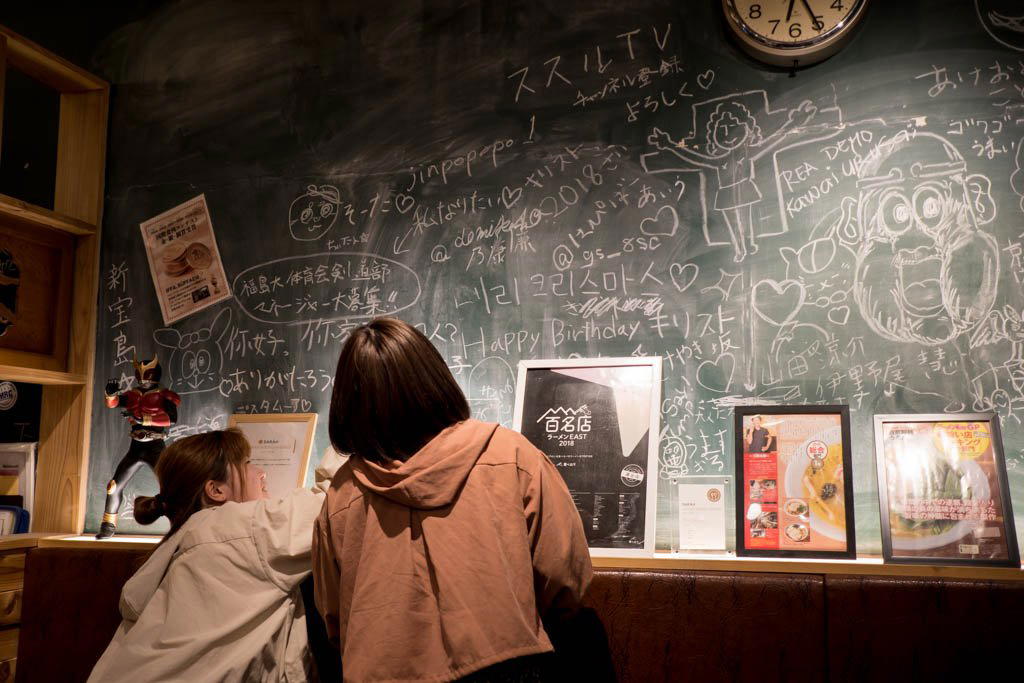
Simple, homey diner atmosphere inside a house-like building, with counter and table seating, a non-smoking room, and a relaxed, efficient lunchtime buzz as locals line up for the signature ginger pork set.