
Shinshu Soba Murata gives Fukuoka a serious soba address in a city more often framed through ramen, udon, seafood, and yatai culture. Its Tabelog 100 Soba WEST 2025 selection places it within a narrower regional conversation: buckwheat noodles, tempura, Japanese cooking, and a drinks program that treats sake and shochu as part of the meal rather than decoration.
Pearl is the En Primeur Club membership app — saves, bookings, and concierge access live there. Same editors, same standards.
- Address
- 福岡県福岡市博多区冷泉町2-9-1
- Phone
- +81922910894
- Website
- tabelog.com
 Saves & bookings on Pearl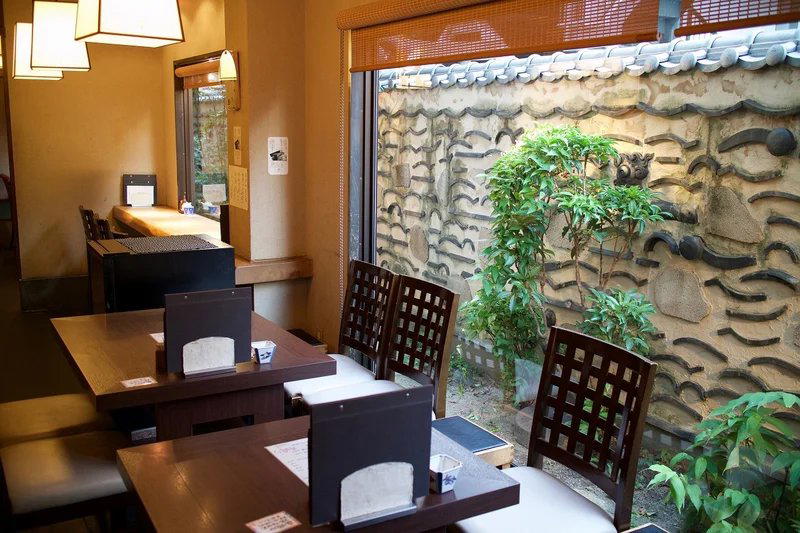
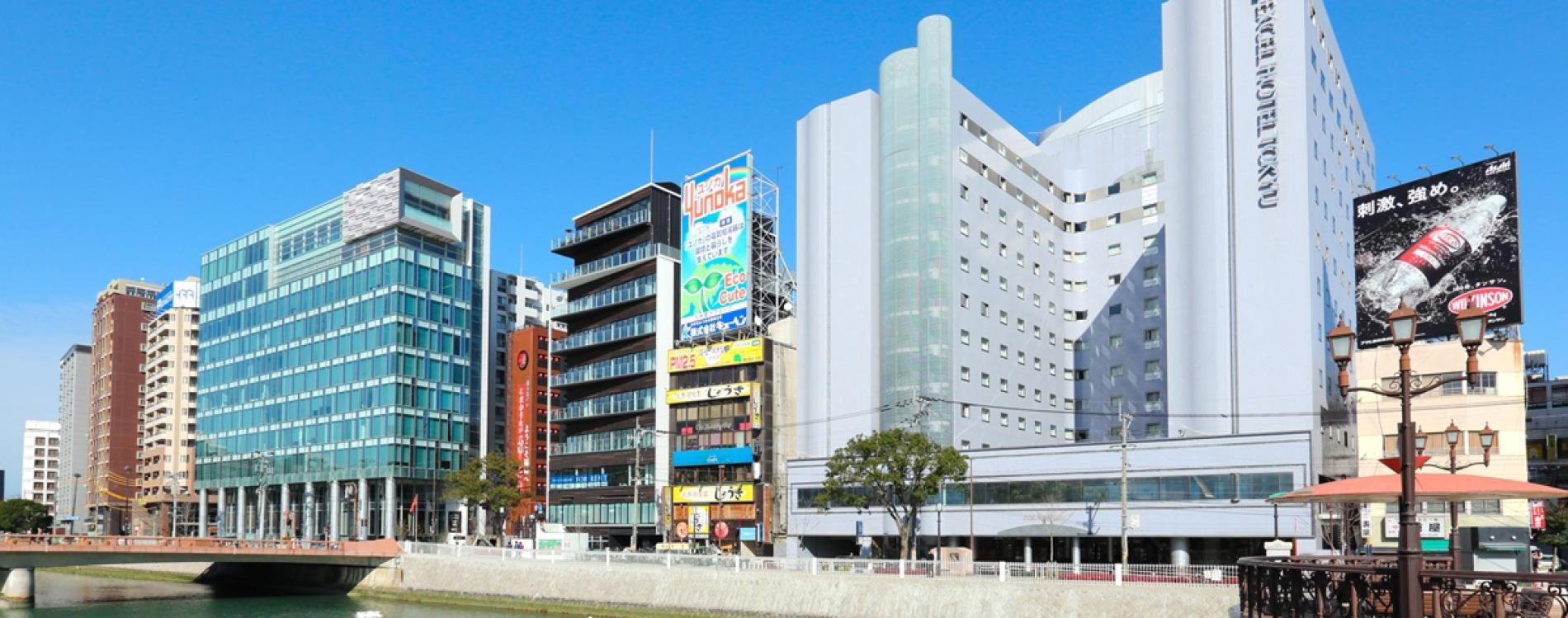
Reisenmachi moves at a lower register than Fukuoka’s louder food districts. Around Gion, the city’s appetite is shaped by temple streets, office lunch rhythms, and the short walk between Hakata’s older commercial lanes and the newer gravitational pull of Tenjin. A soba room here has to read differently from a late-night ramen counter or a yatai stall: quieter, more deliberate, and judged on restraint as much as satisfaction.
That distinction matters in Fukuoka. The city is often introduced through tonkotsu ramen, motsunabe, gyoza, and drinking food, but its stronger dining map is more varied than the shorthand suggests. Shinshu Soba Murata sits in the soba category with Japanese cuisine and tempura, a combination that places it closer to a composed noodle house than a single-dish stop. Its selection for Tabelog 100 Soba WEST 2025 gives the room a useful external marker, particularly because soba recognition in western Japan separates serious buckwheat specialists from the broader field of casual noodle shops.
Soba in a city better known for pork broth and yatai nights
Fukuoka’s noodle identity usually tilts toward speed, steam, and pork-bone intensity. Soba asks for another kind of attention. Buckwheat noodles are unforgiving: texture, cut, water, dipping broth, and serving temperature carry the meal. In that context, Shinshu Soba Murata’s appeal is not theatrical rarity but category discipline. It gives travelers a way to read Fukuoka beyond ramen without abandoning the city’s preference for direct, accessible dining.
The comparison set explains the position. Karo No Uron represents the cheaper local noodle tradition, Hakata Gion Tetsu Nabe speaks to compact drinking-food energy, and Seimon Barai sits in a higher-spend seafood-and-izakaya lane. Against those choices, soba here occupies the middle ground: more structured than a quick bowl, less formal than a full kaiseki evening, and suited to diners who want craft without turning lunch or dinner into ceremony.
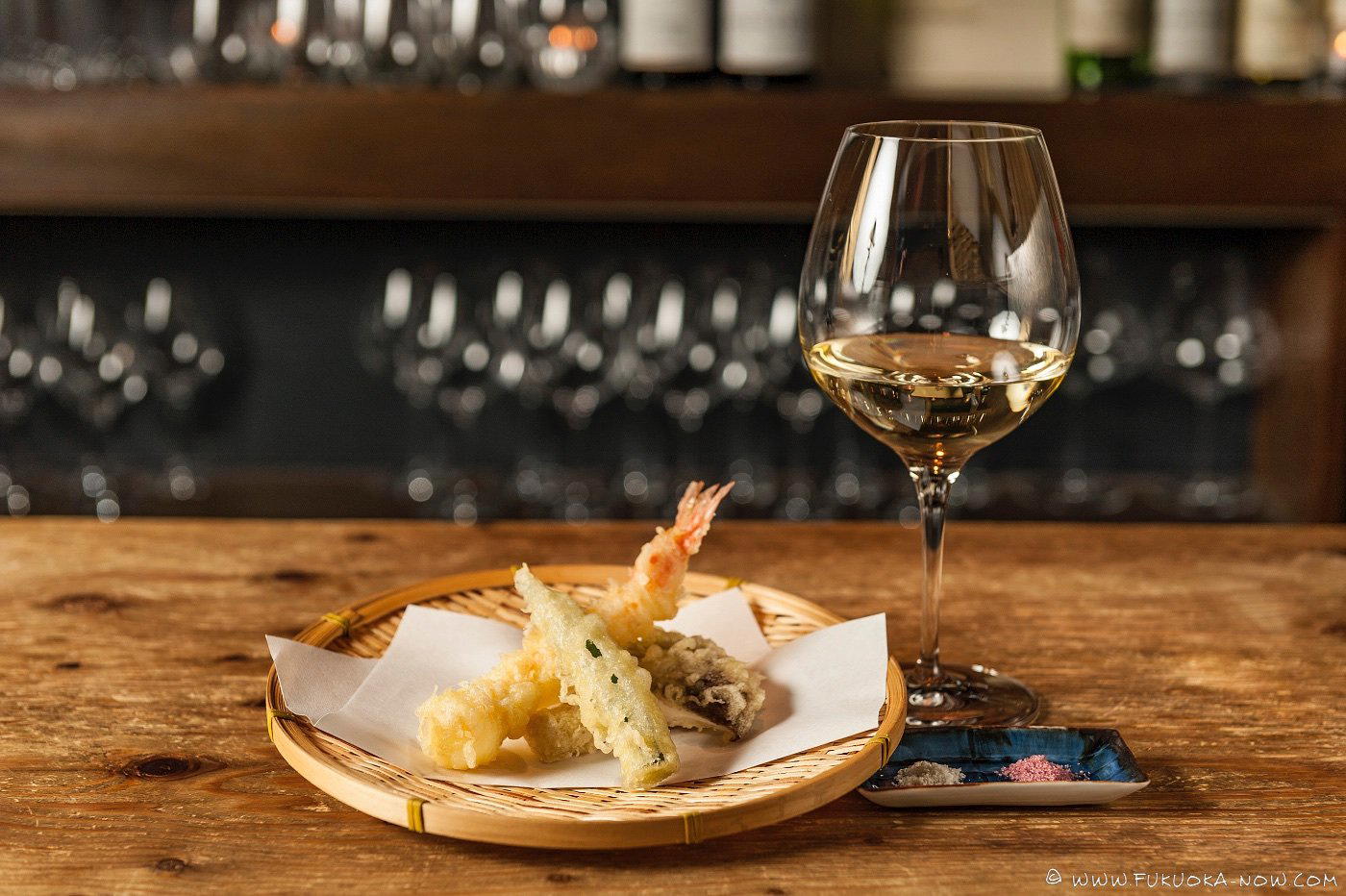
The supporting categories matter. Tempura alongside soba is a classic pairing because it gives contrast without overwhelming the noodles; Japanese cuisine broadens the table for groups that want more than a single bowl. The drinks list also signals intent, with sake, shochu, and wine named as part of the offer. In Fukuoka, where shochu can sit naturally beside everyday meals, that drinks range makes the restaurant feel regionally literate rather than imported from a Tokyo template.
The room favors groups, counter diners, and a slower noodle meal
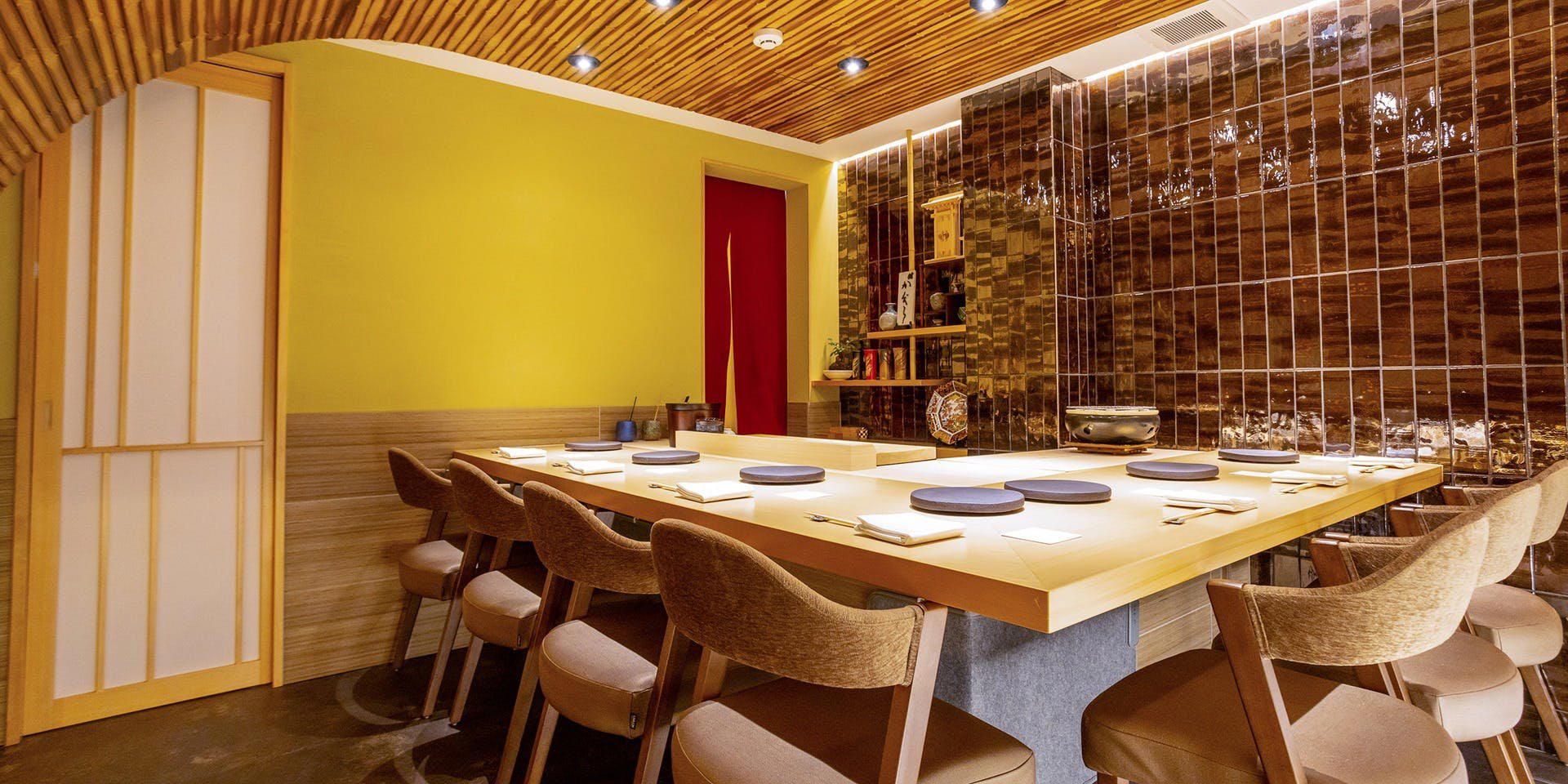
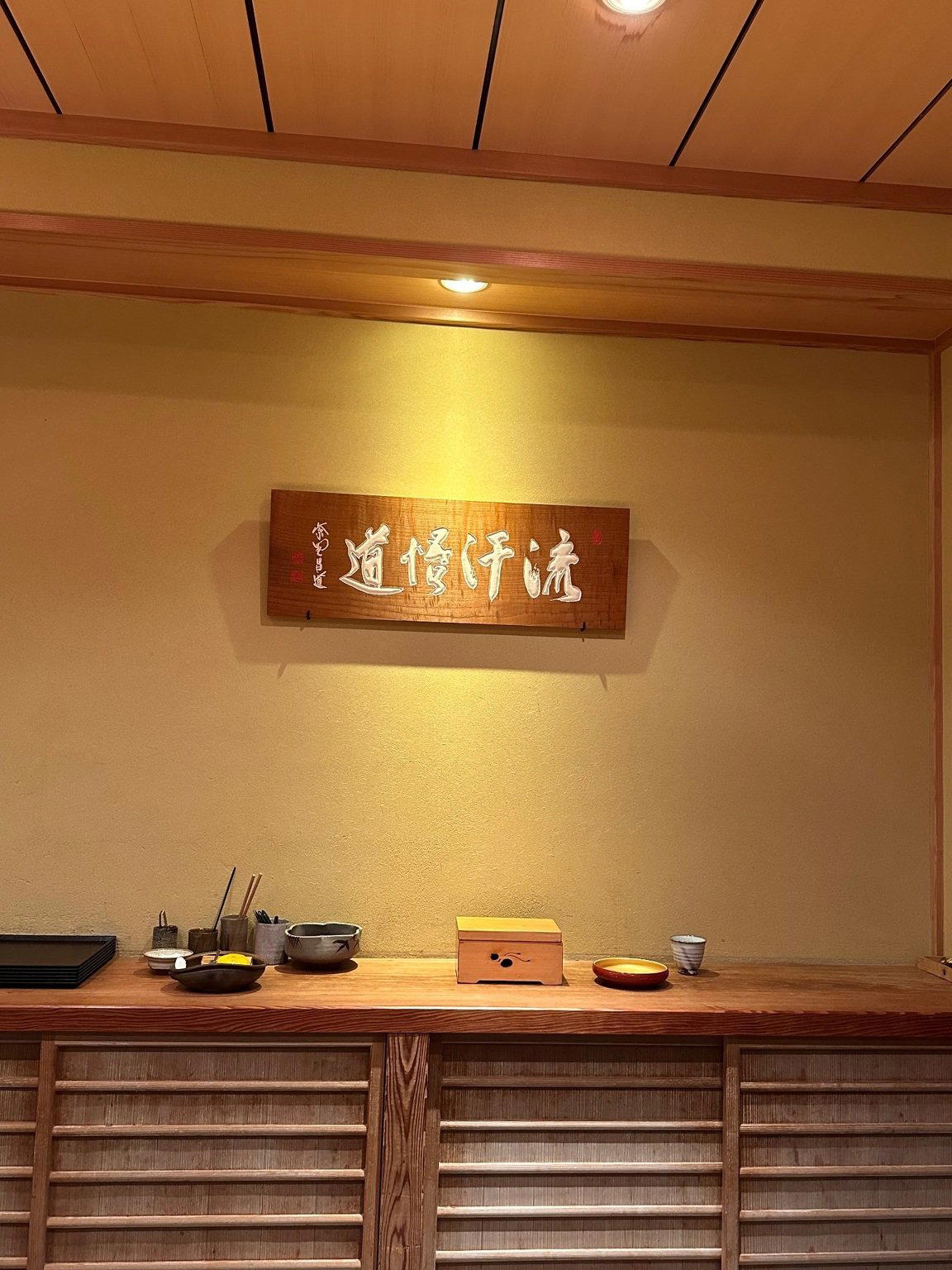
Physical format helps explain why this is not a cramped specialist counter. Seating runs across counter, tables, private table rooms, horigotatsu, and tatami-style areas, giving the meal several possible speeds. Solo diners can keep the focus on noodles; families and friends can stretch the table across tempura, Japanese dishes, and drinks. Children are welcome, and private-room availability changes the use case from quick stop to planned gathering.
This range is useful in Hakata, where many restaurant decisions are shaped by party size and timing. A compact counter may give sharper focus, but it rarely solves a mixed group. Here, the format supports a broader dining public while retaining a soba-led identity. That is the useful editorial point: Fukuoka’s serious casual dining often works because it does not force a choice between specialist credibility and everyday usability.
The Tabelog score of 3.65 should be read with local context. On that platform, particularly in Japan’s noodle categories, scores move conservatively and recognition lists often carry more signal than a single number. The 2025 WEST soba selection, with earlier selections in 2024 and 2018, gives the restaurant a longer recognition trail rather than a one-season spike. For a traveler deciding between regional staples, that matters more than decorative acclaim.
Where it fits into a Fukuoka food itinerary
Shinshu Soba Murata works as a reset meal within a Fukuoka itinerary. After pork broth, grilled meat, fried fish, or late drinking, soba changes the tempo without feeling austere. It is also a useful counterpoint to the city’s more forceful flavors: buckwheat, dipping broth, tempura, sake, and shochu give structure without the heaviness that can define a Hakata weekend.
For trip planning beyond restaurants, use Our full Fukuoka hotels guide, Our full Fukuoka bars guide, Our full Fukuoka wineries guide, and Our full Fukuoka experiences guide.
Japan’s casual dining range also becomes clearer when seen across cities: -Grilled beef Sukiyaki- KAMAKURA TANUKIAN 鎌倉 たぬき庵 in Kamakura. 鮪と炭火焼き うお炭 秋葉原店 in Tokyo.cafe in Osaka.know in Kumamoto, (Shoku) Vietnam in Kawasaki, and [Curry Senmon Ten] Maruyama Kyoju. in Sapporo show how tightly focused formats can define a meal without formal dining codes. Across the Pacific, Jōdo Saké Bar in Los Angeles and Onigiri Time in Pasadena underline the same point from the diaspora side: Japanese food culture travels through specific formats, not generic luxury language.
At-a-Glance Comparison
Comparable venues at a glance for context.
| Venue | Cuisine | Price | Notes |
|---|---|---|---|
| Shinshu Soba MurataThis venue — the venue you are viewing | Traditional Soba & Tempura | $$ | Not listed |
| 安春計 | Japanese Izakaya | Not listed | Chūō |
| Soba Ozaki | Traditional Soba Noodle Shop | $$ | Chūō |
| Bajo So | Traditional Hakata gyoza & izakaya | $$ | Sawara |
| Tsukune Seisakusho | Tsukune-focused Japanese Izakaya | $$ | Sawara |
| Hakata Daruma (博多だるま) | Traditional Hakata Tonkotsu Ramen | $$ | Chuo (Watanabedori) / Hakata |
Recognition history
Dated appearances from independent guides and award organizations, with the underlying list record or original source where available.
Tabelog 100 #49 · No. 49
Tabelog · Tabelog 100 - Soba - WEST - 2025
At a Glance
- Cozy
- Classic
- Rustic
- Solo
- Group Dining
- After Work
- Casual Hangout
- Business Dinner
- Special Occasion
- Standalone
- Historic Building
- Sake Program
- Beer Program
- Local Sourcing
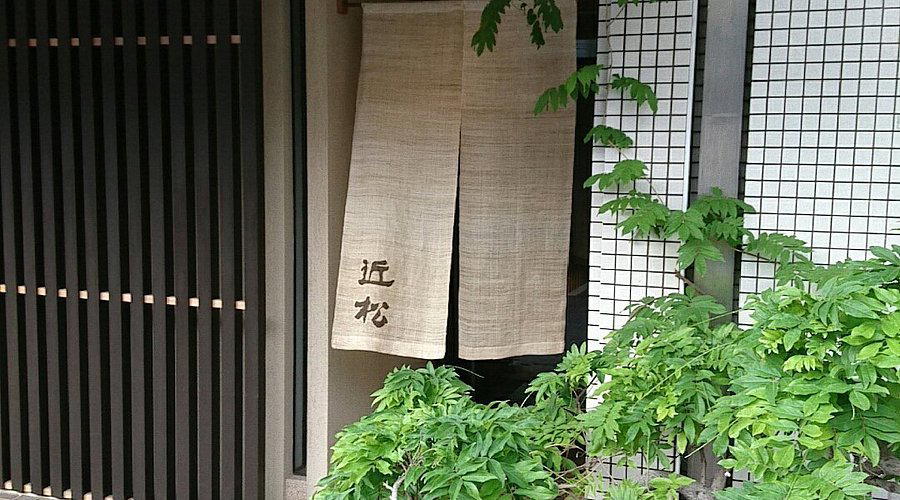
Traditional house-like soba restaurant with tatami rooms, sunken kotatsu, counter and table seating, offering a warm, relaxed atmosphere suited to quietly enjoying soba and sake.