Rancho Açoriano Coqueiros
Our verdict
Rancho Açoriano Coqueiros sits in the Coqueiros neighbourhood of Florianópolis, a city whose dining character draws as much from Azorean settler traditions as from its Atlantic coastline. The address places it within a local dining corridor where neighbourhood restaurants carry the social weight that formal dining rooms rarely achieve in Brazilian island cities.

Pearl is the En Primeur Club membership app, where members save venues, book tables and use the concierge.
The menu
What to order
- Oysters gratinadas
- Moqueca
- Camarão tropical
Where the Azorean Thread Runs Through Florianópolis
Florianópolis wears its Azorean heritage in layers: in the lace-making communities of the Ribeirão da Ilha, in the ox-cart festivals of the interior, and in the cooking that runs on salted fish, cassava, and the kind of slow preparation that predates refrigeration. The Coqueiros district, on the mainland portion of the metropolitan area, sits at a remove from the beach-facing tourist corridors that dominate most visitors' itineraries. Restaurants here serve a different constituency, one embedded in the neighbourhood rather than passing through it. Rancho Açoriano Coqueiros occupies that position, its name signalling the culinary and cultural lineage it draws from.
The Azorean settler tradition in Santa Catarina is documented history, not marketing shorthand. Portuguese colonists from the archipelago arrived in the mid-eighteenth century and shaped the language cadence, festival calendar, and dietary habits of the region in ways that persist. In Florianópolis specifically, that inheritance shows up in the prevalence of seafood preparations built around the local bays rather than the open ocean, and in a preference for communal eating formats over tasting-menu formality. A rancho, in this context, is less a brand name than a social institution: a gathering place where food functions as the medium for community rather than spectacle.
The Atmosphere at Street Level
Approaching along Rua Desembargador Pedro Silva, Coqueiros reads as a functional residential and commercial strip rather than a dining destination in the curated sense. That distinction matters: the restaurants here exist because the neighbourhood needs them, not because a dining scene was designed around foot traffic. The effect, for a visitor arriving from the more polished corridors of the city centre or the beachside barrios, is an immediate tonal shift. The sounds are street-level and unfiltered. The scale is human rather than theatrical.
In Brazilian city dining more broadly, this neighbourhood-anchored format has proven more durable than the prestige-address model. While São Paulo restaurants like D.O.M. in São Paulo and Rio de Janeiro's Lasai in Rio de Janeiro have built international reputations on technique and sourcing credentials, the majority of Brazilian dining life happens in exactly these neighbourhood anchors, where the kitchen's relationship to local suppliers is assumed rather than announced on a menu.
The Florianópolis Dining Field
Florianópolis has developed a restaurant culture that reflects its particular demographic mix: a university city with a technology sector, a coastal population with generational fishing traditions, and a tourist flow concentrated in the summer months of December through February. That seasonal pressure means local restaurants calibrate their operations differently from year-round urban dining rooms. The Coqueiros neighbourhood, positioned away from the main tourist corridors, experiences a more even demand curve across the calendar year, which typically allows kitchens to maintain more consistent sourcing and staffing rhythms.
Within the local dining field, the city shows a range of formats and influences. Artusi Restaurante and Dolce Vita Restaurante represent the Italian thread that runs through much of southern Brazilian cooking, a legacy of the region's other major immigrant community. El Padre Pizzas and Forneria Catarina occupy the wood-fired and casual end of that spectrum, while Noma Sushi reflects the Japanese-Brazilian community whose influence on Santa Catarina's food culture runs deeper than most visitors register. Rancho Açoriano Coqueiros positions itself in a different part of this map, specifically within the Azorean-inflected local tradition that is native to Florianópolis rather than transplanted to it.
For a broader orientation to dining across the city, the full Florianópolis restaurants guide maps these different currents across neighbourhoods and price points.
The Azorean Kitchen in Context
The cooking that the Azorean tradition brought to Santa Catarina centred on what the sea and the smallholding could produce together. Molluscs from the cultivated bays around Florianópolis, particularly oysters and mussels from the Ribeirão da Ilha and Santo Antônio de Lisboa areas, represent one of the most developed aquaculture operations in Brazil, supplying restaurants across the country. Preparations built around these products tend toward simplicity as a matter of tradition rather than affectation: garlic, olive oil, white wine, and heat, in proportions refined across generations rather than arrived at through experimentation.
Cassava in its multiple forms, pirão (the fish-stock and manioc flour porridge that functions as a staple across coastal Brazil), and preparations of dried and salted fish also trace back to the Azorean household kitchen. In restaurants that operate within this tradition, the menu reads as a record of local material culture rather than a chef's personal statement. That distinction has a practical consequence for the visitor: ordering well means understanding the tradition rather than following a tasting sequence.
Planning Your Visit
Rancho Açoriano Coqueiros is located at Rua Desembargador Pedro Silva, 3240 in the Coqueiros neighbourhood, on the mainland side of the metropolitan area rather than the island. Visitors staying on the island should factor in the bridge crossing, which during summer peak hours and festival weekends can add significant time to what maps suggest is a short trip. The timing consideration is material: Florianópolis's summer season, roughly November through March, compresses tourist activity into the island's beach districts while Coqueiros retains more of its year-round character.
Direct confirmation before visiting is the appropriate approach for any neighbourhood restaurant operating outside the main tourist infrastructure, where seasonal hours adjustments are common and online listings sometimes lag actual operations.
Visitors exploring the broader geography of Brazilian neighbourhood dining beyond Florianópolis might note parallel formats operating in other regional cities: Bistro Fitz Carraldo in Manaus, Cantina Pozzobon in Santa Maria, and Casa da Dika Restô e Eventos in Braganca each occupy similar neighbourhood-anchor positions in their respective cities, where the kitchen serves a residential community more than a destination visitor base. Further afield, Aero Burguer e Grill in Santa Cruz Do Sul, Arte e café Imperial - Matriz in Angra Dos Reis, Casa da Flor Restaurante in Dourados, Casa da Picanha Penedo in Itatiaia, and Famosa Pizza in Ribeirao Preto round out a picture of how neighbourhood dining operates across Brazil's regional diversity. At the far end of the formality spectrum, Le Bernardin in New York City and Atomix in New York City represent the institutional, award-confirmed tier against which neighbourhood restaurants like Rancho Açoriano are not competing and have no interest in competing.
Frequently asked questions
Where exactly is Rancho Açoriano Coqueiros?
Rancho Açoriano Coqueiros is located at R. Des. Pedro Silva, 3240 - Coqueiros, Florianópolis - SC, 88080-701, Brazil, Florianopolis.
Is Rancho Açoriano Coqueiros a good choice for understanding Florianópolis's Azorean cultural heritage through food?
Florianópolis has one of Brazil's strongest concentrations of Azorean-descended communities, and the cooking at establishments carrying the açoriano identity reflects that lineage directly, centred on the sea, the smallholding, and preserved culinary techniques that arrived with 18th-century settlers from the Azores. Rancho Açoriano's address in Coqueiros, on the mainland side of the metropolitan area, puts it within a neighbourhood that functions as a lived-in part of the city rather than a heritage showcase. For visitors tracing Santa Catarina's Portuguese-Atlantic food thread, this context matters more than a Michelin credential would.
What should I eat at Rancho Açoriano Coqueiros?
The kitchen draws from the Azorean tradition that shaped Santa Catarina's food culture: expect dishes built around locally harvested molluscs, smallholding produce, and the kind of slow-cooked preparations the Azorean settlers brought to Florianópolis over centuries. The Coqueiros address places this squarely in a working neighbourhood rather than a tourist corridor, which tends to favour cooking aimed at regulars over performance plates.
What's the best way to book Rancho Açoriano Coqueiros?
No website or phone number is currently listed in public records for Rancho Açoriano Coqueiros at Rua Desembargador Pedro Silva, 3240. The most reliable approach is to visit in person during service hours or check local Brazilian platforms such as iFood or Google Maps for current contact details and walk-in availability. Coqueiros operates as a residential and commercial neighbourhood rather than a high-footfall dining strip, so reservation demand is unlikely to match the pressure seen at Florianópolis's higher-profile destinations.
Peers in This Market
Comparable venues nearby, for context on price, style, and recognition.
| Venue | Cuisine | Price | Notes |
|---|---|---|---|
| Rancho Açoriano CoqueirosThis venue (the venue you are viewing) | Azorean Seafood | $20–30 | Not listed |
| Rosso | Seafood and Regional Santa Catarina | Not listed | Santo Antônio de Lisboa |
| Restaurante Guacamole Cocina Mexicana - Floripa | Authentic Mexican Taqueria | $20–30 | Centro |
| Ostradamus | Brazilian Seafood and Oysters | $50–100 | Ribeirão da Ilha |
| Pizzaria Basilico | Neapolitan Pizza | $20–30 | Canto da Lagoa |
| Vista Nipô | Japanese Sushi with Rooftop View | Not listed | Passeio Primavera |
Continue exploring
More in Florianopolis
Details
- Rustic
- Cozy
- Family
- Casual Hangout
- Standalone
- Local Sourcing
- A La Carte
- Family Style
Current opening hours
- Monday
- 11:30 AM–11:30 PM
- Tuesday
- 11:30 AM–11:30 PM
- Wednesday
- 11:30 AM–11:30 PM
- Thursday
- 11:30 AM–11:30 PM
- Friday
- 11:30 AM–11:30 PM
- Saturday
- 11:30 AM–11:30 PM
- Sunday
- 11:30 AM–4 PM
Hours can change for holidays and private events. Hours as of .
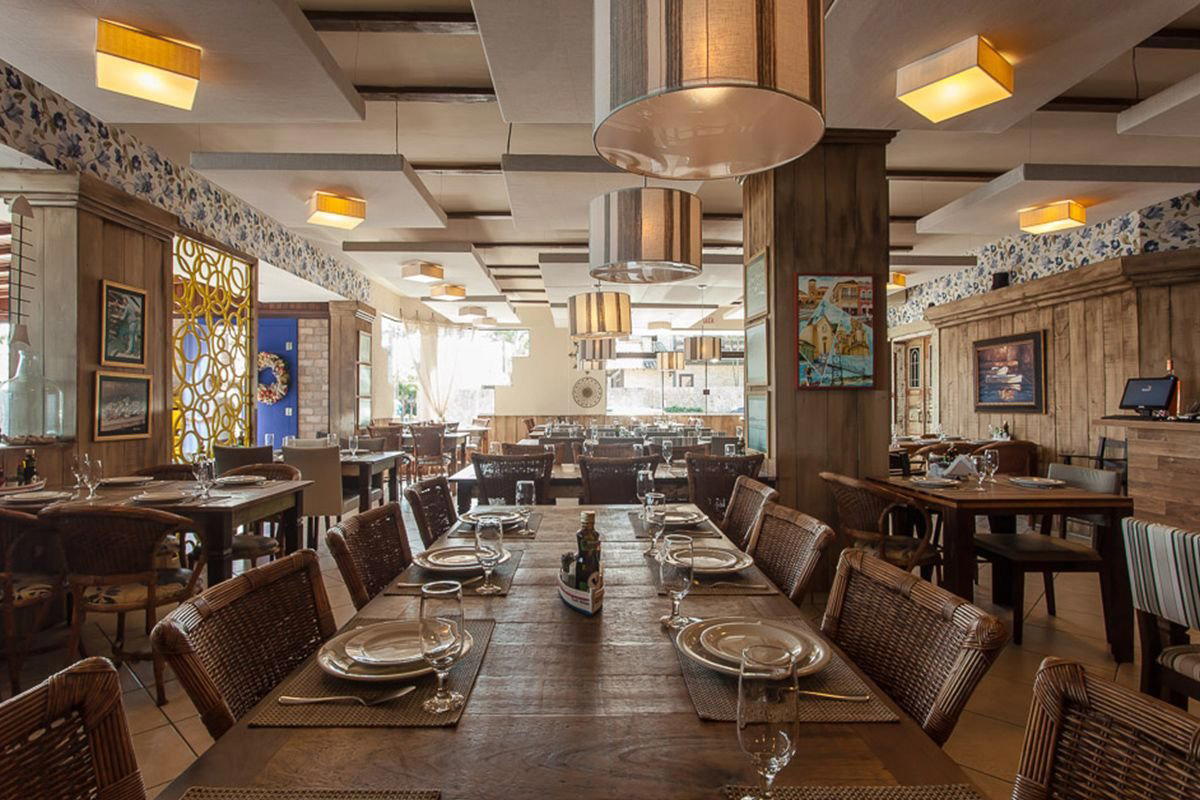
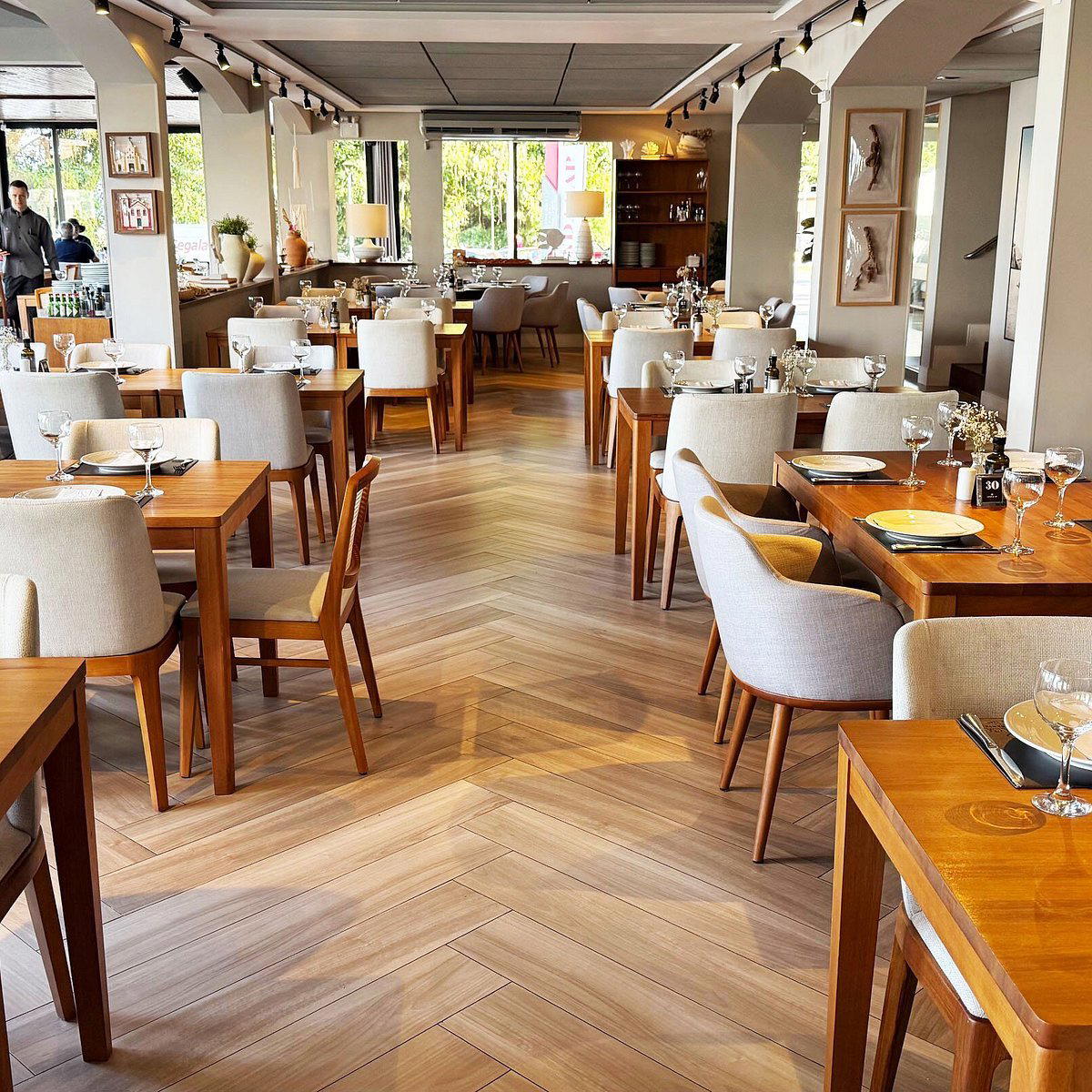
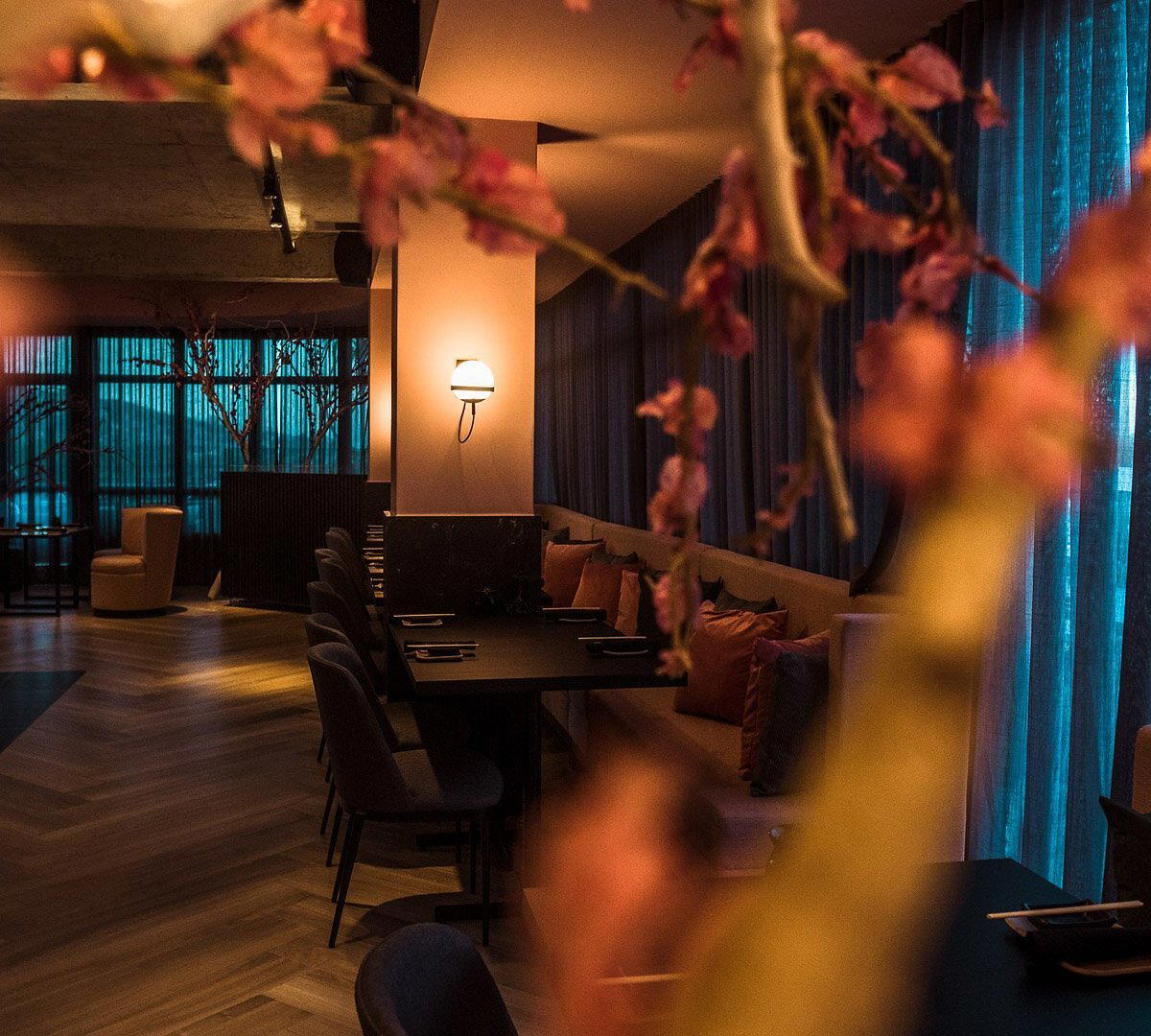
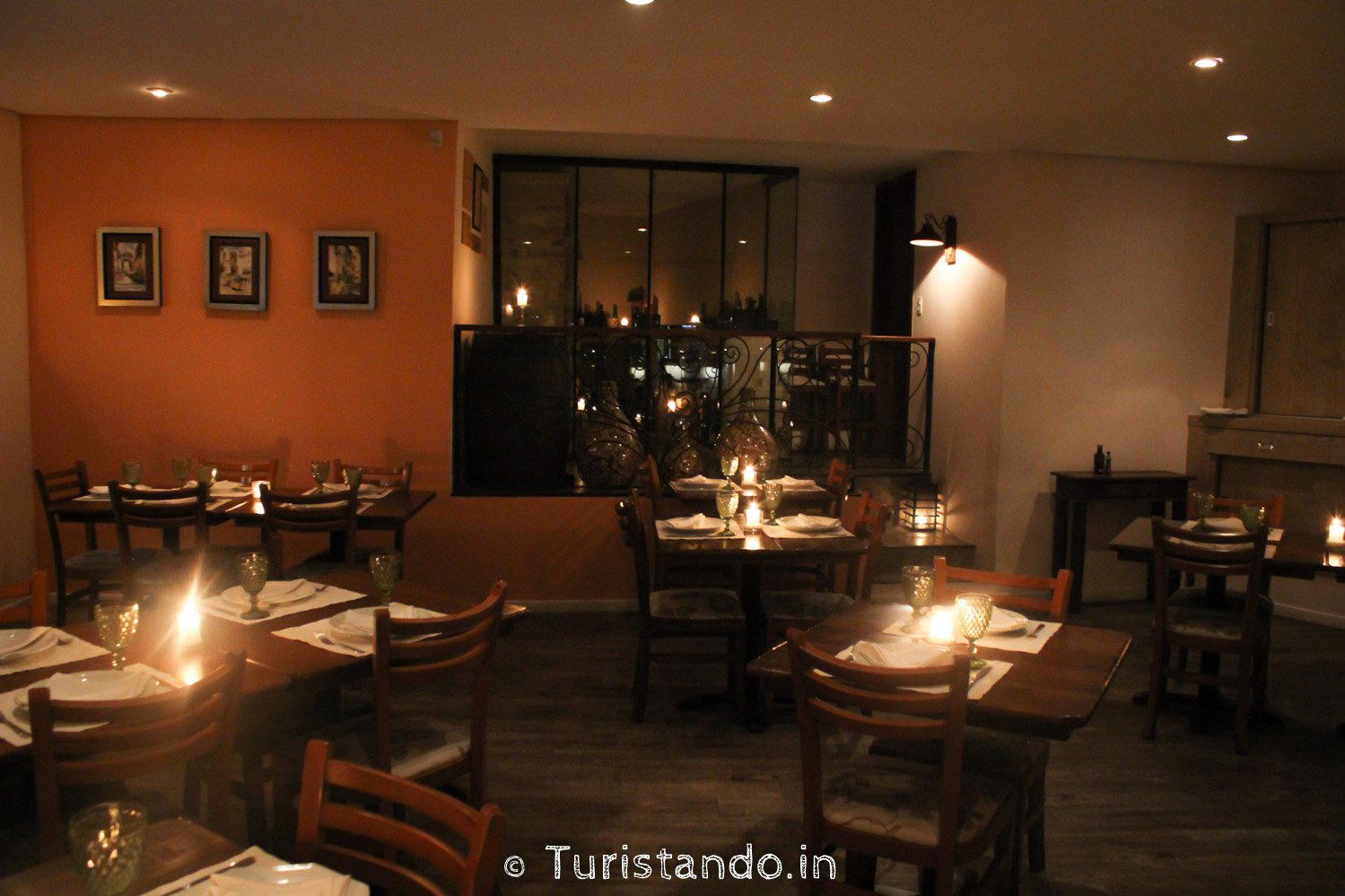
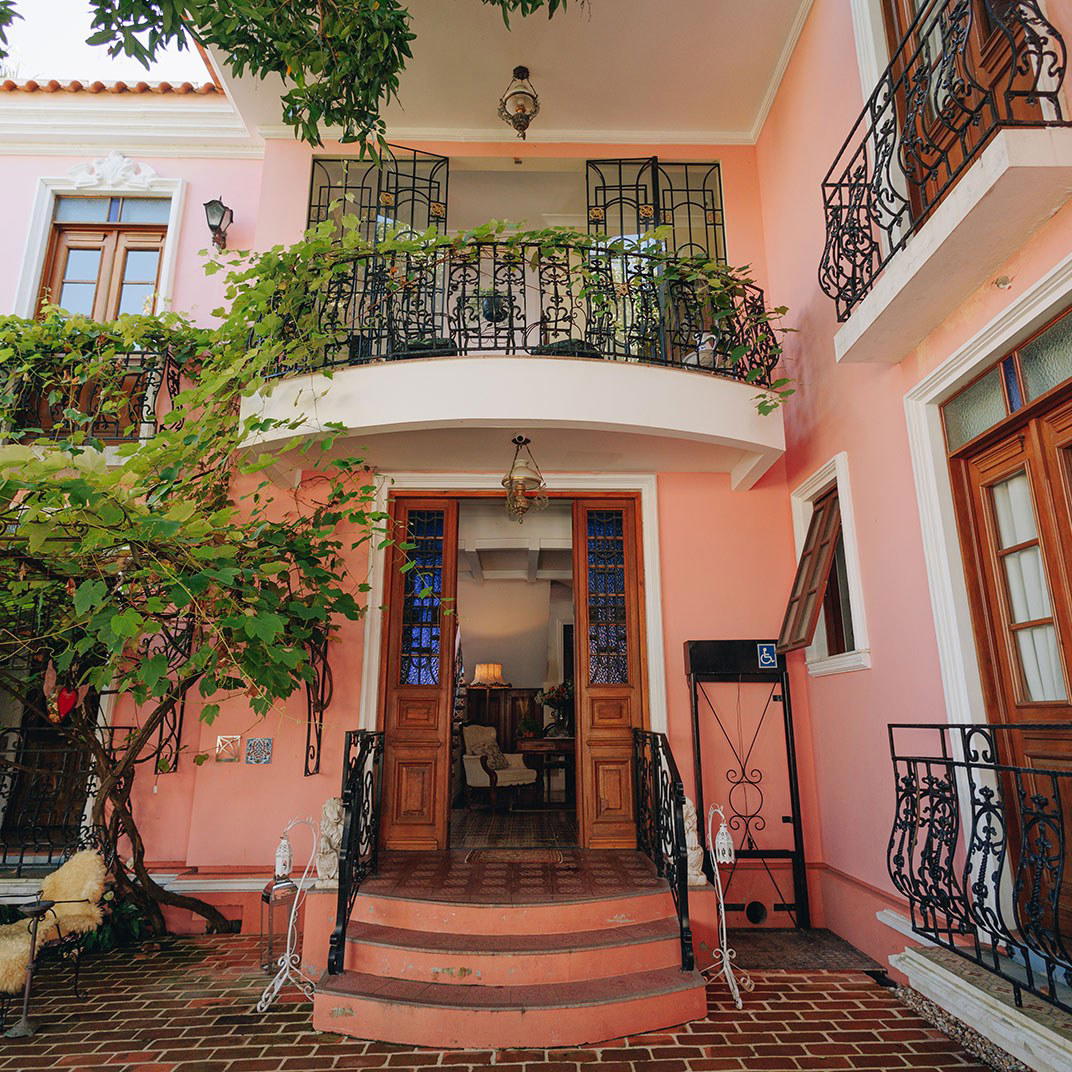
Rustic and welcoming with traditional Azorean decor, cozy atmosphere, bright and well-furnished interior.