Ostradamus
Our verdict
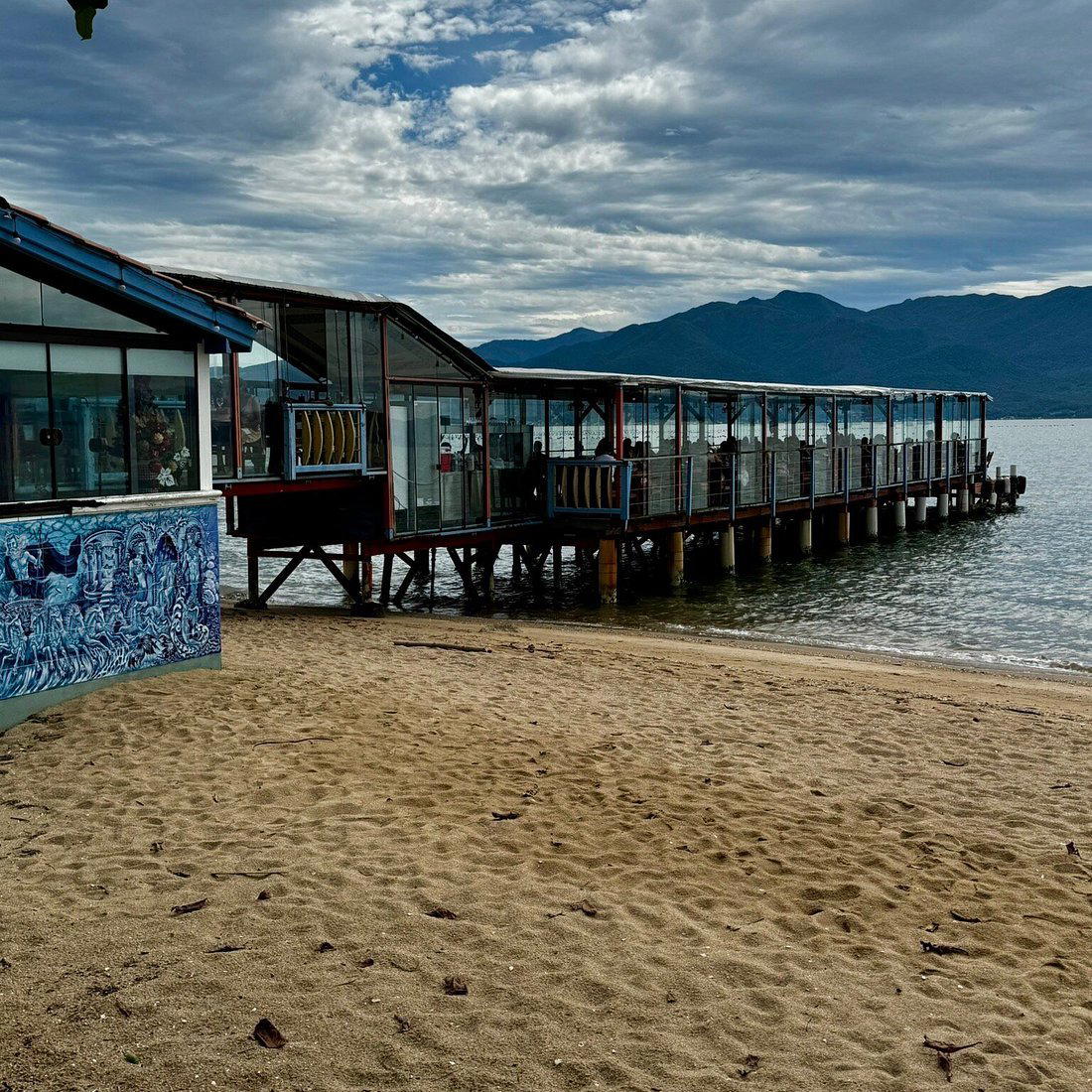
Ostradamus sits at the southern end of Florianópolis, in Ribeirão da Ilha, the neighborhood that supplies most of the island's oysters. The address places it inside the production zone itself, where the dining ritual is inseparable from the tidal cycle and the farming traditions that shaped this stretch of coast. For visitors comparing seafood-focused restaurants across the city, this is the address that anchors the oyster conversation.

Pearl is the En Primeur Club membership app, where members save venues, book tables and use the concierge.
The menu
What to order
- Fresh Oysters
- Gratinada Oysters
- Shrimp Pasta
Where the Oyster Comes From, and Where You Eat It
Ribeirão da Ilha sits at the southern tip of Florianópolis, a narrow strip of coast where oyster farming has been a working industry for decades. The farms line the bay in visible rows, close enough to the shoreline that the relationship between production and plate is not metaphorical, it is physical. Ostradamus occupies this zone, at Rod. Baldicero Filomeno, 7640, placing it inside the source geography rather than at a remove from it. That distinction shapes everything about how a meal here is structured, paced, and understood.
In most seafood restaurant contexts across Brazil, oysters arrive as a prelude, a few shells on ice before the proteins that the kitchen considers the main event. In Ribeirão da Ilha, that hierarchy is inverted. The oyster is the event, and the ritual of eating here reflects that inversion. You are not being served a delicacy imported from a distant growing region; you are eating within the growing region itself. Comparable dynamics exist at oyster-centric addresses in Cancale in Brittany or in the Apalachicola Bay corridor in Florida, where proximity to the source becomes part of the dining logic. Florianópolis has built its own version of that tradition, and this southern stretch of the island is its geographic center.
The Ritual of the Meal in Ribeirão da Ilha
The pacing at addresses like Ostradamus tends to follow a pattern that differs from the Brazilian urban dining norm. In São Paulo or Rio de Janeiro, where restaurants such as D.O.M. in São Paulo or Lasai in Rio de Janeiro set the tempo for ambitious dining, the kitchen drives the sequence. In Ribeirão da Ilha, the sequence is more relaxed and more visitor-controlled. Tables tend to extend across the afternoon, particularly on weekends, when the drive south from central Florianópolis becomes part of the ritual. The road along Rod. Baldicero Filomeno passes through mangroves and small fishing communities before arriving at the restaurant strip. The approach itself signals a deceleration.
Within that context, the meal at an oyster-focused house typically opens with the bivalves themselves, raw, grilled, or prepared with simple aromatics, before moving toward broader seafood preparations. The sequence rewards patience. Ordering a second round of oysters before committing to the rest of the menu is not unusual here; it is closer to standard practice. That rhythm distinguishes this neighborhood from the more compressed dining formats found in central Florianópolis, where venues like Artusi Restaurante and Dolce Vita Restaurante operate within a more conventional urban tempo.
The Florianópolis Seafood Context
Florianópolis has a restaurant scene that spans from casual beach-town formats to a growing number of Italian-inflected and Japanese-influenced addresses. Noma Sushi, El Padre Pizzas, and Forneria Catarina represent the breadth of that range. What Ribeirão da Ilha offers sits outside that general mix: it is geographically specific, product-driven, and tied to a coastal food culture that predates the city's growth as a tourism destination. Visiting this neighborhood is less about discovering a restaurant and more about accessing a production tradition that the city has built a partial identity around.
Santa Catarina state's oyster farming industry is nationally significant. The state accounts for the large majority of cultivated oysters consumed in Brazil, and Florianópolis sits at the center of that supply. That context gives the dining experience here a weight that purely urban restaurant visits do not carry. You are not just eating well, you are eating at the source of a supply chain that services the rest of the country. That fact does not need to be performed or explained by the kitchen; it is present in the setting.
For travelers moving through Brazil's restaurant circuit more broadly, the contrast is instructive. The ambition at technically rigorous addresses like Le Bernardin in New York City or Atomix in New York City is expressed through precision and intellectual construction. The ambition in Ribeirão da Ilha is expressed through proximity and directness. Neither approach is subordinate to the other; they simply serve different propositions.
Getting There and Planning the Visit
Ribeirão da Ilha is not walking distance from any of Florianópolis's central neighborhoods or beach districts. A car or rideshare south from central Florianópolis takes approximately 30 to 40 minutes depending on traffic, which on summer weekends can extend that significantly. The southern tip of the island draws visitors specifically for this restaurant corridor, meaning the drive is purposeful rather than incidental. Arriving early in the lunch service, the midday meal is the dominant format here, as at most coastal Brazilian oyster houses, reduces wait times and gives more flexibility over the pace of the meal.
The broader Florianópolis dining picture, including neighborhood-by-neighborhood context, is covered in our full Florianopolis restaurants guide. For visitors who want to anchor a day around the southern route, combining the Ribeirão da Ilha visit with time in the surrounding mangrove communities gives the trip more texture than a purely restaurant-focused itinerary.
Across Brazil, the diversity of regional dining formats is considerable, from the wood-fired churrasco traditions at addresses like Aero Burguer e Grill in Santa Cruz Do Sul to Italian-descended cantina cooking at Cantina Pozzobon in Santa Maria, and from Amazonian river-influenced menus at Bistro Fitz Carraldo in Manaus to event-style cooking at Casa da Dika Restô e Eventos in Braganca. Ostradamus fits into that national mosaic as one of the clearest examples of place-specific, product-first dining that the country offers, where the address is the argument, and the oyster is the proof.
Other regional addresses worth cross-referencing for context on Brazilian food culture include Arte e café Imperial - Matriz in Angra Dos Reis, Casa da Flor Restaurante in Dourados, Casa da Picanha Penedo in Itatiaia, and Famosa Pizza in Ribeirao Preto, each of which operates within a distinct regional food tradition.
Frequently asked questions
Is Ostradamus better for a quiet night or a lively one?
Ribeirão da Ilha operates at a pace that bears little resemblance to the urban dining rhythm of São Paulo or Rio. Ostradamus sits within that context, on a coastal road at the southern tip of Florianópolis, which positions it closer to a long, unhurried lunch or early dinner than a night-out destination. Expect a setting shaped by the tidal cadence of the surrounding oyster farms rather than a bar-driven atmosphere.
How far is Ostradamus from central Florianópolis, and how do you get there?
The restaurant is located at Rod. Baldicero Filomeno, 7640 in Ribeirão da Ilha, at the southern end of Florianópolis island, a meaningful drive from the central neighborhoods and beach districts. A car or rideshare is the practical option; the route follows the coastal road south and takes roughly 30 to 45 minutes from the city centre depending on traffic. Planning the trip as a destination meal rather than a spontaneous stop is the sensible approach.
What dish is Ostradamus famous for?
Ostradamus is closely associated with oysters and Ribeirão da Ilha’s oyster-farming tradition. Confirm current offerings before visiting.
What part of town is Ostradamus in?
Ostradamus is located at Rod. Baldicero Filomeno, 7640 - Ribeirão da Ilha, Florianópolis - SC, 88064-002, Brazil.
How Ostradamus Florianopolis compares with similar nearby venues.
| Venue | Cuisine | Price |
|---|---|---|
| OstradamusThis venue (the venue you are viewing) | Brazilian Seafood and Oysters | $50–100 |
| Rancho Açoriano Coqueiros | Azorean Seafood | $20–30 |
| Restaurante Lindacap | Traditional Brazilian Seafood | Not listed |
| Noma Sushi | Modern Fusion Japanese Sushi | $30–50 |
| Restaurante Le Tuá | French with Italian Passion | Not listed |
Continue exploring
More in Florianopolis
Details
- Scenic
- Lively
- Casual
- Casual Hangout
- Special Occasion
- Waterfront
- Terrace
- Local Sourcing
- Waterfront
- A La Carte
- Gluten Free Options
Current opening hours
- Monday
- 11 AM–10:30 PM
- Tuesday
- 11 AM–11 PM
- Wednesday
- 11 AM–11 PM
- Thursday
- 11 AM–11 PM
- Friday
- 11 AM–11 PM
- Saturday
- 11 AM–11 PM
- Sunday
- 11 AM–6:30 PM
Hours can change for holidays and private events. Hours as of .
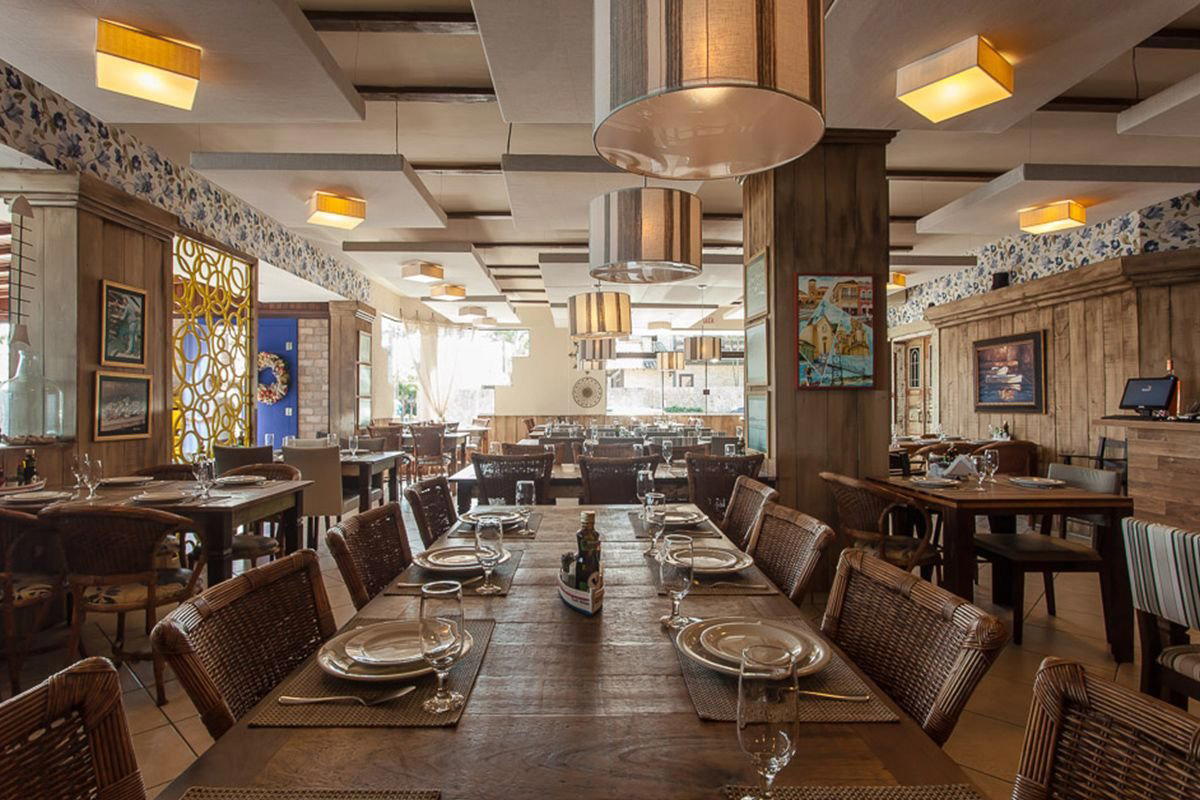
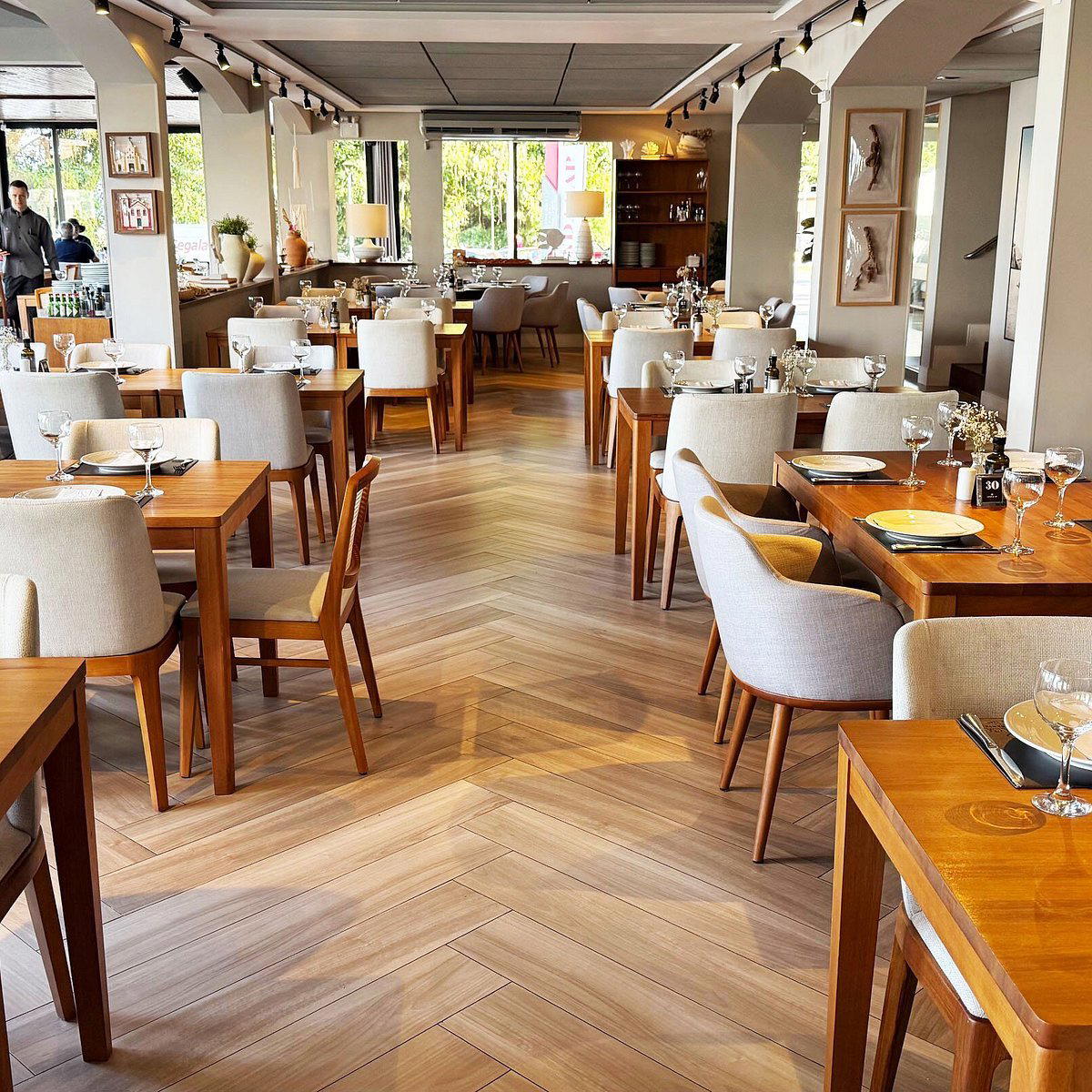
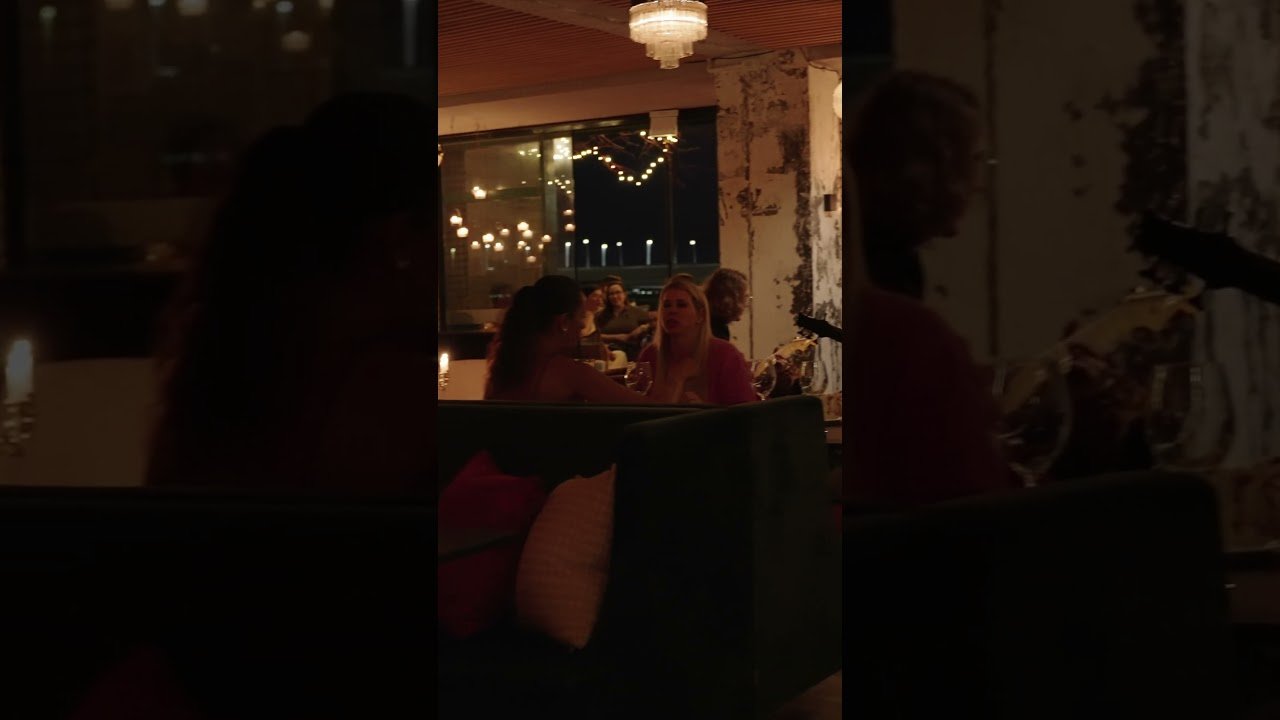
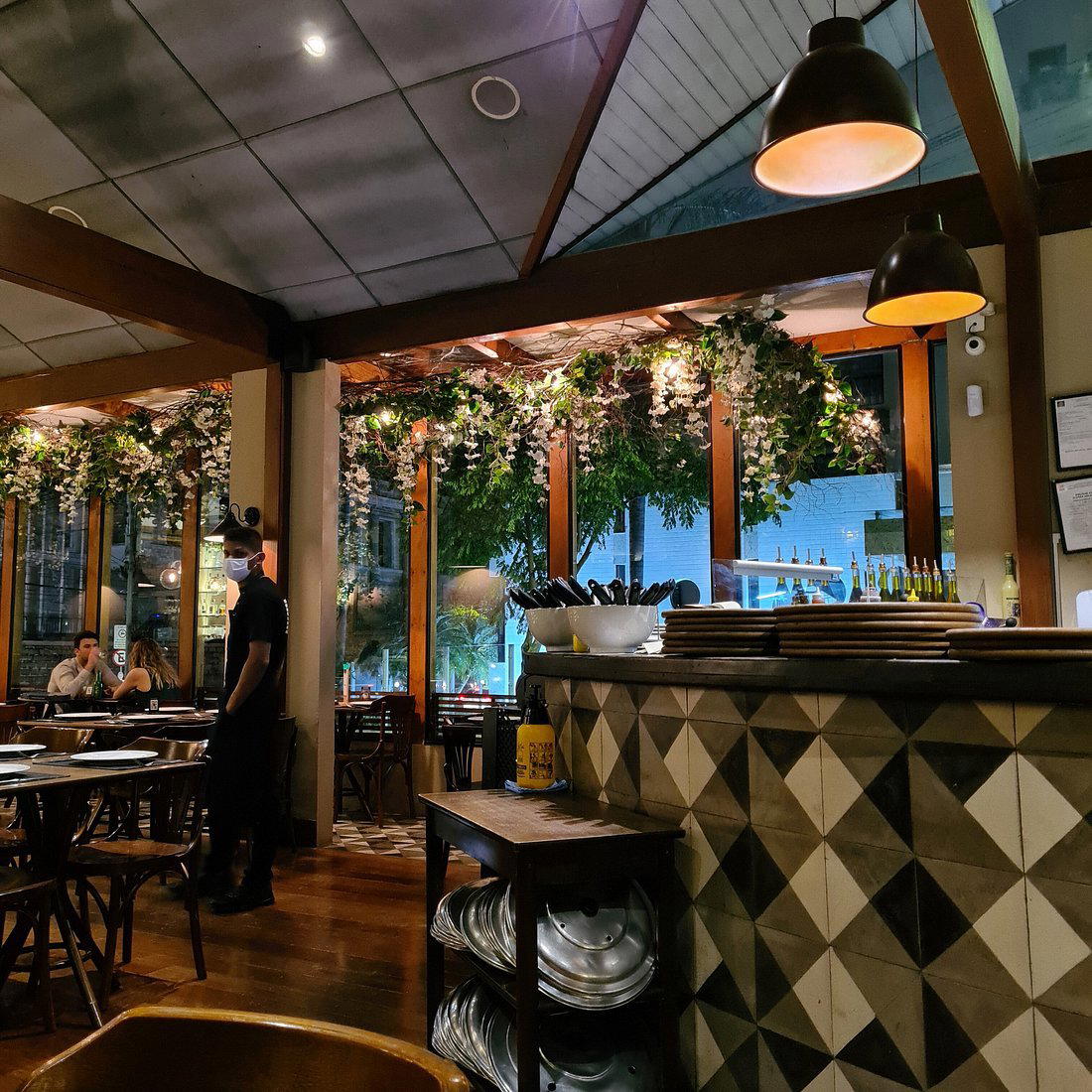
Bright nautical interior with a pleasant pier-side atmosphere offering sea views and potential dolphin sightings.